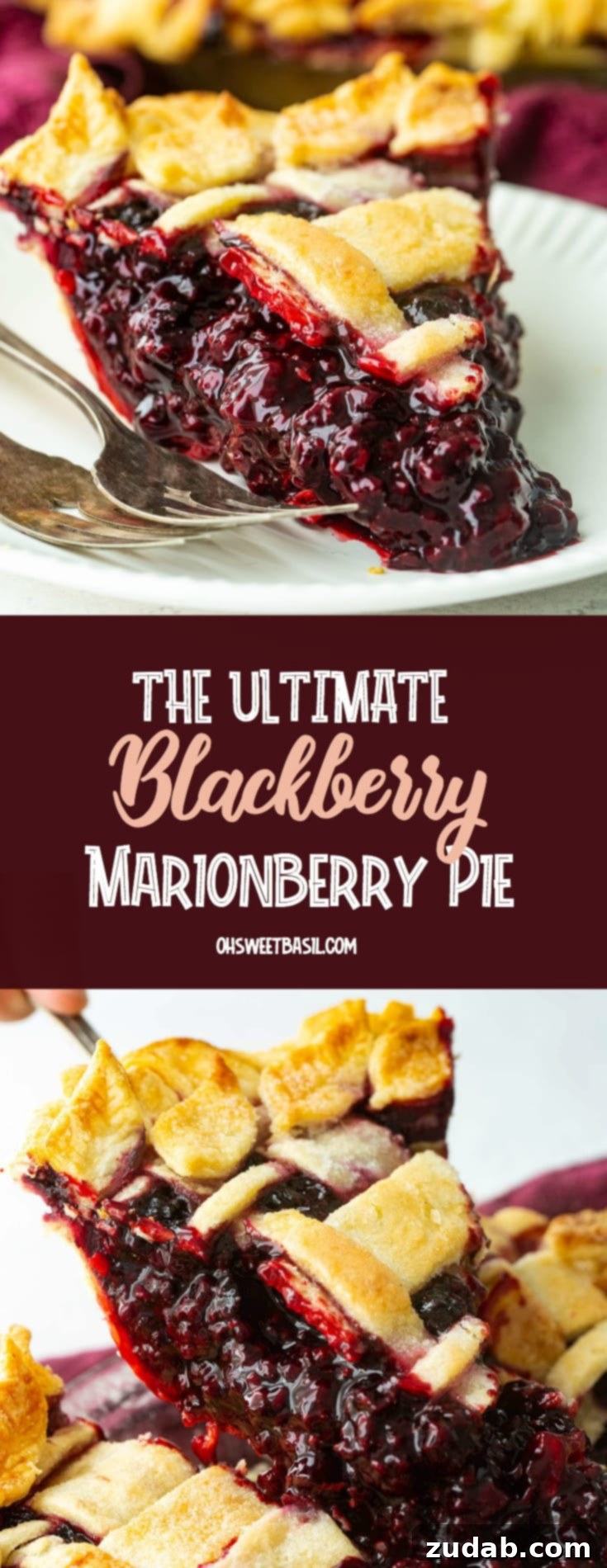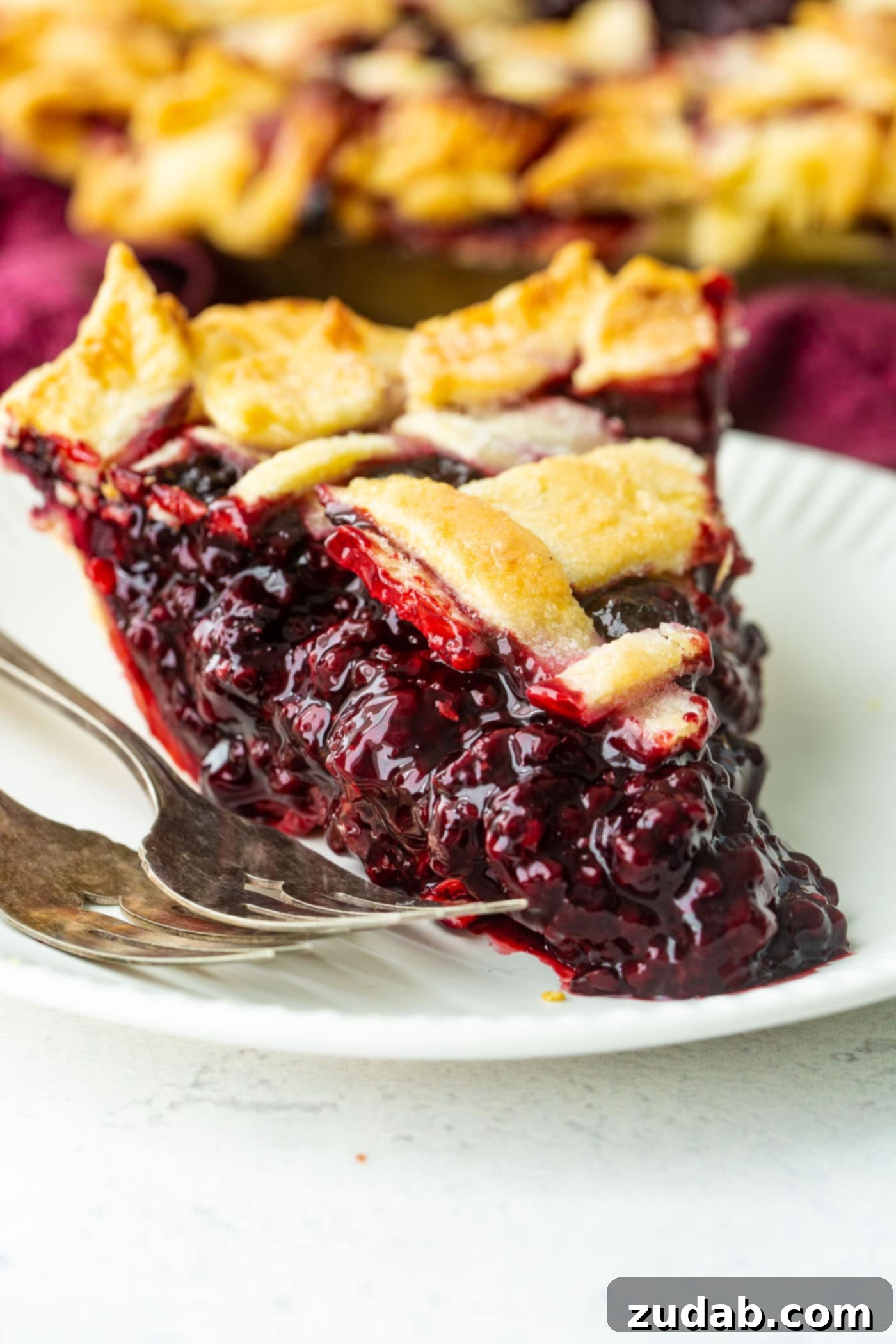
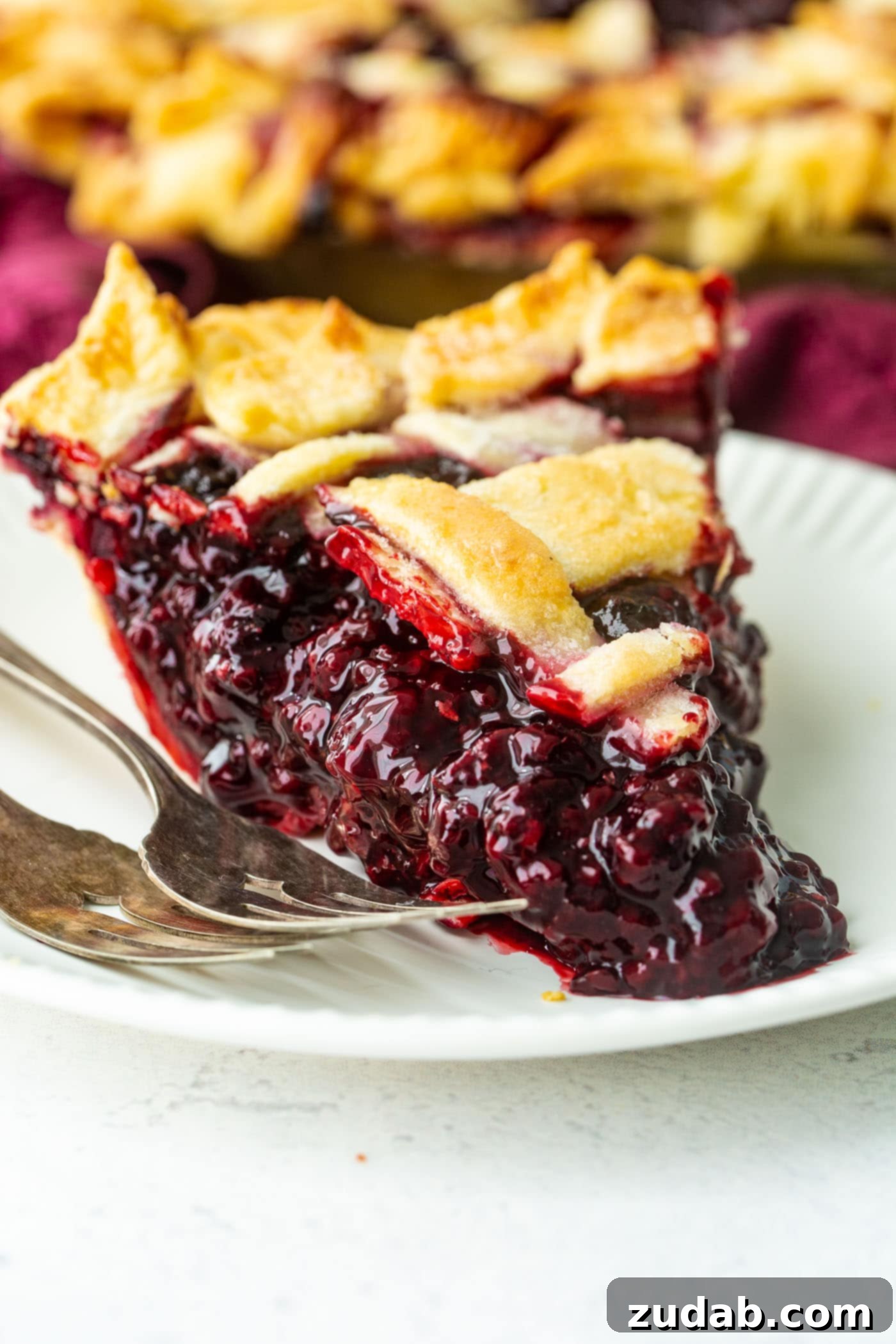
Welcome to the ultimate guide to crafting the most exquisite Marionberry Pie you’ll ever taste! While many associate a deep, rich berry pie with blackberries, and indeed, this recipe can be adapted for them, it truly shines with the unique flavor of marionberries. For those fortunate enough to discover these elusive berries, you’re about to embark on a culinary journey that will redefine your perception of fruit pie. Prepare for a dessert experience that is nothing short of legendary.
My Culinary Obsessions: The Unforgettable Three
If you’ve spent even a few minutes in my company, you’d quickly learn about my profound adoration for a select trio of foods. These aren’t just favorites; they are culinary fixations that I find nearly impossible to resist:
- The unparalleled delight of Marionberry Pie.
- The simple perfection of Margarita Pizza.
- The comforting crispness of Hot French Fries.
Of course, my heart holds room for other delights—succulent tacos, pillowy soft dinner rolls, and countless others. But when faced with any of these three, my willpower typically crumbles. There’s a magic to them, a combination of flavor and texture that transcends mere satisfaction.
The Thrill of the Marionberry Hunt
My journey to perfecting the ultimate marionberry pie began unexpectedly last year. Wandering through the grocery store, my eyes caught a glimpse of something truly special: a display brimming with fresh marionberries! It felt like destiny. I knew, without a shadow of a doubt, that this was my moment. The mission was clear: acquire every single container and bring to life the most magnificent marionberry pie imaginable.
And acquire them I did. Despite my modest stature of 5’3″, with the berries perched high on a shelf, I was undeterred. A true berry enthusiast knows no fear! I carefully positioned my right toes onto a lower shelf, gently nudging aside other produce to gain purchase. One hand gripped an upper shelf, and with a determined grunt, I hauled myself up, reaching for every container of those precious marionberries, pulling them into my cart.
Every. Single. One.
And I have zero regrets. The quest for the perfect pie often requires a touch of daring!
Understanding Marionberries: The Crown Jewel of Berries
Are Marionberries and Huckleberries the Same?
A common misconception, but no, marionberries and huckleberries are distinct. Huckleberries, while delicious, are generally smaller and rounder, bearing a closer resemblance in appearance and texture to blueberries.
What are Marionberries Exactly?
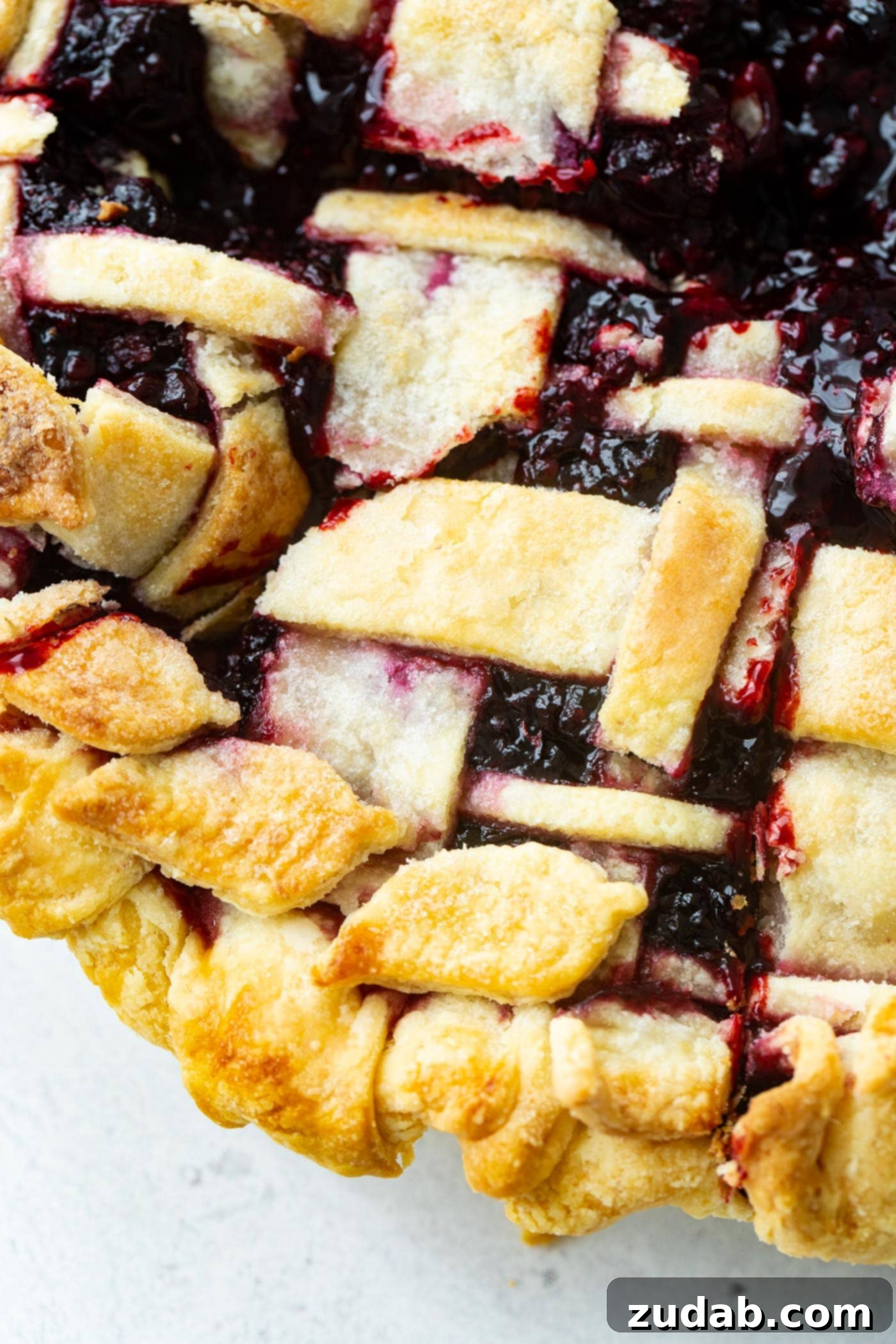
Marionberries are a unique hybrid berry, born from a cross between the Chehalem and Olallie blackberries. Developed in Oregon in the 1940s at Oregon State University, they are often hailed as the “Cabernet of Blackberries” due to their complex, rich flavor. Imagine the deep, earthy sweetness of a blackberry intertwined with the vibrant, slightly tart notes of a raspberry, and you’ll begin to grasp the marionberry’s exquisite profile. They offer a delightful balance of sweetness and tang, creating a flavor that is truly unparalleled in the berry world. It’s this exceptional taste that makes them the ideal star for an unforgettable pie.
The Unrivaled Flavor Profile
Many berry lovers agree: the marionberry is arguably the most perfect berry in existence. Its taste is intensely fruity, with a nuanced sweetness that isn’t overpowering, complemented by a subtle tartness that provides a refreshing counterpoint. This complex flavor profile translates into a pie filling that is robust, aromatic, and deeply satisfying.
Sourcing Marionberries: Where and When to Find Them
Where to Buy Marionberries?
Marionberries are predominantly cultivated and found in the Pacific Northwest, with Oregon being the heartland of their production, particularly around Salem. However, you can also discover them in certain areas of Washington state. Outside of these regions, fresh marionberries can be quite rare, often considered a delicacy.
For those outside the Pacific Northwest, your best bet for fresh marionberries might be specialty farmers’ markets or gourmet food stores that import seasonal produce. Alternatively, the freezer section of larger supermarkets can sometimes yield frozen marionberries or a “blackberry-marionberry” blend, which is an excellent option for pie making.
When is Marionberry Season in Oregon?
The peak season for fresh marionberries in Oregon is typically between July and August. This brief window is one of the most magical times to visit the state, especially if you’re a culinary adventurer. During these months, you can often find roadside stands overflowing with freshly picked marionberries, particularly along the scenic Oregon Coast or in agricultural valleys. Visiting a local farm to pick your own marionberries can be a delightful summer activity, offering the freshest berries and a memorable experience.
Marionberry Substitutes: Don’t Despair If You Can’t Find Them
If you’re reading this from outside my beloved Pacific Northwest and struggling to find fresh marionberries, don’t let it deter your pie-making ambitions! There are excellent alternatives that will still result in a truly delicious berry pie.
Blackberries: The Closest Cousin
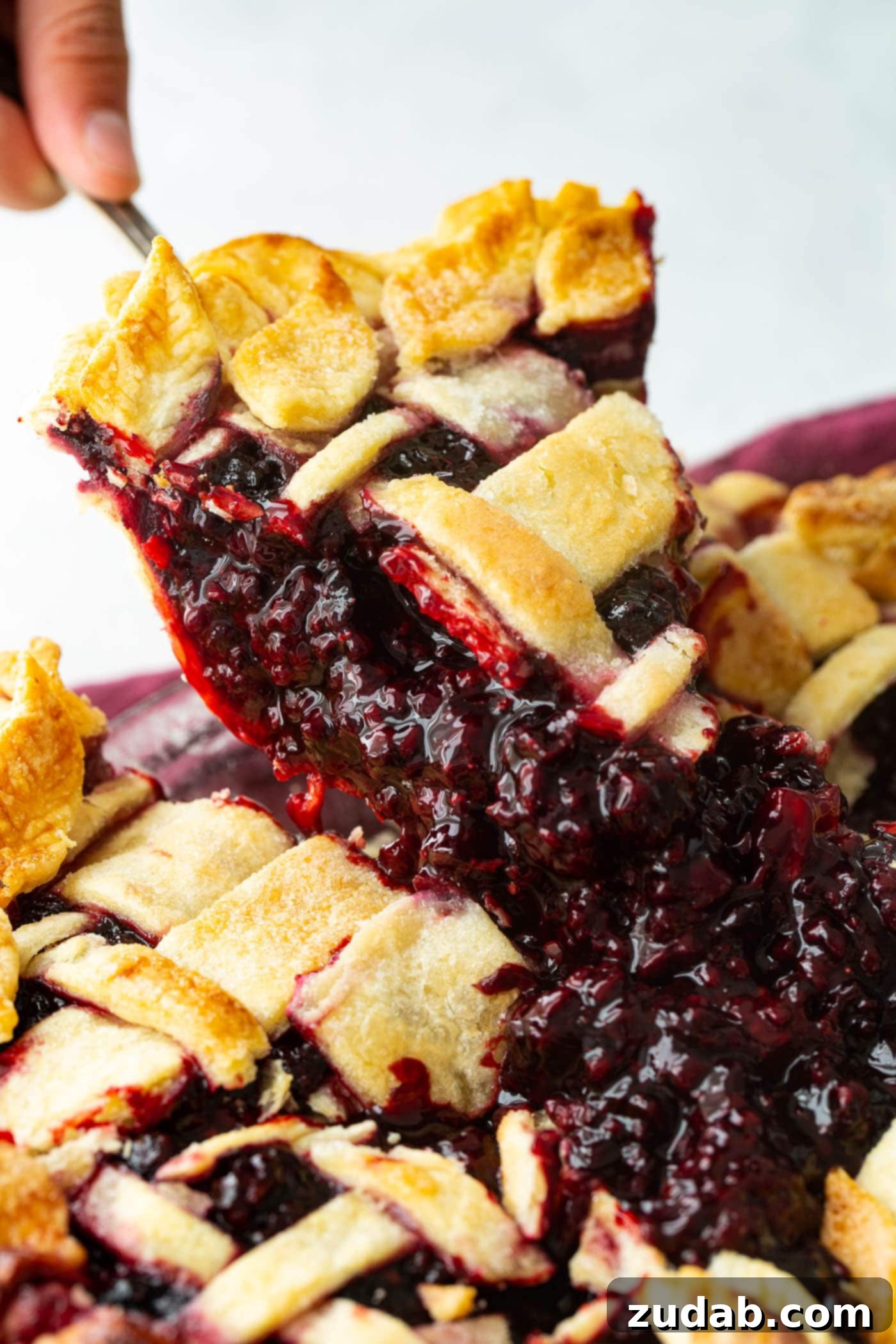
The most natural and recommended substitute for marionberries is fresh or frozen blackberries. Given their genetic lineage, blackberries offer a similar robust flavor and texture. While marionberries tend to be a bit sweeter and more complex, high-quality blackberries will still provide that deep, fruity essence crucial for a fantastic pie. Use them in equal measure to what the recipe calls for in marionberries.
Razzleberry: A Berry Medley Delight
For those who prefer a more varied berry profile or simply aren’t keen on the intense flavor of pure blackberries, a “razzleberry” mix is a wonderful option. This blend typically combines raspberries and blackberries, and sometimes blueberries, to create a harmonious medley that closely mimics the sweet-tart balance of a marionberry. The combination often yields a vibrant, multi-layered flavor that is truly satisfying.
Tips for Berry Combinations
Feel free to experiment with a mix of berries if you can’t get marionberries. A combination of equal parts raspberries and blackberries can be quite lovely. Adding a handful of blueberries can also contribute a nice texture and a hint of extra sweetness. The key is to maintain a balance of sweet and tart to capture the essence of a great berry pie.
Using Frozen Berries in Marionberry Pie: Convenience Meets Flavor
The good news for year-round pie enthusiasts is that frozen berries are a perfectly viable and often excellent choice for marionberry pie. Many supermarkets stock frozen marionberries or blackberry blends, especially in regions where they are cultivated. Using frozen berries means you can enjoy this delightful pie even when fresh marionberries are out of season.
No Defrosting Necessary!
One of the best advantages of using frozen berries in pie is that there’s no need to defrost them. Simply measure out the required amount of frozen berries and incorporate them directly into your pie filling. This prevents them from becoming too watery and helps maintain their structural integrity during the cooking process. You’ll use an equal amount of frozen berries as you would fresh ones, and no adjustments to the recipe are typically needed.
The Perfect Pie Crust: Blind Baking for a Flawless Foundation
A truly exceptional berry pie relies not just on its magnificent filling but also on a perfectly baked crust. In my years of pie making, I’ve come to appreciate the immense value of blind baking the bottom crust for fruit pies. While I didn’t always do it, the results I’ve achieved recently have been so superior that it’s now an essential step in my process.
Why Blind Bake?
Blind baking (or par-baking) the bottom crust helps prevent a soggy bottom, a common lament among pie bakers. It creates a crisp, golden barrier that stands up beautifully to the juicy berry filling, ensuring every bite delivers that delightful contrast of tender fruit and flaky pastry.
Blind Baking Process:
For detailed instructions on how to blind bake your bottom crust, you can refer to our lemon meringue pie post, which covers the technique thoroughly. Here’s a brief overview:
- Prepare your pie dough and fit it into your pie plate. Crimp the edges as desired.
- Chill the crust for at least 30 minutes to an hour.
- Lightly prick the bottom of the crust with a fork (this is called “docking”).
- Line the chilled crust with parchment paper and fill it with pie weights, dried beans, or rice. These weights prevent the crust from puffing up and shrinking.
- Bake in a preheated oven (usually around 375-400°F or 190-200°C) for about 15-20 minutes, or until the edges are set.
- Carefully remove the parchment paper and weights.
- Continue baking for a few more minutes until the crust is lightly golden and appears dry.
- For an extra layer of protection against sogginess, you can brush the par-baked crust with a beaten egg white (an “egg wash”) and bake for another 2-3 minutes until sealed.
- Allow the crust to cool completely before adding the pie filling. This crucial cooling step prevents the hot filling from prematurely softening the crust.
Crafting the Perfect Marionberry Pie Filling: Simple Steps to Success
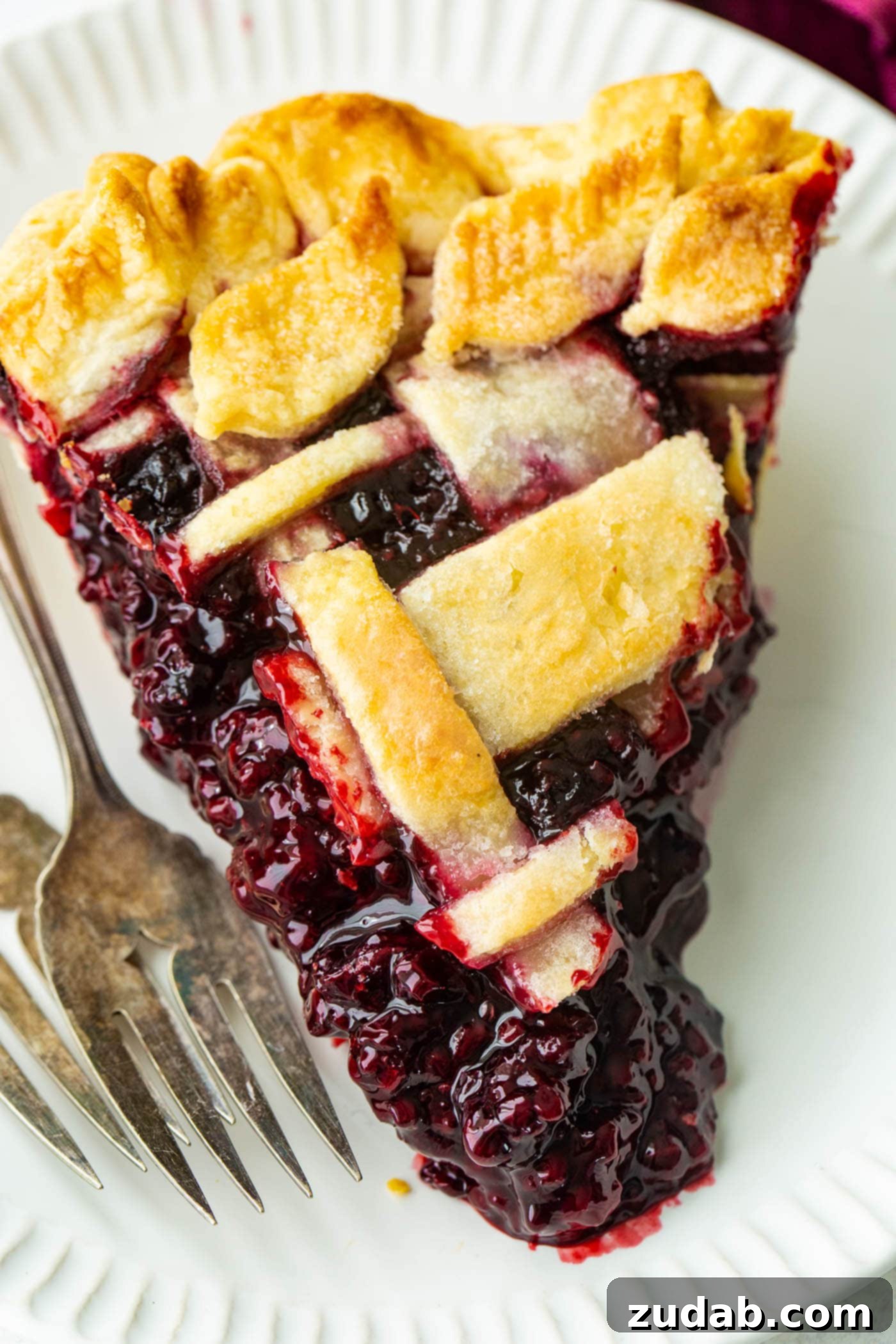
One of the most appealing aspects of a marionberry pie is the sheer simplicity of its filling. Despite its sophisticated flavor, making the filling is remarkably straightforward, even for novice bakers. The key is gentle handling of the berries to maintain their shape and vibrant texture.
How to Make Marionberry Pie Filling:
- In a large, heavy-bottomed pot or saucepan, combine your fresh or frozen marionberries with the sugar and your chosen thickener (more on this below).
- Very gently fold the ingredients together using a rubber spatula. The goal is just to coat the berries without mashing them.
- Place the pot over medium heat. Continue to cook, stirring only occasionally and very gently, until the berries begin to release their juices and the mixture starts to thicken. This usually takes about 5-10 minutes. Avoid over-stirring, which can break down the berries and turn your filling into jam.
- Once the filling has reached a desirable consistency and is warm and slightly bubbly, remove it from the heat and set it aside to cool slightly while you prepare the crust.
Troubleshooting: Why is My Berry Pie Runny?
A runny berry pie filling can be incredibly disappointing after all your hard work. This common issue arises when the liquids within the pie don’t properly set during baking and cooling. Several factors can contribute to a loose filling:
- Excess Liquid from the Fruit: Overly juicy or very ripe berries can release a significant amount of liquid.
- Over-Ripe Berries: These tend to be softer and release more liquid during baking than firmer berries.
- Insufficient Thickener: Not enough of your chosen thickening agent will inevitably lead to a watery filling.
- Inadequate Cooking Time: The filling needs sufficient time in the heat, both on the stovetop and in the oven, for the thickener to activate and bind the liquids.
- Insufficient Cooling Time: Pie fillings continue to set as they cool. Cutting into a warm pie too soon is a primary cause of runny slices.
- Incorrect Thickener Type: Some thickeners work better than others for fruit pies, and their potency can vary.
The Secret to a Perfectly Set Fruit Pie: Choosing the Right Thickener
The single most important factor in preventing a runny fruit pie is selecting and properly using an effective thickener. While several options exist, not all are created equal in terms of texture, clarity, and taste.
Common Thickening Agents:
- Flour: A traditional choice, but it can make the filling opaque and sometimes impart a slightly floury taste. It also requires more cooking time to activate.
- Cornstarch: Provides a clear, glossy finish but can break down if overcooked or if the pie is frozen and thawed. It also tends to create a slightly gelatinous texture.
- Tapioca (Instant or Granulated): Offers a clear, fruit-forward filling with good stability. It needs time to dissolve and thicken, so it’s best added with the fruit before cooking.
- Cornaby’s Ultra Gel: This is our absolute top recommendation.
Why Cornaby’s Ultra Gel is the Ultimate Choice:
Of all the thickeners, we consistently favor Cornaby’s Ultra Gel for our fruit pies. It is a modified food starch designed specifically for fruit fillings and offers superior results for several reasons:
- No Taste or Texture Interference: Unlike flour or cornstarch, Ultra Gel is completely neutral, allowing the pure, vibrant flavor of the marionberries to shine through without any starchy or gummy aftertaste.
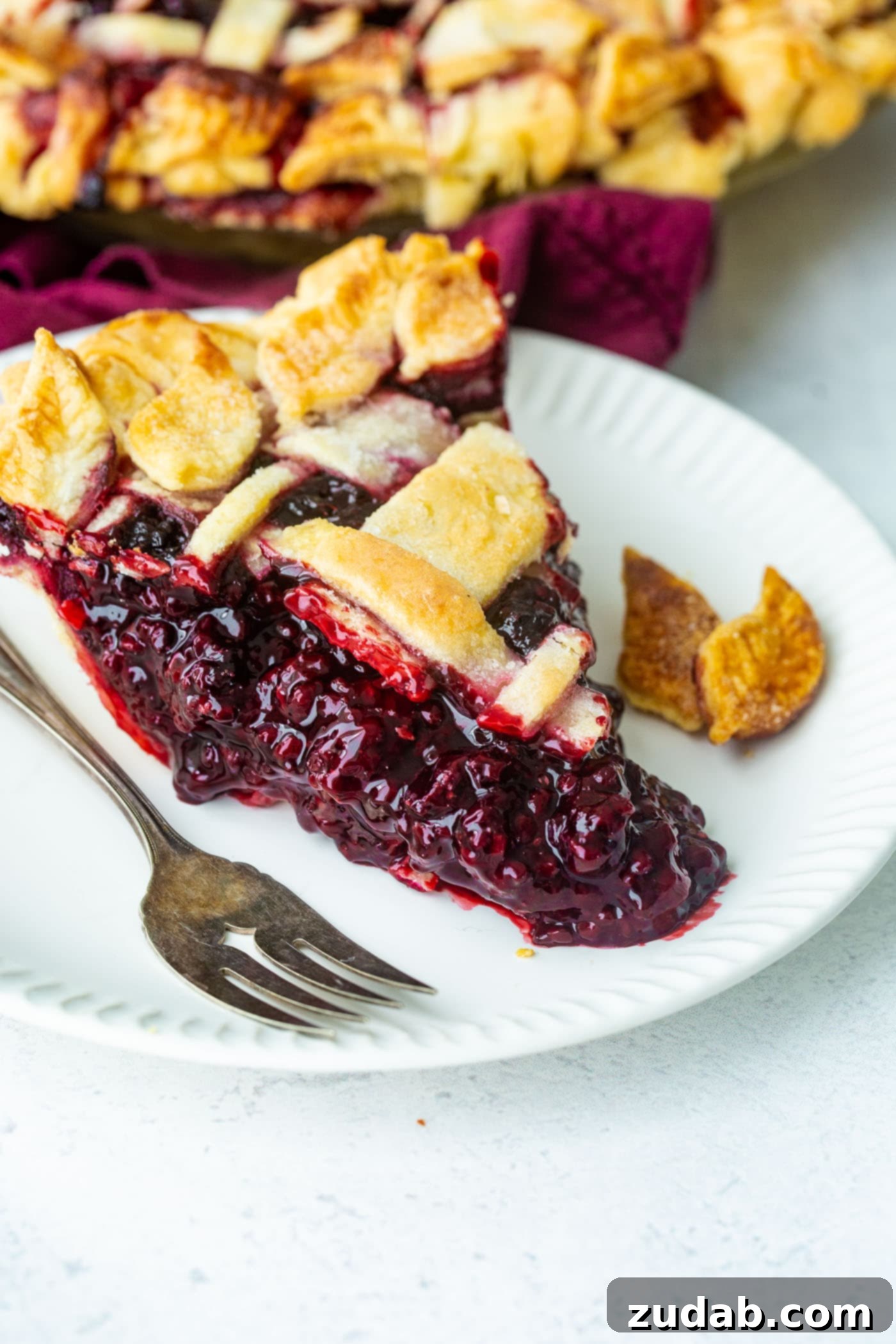
- Perfect Consistency: It creates a beautifully clear, perfectly thickened filling that holds its shape when sliced, but remains wonderfully “dreamy” and fruit-forward, never gelatinous or gluey.
- Reliable Performance: It works consistently, even with very juicy fruits, and holds up well to varying baking times.
Using Flour as a Thickener: A Practical Alternative
If Cornaby’s Ultra Gel isn’t readily available, all-purpose flour is a common and acceptable substitute. While it may not offer the same pristine clarity or neutral flavor profile, it will still effectively thicken your pie filling.
How Much Flour to Use:
The amount of flour needed will vary based on the juiciness of your berries. As a general guideline, we recommend starting with 1/3 to 1/2 cup of all-purpose flour for a standard pie. For exceptionally juicy marionberries, you might need to increase it to 3/4 to 1 cup. It’s always better to start with slightly less and add more if the filling seems too thin during the stovetop cooking stage.
Marionberries truly are what dreams are made of! Transform them into a spectacular Marionberry Pie, and you’ll understand why resistance is futile. This pie is a sweet symphony, a burst of summer joy that will have you reaching for just one more slice, then perhaps the whole pie! It’s a dessert that transcends expectations, delivering pure, unadulterated berry bliss with every bite.
More Easy Pie Recipes: Discover Your Next Favorite Dessert
If you’ve fallen in love with the art of pie making, we have a treasure trove of other delightful recipes to inspire your next baking adventure. From creamy classics to seasonal fruit masterpieces, there’s a pie for every occasion and every craving:
- Homemade French Silk Pie
- Dulce de Leche Banana Cream Pie
- Marionberry Pie
- Cinnamon Roll Apple Pie
- Peanut Butter Banana Cream Pie
- Peach Blackberry Galette
- Lemon Jello Peach Pie
- The Perfect Razzleberry Pie
- Easy No-Bake Chocolate Pie
- Simple Blueberry Pie
- Strawberry Icebox Pie
- No-Bake Lemon Cream Pie
- ALL OF OUR PIE RECIPES!
Marionberry Pie Recipe
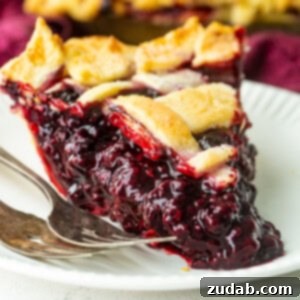
I’ve searched long and hard for the perfect marionberry pie recipe and now I’ve found it. Marionberry pie (also adaptable as a blackberry pie) is perfectly thickened so it won’t run all over the pan.
By: Sweet Basil
Prep Time: 10 mins
Cook Time: 45 mins
Total Time: 55 mins
Servings: 18
Ingredients
- 1 Double Crust (Mom’s Magic Pie Crust Recipe)
- 5 Pints Marionberries (Blackberries work too)
- 1/2 – 3/4 Cup Sugar
- 1/4 Cup (Cornaby’s Ultra Gel)
- 1 Egg
- 1/2 teaspoon Water or milk
- Turbinado or Regular Sugar (about 1-2 Tablespoons)
Instructions
- Prepare the pie crust: Shape half of the dough into a pie plate. Slice the other half into strips and cover both with plastic wrap, then place in the fridge.
- Preheat the oven to 375°F (190°C). Blind bake the bottom crust (see notes below for detailed instructions or our lemon meringue pie post).
- Make the filling: Add the fruit, sugar, and Ultra Gel (or chosen thickener) into a saucepan. Gently, using a rubber spatula, fold the berries in. Start with only 1/2 cup sugar; if your berries are extra tart, add more sugar, 1 tablespoon at a time. Turn the heat to medium-low and cook until the berries are releasing their juices and beginning to thicken. Only stir occasionally as you don’t want to break up the fruit and turn it into jam.
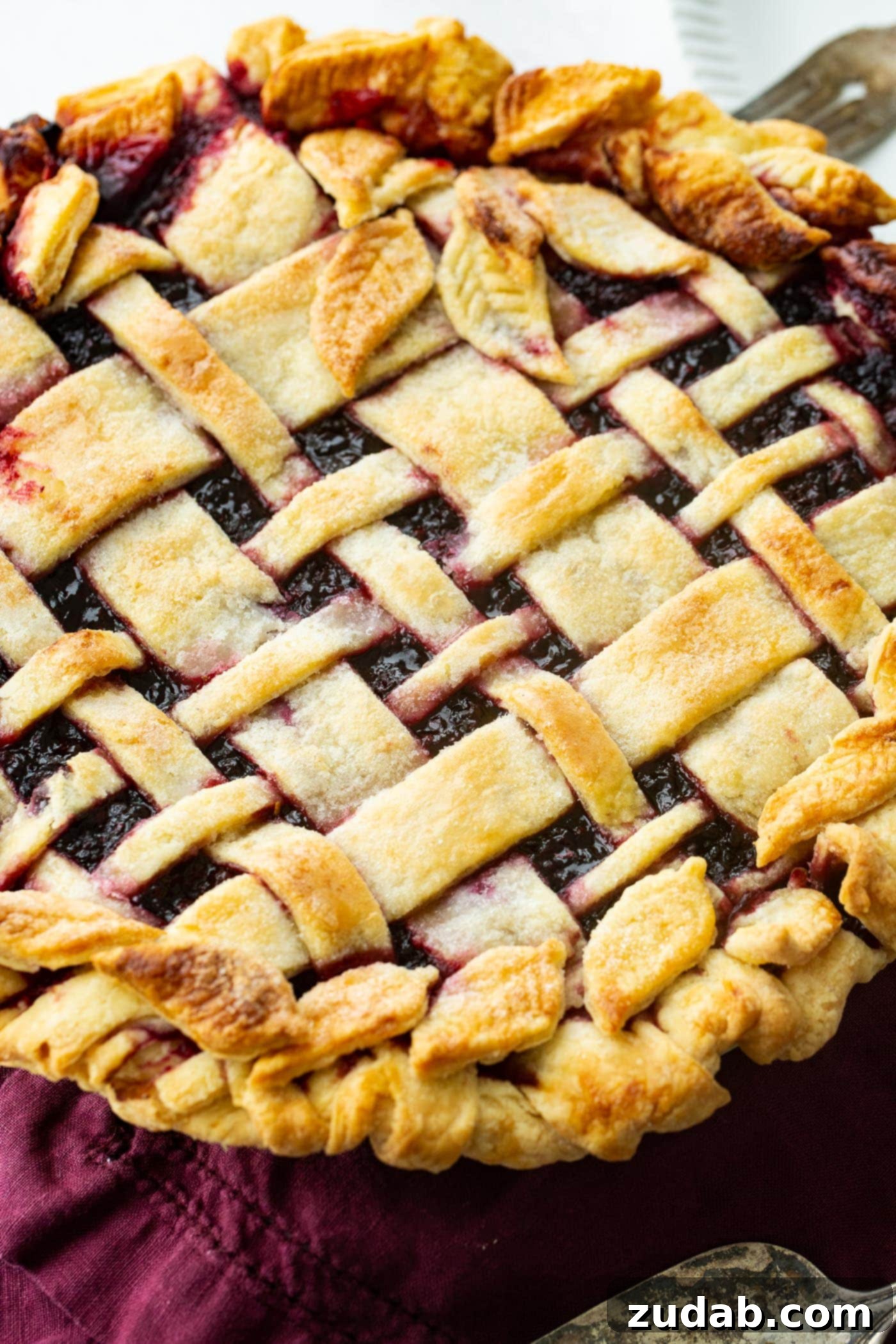
- Assemble the pie: Add the warm fruit mixture directly into the blind-baked pie crust. Place strips of dough across the pie. Then, lift up one end of every other strip and lay a new strip across the other way to begin forming a lattice. Repeat with the remaining strips, weaving them over and under the existing ones, until you’ve formed a full lattice pattern across the entire pie.
- Egg wash and sugar sprinkle: Whisk together the egg and water (or milk) to create an egg wash. Brush this mixture over the lattice top of the pie and immediately sprinkle generously with turbinado or regular sugar for a sparkling, crunchy finish.
- Bake the pie: Bake for 25 minutes. Then, drape a piece of tin foil loosely over the pie to prevent the crust from over-browning, and continue to bake for another 20-30 minutes, or until the filling is visibly bubbly and the crust is golden brown.
- Cool: Remove from the oven and cool entirely on a wire rack at room temperature. For best results and a perfectly set filling, we prefer to let our pie rest overnight. Refrigeration can sometimes cause the filling to sink and pull away from the crust.
Recipe Notes
- For thickening, we don’t suggest anything other than Ultra Gel for the best results. However, if you must use flour, try 1/3-1/2 cup. If your berries are extra juicy, you could use up to 3/4-1 cup of flour.
- You can blind bake the bottom crust if you have the time. It really helps to keep the bottom crust from getting soggy. See our lemon meringue pie post for detailed instructions.
- This pie can be kept at room temperature for 2 days, or in the refrigerator for up to 4 days.
Nutrition
Serving: 1g, Calories: 114kcal, Carbohydrates: 20g, Protein: 2g, Fat: 3g, Saturated Fat: 1g, Polyunsaturated Fat: 2g, Cholesterol: 11mg, Sodium: 52mg, Fiber: 5g, Sugar: 10g
Nutrition information is automatically calculated, so should only be used as an approximation.
Like this? Leave a comment below!