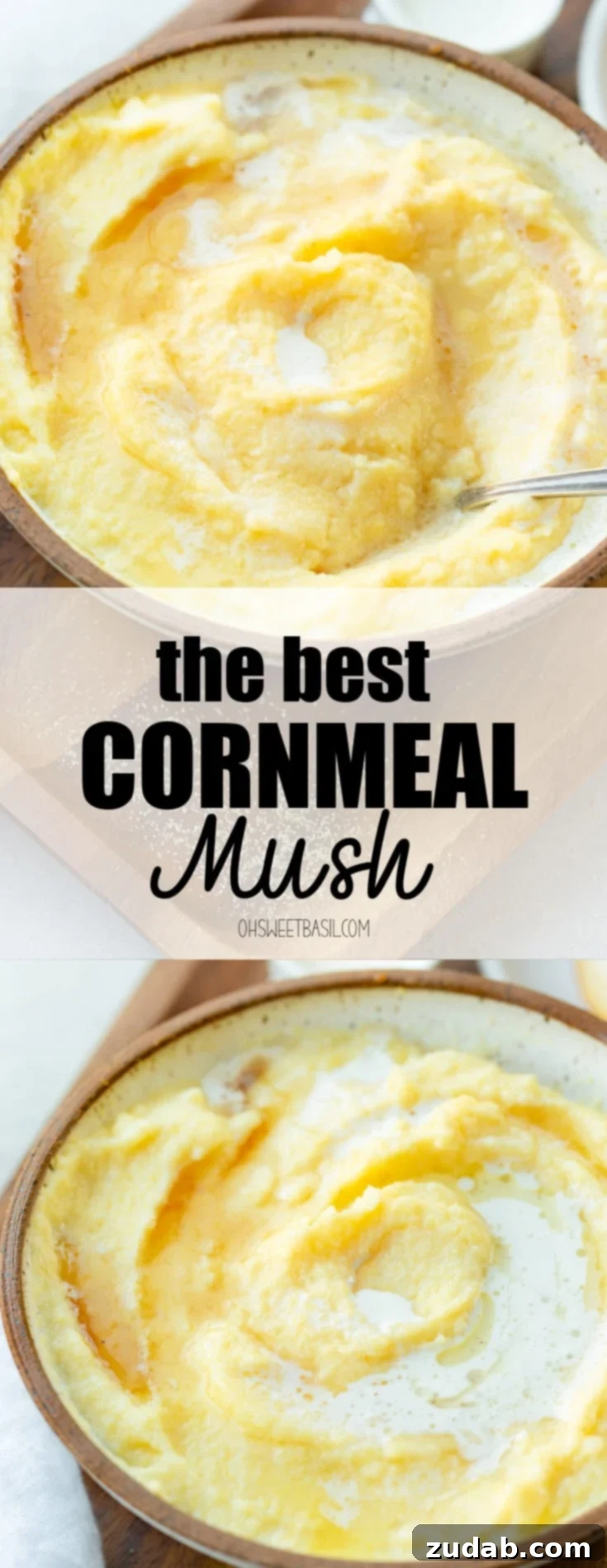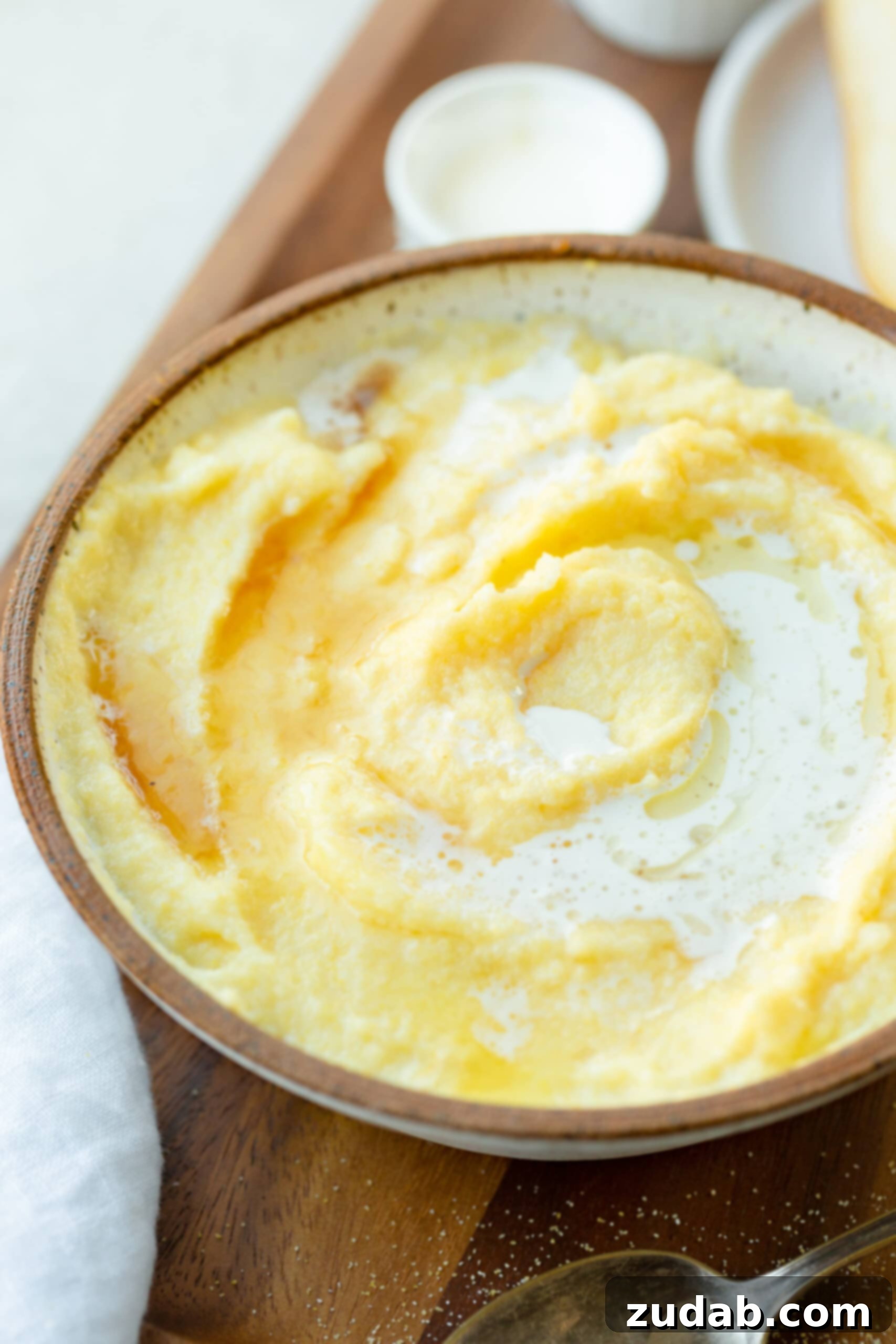
Step into a world of heartwarming comfort with a timeless classic that’s capturing hearts everywhere: creamy cornmeal mush. This incredibly simple yet profoundly satisfying dish offers a culinary embrace, wrapping you in warmth from the inside out. Forget fleeting trends; there’s an undeniable allure in a bowl of perfectly cooked cornmeal mush – it’s creamy, it’s deeply fulfilling, and it embodies the very essence of home-cooked goodness. Whether you’re seeking a nostalgic taste of tradition or a straightforward, comforting meal for any time of day, this versatile cornmeal recipe is about to become your new favorite.
While often associated with cozy breakfast tables, especially during the holiday season, the truth is that cornmeal mush transcends the morning meal. Its adaptability makes it an excellent choice for a quick and simple dinner after a long day, or a nourishing lunch that feels like a hug in a bowl. It’s a dish that effortlessly fits into any schedule, offering a delightful experience regardless of when you choose to enjoy it. Prepare to fall in love with its warm, unassuming charm and discover why some culinary traditions are truly worth melting for.
What Exactly is Cornmeal Mush? A Deep Dive into this Southern Staple
To truly understand cornmeal mush, imagine the beloved porridge from Goldilocks and the Three Bears, but with a distinctly Southern twist. This humble yet hearty dish is a cornerstone of Southern cuisine, renowned for its simplicity and comforting texture. At its core, cornmeal mush is created by simmering fine cornmeal with a liquid, typically water or milk, until it transforms into a creamy, thick, and utterly delicious consistency. If you’re familiar with Cream of Wheat, you’ll recognize a similar, smooth mouthfeel, but with the distinct, subtly sweet flavor profile of corn instead of wheat.
Historically, cornmeal mush has been a staple in many households due to its affordability, ease of preparation, and satisfying nature. It provided substantial sustenance, especially in times when resources might have been limited. Over generations, it evolved from a simple necessity into a cherished comfort food, passed down through families and enjoyed across various Southern states. Its gentle warmth and mild flavor make it an incredibly versatile base, ready to be customized with an array of toppings to suit any palate, whether you crave something sweet or savory. It’s more than just a meal; it’s a taste of tradition, a reminder of simpler times, and a testament to the comforting power of wholesome ingredients.
Essential Ingredients for Your Perfect Bowl of Cornmeal Mush
One of the many beauties of this easy cornmeal mush recipe lies in its minimalist ingredient list. You need just three core components to create this home-cooked comfort, making it an accessible and budget-friendly option for breakfast, lunch, or a quick and simple dinner. Here’s a closer look at what you’ll need and why each element is crucial:
- Milk: The Creamy Foundation. While you technically *can* use water, milk is highly recommended for achieving that rich, creamy texture and depth of flavor that defines truly exceptional cornmeal mush. Feel free to use any type of dairy milk you prefer – whole milk for maximum richness, 2% or 1% for a lighter touch, or even fat-free milk if you’re mindful of calories. For those with dietary restrictions or preferences, unsweetened almond milk, soy milk, or oat milk can also be used, though they might impart a slightly different flavor and texture. The fat content in dairy milk, however, contributes significantly to the mush’s velvety smoothness.
- Cornmeal: The Heart of the Mush. This is the star of our show! The type of cornmeal you choose will influence the final texture. Fine-ground cornmeal will result in a very smooth, almost custard-like consistency, akin to Cream of Wheat. Medium-ground cornmeal offers a bit more texture, while coarser grinds might lean closer to the consistency of traditional grits (more on that later). Yellow cornmeal is most commonly used, giving the mush its characteristic golden hue and a slightly sweeter corn flavor. White cornmeal can also be used for a milder taste and lighter color. Ensure you’re using plain cornmeal, not self-rising or cornmeal mix, as these contain leavening agents that are not suitable for mush.
- Salt: The Flavor Enhancer. Don’t underestimate the power of a pinch of salt, even in a dish that will likely be served with sweet toppings. Salt is essential for balancing and enhancing the natural flavors of the cornmeal and milk. It prevents the mush from tasting bland and helps to bring out its inherent sweetness. Without it, the dish can fall flat.
- Toppings: Your Canvas for Customization. While not technically an ingredient *in* the mush itself, toppings are paramount to personalizing your bowl. They transform a simple base into a culinary creation tailored to your desires. From sweet drizzles to savory sprinkles, the possibilities are endless. We’ll delve into a wide array of topping suggestions below to inspire your creativity.
The precise measurements for each ingredient, along with detailed instructions, are conveniently located in the recipe card below. This card also offers the option to save or print the recipe for future use, ensuring you can recreate this delightful dish whenever the craving strikes.
How to Prepare Creamy Cornmeal Mush: A Step-by-Step Guide
Making creamy cornmeal mush is a straightforward process that yields incredibly satisfying results. The key is patience and consistent stirring to achieve that perfectly smooth, lump-free consistency. Follow these simple steps for a flawless bowl every time:
- Boil the Bulk of the Milk: Begin by pouring 3 cups of your chosen milk into a medium-sized saucepan. Place it over medium-high heat and bring it to a gentle boil. Keep a close eye on it during this stage, as milk can scorch easily at the bottom of the pan if left unattended. Reduce the heat immediately if it threatens to boil over.
- Prepare the Cornmeal Slurry: While the milk is heating, in a separate mixing bowl, combine the remaining 1 cup of milk with the cornmeal and salt. Whisk these ingredients together thoroughly until you have a completely smooth slurry. This step is crucial for preventing lumps in your finished mush. By mixing the cornmeal with cold milk first, you prevent it from clumping when it hits the hot liquid.
- Combine and Whisk: Once the milk in the saucepan reaches a boil, slowly and steadily pour the cornmeal slurry into the boiling milk. As you pour, continuously whisk the mixture in the saucepan. This constant motion helps to evenly distribute the cornmeal and prevent it from settling and burning on the bottom, while also ensuring a creamy texture.
- Simmer to Perfection: Immediately after combining, reduce the heat to low. Continue to stir the mixture consistently. This slow simmering process allows the cornmeal to fully hydrate and cook, gradually thickening into a creamy mush. The cooking time typically ranges from 10 to 15 minutes, or until it reaches your desired thickness. Remember, it will thicken further as it cools, so don’t overcook it to an excessively thick consistency on the stove. If it becomes too thick during cooking, you can always add a splash more milk or water to adjust the texture.
- Serve and Enjoy: Once your cornmeal mush has reached the perfect creamy consistency, remove it from the heat and transfer it to serving bowls. Now comes the best part – adding your favorite toppings!
Enhance Your Experience: Diverse Toppings for Cornmeal Mush
While delicious on its own, cornmeal mush truly shines when dressed with complementary toppings. This is where you can unleash your culinary creativity and transform a simple base into a personalized masterpiece. Here are some fantastic ideas for both sweet and savory adornments:
Sweet Topping Sensations:
- Classic Drizzles: A generous drizzle of honey or maple syrup is a traditional favorite, adding a touch of natural sweetness. Agave nectar also works wonderfully.
- Dairy Delight: A swirl of fresh cream, half-and-half, or even a dollop of whipped cream elevates the creaminess and richness.
- Fruity Freshness: Fresh berries (blueberries, raspberries, strawberries), sliced bananas, sautéed apples with cinnamon, or peaches add vibrant flavor and texture. Frozen berries can also be used, gently warmed or added directly for a cooling contrast.
- Nutty Crunch: Chopped nuts like walnuts, pecans, almonds, or even candied nuts provide a delightful textural contrast and rich flavor.
- Sweet Spices & Extracts: A dash of cinnamon, nutmeg, cardamom, or a splash of vanilla extract can deepen the flavor profile.
- Chocolate Indulgence: For a decadent treat, sprinkle in some chocolate chips (dark, milk, or white) while the mush is hot, allowing them to melt slightly.
- Dried Fruits: Raisins, dried cranberries, chopped dates, or apricots add chewiness and concentrated sweetness.
Savory Topping Inspirations:
- Cheesy Goodness: Melted cheddar, Parmesan, or a blend of your favorite cheeses transforms mush into a savory delight, similar to grits.
- Herbal Infusion: Fresh chives, parsley, or green onions chopped finely add a fresh, aromatic touch.
- Spicy Kick: A dash of hot sauce, red pepper flakes, or a sprinkle of black pepper can add a pleasant zing.
- Protein Boost: Crispy bacon bits, crumbled sausage, or even a fried egg can turn your mush into a more substantial savory meal.
- Butter Brilliance: A simple pat of butter stirred in provides richness and a comforting aroma.
Feel free to mix and match these suggestions to create your ultimate bowl of comforting cornmeal mush. The beauty is in making it truly your own!
Cornmeal Mush vs. Grits: Unraveling the Southern Similarities and Differences
The question often arises: is cornmeal mush the same as grits? While they are undoubtedly related and share a common heritage in Southern cuisine, there are distinct differences that set them apart. Understanding these nuances helps appreciate both dishes for their unique qualities.
Fundamentally, grits *are* a type of cornmeal mush. Both are made from dried, ground corn cooked with liquid. However, the primary distinction lies in the **grind of the cornmeal**. Grits are traditionally made from a coarser grind of hominy (corn that has been treated with alkali), resulting in a heartier, more textured consistency. The individual particles in grits are more noticeable, offering a slightly chewier mouthfeel.
Cornmeal mush, on the other hand, is typically made with a finer grind of cornmeal, leading to a smoother, creamier, and more homogenous texture. It’s often compared to Cream of Wheat due to its smooth consistency, whereas grits have a more granular feel.
Beyond texture, there are also common **serving traditions** that differentiate them:
- Grits: Are predominantly served savory in the American South. They are frequently seasoned with salt and pepper, often enriched with butter and cheese, and might accompany breakfast proteins like bacon, sausage, or a fried egg. Shrimp and grits is another iconic savory preparation.
- Cornmeal Mush: While it can certainly be enjoyed savory, cornmeal mush is more commonly associated with sweet preparations. Drizzled with honey or maple syrup, topped with fruits, or simply enjoyed with a pat of butter, it often leans towards a sweeter, more dessert-like or breakfast cereal profile.
While you might occasionally find sweet grits or savory cornmeal mush, these traditional serving methods are the general rule. So, think of it this way: all grits are cornmeal-based, but not all cornmeal dishes are grits. The texture and typical flavor profile are your best guides!
Is Cornmeal Mush Gluten-Free? A Dietary Consideration
For individuals adhering to a gluten-free diet, cornmeal mush is often a welcome addition to their meal rotation. The good news is that pure cornmeal, derived solely from corn, is naturally gluten-free. This makes it an excellent alternative to wheat-based porridges and cereals for those with celiac disease or gluten sensitivity.
However, it’s always important to exercise caution and check product labels to ensure the cornmeal you purchase is certified gluten-free or processed in a facility free from cross-contamination with gluten-containing grains. Once you have confirmed your cornmeal is safe, this particular recipe for creamy cornmeal mush is inherently gluten-free, provided that any milk or toppings you add are also gluten-free. This makes it a fantastic, inclusive comfort food that almost everyone can enjoy without worry.
Maximizing Your Mush: Storing, Reheating, and Freezing Cornmeal Mush
Making a batch of cornmeal mush often means you’ll have delicious leftovers, and thankfully, it stores and reheats quite well. Here’s how to ensure your mush remains delightful for future meals:
Storing: Cooked cornmeal mush is surprisingly resilient in the refrigerator. Store any leftovers in an airtight container as soon as it has cooled down sufficiently. Properly stored, it will keep perfectly for more than a week, making it an excellent meal prep option for busy mornings or quick lunches throughout the week. The airtight container prevents it from drying out and absorbing unwanted odors from the fridge.
Reheating: Reheating cornmeal mush is simple and effective, allowing you to enjoy its creamy goodness again and again.
- Microwave Method (for individual servings): For a quick reheat, simply place an individual serving in a microwave-safe bowl. Add a splash of extra milk (or water, if preferred) to help restore its original creamy consistency, as it will thicken significantly in the fridge. Heat on medium power, stirring every minute or so, until warmed through.
- Stovetop Method (for larger quantities): If you have a substantial amount of leftovers or are serving a crowd, reheating on the stovetop is ideal. Transfer the mush to a saucepan and place it over medium-low heat. Again, add a generous splash of milk or water. Stir constantly, gradually increasing the heat if needed, until the mush is warmed through and has returned to your desired consistency. The added liquid is key to preventing it from becoming too stiff or dry.
Freezing: I wouldn’t recommend freezing cornmeal mush, particularly if it’s made with dairy milk. The primary reason is that dairy products, when frozen and thawed, tend to separate and can become grainy or watery, significantly impacting the mush’s desired creamy texture. Additionally, cornmeal itself has a tendency to release water over time when frozen, which further contributes to an undesirable separation and a less appealing consistency upon thawing. While it’s technically possible, the quality drastically diminishes, so it’s best enjoyed fresh or from refrigerated leftovers.
Move over Goldilocks, this porridge is all mine! Cornmeal mush is creamy, comforting, and just about the easiest breakfast recipe you could ever make! And don’t you just need a warm breakfast every now and then?! This is my favorite!
Discover More Warm and Comforting Breakfast Recipes
- Apple Pie Slow Cooker Oatmeal
- Cheesy Southern Grits
- Cinnamon Roll Oatmeal
- Peaches and Cream Steel Cut Oats
- Buttermilk Pancakes
- Breakfast Bagel Sandwich
- Hash Brown Sausage Casserole
Cornmeal Mush
Pin
Ingredients
- 4 Cups Milk, divided
- 1 Cup Cornmeal
- 1/2 teaspoon Salt
- Toppings of Choice
Instructions
-
Heat 3 cups of milk until boiling.4 Cups Milk
-
Meanwhile, mix the 1 cup remaining milk with the cornmeal and salt in a bowl until smooth. While stirring the milk, gently pour the cornmeal mixture into the boiling milk.4 Cups Milk, 1 Cup Cornmeal, 1/2 teaspoon Salt
-
Turn to low and stir until cooked to desired thickness.
-
Serve with a little cream, honey, maple syrup or whatever you love!Toppings of Choice
Nutrition
Nutrition information is automatically calculated, so should only be used as an approximation.
REMEMBER TO SUBSCRIBE TO our FREE Oh Sweet Basil NEWSLETTER AND RECEIVE EASY RECIPES DELIVERED INTO YOUR INBOX EVERY DAY!
When you try a recipe, please use the hashtag #ohsweetbasil on INSTAGRAM for a chance to be featured in our stories! FOLLOW OH, SWEET BASIL ON FACEBOOK | INSTAGRAM | PINTEREST | TWITTER FOR ALL OF OUR LATEST CONTENT, RECIPES AND STORIES.