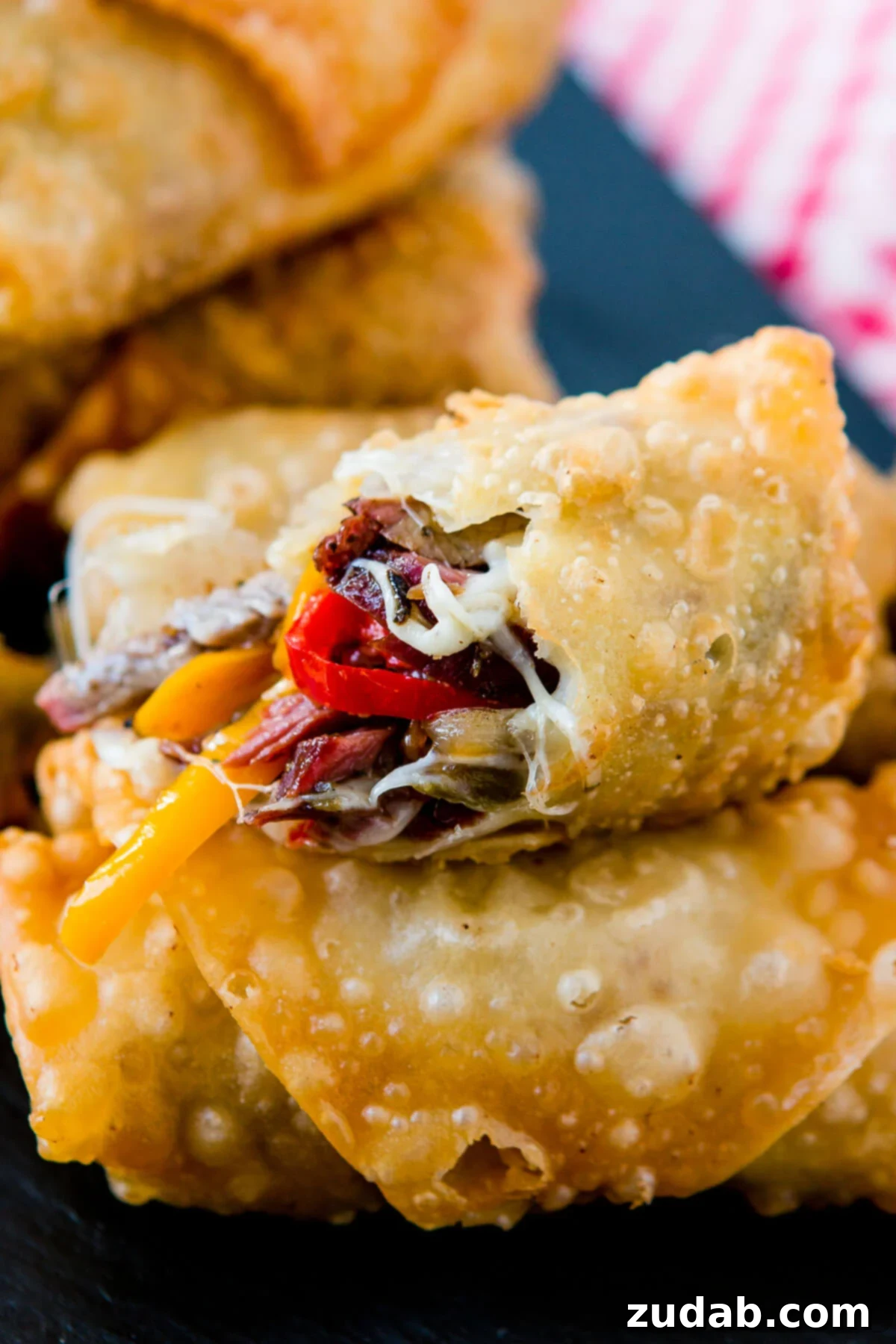
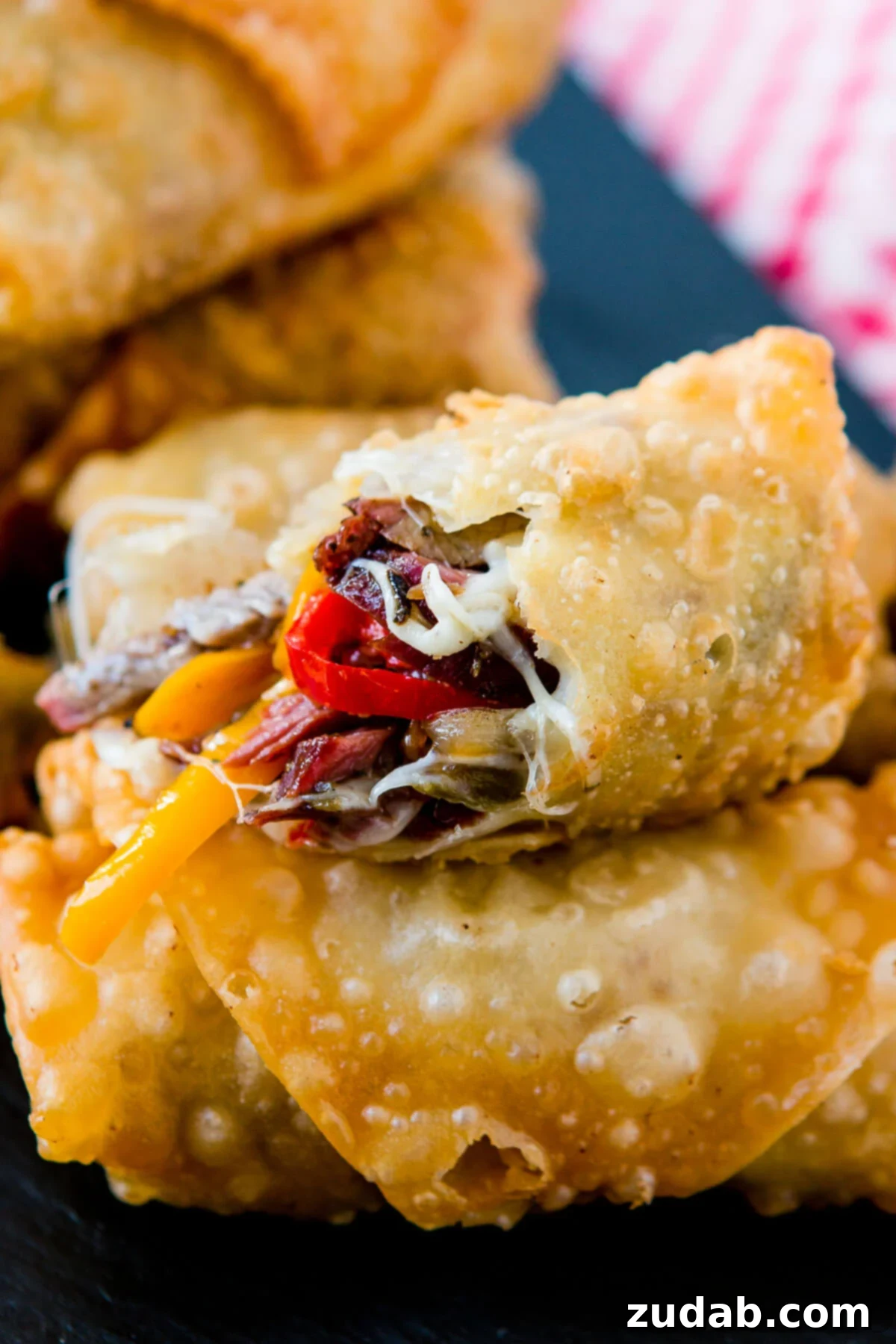
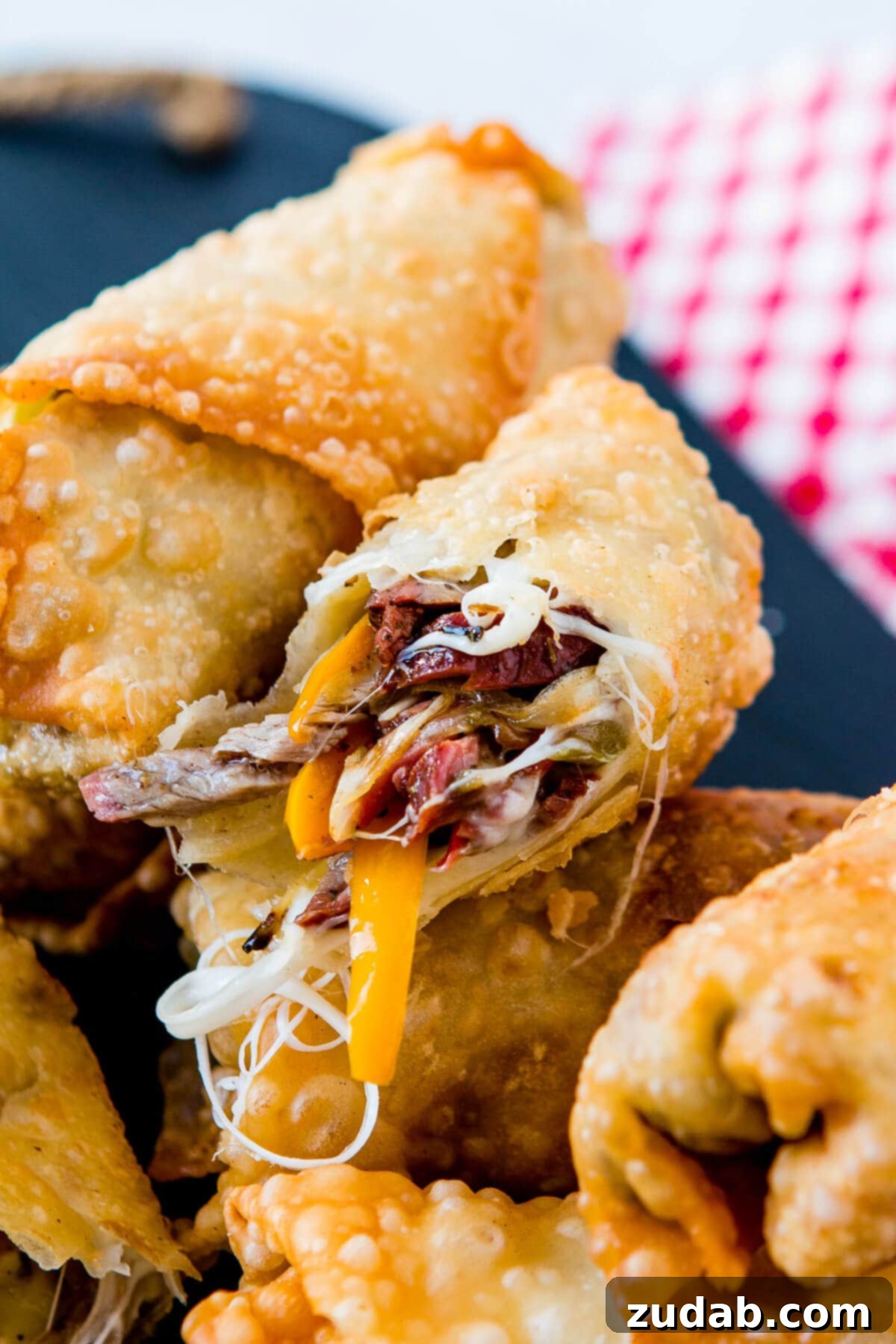
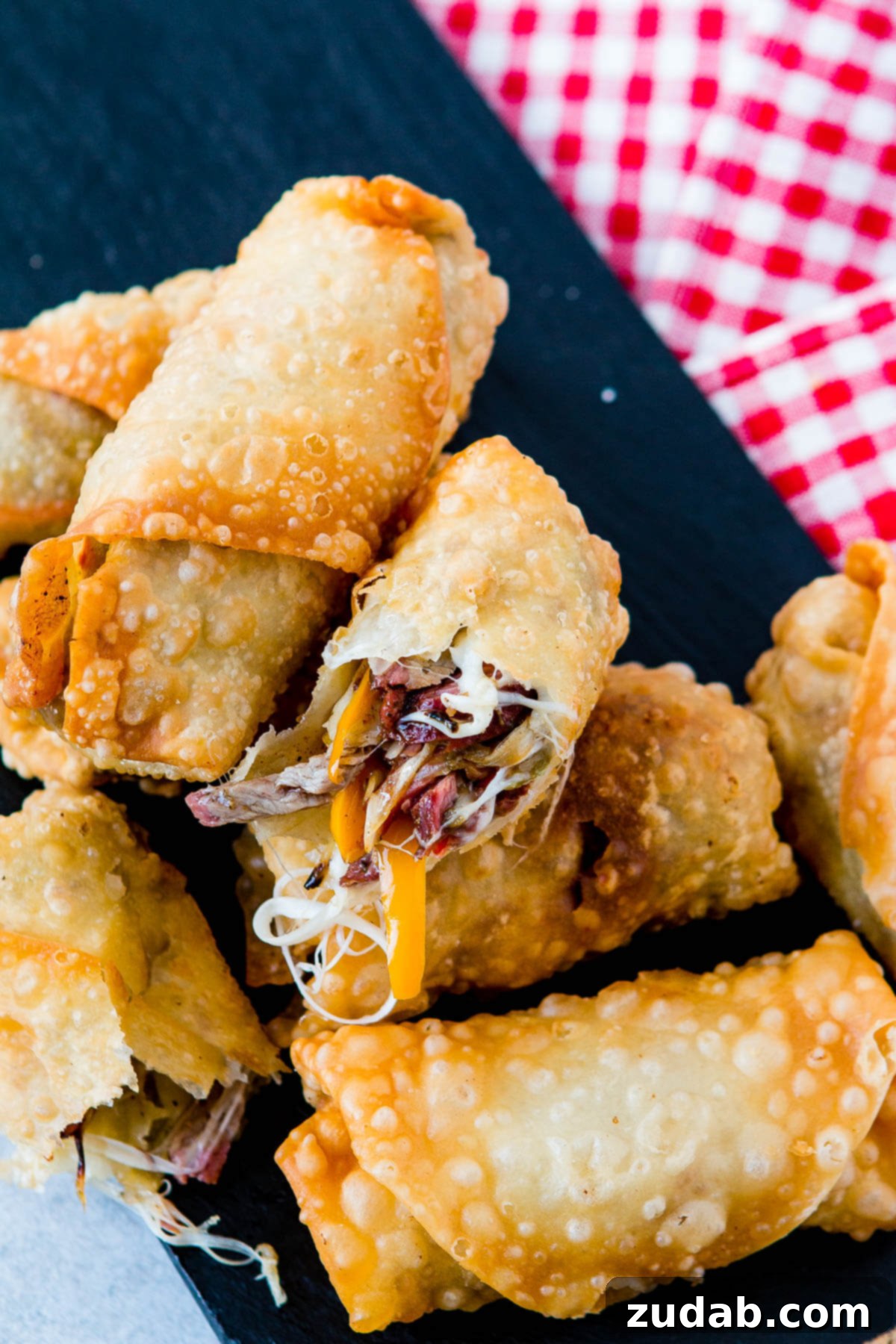
Imagine the perfect appetizer: a golden, crispy exterior giving way to a rich, savory filling of thinly sliced beef, gooey cheese, and caramelized onions and peppers. These are no ordinary snacks; these are Philly Cheesesteak Egg Rolls – a genius fusion that takes two beloved comfort foods and elevates them into an unforgettable culinary experience. They are truly the ultimate finger food, whether you’re hosting a lively football game gathering, a casual party, or simply craving a delicious treat.
Why You’ll Fall in Love with Philly Cheesesteak Egg Rolls
The magic of Philly Cheesesteak Egg Rolls lies in their harmonious blend of textures and flavors. Each bite delivers a satisfying crunch from the perfectly fried wrapper, followed by the melt-in-your-mouth tenderness of seasoned beef. The sweetness of caramelized onions and peppers cuts through the richness of the meat and cheese, creating a balanced and utterly addictive taste. This appetizer isn’t just delicious; it’s a conversation starter, a guaranteed crowd-pleaser that will have everyone asking for the recipe. Forget the same old chips and dip; these egg rolls are here to blow your taste buds away and redefine your party menu.
Are Philly Cheesesteak Egg Rolls Gluten-Free? Understanding the Ingredients
Unfortunately, traditional Philly Cheesesteak Egg Rolls are generally not gluten-free. The primary culprit is the egg roll wrapper itself, which is typically made from wheat flour. Additionally, ingredients commonly used in the filling, such as soy sauce, often contain wheat. For those with gluten sensitivities or celiac disease, this means conventional egg rolls are off-limits. However, with a few thoughtful substitutions, you can absolutely create a delicious gluten-free version. Consider using rice paper wrappers, which are naturally gluten-free, or even serving the flavorful Philly cheesesteak filling in lettuce cups for a fresh, low-carb alternative. When choosing your soy sauce, be sure to opt for a certified gluten-free tamari. Always double-check ingredient labels to ensure all components meet your dietary needs.
The idea for these irresistible egg rolls sparked during a quest for unique football food. Mini cheesesteaks popped into mind, swiftly followed by the exhilarating thought, “Philly Cheesesteak EGG ROLLS!” The concept was so compelling, it simply had to be brought to life. The result? A truly exceptional appetizer that stands out from the usual game day fare.
Can Philly Cheesesteak Egg Rolls Be Made Ahead? Essential Prep & Storage Tips
One of the best features of Philly Cheesesteak Egg Rolls is their versatility when it comes to preparation. Yes, they can absolutely be made ahead of time, which makes them a fantastic option for busy hosts or anyone looking to streamline their cooking process. You have a couple of excellent options for making them in advance:
- Uncooked and Frozen: Prepare the filling and wrap the egg rolls, but do not cook them. Arrange the uncooked egg rolls in a single layer on a baking sheet and freeze until solid. Once frozen, transfer them to an airtight freezer-safe bag or container. They can be stored for up to 1-2 months. When ready to cook, fry or bake them directly from frozen, adding a few extra minutes to the cooking time until golden and heated through.
- Cooked and Frozen: You can also fry or bake the egg rolls completely, let them cool, and then freeze them. Once cooled, place them in a single layer on a baking sheet and freeze until solid. Transfer to an airtight container. For best results, reheat them in an oven or air fryer until crispy and hot. This method is perfect for quick snacking, as they just need a warm-up.
If you’re only looking to get a head start, you can prepare the filling (cooking the meat, peppers, and onions) up to a day in advance and store it in the refrigerator. This allows for quick assembly and cooking on the day of your event, ensuring maximum freshness.
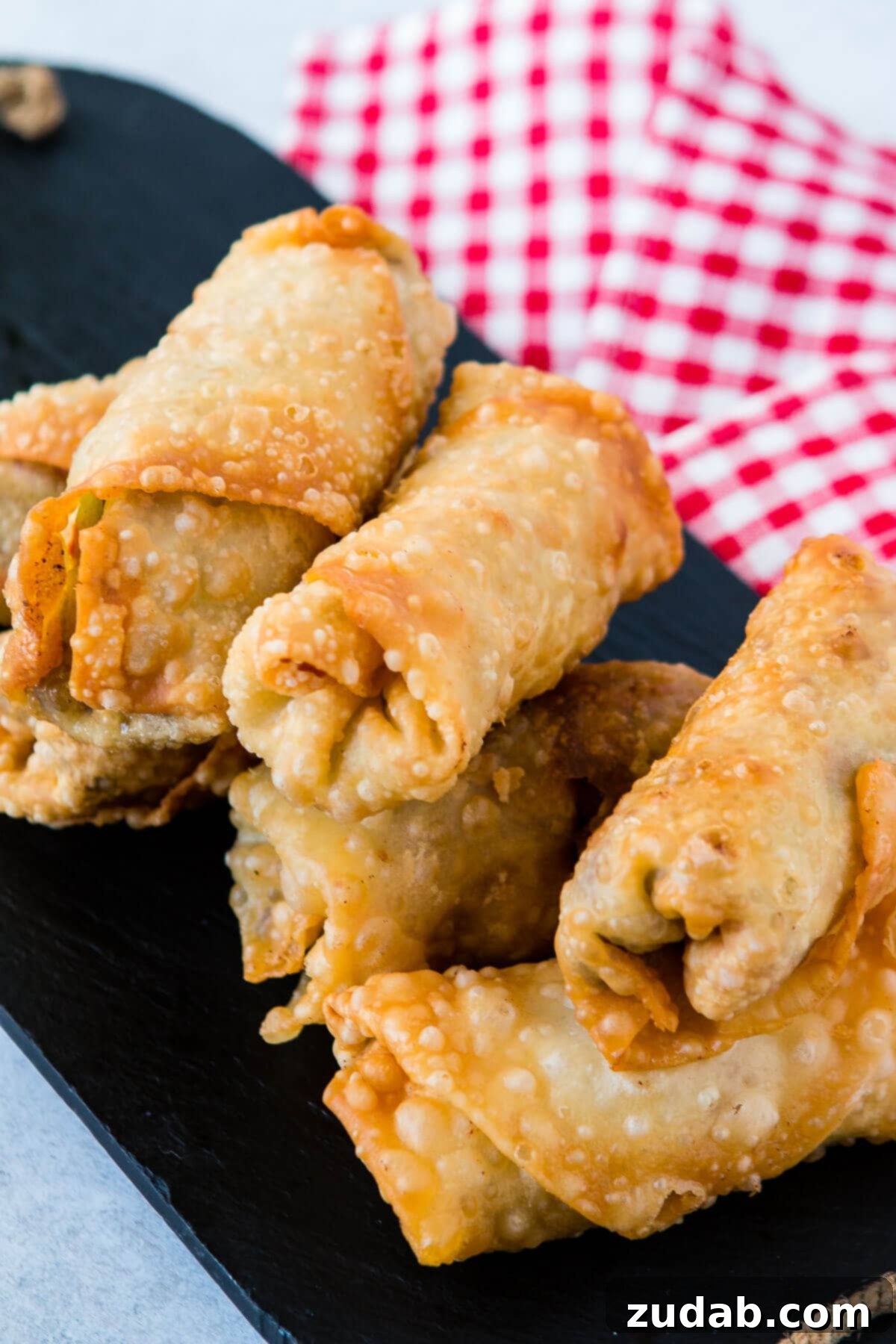
There’s no need for football game appetizers to be predictable. While meatballs, chips and dip, and brownies certainly have their place, these Philly Cheesesteak Egg Rolls are truly in a league of their own. They offer a unique twist that will surprise and delight your guests, elevating your spread from ordinary to extraordinary.
Egg Roll Wrappers vs. Wonton Wrappers: What’s the Difference?
While both egg roll and wonton wrappers are versatile staples in Asian cuisine, they are distinct in size and sometimes thickness, which impacts their use in recipes. Both are typically square sheets of yellowish dough made from wheat flour, egg, and water, essentially an egg-noodle dough. The primary difference lies in their dimensions:
- Wonton Wrappers: These are much smaller, usually about 3.5 inches (9 cm) across. They are often thinner, making them ideal for delicate dumplings and soups where a light, tender bite is desired. Due to their smaller size, they are not typically used for larger, more robust fillings like those found in egg rolls.
- Egg Roll Wrappers: These are significantly larger, often four times the size of a wonton wrapper, providing ample surface area to encase hearty fillings. They are also generally thicker and more robust, which helps them withstand the deep-frying process, resulting in a wonderfully crisp and sturdy shell that holds its shape and prevents leakage. For recipes like Philly Cheesesteak Egg Rolls, the larger and more durable egg roll wrapper is the essential choice to accommodate the generous and flavorful filling.
Crafting the Perfect Filling: Choosing and Preparing Your Beef
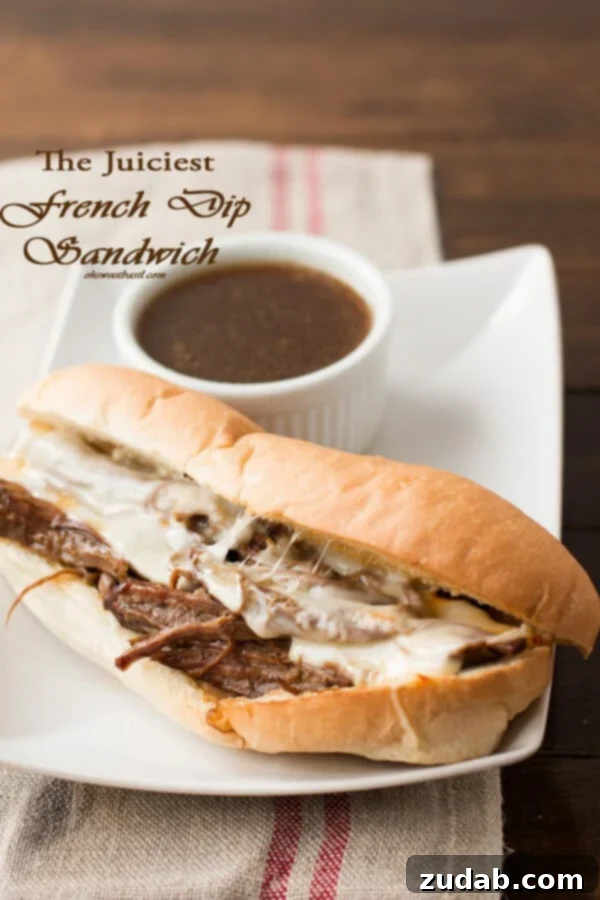
The heart of a great Philly Cheesesteak Egg Roll lies in its succulent beef filling. While authentic Philly cheesesteaks traditionally use thinly sliced ribeye, there’s flexibility to create an equally delicious filling with various cuts and preparation methods. We’ve had great success using leftover smoked tri-tip, which infuses an incredible depth of flavor. Meat from our French Dip sandwiches also proved to be an outstanding option, demonstrating how readily this recipe adapts to pre-cooked beef.
If you’re starting from scratch, several options work wonderfully:
- Slow-Cooked Beef: For maximum tenderness and rich flavor, a slow-cooked beef roast is ideal. Cuts like tri-tip, chuck roast, or even a lean top round can be braised with a savory broth and seasonings until fork-tender, then shredded. This method allows the beef to absorb all the aromatic flavors, resulting in a juicy, fall-apart texture.
- Thinly Sliced Raw Beef: If you prefer the classic cheesesteak method, opt for thinly sliced ribeye or top round. You can ask your butcher to thinly slice it for you, or partially freeze the beef at home to make slicing easier. Cook it quickly in a hot pan, turning often, until just cooked through. This ensures a tender bite without overcooking.
- Pre-Sliced Deli Meat: When time is of the essence, pre-sliced roast beef from the deli is a perfectly acceptable shortcut. Choose a good quality roast beef and chop it slightly to mimic the texture of a traditional cheesesteak filling. This option saves significant prep time without sacrificing much flavor, especially when combined with caramelized onions and peppers.
No matter your choice, ensure the beef is well-seasoned and cooked to perfection. The tender, juicy meat, combined with sweet caramelized onions and vibrant bell peppers, creates a filling that is undeniably irresistible.
Baking vs. Frying: Achieving Your Desired Crispy Perfection
When it comes to cooking your Philly Cheesesteak Egg Rolls, you have two primary methods, each yielding slightly different but equally delicious results: deep-frying for ultimate crispness, or baking for a lighter alternative.
Deep-Frying for Golden Crispness:
Frying delivers that classic, irresistible egg roll crunch. The high heat of the oil quickly cooks the wrapper to a beautiful golden brown, creating a light, airy, and super-crispy exterior. For best results:
- Heat your peanut oil (or other high-smoke point oil like canola or vegetable oil) to a consistent temperature, ideally around 350-375°F (175-190°C). A kitchen thermometer is invaluable here.
- Do not overcrowd the pan; fry in batches to maintain oil temperature and ensure even cooking.
- Turn the egg rolls frequently using tongs or a metal spatula for uniform browning.
- Once golden brown, remove and place on a wire rack set over paper towels to drain excess oil.
Baking for a Lighter Touch:
If you prefer a less oil-intensive method, baking is a fantastic choice that still produces a satisfyingly crispy egg roll. While not quite the same as deep-fried, baked egg rolls are delicious and a healthier option:
- Preheat your oven to a high temperature, typically 425°F (220°C).
- Lightly coat the wrapped egg rolls with cooking spray or brush with a thin layer of oil. This helps achieve that desired browning and crisp texture.
- Place the egg rolls, seam side down, on a baking sheet. For extra crispiness and even heat circulation, consider using a wire rack on the baking sheet.
- Bake for approximately 18-25 minutes, or until they are golden brown and crisp, flipping halfway through for even cooking.
Both methods result in a delightful Philly Cheesesteak Egg Roll, so choose the one that best suits your preference and available equipment.
Philly Cheesesteak Egg Rolls: Essential Tools and Ingredients for Frying
To achieve the perfect fried texture for your Philly Cheesesteak Egg Rolls, the right equipment and ingredients can make all the difference. We highly recommend using a quality Dutch oven for frying. Its heavy construction ensures even heat distribution, which is crucial for consistent frying results and prevents oil from scorching or being absorbed excessively into the wrappers. A cast iron Dutch oven, like a Le Creuset, is an excellent investment for all your deep-frying needs.
For the frying oil, peanut oil is our top choice. It boasts a high smoke point, meaning it can withstand higher temperatures without breaking down or imparting off-flavors to your food. Beyond its heat stability, peanut oil also contributes a subtle, pleasant flavor that complements the egg rolls beautifully. If peanut allergies are a concern, other high-smoke point oils such as canola, vegetable, or grapeseed oil are excellent alternatives.
Philly Cheesesteak Egg Rolls
Ingredients
*See note
- 1 teaspoon Beef Better than Bouillon
- 1 1/2 Cups Hot Water
- 1 Tablespoon Soy Sauce
- 1 Tablespoon Worcestershire
- 1 Bay Leaf
- 1/2 teaspoon Fresh Black Pepper
- 1 teaspoon Dried Rosemary
- 1 teaspoon Dried Thyme
- 1 teaspoon Garlic Powder
- 1 3 Pound Tri Tip
- 1 Red and Green Bell Pepper, large, sliced thin
- 1 Onion, sliced thin
- Peanut Oil
- Egg Roll Wrappers
- Provolone Cheese, sliced
Instructions
- Whisk the Better than Bouillon into the hot water until well combined.
- Set aside to cool.
- In a medium bowl, combine soy sauce, Worcestershire sauce, beef broth (prepared from bouillon), bay leaf, pepper, rosemary, thyme, and garlic powder.
- Place the roast in a large ziploc bag and pour in the broth mixture.
- Place in the fridge overnight to marinate.
- Dump the entire contents of the ziploc bag into a crockpot.
- Cover, and cook on Low heat for 8 hours.
- Pull the meat out, shred it, and then return it to the crockpot to cook for 1-2 hours more, or until the meat is very tender and easily falls apart. (Note: A 6-hour cook, shred, then 2 more hours works well for tender meat, though 10 hours yields an even more fall-apart texture.)
- While the meat is cooking, prepare the peppers and onions.
- Add a drizzle of oil and about 1 tablespoon of butter to a large skillet.
- Add the thinly sliced bell peppers and onions and cook until they are beautifully caramelized, which typically takes about 20 minutes.
- Heat the peanut oil in your Dutch oven or heavy-bottomed pot to medium heat (around 350-375°F / 175-190°C).
- Remove the shredded meat from the broth, reserving some broth for dipping if desired.
- Lay out an egg roll wrapper in a diamond shape, and top with one slice of Provolone cheese in the center.
- Add a generous portion of the shredded meat, caramelized peppers, and onions on top of the cheese.
- Brush a little water onto each edge of the egg roll wrapper. This acts as a seal.
- Fold the right and left corners of the wrapper over the filling.
- Carefully pick up the bottom corner, pull it up over the filling, and tuck the corner snugly under the filling.
- Carefully roll the egg roll upwards until it is completely sealed shut, forming a tight cylinder.
- Gently place the prepared egg rolls into the hot oil, being careful not to overcrowd the pan.
- Using a metal spatula or tongs, continually turn the egg rolls so they brown evenly on all sides.
- Once golden brown and crispy, remove the egg rolls from the oil and place them on paper towels or a wire rack to drain any excess oil.
- Serve immediately and Enjoy!
Recipe Notes
If you don’t have time for slow cooking, you can smoke the meat in a Traeger for incredible flavor in about half the time. Aim for 225 degrees F (107°C) for 2-4 hours, or until desired tenderness. Alternatively, thinly slice the beef and quickly cook it in a hot pan, turning often, until cooked through.
Cooked Philly Cheesesteak Egg Rolls may be stored in an airtight container in the refrigerator for 3-4 days. Reheat in an oven or air fryer for best crispness.
Nutrition
Serving: 1g, Calories: 370kcal, Carbohydrates: 3g, Protein: 47g, Fat: 17g, Saturated Fat: 6g, Polyunsaturated Fat: 1g, Monounsaturated Fat: 9g, Cholesterol: 147mg, Sodium: 273mg, Potassium: 804mg, Fiber: 1g, Sugar: 1g, Vitamin A: 64IU, Vitamin C: 13mg, Calcium: 67mg, Iron: 4mg
Nutrition information is automatically calculated, so should only be used as an approximation.
Enjoyed this recipe? Leave a comment below!
Serving Suggestions for Your Philly Cheesesteak Egg Rolls
These savory egg rolls are incredibly versatile and can be enjoyed in many ways. While they are a complete flavor package on their own, a dipping sauce can elevate the experience even further. Consider serving them with a classic marinara sauce for a pizza-like twist, or a tangy honey mustard for a sweet and savory kick. A creamy sriracha aioli adds a bit of heat and richness, while a simple cheese sauce or even a homemade ranch dressing would also complement the flavors beautifully. For a refreshing contrast, a crisp coleslaw or a light green salad can be served alongside, especially if you’re making a meal out of these delightful bites. Don’t forget to offer them hot, right out of the fryer or oven, to ensure maximum crispness and enjoyment!
More Delicious STEAK RECIPES:
- Steak Fajita Marinade
- Easy Garlic Butter Steak at Home
- Easy Philly Cheesesteak Bread
- Best Steak Marinade
- Healthy Thai Peanut Steak Salad
- Grilled Steak Burrito Bowls
- Grilled Flank Steak Summer Salad
- Porterhouse Steak with Mushrooms
- Spicy Steak and Shrimp Kabobs
- Steak Burrito with Grilled Zucchini
- Steak and Brussels Sprouts
- All our Beef Recipes here!
French Dip Sandwiches
If you love the savory beef flavor of these egg rolls, you’ll adore our classic French Dip Sandwiches. This recipe features slow-cooked beef that’s incredibly tender and flavorful, soaking up all the rich juices. It’s so good, you might even prefer it over your favorite restaurant version!