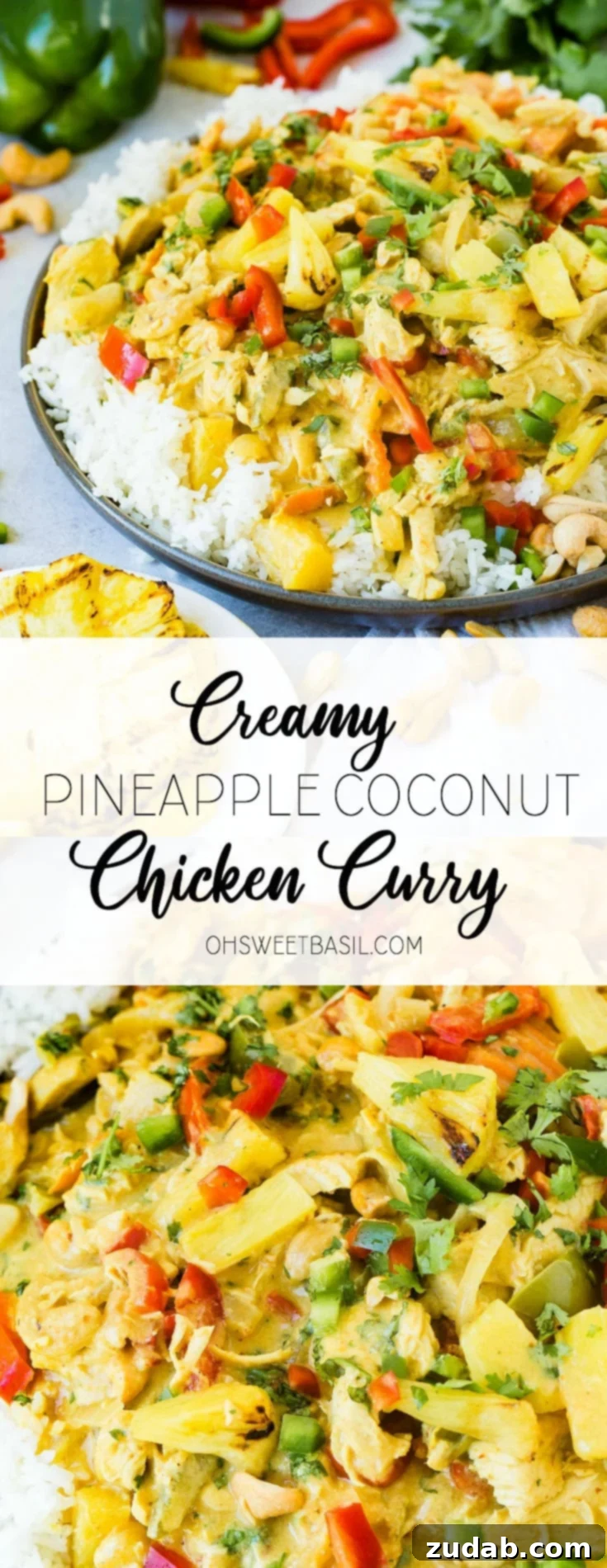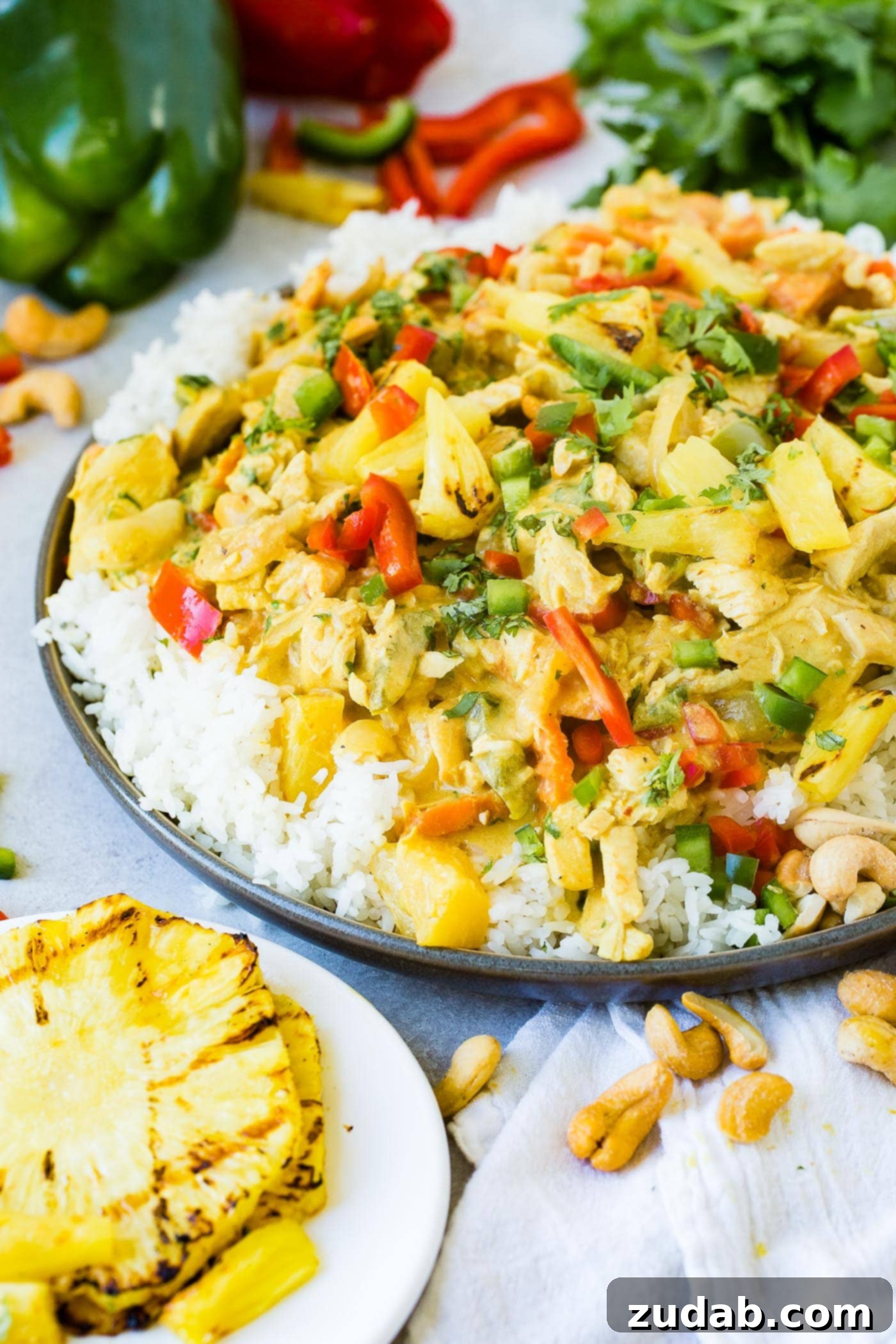
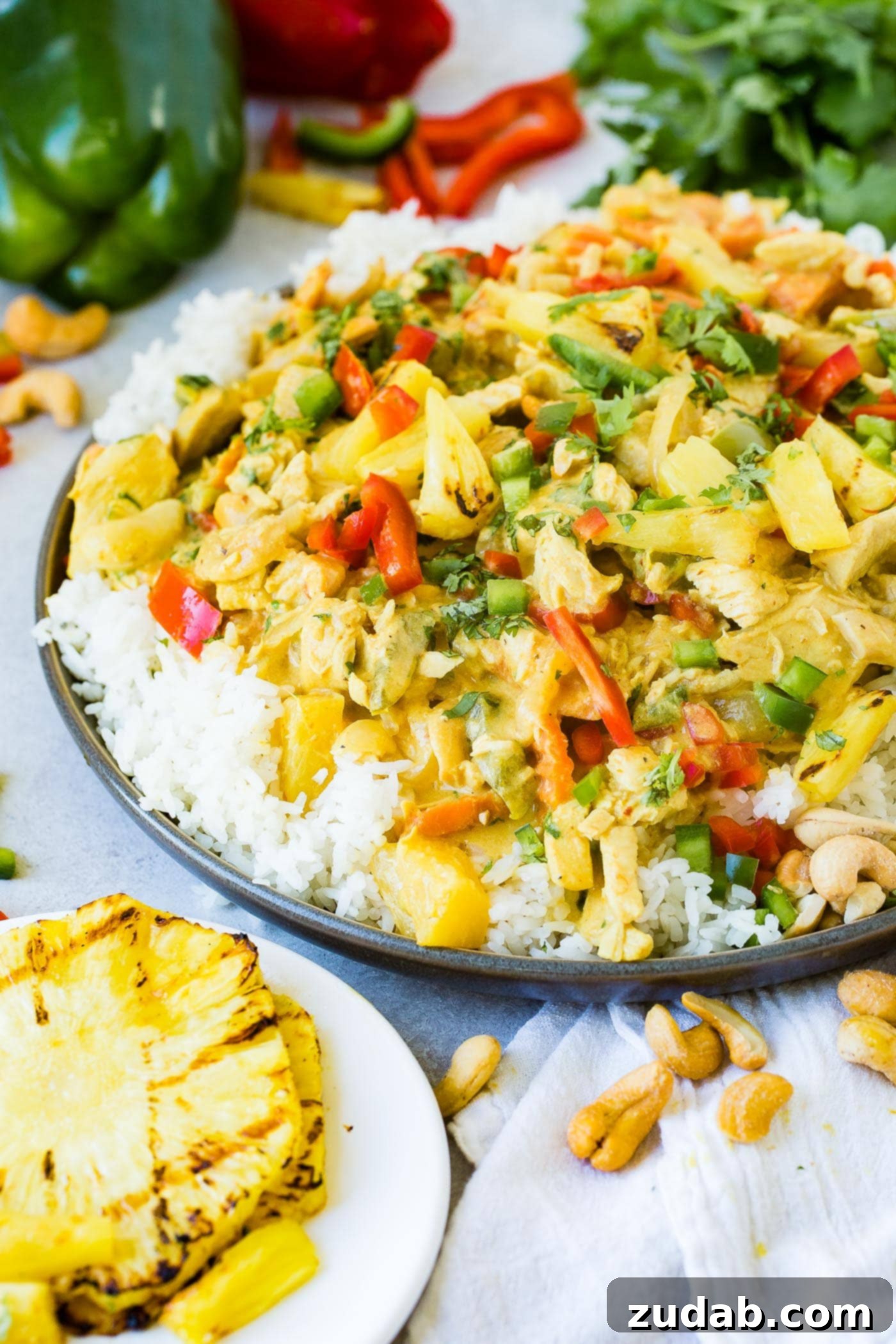
Welcome to a culinary journey that transforms your kitchen into a haven of aromatic spices and delightful flavors. Today, we’re diving into the vibrant world of our Creamy Pineapple Coconut Chicken Curry – a dish that promises to be a true crowd-pleaser! Imagine tender chicken bathed in a rich, sweet, and tangy coconut-pineapple sauce, perfectly complemented by a colorful medley of chopped peppers, onions, and carrots. Each spoonful is an experience, further elevated by the satisfying crunch and salty finish of cashews. This recipe isn’t just about cooking; it’s about crafting an unforgettable meal that brings joy to every palate.
From Restaurant Inspiration to Home Kitchen Creation
Many of our favorite home-cooked meals began with a simple thought: “I bet we could make that at home.” The inspiration often strikes during a memorable dining experience, where a particular dish captivates our taste buds and sparks an adventurous spirit in the kitchen. Over time, we’ve discovered that recreating restaurant-quality food at home isn’t just possible, but often yields even more satisfying results. There’s a unique pride and pleasure in knowing exactly what goes into your food, allowing for personalized tweaks and a freshness that’s hard to beat.
This Pineapple Coconut Chicken Curry is a prime example of such a culinary adventure. We were inspired by the harmonious balance of sweet and savory notes, the luscious creaminess, and the intriguing spice blend that define a good curry. However, we quickly learned that the subtle nuances of curry come down to very specific ingredients. The type of coconut milk, coconut cream, curry paste, and curry powder you choose can dramatically alter the outcome, even if you follow the recipe to the letter. This realization led us on a delightful quest to pinpoint the perfect combination, ensuring that our curry consistently delivers that irresistible sweet and savory magic.
While we’ll share the brands that have worked best for us, we strongly encourage you to experiment with what’s available at your local store. Culinary exploration is a rewarding part of cooking, and discovering your own favorite brands for key ingredients like coconut products and curry spices will allow you to tailor the flavors precisely to your liking. Don’t be afraid to try different varieties; it’s how you unlock truly personalized deliciousness.
The Sweet Path of Coconut Curry
Coconut curry serves as an excellent gateway into the diverse world of international cuisine. It’s incredibly versatile, allowing you to start with mild, approachable flavors and gradually build up to more complex and spicier profiles as your palate develops. For this particular pineapple coconut chicken curry, our focus is squarely on celebrating the sweeter side of the curry spectrum, creating a dish that’s comforting, exotic, and wonderfully balanced.
Through extensive testing, we found that achieving the ideal texture and sweetness for this curry required a specific approach. Coconut cream provides a fantastic foundation of richness and initial sweetness, but we discovered a secret ingredient that truly elevates the dish: cream of coconut. Often confused with coconut cream or coconut milk, cream of coconut is a sweetened product, thicker and richer, typically found in the drink mixer section of your grocery store, not the Asian aisle. This distinction is crucial, as its added sugar content contributes significantly to the curry’s signature sweet and velvety finish.
What Exactly is Coconut Curry?
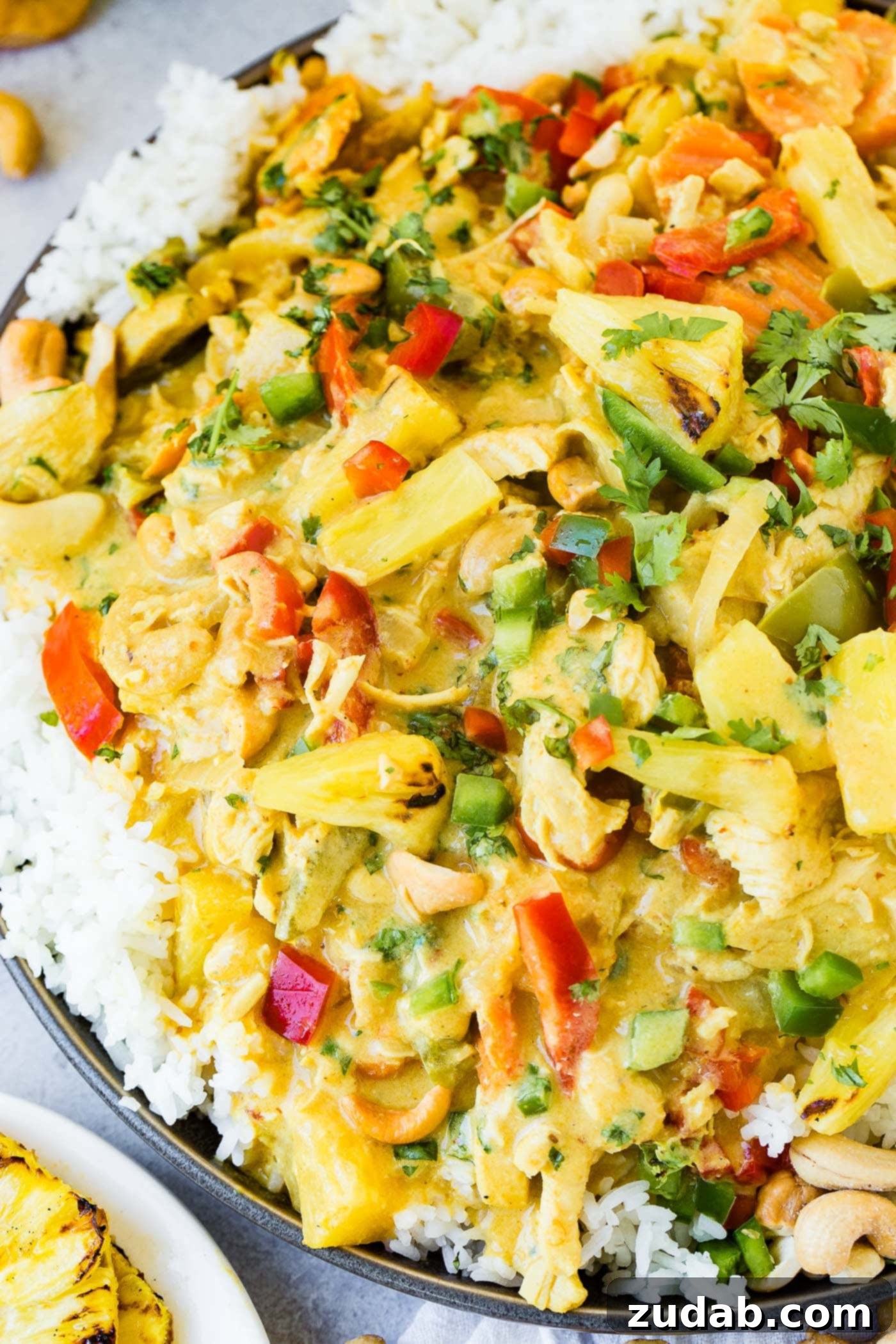
At its core, coconut curry is a flavorful stew or sauce made with coconut milk (or cream) as its base, combined with various curry pastes or powders, and often aromatic ingredients like garlic and ginger. This rich, fragrant blend is then simmered with a selection of vegetables and/or meat, allowing the flavors to meld beautifully. Coconut curry is incredibly versatile and can be found in many Asian cuisines, most notably Thai and Indian, each with its own unique spice blends and preferred ingredients.
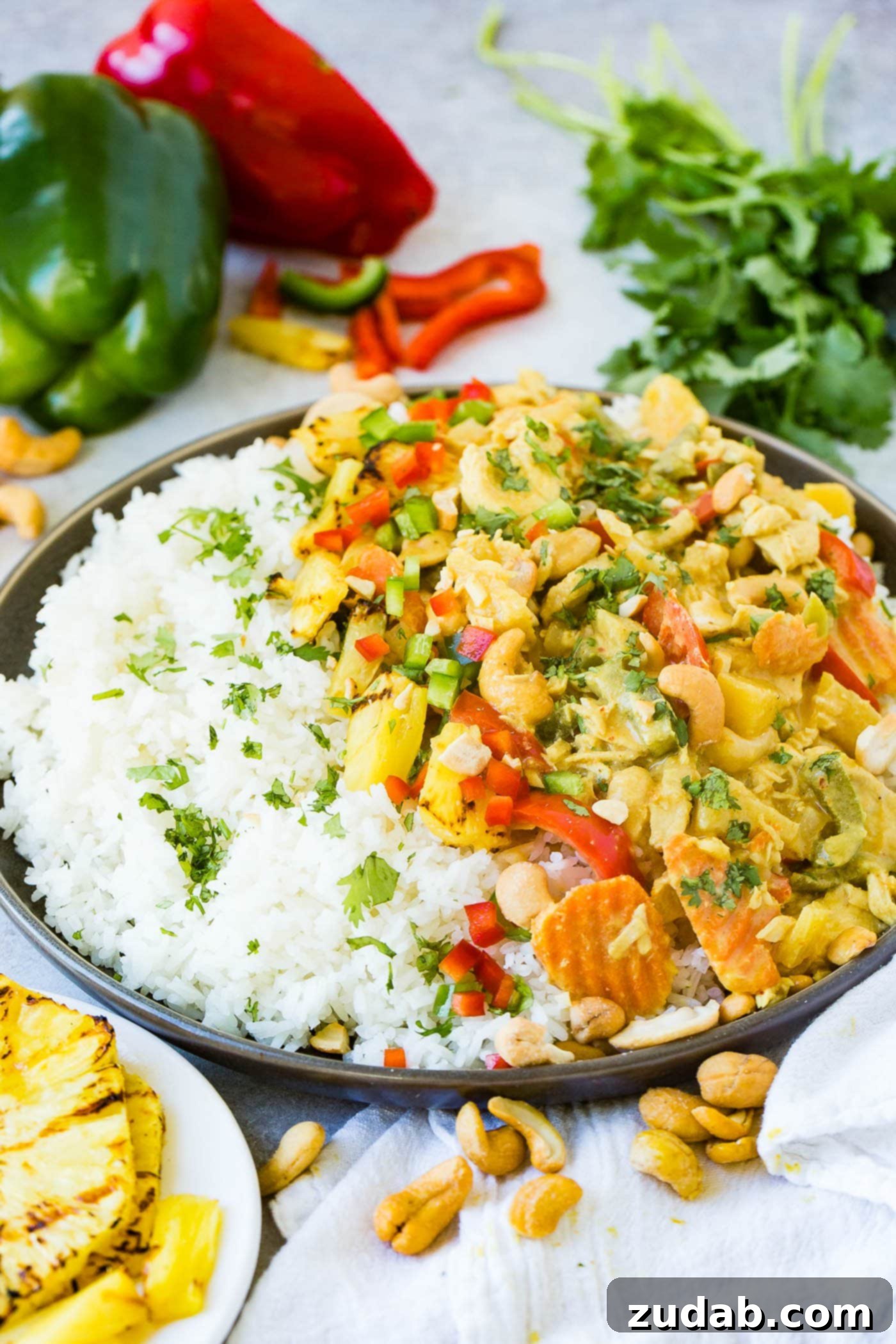
It’s a wonderfully comforting and satisfying dish, traditionally served alongside or generously poured over fluffy white rice, acting as the perfect canvas to soak up every drop of that creamy, spiced goodness.
Curry Powder vs. Curry Paste: Understanding the Difference
One of the initial hurdles in mastering homemade curry often lies in navigating the world of curry spices. Should you opt for curry powder, curry paste, or a combination of both? We’ve found that for a truly exceptional and nuanced flavor profile, using a blend of both curry powder and curry paste often yields the most delicious results.
Curry Powder
Curry powder is predominantly used in Indian cuisine, known for its deep, earthy, and aromatic qualities. It is a carefully blended mixture of ground dry spices, offering a robust flavor. While formulations vary, typical ingredients often include coriander, turmeric, and red peppers, along with other spices like cumin, fenugreek, and ginger. The flavor of curry powder can range from mild to intensely hot, depending on the specific blend.
It’s worth noting that not all curry powders are created equal, and your preference might shift from one blend to another. If you’ve tried a curry powder dish and weren’t a fan, don’t write off curry powder entirely; you might just need to find a different blend or discover that you simply prefer the characteristics of curry paste.
Curry Paste
Curry paste, on the other hand, is a cornerstone of many Southeast Asian cuisines, particularly Thai. Unlike dry powders, curry paste combines ground spices with wet ingredients like oil, fresh herbs, garlic, ginger, and chilies. This creates a potent, concentrated flavor that is often more vibrant and fresh than its powdered counterpart.
Popular and highly-regarded brands for curry paste include Mae Ploy and Maesri, both of which offer authentic and robust flavors. Generally, curry paste tends to be stronger and more pungent than curry powder, delivering an immediate depth of flavor. However, the exact strength and profile can vary significantly between different types and brands of paste (e.g., red, green, yellow curry pastes all have distinct flavor and heat levels). Sampling various pastes is key to discovering which ones best suit your taste preferences and the specific curry you’re preparing.
Crafting Your Own Pineapple Coconut Chicken Curry: A Simple Guide
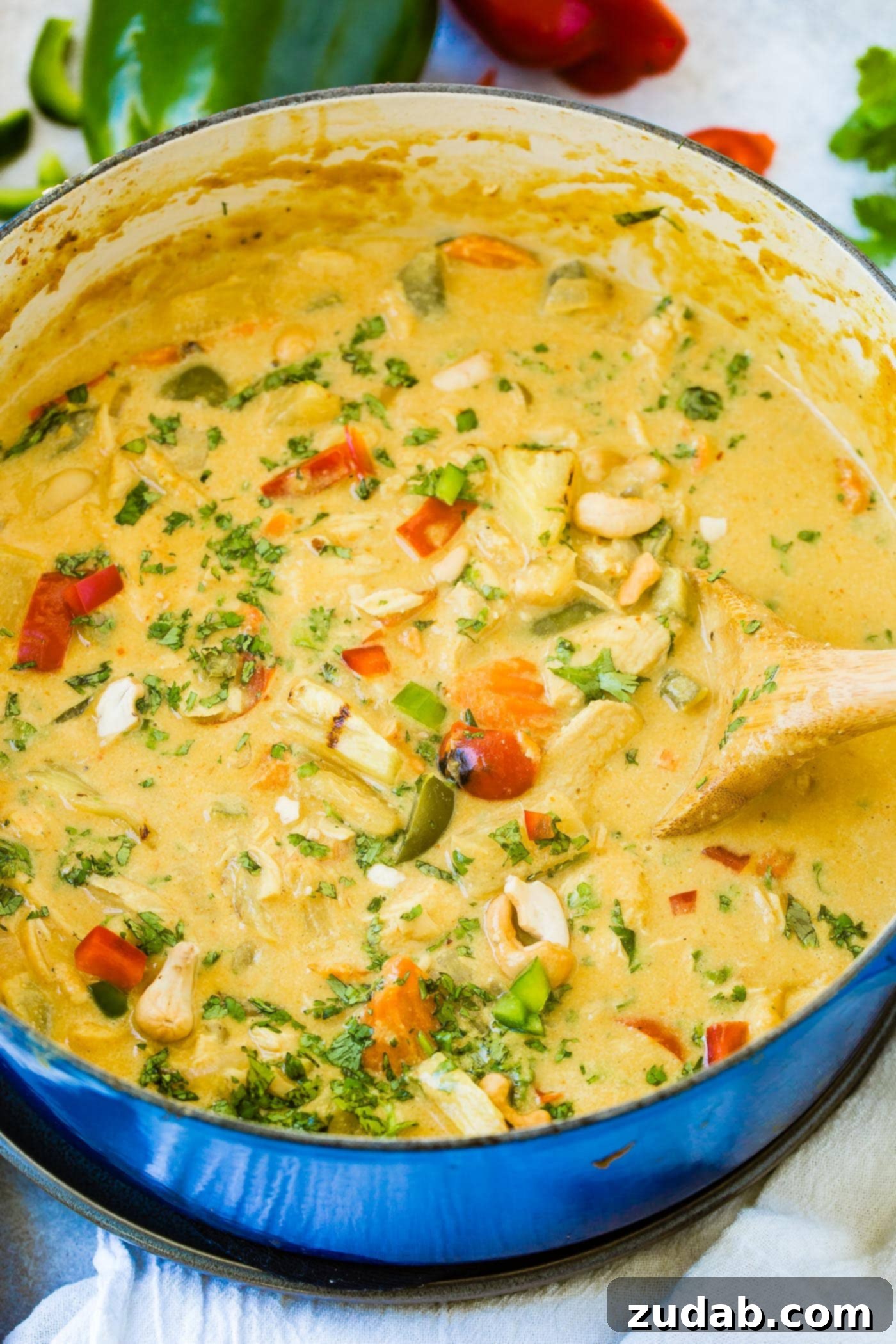
Don’t let the seemingly complex layers of flavors and ingredients in a curry intimidate you. This creamy pineapple coconut chicken curry is surprisingly straightforward to prepare, making it an ideal weeknight meal. In fact, you can have a delicious, restaurant-quality curry on your table in under 30 minutes, or allow it to simmer longer for an even deeper flavor development.
- To begin, heat a large stockpot or Dutch oven over medium-high heat. Add a tablespoon of olive oil. Once shimmering, introduce your thinly sliced chicken breasts, seasoned with a sprinkle of kosher salt. Cook the chicken until it’s no longer pink, ensuring it’s lightly browned for added flavor.
- Next, reduce the heat slightly and add the aromatic foundation of your curry. Stir in the curry paste, curry powder, freshly grated ginger, and minced garlic into the pot with the cooked chicken. Sauté these ingredients for about one minute, or until they become wonderfully fragrant, releasing their pungent and spicy aromas.
- Finally, incorporate the remaining ingredients, reserving the cashews for later. This includes the vibrant medley of sliced onions, red bell pepper, green bell pepper, and carrots, along with the rich coconut milk, sweet cream of coconut, and tangy pineapple juice. Bring the mixture to a gentle simmer, then reduce the heat to medium-low. Allow the curry to cook for 20-30 minutes for quick enjoyment, or extend the simmering time up to 2 hours for a more profound melding of flavors.
That’s all it takes! A visually stunning and incredibly flavorful dish that tastes like it took hours, but truly comes together with ease.
Does Coconut Milk Thicken Curry?
A common misconception in curry preparation is that adding coconut milk will automatically thicken the sauce. In reality, coconut milk itself does not act as a thickening agent. In fact, depending on the consistency of your curry prior to adding it, coconut milk can actually thin out the sauce. Its primary role is to impart a rich, creamy texture and to mellow out the spiciness, adding a luscious, sweet, and nutty depth to the overall flavor profile. So, while essential for flavor and creaminess, don’t rely on coconut milk to achieve a thick consistency.
Effective Ways to Thicken Your Curry
If you prefer a thicker, more substantial curry sauce, there are several effective methods you can employ:
- Low and Slow Simmer: The simplest method is to allow your curry sauce to simmer uncovered over low heat. As the liquid evaporates, the sauce will naturally reduce and thicken. This process also concentrates the flavors, leading to a richer, more intense curry. Patience is key here, as this method takes time.
- Cornstarch Slurry: For a quicker and more controlled thickening, create a slurry. In a small bowl, whisk together 1-2 tablespoons of cornstarch with an equal amount of cold water until smooth. Once your curry sauce is boiling, slowly whisk in the cornstarch slurry. Reduce the heat to a simmer and continue stirring for a few minutes until the sauce visibly thickens.
- Greek Yogurt or Tomato Paste: A small amount of Greek yogurt or tomato paste can also contribute to thickening a curry while adding their own unique flavor notes. Greek yogurt adds a tangy richness, while tomato paste provides umami and a deeper color. Stir either of these in during the simmering stage, allowing them to fully incorporate and thicken the sauce.
For this pineapple coconut chicken curry, we generally rely on a combination of gentle simmering and, if needed, a cornstarch slurry to achieve that perfect, velvety consistency.
Is Coconut Curry Specifically Indian?
The term “coconut curry” isn’t exclusive to one cuisine; it beautifully bridges both Thai and Indian culinary traditions. Both types of coconut curry are incredibly delicious, though they often present distinct flavor profiles and ingredient preferences.
While Indian curries more frequently utilize dry curry powders and a wider array of whole spices, Thai curries typically rely on fresh, aromatic curry pastes. However, these distinctions are not rigid rules. Depending on the specific regional style or even the chef’s personal touch, you might find coconut milk incorporated into various Indian dishes or dry spices making an appearance in Thai-inspired recipes. This versatility is what makes exploring coconut curries so exciting!
Is Coconut Curry Inherently Spicy?
Generally, coconut curry is celebrated for its milder and more approachable heat level compared to some other curry varieties. The rich, creamy sweetness of the coconut milk or cream acts as a wonderful buffer, mellowing out the intensity of the chilies and spices. However, the spiciness is ultimately a variable factor, entirely dependent on the person preparing the dish and, more importantly, the type and quantity of curry paste or powder used. If you prefer a spicier kick, you can easily adjust by adding more chili-based curry paste, fresh chilies, or a pinch of red pepper flakes to taste.
Choosing the Best Coconut Milk for Thai Curry
When it comes to crafting an authentic and flavorful Thai-inspired curry, the quality of your coconut milk can make all the difference. Many home cooks instinctively reach for the familiar red can of coconut milk, and for a long time, so did we. However, a significant improvement in our curry’s richness and overall taste came with the discovery of Chaokoh coconut milk.
Chaokoh consistently delivers excellent results, offering a creamy consistency and a pure, rich coconut flavor that truly elevates the dish. When selecting coconut milk, look for full-fat varieties and shake the can before opening. A good quality coconut milk will often have a thick layer of coconut cream at the top, which contributes to the luxurious texture of your curry.
Is Coconut Curry Sauce Suitable for Vegans?
The sauce itself, when made with coconut milk, curry paste (ensure it’s shrimp paste-free for strict vegans), and vegetables, is typically vegan. Many curry pastes, particularly those explicitly labeled “vegan” or “vegetarian,” avoid animal products. However, it’s crucial to remember that while the sauce might be vegan, the overall dish often is not. Our recipe, for instance, includes chicken.
If you’re preparing this for a vegan diet, simply omit the chicken and replace it with plant-based protein alternatives. Firm tofu, tempeh, chickpeas, or an increased quantity of vegetables like sweet potatoes, cauliflower, or green beans work wonderfully to create a delicious and hearty vegan coconut curry.
Can You Freeze Coconut Curry Chicken?
While freezing leftovers is a convenient way to meal prep, coconut curry containing coconut milk can sometimes be problematic. The coconut milk tends to separate during the freezing and thawing process, leading to a grainy or curdled texture upon reheating. This doesn’t affect the safety or flavor of the curry, but it can be less appealing visually and texturally.
To avoid this, we recommend a smart freezing strategy: prepare your curry up to the point of adding the coconut milk. Cook the chicken and vegetables with the spices, then portion and freeze this base. When you’re ready to enjoy it, thaw the curry base, then add the coconut milk and cream of coconut during the reheating process. This ensures your reheated curry maintains its smooth, creamy consistency.
How Long Does Coconut Curry Last in the Fridge?
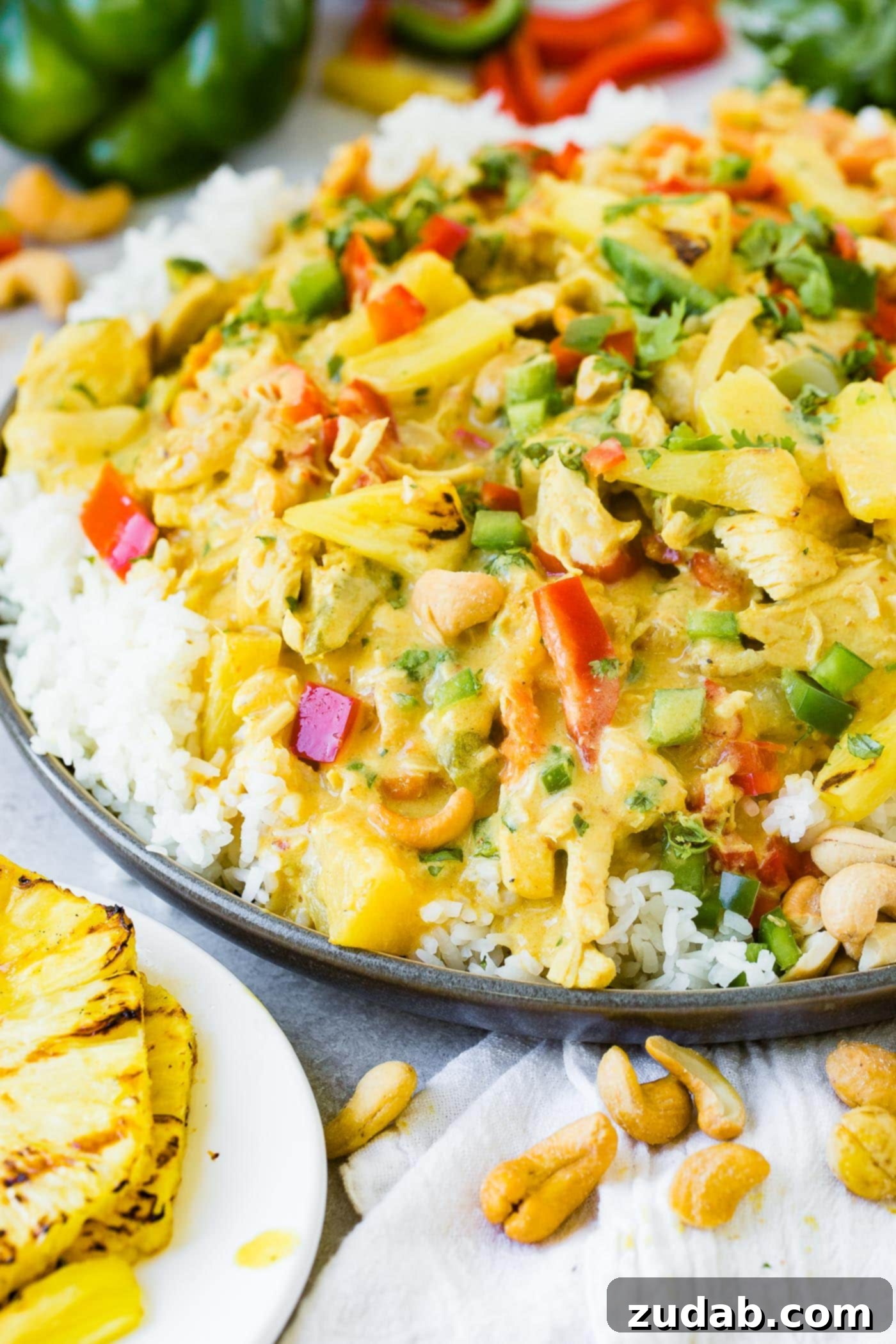
For those times when you’re not planning to freeze your delicious coconut curry, proper storage in the refrigerator is key to maximizing its freshness and flavor. When stored in an airtight container, coconut curry will typically last for 2-3 days in the fridge. This makes it a fantastic option for meal prepping a few days in advance or for enjoying delicious leftovers. Always ensure it’s cooled completely before refrigerating to maintain quality and safety.
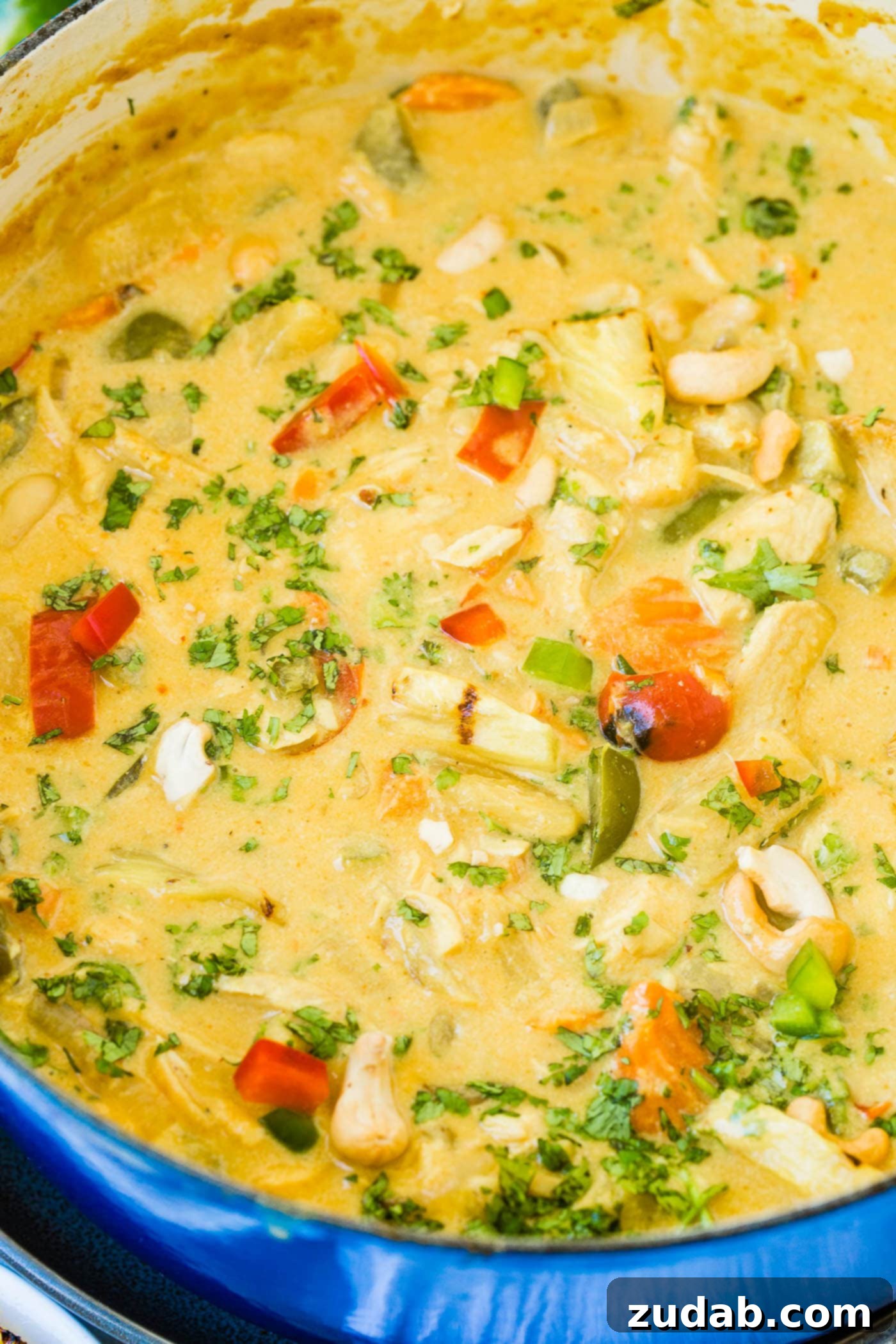
Pineapple Coconut Chicken Curry
By Sweet Basil
Prep: 10 mins
Cook: 1 hr
Total: 1 hr 10 mins
Servings: 8
Pin Recipe
Print Recipe
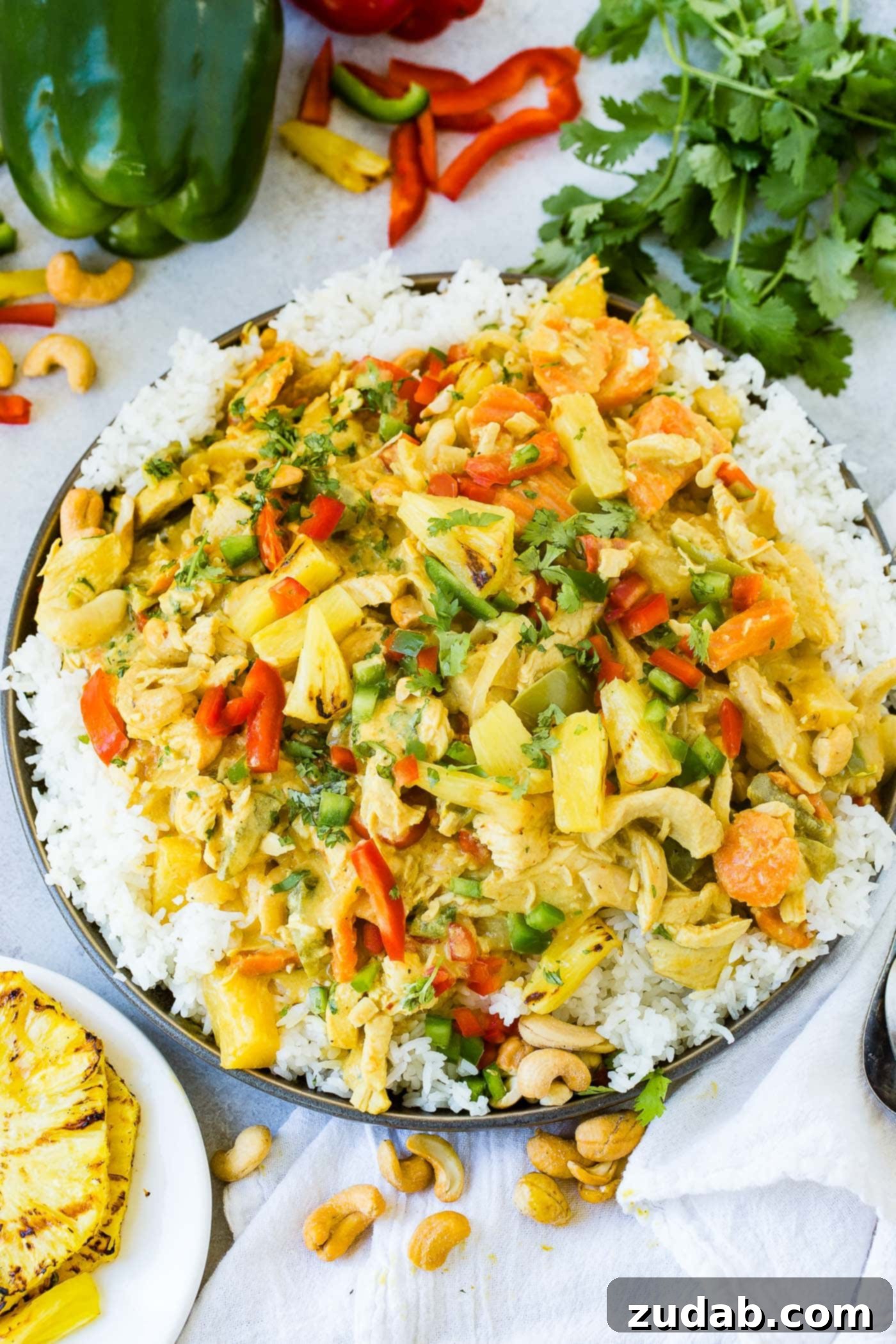
A creamy blend of coconut and pineapple curry sauce with chicken, veggies and cashews all served over fluffy white rice!
Ingredients
- 1 Tablespoon Olive oil
- 2 Chicken Breasts, Boneless, skinless and sliced thin
- Kosher salt, to taste, starting with 1 teaspoon
- 2 Tablespoons Curry Paste
- 1/2-1 Tablespoon Curry Powder, I like 1/2-3/4
- 1 1/2 teaspoons Ginger, Fresh Grated
- 6 Cloves Garlic, Minced
- 1 Onion, Sliced
- 1 Red Bell Pepper, Quartered, seeded and sliced
- 1 Green Bell Pepper, Quartered, seeded and sliced
- 1 1/2 Cups Carrots, Sliced
- 2 Cans Coconut Milk, Unsweetened 13.5 ounces each
- 1 2/3 Cups Cream of Coconut
- 6 Ounces Pineapple Juice
- 3/4 Pineapple, Cored and Chopped
- 6 Ounces Whole Cashews
- Cilantro, Chopped for garnish
Instructions
- In a large stockpot or Dutch oven, heat the stove to medium high heat and add the oil. Once hot add the chicken and a sprinkle of salt.
- Cook the chicken until no pink remains and add the curry paste, powder, ginger and garlic. Cook until fragrant, about 1 minute.
- Add the veggies and turn the heat to medium. Cook until tender, about 10 minutes.
- Add the remaining ingredients except the cashews and bring to a simmer. Turn to medium low and allow to cook for 20-30 minutes or up to 2 hours.
- Throw in cashews right before serving over perfectly cooked white rice. Garnish with cilantro if desired.
Recipe Notes
This chicken curry will keep for 2 days in the refrigerator.
Nutrition
Serving: 1g, Calories: 508kcal, Carbohydrates: 26g, Protein: 17g, Fat: 40g, Saturated Fat: 33g, Cholesterol: 36mg, Sodium: 100mg, Potassium: 860mg, Fiber: 4g, Sugar: 13g, Vitamin A: 5187IU, Vitamin C: 80mg, Calcium: 63mg, Iron: 5mg
Nutrition information is automatically calculated, so should only be used as an approximation.
More Delicious Curry Recipes to Explore
If you’ve fallen in love with the vibrant flavors of this pineapple coconut chicken curry, you’re in for a treat! The world of curry is vast and varied, offering endless possibilities for delicious meals. Here are some more of our favorite curry recipes to inspire your next culinary adventure:
- Easy Coconut Chicken Curry: A classic and comforting curry that’s perfect for any occasion.
- Chicken Curry Casserole: A delightful fusion of traditional curry flavors with the ease and heartiness of a casserole.
- Curry Chicken and Rice Casserole: An all-in-one meal that combines tender chicken, aromatic curry, and fluffy rice in a single dish.
What to Serve Alongside Your Curry
A well-prepared curry deserves equally delicious accompaniments to complete the meal. The right side dishes can enhance the flavors of your curry and add variety to your plate. Here are some of our top recommendations for what to eat with curry:
- Perfectly Cooked White Rice: The quintessential companion, ideal for soaking up every drop of rich curry sauce.
- Warm, Fluffy Naan Bread: Excellent for scooping up curry and a delightful chewy contrast to the creamy sauce.
- Refreshing Mango Sweet Rice: A sweet and cooling dessert that perfectly balances the savory richness of curry.
Exploring these pairings will undoubtedly elevate your curry dining experience, turning a simple meal into a delightful feast for the senses. Experiment with different combinations to find your perfect match!
Remember to subscribe to our FREE Oh Sweet Basil newsletter and receive easy recipes delivered into your inbox every day!
When you try a recipe, please use the hashtag #ohsweetbasil on INSTAGRAM for a chance to be featured in our stories! FOLLOW OH, SWEET BASIL ON FACEBOOK | INSTAGRAM | PINTEREST | TWITTER FOR ALL OF OUR LATEST CONTENT, RECIPES AND STORIES.