
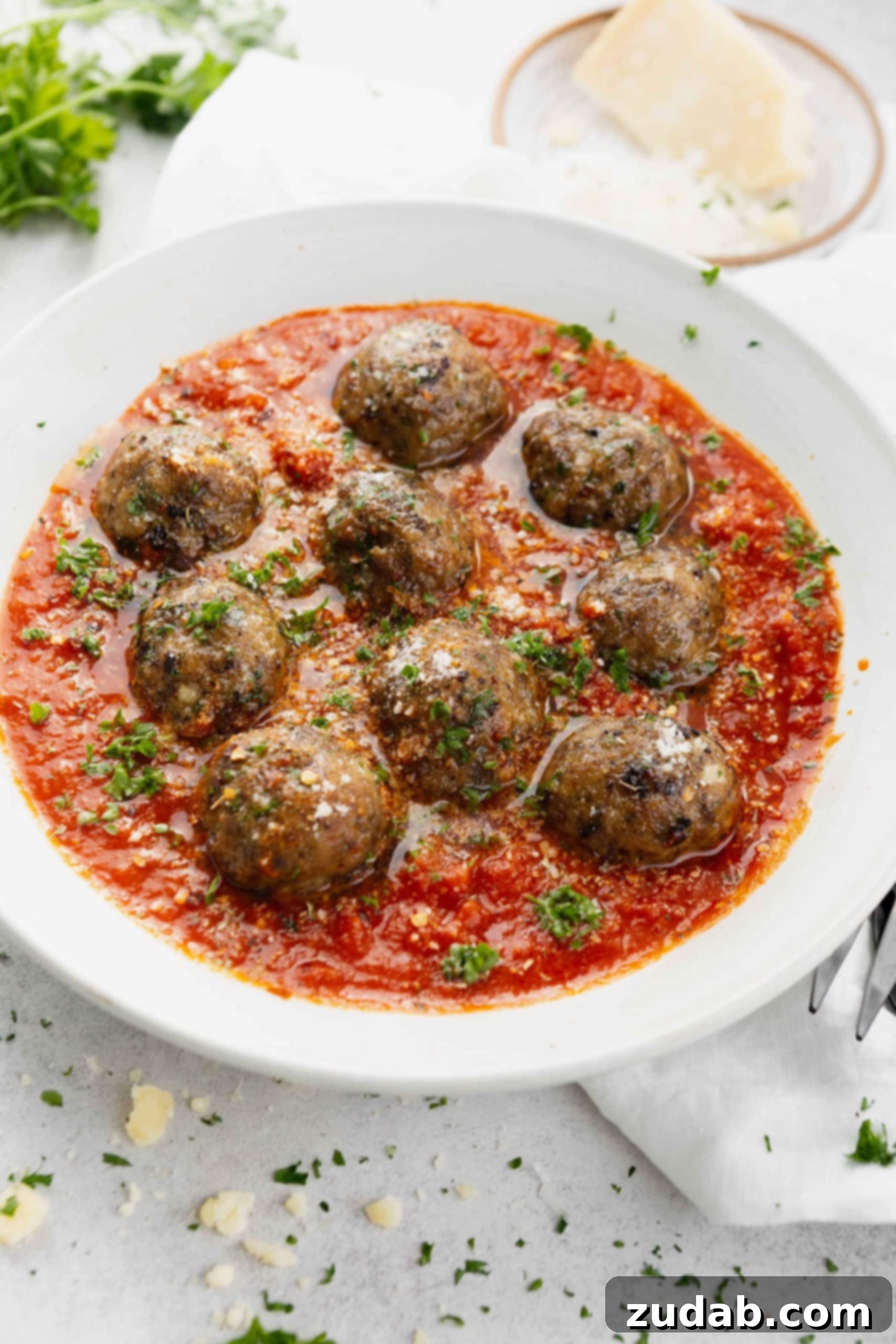
The classic spaghetti and meatballs is undeniably making a triumphant comeback, re-establishing its place as a quintessential comfort food. Imagine a rich, savory tomato sauce simmering gently on the stove, infusing your home with an irresistible aroma, while perfectly plump, tender meatballs await their moment to transform simple ingredients into an unforgettable meal. This dish isn’t just food; it’s an experience, a nostalgic journey that brings warmth and joy to any table.
The journey to embracing this beloved classic often begins with a simple request. Recently, our eight-year-old expressed a desire for classic spaghetti and meatballs for dinner. How could I possibly decline such a genuine and heartfelt culinary wish? It wasn’t the usual kid-friendly fare like pizza, pancakes, or chicken fingers; it was a request for a real, wholesome, home-cooked meal. These are the precious moments we must seize, inviting our children into the kitchen to partake in the magic of cooking, nurturing their appreciation for fresh ingredients and homemade goodness. Fortunately, we almost always have a supply of homemade spaghetti sauce readily available. In fact, I often prepare large batches and can it, ensuring we have this flavorful foundation all year round for spontaneous family dinners.
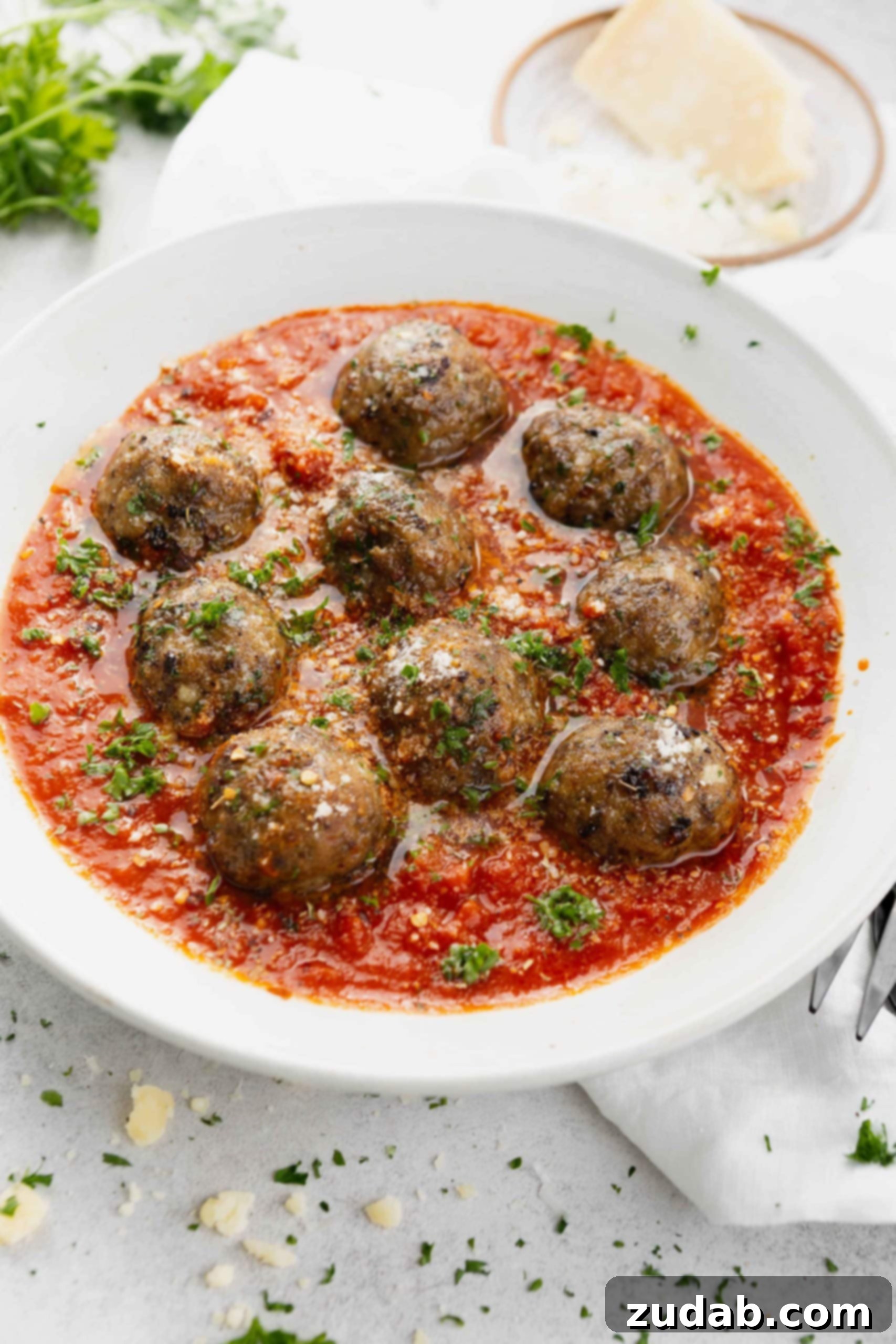
The Essential Ingredients for Perfect Spaghetti and Meatballs
Crafting the ultimate spaghetti and meatballs involves three core components: perfectly cooked spaghetti, a robust and flavorful sauce, and, of course, the star of the show – succulent meatballs. While the sauce and pasta are crucial, the meatballs often steal the spotlight, and mastering their creation is key to an exceptional dish. Here, we’ll guide you through making the meatballs, and you can refer to our dedicated sauce posts for details on crafting your ideal homemade sauce. Once these elements are ready, all that remains is to cook your spaghetti to perfection.
For the meatballs, a few simple ingredients come together to create a symphony of flavors and textures:
- Ground Beef: The foundation of any great meatball. Choosing a lean ground beef (around 90-95% lean) ensures a flavorful yet not overly greasy result, allowing the other ingredients to shine.
- Panko Bread Crumbs (Italian flavored): Panko bread crumbs are crucial for achieving light, tender meatballs. Unlike traditional bread crumbs, panko absorbs moisture without becoming dense, preventing tough meatballs. Italian flavored panko adds an extra layer of herbaceous goodness.
- Fresh Garlic: Minced garlic provides an aromatic punch, essential for that authentic Italian-American taste. It complements the beef and basil beautifully.
- Egg: A single egg acts as the binding agent, holding the meatballs together and preventing them from crumbling during cooking.
- Skim Milk: Milk adds moisture and helps to keep the meatballs incredibly juicy and tender. Skim milk works perfectly without adding excess fat.
- Basil (Dry or Fresh): Basil is a hallmark flavor in Italian cuisine. Dried basil offers a concentrated herbal note, while fresh basil provides a vibrant, peppery aroma. Both work wonderfully, so choose what you have on hand.
- Salt: Essential for seasoning and enhancing all the other flavors.
- Black Pepper: A touch of freshly ground black pepper adds a subtle warmth and depth.
- Spaghetti Sauce: While we focus on meatballs here, a fantastic Spaghetti Sauce is paramount. It should be rich, tangy, and slightly sweet, providing the perfect bed for your meatballs and pasta.
- Spaghetti: The classic choice for this dish. Its long, thin strands are ideal for coating with sauce and meatballs.
The precise measurements for each ingredient, ensuring perfect balance and flavor, can be conveniently found in the comprehensive recipe card located further down this page.
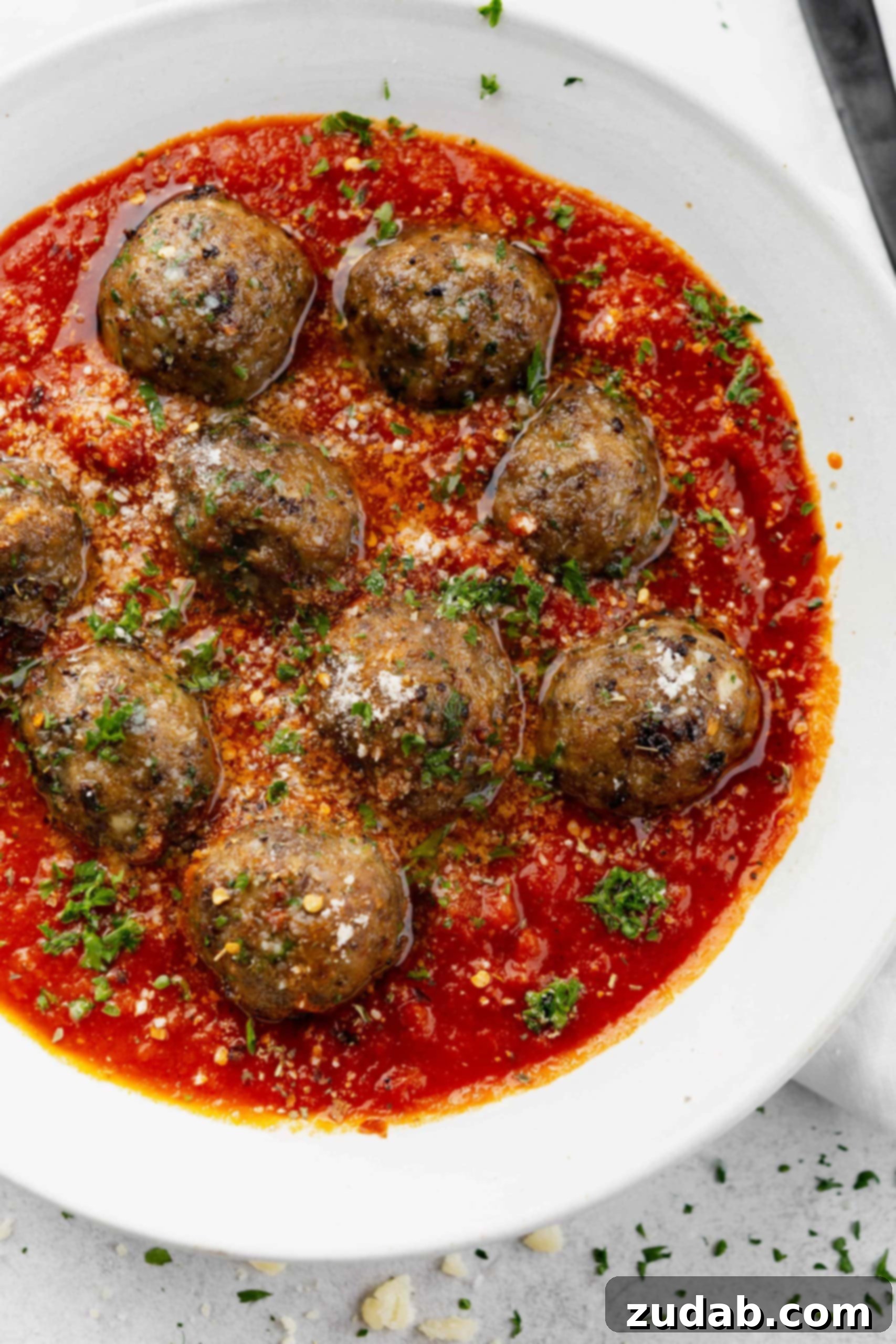
Crafting the Perfect Classic Spaghetti and Meatballs: A Step-by-Step Guide
Making delicious, tender meatballs is a straightforward process that yields incredibly satisfying results. The key is gentle handling and proper seasoning. Here’s a detailed breakdown of how to create the meatballs that will elevate your spaghetti dish:
Making the Meatballs: The Heart of the Dish
- Prepare the Meat Base: Begin by placing the ground beef into a large mixing bowl. This provides ample space for mixing without compacting the meat. Evenly sprinkle the minced garlic, dry or fresh basil, salt, and pepper over the meat. Distributing the seasonings at this stage ensures consistent flavor throughout the meatballs.
- Incorporate Breadcrumbs and Milk: Next, add the Panko bread crumbs, followed by the skim milk. The Panko will start to absorb the milk, softening and preparing to bind the mixture while keeping it light.
- Allow to Rest: Let the mixture sit for a few minutes, typically 5 minutes. This crucial step allows the Panko bread crumbs to fully absorb the milk, which contributes significantly to the meatballs’ tenderness and moisture. Skipping this step can result in tougher, drier meatballs.
- Add the Egg and Mix Gently: Crack the egg into the bowl. Now, using your hands, gently mix all the ingredients together. The emphasis here is on “gently.” Overmixing the meat can activate the protein strands, leading to tough, rubbery meatballs. Mix just until all the ingredients are combined and evenly distributed. The mixture should feel moist but hold its shape.
- Chill the Mixture: Once mixed, place the bowl, covered, into the refrigerator for 20-30 minutes. Chilling the meatball mixture helps it firm up, making it much easier to roll into uniform shapes. It also allows the flavors to meld further.
- Preheat Your Oven: While the meatball mixture chills, preheat your oven to 400°F (200°C). This ensures the oven is at the correct temperature for even baking as soon as the meatballs are ready.
- Shape the Meatballs: Remove the chilled meat mixture from the fridge. Lightly grease your hands to prevent sticking, and then gently roll the mixture into golf-ball-sized meatballs. Again, avoid compressing them too much; a light touch is best for tender results.
- Prepare for Baking: Arrange the rolled meatballs in a single layer in a lightly greased baking dish. Ensure there’s a little space between each meatball for even cooking.
- Bake to Perfection: Bake the meatballs in the preheated oven for 15-20 minutes, or until they are cooked through and beautifully browned on the outside. Their internal temperature should reach 160°F (71°C).
- Prepare Your Spaghetti Sauce: While the meatballs bake, prepare your homemade spaghetti sauce. You can choose to make it with or without additional ground meat, depending on your preference and desired richness.
- Simmer in Sauce: Once the meatballs are baked, carefully transfer them to your simmering spaghetti sauce. Allow them to gently simmer in the sauce for at least 10 minutes. This step is vital as it allows the meatballs to absorb the flavors of the sauce, becoming even more tender and delicious.
- Serve and Garnish: Serve the warm, saucy meatballs over freshly cooked spaghetti. For an extra touch of indulgence and classic Italian flavor, generously top each serving with freshly grated Parmesan cheese and a sprinkle of chopped fresh parsley or basil.
For a detailed breakdown of quantities and precise timing, please refer to the comprehensive recipe card below, which provides all the information you need to create this amazing dish.
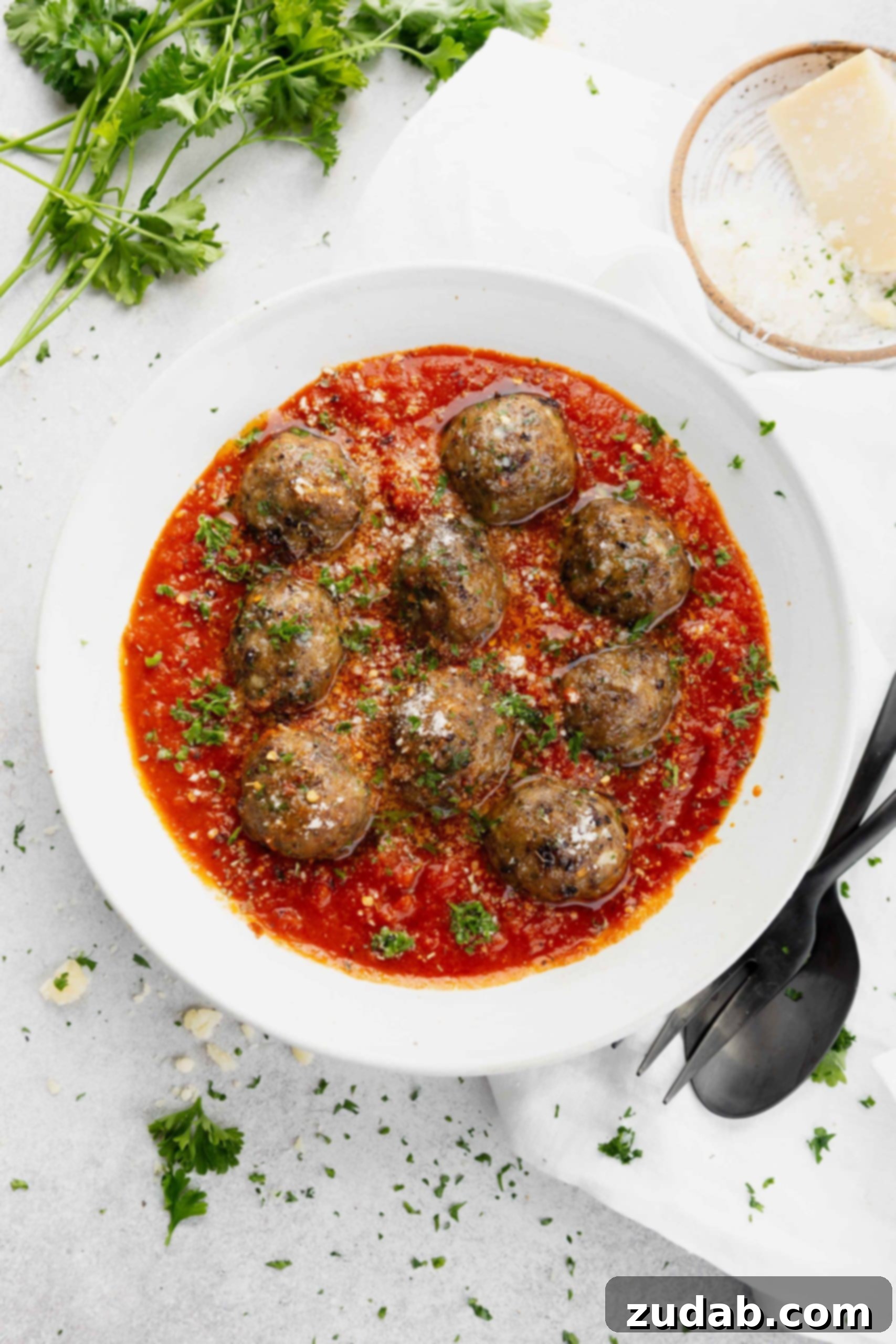
Spaghetti and Meatballs FAQs: Tips for Cooking, Freezing, and Storing
Can Cooked Spaghetti and Meatballs Be Frozen?
Yes, cooked spaghetti and meatballs can be frozen successfully, making this an excellent meal for meal prepping and busy weeknights. For the best results when freezing cooked pasta, ensure the pasta is cooked just to al dente. Overcooked pasta can become mushy when thawed and reheated.
To freeze cooked pasta separately, lightly toss it with a small amount of olive oil after draining and cooling completely. This prevents the strands from sticking together. Then, pack it into freezer bags or airtight containers, removing as much air as possible, and freeze. For optimal quality, it is generally best to freeze the spaghetti sauce and meatballs separately from the pasta.
If you prefer to freeze spaghetti that has already been combined with the sauce and meatballs, allow the entire dish to cool completely before portioning it into freezer-safe bags or airtight containers. When reheating, do so gently on the stovetop, adding a tiny amount of water or extra sauce to the thawed spaghetti to restore moisture and prevent it from drying out.
Why Does Spaghetti Stick Together?
Sticky spaghetti is a common culinary frustration, but it’s easily avoided by following a few simple rules:
- Boiling Water is Key: Always wait until your water reaches a rapid, rolling boil before adding the pasta. Adding pasta to water that isn’t sufficiently hot can lower the water temperature too much, slowing down the cooking process and allowing starch to leach out, causing stickiness.
- Generous Pot Size and Water Volume: Use a large pot with plenty of water. This gives the pasta ample space to move around and prevents the starch concentration from becoming too high. A good rule of thumb is at least 4-6 quarts of water per pound of pasta.
- Salt the Water: Don’t forget to generously salt your pasta water. Salting the water not only flavors the pasta from the inside out but also helps to create a slightly abrasive environment that prevents strands from clinging together.
- Stir Frequently: Stir the pasta often, especially during the first 2 minutes of cooking. This is when the pasta releases the most starch and is most prone to sticking. Frequent stirring disperses the starch and keeps the strands separate.
- Avoid Rinsing (Usually): For most pasta dishes, especially those with sauce, avoid rinsing cooked pasta. The starch film on the pasta helps the sauce adhere better. Rinsing can wash away this valuable starch and also cool the pasta, affecting sauce adhesion.
- Serve Immediately: Drain the pasta and serve it immediately with your warm sauce and meatballs. The longer cooked pasta sits, especially without sauce, the more likely it is to clump together.
There’s a special joy in seeing children ask for authentic, home-cooked meals every now and then. As they grow older, these requests become more frequent, signaling a blossoming appreciation for good food and the love poured into its preparation. In our kitchen, we’re not just cooking; we’re creating memories—one day, one recipe, at a time. My hope is that someday, they will carry these traditions forward, sharing the same joy and nourishment with their own children. Let this timeless classic spaghetti and meatballs recipe be the centerpiece that gathers your entire family around the kitchen table, fostering connections and creating cherished moments.
More Delicious Recipes to Complement Your Spaghetti and Meatballs Feast:
- Homemade Spaghetti Sauce
- Quick and Easy Spaghetti Sauce
- Classic Garden Salad and Homemade Ranch
- One Pot Lasagna Pasta
- Authentic Italian Bolognese Sauce
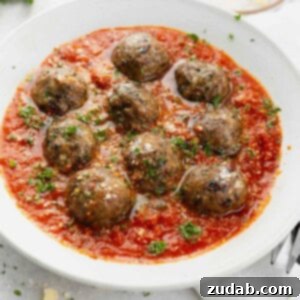
Classic Spaghetti and Meatballs
Ingredients
- 1 Clove Garlic, minced
- 1 1/2 teaspoons Dry Basil, or 3 tsp fresh
- 1/2 teaspoons Salt
- Pinch Pepper
- 2/3 Cup Panko Bread Crumbs, Italian flavored
- 1/4 Cup Milk, skim
- 1 Egg
- 1 1/2 Pounds Ground Beef , 95% lean
- [Classic Spaghetti Sauce]
- Spaghetti, cooked
- Parmesan Cheese, optional
Instructions
For the Meatballs
-
Place the meat in a large bowl and sprinkle the garlic, basil, salt, and pepper on top.1 Clove Garlic, 1 1/2 teaspoons Dry Basil, 1/2 teaspoons Salt, Pinch Pepper
-
Add the panko bread crumbs and then the milk.2/3 Cup Panko Bread Crumbs, 1/4 Cup Milk
-
Allow the mixture to sit for 5 minutes.
-
Add the egg and lightly mix until everything is just combined.1 Egg
-
Refrigerate for 20 to 30 minutes.
-
Heat the oven to 400 degrees.
-
Remove the meat from the fridge and roll into golf ball sized meatballs, being careful to not overwork the meat.1 1/2 Pounds Ground Beef
-
In a lightly greased dish, line up the meatballs.
-
Bake the meatballs for 15-20 minutes or until cooked through.
-
Make the sauce according to the above link, with or without the meat.[Classic Spaghetti Sauce]
-
Add the meatballs to the sauce and allow to simmer for 10 minutes.
-
Serve over freshly cooked pasta with a little parmesan on top.Spaghetti, Parmesan Cheese
Recipe Notes
Nutrition
Nutrition information is automatically calculated, so should only be used as an approximation.
We invite you to join our community! REMEMBER TO SUBSCRIBE TO our FREE Oh Sweet Basil NEWSLETTER AND RECEIVE EASY RECIPES DELIVERED DIRECTLY INTO YOUR INBOX EVERY DAY! Stay connected and never miss out on our latest culinary creations.
When you try one of our recipes, we would love to see your creations! Please use the hashtag #ohsweetbasil on INSTAGRAM for a chance to be featured in our stories! FOLLOW OH, SWEET BASIL ON FACEBOOK | INSTAGRAM | PINTEREST | TWITTER FOR ALL OF OUR LATEST CONTENT, DELICIOUS RECIPES, AND HEARTFELT STORIES.