
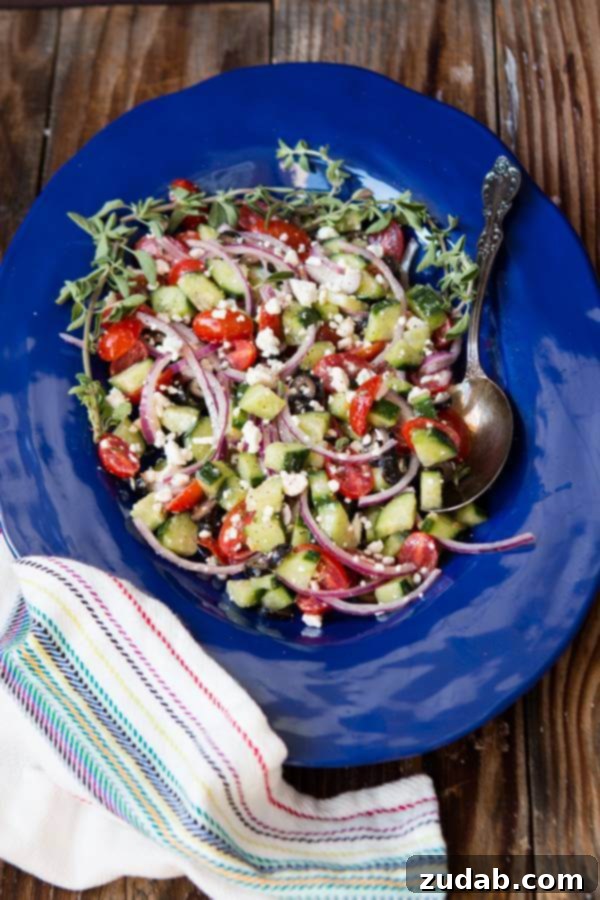
Authentic Greek Salad with Feta: A Mediterranean Delight
We’ve been absolutely overwhelmed with requests for our beloved Greek Salad recipe! After countless emails and messages following its appearance alongside our Greek Chicken Souvlaki post, the wait is finally over. This vibrant salad, bursting with Mediterranean flavors, has quickly become a staple in our home, and we’re thrilled to share its simplicity and deliciousness with you. And don’t worry, we’ll soon be photographing and posting the roasted potato fries and Tzatziki recipe to complete your Greek feast!
For years, this fresh medley of produce was a regular occurrence in our kitchen, long before we realized it bore the esteemed title of “Greek Salad.” We simply thought we were tossing together delicious vegetables, occasionally crowned with a sprinkle of feta for that extra cheesy goodness. It wasn’t until we started preparing our Greek Chicken Souvlaki recipe that we noticed similar salads trending across Pinterest, and a lightbulb moment happened: we were already making the exact same thing!
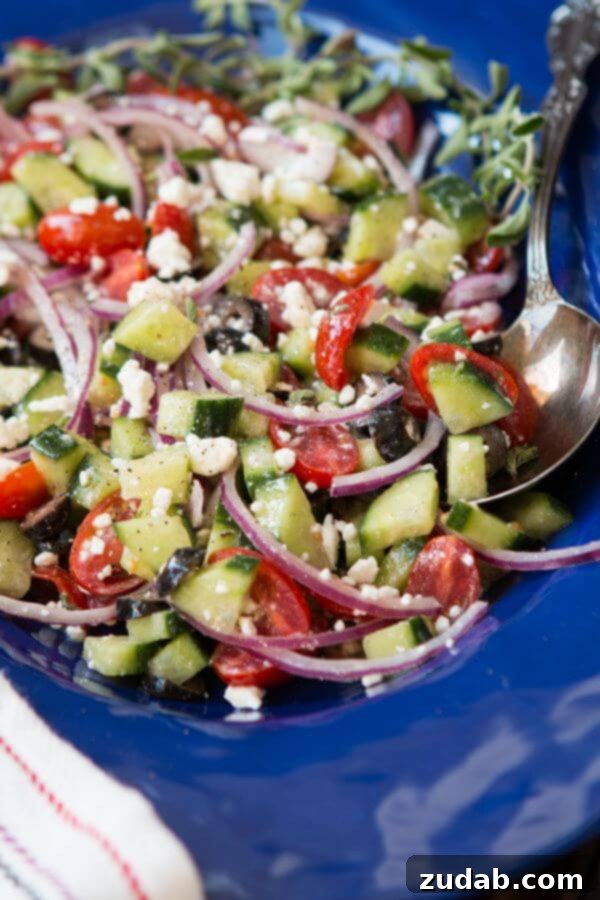
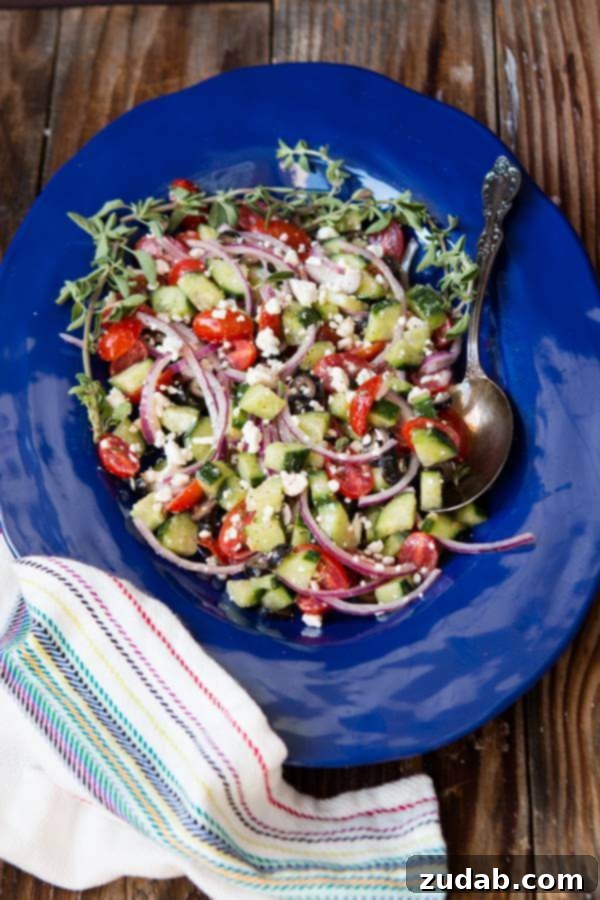
So, here it is in all its glory: a dazzling combination of crumbled feta, ripe tomatoes, crisp cucumbers, briny Kalamata olives, and delicate slices of red onion. This salad epitomizes freshness and speed, making it an ideal side dish or light meal. It’s important to note, in our humble opinion, that it’s truly best enjoyed on the same day it’s made. Everything tends to lose its delightful crunch and can become a bit soggy with prolonged storage.
What Defines an Authentic Greek Salad (Horiatiki)?
When you picture a Greek salad, or “Horiatiki” as it’s known in Greece, you might imagine crisp lettuce as a base. However, a traditional Greek salad typically does *not* include lettuce or any other leafy greens. This might come as a surprise to many outside of Greece, as Americanized versions often incorporate romaine or other mixed greens.
The authentic Horiatiki salad focuses on a vibrant, rustic mix of fresh vegetables: juicy tomatoes (often cut into wedges or large chunks), crunchy cucumbers (peeled or unpeeled, sliced or diced), sharp red onions (thinly sliced), green bell peppers (also sliced), and essential briny Kalamata olives. These core ingredients are typically dressed simply with good quality extra virgin olive oil, a splash of red wine vinegar, and a sprinkle of dried oregano. The star of the show, of course, is a generous slab or crumbles of authentic feta cheese, often placed whole on top rather than mixed in.
The absence of lettuce is not an oversight but a deliberate choice that highlights the quality and freshness of the primary vegetables. Each component is meant to shine, contributing to a symphony of flavors and textures without being diluted by milder greens. This emphasis on robust, sun-ripened produce is a hallmark of Mediterranean cuisine, celebrating the natural bounty of the land.
Exploring the Richness of Feta Cheese
Feta cheese is more than just a topping; it’s a cornerstone of Greek culinary identity and an essential component of any true Greek salad. Originating from Greece, feta is a white, brined curd cheese with a distinct tangy, salty, and slightly crumbly texture. Its rich flavor profile adds a depth that perfectly complements the fresh vegetables in the salad.
Traditionally, authentic Greek feta is made from sheep’s milk, or a blend of sheep’s and goat’s milk (with goat’s milk making up no more than 30% of the mixture). This specific composition and the aging process in brine contribute to its unique taste and consistency. Feta has Protected Designation of Origin (PDO) status, meaning only cheese produced in certain regions of Greece using traditional methods can legally be called “feta.” This ensures its quality and authenticity.
The production process involves curdling the milk, pressing it into molds, and then brining it for several weeks or months. This brining not only preserves the cheese but also infuses it with its characteristic saltiness and develops its complex flavor. When selecting feta for your Greek salad, look for authentic Greek PDO feta, which can often be found in blocks packed in brine. This will offer a superior taste and texture compared to pre-crumbled or non-PDO varieties made from cow’s milk.
The Essence of a Traditional Greek Salad: More Than Just Ingredients
A true Greek salad is not just a random assortment of vegetables; it’s a celebration of simplicity, freshness, and the vibrant flavors of the Mediterranean. The philosophy behind Horiatiki is to let high-quality ingredients speak for themselves. This means choosing the freshest, ripest tomatoes, the firmest cucumbers, and the most flavorful olives. The dressing is equally simple, designed to enhance rather than overpower the natural tastes of the produce.
This salad is a cornerstone of the Mediterranean diet, renowned for its health benefits. Rich in vegetables, healthy fats from olive oil, and nutrient-dense feta, it offers a refreshing and satisfying meal that is both light and nourishing. It’s a testament to how simple, wholesome ingredients, when combined thoughtfully, can create an incredibly flavorful and balanced dish.
Crafting the Perfect Homemade Greek Dressing
While some traditional Greek salads might simply use olive oil and vinegar, our recipe elevates the dressing slightly with a creamy, flavorful yogurt-based mixture. This homemade dressing adds a wonderful tang and richness that coats the vegetables beautifully without making them heavy. It’s incredibly easy to prepare and can be made ahead of time, though we recommend tossing it with the salad just before serving.
The key to a great dressing lies in balancing flavors. Lemon juice provides brightness, honey adds a touch of sweetness to counter the tang, and tahini lends a subtle nutty depth. Dried oregano and garlic powder bring classic Greek aromatic notes, while salt and pepper season it to perfection. Whisking these ingredients together creates a luscious, emulsified dressing that clings to every piece of vegetable, ensuring a burst of flavor in every bite.
Serving Your Greek Salad
The beauty of this Greek salad lies in its versatility. While it shines as a standalone light meal, it truly excels as a vibrant side dish. It’s the quintessential accompaniment to grilled meats like chicken souvlaki or fish, offering a refreshing contrast to richer flavors. The bright, tangy notes of the dressing and the crispness of the vegetables cut through the savory richness of grilled dishes, creating a perfectly balanced plate.
Beyond traditional Greek pairings, this salad is fantastic with almost any summer meal. Serve it alongside barbecue, roasted potatoes, or even as part of a brunch spread. For a heartier meal, you can easily add grilled chicken, chickpeas, or quinoa directly into the salad. Just remember, for the best experience, assemble and dress the salad right before it’s served to maintain that irresistible fresh crunch.
Tips for Ingredient Selection and Customization
To ensure your Greek salad is nothing short of spectacular, pay attention to the quality of your ingredients. Freshness is paramount!
- Tomatoes: Opt for ripe, firm Roma tomatoes or any flavorful, in-season variety. Heirloom tomatoes can add beautiful color.
- Cucumbers: English cucumbers are excellent as they have fewer seeds and thinner skins, meaning less peeling is needed.
- Olives: Kalamata olives are non-negotiable for an authentic Greek flavor profile. Their distinct dark purple color and rich, briny taste are essential. Make sure they are pitted for ease of eating.
- Onions: Red onions provide a lovely sharp bite and a pop of color. Thin slicing is key to prevent them from overpowering the other flavors.
- Feta: As mentioned, seek out authentic Greek PDO feta. Its creamy, tangy, and salty notes are unmatched.
- Dressing Enhancements: For an extra layer of freshness, consider adding a tablespoon of freshly chopped dill or parsley to the dressing. A pinch of crushed red pepper flakes can also add a subtle kick.
Feel free to customize your salad! While the classic recipe is perfect as is, you could experiment with adding:
- Bell Peppers: Sliced green bell peppers are traditional in Horiatiki.
- Artichoke Hearts: Marinated artichoke hearts can add a delightful tang.
- Chickpeas: For added protein and fiber, making it a more substantial vegetarian meal.
- Avocado: For creaminess and healthy fats, though not traditional.
Storage and Freshness Tips
As delicious as this Greek salad is, it’s truly at its best when enjoyed immediately. The high water content of the tomatoes and cucumbers, combined with the dressing, can quickly lead to a soggy salad if stored for too long. If you anticipate leftovers or are preparing this for a gathering, we highly recommend keeping the dressing separate from the chopped vegetables.
Store the chopped vegetables in an airtight container in the refrigerator for up to 1-2 days. The dressing can also be stored separately in an airtight jar in the fridge for up to 3-4 days. When ready to serve, simply combine the desired amount of vegetables with the dressing and toss. This method ensures maximum freshness, crispness, and flavor in every single serving, just as a Greek salad should be.
Greek Salad Recipe
Greek Salad

Ingredients
For the Dressing
- 1 teaspoon Dried Oregano
- 1/2 teaspoon Garlic Powder
- 1/2 teaspoon Black Pepper
- 1/2 teaspoon Salt
- 1 Tablespoon Lemon Juice, plus 2 Tablespoons for dressing
- 1 Cup Low Fat Greek yogurt
- 2 teaspoon Honey
- 1 teaspoon Tahini, sesame-seed paste
- 1 teaspoon Minced Garlic
- 3 Skinless, boneless chicken breast, cut into 1-inch cubes (optional, for a complete meal)
For the Salad
- 3/4 Head Romaine Lettuce, chopped (optional, for a non-traditional twist)
- 3/4 English Cucumber, peeled and chopped
- 1 Cup Roma Tomatoes, chopped
- 1/2 Small Can Olives, sliced (Kalamata recommended)
- 1/4 Cup Crumbled Feta Cheese
- 1/4 Red Onion, thinly sliced
Instructions
-
Combine all the ingredients for the dressing (Dried Oregano, Garlic Powder, Black Pepper, Salt, 1 Tablespoon Lemon Juice, Low Fat Greek yogurt, Honey, Tahini, Minced Garlic) and whisk thoroughly until well combined. Set aside.
-
In a large serving bowl, add all the ingredients for the salad (Romaine Lettuce if using, English Cucumber, Roma Tomatoes, Olives, Crumbled Feta Cheese, Red Onion) and gently toss to combine the vegetables.
-
Just before serving, pour the prepared dressing over the salad ingredients and toss lightly to ensure everything is evenly coated. Alternatively, you can serve the dressing on the side, allowing guests to add their preferred amount. Enjoy immediately for the best taste and texture!
Recipe Notes
Nutrition
, Calories: 232kcal
, Carbohydrates: 15g
, Protein: 26g
, Fat: 8g
, Saturated Fat: 3g
, Polyunsaturated Fat: 1g
, Monounsaturated Fat: 2g
, Trans Fat: 1g
, Cholesterol: 92mg
, Sodium: 519mg
, Potassium: 755mg
, Fiber: 4g
, Sugar: 9g
, Vitamin A: 10881IU
, Vitamin C: 16mg
, Calcium: 187mg
, Iron: 3mg
Nutrition information is an approximation.
Like this? Leave a comment below!

Pair with: Greek Chicken Souvlaki
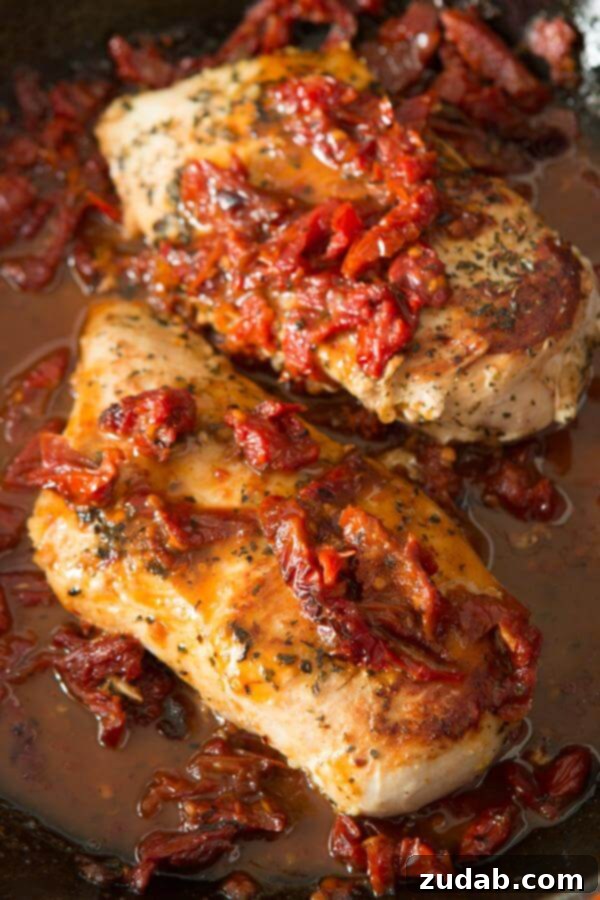
Also try with: Citrus Greek Chicken