


There’s an undeniable joy that comes from nurturing a garden and harvesting fresh, vibrant produce. It’s a connection to nature, a taste of accomplishment, and a pathway to healthier eating. While some regions are blessed with extended growing seasons, others, like ours in Utah, face a more fleeting window of opportunity. Spring bursts forth with incredible beauty, only to transition rapidly into the intense heat of summer, and before you know it, winter’s chill returns. This brevity means we must be intentional and efficient to make the most of our gardening efforts. To help you cultivate your best possible garden, even with a short season, and transform your bounty into truly flavorful meals, we’ve partnered with McCormick to bring you our top 5 essential gardening tips, complemented by a truly exceptional tomato gratin recipe. Let’s dig in and make every moment count!

Growing every single vegetable yourself can be a delightful challenge, but it’s often an ambitious one. To supplement our home garden and ensure a diverse array of fresh, local produce, we enthusiastically embrace Community Supported Agriculture (CSA) programs, such as Bountiful Baskets in our area. CSAs are a fantastic way to access seasonal ingredients, support local farmers, and introduce exciting new vegetables to your kitchen. The surprise of each basket ignites culinary creativity, encouraging you to experiment with fresh flavors and truly “play around” with your meals. Take this exquisite tomato gratin, for instance. It’s incredibly fresh, surprisingly easy to prepare, and infused with a delightful kick that elevates it from a simple side dish to a centerpiece entree. We recently enjoyed it as a light yet satisfying dinner, paired simply with a medley of fresh fruit, leaving us feeling perfectly nourished without any sense of overindulgence.
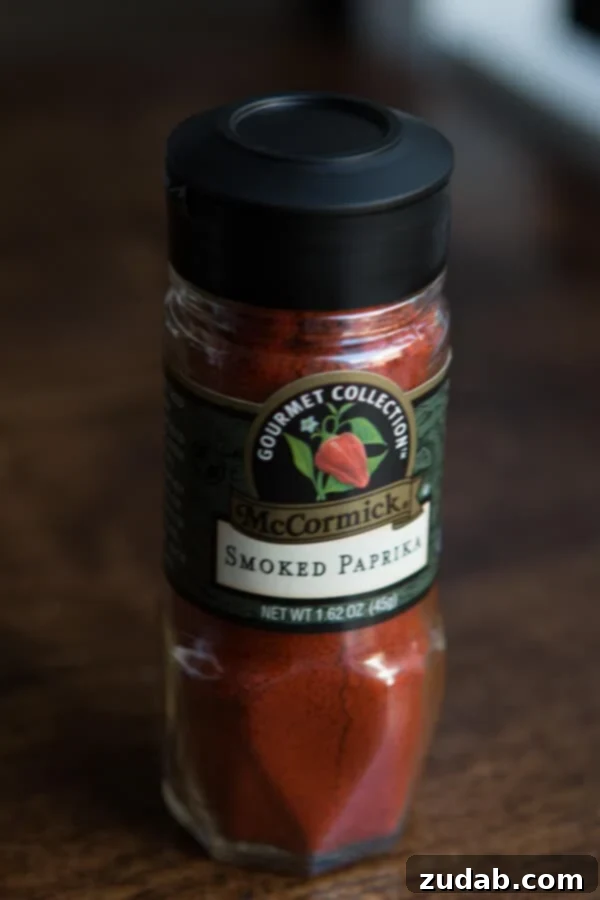
The secret to that unforgettable “kick” in our tomato gratin lies in the judicious use of premium spices. We love to enhance the vibrant flavors of fresh tomatoes and basil with McCormick Gourmet ground cayenne pepper or McCormick Gourmet Smoked Paprika. These high-quality spices from McCormick are renowned for their depth and potency, offering a subtle warmth or a smoky complexity that perfectly complements the natural sweetness and acidity of tomatoes. While the dish remains wonderfully fresh and light, the unexpected heat from cayenne or the earthy, smoky notes of paprika create an intriguing contrast, transforming a classic gratin into a truly memorable culinary experience. It’s a testament to how the right spice can elevate a simple, garden-fresh ingredient to gourmet status.
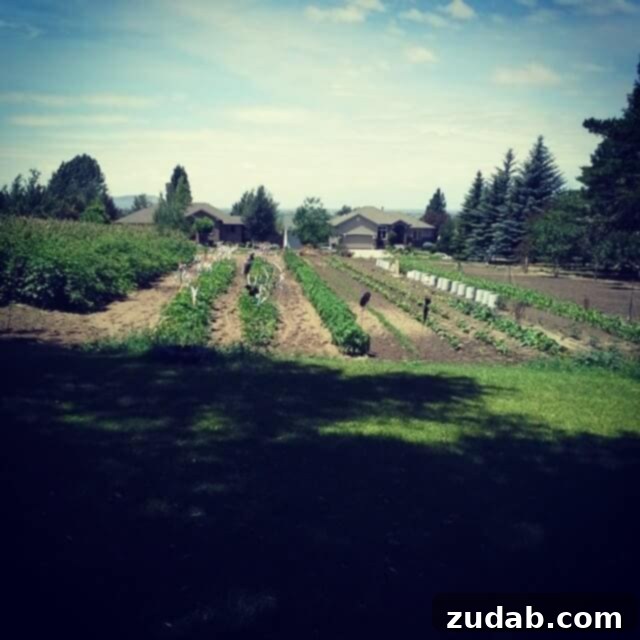
But before we delve deeper into delightful dishes, let’s get back to the heart of it all: gardening. My parents are true masters of the soil, boasting the most incredible and expansive garden imaginable. Lucky for us, a few hours’ drive to their house means we can often bring home a generous portion of their seasonal bounty. More importantly, it’s an invaluable opportunity for our children to actively participate in the gardening process. Instilling these foundational gardening tips and fostering a deep appreciation for where food comes from is one of the most rewarding aspects of our family tradition. Learning hands-on how to cultivate, care for, and harvest plants creates lasting memories and essential life skills.
Essential Gardening Tips for a Thriving Home Garden
Achieving a lush, productive home garden, especially within a shorter growing season, requires a strategic approach. These five tips, refined over years of successful gardening, will help you lay the groundwork for a robust and rewarding harvest.
1. Optimize Your Soil with Early Mulch Tilling: The foundation of any thriving garden is healthy soil. Always begin your gardening season by tilling a generous amount of good quality mulch into your garden plot. This crucial step, ideally started in early spring as soon as the ground is workable, prepares the soil for optimal growth. Tilling incorporates organic matter, which significantly improves soil structure, enhances aeration, and boosts its water-holding capacity. Mulch, composed of materials like compost, aged manure, or finely shredded leaves, enriches the soil with vital nutrients, creating a fertile environment for your plants. For best results, plan to till your plot multiple times before planting, allowing the organic matter to integrate thoroughly and soil temperatures to stabilize. This dedication to soil health early on will pay dividends throughout the growing season.
2. Boost Root Health and Deter Pests with Eggshells: Don’t discard your eggshells! They are a fantastic, natural source of calcium that can dramatically benefit your garden. Save eggshells throughout the year, allow them to dry, and then crush them into fine pieces. When you’re ready to plant starts like tomatoes, squash, or peppers, sprinkle a handful of these crushed eggshells directly into the planting holes. The calcium from the eggshells helps to strengthen cell walls, promoting robust root development and preventing common issues such as blossom end rot, which frequently affects tomatoes and squash. Furthermore, the sharp edges of crushed eggshells can act as a natural deterrent against soft-bodied pests like slugs and snails, providing an eco-friendly layer of protection for your vulnerable young plants.
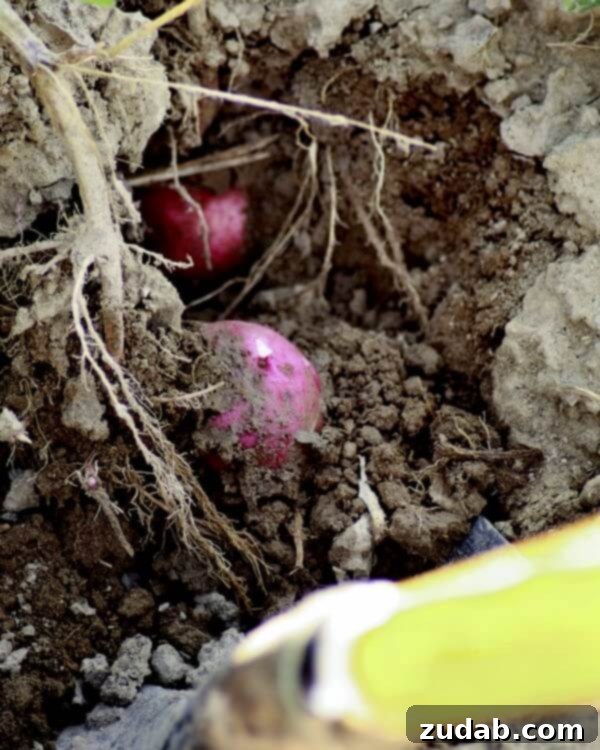
3. Prioritize Consistent Weeding for Optimal Plant Growth: Weeding is arguably one of the most vital, yet often least enjoyable, tasks in the garden. However, neglecting it can severely impact your harvest. Those persistent weeds aren’t just an eyesore; they are fierce competitors, aggressively siphoning away precious water, light, and nutrients that your cultivated plants desperately need. Unchecked weed growth will inevitably lead to stunted, underperforming, or even dying plants. Make it a habit to weed often, particularly in the beginning of the season when young weeds are easier to remove and your seedlings are most vulnerable. Continue occasional weeding during the harvest period to ensure your plants can dedicate all their energy to producing abundant fruits and vegetables. Regular weeding is an absolute non-negotiable for a truly successful and bountiful yield.
4. Master Soil pH and Efficient Watering Techniques: Understanding your soil is paramount. Always check the pH level of your garden soil using a simple home testing kit. The pH balance dictates how well your plants can absorb nutrients. Once you know your soil’s pH, you can amend it accordingly and select the proper fertilizer formulated for your specific soil type and the plants you’re growing. We find it most efficient to fertilize at the same time we plant, ensuring nutrients are immediately available. For watering, employ a smart strategy: utilize soaker hoses for plants like peas and raspberries, which benefit from direct root watering, minimizing evaporation and fungal diseases on foliage. For the rest of the garden, overhead sprinklers, like the large ones my parents use on poles, can provide broad coverage, ensuring even moisture distribution.
5. Diagnose “Sad” Plants: It’s Often a Nutrient Issue, Not Just Water: When your plants appear droopy or their leaves begin to turn a lighter color, the immediate assumption is often a lack of water. However, if you’ve been consistently watering according to the seed or plant instructions, it’s highly probable that the issue is a nutrient deficiency, not dehydration. Overwatering can actually exacerbate nutrient problems by leaching essential minerals from the soil. Yellowing leaves, specifically, are a common sign of nitrogen or iron deficiency. Rather than reaching for the hose again, assess the situation. A good, balanced garden fertilizer, applied around the base of the affected plants, can often provide the missing elements. Continue with your regular, proper watering schedule, and you should see your plants perk right up, returning to their vibrant, healthy state.
Maximizing Your Harvest and Flavor
Once your hard work culminates in a bountiful harvest, the next step is to make the most of it, extending the flavors of summer into the colder months. Canning and freezing are excellent methods for preserving your produce, ensuring you can enjoy garden-fresh ingredients all year long. Beyond preservation, remember to keep things simple in the kitchen to truly let the natural flavors shine. For example, fresh vegetables roasted with just a drizzle of olive oil and a sprinkle of a favorite McCormick Gourmet spice – like McCormick Gourmet Smoked Paprika, which adds a wonderful depth – can dramatically enhance their taste. This approach intensifies the inherent deliciousness of your produce without the need for heavy, unnecessary sauces, celebrating the pure, unadulterated essence of your garden’s bounty.
What Is Gratin?
Gratin is a classic culinary technique where an ingredient, often vegetables or seafood, is topped with a browned crust. This delectable crust is typically formed using a combination of breadcrumbs, grated cheese (such as Parmesan or Gruyère), sometimes enriched with egg, or simply butter, then baked or broiled until golden and crispy. The result is a dish that is wonderfully tender underneath with a satisfyingly crunchy, flavorful top layer.
What Tomatoes Are Best For Roasting?
The beauty of roasting tomatoes is that nearly any variety will benefit from the process, as the heat caramelizes their natural sugars, intensifying their flavor. However, certain types hold up particularly well and develop exceptional taste. Cherry, grape, plum, and Roma tomatoes are excellent choices for roasting because their lower water content allows them to concentrate their flavors without becoming mushy. When roasted, all tomatoes develop a deeper, more robust, and irresistibly savory flavor, making them perfect for gratins, sauces, or simply enjoyed on their own.
What Cheese Goes Well With Roasted Tomatoes?
Roasted tomatoes pair beautifully with a variety of cheeses, each adding its own unique dimension to the dish. Five of the best cheeses to complement the rich, concentrated flavor of roasted tomatoes are:
- Mozzarella: Offers a mild, milky flavor and a delightful melt, creating a creamy texture.
- Ricotta: Provides a light, fresh, and slightly sweet counterpoint, balancing the acidity of the tomatoes.
- Goat Cheese: Delivers a tangy, earthy zest that beautifully contrasts with the tomatoes’ sweetness.
- Parmesan: Adds a sharp, salty, and umami-rich punch, enhancing the overall savory profile.
- Cream Cheese: Melts into a wonderfully smooth, rich, and slightly tart layer, adding luxuriousness to the gratin.
5 Gardening Tips and Tomato Gratin: The Recipe
Tomato Gratin

Ingredients
- 2 cups grape tomatoes
- 1 cup mozzarella
- 1/3 cup parmesan cheese, grated
- 2/3 cup panko bread crumbs
- 1/4 teaspoon McCormick Gourmet ground cayenne or McCormick Gourmet Smoked Paprika
- 1 tablespoon garlic
- 1 teaspoon dry parsley
- 1 tablespoon basil, chopped
Instructions
-
Heat the oven to 400°F (200°C).
-
In a pie dish, add the grape tomatoes, a light drizzle of olive oil, and the mozzarella.
-
In a small separate dish, combine the grated parmesan cheese, panko bread crumbs, McCormick Gourmet ground cayenne (or smoked paprika), minced garlic, and dry parsley. Mix thoroughly.
-
Evenly sprinkle this prepared topping mixture over the tomatoes and mozzarella in the pie dish. Drizzle a little more olive oil over the topping.
-
Bake for 20-30 minutes, or until the topping is beautifully golden brown and crispy, and the tomatoes are tender and bubbling.
Recipe Notes
Nutrition
Nutrition information is automatically calculated, so should only be used as an approximation.
Discover More Fresh Recipes and Gardening Hacks
Ready to explore more delicious ways to enjoy fresh produce and extend your gardening skills? Check out these related articles for inspiration:
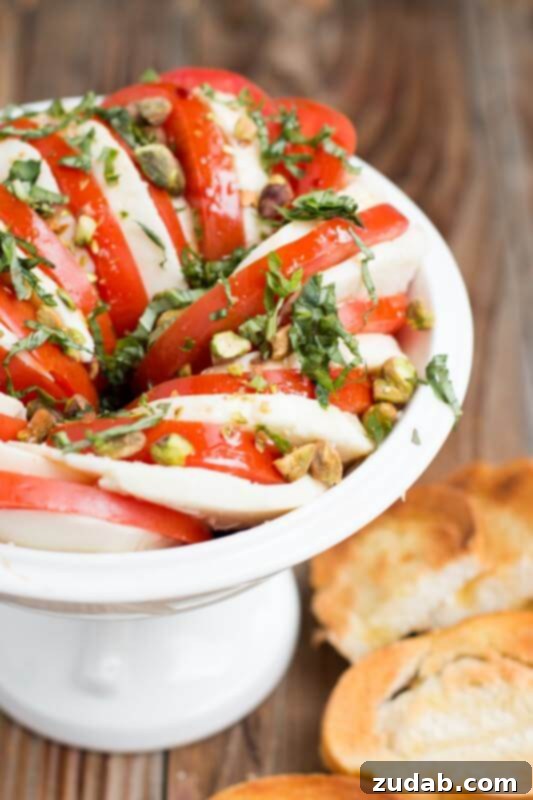
The Best Caprese Salad Recipe with Pistachios

Unlock the Secret: How to Freeze Fruit for Better Smoothies
Make and Store Classic Pesto in Just 10 Minutes

Mastering Preservation: How to Freeze Corn Perfectly