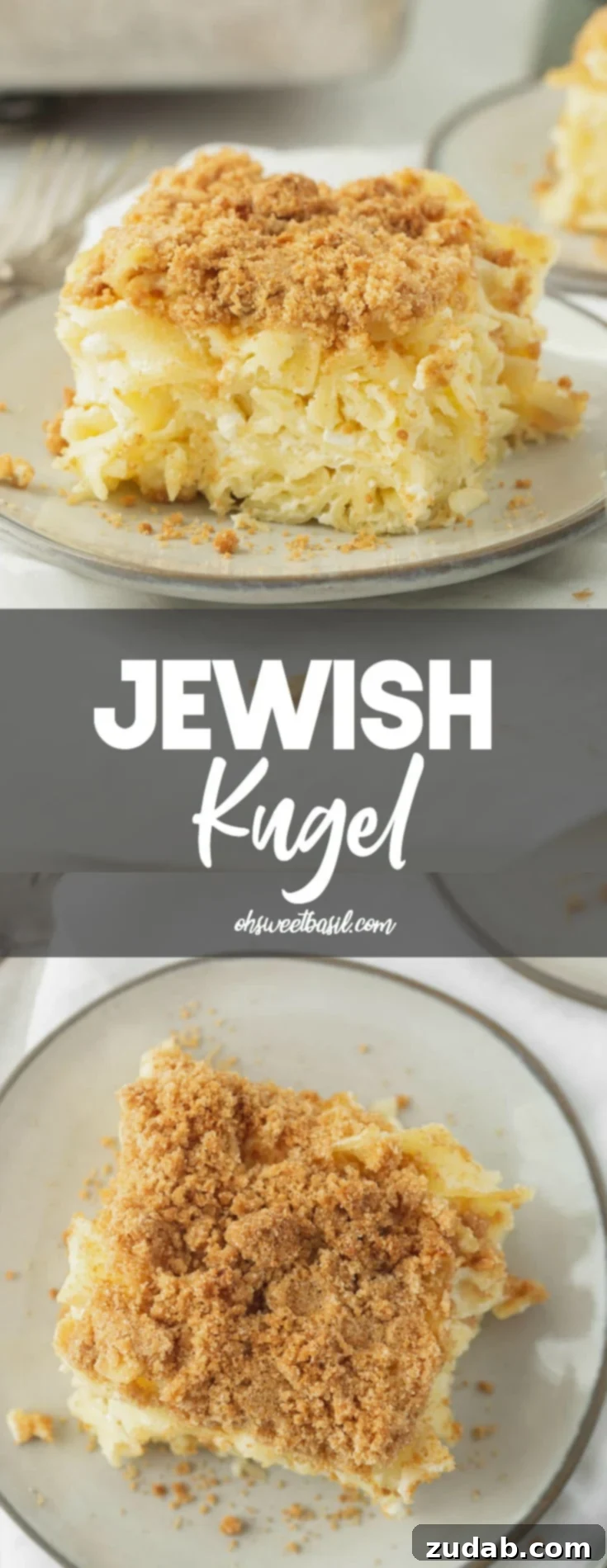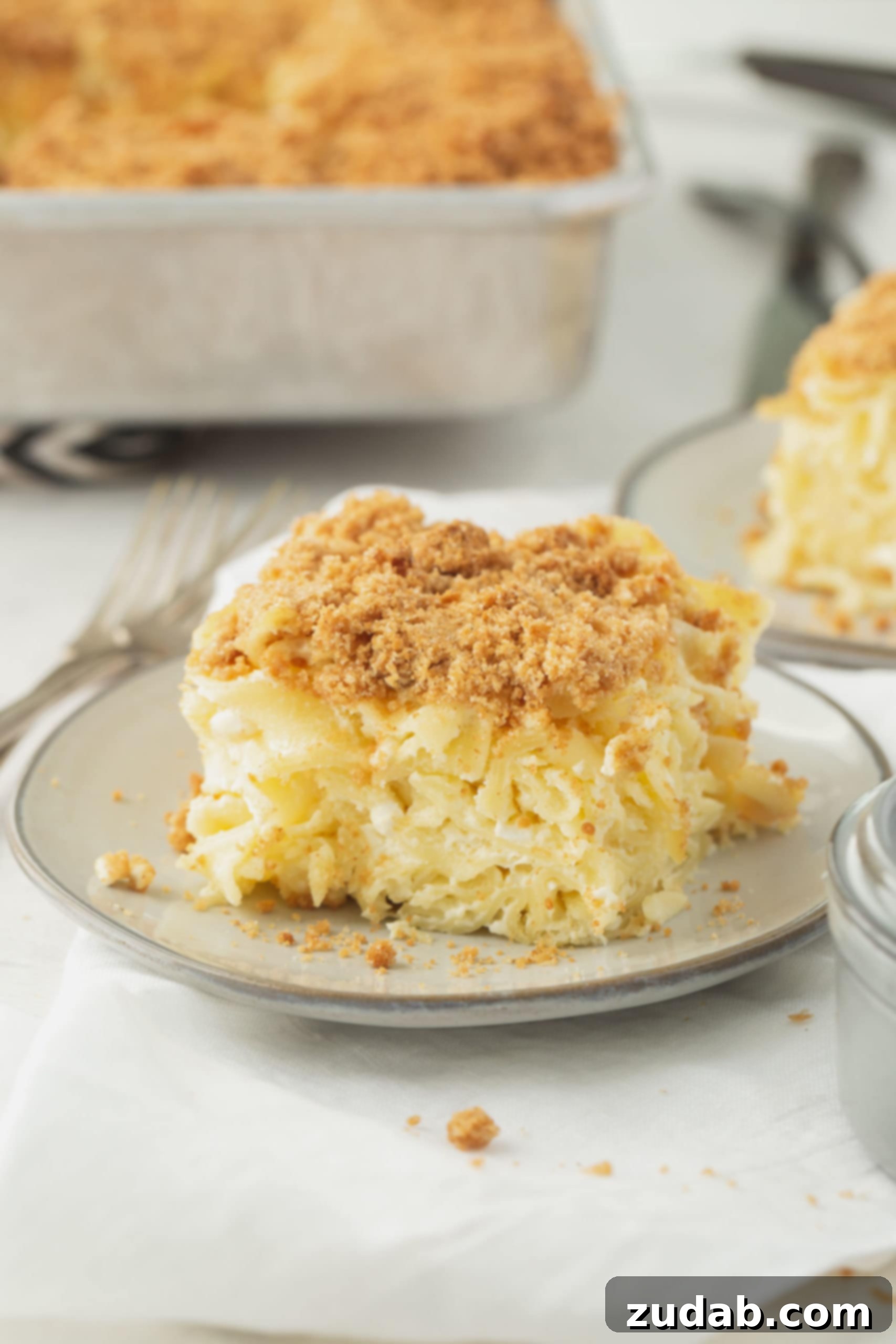
Have you ever encountered a dish that perfectly blends the comforting familiarity of pasta with the delightful sweetness of dessert? If not, allow us to introduce you to Noodle Kugel – a beloved Jewish holiday classic that consistently captures hearts and palates. This traditional baked casserole, crafted from tender egg noodles enveloped in a rich, sweet custard, is more than just a recipe; it’s a taste of heritage, a centerpiece for family gatherings, and a dish that evokes warmth and celebration. Whether you’re a seasoned home cook or new to Jewish cuisine, this comprehensive guide will help you create a truly exceptional sweet noodle kugel that will be cherished by everyone at your table.
My journey into the world of kugel began during Rosh Hashanah, when I noticed countless friends sharing photos of this intriguing noodle pudding. Intrigued by the concept of a sweet pasta dish served as a main course, I knew I had to experience it for myself. The initial bite was a revelation – unlike anything I had ever tasted! It was perfectly sweet, yet robust enough to satisfy as a hearty meal. And the best part? My children, thinking they were getting away with dessert for dinner, devoured it with unbridled enthusiasm. After extensive research and combining elements from several traditional recipes, I’ve perfected a version that truly stands out. I am confident it will become a new favorite in your home too!
What is Kugel? A Sweet Tradition Unveiled
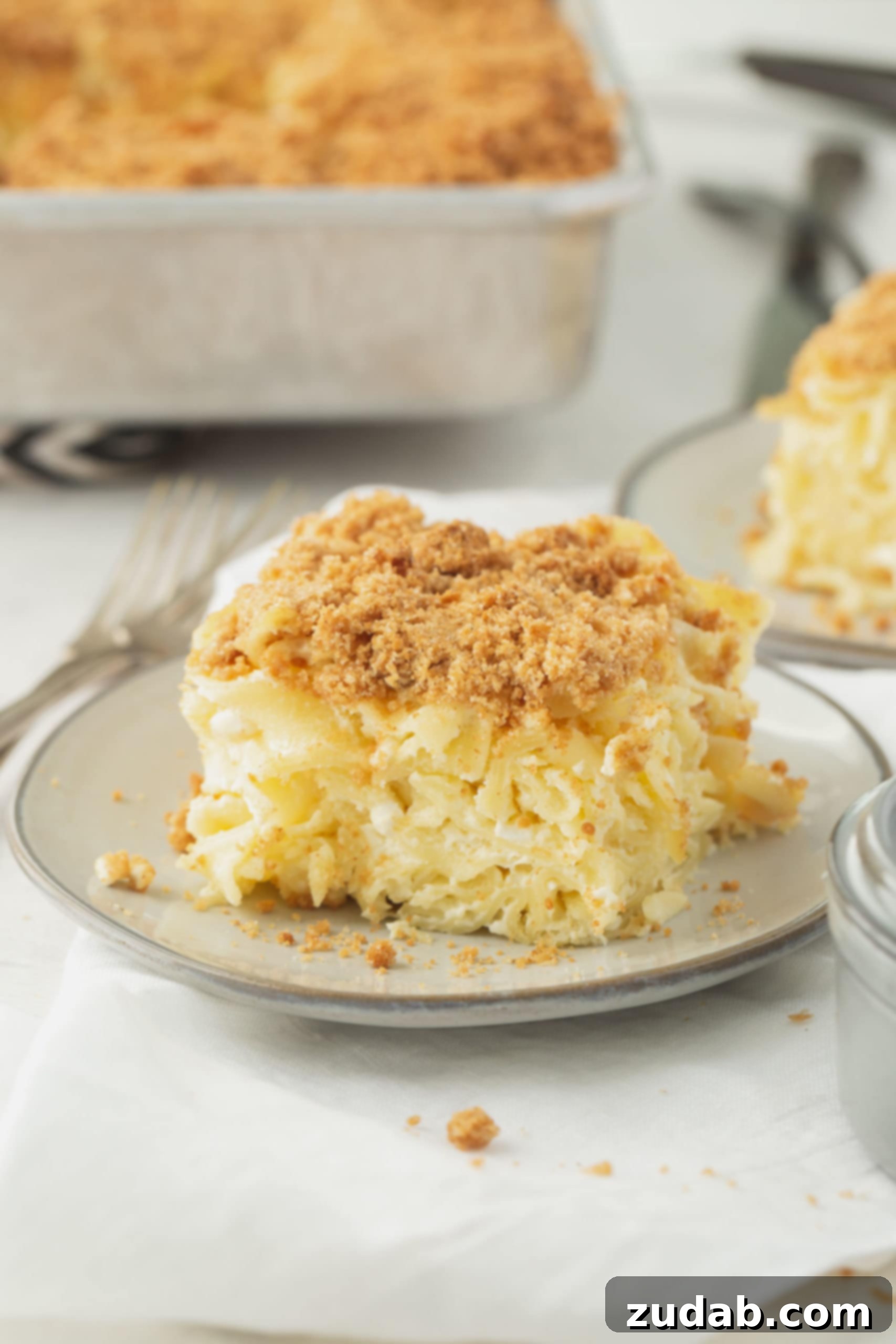
The name kugel (pronounced “koo-gull” or “kuh-gull”) refers to a baked casserole originating in southern Germany, with the word itself derived from Yiddish, meaning “sphere” or “ball,” referring to the original spherical baking vessels. This humble dish has graced Jewish tables for hundreds of years, evolving into a staple of Ashkenazi Jewish cuisine. It’s a particularly popular option for Jewish holidays such as Shabbat, Rosh Hashanah, and Yom Kippur break-fasts, as well as family brunches and special occasions. The enduring popularity of kugel throughout centuries is a testament to its comforting flavors and versatility. While sweet noodle kugels are perhaps the most widely recognized, there’s a fascinating world of savory variations made with potatoes or other vegetables that we’ll explore later.
At its heart, kugel is a dish that symbolizes togetherness and tradition. It’s often prepared in large batches, making it ideal for feeding big families and communal gatherings. Its ability to be made in advance, refrigerated, and then baked just before serving adds to its appeal for busy holiday preparations. The delightful contrast of soft noodles, creamy custard, and often a crisp topping creates a texture and flavor profile that is both unique and universally comforting. This sweet noodle kugel is a prime example of a dish that transcends generations, bringing joy and a sense of heritage to every meal.
Essential Ingredients for Your Perfect Sweet Noodle Kugel
Crafting the perfect sweet noodle kugel relies on a harmonious blend of simple, wholesome ingredients. Traditionally, kugel requires a starch, eggs, and fat, which combine to create its signature custardy texture and rich flavor. For our classic sweet version, we utilize wide egg noodles as the starch, providing a satisfying base. The richness comes from a decadent combination of dairy: butter, cottage cheese, sour cream, and cream cheese, all working together to form a velvety, sweet custard that binds the noodles beautifully. Here’s a detailed breakdown of what you’ll need to add to your grocery list:
For the Kugel Base:
- Wide Egg Noodles: These are the foundation of your kugel, offering a substantial yet tender texture when baked. Choose a good quality brand for the best results.
- Large Eggs: Eggs are crucial for the custard, providing structure, richness, and helping the kugel set into a cohesive, sliceable dish. We’ll separate them for optimal texture.
- Granulated Sugar: Essential for that signature sweet profile, balancing the savory notes of the dairy and noodles.
- Cream Cheese: Adds a creamy tang and luxurious richness to the custard, contributing to the smooth texture.
- Unsalted Butter (softened): Infuses the kugel with a delicate, buttery flavor and helps achieve a tender crumb. Using unsalted butter allows you to control the overall saltiness of the dish.
- Sour Cream: Provides moisture, a slight tanginess, and a tenderizing effect, making the kugel incredibly moist and flavorful.
- Cottage Cheese: A traditional ingredient that adds a subtle savory note, creaminess, and a unique texture. Don’t worry, its curds will mostly melt into the custard during baking.
For the Irresistible Topping:
- Graham Cracker Crumbs: These provide a delightful crunch and a sweet, slightly spiced counterpoint to the creamy kugel below.
- Granulated Sugar: Blends with the crumbs and butter to create a caramelized, golden-brown crust.
- Unsalted Butter (softened): Binds the topping ingredients together and helps it crisp up beautifully in the oven.
You’ll find the precise measurements for each ingredient, along with detailed nutritional information, in the comprehensive recipe card located further down the page.
Step-by-Step Guide: How to Make Sweet Jewish Noodle Kugel
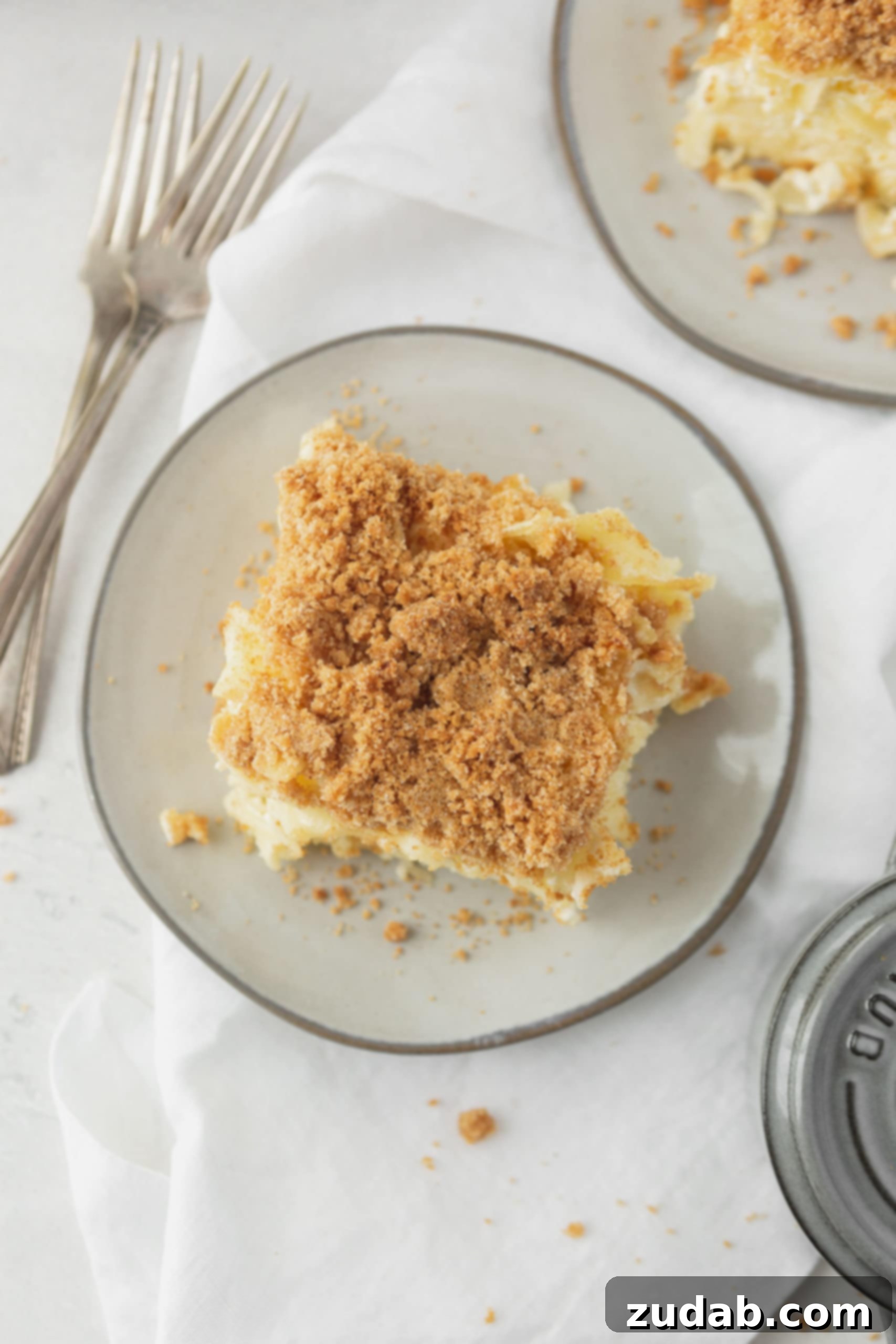
Making this traditional Jewish kugel is surprisingly straightforward, a testament to why it has stood the test of time and become a beloved family recipe. The process can be easily scaled up to feed larger crowds, making it perfect for any celebration. We’ll begin by preparing the crisp, sweet topping, then move on to assembling the rich and creamy kugel base. Follow these simple steps for a truly delicious result:
Preparing the Golden Topping:
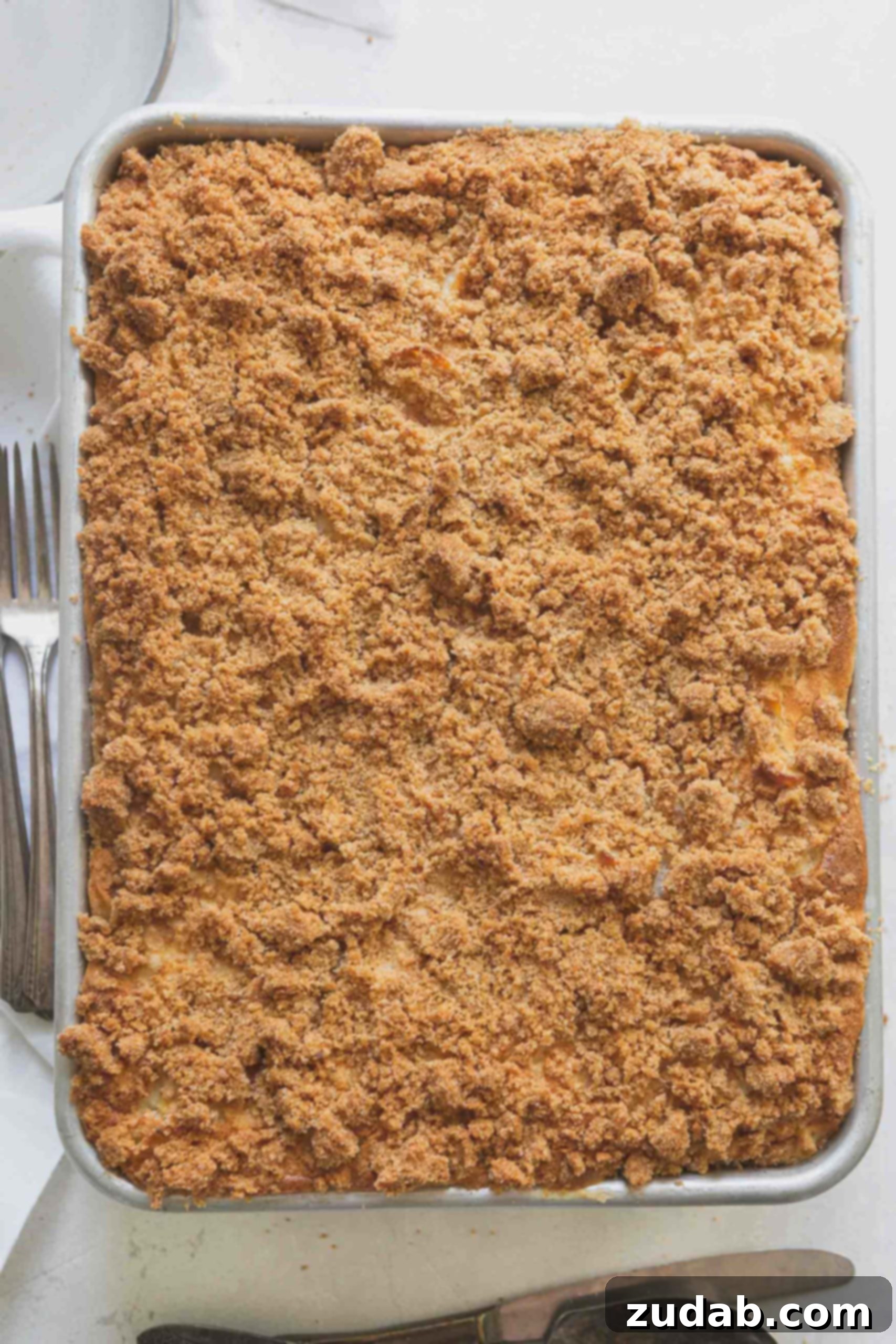
- Combine Ingredients: In a small mixing bowl, thoroughly combine the graham cracker crumbs, granulated sugar, and softened unsalted butter. Use a fork or your fingertips to ensure the butter is evenly distributed and the mixture resembles coarse, moist crumbs.
- Set Aside: Once combined, set the topping mixture aside. It will be ready to sprinkle over the kugel just before baking, creating that irresistible golden crust.
Crafting the Velvety Kugel:
- Prepare Oven and Baking Dish: Preheat your oven to 350°F (175°C). Generously butter a 9×13-inch baking dish. This ensures the kugel doesn’t stick and makes for easy serving.
- Cook the Noodles: Bring a large pot of salted water to a rolling boil. Add the wide egg noodles and cook according to package directions until al dente (firm to the bite). Avoid overcooking, as they will continue to soften during baking. Once cooked, drain the noodles well and rinse them briefly with cold water to prevent them from sticking together.
- Separate and Beat Eggs: Carefully separate the eggs, placing the yolks in a large mixing bowl and the whites in a separate, clean bowl. Using a hand mixer (or a whisk if preferred), beat the egg yolks until they are pale yellow and slightly thickened.
- Create the Custard Base: Add the remaining 1/2 cup of granulated sugar and the softened cream cheese to the beaten egg yolks. Continue to beat with the hand mixer until the mixture is smooth, creamy, and well combined, with no lumps of cream cheese remaining.
- Fold in Dairy and Noodles: To the cream cheese mixture, add the cooked and drained egg noodles, the cut-up softened butter (make sure it’s in small pieces for even distribution), sour cream, and cottage cheese. Using a wooden spoon or spatula, gently fold all the ingredients together until thoroughly mixed. Be careful not to mash the noodles.
- Whip Egg Whites: Using the electric mixer (and a clean beater or whisk attachment), beat the reserved egg whites until stiff peaks form. This means the whites will hold their shape firmly when the beater is lifted. The stiff egg whites will lighten the kugel, giving it an airy, delicate texture.
- Gently Combine: Carefully fold the whipped egg whites into the noodle mixture. Do this in two additions if needed, being gentle to maintain as much air as possible in the egg whites. This step is key for a light and fluffy kugel.
- Bake to Golden Perfection: Pour the entire kugel mixture into your prepared 9×13-inch baking dish. Sprinkle the reserved graham cracker crumb topping evenly over the surface. Bake for approximately 1 hour, or until the kugel is golden brown, set in the center, and bubbly around the edges.
- Serve and Enjoy: Your sweet noodle kugel can be served hot straight from the oven, at room temperature, or even chilled – each offering a slightly different experience. For an extra touch of flavor, some enjoy sprinkling a pinch of cinnamon on top before serving. It’s truly a delight in any form!
Creative Kugel Variations to Elevate Your Dish
While the classic sweet noodle kugel is undeniably delicious, its versatility allows for exciting variations. Don’t hesitate to get creative and customize this comforting dish to your taste. Here are some popular variations you might consider trying, each offering a unique twist on the traditional recipe:
Sweet Enhancements:
- Dried Fruit Medley: The simplest way to add new dimensions of flavor and texture is by incorporating dried fruits. Consider adding a cup of plump raisins (golden raisins offer a milder sweetness), chopped dried cherries for a tart contrast, diced dried apples for a touch of autumnal flavor, or even apricots for a chewy, sweet-tart bite. Soak the dried fruits in a little warm water or apple juice for 10-15 minutes before adding them to the noodle mixture to ensure they are soft and juicy.
- Citrus Zest: A little lemon or orange zest can brighten the entire dish, adding a fragrant, fresh note that cuts through the richness. Add 1-2 teaspoons of finely grated zest along with the wet ingredients.
- Spiced Kugel: Introduce warm spices like a teaspoon of ground cinnamon, a pinch of nutmeg, or even a dash of cardamom to the custard mixture for an aromatic depth.
- Nutty Crunch: For extra texture and flavor in the topping, mix in finely chopped pecans, walnuts, or almonds with the graham cracker crumbs.
Exploring Savory Kugel:
Beyond its sweet iteration, kugel also shines in savory forms, particularly the beloved potato kugel. This variation reimagines the dish as a hearty, satisfying side. While a full savory kugel recipe is a separate culinary adventure, here’s a glimpse into the possibilities:
- Potato Kugel: Instead of egg noodles, a savory kugel typically uses grated potatoes (like russets or Yukon Golds) as the starch. The potatoes are mixed with eggs, matzo meal (or flour), and plenty of fat, usually oil or schmaltz (rendered chicken fat).
- Aromatic Additions: Sautéed onions and garlic are common additions, providing a deep, aromatic base. You can also incorporate other vegetables like finely diced carrots, bell peppers, or even spinach for added flavor and nutrition.
- Herbaceous Touches: Fresh herbs such as parsley, dill, or chives can elevate the savory profile. Salt and black pepper are crucial for seasoning.
- Crispy Texture: Savory kugels are often baked in a similar fashion, resulting in a crispy exterior and a tender, flavorful interior. They make an excellent accompaniment to roasted meats or poultry.
Exploring these variations can transform kugel into a year-round dish, perfectly adaptable to any meal or occasion. My next culinary project definitely involves diving deeper into the world of savory potato kugel!
Frequently Asked Questions About Noodle Kugel
For those new to baking kugel, or even seasoned cooks looking for quick answers, here are some common questions about this delightful dish:
Is Kugel a Dessert or a Main Dish?
This is a common point of discussion! While sweet noodle kugel, with its creamy, buttery, and sugary profile, might taste like a dessert, it’s traditionally served as a main dish in Ashkenazi Jewish cuisine, particularly during holiday meals. It’s hearty enough to be the star of the plate, especially when served alongside savory components. However, its delightful sweetness also makes it a fantastic candidate for a brunch dish or even a unique dessert course, proving its incredible versatility.
How Long Will Noodle Kugel Keep?
Properly stored, your baked noodle kugel will stay fresh in the refrigerator for up to 3 days. To maximize its freshness and prevent it from drying out or absorbing other odors from your fridge, transfer any leftovers to an airtight container. If you leave it in the casserole dish, make sure to cover it tightly with plastic wrap or aluminum foil once it has cooled completely to room temperature.
Can Noodle Kugel Be Frozen?
Absolutely! Noodle kugel freezes beautifully, making it an excellent make-ahead option. You can freeze it for up to 1 month. To freeze, ensure the kugel has cooled completely. Wrap it tightly in a double layer of aluminum foil, then place it in a freezer-safe container or a heavy-duty freezer bag to prevent freezer burn. When you’re ready to enjoy it, thaw the kugel overnight in the refrigerator. Once thawed, it can be eaten cold or reheated.
How Do You Reheat Kugel?
Reheating kugel is simple and can be done a couple of ways depending on your preference:
- Microwave: For individual servings, place a slice of kugel on a microwave-safe plate and heat on high for 1-2 minutes, or until warmed through.
- Oven: For a larger portion or to restore some of that crispy topping, preheat your oven to 350°F (175°C). Place the kugel (covered with foil to prevent excessive browning) in the oven and heat for 20-30 minutes, or until heated through. Remove the foil for the last 5-10 minutes if you prefer a crispier topping.
Whether this is your inaugural encounter with kugel or a cherished family tradition, this sweet noodle kugel recipe promises a perfectly balanced experience of tender pasta, creamy custard, and just the right touch of sweetness. Embrace the tradition, savor the flavors, and be “koo-gel” enough to make a kugel!
More Holiday Main Dishes to Explore:
- Jerusalem Herb Chicken Thighs
- The Absolute Best Prime Rib Recipe
- Perfect Herb Roasted Chicken
- The Most Amazing Apple Pecan Smoked Turkey Breast Recipe
- World’s Best Brown Sugar Ham Recipe
- Herb Roasted Turkey Breast
- Garlic Honey Mustard Ham Recipe
Jewish Kugel
20 minutes
1 hour
1 hour
20 minutes
12
Print Recipe
Have you ever had kugel? Noodle kugel is a traditional Jewish holiday dish made from egg noodles baked in a sweet custard. It can be made in advance, refrigerated and baked before serving, making it perfect for big family get-togethers.
Ingredients
Kugel
- 16 oz Wide Egg Noodles
- 6 Large Eggs, separated
- 1/2 Cup Granulated Sugar
- 6 oz Cream Cheese, softened
- 1/3 Cup Unsalted Butter, softened and cut into small pieces
- 1 Cup Sour Cream
- 16 oz Cottage Cheese
Topping
- 1 Cup Graham Cracker Crumbs
- 1/2 Cup Granulated Sugar
- 4 Tablespoons Unsalted Butter, softened
Units: US Customary (default) – Metric conversion available upon request.
Instructions
- Preheat the oven to 350°F (175°C) and generously butter a 9×13-inch baking dish.
For the Topping
- In a small bowl, stir together the graham cracker crumbs, 1/2 cup sugar, and 4 tablespoons softened butter. Set aside.
For the Kugel
- Cook the wide egg noodles in a large pot of salted water according to package directions until al dente. Drain and rinse thoroughly.
- In a large bowl, using a hand mixer, beat the egg yolks until pale yellow. Add the remaining 1/2 cup sugar and cream cheese, and beat again until smooth and creamy.
- Add the drained noodles, 1/3 cup cut-up butter, sour cream, and cottage cheese to the cream cheese mixture. Mix everything together well, folding with a wooden spoon until all ingredients are thoroughly combined.
- In a separate clean bowl, using a clean beater, beat the reserved egg whites until stiff peaks form. Gently fold the beaten egg whites into the noodle mixture in two additions, being careful not to deflate them.
- Pour the kugel mixture into your prepared baking dish. Sprinkle the reserved topping evenly over the entire surface.
- Bake at 350°F (175°C) for 1 hour, or until golden brown and set.
- Serve hot, at room temperature, or even cold – enjoy it however you prefer!
Recipe Notes
Store leftover Kugel in an airtight container in the refrigerator for up to 3 days. Kugel can also be frozen for up to 1 month. Thaw overnight in the refrigerator before reheating.
Nutrition
Calories: 474kcal
Carbohydrates: 52g
Protein: 14g
Fat: 24g
Saturated Fat: 12g
Polyunsaturated Fat: 2g
Monounsaturated Fat: 6g
Trans Fat: 0.4g
Cholesterol: 169mg
Sodium: 326mg
Potassium: 220mg
Fiber: 1g
Sugar: 21g
Vitamin A: 779IU
Vitamin C: 0.2mg
Calcium: 98mg
Iron: 1mg
Nutrition information is automatically calculated, so should only be used as an approximation.
If you loved this recipe, we encourage you to leave a comment below! Your feedback helps other home cooks discover delicious new dishes.
REMEMBER TO SUBSCRIBE TO our FREE Oh Sweet Basil NEWSLETTER AND RECEIVE EASY RECIPES DELIVERED INTO YOUR INBOX EVERY DAY!
When you try a recipe, please use the hashtag #ohsweetbasil on INSTAGRAM for a chance to be featured in our stories! FOLLOW OH, SWEET BASIL ON FACEBOOK | INSTAGRAM | PINTEREST | TWITTER FOR ALL OF OUR LATEST CONTENT, RECIPES AND STORIES.