
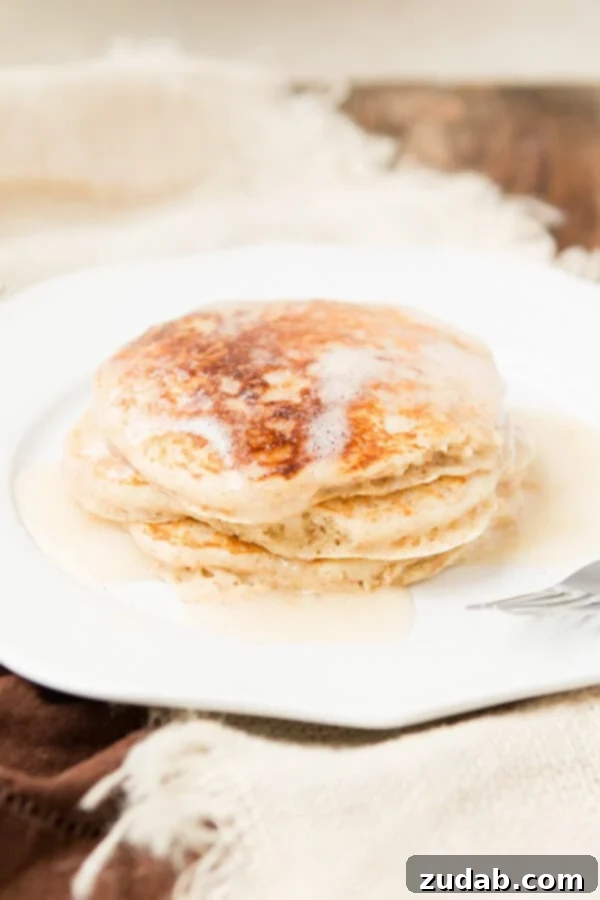
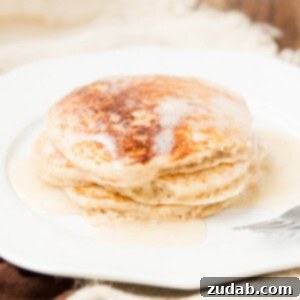
There’s a special kind of excitement that comes with mastering a truly exceptional breakfast recipe, and right now, our Whole Wheat Buttermilk Pancakes are absolutely stealing the show! If you’re already a fan of our classic buttermilk pancakes, prepare to fall in love all over again with this healthier rendition. We promise these fluffy, golden-brown beauties are every bit as delicious, offering that melt-in-your-mouth texture you crave with the added benefits of whole grains.
Imagine the cozy scene: the kids are tucked into bed, the house is quiet, and the aroma of freshly made pancakes fills the air. It’s the perfect moment to whip up a batch of these delectable pancakes, perhaps even paired with a warm batch of peanut butter maple syrup. Pure bliss! These simple, spontaneous moments of indulgence are truly precious. While we might not be 20-somethings anymore, and our bedtimes are certainly earlier than they used to be, a delightful treat like these pancakes makes those occasional late-night indulgences absolutely worth it. So, whether you’re planning a special family breakfast or a quiet, sweet escape for two, these whole wheat buttermilk pancakes are a must-try.
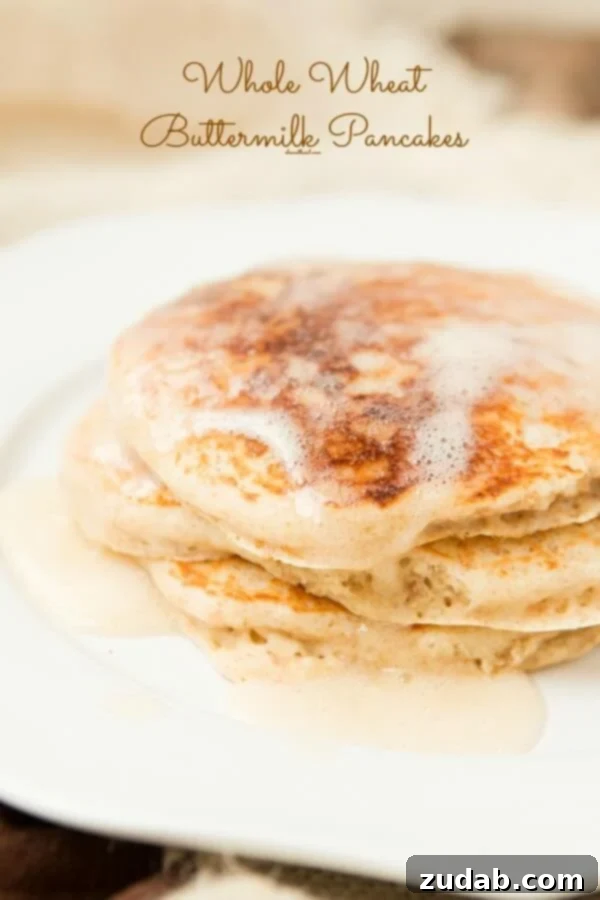
For many, pancakes evoke memories of lazy weekend mornings and comforting homemade meals. This recipe takes that cherished tradition and elevates it with the goodness of whole grains without compromising on taste or texture. You’ll be amazed at how light and airy these pancakes turn out, proving that healthy eating can be incredibly satisfying. Let’s dive into why choosing whole wheat for your pancakes is a smart and tasty decision, along with some essential tips for perfect results every time.
Are Whole Wheat Pancakes a Healthy Choice?
Incorporating whole wheat flour into your pancakes significantly boosts their nutritional profile, making them a more wholesome start to your day. Whole wheat flour, unlike refined white flour, retains all parts of the wheat kernel – the bran, germ, and endosperm. This means it’s packed with vital nutrients that are often lost during the refining process.
Here’s a breakdown of the health benefits:
- Rich in Carbohydrates for Energy: Like all whole grains, whole wheat flour is an excellent source of complex carbohydrates. These provide sustained energy release, helping you feel fuller for longer and preventing the energy spikes and crashes often associated with refined sugars and flours.
- Abundant in Dietary Fiber: Whole grains are renowned for their fiber content, offering both soluble and insoluble fiber.
- Soluble fiber plays a crucial role in slowing down the absorption of sugar into your bloodstream, which helps stabilize blood sugar levels. It also contributes to lowering harmful cholesterol levels, supporting cardiovascular health.
- Insoluble fiber acts as a natural digestive aid, promoting regularity and helping to prevent constipation. This type of fiber adds bulk to your stool, facilitating smoother digestion.
- Supports Weight Management: The high fiber content in whole grains helps you feel full and satisfied, reducing the likelihood of overeating or snacking between meals. This can be a valuable asset for those aiming for weight loss or maintaining a healthy weight.
- Excellent Source of B-Vitamins: Whole wheat flour is a fantastic source of several B-vitamins, including B1 (thiamine), B2 (riboflavin), B3 (niacin), and B9 (folate). These vitamins are essential for energy metabolism, nerve function, and red blood cell formation, contributing to overall well-being.
- Nutrient Boost from Eggs and Milk: When you combine the benefits of whole wheat flour with eggs and buttermilk, you create a truly powerhouse breakfast. Eggs provide high-quality protein and essential amino acids, while buttermilk adds calcium for bone health and contributes to the pancakes’ tender texture.
Considering these factors, whole wheat buttermilk pancakes are indeed a delicious and nutritious option for a healthy breakfast.
Is Buttermilk Simply Sour Milk?
This is a common misconception, but no, buttermilk is not the same as sour milk, though they share some similarities in flavor profile. They are distinctly different products with unique origins and compositions.
- Traditional Buttermilk: Historically, buttermilk was the liquid left behind after churning butter from cultured cream. This residual liquid had a tangy flavor and slightly thicker consistency due to lactic acid bacteria naturally present in the cream.
- Commercial Buttermilk: Today, most buttermilk available in stores is “cultured buttermilk.” It’s produced by adding specific lactic acid bacteria cultures to regular pasteurized milk (usually low-fat or skim milk). These bacteria ferment the lactose (milk sugar), producing lactic acid, which gives buttermilk its characteristic tangy flavor and thickens its consistency. This controlled fermentation process is key to its unique properties.
- Sour Milk: Sour milk, on the other hand, is typically made by adding an acidic agent, such as white vinegar or lemon juice, directly to regular milk. The acid causes the milk proteins to curdle and thicken, creating a texture similar to buttermilk and imparting a tart taste. While it mimics buttermilk’s acidity and can be used as a substitute in many recipes, it lacks the depth of flavor and specific bacterial cultures found in true buttermilk.
So, while sour milk can perform a similar function in recipes due to its acidity, it’s not the same as real cultured buttermilk.
What Can You Substitute For Buttermilk in Recipes?
Don’t have buttermilk on hand? No problem! There are several easy and effective substitutes you can whip up using ingredients you likely already have in your kitchen. The goal of these substitutes is to replicate buttermilk’s acidity, which reacts with baking soda to create light, fluffy baked goods.
Here are some reliable buttermilk substitutes:
- Vinegar or Lemon Juice & Milk: This is the most popular and versatile substitute.
- For every 1 cup of buttermilk required, simply measure out 1 tablespoon of white vinegar or fresh lemon juice.
- Add enough regular milk (dairy or non-dairy like almond or soy milk also works) to reach the 1-cup mark.
- Stir gently and let the mixture sit for about 5 minutes. You’ll notice the milk starting to curdle slightly – that’s exactly what you want! The acidity is developing, making it ready to use in your recipe.
- Plain Yogurt: Plain yogurt, especially slightly thinned out, can be an excellent substitute.
- Use plain yogurt (not flavored) as a 1:1 replacement for buttermilk.
- If the yogurt is very thick, you might want to whisk in a tablespoon or two of water or milk to achieve a consistency closer to buttermilk.
- Greek yogurt can also work but will be thicker and may yield a slightly denser pancake, so thinning it is recommended.
- Cream of Tartar & Milk: Cream of tartar is a powdered acid that works wonderfully to mimic buttermilk’s acidity.
- For 1 cup of buttermilk, combine 1¾ teaspoons of cream of tartar with 1 cup of regular milk.
- Whisk thoroughly until the cream of tartar is dissolved. You can use this mixture immediately in your recipe.
These substitutes ensure your pancakes (or any other recipe calling for buttermilk) will still achieve that signature tang, tender crumb, and delightful fluffiness.
More Delicious Pancake Recipes to Try:
If you’re as passionate about pancakes as we are, you’ll love exploring our other fantastic pancake creations:
- Melt in Your Mouth Buttermilk Pancakes
- Meyer Lemon Pancakes
- White Chocolate Blueberry Pancakes
- Cinnamon Burst Pancakes
- Glazed Donuts Pancakes
- Maple Bar Pancakes
- Melt in Your Mouth Whole Wheat Pumpkin Pie Pancakes
- Chocolate Chip Buttermilk Pancakes
- Brown Sugar Peach Pancakes
- Carrot Cake Pancakes
- Healthy Wild Blueberry Cottage Cheese Pancakes
- Skinny Strawberry Shortcake Gluten Free Pancakes
- Melt in Your Mouth Sour Cream Pancakes
- Blueberry Pecan Pancakes
- Explore all our SWEET BREAKFAST RECIPES here!
Whole Wheat Buttermilk Pancakes: The Recipe
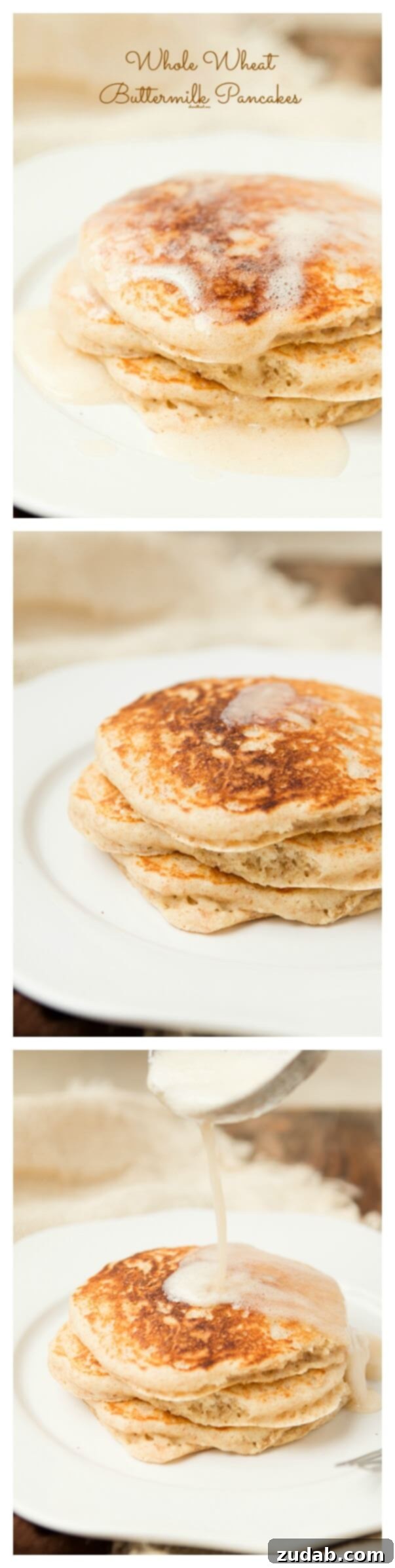
Whole Wheat Buttermilk Pancakes
By Sweet Basil
Cook: 3 mins
Total: 8 mins
Servings: 4-6 servings
Ingredients
- 1 teaspoon Salt
- 2 teaspoons Baking Powder
- 1 teaspoon Baking Soda
- 1 Cup All-Purpose Flour, sifted
- 1/2 Cup Whole Wheat Flour
- 1/2 Cup Oat Flour (*see note below for substitution)
- 2 Tablespoons Sugar
- 2 Eggs, slightly whisked
- 2 Cups Buttermilk
- 2 Tablespoons Unsalted Butter, melted
Instructions
- Preheat a griddle to medium heat. A well-heated griddle ensures even cooking and perfect browning.
- In a large mixing bowl, combine the dry ingredients: salt, baking powder, baking soda, all-purpose flour, whole wheat flour, oat flour, and sugar. Sift them together to ensure there are no lumps and that the leavening agents are evenly distributed. Note that the whole wheat flour may not completely sift through; simply add any remaining coarse bits to the bowl.
- In a separate medium bowl, whisk together the eggs and buttermilk until well combined.
- Slowly drizzle the melted butter into the wet ingredients while continuing to whisk. This helps prevent the butter from solidifying if the buttermilk is cold.
- Create a well in the center of your dry ingredients using a wooden spoon. Pour the wet ingredients into this well.
- Gently stir until the ingredients are almost completely combined. It’s crucial not to overmix pancake batter, as this develops the gluten, leading to tough, flat pancakes. A few streaks of flour remaining are perfectly fine; the batter will be quite thick, which is normal for these fluffy pancakes.
- Lightly butter or oil your preheated griddle. Scoop about 1/3 cup of batter per pancake onto the griddle. Cook until bubbles begin to form on the surface and the edges look set.
- Flip the pancakes and cook for another 1-2 minutes until golden brown on the other side.
- Serve these delightful whole wheat buttermilk pancakes immediately with your favorite toppings, such as fresh fruit, syrup, or whipped cream.
Recipe Notes
Oat Flour Tip: To make oat flour, process rolled oats in a food processor until a fine flour consistency is achieved. If you don’t have rolled oats or prefer not to use them, you can substitute the oat flour with an equal amount of additional whole wheat flour.
Storage & Freezing: Cooked pancakes can be frozen for up to 2-3 months. To freeze, let them cool completely, then stack them with parchment paper between each pancake and store in an airtight freezer bag. Reheat in a toaster, microwave, or oven for a quick breakfast.
Nutrition
(Approximate values per serving)
Serving: 1g, Calories: 406kcal, Carbohydrates: 57g, Protein: 14g, Fat: 14g, Saturated Fat: 7g, Polyunsaturated Fat: 2g, Monounsaturated Fat: 4g, Trans Fat: 1g, Cholesterol: 110mg, Sodium: 1063mg, Potassium: 540mg, Fiber: 3g, Sugar: 12g, Vitamin A: 493IU, Calcium: 257mg, Iron: 3mg
Nutrition information is automatically calculated and should only be used as an approximation.
We hope you love these healthy and incredibly tasty Whole Wheat Buttermilk Pancakes! They are truly a game-changer for breakfast or brunch. Your feedback is important to us!
We’d love to hear your thoughts. If you enjoyed this recipe, please consider leaving a comment below!
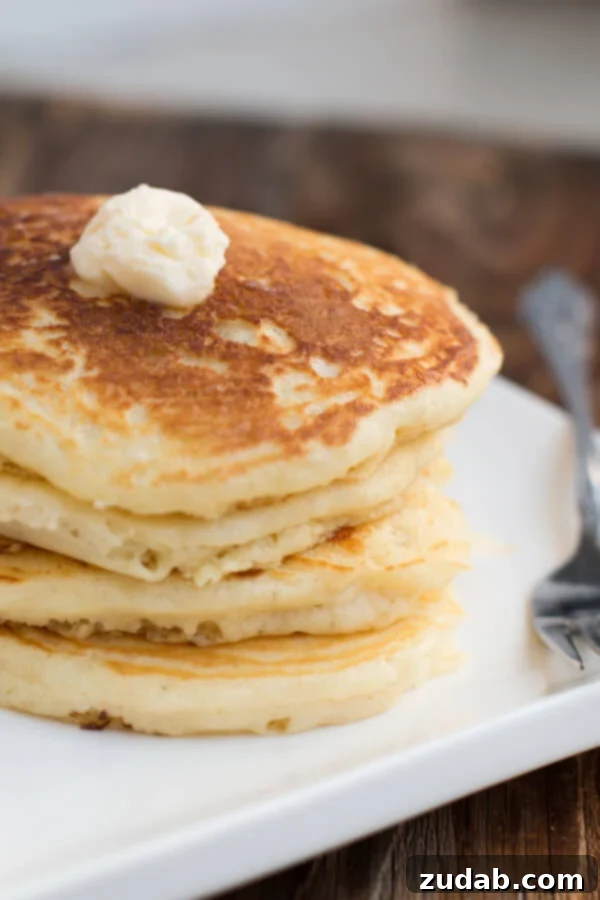
The ULTIMATE Buttermilk Pancakes (Our Original Recipe)
No pancake is complete without the perfect syrup!
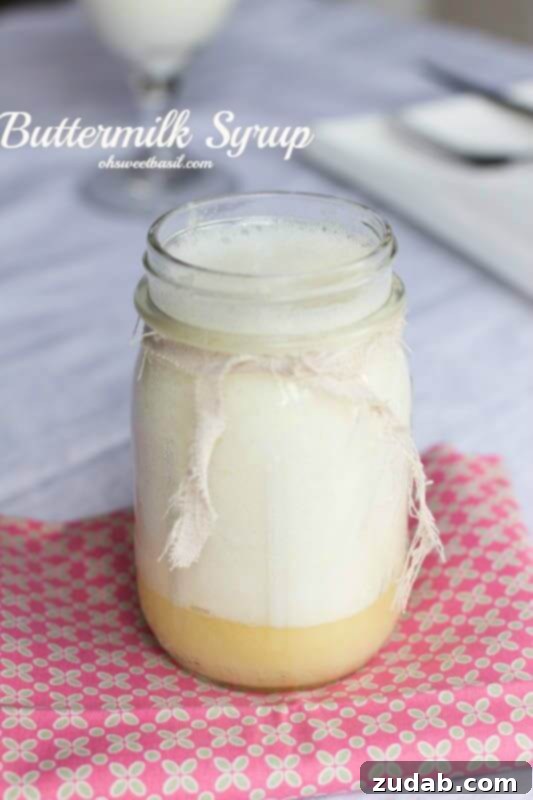
Our Signature Buttermilk Syrup Recipe
Looking for another delightful variation?
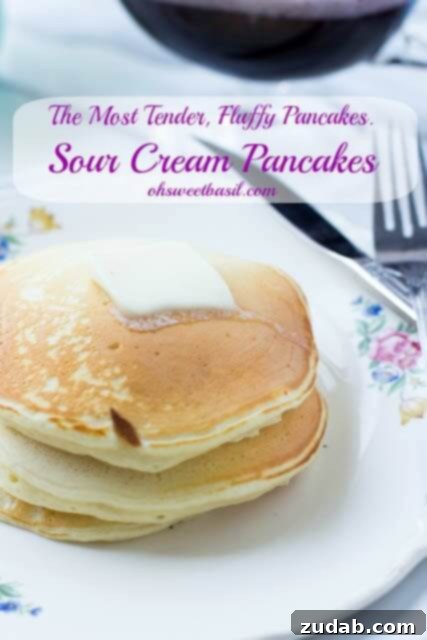
Incredible Banana Sour Cream Pancakes
And for a unique twist on your syrup:
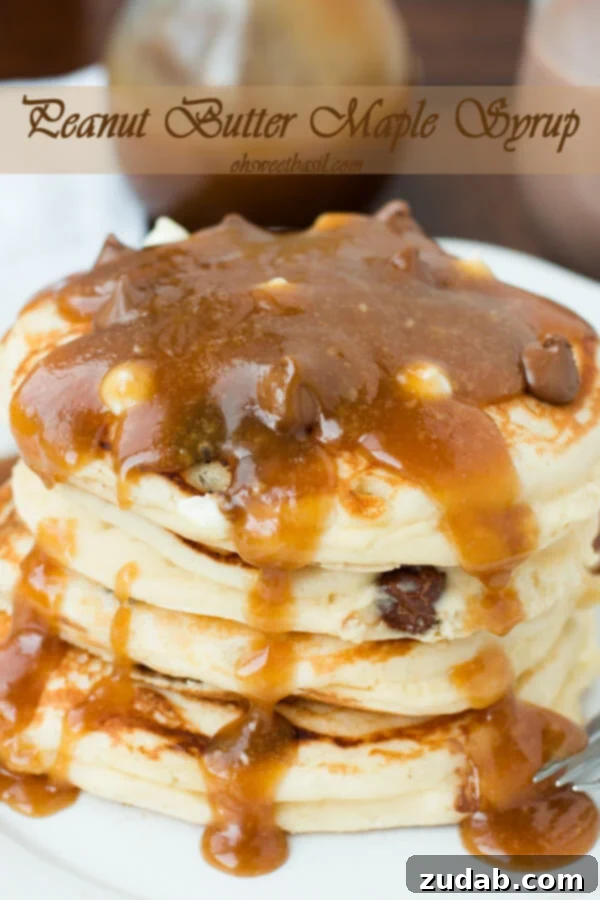
Our Addictive Peanut Butter Maple Syrup Recipe