
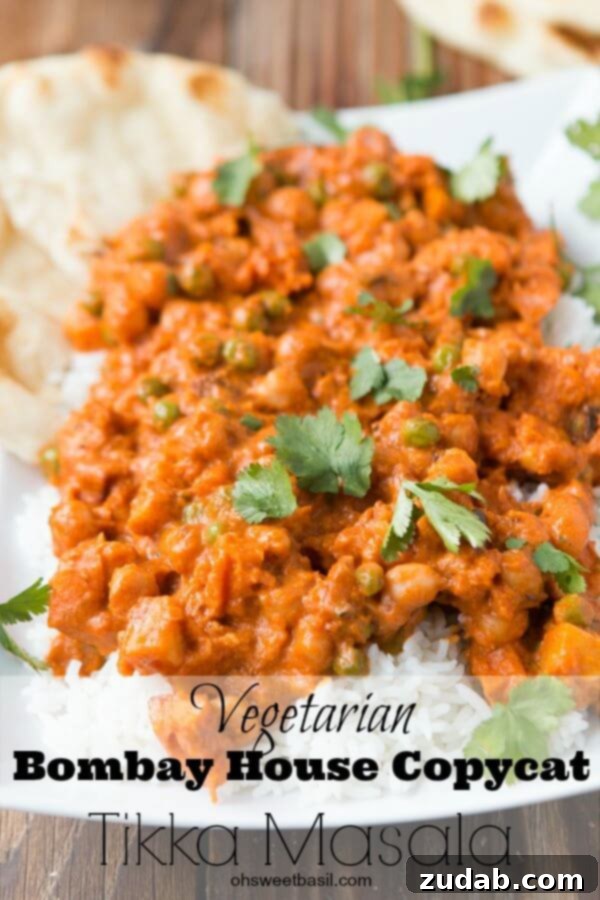
Embrace the Aromas: Crafting Your Own Vegetarian Bombay House Tikka Masala at Home
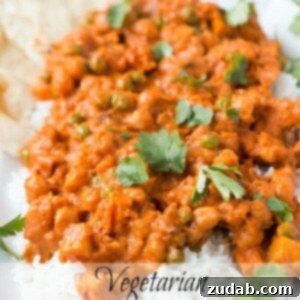
There are some restaurant dishes that leave an indelible mark on your palate, creating cravings that linger long after the last bite. For us, the Vegetarian Bombay House Tikka Masala Copycat recipe is one such culinary gem. This vibrant, aromatic curry has become an undisputed family favorite, known for its rich, creamy sauce and perfectly spiced vegetables. And the best part? Recreating this authentic Indian experience in your own kitchen is surprisingly straightforward, relying primarily on a thoughtfully selected blend of spices to deliver its signature depth of flavor.
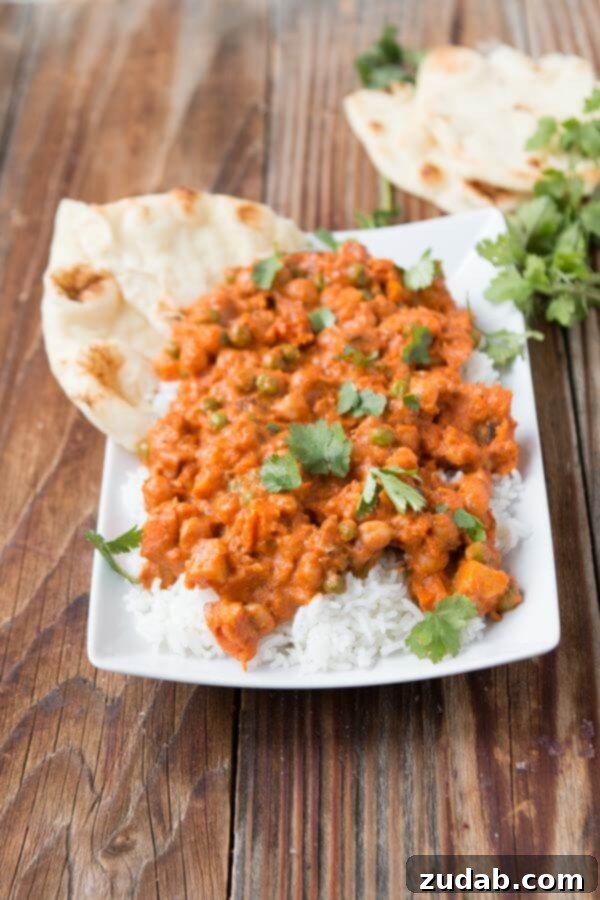
My Journey to Loving Indian Cuisine: A Bombay House Revelation
For a long time, I considered myself a bit of a culinary coward when it came to spicy foods. The mere mention of “heat” would send shivers down my spine. So, when friends invited us to the renowned Bombay House in Provo, Utah, I approached the evening with a mix of apprehension and curiosity. Secretly, I hoped I would find something on the menu that wouldn’t set my mouth ablaze, allowing me to enjoy the company and the exotic new experience.
And boy, was I ever surprised! From the moment the first dish arrived, I was captivated. The flavors were complex, warming, and utterly delicious – a symphony of spices that transcended mere “spiciness.” Their Tikka Masala, even though ours was made with chicken that night, was a revelation. It was rich, creamy, and bursting with a depth of flavor I hadn’t encountered before. And the naan bread? Oh my goodness, the naan! Soft, chewy, and infused with garlic, it was the perfect accompaniment, soaking up every last drop of that glorious sauce. The experience was so profound that I left with an immediate and intense craving to recreate that magic at home. While I adore making our homemade garlic naan, I’ve also discovered the convenience of premade naan from Costco, a testament to my evolving culinary philosophy of balancing authenticity with practicality.
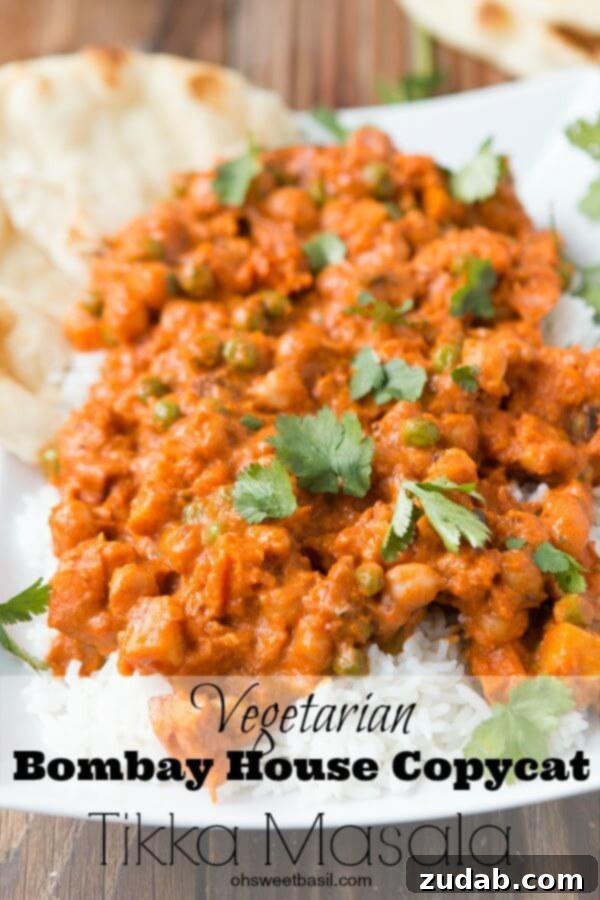
The Quest for the Perfect Copycat: From Flop to Favorite
My enthusiasm for the Bombay House Tikka Masala quickly turned into a culinary mission. Much like my arduous journey to perfect the best buttermilk pancake recipe (and a huge thank you to all of you who share your love for them in the comments!), I was determined to crack the code of this beloved Indian dish. However, this particular quest was fraught with more culinary mishaps than triumphs.
It. Flopped. Over and over again. My attempts at Tikka Masala were often “good, but not great,” and sometimes, they were an absolute disaster, forcing us to resort to emergency fruit and toast dinners. Those nights, filled with sighs and shrugs, became a running joke in our household. The struggles were real, and for a while, I thought the secret to a perfect Tikka Masala would forever remain elusive.
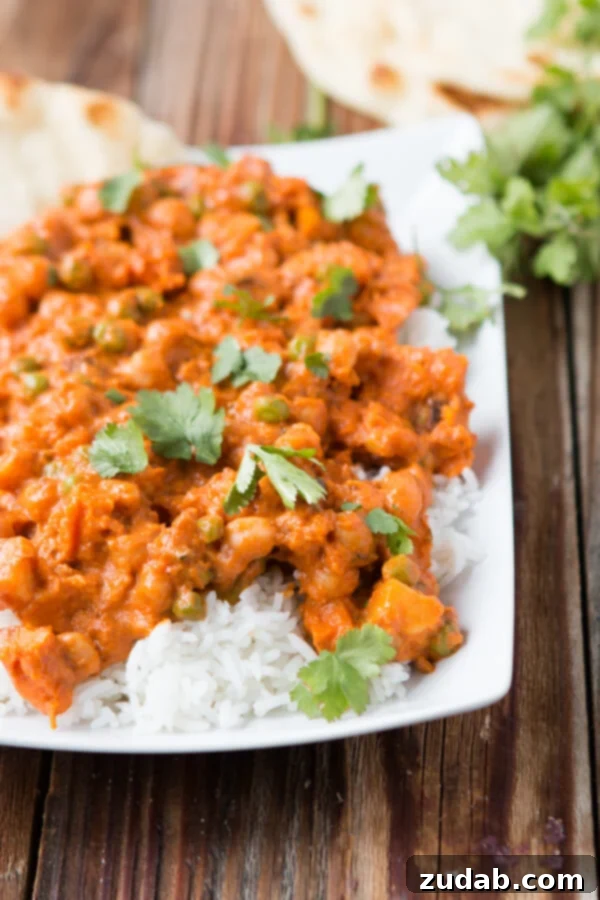
Then, serendipity struck. One evening, a friend casually mentioned she was making Tikka Masala, describing it as “their favorite Bombay House copycat.” My ears perked up instantly. Wait, what? Someone else had already solved this delicious dilemma?! Sure enough, she directed me to a fantastic recipe by Mattawa Mum. I immediately had her send me the Pinterest pin (which you can repin HERE) and wasted no time trying out that amazing recipe. It was absolutely delicious!
Of course, I made a few personal adaptations to better suit our family’s tastes. Most importantly, I developed a completely vegetarian version, ensuring that our dear friend Lisa, who first introduced us to Bombay House, could enjoy it too. This vegetarian rendition quickly became a staple in our home, and I can’t wait to try it again with chicken for those who prefer it!
And if you’re exploring other Indian-inspired dishes, don’t miss our easy coconut chicken curry recipe—it’s truly so yummy and another fantastic option for a flavorful meal.
Mastering the Flavors: Key Ingredients for Authentic Vegetarian Tikka Masala
The magic of our Vegetarian Bombay House Tikka Masala lies in its thoughtful combination of spices and fresh ingredients. Each component plays a crucial role in building the layered flavors that make this dish so irresistible.
Sweet Potatoes and Chickpeas: The Hearty Stars
We’ve chosen sweet potatoes and chickpeas as the stars of our vegetarian Tikka Masala. Sweet potatoes, both orange and white varieties, offer a natural sweetness and creamy texture that beautifully complement the rich, savory sauce. While orange sweet potatoes are generally sweeter, the white ones provide a slightly milder flavor and a pleasing textural contrast. When roasted, they develop a tender interior and slightly crisp edges, absorbing the spices wonderfully.
Chickpeas, or garbanzo beans, add a delightful nutty flavor and a satisfying boost of plant-based protein, making this a truly fulfilling meal. They become wonderfully tender when warmed through in the oven and then simmered in the sauce.
The Soul of the Dish: Essential Spices
Indian cuisine is renowned for its intricate spice blends, and Tikka Masala is no exception. Our recipe calls for a specific combination that creates that signature aromatic profile:
- Ground Coriander: This spice offers a warm, citrusy, and slightly sweet flavor, forming a crucial foundation for many Indian curries.
- Cumin: Earthy, nutty, and slightly bitter, cumin adds depth and a distinctive savory note.
- Garam Masala: A staple in North Indian cooking, Garam Masala is a blend of ground spices, typically including cinnamon, cardamom, cloves, cumin, coriander, and black pepper. It provides warmth, sweetness, and a complex aroma that defines the dish.
- Smoked Paprika: While not traditionally Indian, smoked paprika adds a beautiful reddish hue and a subtle smoky depth that enhances the overall flavor profile, giving it a unique twist.
- Ground Ginger & Fresh Garlic: These aromatic powerhouses are essential. Freshly minced garlic and ground ginger provide a pungent, zesty kick that brightens the entire curry.
- Jalapeno: For a touch of manageable heat, we use a seeded and minced jalapeno. Seeding the pepper helps control the spice level, allowing you to enjoy the flavor without overwhelming heat.
The Creamy Foundation: Tomato, Coconut Milk, and Heavy Cream
The luscious sauce is what truly ties this Tikka Masala together. Tomato sauce provides a tangy base, while a combination of canned coconut milk and heavy cream creates the signature richness and velvety texture. The coconut milk adds a subtle tropical sweetness and makes the sauce incredibly smooth, while the heavy cream contributes to its indulgent body and mellows the spices beautifully. Fresh cilantro, stirred in at the end, adds a bright, herbaceous finish.
Vegetarian Bombay House Tikka Masala Copycat Recipe
Rating: 3.91 from 11 votes
Vegetarian Bombay House Tikka Masala Copycat
Ingredients
- 1 Tablespoon Olive Oil
- 2 Sweet Potatoes, peeled and chopped
- 1 White Sweet Potato, peeled and chopped
- Kosher Salt
- Pepper
- 1 Can Chickpeas, Garbanzo Beans, drained and rinsed
- 1 Cup Sweet Peas
Sauce
- 1 1/2 Tablespoons Butter
- 3 Cloves Garlic, minced
- 1 Jalapeno, seeded and minced
- 2 teaspoons Ground Coriander
- 1 teaspoon Cumin
- 1 teaspoon Garam Masala
- 1 teaspoon Smoked Paprika
- 1/4 teaspoon Ground Ginger
- 1/4 teaspoon Kosher Salt
- 1 Can Tomato Sauce, 14.5 ounce
- 1/2 Cup Canned Coconut Milk
- 3/4 Cup Heavy Cream
- 1/4 Cup Cilantro, chopped
Instructions
-
Preheat your oven to 425 degrees Fahrenheit (220°C). This ensures the sweet potatoes roast perfectly, developing a lovely tenderness and slight caramelization.
-
On a large baking sheet, toss the peeled and chopped sweet potatoes (both orange and white) with olive oil. Ensure they are evenly coated for uniform roasting.
-
Season the sweet potatoes generously with a few pinches of kosher salt and freshly ground pepper. This brings out their natural sweetness and adds foundational flavor.
-
Roast for 15-25 minutes, tossing them halfway through to ensure even cooking and browning. Continue roasting until the potatoes are tender, golden brown, and slightly dried out, not soggy. The dryness is key for absorbing the curry sauce later.
-
During the last 5 minutes of roasting, add the drained and rinsed chickpeas to the baking sheet with the sweet potatoes. This allows them to warm through and slightly crisp up. Set the roasted vegetables aside.
-
Meanwhile, prepare the sauce. In a large skillet or Dutch oven with high sides, melt the butter over medium heat. Add the minced garlic and seeded, minced jalapeno. Sauté for about 30 seconds until fragrant.
-
Next, add all the ground seasonings: ground coriander, cumin, garam masala, smoked paprika, ground ginger, and kosher salt. It’s helpful to measure these into a small bowl beforehand so you can add them all at once. Cook for an additional 30-60 seconds, stirring constantly, until the spices are incredibly fragrant. This “blooming” of spices in hot oil enhances their flavor significantly.
-
Pour in the tomato sauce and bring to a gentle simmer. Cook for 10-15 minutes, stirring occasionally, until the sauce thickens and the flavors meld.
-
Stir in the canned coconut milk and heavy cream. Whisk gently to combine until the sauce is smooth and creamy. Let it simmer for another 5 minutes to allow the flavors to deepen and the sauce to warm through.
-
Finally, add the roasted sweet potatoes, chickpeas, and sweet peas to the sauce. Stir everything together gently and cook for an additional 10 minutes, allowing the vegetables to absorb the rich flavors of the curry.
-
Serve your homemade Vegetarian Bombay House Tikka Masala hot over fluffy white rice, garnished generously with fresh chopped cilantro. Enjoy with warm naan bread for a truly authentic experience!
Recipe Notes
Store any leftover Tikka Masala in an airtight container in the refrigerator for up to 3-4 days. The flavors often deepen overnight!
Nutrition
Nutrition information is automatically calculated, so should only be used as an approximation.
Enjoyed this recipe? Share your thoughts below!
Frequently Asked Questions About Tikka Masala
What is Masala?
In Indian cuisine, “Masala” broadly refers to a blend of ground spices. These blends can vary significantly by region, family recipe, and the specific dish being prepared. They are often used as a base seasoning, either alone or combined with other fresh ingredients like ginger, garlic, and onions, to create the complex and distinctive flavors that characterize Indian food. Garam Masala, for instance, is a specific type of masala known for its warming spices like cinnamon, cardamom, and cloves, and is a key component in our Tikka Masala recipe.
Do Sweet Potatoes and White Sweet Potatoes Taste the Same?
While both orange and white sweet potatoes share a similar starchy sweetness, there are subtle differences in their flavor profiles. Orange sweet potatoes tend to be sweeter and moister, with a richer, almost caramel-like taste. White sweet potatoes are generally less sweet and have a drier, earthier, and slightly nuttier flavor. Using both in this Tikka Masala recipe adds a beautiful visual contrast and a more nuanced flavor dimension to the dish, preventing it from being overly sweet.
What Kind Of Rice Do You Use to Make Sticky Rice?
For truly sticky rice, the best choice is long-grain Thai sticky rice, also known as Thai glutinous rice. This variety of rice has a higher amylopectin content, which makes it sticky when cooked. The key to achieving the desired sticky consistency is to steam the rice, not boil it. Boiling can result in mushy or unevenly cooked grains, whereas steaming allows the rice to cook perfectly, maintaining its distinct texture while becoming delightfully adhesive.
More Delicious Copycat Recipes You’ll Love
If you enjoyed bringing the flavors of your favorite restaurant home with this Vegetarian Bombay House Tikka Masala, then you’ll absolutely love exploring more of our copycat creations. We’ve dedicated ourselves to cracking the codes of other beloved dishes, ensuring you can recreate those memorable dining experiences in your own kitchen. Prepare to impress your family and friends with these fantastic recipes:
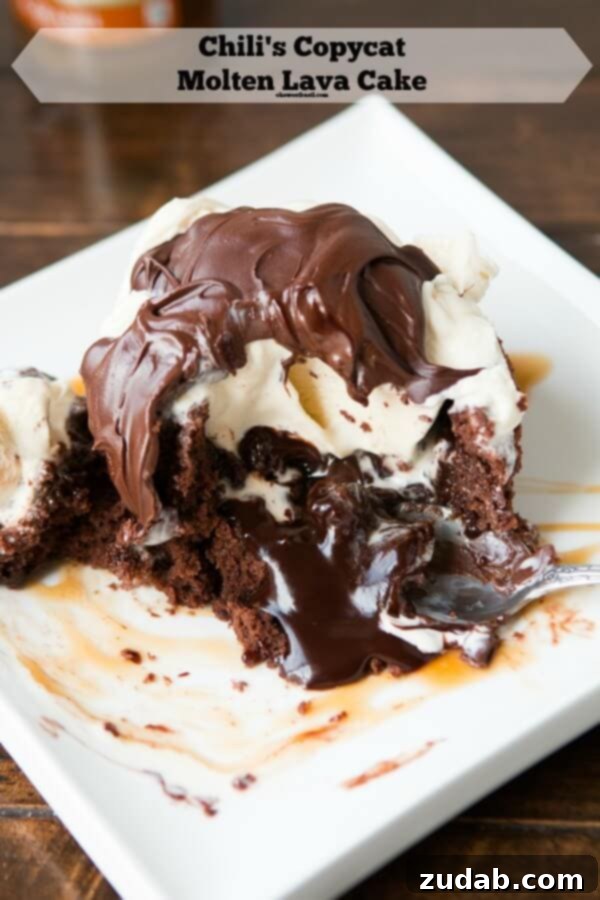
Chili’s Copycat Molten Lava Cakes

Copycat Peanut Butter M&M Kudos
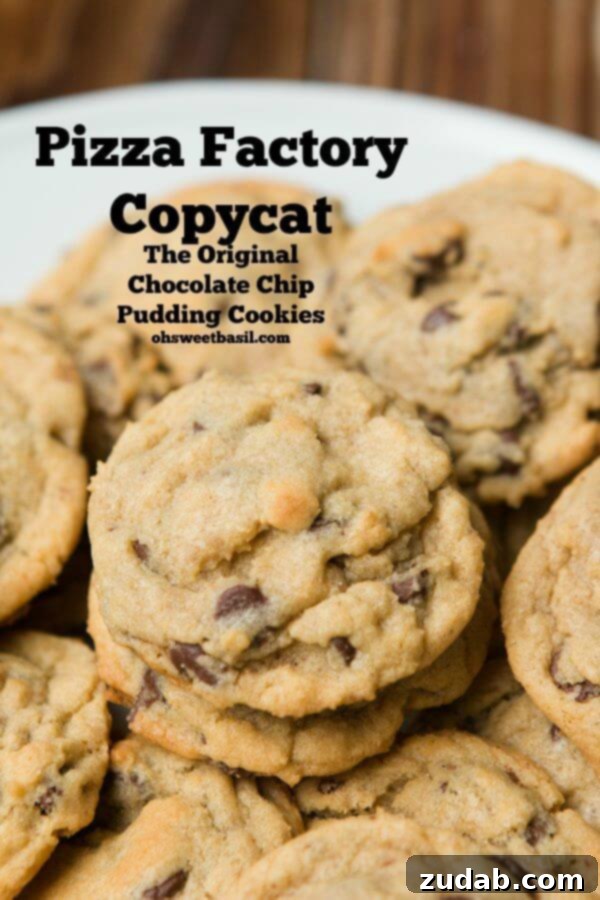
Pizza Factory Pudding Cookies Copycat
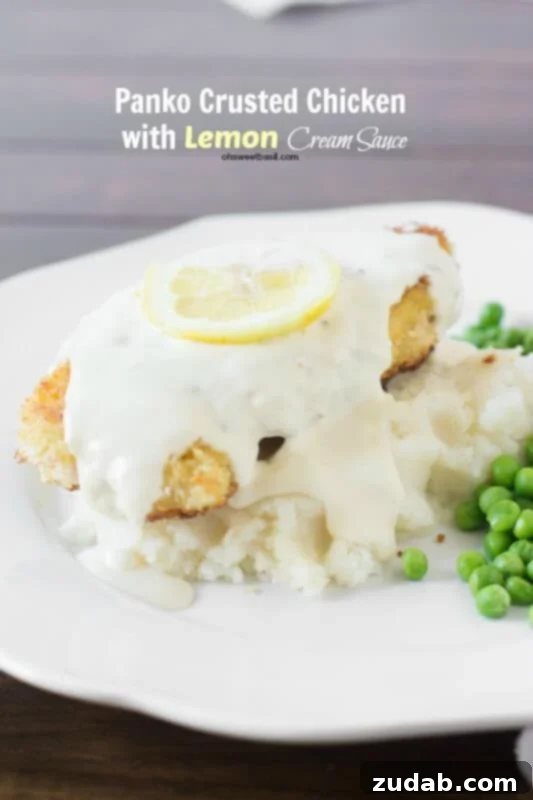
Cheesecake Factory Lemon Chicken Copycat