
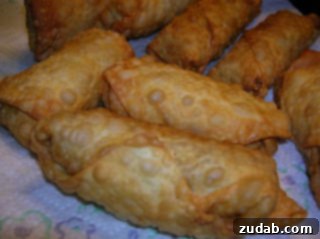
Crispy Indian Potato Spring Rolls: A Flavorful Vegetarian Delight
For those who love the crispy texture of egg rolls but might shy away from traditional cabbage fillings, this Indian Potato Spring Rolls Recipe is an absolute game-changer. It offers a delightful fusion of familiar crunch with an exotic, aromatic potato filling that will tantalize your taste buds. My husband, for example, has always admired the appeal of egg rolls but detests cabbage. Discovering this recipe was a culinary revelation for us both, creating a perfect harmony of flavors and textures. He’s been requesting these savory treats for months, and I’m thrilled to share this tried-and-true recipe, adapted from The Food Reference, which has quickly become a family favorite. We are confident you’ll enjoy these uniquely satisfying spring rolls as much as we do.
Indian cuisine is renowned for its vibrant spices and diverse flavors, and these potato spring rolls are no exception. They bring together the comforting familiarity of potatoes with the bold, aromatic essence of Indian spices, all wrapped in a wonderfully crisp exterior. Whether you’re hosting a party, looking for a delicious appetizer, or simply seeking a unique vegetarian meal option, these spring rolls are sure to impress. Their savory filling, complemented by a zesty cilantro chutney, creates an unforgettable culinary experience that’s both approachable and exciting.
What Is A Good Substitute For Asafoetida?
Asafoetida, often referred to as “hing” in Indian cooking, is a crucial herb derived from the dried latex of a plant. It boasts a pungent, sulfurous aroma when raw, which mellows considerably upon cooking, transforming into a savory, umami-rich flavor reminiscent of garlic and leeks. This distinctive spice is highly valued in Indian vegetarian dishes, particularly among communities that avoid onion and garlic, as it provides a similar depth of flavor. Asafoetida is known to aid digestion and is frequently used to temper lentil and bean dishes.
However, finding asafoetida in some regions can be challenging, or some individuals might prefer an alternative. Fortunately, there are excellent substitutes that can mimic its unique flavor profile. Garlic chives are a fantastic option, offering a delicate garlic-onion flavor with a hint of herbaceousness that can closely replicate asafoetida’s cooked essence. To use, simply chop them finely and add them to your dish during the initial sautéing stage. Another highly effective substitute involves grating or finely blending a combination of fresh garlic and fresh onion. This blend delivers a robust flavor that captures much of the pungent and savory notes that asafoetida contributes. For best results, use these substitutes in moderation, adjusting to your taste preferences, as their raw flavors are much stronger than cooked asafoetida.
What Is The Difference Between Spring Roll and Egg Roll?
While often used interchangeably, “spring roll” and “egg roll” refer to distinct culinary creations, primarily differentiated by their wrappers and preparation methods. Understanding these differences can help you appreciate the unique characteristics of each appetizer.
The most significant distinction lies in the **wrapping**. **Spring rolls** typically feature thin, often translucent wrappers made from rice flour or a delicate wheat-flour dough. These wrappers are designed to be light and airy, resulting in a delicate, crispy texture when fried, or a soft, chewy one when served fresh (as is common with Vietnamese spring rolls). Spring rolls are less frequently deep-fried, and even when they are, their thinner wrapper creates a lighter, less oily bite.
In contrast, **egg rolls** are characterized by their thicker, chewier wheat-flour wrappers, which often contain egg (hence the name). These wrappers are typically deep-fried until golden brown and blistered, yielding a robust, satisfyingly crunchy exterior. The thicker wrapper of an egg roll is designed to withstand the deep-frying process and hold heartier, often cabbage-based fillings commonly found in American-Chinese cuisine.
Beyond the wrapper, the **fillings** can also vary. Spring rolls tend to have lighter, fresher fillings, often featuring vermicelli noodles, fresh vegetables, shrimp, or herbs. Egg rolls, on the other hand, frequently contain a denser mix of shredded cabbage, carrots, minced pork, and other savory ingredients. Both are delicious in their own right, but their distinct construction and preparation offer different textural experiences.
Can You Substitute Red Potatoes For Yellow Potatoes?
Potatoes are a versatile staple in kitchens worldwide, but not all varieties are created equal, especially when it comes to specific recipes. When considering substitutions, it’s important to understand the different characteristics of potato types, particularly their starch content and texture.
For recipes like these Indian Potato Spring Rolls, which call for yellow potatoes, the choice is deliberate. **Yellow potatoes**, such as Yukon Golds, are known for their medium starch content and creamy texture. They hold their shape well when cooked but also mash beautifully, creating a smooth yet slightly chunky filling, which is ideal for the spring roll mixture. Their subtle, buttery flavor also complements a wide range of spices without overpowering them.
You can substitute **red potatoes** for yellow potatoes in many recipes, particularly those where the potatoes are boiled, roasted, or used in salads. Red potatoes are considered “waxy” potatoes, meaning they have a low starch content and a firm, dense texture. This characteristic makes them excellent for holding their shape, even after cooking, preventing them from falling apart. However, this same waxiness means they do **not mash very well**, often resulting in a gummy or pasty consistency if you try to achieve a smooth texture. While they can be diced and used, the final texture of the spring roll filling might not be as creamy and yielding as intended with yellow potatoes.
Therefore, while red potatoes can be used as a substitute in a pinch, it’s generally recommended to stick with yellow potatoes for the best texture and flavor in this Indian Potato Spring Roll recipe. If yellow potatoes are unavailable, a russet potato (a high-starch, “floury” potato) could also work, though it might yield a drier, fluffier filling that absorbs more moisture. Ultimately, for the perfect balance of firmness and mashability, yellow potatoes remain the top choice.
Indian Potato Spring Rolls: A Culinary Journey
This recipe for Indian Potato Spring Rolls isn’t just a snack; it’s an invitation to explore the rich tapestry of Indian flavors in a familiar and delightful format. The aromatic blend of cumin, mustard seed, coriander, turmeric, and cayenne pepper creates a warming and complex potato filling that is both comforting and exciting. The addition of paneer (or queso fresco) adds a creamy, slightly tangy element, perfectly complementing the spiced potatoes and offering a pleasant textural contrast within the crispy wrapper. Paired with a vibrant, zesty cilantro chutney, these spring rolls offer a complete taste sensation that will transport your palate straight to the bustling streets of India.
Indian Potato Spring Rolls
By Sweet Basil
Prep Time: 20 mins
Cook Time: 50 mins
Total Time: 1 hr 10 mins
Servings: 24 rolls
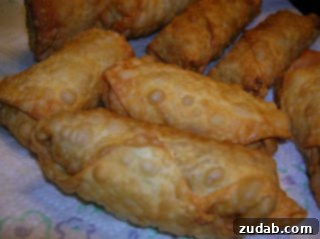
These homemade Indian Potato Spring Rolls are incredibly easy to make and irresistibly delicious!
Ingredients
For the Indian Potato Spring Rolls:
- 3 3/4 lbs Yellow Potatoes, peeled and cut into 3/4 inch dice
- 6 Tablespoons Canola Oil
- 1 Tablespoon Cumin Seed
- 1 Tablespoon Black Mustard Seed
- 1/2 teaspoon Asafoetida (or substitute with minced garlic/onion blend)
- 3 Tablespoons Minced Garlic
- 2 Tablespoons Ground Coriander
- 1 Tablespoon Salt
- 2 Tablespoons Paprika
- 1 Tablespoon Turmeric
- 3/4 teaspoon Cayenne Pepper
- 2 Tablespoons Chopped Cilantro
- 24 Egg Roll Wrappers
- 6 oz Paneer (or queso fresco), cut into 1/4-1/2 x 2 inch batons
- 3 Eggs, beaten
- Canola Oil as needed for deep frying
For the Cilantro Chutney:
- 7 1/2 Cups Cilantro Leaves, loosely packed
- 6 Serrano Chilis, stemmed and seeded (adjust to your spice preference)
- 6 Tablespoons Lime Juice
- 6 Tablespoons Water
- 3/4 teaspoon Cumin Seed
- 3/4 teaspoon Salt
Instructions
To Prepare the Indian Potato Spring Rolls:
- In a large pot, cover the potatoes with water.
- Bring to a boil, then reduce heat and simmer for approximately 10 minutes or until the potatoes are just barely tender. Drain thoroughly.
- In a large sauté pan, heat the canola oil over medium heat.
- Add the cumin seed, black mustard seed, and asafoetida (or your chosen substitute).
- Once the mustard seeds begin to pop, add the cooked potatoes to the pan. Stir well to ensure the potatoes are evenly coated with the oil and spices.
- Next, incorporate the minced garlic, ground coriander, paprika, salt, turmeric, and cayenne pepper. Continue to cook, stirring occasionally, for about 10 minutes. During this time, use a spoon or spatula to mash the potatoes until they reach a chunky consistency.
- Stir in the chopped cilantro and remove from heat. Allow the mixture to cool slightly.
- To assemble the spring rolls, lay one egg roll wrapper flat on a clean surface. Place about 3 tablespoons of the potato mixture in the center.
- Slightly flatten the potato mixture and top it with one baton of paneer (or queso fresco).
- Fold up the bottom edge of the wrapper to enclose the potato mixture and paneer.
- Brush the top edge of the wrapper with the beaten egg, then fold in the sides and roll up tightly to form a compact spring roll. This egg wash acts as a seal.
- Repeat this process until all the potato filling and wrappers are used.
- Heat canola oil in a deep fryer or large heavy-bottomed pot to 350°F (175°C).
- Deep-fry the spring rolls in batches for approximately 2 minutes, or until they turn golden brown and are deliciously crisp.
- Remove the fried spring rolls and place them on a wire rack lined with paper towels to drain excess oil.
- Cut each spring roll in half diagonally and serve immediately.
To Prepare the Cilantro Chutney:
- Combine all chutney ingredients (cilantro leaves, serrano chilis, lime juice, water, cumin seed, and salt) in a blender or food processor.
- Process until the mixture forms a smooth or slightly chunky chutney, depending on your preference. Add canola oil as needed to achieve your desired consistency.
Recipe Notes
Store leftover spring rolls in an airtight container in the refrigerator for up to 3 days. Reheat in an oven or air fryer for best crispness. The cilantro chutney can also be stored in an airtight container in the refrigerator for up to a week.
Nutrition
Serving: 2 rolls, Calories: 106kcal, Carbohydrates: 9g, Protein: 3g, Fat: 6g, Saturated Fat: 2g, Trans Fat: 1g, Cholesterol: 26mg, Sodium: 451mg, Potassium: 76mg, Fiber: 1g, Sugar: 1g, Vitamin A: 415IU, Vitamin C: 3mg, Calcium: 56mg, Iron: 1mg
Nutrition information is automatically calculated and should only be used as an approximation. Actual values may vary based on ingredients and preparation methods.
These Indian Potato Spring Rolls are more than just a meal; they’re an experience. The journey from selecting the right potatoes to frying them to golden perfection is rewarding, culminating in a dish that’s bursting with flavor and delightful textures. Whether you’re a seasoned chef or a home cook looking to expand your repertoire, this recipe is designed to be accessible and enjoyable. Serve them as a festive appetizer, a satisfying snack, or even a light lunch with a fresh salad. The interplay of earthy potatoes, pungent spices, creamy paneer, and the bright, tangy cilantro chutney makes for an unforgettable bite every time. Don’t hesitate to experiment with the spice levels to suit your personal preference, adding more cayenne for a spicier kick or adjusting the serrano chilis in the chutney. Enjoy the process, and savor every crispy, flavorful bite!
Enjoyed this recipe? We’d love to hear your thoughts! Please feel free to leave a comment below and share your experience with these delicious Indian Potato Spring Rolls.