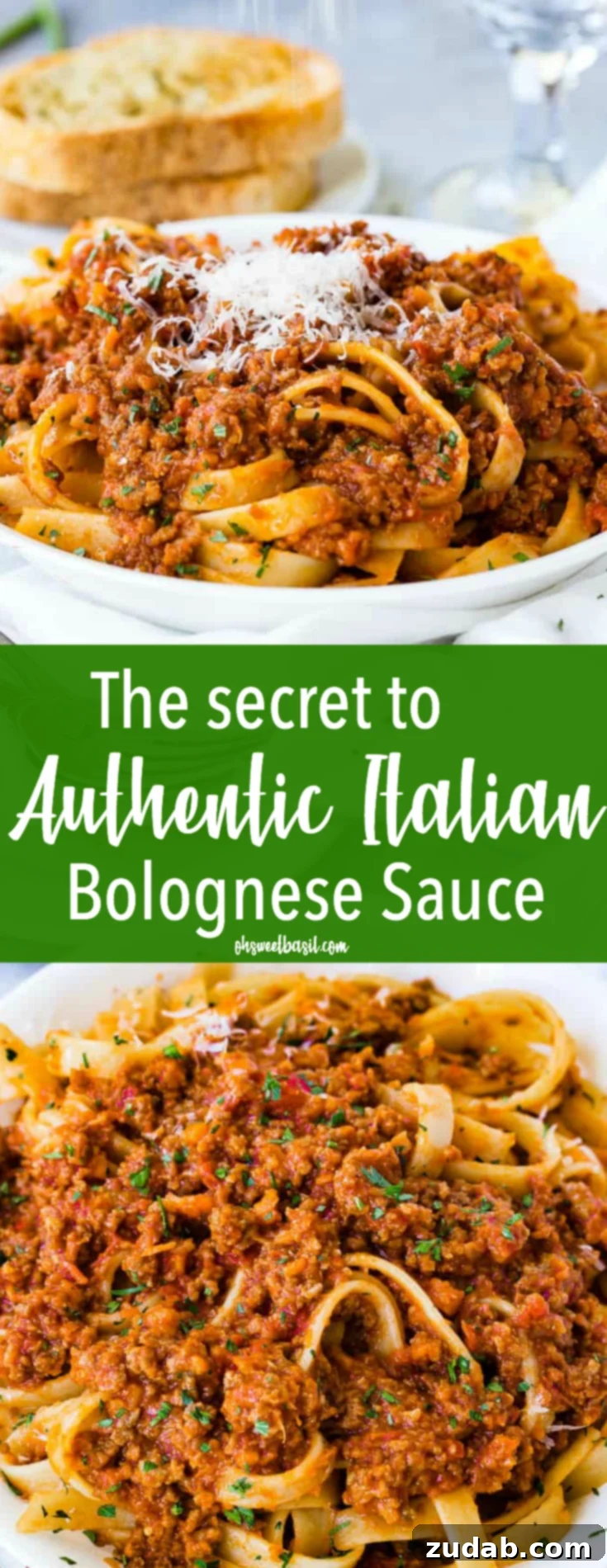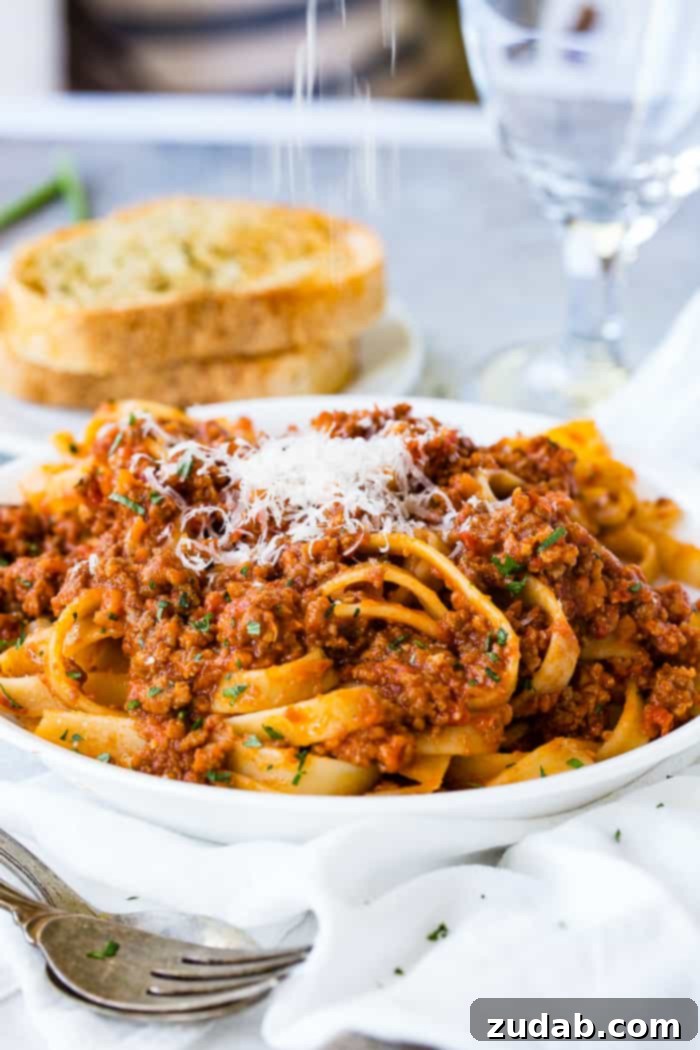
We've long awaited the perfect moment to share The Ultimate Authentic Italian Bolognese Sauce Recipe, and that time is finally now! This isn't just any meat sauce; it's a culinary revelation inspired by our unforgettable travels through Italy. While we might be a little late to the party, the exquisite flavor of this Bolognese is truly timeless.
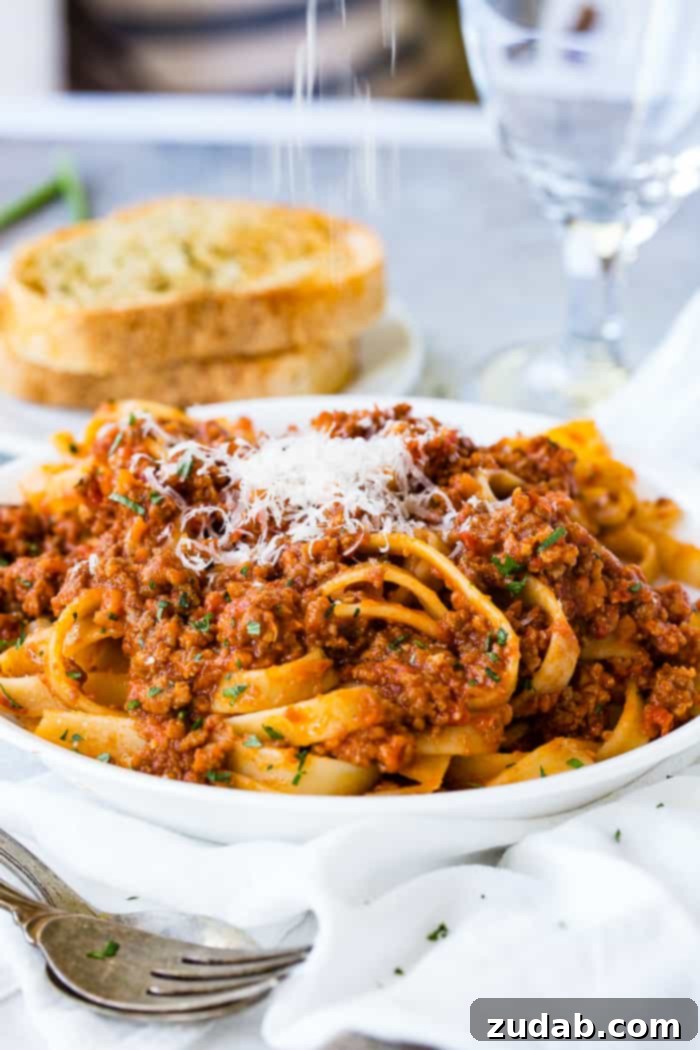
Our journey to perfecting this Bolognese began during a cooking class in Italy. To be completely honest, the class itself wasn't our favorite experience. The instruction felt rushed, with the chef demonstrating most steps himself, leaving little room for hands-on participation until a brief pasta-making session at the very end. By that point, we were quite over it – or so we thought.
That is, until he unveiled the secret to an authentic Italian Bolognese Sauce. The moment we tasted it, we were completely captivated. The depth of flavor was unlike anything we had ever experienced. My husband, Cade, was practically ready to bathe in it, and honestly, I wasn't far behind! It was, in a word, magnificent.
You might be wondering why we're so enthusiastic about a pasta sauce, and you're not alone. Many assume "spaghetti sauce" is all the same. But trust us, this is different. We're going to take you through the entire process, from understanding its distinct identity to mastering the ingredients, and finally, reveal the surprising secret that elevates this sauce to pure perfection.
And no, it’s not fresh cheese. Nor is it a bouquet of aromatic fresh herbs. Aha! Thought you had it figured out, didn't you?
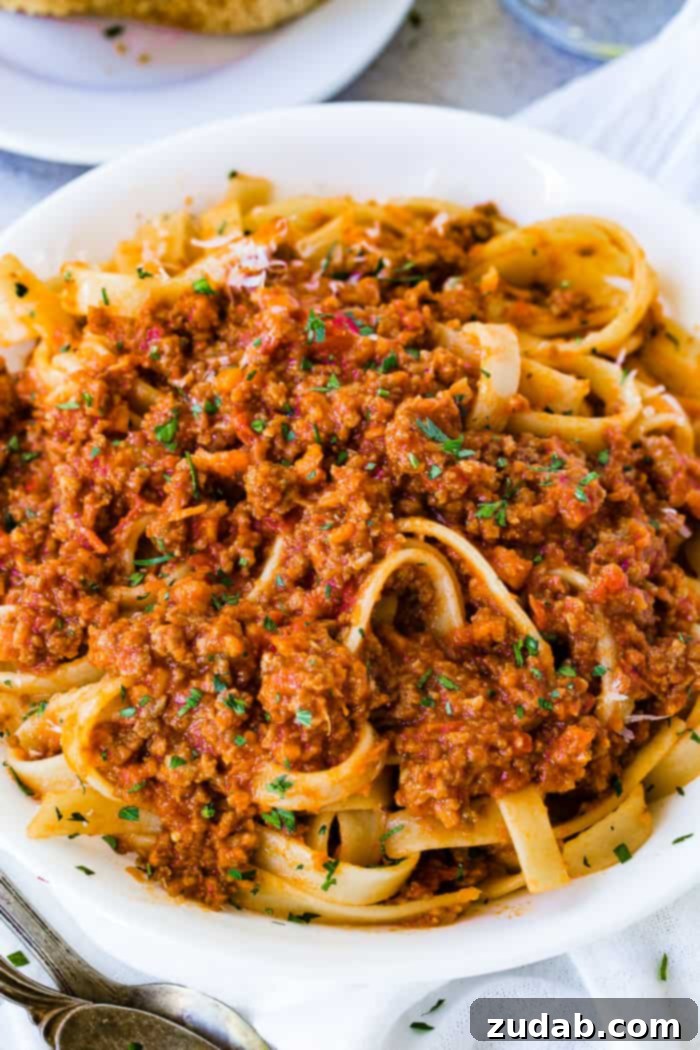
Bolognese vs. Marinara: A Culinary Showdown
The terms "spaghetti sauce" and "Bolognese" are often used interchangeably, leading to confusion. While they might both be red and served with pasta, their fundamental differences in ingredients, preparation, and flavor profiles set them worlds apart. To truly understand Bolognese, we first need to clarify what "spaghetti sauce" often refers to: marinara sauce.
What is Marinara Sauce?
Marinara sauce is a vibrant, tomato-based sauce. At its core, it's a simple, quick-cooking sauce made primarily from tomatoes, often enhanced with garlic, herbs like basil and oregano, and sometimes a touch of onion or carrot. It's known for its bright, fresh, and acidic tomato flavor, making it an excellent choice for lighter pasta dishes, pizzas, or as a dipping sauce. Marinara is typically a vegetarian sauce, with vegetables taking center stage.
What is Bolognese Sauce?
In stark contrast, Bolognese sauce (or Ragù alla Bolognese, as it's traditionally known) is a rich, slow-cooked meat-based sauce hailing from Bologna, Italy. While it contains tomatoes, they play a supporting role, contributing depth rather than dominating the flavor. The heart of Bolognese lies in its combination of various meats, often beef and pork, along with a soffritto (a finely diced aromatic base of onion, carrot, and celery), milk, and sometimes wine. This intricate blend of ingredients, simmered for hours, creates an incredibly complex, savory, and velvety sauce that clings beautifully to pasta.
Classic Dishes Featuring Bolognese Sauce
Given its hearty and luxurious nature, Bolognese is typically reserved for robust dishes. It's the quintessential sauce for classic Italian fare such as wide, flat pasta like tagliatelle or pappardelle, where its rich texture can truly shine. It's also the essential foundation for a truly authentic lasagna, layering flavors throughout the dish. So, when you envision a rich, deeply savory meat sauce, you're most likely thinking of a beautiful Bolognese.
Are Ragu and Bolognese the Same Thing?
This is a common question, and the answer is nuanced. Essentially, Bolognese is a specific type of ragu. The term "ragu" is a broad Italian classification for a meat-based sauce that is slowly cooked. There are many regional variations of ragu throughout Italy, each with its own distinct characteristics.
While Bolognese is arguably the most famous ragu, other ragus might feature different meats (like wild boar or lamb), varying vegetable bases, or different proportions of liquids (some might use more tomato, others less wine). For example, some ragus might traditionally call for red wine, while Bolognese often uses white wine. Our recipe, for instance, opts for a cooking white wine (alcohol-free in our case, as we don't consume alcohol), which can be easily substituted with regular white wine if preferred. While the subtle differences exist, the core principle of a slow-simmered, meat-rich sauce remains. Perhaps another trip to Italy is in order for some deeper culinary investigation!
Key Ingredients for an Unforgettable Bolognese
Crafting the best authentic Bolognese sauce requires a precise blend of high-quality ingredients, each playing a crucial role in developing its signature richness and depth. For this exceptional recipe, you'll need:
- Butter and Olive Oil: This foundational duo provides a rich base for sautéing our aromatics, adding a layer of luxurious flavor.
- Veggies (Carrots, Onion, Celery): This is your traditional soffritto, the aromatic backbone of Italian cooking. Finely minced, these vegetables slowly sweeten and soften, creating a profound depth of flavor. We highly recommend using a red onion for its slightly sweeter and less pungent profile compared to white or yellow onions, which truly makes a difference.
- Garlic: Minced garlic adds a fragrant, savory punch that complements the rich meats.
- Tomatoes (Fresh and Canned): Unlike marinara, tomatoes in Bolognese are not the dominant flavor. We use both roasted fresh tomatoes for a hint of sweet caramelization and canned tomato sauce and fire-roasted tomatoes for a balanced, rich tomato base without overwhelming the meatiness.
- Ground Beef and Italian Sausage: While traditional Bolognese often uses minced beef or pork, our preferred combination of higher-fat ground beef and Italian sausage provides an incredibly flavorful and satisfying meat profile. The sausage adds a layer of spice and complexity that's truly irresistible.
- Heavy Cream and Milk: These dairy components are essential for achieving the creamy, velvety texture and richness that define an authentic Bolognese. They temper the acidity of the tomatoes and round out the flavors beautifully.
- Cooking White Wine: Wine adds a crucial layer of acidity and depth, deglazing the pan and enhancing the overall flavor. If you prefer, an alcohol-free cooking wine works wonderfully.
- Herbs and Spices (Nutmeg, Bay Leaves): A touch of nutmeg might seem unusual, but it's a traditional addition that subtly enhances the meat flavors. Bay leaves infuse the sauce with a delicate, earthy aroma during the long simmer. You'll notice a distinct lack of heavy herb usage here – this is a meat sauce, not a marinara, and it shines without them.
- Our Secret Ingredient: We'll reveal this transformative ingredient shortly, but trust us, it's a game-changer!
For the absolute best Bolognese you've ever made, we strongly recommend sticking to the precise ingredients listed in the recipe card below. We've meticulously tested this recipe, and each component contributes to a truly world-class sauce.
How to Make Authentic Bolognese Sauce
Making authentic Bolognese might seem daunting, but it’s surprisingly straightforward. The most challenging part, honestly, is having the patience to let it simmer for the required hours. But believe us, the wait is incredibly rewarding!
- Roast the Tomatoes: Begin by roasting fresh halved tomatoes in a hot oven until they soften and develop slightly charred edges. This step concentrates their sweetness and adds a deeper dimension of flavor. Once cooled slightly, blend them into a smooth sauce in a food processor.
- Build the Soffritto: In a sturdy Dutch oven or large, heavy-bottomed pot, melt butter and olive oil over medium-high heat. Add your finely diced carrots, red onion, and celery. Sauté these aromatics gently, stirring occasionally, until they are beautifully tender and translucent, about 5-7 minutes. This slow cooking extracts their sweetness and forms the flavor base.
- Brown the Meats: Introduce the ground beef and Italian sausage to the pan with the soffritto. Break up the meat with a meat chopper (it’s a small investment that makes a big difference!) and cook until thoroughly browned, ensuring no pink remains. Browning the meat properly is crucial for developing rich, savory notes through the Maillard reaction. Drain any excess grease.
- Combine and Simmer: Once the meat is browned, stir in all the remaining ingredients, including your homemade roasted tomato sauce, canned tomatoes, heavy cream, milk, cooking wine, herbs, spices, and our secret ingredient. Bring the mixture to a gentle simmer.
- Patience is Key: Now comes the most important part: the long simmer. Reduce the heat to low, cover the pot, and let your homemade Bolognese sauce simmer for at least two to three hours, or even up to an entire afternoon. The longer it simmers, the more the flavors meld and deepen, transforming into a truly magnificent sauce. Stir occasionally to prevent sticking.
If you're planning to serve this incredible sauce over pasta, keep reading for our expert recommendations on which noodle shapes will perfectly complement your authentic Bolognese.
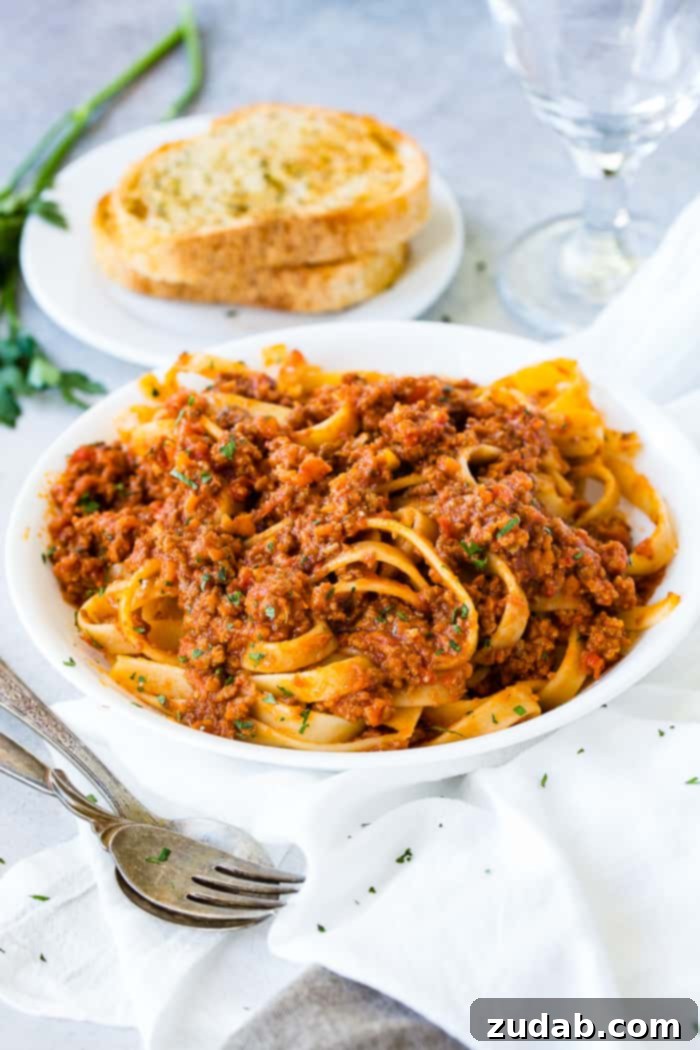
The Best Pasta for Bolognese Sauce
Choosing the right pasta shape for your sauce is a critical step in creating a truly harmonious dish. It's more than just a matter of preference; the shape of the pasta dictates how well it holds and delivers the sauce, impacting every bite. Just imagine trying to eat macaroni and cheese with delicate spaghetti noodles, or a creamy Alfredo with tiny macaroni! It simply doesn't feel right because the textures and sauce-catching abilities are mismatched.
While many assume red sauces are universally compatible with any pasta, true Italian culinary tradition understands the importance of pairing. A well-chosen pasta shape enhances the flavor and texture of the sauce, ensuring they work together rather than against each other. Have you ever had a robust, meaty sauce with a small, delicate pasta and felt like the pasta itself was too dominant? This is precisely why the right pairing matters.
Our Least Favorite Pasta for Bolognese
Penne
While popular for many sauces, penne is our least favorite choice for Bolognese sauce. Its tubular shape and relatively thick walls often mean the rich, meaty sauce struggles to fully coat and integrate. We find the texture of penne can sometimes be too dense and hardy, overwhelming the nuanced flavors of a slow-simmered Bolognese. However, it's worth noting that penne is a commonly enjoyed shape for many other ragu sauces, so don't completely dismiss it if it's your personal preference, but for our authentic Bolognese, we have better alternatives.
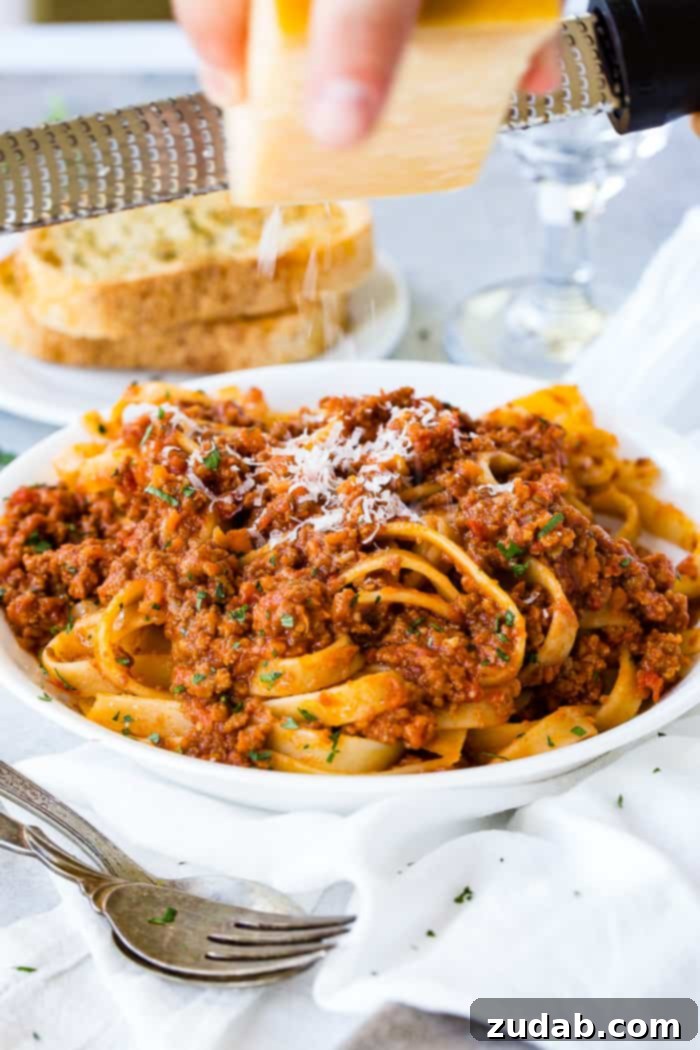
Our Favorite Pasta Shapes for Bolognese
For a true Bolognese experience, the pasta should have enough surface area and structural integrity to cradle the rich, hearty meat sauce effectively. These are our top picks, listed in order of our preference, for pairing with an authentic ragu or Bolognese sauce (try saying them without your best Italian accent—we triple-dog dare you!):
Pappardelle
Pappardelle pasta is arguably the quintessential choice for Bolognese. These broad, flat egg noodles, originating from Tuscany, boast an expansive surface area that is absolutely perfect for capturing every morsel of the rich, meaty sauce. Despite their substantial size, they cook to a delightful al dente texture that feels light enough while still providing a satisfying chew. While we often enjoy our Bolognese with pappardelle, we sometimes use fettuccine for photography if pappardelle isn't readily available.
Fettuccine
Fettuccine is a more widely available and equally excellent choice. Similar to pappardelle but slightly narrower, fettuccine's flat, ribbon-like shape offers a fantastic surface for the thick Bolognese to cling to, ensuring a flavorful bite every time. This Roman or Tuscan style of pasta is also a popular choice for homemade pasta makers, making it a convenient option if you enjoy fresh pasta.
Rigatoni
Often mistaken for penne, rigatoni offers a superior experience for Bolognese. These tube-shaped pastas are generally larger and wider than penne or ziti, with distinct ridges running along their length. These ridges, sometimes spiraling, are specifically designed to trap chunky sauces like Bolognese, allowing the meat and sauce to nestle inside and adhere to the exterior, providing an explosion of flavor with each forkful.
Spaghetti
While spaghetti with meat sauce is an American classic, it's not the traditional pairing for an authentic Bolognese in Italy. Its thin, round strands, while beloved, struggle to hold onto the hearty chunks of meat and rich sauce, often leading to the sauce slipping off the noodles. However, in a pinch, if spaghetti is all you have, it can still deliver a delicious meal – just be prepared for a slightly less cohesive sauce experience than with wider, flatter, or ridged pastas. It's a thin, long noodle, though not as delicate as angel hair pasta.
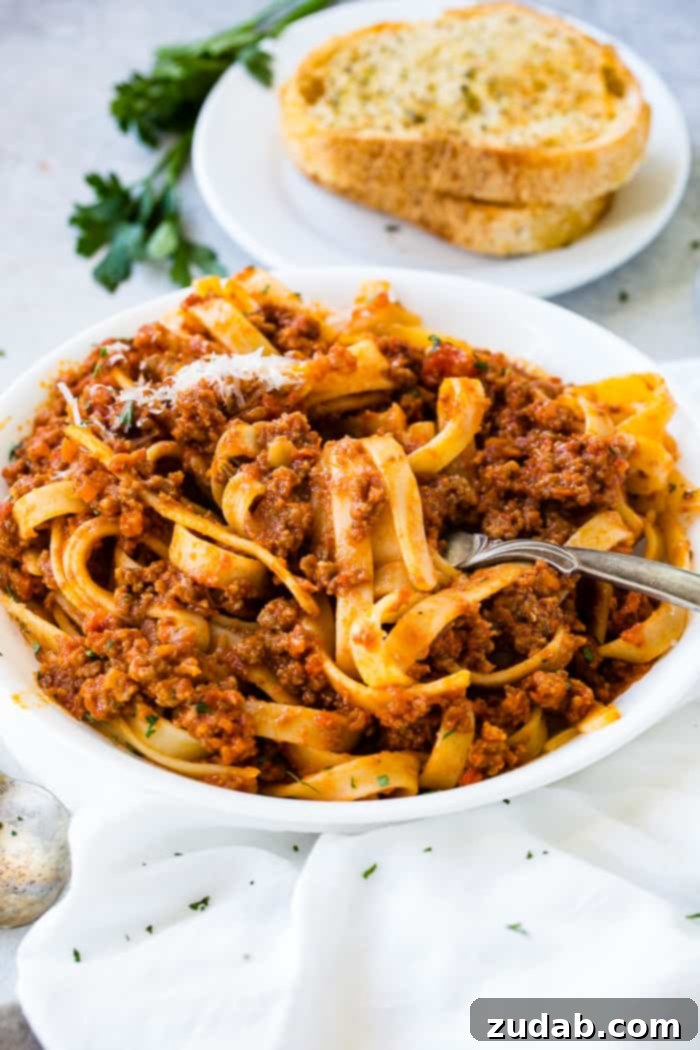
Can Bolognese Sauce be Made in Advance?
Absolutely, without a doubt! Not only can Bolognese be made in advance, but we highly recommend it! In fact, it's one of those magical dishes that tastes even better the next day, once the flavors have had ample time to meld and deepen.
This makes Bolognese an ideal candidate for meal prep or entertaining. You can start simmering it in the morning and let it perfume your home all day long, or even prepare it the night before. Simply store it in an airtight container in the refrigerator, and then gently reheat it the following day for maximum flavor development. Authentic Bolognese sauce can be kept refrigerated for up to 3 days, making it a convenient and delicious option for busy weeknights or weekend gatherings.
Can You Freeze Bolognese Sauce?
We love answering the "can you freeze it?" questions because we know many of you are masters of freezer meals. So, when it comes to Bolognese, what's the verdict? A resounding YES! We adore freezing red sauces because, much like making them in advance, they tend to improve with time in the freezer, allowing the flavors to further concentrate and blend upon thawing and reheating. They maintain their texture beautifully.
In contrast, we generally avoid freezing cream-based sauces as they often separate and become watery upon thawing, compromising their luxurious texture. For freezing any red sauce, including this Bolognese, our top tip remains consistent: seriously consider investing in a Food Saver. It's a game-changer for preserving flavor and preventing freezer burn, and you'll thank us for it countless times. It’s worth every penny, truly. The end.
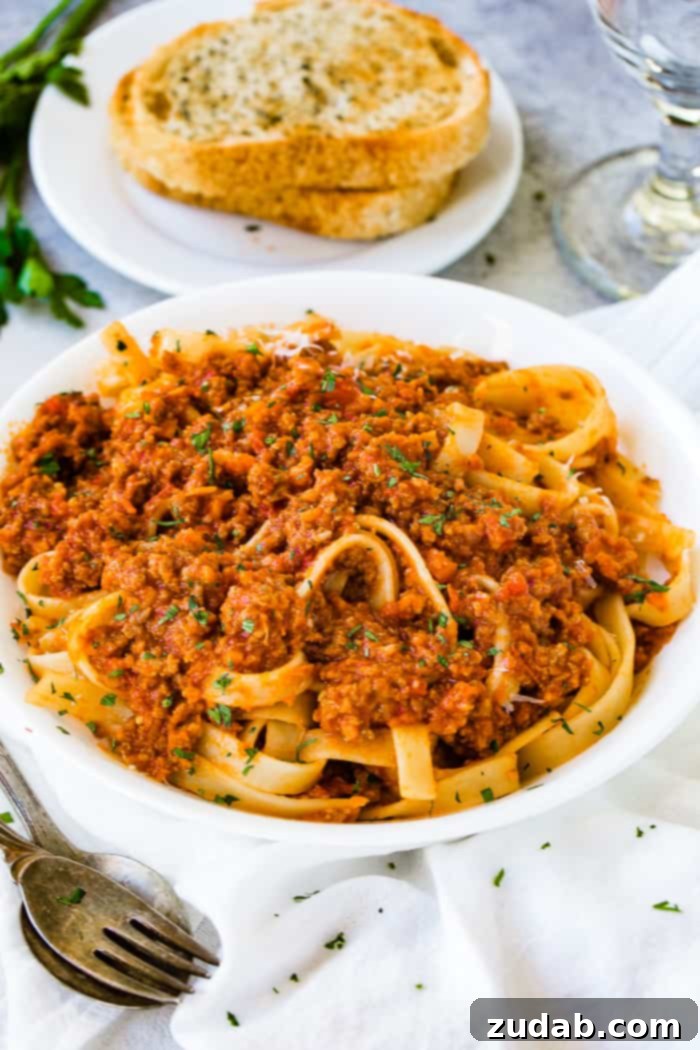
Tips for the Best Bolognese Sauce (And the Secret Revealed!)
You’ve made it! This is the moment you've been waiting for. What truly sets this authentic Italian Bolognese Sauce apart? What’s the secret ingredient that elevates it from merely good to absolutely unforgettable?
The answer is... A LEMON!
That's right! We incorporate both the finely grated zest of one lemon and just a small squeeze of its juice into this traditional Bolognese recipe. We know, it sounds shocking, but it’s absolutely true and utterly transformative. Don't worry, you won't taste overt lemon flavor. Instead, the lemon acts as a brilliant brightener, cutting through the richness of the meat and dairy, balancing the flavors, and making the entire sauce sing. It's a subtle touch that enhances everything else, leaving you with a wonderfully complex and vibrant Bolognese. Try it once, and you'll never look back!
Actually, there's one more crucial tip: always use a red onion, not a white or yellow one, for your soffritto base. The red onion offers a slightly sweeter and milder flavor profile that integrates more seamlessly into the long-cooked sauce, making a noticeable difference in the final taste, we promise.
You'll also notice that, aside from a sprinkle of fresh chopped parsley for garnish and the essential bay leaves, we don't include many other common herbs like oregano or basil in the sauce itself. This is by design! Authentic Bolognese is a rich meat sauce, not a tomato-forward marinara, and it truly doesn't need those additional herbs to achieve its perfect flavor balance. Trust the process, and let the meat and slow simmer be the stars.
Helpful Products for This Bolognese Recipe
To make your Bolognese cooking experience even smoother and more enjoyable, here are a couple of tools we highly recommend:
- A simple meat chopper: This inexpensive gadget is incredibly effective for breaking up ground meat as it cooks, ensuring an even texture throughout your sauce. It’s only a few dollars and so worth it!
- Le Creuset Dutch Oven: While a significant investment, a high-quality Dutch oven like a Le Creuset is unparalleled for slow-simmered sauces. Its even heat distribution and excellent heat retention ensure your Bolognese cooks perfectly, developing deep, rich flavors. It's an investment in durability and superior cooking results that you'll appreciate for years to come. Definitely put it on your Christmas list!
Explore More Italian Sauce Recipes
Hungry for more Italian sauce inspiration? We can never get enough of delicious Italian sauces! Be sure to try these other fantastic recipes the next time you're whipping up an Italian feast:
- Homemade Spaghetti Sauce
- Classic Pizza Sauce
- The BEST Pesto Recipe
- Veggie-Packed Marinara Sauce
- Easiest Beef Ragu
- Simple Cilantro Pesto
- Quick Spaghetti Sauce
- Sun-Dried Tomato Pesto
- Creamy Avocado Pesto
- ALL OF OUR EASY PASTA RECIPES!
The Ultimate Authentic Italian Bolognese Sauce
Sweet Basil
20 mins
3 hrs
3 hrs 20 mins
15
Ingredients
- 1 Tablespoon Butter
- 1 Tablespoon Olive oil
- 2 Carrots, minced
- 2 Celery stalks, minced
- 1 Red Onion, minced
- 6 Cloves Garlic, minced
- 1 lb Ground Beef, higher fat content preferred
- 1 lb Italian Sausage
- 2 Cups Fresh Tomatoes, halved
- 2 (15 oz) Cans Tomato Sauce
- 1 (15 oz) Can Fire Roasted Tomatoes
- 1/4 Cup Heavy Cream
- 1/4 Cup Milk (whole milk recommended)
- 1 Dash Cooking White Wine (or regular dry white wine)
- Zest of 1 lemon
- 1 Squeeze Lemon Juice
- 1 Dash Ground Nutmeg
- 2 Bay Leaves
- Salt and Pepper, to taste
- Parmesan Cheese, for serving
Instructions
- Preheat oven to 425 degrees F (220 degrees C).
- Place 2 cups of halved fresh tomatoes on a baking sheet, drizzle with a little olive oil and season with salt.
- Roast for 20 minutes, or until the tomatoes are soft and slightly charred.
- Remove from oven and set aside to cool slightly.
- Once cooled, blend the roasted tomatoes in a blender to create a simple tomato sauce.
- In a Dutch Oven or large, heavy-bottomed pot, melt 1 tablespoon of butter and 1 tablespoon of olive oil over medium-high heat. Add the minced carrots, celery, and red onion.
- Sauté, stirring occasionally, until the vegetables are tender, about 5 minutes.
- Add the minced garlic and cook for another minute until fragrant.
- Add the ground beef and Italian sausage to the pot. Use a meat chopper to break up the meat as it cooks until thoroughly browned.
- Once the meat is cooked, drain any excess grease from the pot.
- Stir in all the remaining ingredients: the roasted tomato sauce, canned tomato sauce, fire-roasted tomatoes, heavy cream, milk, cooking white wine, lemon zest, lemon juice, nutmeg, bay leaves, and season with salt and pepper to taste.
- Bring the sauce to a gentle simmer, then reduce the heat to low, cover, and let it simmer for 2-3 hours (or even longer, up to an entire afternoon), stirring occasionally. The longer it simmers, the richer the flavor.
- Before serving, remove the bay leaves. Serve your authentic Bolognese sauce generously over fresh pasta, topped with plenty of grated Parmesan cheese.
Recipe Notes
You can substitute whole milk for the milk and cream combination if desired. If you don't use cooking wine, a regular dry white wine can be used (we just prefer alcohol-free options).
Leftover Bolognese sauce can be stored in an airtight container in the refrigerator for up to 4 days, or frozen for up to 3 months for future enjoyment.
Nutrition
Serving: 1g, Calories: 252kcal, Carbohydrates: 9g, Protein: 12g, Fat: 19g, Saturated Fat: 7g, Cholesterol: 52mg, Sodium: 739mg, Potassium: 636mg, Fiber: 2g, Sugar: 6g, Vitamin A: 2265IU, Vitamin C: 15mg, Calcium: 43mg, Iron: 2mg
Nutrition information is automatically calculated, so should only be used as an approximation.
REMEMBER TO SUBSCRIBE TO our FREE Oh Sweet Basil NEWSLETTER AND RECEIVE EASY RECIPES DELIVERED INTO YOUR INBOX EVERY DAY!
When you try a recipe, please use the hashtag #ohsweetbasil on INSTAGRAM for a chance to be featured in our stories! FOLLOW OH, SWEET BASIL ON FACEBOOK | INSTAGRAM | PINTEREST | TWITTER FOR ALL OF OUR LATEST CONTENT, RECIPES AND STORIES.