

Cod with Tomato Cream Sauce: A Deliciously Simple & Healthy Weeknight Meal
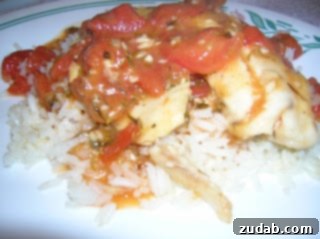
Craving a restaurant-quality seafood dinner that’s both easy to prepare and incredibly flavorful? Look no further than this exquisite Cod with Tomato Cream Sauce recipe. Inspired by EatingWell, this dish brings together delicate, flaky fish with a rich, velvety tomato cream sauce, creating a culinary experience that’s perfect for busy weeknights or special occasions. My husband recently whipped this up for me while I was tied up in meetings, and I was genuinely impressed by how quickly it came together and how utterly delicious it was. It’s truly a testament to how simple ingredients can transform into something truly extraordinary.
The beauty of this recipe lies in its simplicity and the depth of flavor achieved with minimal effort. Whether you’re a seasoned chef or a novice in the kitchen, you’ll find the steps straightforward and rewarding. This dish is not only a treat for your taste buds but also a wholesome addition to a balanced diet, offering lean protein and vibrant vegetables. Get ready to discover your new favorite way to enjoy cod!
Why This Cod with Tomato Cream Sauce Recipe is a Must-Try
This isn’t just another fish recipe; it’s a game-changer for your weeknight dinner rotation. Here’s why you’ll want to add this Cod with Tomato Cream Sauce to your culinary repertoire:
- Effortless Elegance: Despite its gourmet appeal, this recipe is surprisingly quick and easy to make, requiring minimal cooking skills and common pantry staples.
- Flavorful & Satisfying: The combination of tender cod, aromatic thyme, savory garlic, and a luxurious tomato cream sauce creates a symphony of flavors that will delight your palate.
- Healthy Choice: Cod is a lean protein source, low in mercury, making it an excellent choice for a nutritious meal. The sauce incorporates fresh tomatoes, adding essential vitamins and antioxidants.
- Versatile: While cod is the star, the recipe is flexible enough to accommodate various fish substitutions, allowing you to adapt it to your preferences or what’s available.
- Quick Prep & Cook Time: With only 10 minutes of prep and 15 minutes of cooking, you can have a sophisticated meal on the table in under half an hour. Perfect for those busy evenings!
From the moment the fragrant shallots and garlic begin to sizzle to the first forkful of tender fish enveloped in the creamy sauce, this dish promises a delightful and comforting experience. It’s the kind of meal that makes you feel like you’ve put in hours of effort, when in reality, it’s remarkably fuss-free.
Choosing Your Fish: What Fish Can You Substitute for Cod?
Cod is prized for its mild flavor and flaky white flesh, which makes it incredibly versatile. However, if cod isn’t readily available, or if you simply prefer another type of fish, there are several excellent substitutes that will work wonderfully in this tomato cream sauce recipe. The key is to select a fish with a similar mild flavor and delicate texture that will cook evenly and absorb the sauce’s flavors beautifully.
Top Substitutes for Cod:
When selecting a substitute, consider the texture and fat content. Lean, flaky white fish are generally the best options.
-
Tilapia
Tilapia is an excellent choice, as we often use it ourselves. It shares cod’s mild flavor and delicate, flaky texture, making it an almost seamless substitution. Tilapia cooks quickly, much like cod, and readily takes on the flavors of the sauce. It’s also widely available and often more affordable.
-
Flounder
Flounder is another superb option. Known for its very mild flavor and fine, delicate flakes, flounder is a thin fish that cooks rapidly. Its tender flesh holds up well in sauces, absorbing the rich tomato cream without becoming overwhelmed. Ensure you handle flounder gently, as its fillets can be quite thin.
-
Haddock
Haddock is a close cousin to cod and is an ideal substitute, especially if you’re looking for a slightly firmer texture. It has a similar mild, slightly sweet flavor and cooks to a firm, flaky consistency. Haddock is famously used in fish and chips, but its versatility extends beautifully to sauced dishes like this one.
-
Snapper
Red snapper offers a lean, moist, and slightly sweeter flavor profile than cod, with a firm texture that becomes flaky when cooked. It’s a visually appealing fish that holds its shape well in the sauce.
-
Halibut
While often pricier, halibut is a premium white fish known for its firm, dense, and slightly sweet meat. It will offer a more substantial bite than cod but will still integrate wonderfully with the creamy tomato sauce. If you’re looking to elevate the dish, halibut is a fantastic choice.
When substituting, always monitor cooking times, as thicker fillets may require a few extra minutes, and thinner ones might cook faster. The goal is to cook the fish until it’s opaque throughout and flakes easily with a fork.
Is Cod a Healthy Seafood Choice? Exploring its Nutritional Value
In today’s health-conscious world, understanding the nutritional benefits of the food we consume is more important than ever. Cod is a popular white fish, and it often raises questions about its health profile, especially in comparison to fish rich in Omega-3s like salmon. So, let’s dive into whether cod is indeed a healthy seafood option.
The Health Benefits of Cod:
-
Lean Protein Powerhouse
Cod is an excellent source of lean protein, which is essential for muscle repair, growth, and overall body function. A single serving provides a significant portion of your daily protein needs without adding excessive fat.
-
Low in Mercury
One of the most appealing aspects of cod, particularly Atlantic cod and Pacific cod, is its relatively low mercury content. This makes it a safer choice for frequent consumption, especially for pregnant women and young children, compared to larger, longer-lived fish that tend to accumulate more mercury.
-
Rich in Vitamins and Minerals
Beyond protein, cod is packed with various essential vitamins and minerals. It’s a good source of:
- Vitamin B12: Crucial for nerve function and red blood cell production.
- Selenium: An antioxidant that protects cells from damage and supports thyroid health.
- Niacin (Vitamin B3): Important for metabolism and maintaining healthy skin.
- Phosphorus: Essential for strong bones and teeth.
- Iodine: Vital for thyroid hormone production, which regulates metabolism.
-
Moderate Omega-3 Fatty Acids
While cod isn’t as high in Omega-3 fatty acids (EPA and DHA) as fatty fish like salmon, mackerel, or sardines, it still contributes a modest amount. Omega-3s are beneficial for heart health, brain function, and reducing inflammation. If you’re looking to boost your Omega-3 intake, you might consider pairing cod with other Omega-3 rich foods or supplements, or simply incorporate fatty fish into your diet on other days.
-
Low in Calories and Fat
Cod is naturally low in calories and fat, making it an ideal choice for those managing their weight or looking for lighter meal options. Its mild flavor also makes it a versatile ingredient that can be prepared in numerous healthy ways.
In conclusion, cod is undoubtedly a nutritious part of a healthy diet. Its high protein content, low mercury levels, and abundance of essential vitamins and minerals make it a valuable addition to your meal plan. While it may not be the top source of Omega-3s, its overall health benefits are significant, making it a smart choice for seafood lovers.
Shallots vs. Onions: Understanding the Flavor Nuances
Shallots and onions are both culinary staples, belonging to the allium family, which also includes garlic, leeks, and chives. While they share a family resemblance, there are distinct differences in their flavor, aroma, and culinary applications. Understanding these nuances can significantly elevate your cooking, ensuring you pick the perfect allium for your dish.
Key Differences Between Shallots and Onions:
-
Flavor Profile
This is where the most significant difference lies. Shallots boast a unique flavor that can be described as a delicate blend of onion and garlic, but with a much milder, sweeter, and more refined taste than a typical onion. When cooked, their sweetness intensifies, and their sharp edges mellow beautifully, leaving a nuanced, aromatic foundation. They lack the pungent bite often associated with raw onions.
Onions, on the other hand, have a more assertive and pungent flavor, especially when raw. Depending on the variety (yellow, white, red), they can range from sharply spicy to moderately sweet. When cooked, onions caramelize and sweeten, developing a deeper, more robust flavor that forms the backbone of many savory dishes.
-
Texture
Shallots typically have a finer, more tender texture than onions. Their layers are thinner and less fibrous, making them ideal for delicate sauces, vinaigrettes, or finely minced additions to dishes where you want the flavor without a strong onion texture.
Onions have thicker, more fibrous layers that offer a satisfying crunch when raw and a softer, more substantial chew when cooked. They are often diced or sliced more coarsely to provide texture as well as flavor.
-
Culinary Uses
Due to their milder and more complex flavor, shallots are often preferred in:
- Delicate sauces (like the tomato cream sauce in this recipe)
- Vinaigrettes and salad dressings
- Fine dining preparations where a subtle aromatic base is desired
- Dishes where a hint of garlic is beneficial but fresh garlic might be too overpowering.
Onions are incredibly versatile and are the foundation of countless dishes across global cuisines. They are used in:
- Soups, stews, and braises
- Sautéed vegetable dishes
- Caramelized onions as a topping or ingredient
- Bold flavor bases for curries, chili, and robust sauces.
-
Substitution
While shallots and onions are related, they are not always interchangeable without affecting the final taste of a dish. If a recipe specifically calls for shallots, using an equal amount of onion might result in a much stronger, less refined onion flavor. If you must substitute, a good rule of thumb is to use half the amount of a very mild onion (like a sweet onion) for shallots, or a combination of onion and a tiny hint of garlic. Conversely, substituting shallots for onions in a dish that requires a strong onion presence might leave the dish tasting a bit flat.
For our Cod with Tomato Cream Sauce, shallots are the perfect choice. Their gentle sweetness and subtle garlic notes provide an elegant aromatic base that complements the delicate fish and rich cream sauce without overpowering them, contributing to the dish’s sophisticated flavor profile.
Cod with Tomato Cream Sauce Recipe
An elegant and easy seafood dinner featuring flaky cod in a luxurious tomato cream sauce, perfect for any night of the week.

Prep Time: 10 mins
Cook Time: 15 mins
Total Time: 25 mins
Servings: 4 servings
Ingredients
Recipe by: EatingWell.com
- 1-1 1/4 Pounds Cod (Pacific or tilapia fillets, cut into 4 pieces)
- 3 teaspoons Fresh Thyme (chopped, divided)
- 1/2 teaspoon Salt (divided)
- 1/4 teaspoon Freshly Ground Pepper
- 1 Tablespoon Extra-Virgin Olive Oil
- 1 Shallot (chopped)
- 2 Cloves Garlic (minced)
- 3/4 Cup White Wine (dry white wine like Sauvignon Blanc or Pinot Grigio)
- 1 (14-Ounce) Can Diced Tomatoes (undrained)
- 1/4 Cup Heavy Cream (or half-and-half for a lighter sauce)
- 1/2 teaspoon Cornstarch
Instructions
- Season the fish fillets evenly with 1 teaspoon of the chopped thyme, 1/4 teaspoon of the salt, and the freshly ground pepper. Ensure both sides of the fish are coated.
- Heat the extra-virgin olive oil in a large skillet or frying pan over medium heat until shimmering.
- Add the chopped shallot, minced garlic, and the remaining 1 teaspoon of thyme to the hot skillet. Sauté, stirring occasionally, until the shallot begins to soften and become fragrant, which usually takes about 1 minute. Be careful not to burn the garlic.
- Pour in the white wine and the undrained diced tomatoes into the pan. Stir to combine. Gently add the seasoned fish fillets to the simmering sauce.
- Cover the skillet with a lid and allow the fish to cook through. This typically takes 4 to 6 minutes, depending on the thickness of your fillets. The fish should be opaque throughout and flake easily with a fork.
- Carefully transfer the cooked fish fillets from the skillet to a large plate. Cover them loosely with foil to keep them warm while you finish the sauce.
- In a small bowl, whisk together the heavy cream (or half-and-half) and cornstarch until no lumps remain. This mixture will help thicken the sauce.
- Add the cream-cornstarch mixture to the simmering sauce in the skillet, along with the remaining 1 teaspoon of thyme and 1/4 teaspoon of salt.
- Cook the sauce, stirring continuously, for about 1 minute, or until it has thickened to your desired consistency.
- Divide the warm fish fillets and the luscious tomato cream sauce evenly among 4 shallow bowls. Serve immediately and enjoy!
Recipe Notes
Leftovers of this delicious Cod with Tomato Cream Sauce can be refrigerated in an airtight container for up to 3-4 days. For best results, gently reheat on the stovetop over low heat, adding a splash of water or broth if the sauce has become too thick. Avoid microwaving fish for best texture.
Nutrition Information
Nutrition information is automatically calculated and should be used as an approximation. It can vary based on specific ingredients and preparation methods.
- Serving:
- 0.25 pound
- Calories:
- 262 kcal
- Carbohydrates:
- 8 g
- Protein:
- 27 g
- Fat:
- 10 g
- Saturated Fat:
- 4 g
- Polyunsaturated Fat:
- 1 g
- Monounsaturated Fat:
- 4 g
- Cholesterol:
- 78 mg
- Sodium:
- 527 mg
- Potassium:
- 869 mg
- Fiber:
- 2 g
- Sugar:
- 4 g
- Vitamin A:
- 472 IU
- Vitamin C:
- 15 mg
- Calcium:
- 81 mg
- Iron:
- 2 mg
Tips for Success with Your Cod with Tomato Cream Sauce
Achieving a perfect dish is all about paying attention to a few key details. Here are some tips to ensure your Cod with Tomato Cream Sauce turns out impeccably every time:
-
Don’t Overcook the Fish
Fish, especially delicate white fish like cod, cooks very quickly. Overcooking will result in dry, rubbery fish. Watch it carefully and remove it from the heat as soon as it flakes easily with a fork. It should still be moist and tender in the center.
-
Quality Ingredients Matter
While this recipe is simple, the quality of your ingredients can make a big difference. Use fresh, good-quality cod or your chosen substitute. Opt for a dry white wine you enjoy drinking, as its flavor will concentrate in the sauce. Fresh thyme will always offer a more vibrant aroma than dried.
-
Adjust Seasoning to Taste
Taste the sauce before adding the final bit of salt. Depending on the brand of diced tomatoes and white wine, the inherent saltiness can vary. Adjust the salt and pepper to your personal preference.
-
The Right Skillet
Use a large skillet that can comfortably fit all four pieces of fish in a single layer. This ensures even cooking. A heavy-bottomed skillet will also help distribute heat more evenly, preventing hot spots.
-
Thickening the Sauce
The cornstarch slurry is key to achieving a beautifully creamy, thickened sauce. Make sure to whisk the cornstarch thoroughly with the cream before adding it to the hot liquid to prevent lumps. Cook the sauce for at least a minute after adding the slurry to allow it to thicken properly and for the starchy taste to cook out.
-
Fresh Herbs for Garnish
A final sprinkle of fresh chopped thyme or parsley just before serving can add a pop of color and freshness, enhancing both the visual appeal and the aroma of the dish.
Serving Suggestions for Cod with Tomato Cream Sauce
This versatile dish pairs beautifully with a variety of sides, allowing you to create a complete and satisfying meal. Here are some serving suggestions to complement the rich flavors of your Cod with Tomato Cream Sauce:
-
Pasta
Serve the cod and sauce over a bed of al dente pasta, such as linguine, fettuccine, or even a short pasta like penne or rigatoni. The pasta will soak up the delicious creamy tomato sauce, making it incredibly satisfying.
-
Rice
A simple side of fluffy white rice, brown rice, or even a flavorful pilaf can be an excellent accompaniment. The rice provides a neutral base that perfectly absorbs the sauce.
-
Crusty Bread
Don’t let any of that exquisite sauce go to waste! Serve with warm, crusty bread or garlic bread to mop up every last drop of the creamy goodness.
-
Roasted or Steamed Vegetables
For a lighter meal, pair with a side of roasted asparagus, green beans, broccoli, or a simple mixed green salad. The freshness of the vegetables will balance the richness of the sauce.
-
Creamy Polenta or Mashed Potatoes
For a truly comforting and indulgent meal, spoon the cod and sauce over creamy polenta or smooth mashed potatoes. The textures will be wonderfully complementary.
No matter how you choose to serve it, this Cod with Tomato Cream Sauce is sure to impress with its elegant flavors and satisfying appeal. Enjoy experimenting with different pairings to find your favorite combination!
We hope you love this simple yet sophisticated Cod with Tomato Cream Sauce recipe as much as we do. It’s a testament to how quality ingredients and a straightforward method can yield truly delicious results. If you try this recipe, we’d love to hear your thoughts and see your culinary creations. Don’t hesitate to leave a comment below and share your experience!