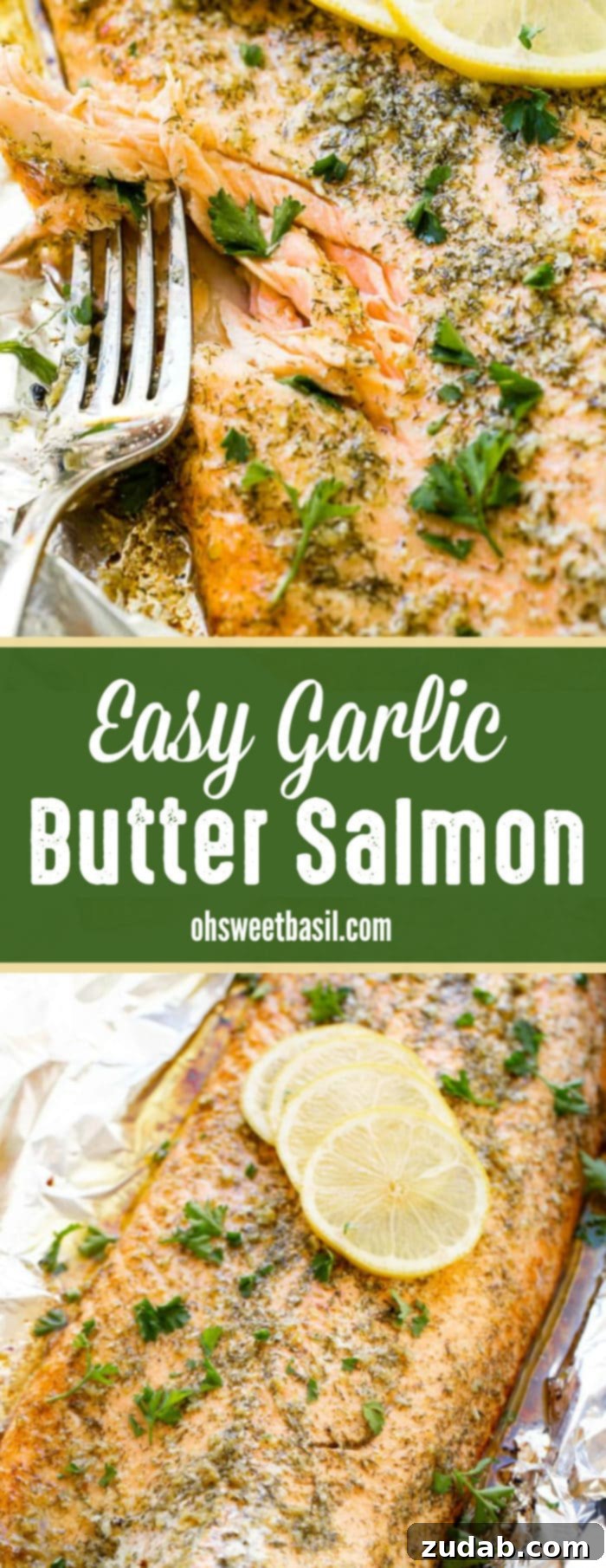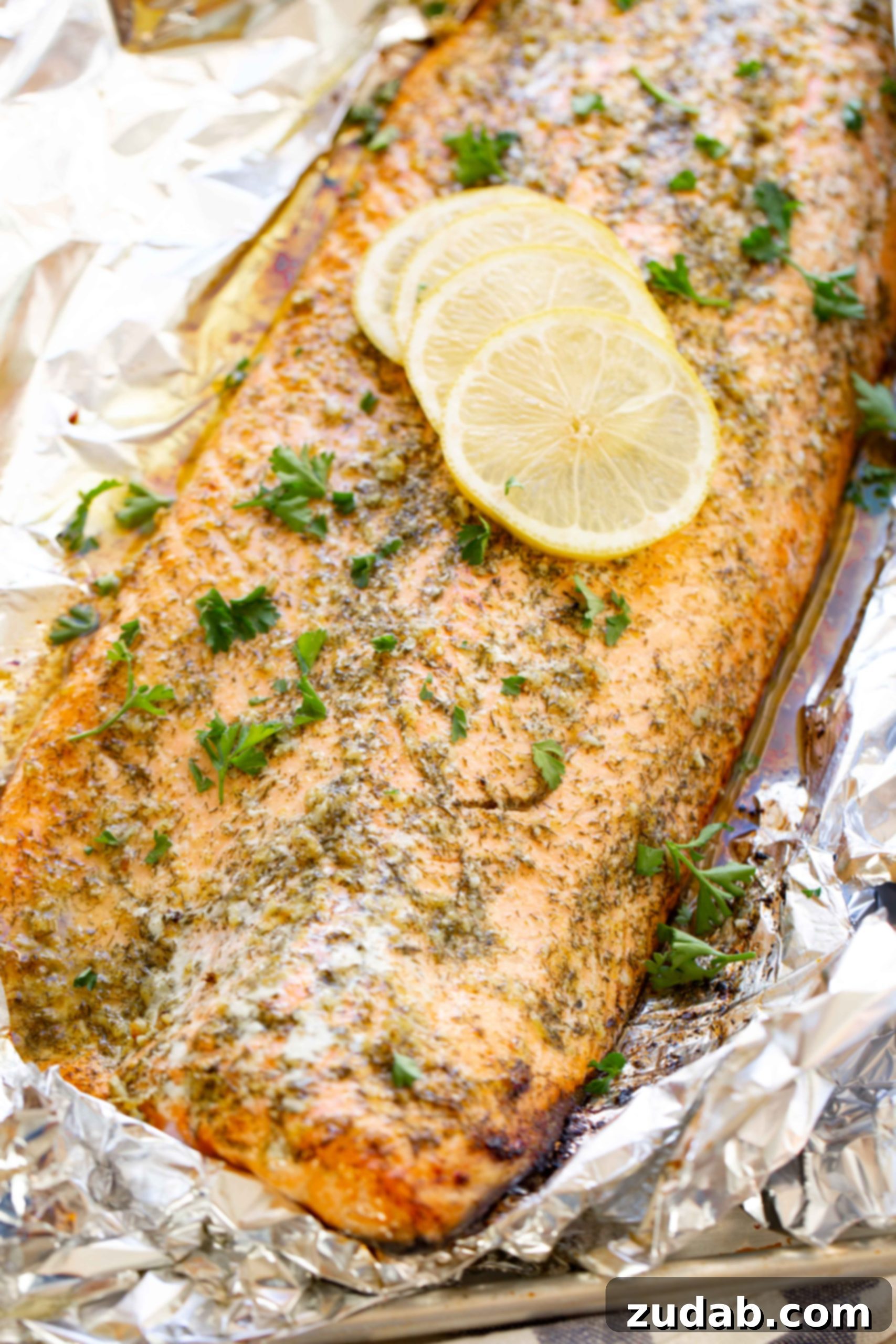
Welcome to the ultimate guide for crafting the most succulent, flavorful, and incredibly Easy Garlic Butter Salmon! In just 30 minutes, you can transform simple ingredients into a healthy, restaurant-quality dinner that’s sure to impress. While I, the author, must confess my own surprising aversion to seafood (yes, it’s true, growing up in the Pacific Northwest and still not loving it!), I have dedicated myself to perfecting salmon recipes for those who do—especially for my family. This particular recipe has become a household favorite, proving that even a seafood skeptic can appreciate a truly outstanding dish when it’s this effortless and delicious.
My journey to creating this perfect salmon dish has been quite an adventure. For years, the mere thought of preparing fish sent shivers down my spine, especially after a memorable (and tear-inducing) first attempt at cleaning shrimp. Rest assured, those days are long behind me! Now, I opt for pre-cleaned options and focus on recipes like this one, which celebrate the natural beauty and taste of salmon without any intimidating prep work. While my personal palate may not fully embrace seafood, I understand its appeal and the desire for wholesome, quick meals. This recipe is my gift to all the salmon lovers out there, proving that simple doesn’t mean sacrificing flavor or elegance.
Why Salmon Deserves a Spot on Your Dinner Table
Salmon is more than just a delicious protein; it’s a nutritional powerhouse. Rich in omega-3 fatty acids, it’s celebrated for its heart-healthy benefits, brain-boosting properties, and anti-inflammatory effects. Beyond the health advantages, salmon is incredibly versatile and cooks remarkably fast, making it an ideal choice for busy weeknights or when you need a quick yet impressive meal. Its robust flavor pairs beautifully with a wide array of seasonings, and its flaky texture is always satisfying. In this recipe, we harness salmon’s natural goodness and enhance it with a simple, aromatic garlic butter sauce that complements it perfectly.
How to Select the Freshest Salmon Fillet
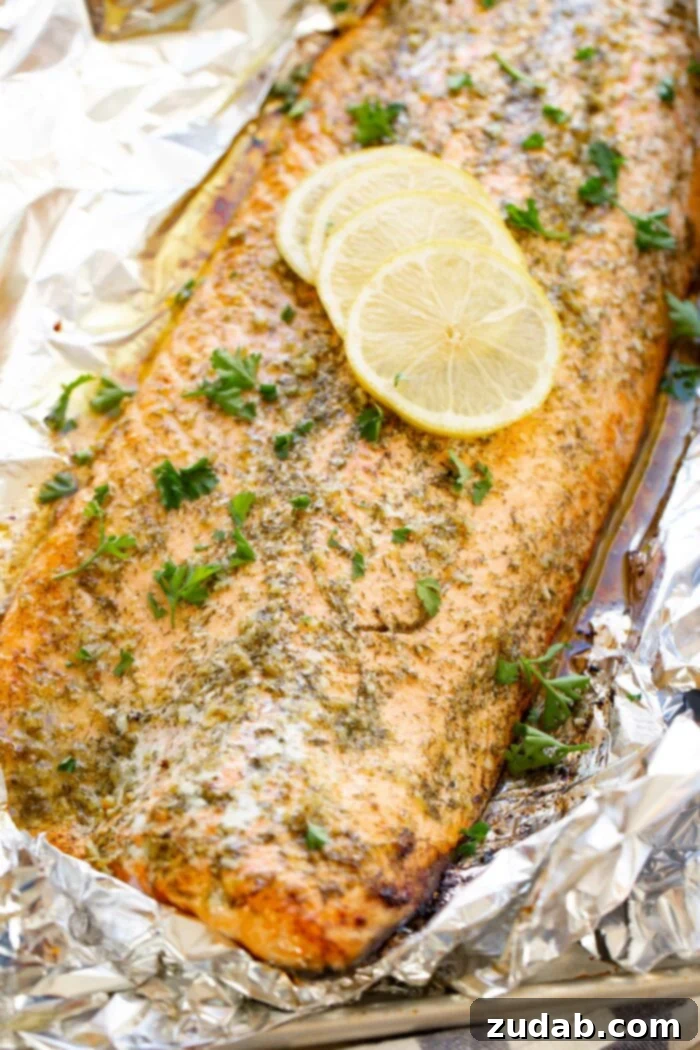
Choosing a high-quality piece of salmon is crucial for the best culinary experience. When you’re at the grocery store or fish market, it can feel a little daunting, but a few key indicators will help you pick a stellar fillet every time. First and foremost, trust your nose: fresh salmon should have little to no “fishy” odor. Instead, it should smell clean, like a fresh ocean breeze. Next, observe its appearance; look for vibrant, deep shades of red, coral, or pink. The flesh should be firm and moist, not dried out or dull. Avoid any salmon with brown spots, discoloration, or gaping flesh, as these are signs of an older or improperly handled product. A good quality fillet will hold its shape and have a natural sheen.
Fresh vs. Frozen and Wild-Caught vs. Farmed: Making the Right Choice
The debate between fresh and frozen, and wild-caught versus farmed salmon, is common. While “fresh is best” is often the mantra, modern freezing techniques mean that properly flash-frozen salmon can be just as good, if not superior, to “fresh” salmon that has spent days traveling to your market. If you’re outside of peak salmon season (typically May to October for most wild varieties), frozen wild salmon is often your best bet for quality and sustainability. When opting for frozen, ensure it was flash-frozen at its peak freshness and thawed correctly before cooking for optimal texture and flavor.
Regarding wild-caught versus farmed, both have their merits. Wild salmon boasts a distinct flavor and texture, varying significantly with its diet in the ocean. However, it can be more expensive and seasonal. Farmed salmon, on the other hand, is widely available and more affordable. While some may have concerns about farming practices, reputable aquaculture operations prioritize sustainability, responsible feed, and healthy living conditions for their fish. Don’t shy away from farmed salmon; instead, do a little research and choose brands that adhere to high standards. Organizations like the Monterey Bay Aquarium Seafood Watch provide excellent resources for making informed choices about sustainable seafood, whether wild or farmed.
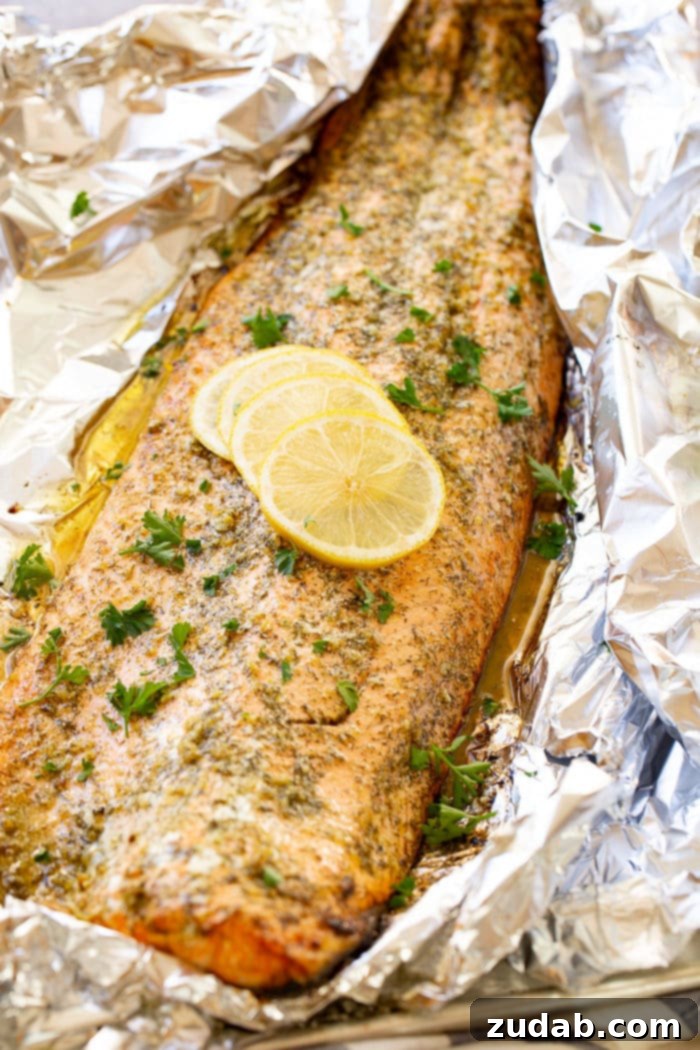
Exploring the Wonderful World of Salmon Varieties
The type of salmon you choose can significantly impact your dish’s flavor and texture. Understanding the nuances of each variety will help you select the perfect fillet for any recipe:
- King (Chinook): Considered the most luxurious salmon, King salmon is highly prized for its exceptionally rich, buttery flavor and velvety texture due to its high fat content. It’s the most expensive option but offers an unparalleled culinary experience, perfect for grilling, baking, or pan-searing.
- Coho (Silver): Widely available and often more affordable than King salmon, Coho offers a delicate flavor and firm, orange-red flesh. It holds up well to various cooking methods and freezes beautifully, making it a versatile choice for many dishes. Its flavor is similar to King but less intense.
- Sockeye (Red): Known for its striking deep red color and robust, distinct flavor, Sockeye salmon has a lower fat content than King but a firm, meaty texture. It’s excellent for baking, grilling, and smoking, holding its shape well. Its rich flavor is highly sought after. For this Garlic Butter Salmon recipe, we specifically chose sockeye salmon because it’s readily available in our region and its rich flavor stands up wonderfully to the aromatic butter sauce. My family (everyone but me, of course!) absolutely adores it.
- Pink (Humpback): This variety is milder in flavor and lower in fat, with pale pink flesh. It doesn’t freeze as well as other types and is most commonly found canned. Pink salmon is a fantastic choice for dishes like salmon cakes, salads, or casseroles where a delicate flavor is desired.
- Chum (Keta or Dog): Lower in fat and with a less pronounced flavor, Chum salmon is often used for smoking, canning, or making fish burgers. Its firm texture makes it suitable for flaking.
The Irresistible Magic of Garlic Butter and Dill
The heart of this recipe lies in its incredibly simple yet profound flavor profile: the timeless combination of garlic, butter, lemon, and dill. Melted butter provides a luxurious richness, while minced garlic infuses every bite with a warm, savory aroma. Fresh lemon zest and juice cut through the richness, adding a bright, zesty counterpoint that highlights the salmon’s natural taste. Finally, a touch of fresh dill weaves in a delicate, herbaceous note, completing a symphony of flavors that is both comforting and sophisticated. This classic blend transforms a simple salmon fillet into an extraordinary dining experience, ensuring even the most discerning palates will be delighted.
Ensuring Perfectly Cooked Salmon Every Time
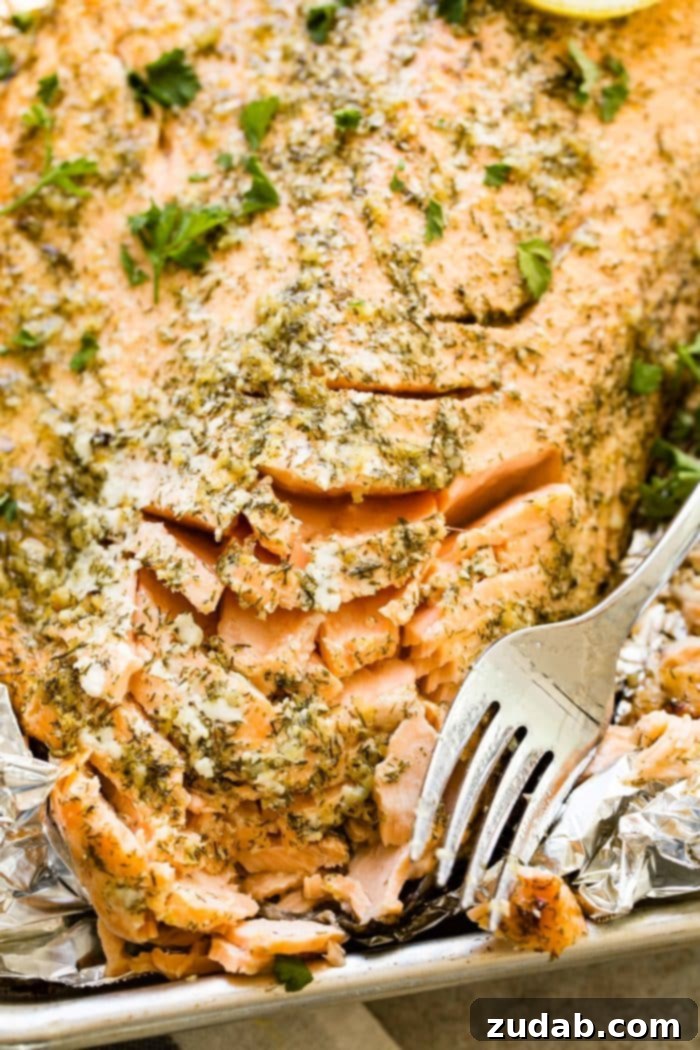
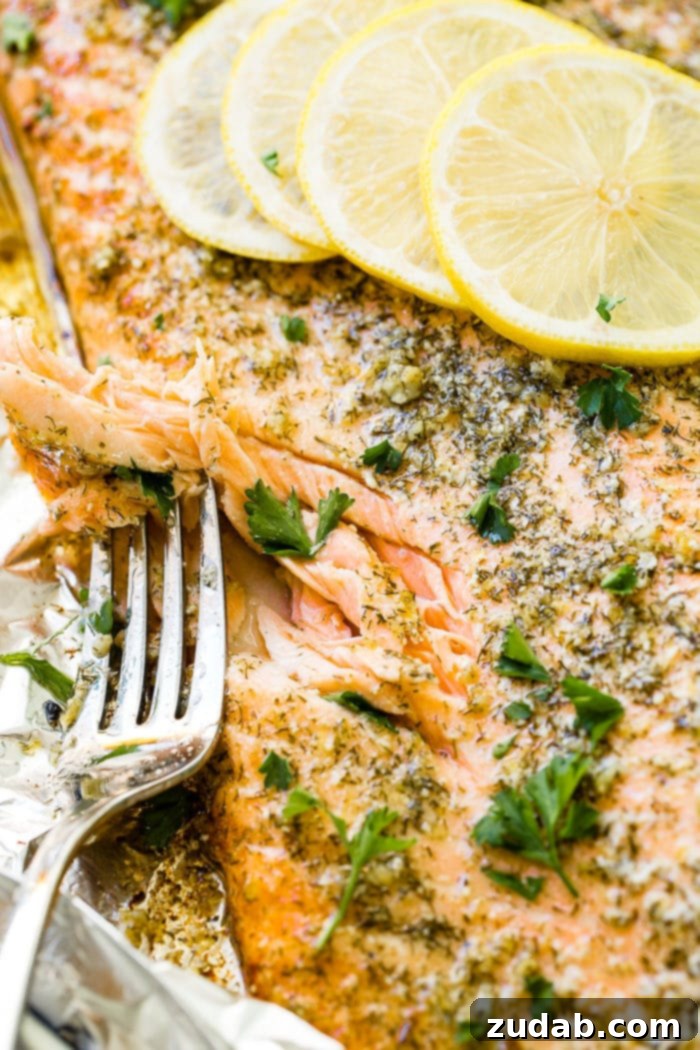
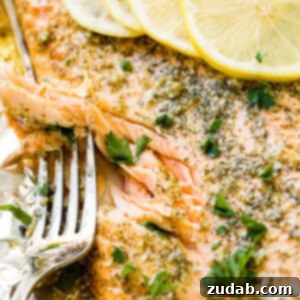
Knowing when your salmon is perfectly cooked is key to avoiding dry, unappetizing fish. The ideal salmon is tender, moist, and flaky, not rubbery or raw. The most reliable visual cue is the “flake test”: gently insert a fork into the thickest part of the fillet and twist. If the salmon flakes easily into distinct layers, it’s ready. You’ll also notice a color change from a translucent, raw red to an opaque pink throughout the flesh. While the very center may still appear slightly translucent, the outer layers should be fully opaque and ready to flake. For absolute precision, especially with thicker fillets, use an instant-read thermometer. Salmon is cooked through when it reaches an internal temperature of 145°F (63°C) at its thickest point. Overcooking salmon can quickly dry it out, so keep a close eye on it!
Smart Tips for Reheating Leftover Salmon
Leftover salmon can be a delicious treat, but reheating it properly is essential to maintain its texture and flavor. The microwave is generally not a friend to fish; its high, uneven heat tends to dry out the salmon and can intensify any “fishy” aroma. Instead, for best results, gently reheat salmon in a preheated oven at a low temperature, around 275°F (135°C), for about 10-15 minutes, or until just warmed through. You can also warm it gently in a skillet over low heat with a lid. However, salmon is also fantastic served cold! Consider flaking it over a fresh salad, tucking it into a sandwich or wrap, or incorporating it into a vibrant grain bowl. Its rich flavor and tender texture make it a versatile ingredient for next-day meals.
Salmon During Pregnancy: What You Need to Know
For expectant mothers, salmon is a fantastic choice, packed with essential omega-3 fatty acids vital for baby’s brain and eye development. It’s generally considered safe and highly recommended during pregnancy, but there’s one crucial caveat: avoid raw preparations. Raw fish, including sushi-grade salmon, can harbor parasites or bacteria that pose a risk to both you and your developing baby. Always ensure salmon is thoroughly cooked when pregnant. Safe cooking methods include poaching, broiling, grilling, or baking, like in this easy recipe. Cooking salmon until it reaches an internal temperature of 145°F (63°C) will ensure it’s safe to enjoy while benefiting from its incredible nutritional value.
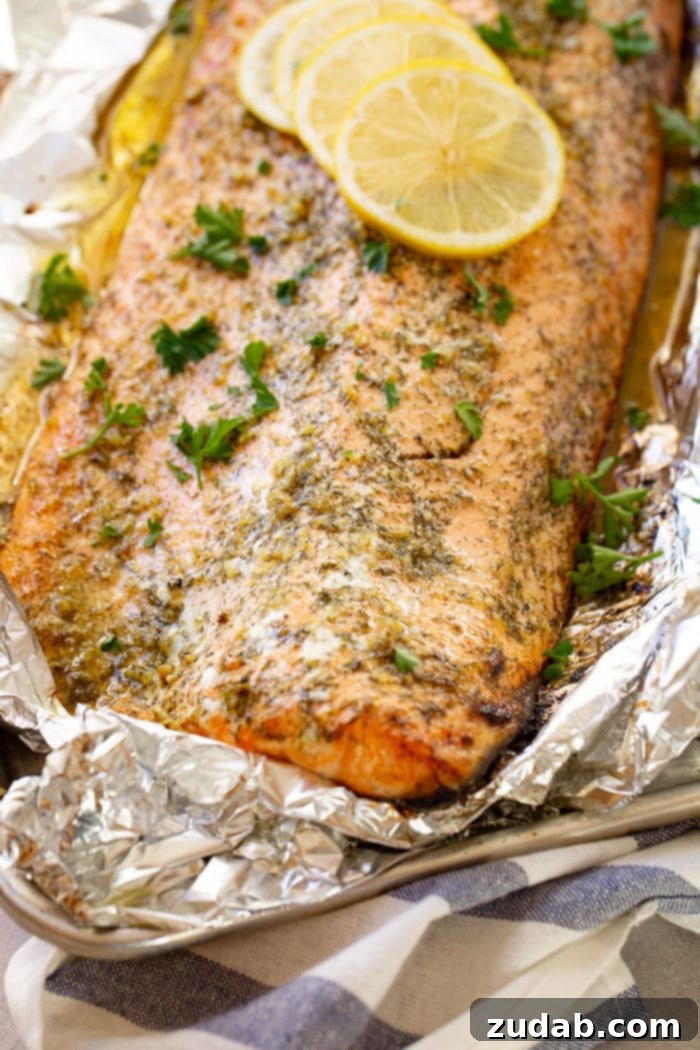
Your Path to Effortless Garlic Butter Salmon: A Simple 5-Step Recipe
Baking this Garlic Butter Salmon couldn’t be simpler, making it perfect for novice cooks and seasoned chefs alike. You’re just five easy steps away from a tender, flavorful salmon dinner that looks as good as it tastes:
- Prepare Your Oven and Baking Sheet: Begin by preheating your oven to 375°F (190°C). Line a sturdy baking sheet with aluminum foil. For easier cleanup and to ensure the packet is well-sealed, you might consider using two sheets of foil.
- Craft the Garlic Butter Mixture: In a small bowl, combine your melted butter with fresh lemon zest, a squeeze of lemon juice, minced garlic, dried dill, and season generously with kosher salt and freshly ground black pepper to taste. Whisk until all ingredients are well incorporated.
- Assemble the Salmon Packet: Place your salmon fillet(s) onto the prepared foil-lined baking sheet. Carefully fold up all four sides of the foil to create a shallow bowl around the fish, but don’t seal it yet. Spoon the aromatic butter mixture evenly over the entire surface of the salmon. Once coated, fold the sides of the foil over the salmon, completely covering and sealing it to form a tight packet. This steaming method ensures the salmon stays incredibly moist and infuses it with maximum flavor.
- Bake to Perfection: Transfer the sealed salmon packet to the preheated oven. Bake for approximately 15-20 minutes, or until the salmon is cooked through and flakes easily with a fork. Cooking time will vary depending on the thickness of your salmon fillet.
- Serve and Garnish: Carefully unwrap the foil packet (watch out for steam!) and transfer the cooked salmon to serving plates. Garnish with fresh chopped parsley for a burst of color and added freshness, if desired. Serve immediately and savor every tender, garlicky bite!
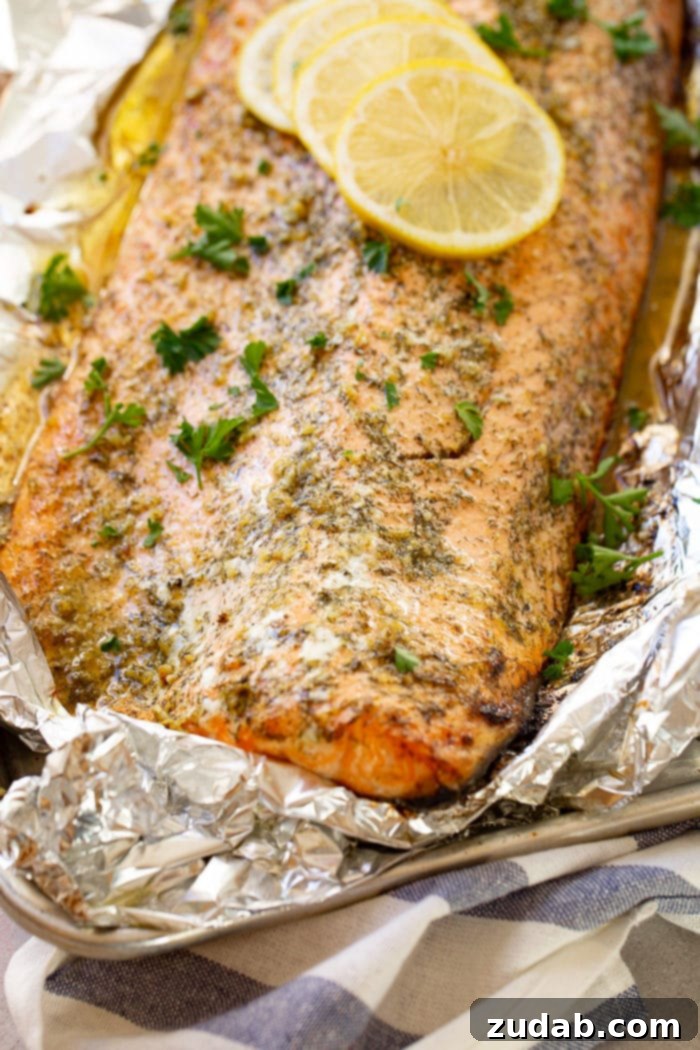
Perfect Pairings: What to Serve with Your Garlic Butter Salmon
Now that you’re a pro at choosing and cooking the perfect salmon, let’s talk about delicious accompaniments. My philosophy for side dishes often revolves around fresh, wholesome ingredients that complement the main course without overpowering it. Here are some fantastic options:
- Roasted Vegetables: You can never go wrong with roasted vegetables. Simple roasted garlic veggies or a medley of roasted root vegetables (carrots, parsnips, potatoes) are excellent choices. They offer a rustic sweetness and tender texture that pairs beautifully with the rich salmon.
- Rice: A comforting and absorbent side, rice is always a winner. A simple fluffy white or brown rice works, but for an elevated touch, try a creamy winter asiago cheese rice. Its savory notes and creamy texture provide a wonderful contrast to the salmon. Quinoa or couscous are also great, lighter alternatives.
- Fresh Green Salad: For a lighter meal, a crisp green salad with a light vinaigrette is ideal. The freshness and acidity cut through the richness of the salmon, making for a perfectly balanced plate.
- Steamed Asparagus or Broccoli: Quick and healthy, steamed green vegetables like asparagus or broccoli with a squeeze of lemon and a sprinkle of salt are classic pairings that let the salmon truly shine.
More Seafood Recipes to Explore
If you’ve enjoyed this simple salmon recipe and are looking to expand your seafood repertoire, here are some other delicious ideas:
- Simple Apricot Lemon Salmon
- Grilled Sticky Honey Lime Shrimp
- Asian Sticky Salmon in Foil
- Sweet and Spicy Orange Salmon
- Popcorn Shrimp
- Blackened Fish Burger
For more family-friendly dinner ideas, be sure to explore our full collection of recipes!
Easy Garlic Butter Salmon
Ingredients
- ▢ 1/2 Cup Butter, melted
- ▢ Zest of 1 Lemon
- ▢ 1 Tablespoon Lemon Juice
- ▢ 3 Cloves Garlic, minced
- ▢ 2 teaspoons Dill, dried
- ▢ Kosher salt and freshly ground black pepper, to taste
- ▢ 2 Pounds Salmon
- ▢ 2 Tablespoons Parsley, fresh, chopped
Instructions
-
Preheat oven to 375 degrees F. Line a baking sheet with foil, using two sheets if necessary.
-
In a small bowl, whisk together butter, lemon zest, lemon juice, garlic, dill, salt and pepper, to taste.1/2 Cup Butter, Zest of 1 Lemon, 1 Tablespoon Lemon Juice, 3 Cloves Garlic, 2 teaspoons Dill, Kosher salt and freshly ground black pepper
-
Place salmon onto foil lined baking sheet and fold up all 4 sides of the foil, but do not close it. Spoon the butter mixture all over the salmon. Fold the sides of the foil over the salmon, covering completely and sealing the packet closed.2 Pounds Salmon
-
Place the salmon into the oven and bake until cooked through, about 15-20 minutes.
-
Serve immediately, garnished with parsley, if desired.2 Tablespoons Parsley
Recipe Notes
Nutrition
Nutrition information is automatically calculated, so should only be used as an approximation.
Like this? Leave a comment below!