
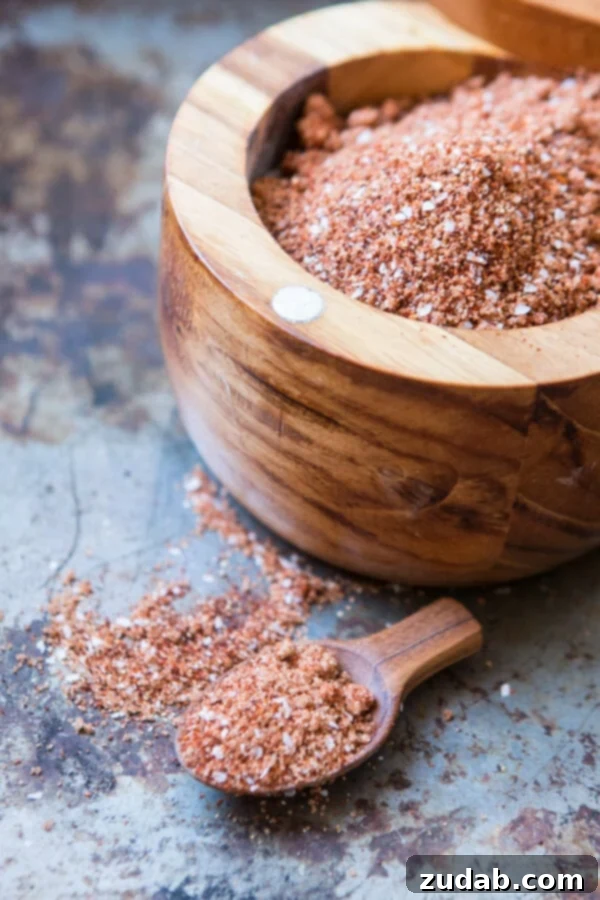
Prepare to elevate your grilling game with this exceptional Homemade BBQ Rub. Perfectly crafted for transforming ordinary cuts of beef, chicken, and especially succulent pork into extraordinarily delicious culinary masterpieces, this dry rub is the secret ingredient you’ve been searching for. It’s more than just a seasoning; it’s a flavor powerhouse designed to infuse your meats with deep, smoky, and irresistible notes. Get ready to just dig in and savor every bite!
We’ve fallen in love with this versatile rub on everything from tender grilled chicken to a perfectly smoked beef brisket and fall-off-the-bone pork ribs. But its magic isn’t limited to traditional BBQ. Imagine it dusted over roasted Brussels sprouts or broccoli for an unexpected burst of flavor, or even as a secret weapon in your next salmon recipe. Its adaptability makes it a staple in any kitchen.
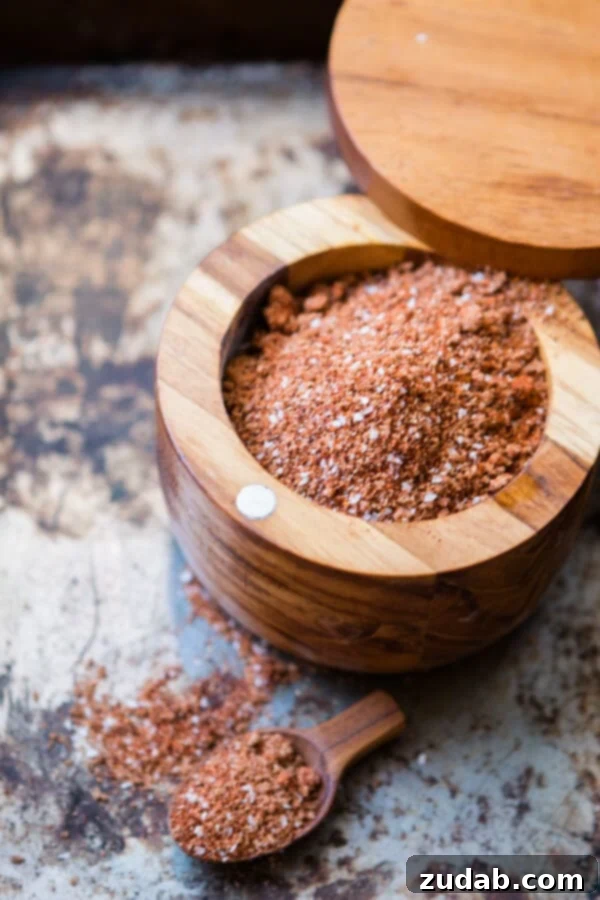
Why Craft Your Own Signature BBQ Rub?
In the culinary world, creating your own seasoning blends offers unparalleled advantages over pre-made alternatives. A homemade BBQ rub is a game-changer, providing a depth and complexity of flavor that marinades often struggle to achieve. While marinades can tenderize and impart surface flavor, a dry rub penetrates the meat, creating a rich crust during cooking and locking in a fuller, more intense taste. We often prefer to dry rub our meats, allowing them to absorb all the delicious flavors before any BBQ sauce is even considered. In fact, many times, the meat is so incredibly flavorful on its own that sauce becomes an optional accompaniment rather than a necessity.
The beauty of making your own seasoning blend lies in the power of customization. You gain complete control over every ingredient, allowing you to fine-tune the flavor profile to perfectly match your palate’s cravings. Whether you envision a rub that’s delightfully sweet, intensely spicy, wonderfully smoky, or a masterful blend of all three, the possibilities are endless. Starting with a solid base, you can effortlessly adjust and experiment until you achieve your ideal taste. This level of personalization is simply not possible with commercial rubs, which often contain fillers, artificial flavors, and excessive sodium. A homemade rub ensures freshness, quality, and a unique flavor that reflects your culinary style. It’s truly a secret weapon for meats prepared by smoking, grilling, or roasting.
The Building Blocks of an Exceptional Dry Rub
Creating a stellar BBQ dry rub is an art form rooted in understanding the foundational elements. The base of any great rub typically begins with a harmonious blend of **sugars** and **salts**, which then serve as a canvas for a diverse array of aromatic spices. Balancing these core components is crucial for achieving a rub that not only tastes incredible but also performs beautifully during the cooking process.
Sweetness: The Role of Sugar in BBQ Rubs
Sugar plays a multifaceted role in a BBQ rub, contributing both flavor and crucial caramelization to the exterior of your meat. There’s a wide variety of sugars to choose from, each offering distinct characteristics. Brown sugar, with its molasses content, adds a deep, rich, and slightly moist sweetness, contributing to a beautiful mahogany crust. Dark brown sugar provides an even more intense molasses flavor. Turbinado sugar, a less refined option, offers a coarser texture and a subtle, natural sweetness that stands up well to high heat. Regular refined granulated sugar delivers a clean, straightforward sweetness. Experimenting with these different types, or even combining them, will help you discover the perfect balance for your desired flavor profile. Remember, sugar not only provides sweetness but also aids in forming that coveted crispy bark on your grilled or smoked meats.
Saltiness: Essential for Flavor and Texture
Salt is more than just a seasoning; it’s a fundamental ingredient that enhances all other flavors in your rub and even influences the meat’s texture. Just like sugars, there are various types of salt, each with its own properties: kosher salt, sea salt, table salt, and so on. We typically prefer using kosher salt for our rubs due to its larger, flakier crystals. These crystals adhere well to the meat and dissolve slowly, ensuring an even distribution of saltiness without over-salting in concentrated spots. If kosher salt isn’t available, you can certainly use regular table salt, but careful adjustments to the quantity will be necessary, as explained in a section below. Understanding the differences in salt type is key to achieving consistent and delicious results every time.
Spices: Crafting the Flavor Symphony
Once your sugars and salts are selected, it’s time to dive into the exciting world of spices. This is where you truly personalize your rub. Begin by choosing the type and quantity of pepper – black pepper is a classic, but cayenne or white pepper can add different nuances. Then, incorporate other spices that are fundamental to many classic BBQ rubs, such as robust cumin, smoky chili powder, and vibrant paprika. From there, the real fun begins: adding combinations of other spices to create a blend that is uniquely yours. Think about dried thyme for an earthy note, garlic powder and onion powder for savory depth, or even a hint of nutmeg for an unexpected warmth.
The best approach to crafting your barbecue spice blend is to start with very small increments of each spice. This minimizes the risk of overdoing a particular flavor and makes it easy to adjust as you go. Taste and adjust. When I first started experimenting with different ratios, I often forgot to meticulously record my measurements, leading to frustration when trying to recreate a perfect batch. Learn from my mistake: always write down your ingredient amounts! This ensures you can replicate your favorite blends and continue to refine them over time.
Below, you’ll find one of our most beloved rub recipes, a versatile blend that we thoroughly enjoy with virtually any type of meat.
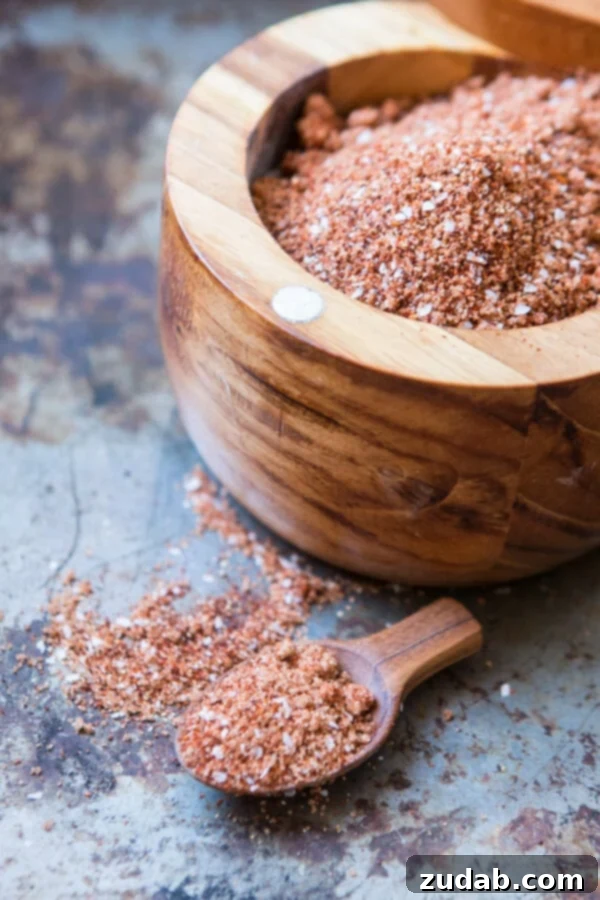
The Ingredients for Our Signature Smoky BBQ Rub
As highlighted earlier, the world of BBQ dry rubs offers an almost infinite array of flavor combinations. For this particular recipe, we’ve carefully selected a blend of ingredients that deliver a balanced, smoky, and deeply savory profile that enhances rather than overpowers your meat. Each spice plays a vital role in creating a harmonious blend that you’ll want to use again and again.
- Kosher Salt (Our preferred salt for even seasoning)
- Brown Sugar (For sweetness, depth, and a beautiful crust)
- Black Pepper (A classic for a touch of warmth and pungency)
- Garlic Powder (Essential for a foundational savory aroma)
- Onion Powder (Complements garlic, adding another layer of savory flavor)
- Chili Powder (Provides a mild, earthy heat and vibrant color)
- Smoked Paprika (The key to that irresistible smoky depth and rich hue)
- Thyme (Adds a subtle, earthy, herbaceous note)
- Ground Cumin (Contributes warmth and a distinctive, slightly earthy aroma)
- Nutmeg (A pinch for an unexpected, complex hint of sweetness and spice)
NOTE: If you’re looking to introduce a fiery kick to this rub, we recommend adding 1/8 to 1/4 teaspoon of cayenne pepper. Start small and adjust to your preferred level of heat.
The precise measurements for each of these incredible ingredients, along with detailed instructions, are conveniently located in the recipe card below. Keep scrolling for all the essential details to create your perfect batch!
Storing Your Homemade Barbecue Rub: Longevity and Freshness
One of the many benefits of making your own barbecue dry rub is its impressive shelf life. When stored correctly, this homemade blend will retain its potent flavors for up to 2 months in your pantry. To ensure maximum freshness and potency, always keep your rub sealed in an airtight container. Glass jars with tight-fitting lids or spice tins are excellent choices, as they protect the spices from air, light, and moisture, which can degrade their flavor over time. It’s completely normal for the molasses in the brown sugar to cause the barbecue spice rub to clump together; this is a natural occurrence and does not affect the quality or flavor. Simply use a fork or your fingers to break up any clumps as needed before use. Proper storage ensures that your hard work in crafting this delicious rub will pay off every time you reach for it.
The Great Salt Debate: Do You Have to Use Kosher Salt?
Technically, no, you don’t *have* to use kosher salt, but understanding the differences is crucial for consistent results. Kosher salt is often preferred by chefs and home cooks for rubs because of its unique crystal structure. Unlike finely ground table salt, kosher salt flakes are larger and more irregular, allowing for better adhesion to meat and a more even distribution of saltiness. This also makes it easier to “feel” how much salt you are applying, reducing the risk of over-salting.
If you opt to use regular table salt in place of kosher salt, you absolutely must scale down the amount of salt in the recipe. Table salt crystals are much smaller and denser than kosher salt flakes. This means that a tablespoon of table salt will contain significantly more actual sodium by weight than a tablespoon of kosher salt. Consequently, using a 1:1 ratio would result in an overwhelmingly salty barbecue dry rub. A common guideline is to use approximately half the amount of table salt compared to kosher salt, but it’s always best to start with even less and taste as you go to achieve the desired balance. This careful adjustment is key to preventing a salty disaster and ensuring your rub is perfectly seasoned.
Unleash the Flavor: Diverse Ways to Use Your BBQ Rub
This versatile BBQ dry rub is a culinary chameleon, capable of enhancing an incredible array of dishes beyond just traditional barbecue. Its rich, smoky, and savory profile makes it an indispensable tool in your kitchen. Here are just a few of the many easy and delicious ways you can incorporate this rub into your cooking:
- As a BBQ Rib Rub: Transform your ribs into tender, flavor-packed masterpieces. It’s fantastic on Grilled Baby Back Ribs, rich Instant Pot Short Ribs, or deeply Traeger Smoked Ribs. Apply liberally and let the flavors meld before cooking for the best results.
- As a BBQ Chicken Rub: From whole birds to individual pieces, this rub brings out the best in chicken. Try it on Grilled BBQ Chicken, in a hearty One-Skillet BBQ Chicken & Potatoes, for a convenient BBQ Instant Pot Whole Chicken, or to create irresistible Smoked Chicken Wings. It creates a beautifully seasoned skin and juicy meat.
- As a BBQ Brisket Rub: Elevate your brisket to legendary status. This rub is ideal for a perfectly Smoked Brisket or as the secret seasoning for the ultimate BBQ Brisket Nachos. It forms a fantastic bark and infuses the meat with incredible flavor during long smokes.
- For Other Beef Cuts: Don’t limit it to brisket! Sprinkle this rub on steaks (ribeye, sirloin, flank) before grilling or pan-searing. It also works wonders on beef roasts, adding a robust flavor to Sunday dinners.
- Pork Perfection: Beyond ribs, use it on pork chops, pork tenderloin, or even a pork butt destined for pulled pork. The sugar helps create a wonderful crust while the spices complement pork’s natural richness.
- Seafood Sensation: For a delightful twist, try this rub on heartier fish like salmon or cod before grilling, baking, or pan-frying. It adds a smoky, savory dimension that pairs surprisingly well with seafood. Even shrimp can get a flavor boost!
- Vegetable Enhancement: Roasted or grilled vegetables truly shine with a sprinkle of this rub. Think sweet potatoes, corn on the cob, bell peppers, zucchini, or even a medley of root vegetables. It adds a depth of flavor that can transform simple sides.
Add an explosion of flavor to your next summer barbecue, or any meal, and prepare to rock your taste buds with this incredible smoky BBQ rub recipe. Whether it’s for ribs, chicken, beef, pork, seafood, or even your favorite veggies, this rub is guaranteed to take your grilling and cooking game to an entirely new, delicious level. It’s more than a seasoning; it’s an experience.
More Homemade Condiment Recipes You’ll Love:
- Red Enchilada Sauce
- Taco Seasoning
- Classic Pesto
- Burger Sauce
- Pizza Sauce
- Authentic Salsa Verde
- Restaurant Style Salsa
- Nacho Cheese Sauce
- BBQ Sauce
- Ham Dipping Sauces
- All CONDIMENT RECIPES!
Rated 4.60 out of 5 stars by 22 users
Smoky BBQ Rub
By Sweet Basil
Prep Time: 5 mins
Total Time: 5 mins
Servings: 1 batch
Print Recipe
Perfect for beef, chicken and especially pork, this Homemade BBQ Rub is what makes grilling so amazingly delicious. Just dig in!
Ingredients
- 1/4 Cup Kosher Salt
- 2 Tablespoons Brown Sugar
- 1 Tablespoon Pepper
- 1 ½ teaspoon Garlic Powder
- 1 ½ teaspoon Onion Powder
- 1 Tablespoon Chili Powder
- 1 Tablespoon Smoked Paprika
- 1 teaspoon Thyme
- 1 ½ teaspoons Ground Cumin
- 1 Pinch Nutmeg
Instructions
- Combine all the ingredients in a jar, and give it a good shaking.
- It doesn’t matter what order you go in. Make sure you label the jar with the date you made the rub. Typically 2 months is a good shelf life for your homemade rubs. Enjoy!
Recipe Notes
Store rub in a jar with a tight fitting lid, or in an airtight container for 2 or more months.
Nutrition
Serving: 1 batch, Calories: 192kcal, Carbohydrates: 43g, Protein: 4g, Fat: 3g, Saturated Fat: 1g, Polyunsaturated Fat: 1g, Monounsaturated Fat: 1g, Sodium: 28447mg, Potassium: 586mg, Fiber: 8g, Sugar: 25g, Vitamin A: 5987IU, Vitamin C: 4mg, Calcium: 159mg, Iron: 7mg
Nutrition information is automatically calculated, so should only be used as an approximation.
Like this? Leave a comment below!