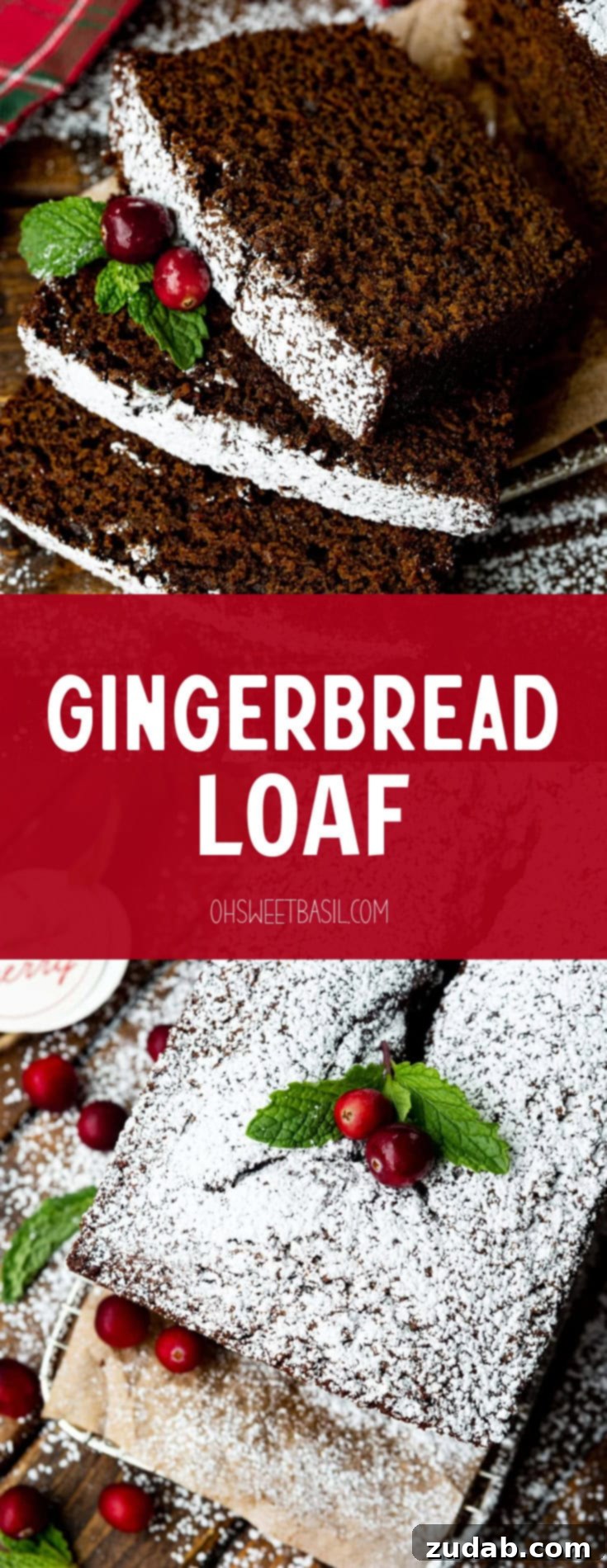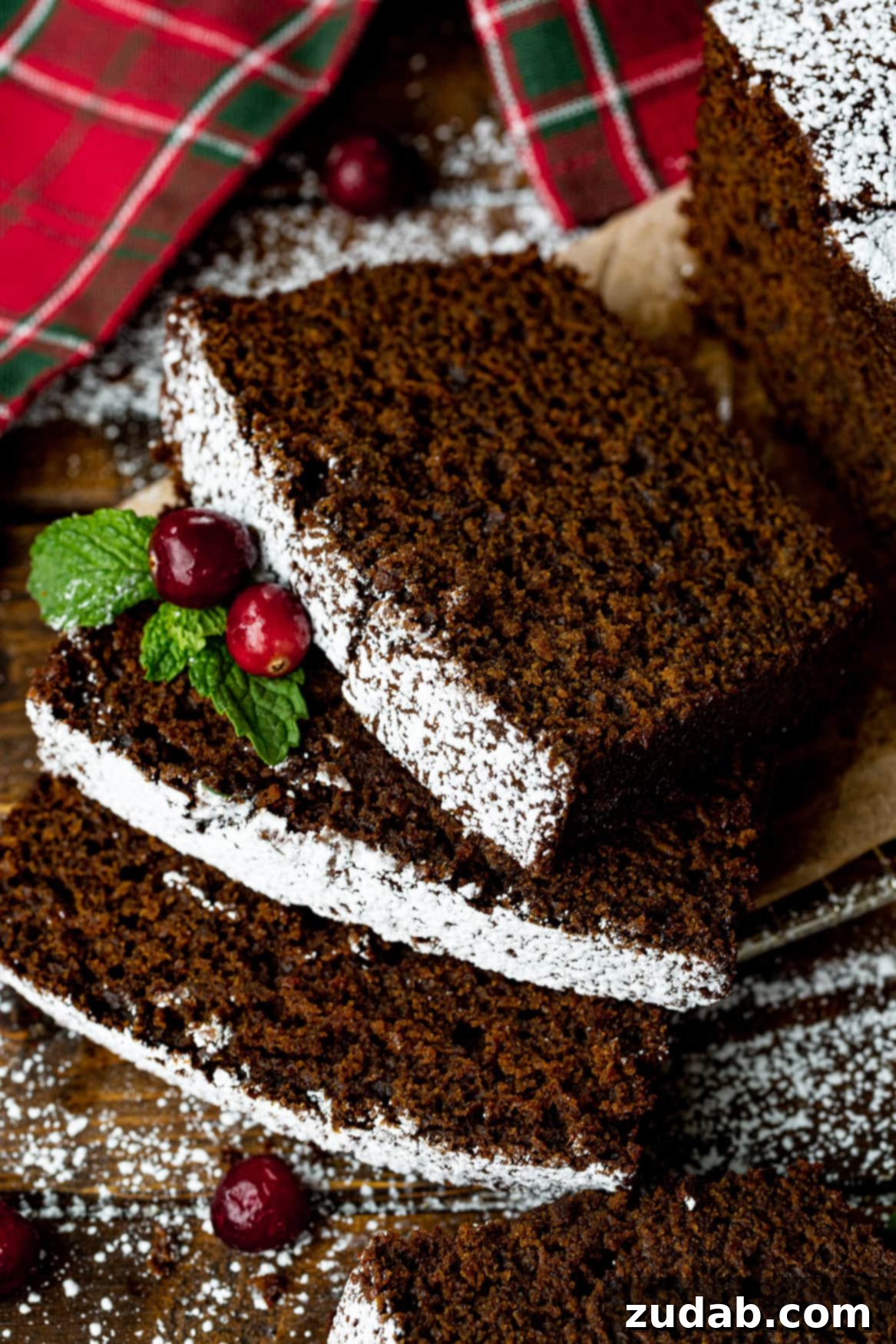
Unlock the secret to baking a truly exceptional gingerbread loaf, a quintessential holiday quick bread that encapsulates the rich, warm essence of the festive season. This recipe promises a remarkably moist, dense, and flavorful loaf that will undoubtedly become a cherished favorite at any holiday gathering, brunch, or simply as a comforting treat with your morning coffee.
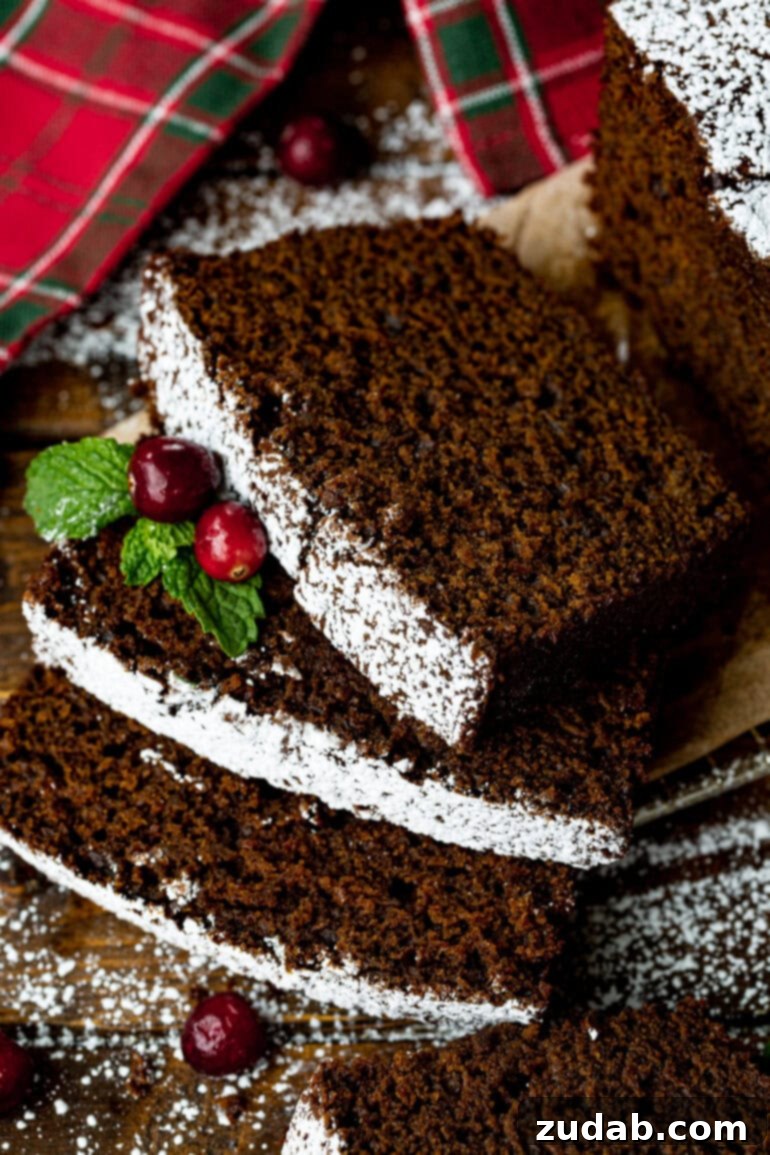
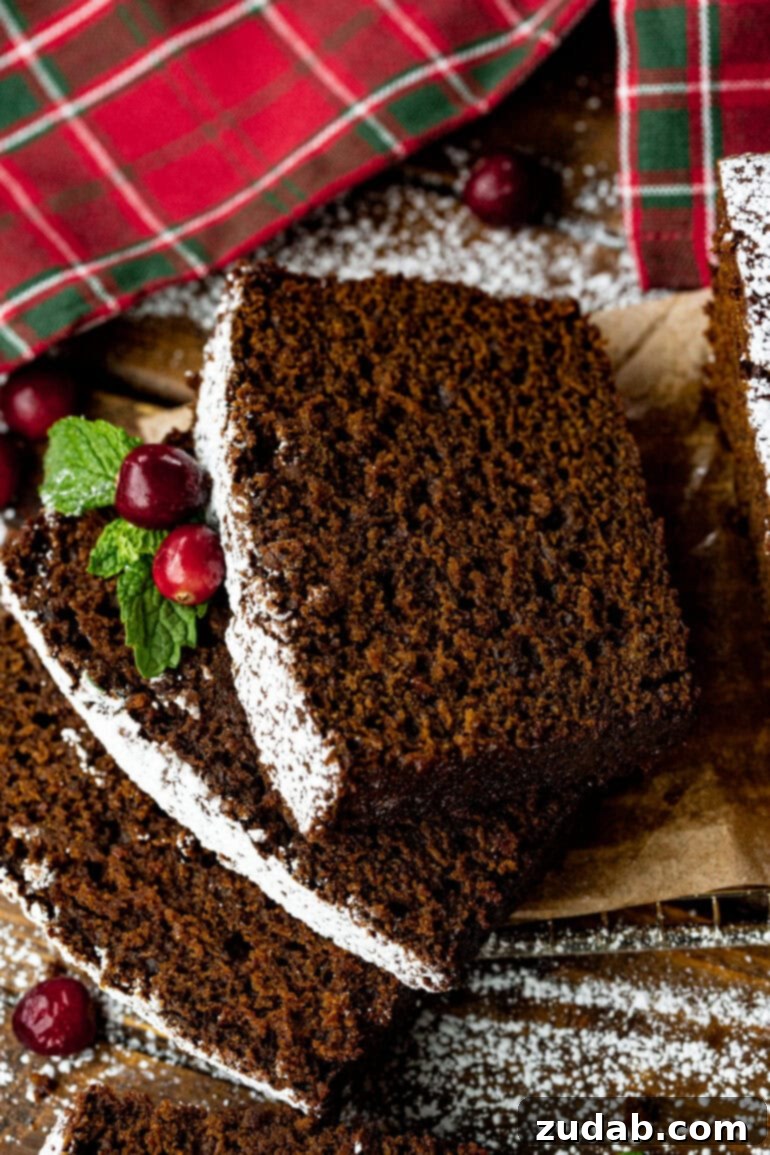
For over a decade, my kitchen was a testing ground for countless gingerbread loaf recipes, each attempt leaving me disappointed with dry textures or lackluster flavor. That long search ended with this very recipe. It’s the culmination of years of experimentation, resulting in a gingerbread loaf that hits all the right notes: perfectly moist, wonderfully dense, bursting with authentic spice, and possessing a delightful springiness. It is, without exaggeration, pure gingerbread perfection.
And when it comes to gingerbread, I consider myself something of an expert! If you’ve ever tried our soft and chewy gingerbread man cookie recipe, you’ll know the kind of gingerbread heaven I speak of. This delightful molasses quick bread mirrors the deep, aromatic flavors of those beloved cookies, but in a convenient and sliceable loaf form. It’s incredibly versatile, making it ideal for breakfast, a festive brunch centerpiece, an irresistible dessert, or a cozy afternoon snack.
Essential Ingredients for the Ultimate Gingerbread Loaf
Crafting a gingerbread loaf that stands out requires a thoughtful selection of ingredients. This recipe brings together a harmonious blend of classic holiday spices and rich, moistening components to create a bread that is both deeply flavorful and wonderfully tender. Here’s a breakdown of what you’ll need:
- Dry Ingredients:
- All-Purpose Flour: The structural foundation of our quick bread.
- Baking Soda: Our primary leavening agent, which reacts with the acidic buttermilk and molasses to provide lift and a tender crumb.
- Nutmeg, Ground Ginger, Ground Cinnamon, Ground Cloves, Allspice: This carefully balanced medley of warm, aromatic spices is the heart and soul of traditional gingerbread flavor. Each spice contributes a unique note, creating a complex and inviting profile.
- Salt: A crucial ingredient that enhances all the other flavors, balancing the sweetness and intensifying the spice notes.
- Wet Ingredients:
- Granulated Sugar and Brown Sugar: A combination of sugars provides both sweetness and moisture. Brown sugar, with its molasses content, also adds to the rich, caramel-like notes in the loaf.
- Vegetable Oil: Contributes to the loaf’s incredible moisture and tender texture, keeping it soft for days.
- Apple Butter: A secret ingredient that adds a subtle fruitiness, depth of flavor, and extra moisture without making the bread taste distinctly like apples.
- Molasses: The signature ingredient for authentic gingerbread. Use light or regular molasses for its distinct, robust, and slightly smoky sweetness, which is integral to the loaf’s color and characteristic flavor.
- Vanilla Extract: A universal flavor enhancer, vanilla complements the spices beautifully.
- Eggs: Provide structure, richness, and help bind the ingredients together for a cohesive batter.
- Buttermilk: A powerhouse ingredient for quick breads, buttermilk reacts with baking soda to create a light, fluffy, and incredibly tender crumb.
- Garnish:
- Powdered Sugar: For a beautiful, festive “snowy” dusting that adds a touch of elegance and extra sweetness.
The precise quantities for each ingredient are detailed in the full recipe instructions below, ensuring you have everything you need to bake this holiday masterpiece.
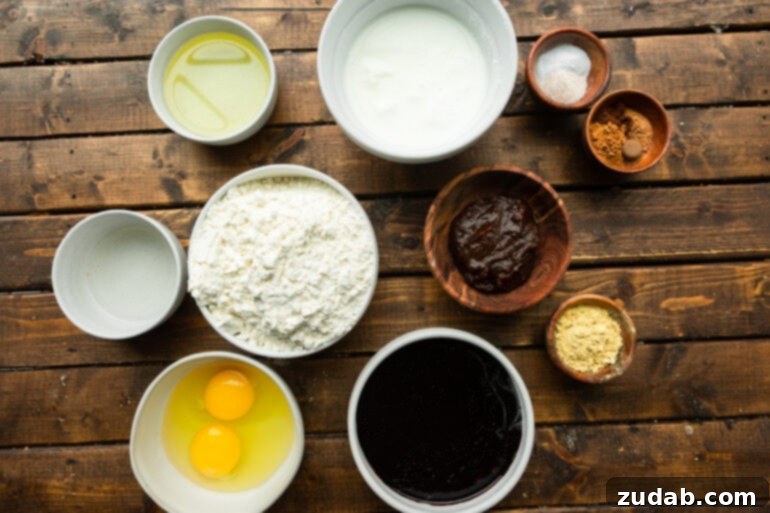
Step-by-Step Guide to Baking a Flawless Gingerbread Loaf
Creating this rich and aromatic gingerbread loaf follows the straightforward principles of quick bread baking: prepare your dry ingredients, combine your wet ingredients, gently mix them together, and then bake. Here’s a detailed breakdown of each step, designed to ensure your gingerbread loaf turns out perfectly every time:
- Preparation is Key: Begin by preheating your oven to a precise 350 degrees Fahrenheit (175 degrees Celsius). While the oven heats, thoroughly grease and lightly flour a standard 8.5 x 4.5-inch or 9 x 5-inch bread loaf pan. This crucial step prevents sticking and ensures your beautiful loaf releases easily.
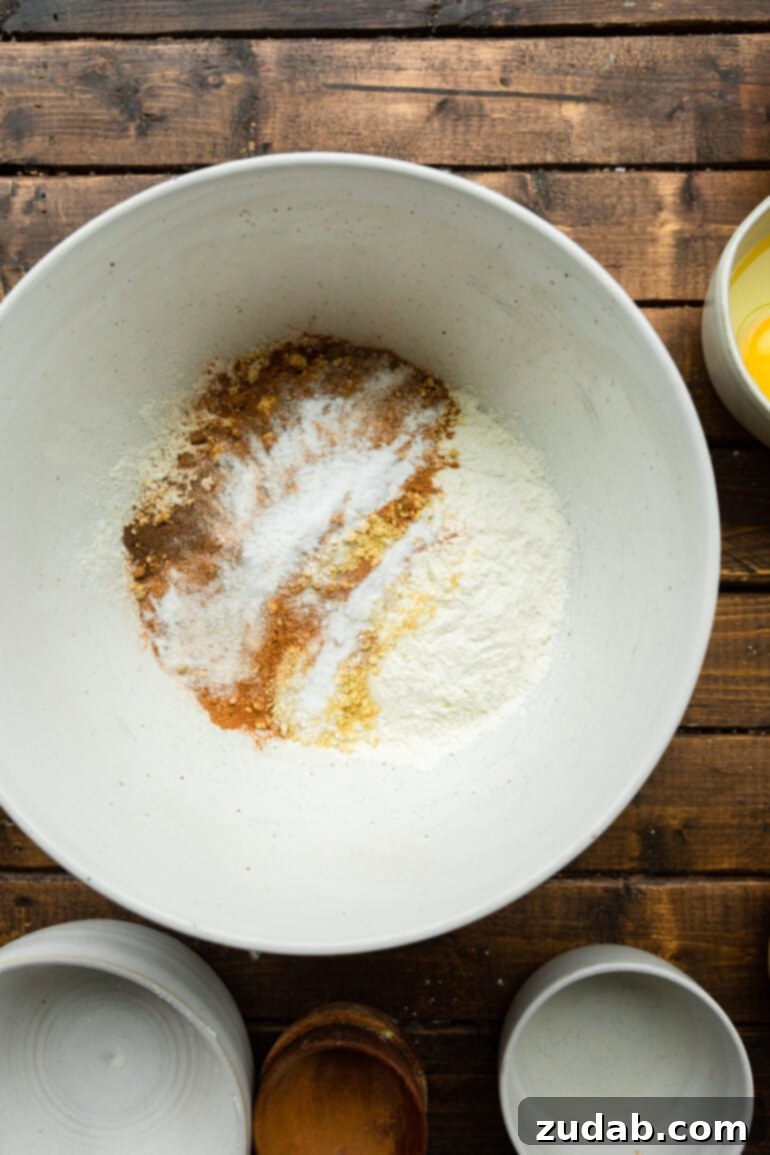
- Whisk the Dry Wonders: In a medium-sized mixing bowl, combine all your dry ingredients: the all-purpose flour, baking soda, ground nutmeg, ground ginger, ground cinnamon, ground cloves, allspice, and salt. Use a whisk to thoroughly blend them together. This ensures that the leavening agents and spices are evenly distributed throughout the flour, leading to consistent texture and flavor in every bite. Set this mixture aside.
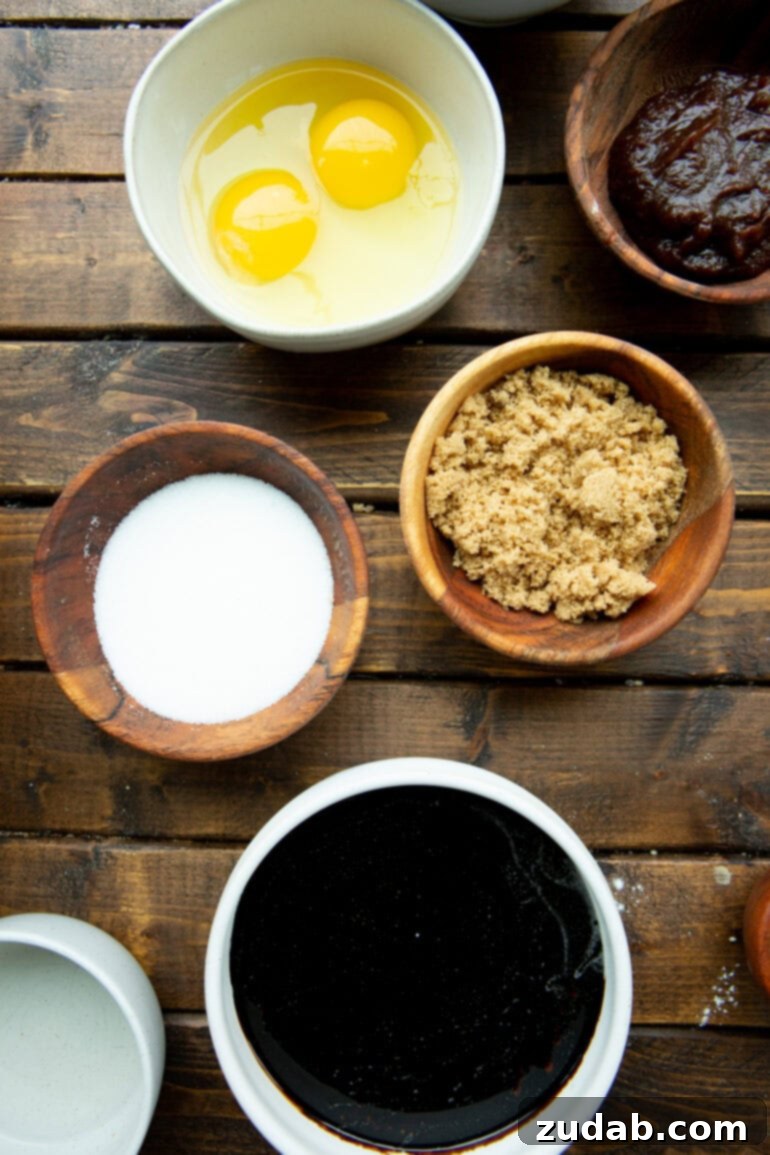
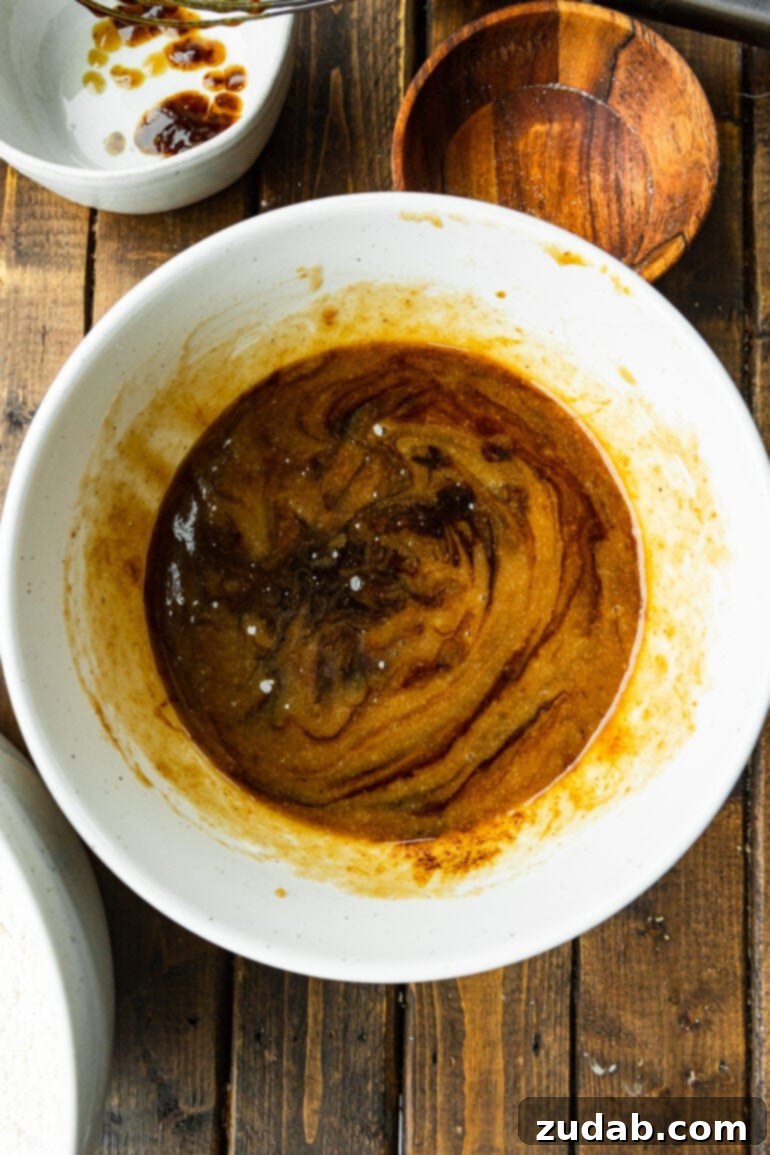
- Cream the Rich Wet Ingredients: In a large mixing bowl, the sugars (granulated and brown), vegetable oil, and apple butter (if using) are added. Cream these together until they are well combined and smooth. This process incorporates air and creates a uniform base. Next, stir in the molasses and vanilla extract, mixing until fully incorporated and the mixture is rich and fragrant. Finally, add the eggs one at a time, beating well after each addition until they are thoroughly blended into the mixture.
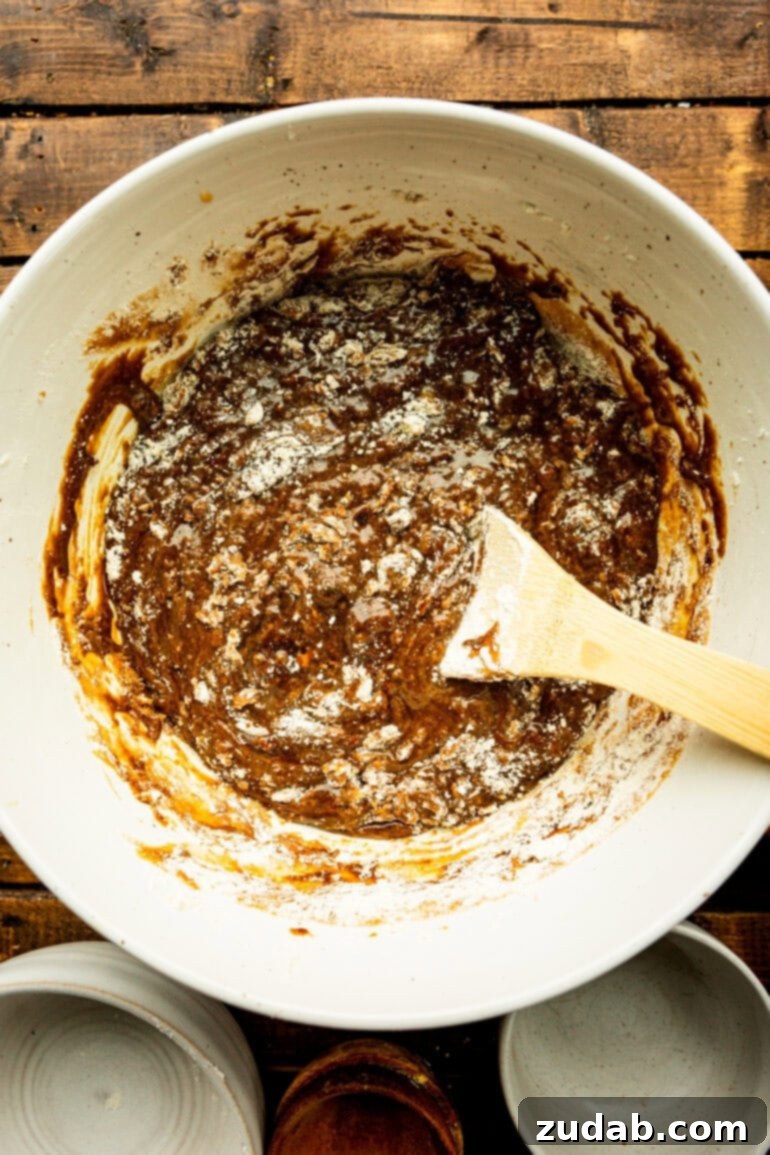
- Gently Combine Mixtures: Gradually add the reserved dry flour mixture to the wet ingredients. Stir gently with a spoon or spatula, just until a few streaks of flour are still visible. Be careful not to overmix at this stage; overmixing can develop the gluten in the flour too much, resulting in a tough, dry loaf.
- Fold in the Buttermilk Magic: With those few streaks of flour remaining, pour in the buttermilk. Gently fold it into the batter until just combined. The acidity of the buttermilk will react with the baking soda, initiating the leavening process and ensuring a light, tender crumb. Again, avoid overmixing.
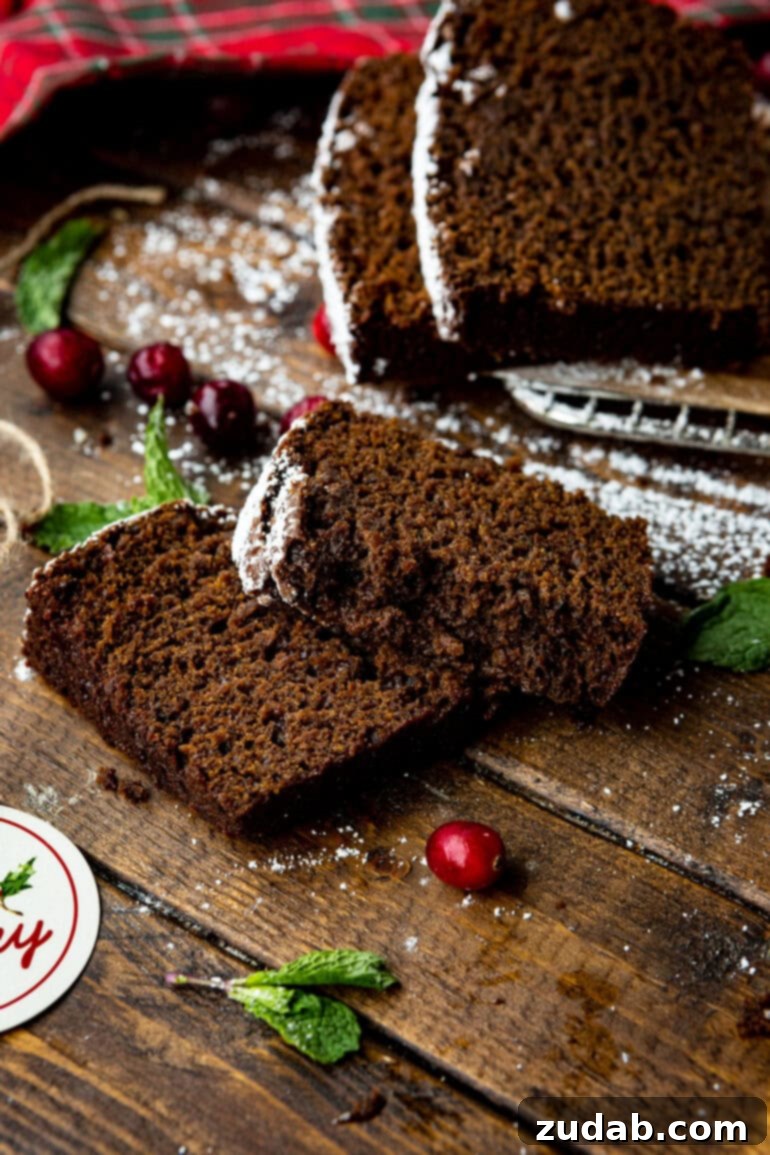
- Bake to Golden Perfection: Pour the beautifully spiced batter into your prepared bread loaf pan, spreading it evenly. Transfer the pan to the preheated oven and bake for 50-60 minutes. The loaf is ready when a wooden skewer or toothpick inserted into the center comes out clean or with only a few moist crumbs attached. The top will be a deep golden brown and the edges will be set.
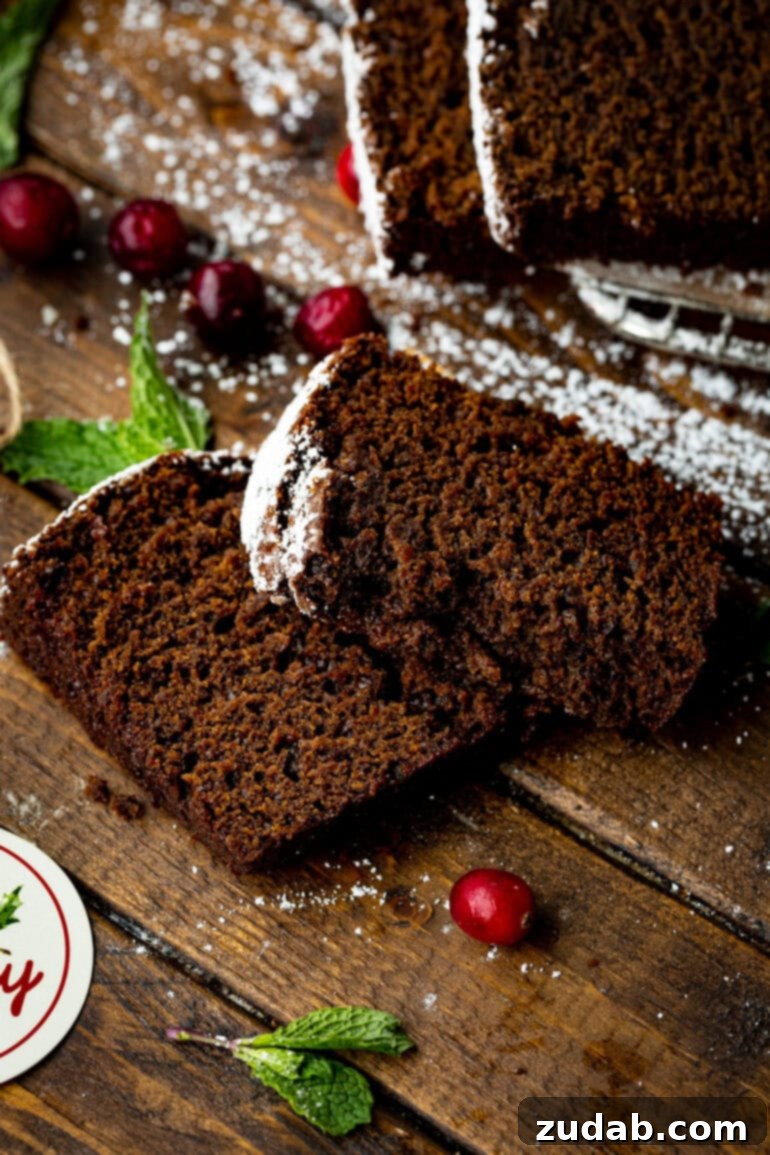
- Cooling for Optimal Texture: Once baked, remove the gingerbread loaf from the oven and let it cool in the pan for about 10 minutes. This allows the loaf to set further and prevents it from collapsing. After 10 minutes, carefully invert the loaf onto a wire cooling rack and let it cool completely. Cooling on a rack ensures air circulation, preventing a soggy bottom.
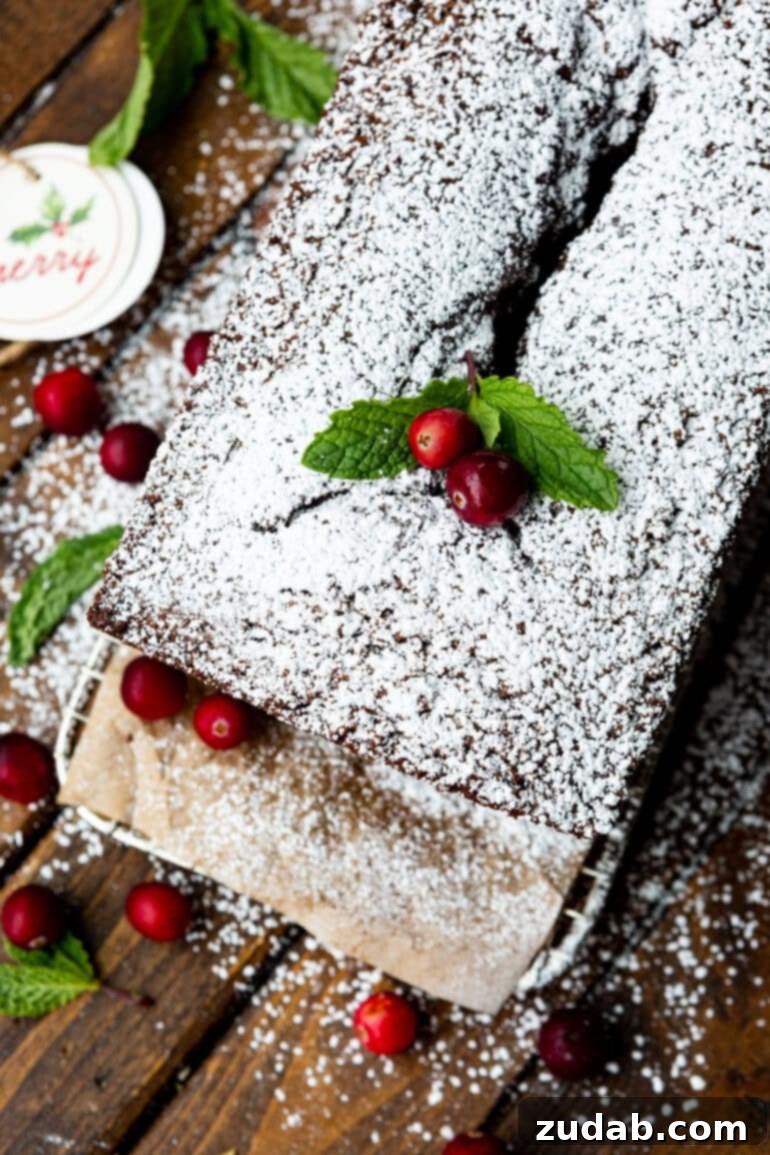
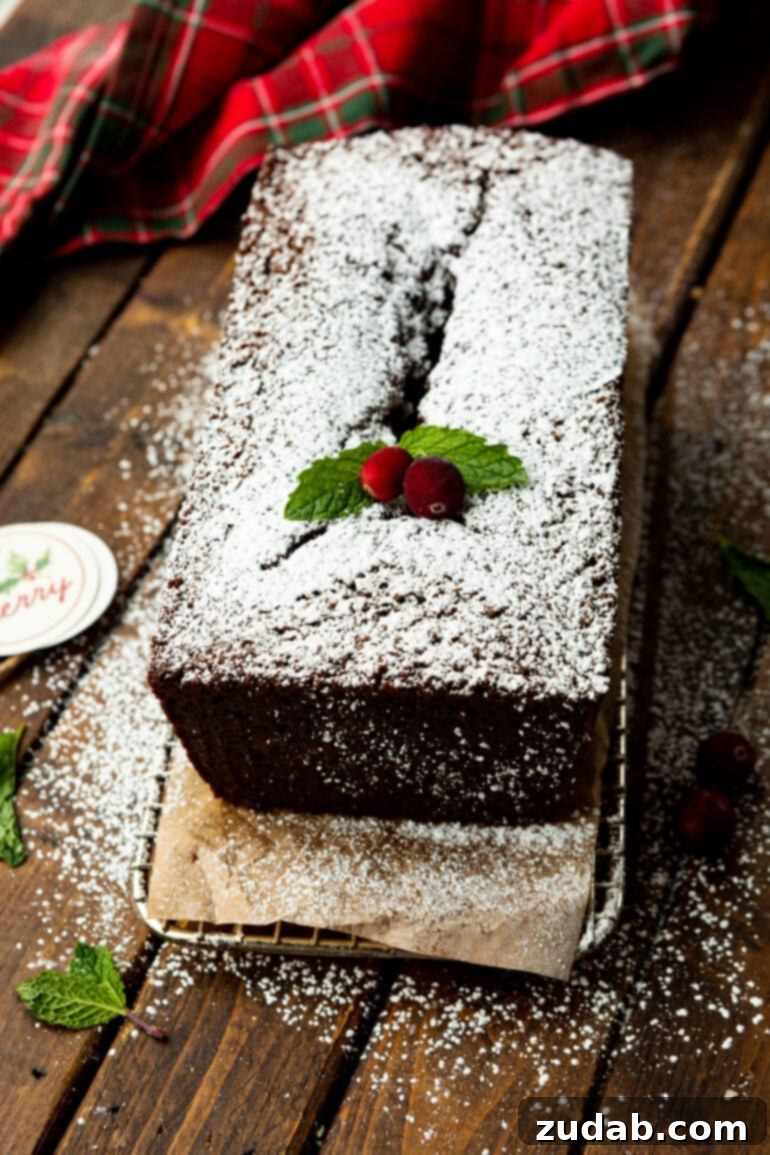
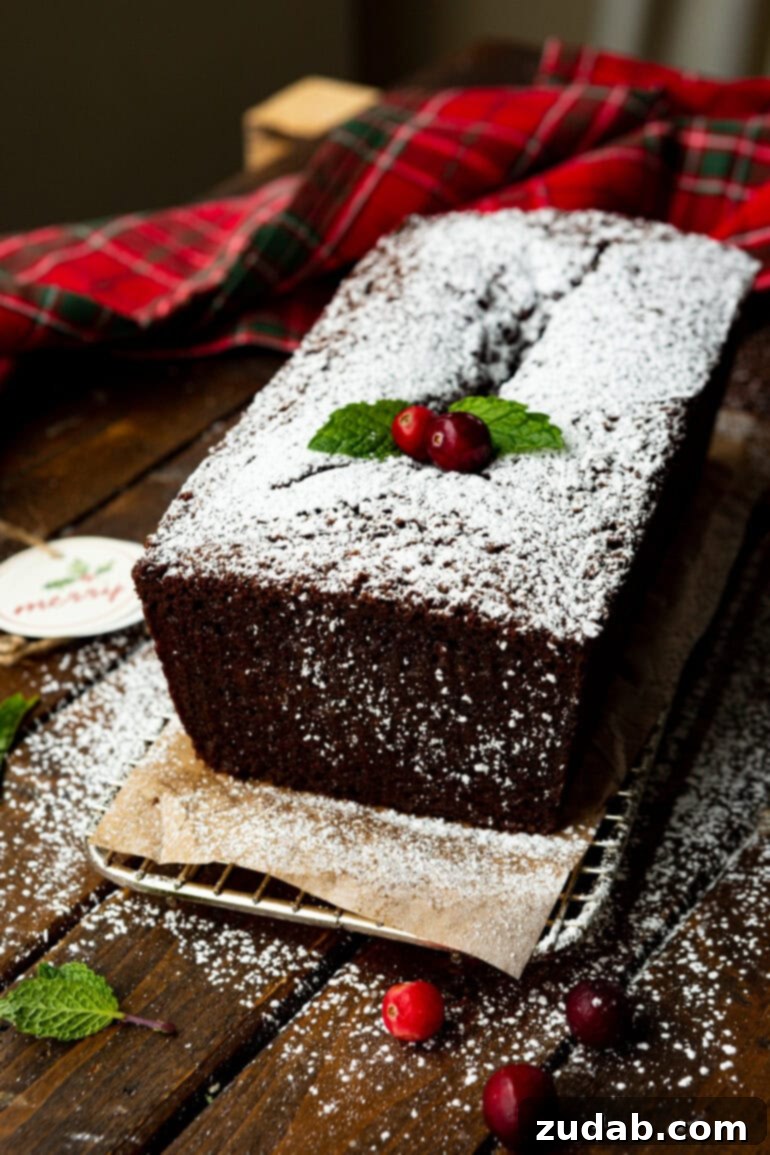
- Dust with Festive Flair: Once the gingerbread loaf has cooled down completely to room temperature, delicately dust the top with powdered sugar. This final touch adds a beautiful “snowy” presentation, making it even more inviting and festive.
You’ll find the complete, printable recipe card with exact measurements and detailed notes at the very end of this comprehensive guide. Keep scrolling for all the specifics and to save this fantastic recipe!
Expert Tips for Baking Your Best Gingerbread Loaf
Achieving a perfect gingerbread loaf is simple with a few insider tips:
- Amplify the Spice: If you crave an even more intense holiday spice flavor, feel free to increase the quantity of ground ginger, cinnamon, nutmeg, cloves, and allspice by one-and-a-half times, or even double them. However, for your first bake, I highly recommend following the recipe as written. You can always taste a tiny bit of the batter before baking (ensuring no raw egg is consumed) to gauge if you’d like to add more spice next time. Adjusting to your preference ensures a personalized gingerbread experience.
- The Art of Mixing: When it comes to combining the wet and dry ingredients, a common pitfall is over-mixing. I’ve found that alternating between adding dry ingredients and buttermilk often increases the likelihood of over-developing the gluten. Instead, my preferred method is to stir the dry mixture into the wet until just a few streaks of flour are still visible. At this point, pour in all the buttermilk at once and gently fold until everything is just combined. This technique minimizes mixing and promotes a wonderfully tender crumb.
- Don’t Overbake: Quick breads can dry out easily. Always keep a close eye on your gingerbread loaf during the last 10-15 minutes of baking. A toothpick inserted into the center should come out clean or with moist crumbs, not wet batter. Overbaking will lead to a dry, crumbly loaf.
- Room Temperature Ingredients: Ensure your eggs and buttermilk are at room temperature. This allows them to incorporate more smoothly into the batter, creating a more uniform emulsion and a better overall texture in your finished loaf.
- Enjoy the Aroma: Once your gingerbread loaf is in the oven, take a moment to savor the experience. The intoxicating scent of warming spices will soon fill your home, creating an instantly cozy and festive atmosphere. This delightful fragrance is, for many, the absolute best part of holiday baking!
The Magic of Buttermilk in Baking
Buttermilk is a truly incredible ingredient in the world of baking and cooking, often bringing a touch of “magic” to recipes. Our buttermilk pancakes, for instance, are widely considered the best in any land! In this gingerbread loaf recipe, buttermilk plays a vital role. It’s an acidic liquid that reacts with the baking soda, producing carbon dioxide bubbles. These bubbles are what give the loaf its fantastic lift, bounce, and an incredibly tender, soft crumb. This chemical reaction is essential for achieving the perfect quick bread texture. For the absolute best results, I strongly recommend using real buttermilk. While substitutions exist, they often don’t deliver the same depth of flavor or the ideal textural benefits that genuine buttermilk provides.
Choosing the Right Molasses for Gingerbread
Molasses is the undisputed star of any classic gingerbread recipe, imparting that signature deep, rich flavor and a beautiful dark hue. When selecting molasses for your gingerbread loaf, it’s crucial to choose the right type. Always opt for regular or light molasses. These varieties offer a perfect balance of sweetness and that distinct, slightly smoky molasses flavor without being overpowering. Avoid blackstrap molasses, which is significantly more bitter and intense, and would likely overpower the delicate balance of spices in this recipe. For many bakers, including myself, Grandma’s brand of unsulphured molasses is a go-to choice, consistently delivering excellent results.
Can This Gingerbread Loaf Recipe Be Made into Muffins?
Absolutely! This versatile gingerbread batter makes fantastic muffins. If you’re looking for individual portions or a quicker baking time, transforming this loaf recipe into muffins is a brilliant idea. To do so, simply line a 12-cup muffin pan with paper liners or spray each well thoroughly with cooking spray. Fill each muffin cup approximately two-thirds full with the batter. Bake in a preheated 350-degree Fahrenheit (175 degrees Celsius) oven for about 20-25 minutes, or until a toothpick inserted into the center of a muffin comes out clean. This recipe typically yields around 18 delicious gingerbread muffins, perfect for sharing or enjoying throughout the week.
Delectable Variations and Serving Suggestions
While this gingerbread loaf is utterly delicious on its own, its robust and comforting flavor profile makes it an excellent canvas for creative additions and toppings. Don’t hesitate to experiment and customize your loaf to your taste:
- Dried Fruits: For added texture and bursts of sweet-tart flavor, fold in 1/2 to 1 cup of dried fruits into the batter before baking. Raisins, dried cranberries (craisins), chopped dried apricots, or even candied ginger would be absolutely delightful.
- Nutty Crunch: Introduce a pleasant crunch by mixing in 1/2 to 1 cup of chopped nuts. Pecans, walnuts, or almonds would complement the gingerbread spices beautifully. Lightly toasting the nuts beforehand can enhance their flavor even further.
- Chocolate Indulgence: For a decadent twist, consider adding 1/2 to 1 cup of chocolate chips – dark, milk, or even white chocolate chunks – to the batter. The combination of warm spices and melting chocolate is truly irresistible.
- Zesty Glazes: Elevate the loaf with a simple glaze. A classic vanilla glaze (powdered sugar, milk, vanilla extract) or a bright orange glaze (powdered sugar, orange juice, orange zest) would add a lovely finish and an extra layer of flavor.
- Cream Cheese Frosting: For ultimate indulgence, especially if serving as a dessert, top your cooled gingerbread loaf with a luscious cream cheese frosting. The tangy sweetness of the frosting perfectly balances the rich, spicy gingerbread.
- Serving Ideas: Enjoy a slice warm with a dollop of whipped cream, a scoop of vanilla bean ice cream, or simply with a cup of tea or coffee. It’s also perfect for holiday gifting to neighbors, friends, or as a thoughtful hostess present.
Gingerbread is such a fantastic base flavor, making it incredibly versatile for countless delicious additions and enhancements. Get creative and make this holiday treat truly your own!
Storing Your Delicious Gingerbread Loaf for Freshness
To ensure your homemade gingerbread loaf stays wonderfully fresh and moist for as long as possible, proper storage is essential:
- Room Temperature: For immediate enjoyment, leftover gingerbread can be stored at room temperature in an airtight container for up to 48 hours. This helps maintain its soft texture and prevents it from drying out.
- Refrigeration for Extended Freshness: If you wish for your loaf to last a little longer, it will keep beautifully in the refrigerator for 4-5 days. Always store it in an airtight container or wrapped tightly in plastic wrap to prevent it from absorbing odors from other foods or drying out.
- Freezing for Long-Term Storage: Gingerbread loaf freezes exceptionally well, making it perfect for preparing ahead of time or enjoying later. Once the loaf has completely cooled, wrap it tightly in plastic wrap, ensuring no air pockets, and then wrap it again in aluminum foil. You can freeze the whole loaf or slice it into individual portions before wrapping for convenient thawing. Stored this way, it will keep for up to 3 months. To enjoy, simply let it thaw to room temperature on your countertop before serving. You can also gently warm individual slices in the microwave or oven for a “freshly baked” experience.
Proper storage ensures that every slice remains as delightful as the first, allowing you to savor the festive flavors of your gingerbread loaf whenever a craving strikes.
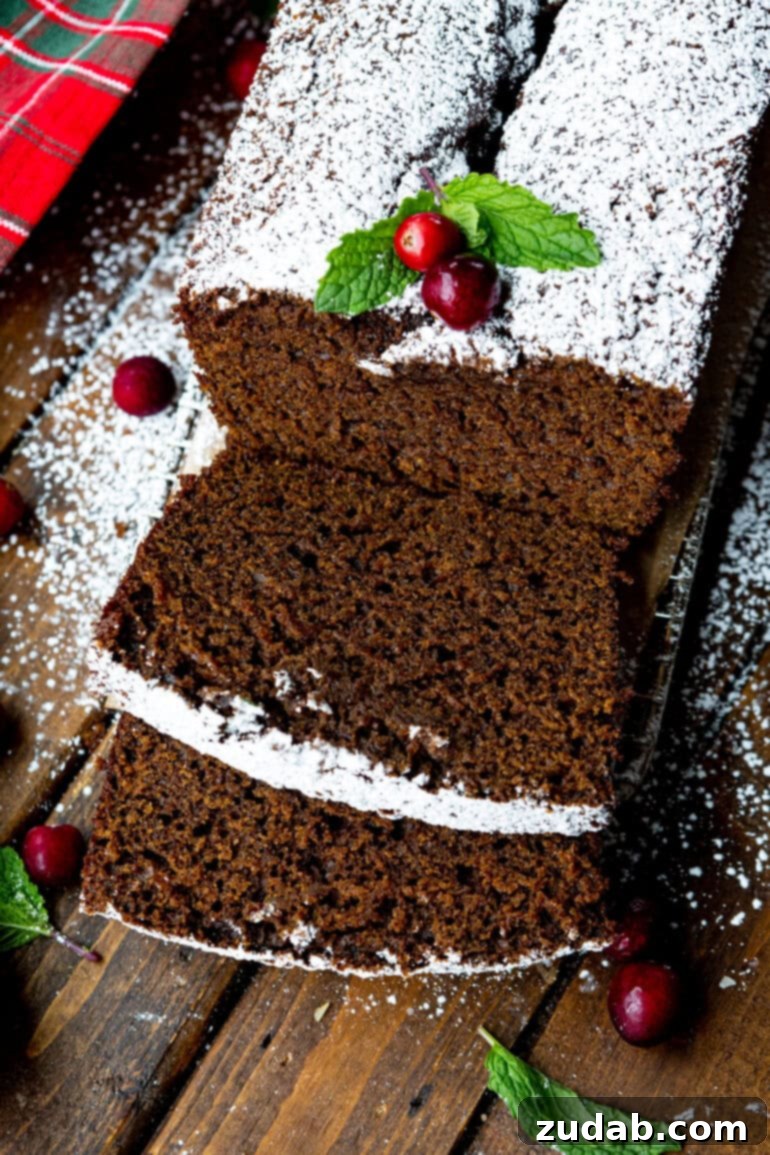
Indulge in the rich, warm flavors of the holiday season with this easy and incredibly tasty gingerbread loaf recipe. Whether you’re baking for family, sharing with friends, or simply treating yourself, this moist and flavorful quick bread is destined to become a new favorite tradition in your home. Get ready to fill your kitchen with the irresistible aroma of gingerbread!
More Delightful Gingerbread Recipes to Explore:
- Soft and Chewy Gingerbread Man Cookies
- Gingerbread Bars with Cream Cheese Frosting
- Warm Gingerbread Cake with Lemon Sauce
- Creamy Gingerbread Dip
- Classic Gingerbread Cake with Cream Cheese Frosting
- The Best Soft Gingerbread Cookies
- Festive Gingerbread Bundt Cake
Gingerbread Loaf Recipe
Prep Time: 15 minutes
Cook Time: 50 minutes
Total Time: 1 hour 35 minutes (includes cooling)
Yields: 12 slices
Ingredients
- 2 Cups All-Purpose Flour
- 1 teaspoon Baking Soda
- ¾ teaspoon Ground Nutmeg
- 2½ teaspoons Ground Ginger
- 1½ teaspoons Ground Cinnamon
- ¼ teaspoon Ground Cloves
- ¼ teaspoon Allspice
- ½ teaspoon Salt
- ¼ Cup Granulated Sugar
- ¼ Cup Brown Sugar
- ⅓ Cup Vegetable Oil
- ¼ Cup Apple Butter (see note below)
- ¾ Cup Molasses (light or regular)
- 2 teaspoons Vanilla Extract
- 2 large Eggs
- 1 Cup Buttermilk
- Powdered Sugar, for garnish
Instructions
- Preheat your oven to 350°F (175°C). Grease an 8½”x 4½” or 9×5″ inch loaf pan thoroughly with cooking spray and lightly flour it.
- In a medium mixing bowl, whisk together the flour, baking soda, ground nutmeg, ground ginger, ground cinnamon, ground cloves, allspice, and salt until well combined. Set aside.
- In a large bowl, cream together the granulated sugar, brown sugar, vegetable oil, and apple butter (if using) until the mixture is smooth and well combined. Stir in the molasses and vanilla extract, mixing thoroughly. Add the eggs one at a time, beating well after each addition until fully incorporated.
- Add the flour mixture to the wet ingredients. Stir gently using a spatula or spoon, just until a few streaks of flour remain.
- Pour in the buttermilk and gently fold it into the batter until just combined. Be careful not to overmix; overmixing can result in a tough loaf.
- Pour the batter evenly into your prepared loaf pan. Bake for 50-60 minutes, or until a wooden skewer inserted into the center comes out clean or with a few moist crumbs attached.
- Allow the gingerbread loaf to cool in the pan for 10 minutes. Then, carefully remove it from the pan and transfer it to a wire cooling rack to cool completely.
- Once the loaf has fully cooled to room temperature, dust the top generously with powdered sugar for a beautiful finish.
Recipe Notes
- If you do not have apple butter, you can simply omit it from the recipe. In this case, increase the vegetable oil to ½ cup to maintain the desired moisture content.
- To prevent over-mixing, which can lead to a tough loaf, I recommend adding the dry ingredients to the wet ingredients and stirring until just a few flour streaks are visible. Then, add all the buttermilk and fold until just combined. This method minimizes gluten development.
Nutrition Information (Approximate per slice)
Serving: 1 slice, Calories: 208 kcal, Carbohydrates: 45g, Protein: 4g, Fat: 2g, Saturated Fat: 1g, Polyunsaturated Fat: 0.3g, Monounsaturated Fat: 0.5g, Trans Fat: 0.003g, Cholesterol: 29mg, Sodium: 230mg, Potassium: 387mg, Fiber: 1g, Sugar: 28g, Vitamin A: 75IU, Vitamin C: 0.1mg, Calcium: 82mg, Iron: 2mg.
Nutrition information is automatically calculated and should only be used as an approximation.