
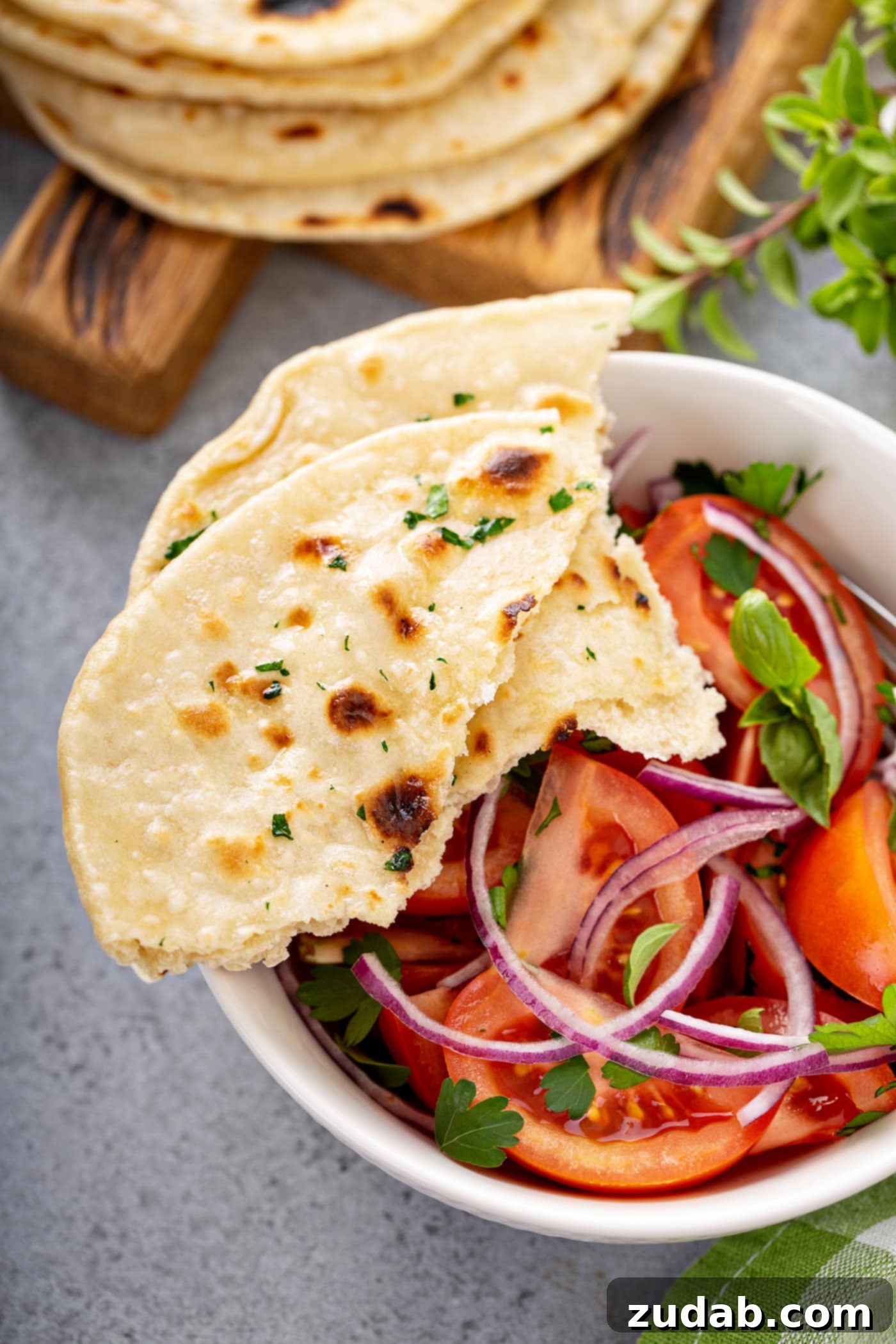
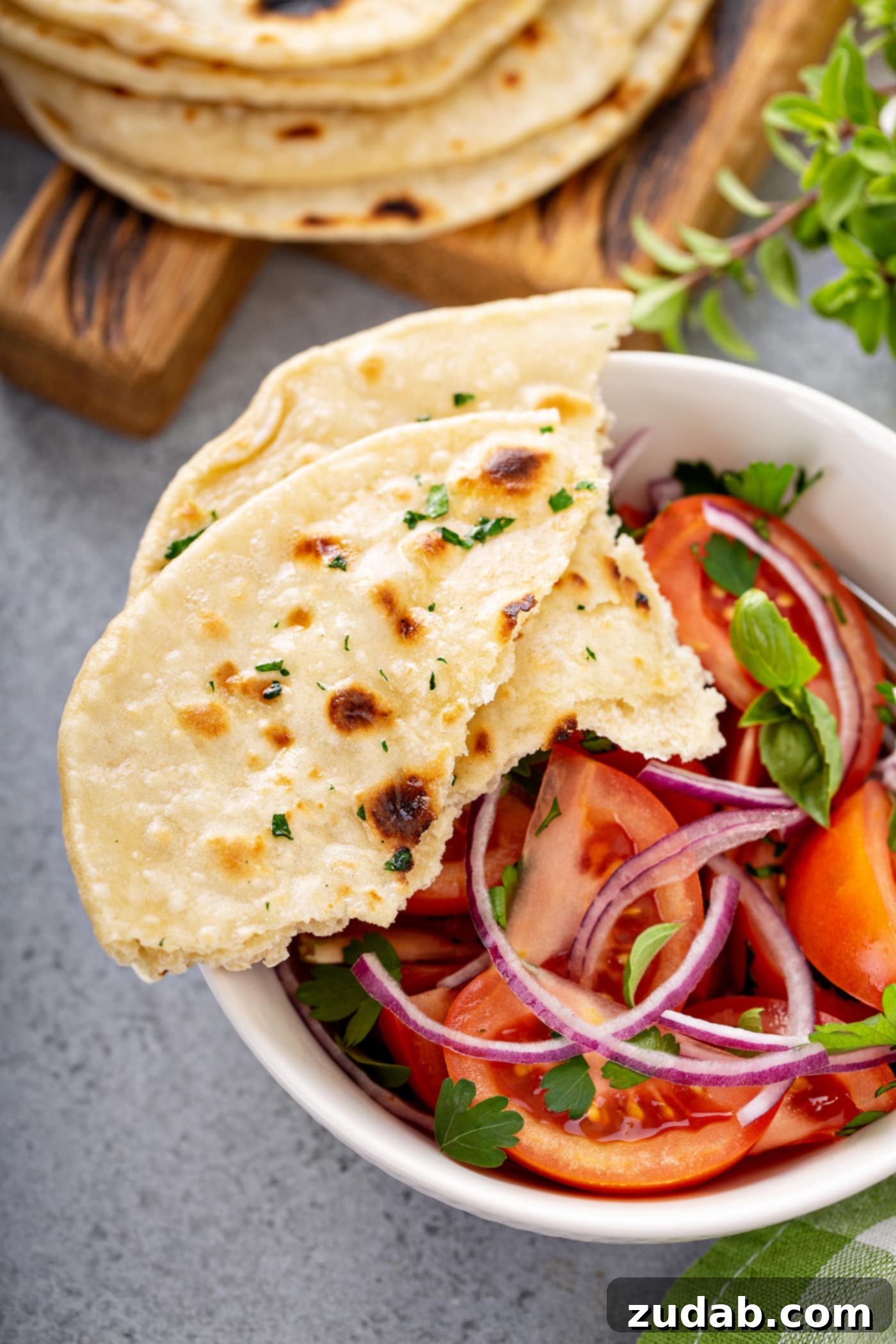
Discover the ultimate simplicity in baking with our **Quick and Easy 3-Ingredient Unleavened Bread Recipe**! This ancient flatbread, requiring just flour, salt, and water, is not only incredibly simple to prepare but also a deeply meaningful addition to any meal, particularly special family gatherings. Last year, our family embraced the tradition of a Nativity dinner, designed to help our children connect with and remember Jesus Christ during Christmas and Easter. This humble yet delicious unleavened bread quickly became a beloved staple, cherished by everyone at the table.
When I first envisioned creating a Nativity dinner, my research led me to explore the typical foods consumed in Jerusalem during the time of Christ’s birth, especially around the Passover week. My aim was to craft a meal that authentically reflected the historical period, offering a tangible connection to ancient traditions. Among the various dishes considered, unleavened bread consistently emerged as a cornerstone. Its inherent simplicity and versatility made it the perfect accompaniment for other traditional recipes I had planned, such as our creamy homemade hummus, creating a truly immersive and memorable dining experience for the entire family.
Historical Significance of Unleavened Bread
Unleavened bread holds profound historical and religious significance, particularly within Jewish and Christian traditions. It is famously associated with Passover (Pesach), commemorating the hurried departure of the Israelites from Egypt. During their exodus, there was no time for bread to rise, leading to the creation of matzo – a form of unleavened bread. This historical context makes it a powerful symbol of freedom, haste, and remembrance. Beyond religious observances, flatbreads without leavening agents have been a fundamental food source across numerous ancient cultures worldwide, valued for their ease of preparation, long shelf life (when dried), and ability to be cooked quickly over an open flame or in basic ovens. Serving this bread today connects us to these timeless traditions and the simple, essential foods that sustained people for millennia.
Why Choose This 3-Ingredient Unleavened Bread Recipe?
In a world of complex recipes and elaborate culinary techniques, this 3-ingredient unleavened bread stands out for its straightforward elegance. Its beauty lies in its simplicity, making it an ideal choice for novice bakers, busy parents, or anyone looking for a quick, wholesome side dish. There’s no yeast to proof, no lengthy rising times, and no specialized equipment required. You can go from raw ingredients to warm, fresh bread in mere minutes, transforming an ordinary meal into something special. This recipe embodies the spirit of practical, delicious cooking, proving that extraordinary flavor doesn’t always demand extraordinary effort. It’s perfect for dipping, scooping, or simply enjoying on its own.
Complete Nativity Dinner Menu:
To help you create your own meaningful Nativity dinner experience, here’s a menu featuring dishes inspired by the ancient world, perfectly complemented by our easy unleavened bread:
- Jerusalem Herb Chicken Thighs
- Hummus
- Wild Rice
- Naan
- Roasted Pear Salad
- Creamy Garlic Brussel Sprouts
- Chewy Gingerbread Man Cookies
What Ingredients Do I Need to Make Unleavened Bread?
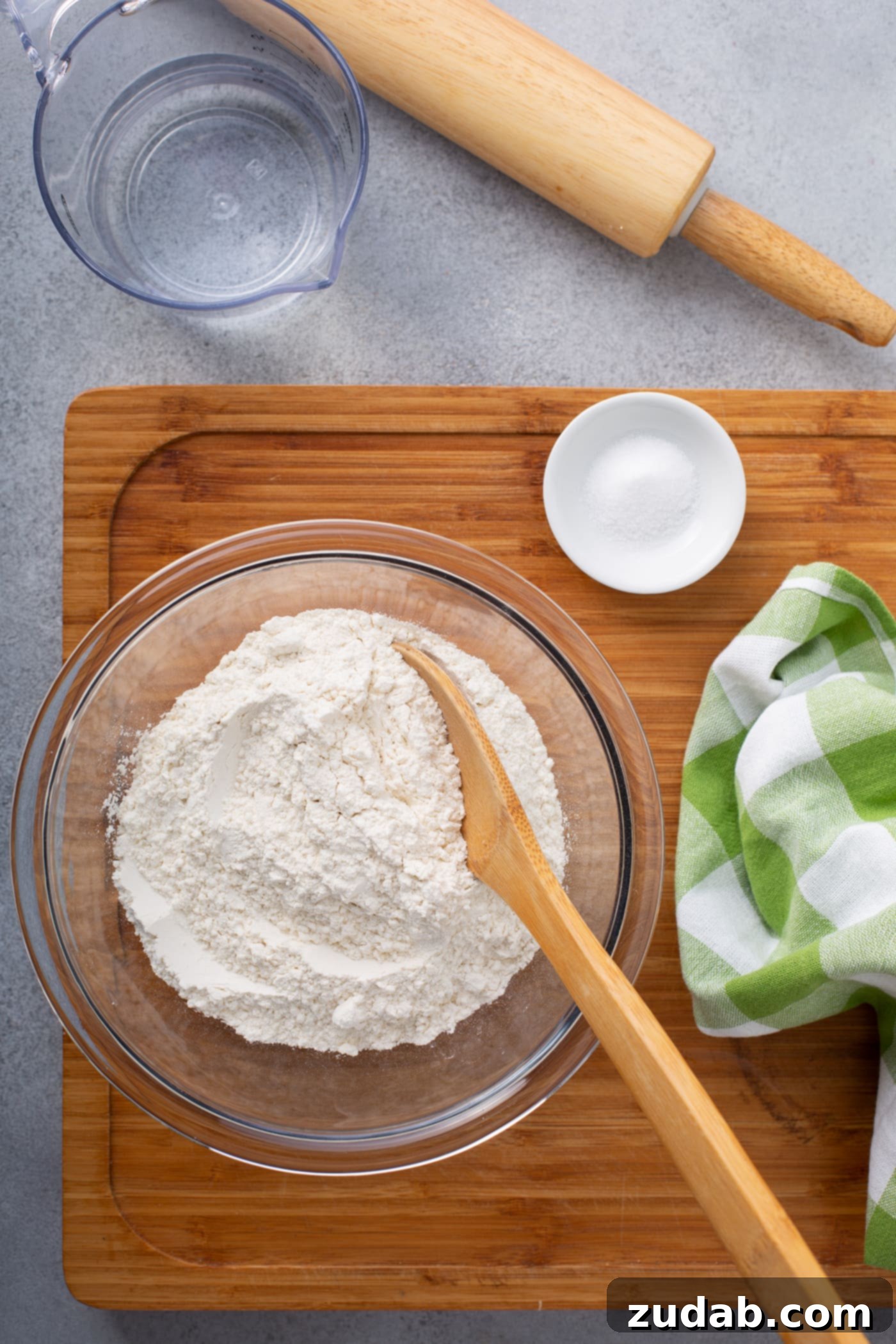
You’ll be amazed at how little you need to create such a versatile and satisfying bread. This recipe truly lives up to its name, requiring only **three core ingredients** – or, as some might argue, just two, since we often consider water a given in most cooking endeavors! The beauty of this minimalist approach is that you likely already have everything you need in your pantry right now, eliminating any need for a special grocery run.
- All-Purpose Flour: The foundation of our bread. All-purpose flour provides the necessary structure and texture. For a healthier, heartier option, you can experiment with whole wheat flour, though it might absorb a bit more water and result in a denser bread.
- Salt: Essential for flavor! Salt doesn’t just make the bread taste good; it also helps enhance the natural flavors of the flour and ensures a balanced profile.
- Water: The binding agent that brings everything together. Cold water is generally preferred as it helps prevent gluten from developing too quickly, resulting in a more pliable dough that’s easier to work with.
With such a short and simple ingredient list, and absolutely no rising time required, there’s truly no excuse not to whip up a batch of this delicious unleavened bread. It’s perfect for last-minute meal additions or spontaneous snack cravings!
How to Make Unleavened Bread: A Step-by-Step Guide
Thought the ingredient list was simple? Prepare to be even more impressed by the incredibly easy process of bringing this unleavened bread to life! Forget complicated techniques or hours in the kitchen; this recipe is designed for maximum flavor with minimal fuss. Ready to dive in?
- Combine Dry Ingredients: In a medium-sized mixing bowl, thoroughly combine the all-purpose flour and salt. Use a whisk or a spoon to ensure they are evenly distributed. This step is crucial for consistent flavor throughout the bread.
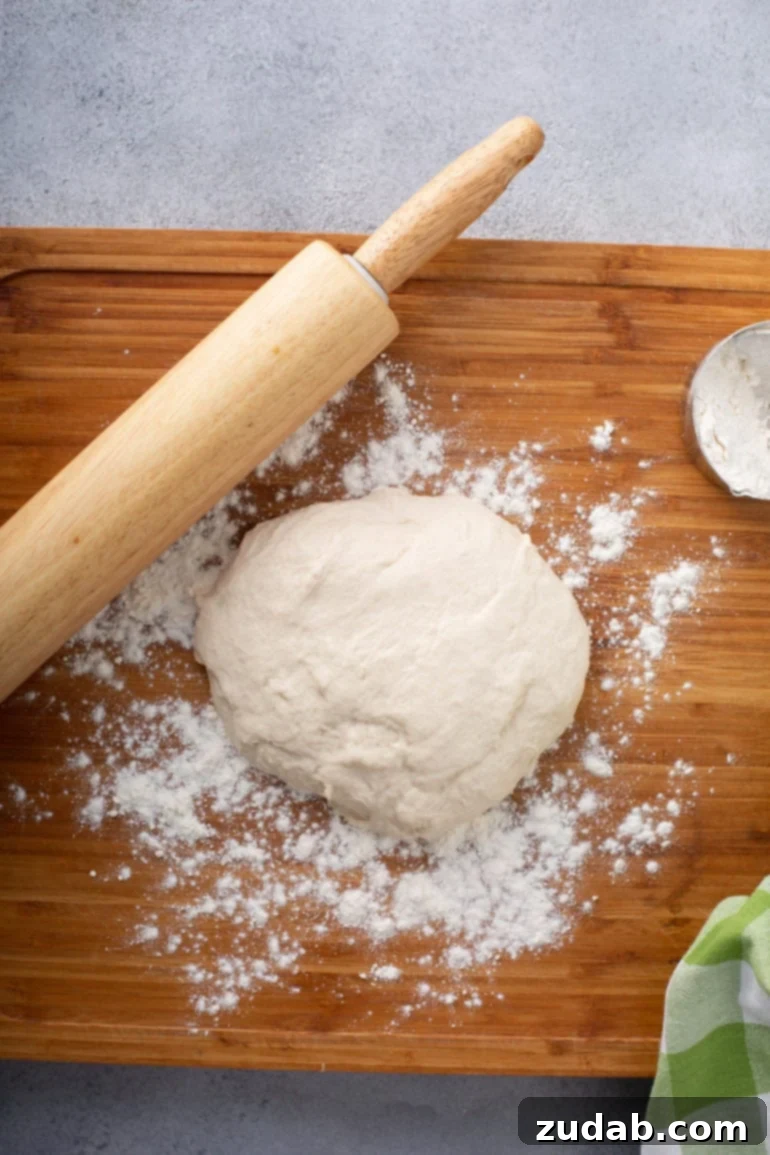
- Add Water to Form Dough: Gradually add the cold water to the flour and salt mixture. Stir with a spoon or your hands until the ingredients come together and form a cohesive, shaggy ball of dough. Avoid over-mixing at this stage, as too much stirring can lead to a tough bread.
- Knead the Dough: Transfer the dough to a lightly floured surface and knead it for about 5 minutes. And before you groan about kneading, remember: it’s not just about developing gluten for a better texture, but also a wonderful way to build both muscle and character in the kitchen! Kneading helps to activate the gluten in the flour, making the dough smooth and elastic, which is essential for rolling out thin flatbreads.
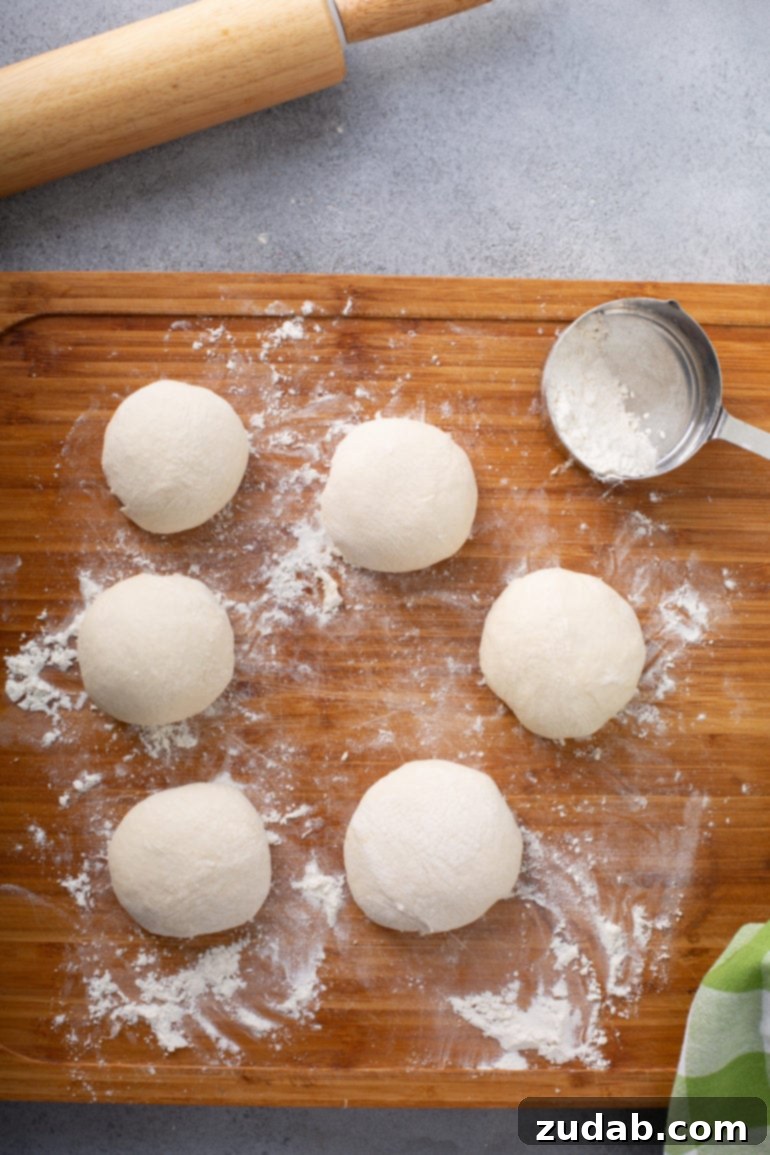
- Prepare for Cooking: While you’re kneading, preheat your skillet on the stovetop over medium-high heat. A cast-iron skillet works wonderfully for achieving a nice, even cook. Once your dough is kneaded, divide it into 5 to 7 equal-sized balls, depending on your desired bread size.
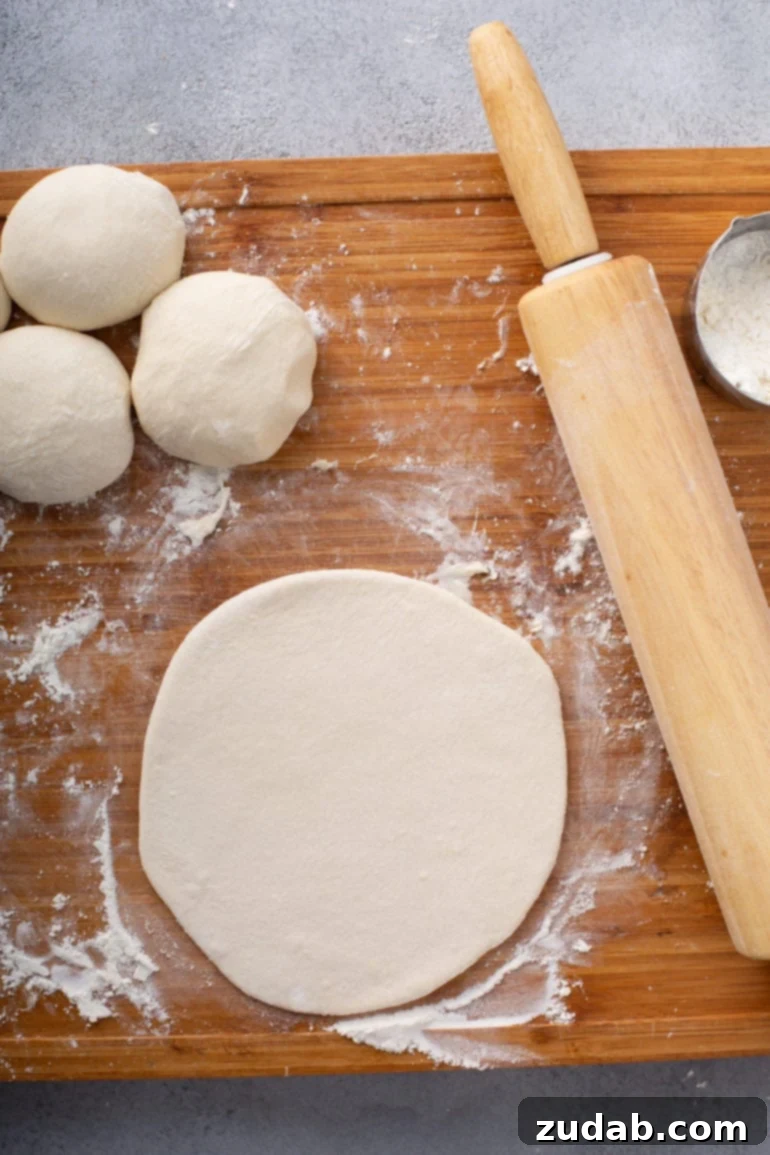
- Roll Out Each Piece: On a lightly floured surface, use a rolling pin to roll out each dough ball. Aim for a thickness of about 1/8 inch and a diameter of approximately 6 inches. The thinner you roll it, the crispier your bread will be; thicker rolls will result in a softer, chewier texture.
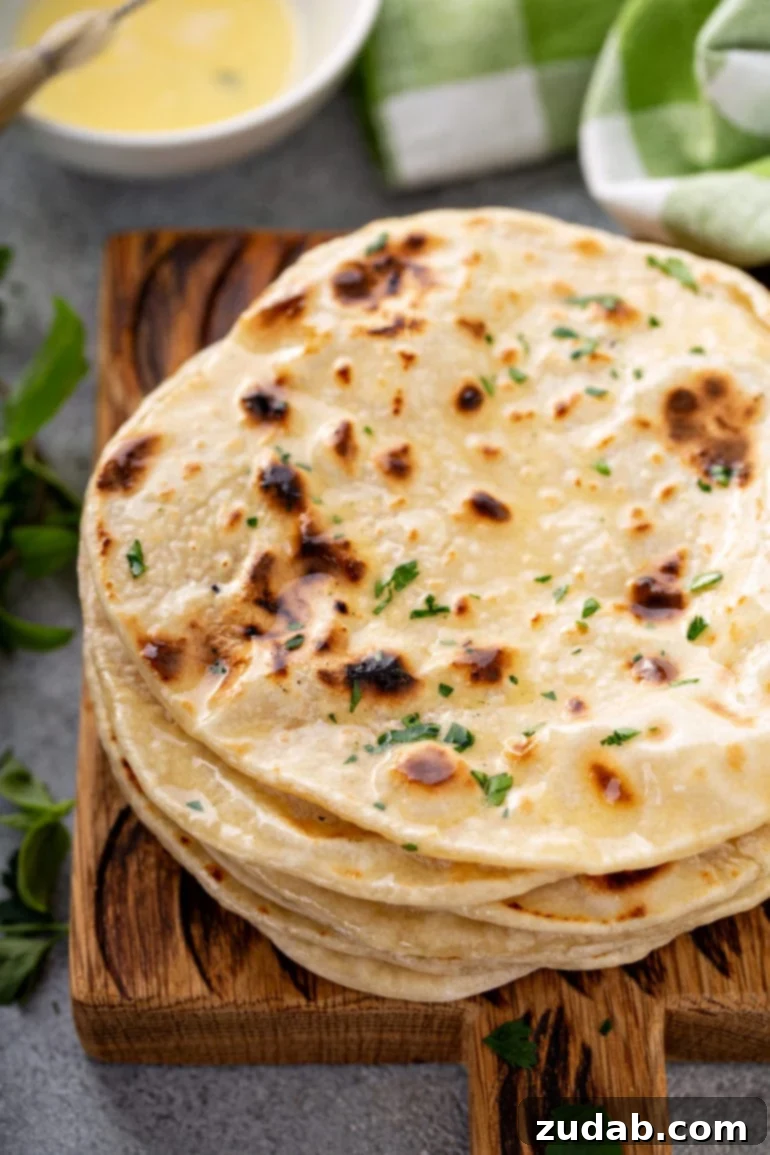
- Cook on Skillet: Place each rolled-out piece onto the hot, dry skillet. Cook for about 2 minutes on each side, or until golden brown spots appear and the bread puffs up slightly. The exact cooking time may vary based on your stove and skillet, so keep a close eye on it.
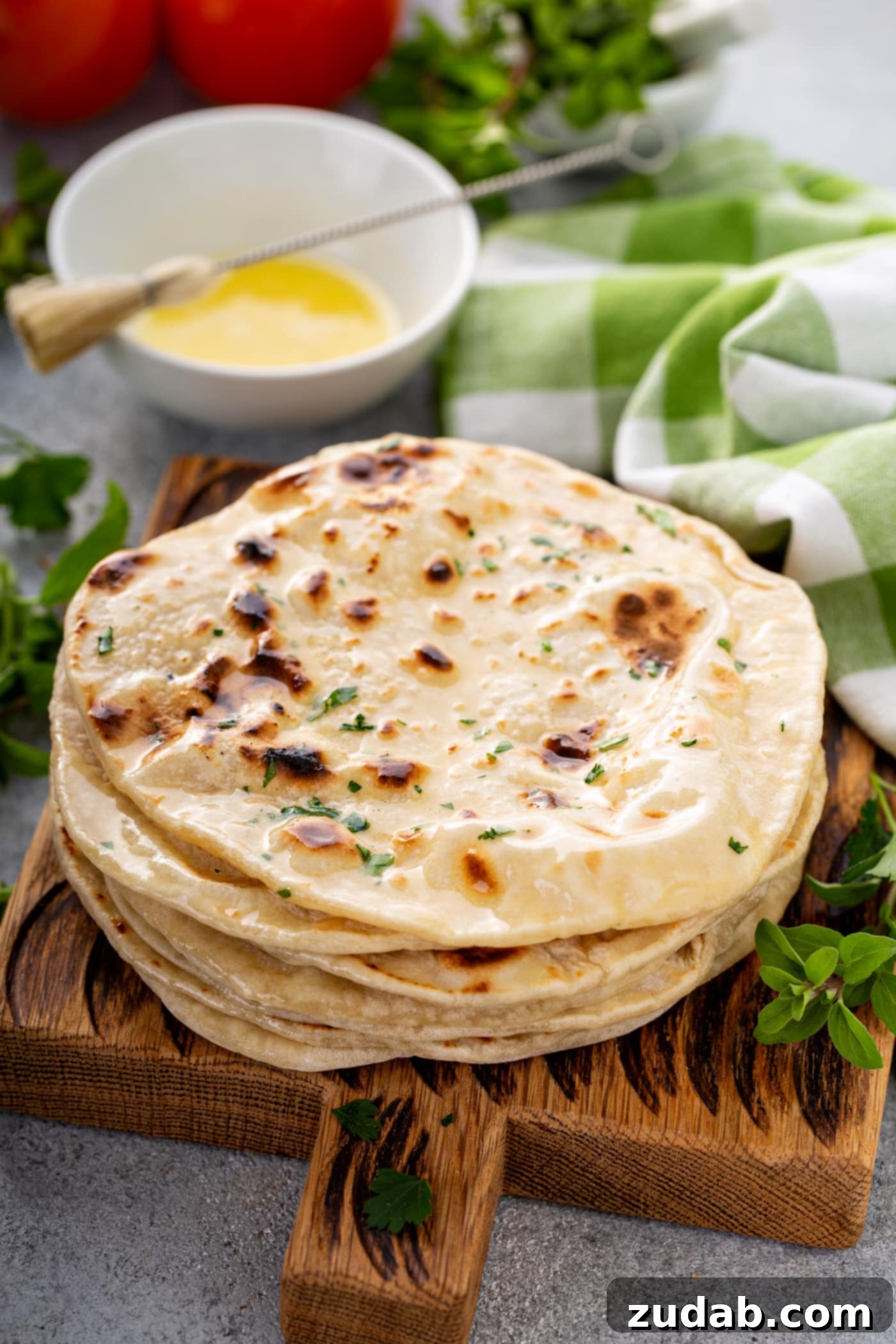
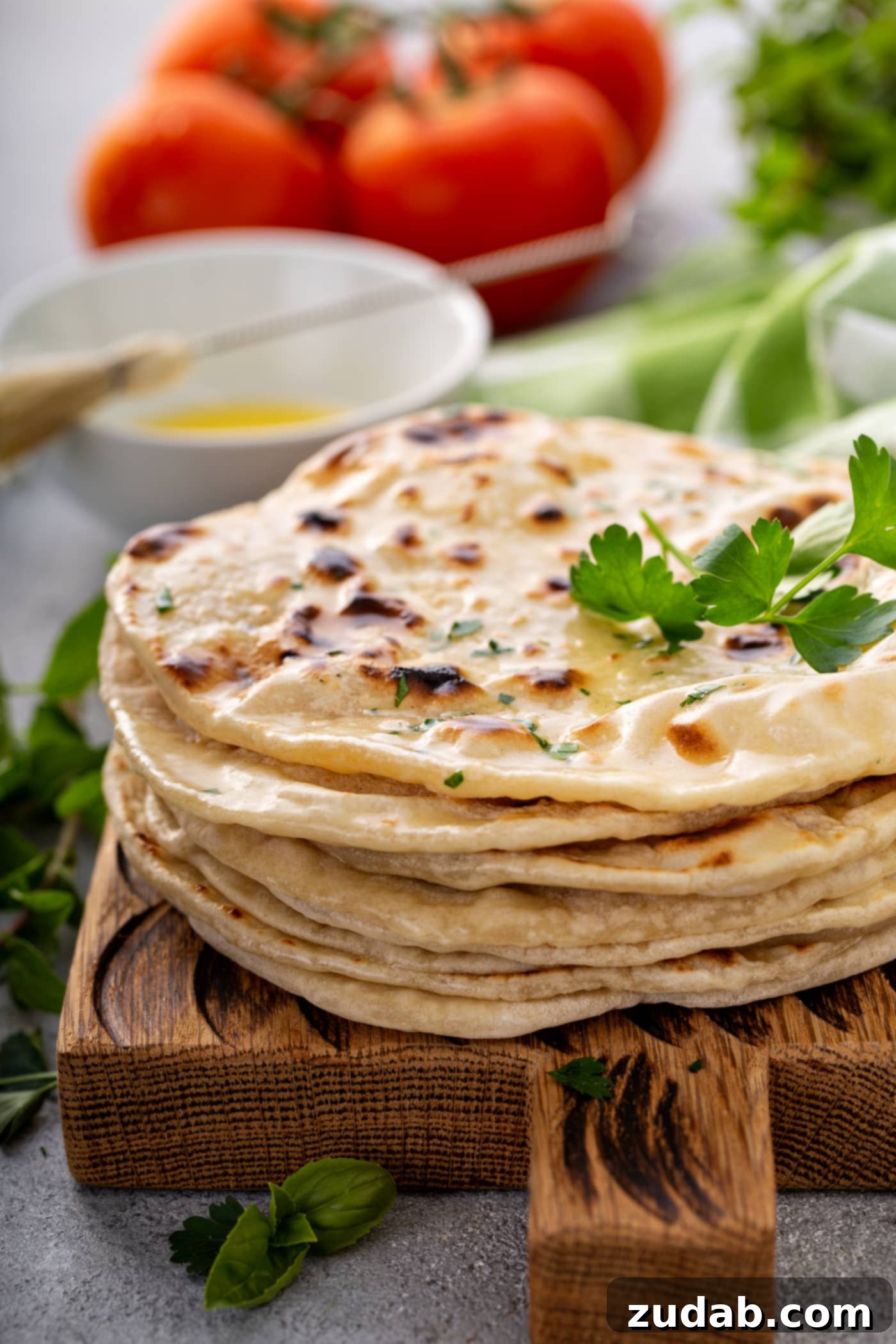
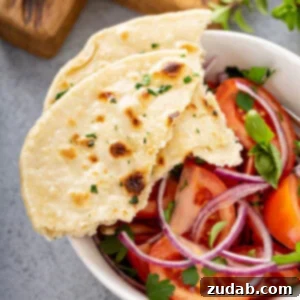
- Serve and Enhance: Serve your unleavened bread hot off the skillet. For an extra special touch, brush the warm bread with a bit of melted butter or high-quality olive oil. A sprinkle of fresh herbs can elevate the flavor even further. I love to choose herbs that complement the meal: parsley is a classic, universally appealing choice, while cilantro adds a vibrant, fresh twist, especially if you’re serving it with Middle Eastern or Mexican-inspired dishes.
Is Pita Unleavened? Understanding the Difference
Despite often being consumed as a flatbread, pita is **not considered unleavened bread**. The key distinction lies in the use of a leavening agent. Traditional pita bread recipes typically incorporate yeast, which is a living organism that ferments sugars in the dough, producing carbon dioxide gas. This gas gets trapped, causing the dough to rise and, during baking, creating the characteristic pocket inside the bread. This “puffing” effect is what fundamentally separates pita from truly unleavened breads like matzo or our simple 3-ingredient recipe, which remain flat because they contain no leavening agents. While some quicker pita recipes might use baking powder for a similar rising effect, the principle of a leavening agent being present still applies, differentiating it from the historical and traditional definition of unleavened bread.
Are Tortillas Unleavened Bread?
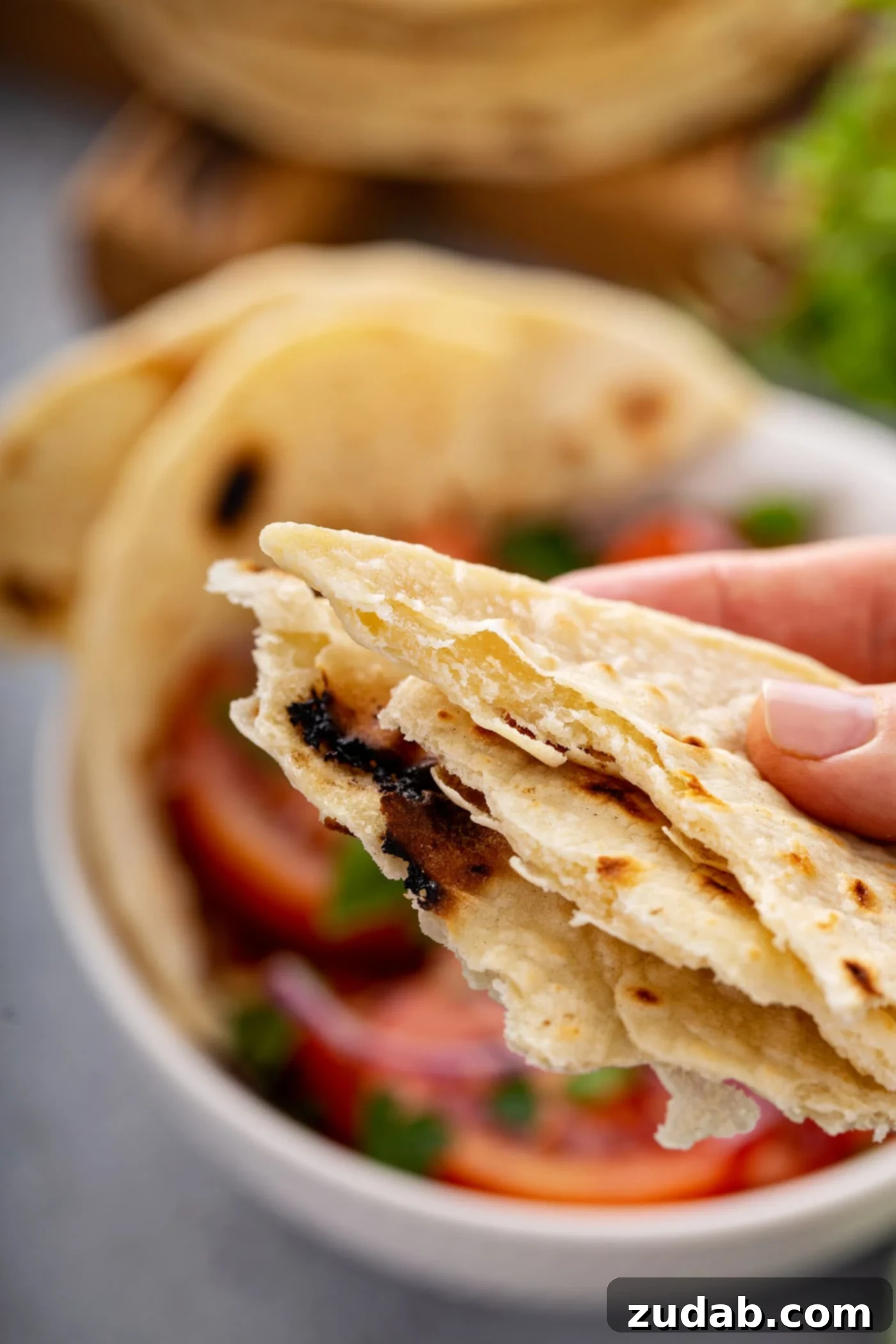
Yes, **tortillas are indeed considered a form of unleavened bread**! Authentic tortilla recipes, whether corn or flour, do not use yeast or any other chemical leavening agents (like baking powder or soda) to make them rise. They are fundamentally flat, thin breads made from a simple dough of flour (or masa for corn tortillas) and water, often with salt and a fat added. The primary difference between our 3-ingredient unleavened bread and traditional tortillas, especially flour tortillas, lies in the inclusion of fat (such as lard or oil). This added fat contributes significantly to the characteristic softness and pliability of tortillas, making them ideal for wrapping and folding. Our easy homemade tortillas are a great example of this distinction, offering a different texture profile while still being unleavened.
Can You Bake This Bread Instead of Frying?
Absolutely! While pan-frying on a skillet yields a wonderfully crisp exterior, this versatile unleavened bread can also be baked in the oven for a hands-off approach. To bake, simply preheat your oven to 400°F (200°C). Place the rolled-out dough pieces in a single layer on a baking sheet lined with parchment paper. Bake for approximately 3 minutes on each side, or until they are lightly golden and cooked through. Baking can offer a slightly different texture – often a bit drier and uniformly crisp, whereas skillet cooking tends to create more varied textures with soft spots and browned blisters. Both methods are quick, easy, and yield delicious results, so choose the one that best fits your preference or what you’re serving it with!
Is This Recipe Healthy? A Nutritional Perspective
Unleavened bread can certainly be a healthy component of your diet, depending on its ingredients and how it’s consumed overall. By its very nature, unleavened bread, like this 3-ingredient recipe, is typically minimalistic: flour, water, and salt. This simplicity makes it a naturally low-fat and low-sugar option, especially when compared to many commercially produced breads that often contain added sugars, oils, and preservatives. Each piece of this unleavened bread provides approximately 130 kcal, 27g carbohydrates, 4g protein, and minimal fat (0.4g). While it is higher in carbohydrates, it’s virtually fat-free and a good source of energy. For those looking to increase fiber and nutrient intake, using whole-grain flour (like whole wheat) instead of all-purpose flour can significantly boost its health benefits. As with all foods, moderation and balance are key; enjoy it as part of a well-rounded diet, perhaps alongside protein-rich dishes or fresh vegetables, to maximize its nutritional value.
How Long Will Unleavened Bread Keep? Storage Tips
Unleavened bread, with its simple composition, is truly at its best when enjoyed fresh and warm, right off the skillet. The aroma and soft-yet-chewy texture are unparalleled. However, if you find yourself with delightful leftovers, proper storage can extend its usability for a few days. To maintain its quality, allow the bread to cool completely to room temperature. Then, place it in an airtight container or a resealable plastic bag. Stored this way at room temperature, your unleavened bread will keep for up to **2-3 days**. Reheating it gently in a dry skillet or a toaster oven can help revive some of its original texture and warmth, though it may not be quite as soft as when freshly made.
Can Unleavened Bread Be Frozen?
Yes, unleavened bread is surprisingly freezer-friendly, offering a convenient way to enjoy homemade bread whenever you desire! To freeze, ensure the cooked bread has cooled completely to room temperature. Stack the individual pieces with small squares of parchment paper in between to prevent sticking. Then, wrap the stack tightly in plastic wrap, followed by a layer of aluminum foil, or place them in a freezer-safe bag. This double-layer protection helps prevent freezer burn. Unleavened bread can be stored in the freezer for **up to 2 months** without significant loss of quality. When you’re ready to enjoy it, simply remove the desired number of pieces from the freezer and let them come to room temperature on the counter. For a warmer, softer bread, you can gently reheat them in a preheated oven or a dry skillet until warmed through.
Creative Serving Suggestions for Unleavened Bread
This simple unleavened bread is incredibly versatile and can elevate a variety of dishes beyond just historical dinners. Its neutral flavor and pliable texture make it a fantastic companion to numerous cuisines. Here are a few ideas to inspire you:
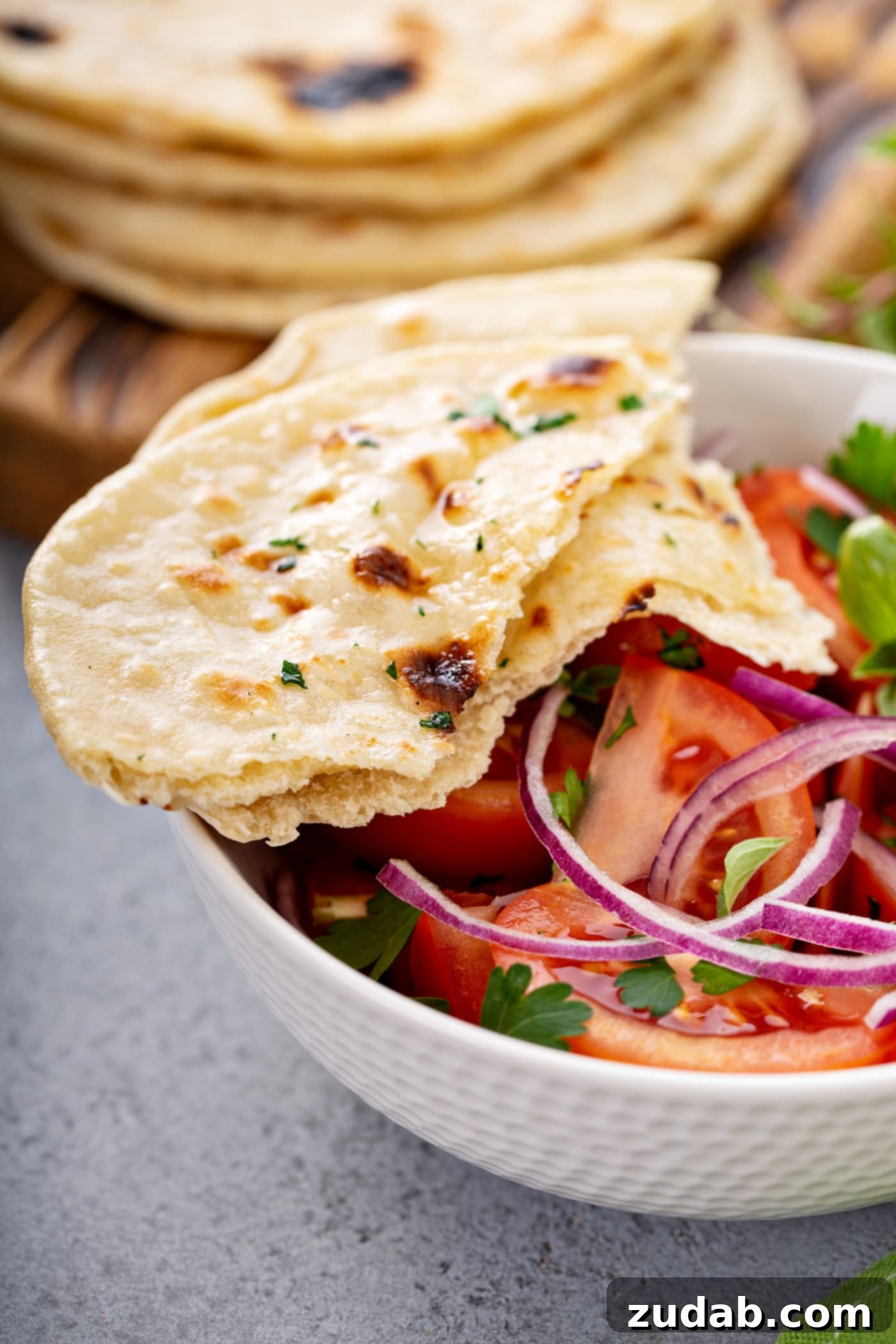
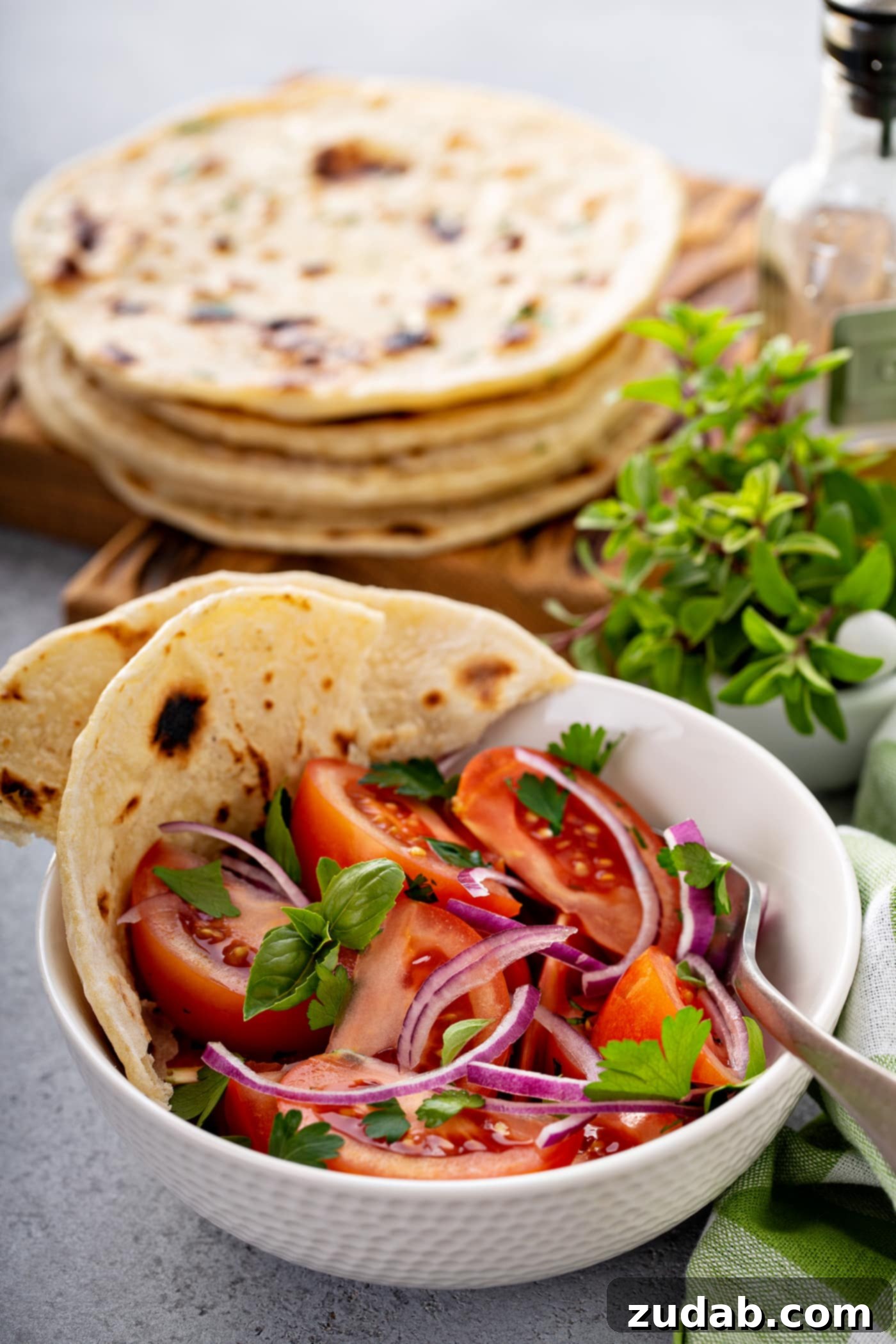
- Dipping Delight: Serve it warm with your favorite dips like our creamy hummus, baba ghanoush, tzatziki, or a simple olive oil and balsamic vinegar blend.
- Soup & Stew Companion: Tear off pieces to dunk into hearty soups, stews, or chili. Its sturdy nature makes it perfect for soaking up rich broths.
- Quick Wraps & Tacos: Use slightly thicker pieces as an impromptu wrap for grilled meats, roasted vegetables, or even as a base for soft tacos.
- Breakfast & Brunch: Spread with cream cheese and chives, or a sweet jam for a quick and satisfying breakfast.
- Mediterranean Platter: Incorporate it into a mezze platter with olives, feta cheese, fresh vegetables, and other spreads.
- Garlic Bread Alternative: Brush with garlic butter and a sprinkle of Parmesan, then lightly toast for a flavorful side dish.
This **unleavened bread** is not only incredibly simple to make but also a fantastic way to add a delicious, versatile side dish with minimal effort and maximum impact. Whether you’re considering hosting a meaningful Nativity dinner with your family this year, or simply looking for a quick, wholesome bread to pair perfectly with your favorite dip, soup, or entree, this 3-ingredient recipe is a culinary gem you’ll turn to again and again. Its historical roots and ease of preparation make it a truly special addition to any home cook’s repertoire.
How to Make Unleavened Bread: Video Tutorial

Watch our quick video to see how simple it is to make this delicious 3-ingredient unleavened bread!
Other Bread Side Dishes to Try:
If you love homemade bread, explore these other fantastic recipes from our collection:
- Garlic Parmesan Focaccia Bread
- Homemade Baguette Recipe
- Garlic Cheese Bread
- Easy Herbed Peasant Bread
- White Bread
- Garlic Cheddar Herb Irish Soda Bread
- No Knead Artisan Bread
- Pao De Queijo Brazilian Cheese Bread
Quick & Easy Unleavened Bread
Carrian Cheney
5
2
7
7
Ingredients
- 1/2 teaspoon Salt
- 2 Cups Flour, plus 2 Tablespoons
- 1 Cup Water, cold
Instructions
-
Combine salt and flour together in a bowl. Stir in the water until the dough comes together in a ball. Knead for 5 minutes.2 Cups Flour, 1/2 teaspoon Salt, 1 Cup Water
-
Pre-heat skillet over medium-low heat.
-
Pinch off 5-7 pieces of dough and form into small balls. Roll out each piece on a lightly floured surface about 6” each.
-
Cook on a hot skillet for 2 minutes on each side. Serve or store covered.
Recipe Notes
Nutrition
Nutrition information is automatically calculated, so should only be used as an approximation.