
Experience the Zest: A Guide to Perfect Chicken Piccata
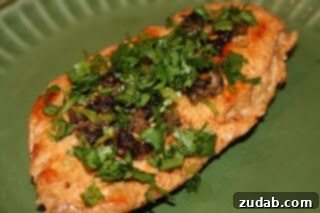
There’s a special joy in a home-cooked meal, especially when it features a dish as elegant yet approachable as Chicken Piccata. This classic Italian-American entrée is a celebration of bright, zesty flavors, tender chicken, and a luscious, savory sauce. Whether you’re a seasoned chef or just starting your culinary journey, Chicken Piccata is a recipe that promises to impress with its simplicity and rich taste. It’s the kind of dish that can elevate a regular weeknight dinner into a gourmet experience, making it a favorite in many households, including ours. We recently enjoyed a truly delightful rendition prepared by my thoughtful husband, who occasionally graces our kitchen with his culinary flair. His choice of Chicken Piccata was met with enthusiastic approval, despite a generous scattering of parsley and a rich, enveloping sauce that made every bite a pure delight. He even captured this beautiful photo, saving me the trouble, which is just another reason to adore him!
Beyond the personal anecdote, the dish itself was simply exquisite. I’m always captivated by the crispy, golden bits left in the pan – they add an irresistible texture and depth of flavor that’s crucial to piccata’s appeal. And that combination of bright lemon with the briny pop of capers? Absolutely divine! This recipe is a keeper, and I wholeheartedly encourage you to give it a try. You might just find yourself devouring every last morsel, just as I did.
What Does Piccata Mean? Exploring the Culinary Technique
The term “piccata” in Italian cuisine refers to a specific preparation method for meat or fish. It originates from the Italian word “piccare,” meaning “to prick” or “to be pricked,” which alludes to the thin slices of meat that are traditionally pounded before cooking. Essentially, piccata describes a dish where thin cuts of protein – most commonly veal, but also chicken, pork, or fish – are sliced, pounded thin, dredged in flour, sautéed, and then served with a vibrant sauce. This sauce typically features lemon juice, butter, and capers, creating a harmonious blend of tangy, rich, and salty notes. The technique ensures tender, flavorful meat with a delightful crispy exterior, bathed in a bright and savory liquid. While often associated with Italian-American cooking, its roots are firmly planted in traditional Italian culinary practices, particularly in regions known for their delicate veal preparations.
Does Sea Salt Taste Different Than Table Salt? Understanding Salt in Cooking
Many home cooks and professional chefs alike ponder the differences between various types of salt. When it comes to sea salt versus common table salt, the primary distinctions lie not in their fundamental chemical composition (both are primarily sodium chloride), but rather in their processing, mineral content, and, most importantly, their texture. Table salt is typically mined from underground salt deposits, highly refined, and often contains anti-caking agents and iodine. Its crystals are small and uniform, dissolving quickly and providing an immediate, intense burst of saltiness.
Sea salt, on the other hand, is produced through the evaporation of seawater. Depending on its source and processing, it can retain trace minerals like magnesium, calcium, and potassium, which can subtly influence its flavor profile. However, the most significant difference you’ll “taste” is its texture. Sea salt crystals are generally larger and flakier than table salt. This coarser texture provides a satisfying crunch and a slower release of flavor, creating a more complex mouthfeel. When sprinkled over a dish as a finishing touch, sea salt adds an extra textural dimension and a gentler, more prolonged salty sensation. While the underlying saltiness is the same, the experience of consuming them is distinctly different, making sea salt a preferred choice for many dishes where texture and a nuanced salt burst are desired, like in our Chicken Piccata.
What Are Capers? A Mediterranean Flavor Bomb
Capers are an indispensable ingredient in Mediterranean cuisine, celebrated for their unique briny, tangy, and slightly floral flavor. These small, pea-sized green buds are actually the unopened flower buds of the caper bush (Capparis spinosa), a perennial plant native to the Mediterranean region and parts of Asia and Africa. Once harvested, caper buds are typically dried in the sun and then pickled in vinegar brine or packed in salt. This curing process is what develops their distinctive flavor and texture.
There are several sizes of capers, each with a slightly different flavor intensity and culinary application. The smallest, known as “nonpareils,” are highly prized for their delicate texture and intense flavor. Larger capers, like “capotes” or “grusas,” offer a bolder taste. Capers are most commonly used as a seasoning or garnish, adding a piquant kick to sauces, salads, fish dishes, and, of course, classic preparations like Chicken Piccata. Before using, it’s generally recommended to rinse salted capers thoroughly to remove excess salt, or drain pickled capers to reduce their acidity, ensuring they perfectly complement the other flavors in your dish.
Chicken Piccata: A Quick and Flavorful Weeknight Meal
Chicken Piccata
Ingredients
Recipe by Giada
- 2 Chicken Breasts, skinless and boneless, butterflied and then cut in half
- Sea Salt and Freshly Ground Black Pepper
- All-Purpose Flour, for dredging
- 6 Tablespoons Butter, unsalted
- 5 Tablespoons Olive Oil, extra-virgin
- 1/3 Cup Lemon Juice, fresh
- 1/2 Cup Chicken Stock
- 1/4 Cup Capers, rinsed
- 1/3 Cup Parsley, fresh, chopped
Instructions
-
Season chicken with salt and pepper.
-
Dredge chicken in flour and shake off excess.
-
In a large skillet over medium-high heat, melt 2 tablespoons of butter with 3 tablespoons olive oil.
-
When butter and oil start to sizzle, add 2 pieces of chicken and cook for 3 minutes.
-
When chicken is browned, flip and cook the other side for 3 minutes.
-
Remove and transfer to a plate.
-
Melt 2 more tablespoons butter and add another 2 tablespoons olive oil.
-
When butter and oil start to sizzle, add the other 2 pieces of chicken and brown both sides in the same manner.
-
Remove pan from heat and add chicken to the plate.
-
Into the pan add the lemon juice, stock, and capers.
-
Return to stove and bring to a boil, scraping up brown bits from the pan for extra flavor.
-
Check for seasoning.
-
Return all the chicken to the pan and simmer for 5 minutes.
-
Remove chicken to a platter.
-
Add remaining 2 tablespoons butter to the sauce and whisk vigorously.
-
Pour sauce over chicken and garnish with parsley.
Nutrition
Calories: 907kcal,
Carbohydrates: 7g,
Protein: 51g,
Fat: 76g,
Saturated Fat: 28g,
Polyunsaturated Fat: 6g,
Monounsaturated Fat: 36g,
Trans Fat: 1g,
Cholesterol: 237mg,
Sodium: 1230mg,
Potassium: 1016mg,
Fiber: 1g,
Sugar: 2g,
Vitamin A: 1994IU,
Vitamin C: 33mg,
Calcium: 49mg,
Iron: 2mg
Nutrition information is automatically calculated, so should only be used as an approximation.
Tips for Perfect Chicken Piccata
- Pound the Chicken Evenly: For consistent cooking and tenderness, ensure chicken breasts are pounded to an even thickness (about 1/4 inch). This helps them cook quickly and prevents drying out.
- Don’t Skimp on the Dredging: A light, even coating of flour is crucial for developing that golden, crispy crust and also helps to thicken the sauce later.
- Sauté in Batches: Overcrowding the skillet will steam the chicken instead of browning it. Cook the chicken in batches to achieve a beautiful golden-brown sear.
- Deglaze for Flavor: The brown bits (fond) left in the pan after sautéing the chicken are packed with flavor. Deglazing with lemon juice and chicken stock helps release these, enriching your sauce immensely.
- Fresh is Best: Always use fresh lemon juice for piccata. The bright, zesty flavor is paramount to the dish.
- Whisk in Butter Off Heat: Adding the final tablespoon of butter and whisking it in off the heat at the end helps emulsify the sauce, making it silky smooth and glossy.
Serving Suggestions for Chicken Piccata
Chicken Piccata is wonderfully versatile and pairs well with a variety of side dishes. For a classic Italian experience, serve it alongside a simple pasta like spaghetti or linguine, allowing the delicious lemon-caper sauce to coat the noodles. Creamy mashed potatoes or polenta also make an excellent base, soaking up every drop of flavor. To balance the richness, consider serving with steamed or roasted vegetables such as asparagus, green beans, or broccoli. A fresh, crisp green salad with a light vinaigrette is also a fantastic accompaniment, cutting through the richness and adding a refreshing element to your meal.
Variations to Try
While the classic Chicken Piccata is a masterpiece in itself, there are many ways to adapt this recipe to suit your preferences or dietary needs:
- Veal or Fish Piccata: Traditionally made with veal, the recipe works beautifully with thinly sliced veal cutlets. For a lighter option, use white fish fillets like cod, sole, or tilapia.
- Creamy Piccata: For a richer sauce, stir in a splash of heavy cream at the end, just before whisking in the final butter.
- Add More Herbs: Beyond parsley, fresh thyme or oregano can add another layer of aromatic flavor to the sauce.
- Spicy Kick: A pinch of red pepper flakes can introduce a subtle heat that complements the lemon and capers.
- Gluten-Free Option: Substitute all-purpose flour with a gluten-free flour blend for dredging to make this dish suitable for those with gluten sensitivities.
Whether you’re recreating a cherished memory of a meal or simply looking for a vibrant, satisfying dish to add to your repertoire, Chicken Piccata is an exceptional choice. Its bright flavors, tender texture, and straightforward preparation make it a true culinary delight that never fails to impress. Give this recipe a try and discover why it remains a beloved classic in kitchens worldwide!