
As the vibrant hues of autumn settle and the last remnants of summer’s bounty are gathered, many gardeners might feel tempted to simply put away their tools and retreat indoors, leaving their plots to fend for themselves until spring. However, the period between the final harvest and the onset of deep winter is a crucial window of opportunity – a time when strategic care can lay the foundation for an extraordinary garden next season. Far from being an ending, fall and early winter mark a vital phase in the gardening cycle, a time for preparation that promises a healthier, more productive, and less demanding spring. Neglecting these essential steps now can lead to a host of problems later, from persistent weeds to depleted soil, making next year’s efforts significantly harder. This comprehensive guide outlines five indispensable tasks you must undertake in your garden before winter truly sets in, ensuring your soil and plants are primed for an abundant harvest when spring eventually arrives.
While the thought of winter’s impending arrival might bring a chill (especially in regions like Utah, where it tends to linger), embracing this shift means acknowledging the natural rhythm of the garden. Instead of mourning the end of one season, we can actively invest in the promise of the next. For those of us who appreciate the cozy comforts of boots, sweaters, and a warm bowl of soup, this transition also signifies a chance to turn our attention to indoor pursuits, perhaps even experimenting with the rich aromas of McCormick Gourmet Spices. But before we fully surrender to winter’s embrace, let’s ensure our outdoor spaces are properly tucked in. Today, we’re diving into five critical actions that will make all the difference for your garden’s future success.
The philosophy behind winter garden preparation is simple yet profound: exceptional planting success for the next season doesn’t begin in spring when you’re ready to sow seeds; it starts now. Think of your garden’s soil as an athlete. You wouldn’t expect an athlete to jump into a marathon without months of dedicated training, building strength, endurance, and flexibility. Similarly, your garden soil needs ample time to recuperate, soak up vital nutrients, and develop optimal structure to support new growth. By taking proactive steps in the fall, you allow the natural processes of decomposition, nutrient cycling, and soil conditioning to unfold over the winter months. This extended period of rest and regeneration transforms your soil into a powerhouse, ready to nourish your plants from the moment they emerge. For those living in warmer climates like Florida or Arizona, where the gardening season barely pauses, the principles of soil health and weed management remain equally important, even if your “winter” looks a bit different. For the rest of us, it’s about strategically preparing for the long slumber. So, let’s get into the details of what you need to do.
1. Vigilant Weeding: The Foundation of Future Growth
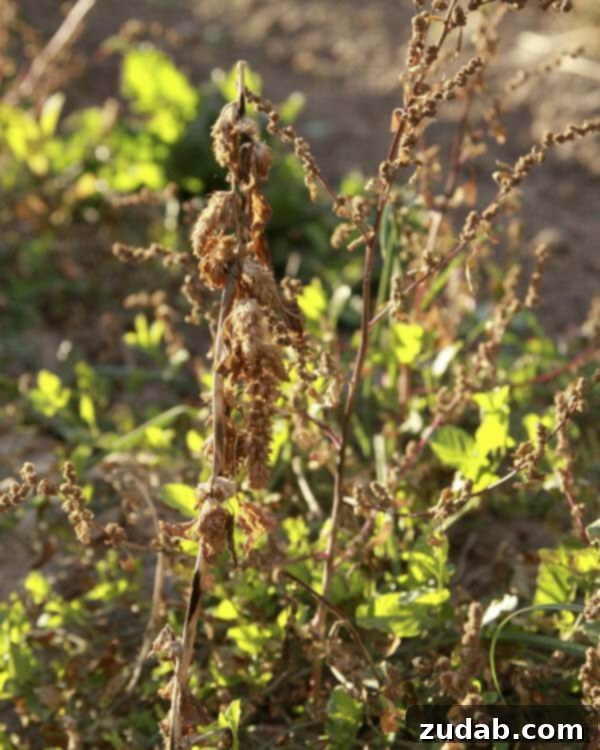
I know, I know—the last thing you want to do after a season of tending is more weeding. But trust me, this isn’t just a chore; it’s a critical investment. Weeding isn’t an activity that magically ceases when harvesting begins. In fact, tackling weeds now, before winter dormancy, is one of the most impactful things you can do for next year’s garden. Any weeds left in your garden will do more than just die back with the frost; many are hardy enough to overwinter, either as dormant roots or as seeds lying in wait. These persistent invaders will be the first to emerge in spring, aggressively competing with your tender seedlings for light, water, and precious soil nutrients. Take the time to meticulously go through your garden beds, particularly around perennial plants like strawberries or herbs, and remove every visible weed. Focus on extracting them roots and all. This significantly reduces the weed seed bank in your soil and prevents established weed root systems from coming back stronger and more pervasive in the spring, saving you countless hours of back-breaking work when you’d rather be planting.
2. Eliminate Persistent Pests: Eradicating Morning Glory
Some weeds are just exceptionally tenacious, and morning glory is undoubtedly one of them. Its vigorous, twining vines and deep, extensive root system make it a formidable adversary for any gardener. If left unchecked, morning glory can quickly smother desirable plants, creating an impenetrable tangle and stealing vital resources. Dealing with this type of aggressive weed now, before it retreats underground for winter, is paramount. Spraying it with an appropriate herbicide (if you choose to use one, and always follow label instructions carefully) or, preferably, meticulously digging it out, ensuring you extract as much of the root system as possible, will significantly weaken its comeback next season. While it’s a battle that often requires ongoing vigilance, a concerted effort in the fall can dramatically reduce its presence, preventing it from re-establishing quickly and strongly when temperatures rise again. This targeted weed control now means less competition for your prized plants next spring and summer.
3. Strategic Tilling and Nutrient Integration
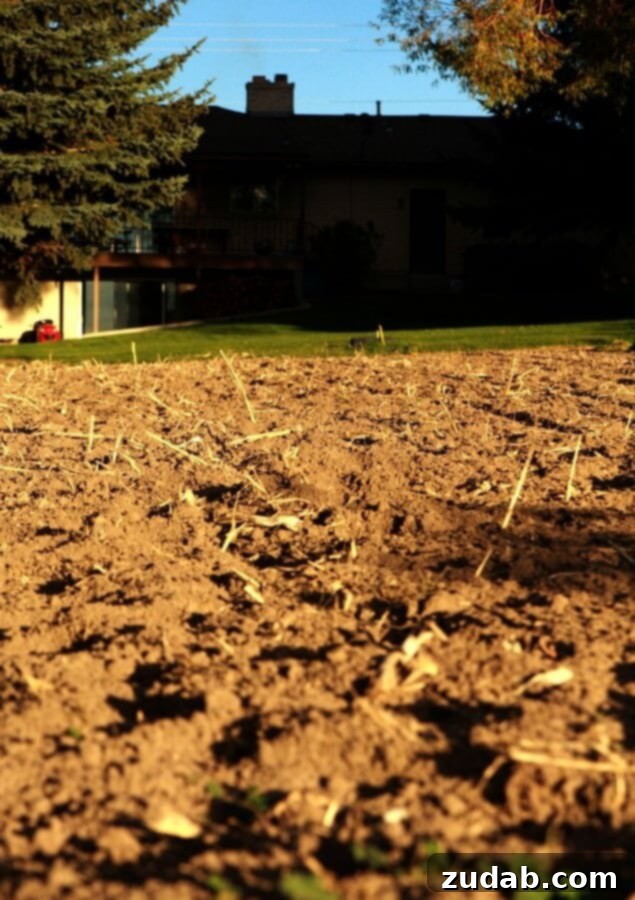
Once your final harvest is complete and you’ve cleared out any lingering plant debris, it’s time to turn your attention to the soil itself. Tilling your garden soil is a critical step that prepares it for the long winter dormancy and the explosive growth of spring. A thorough tilling, ideally 2-4 times, serves multiple purposes. Firstly, it helps to break up compacted soil, improving aeration and drainage, which are crucial for healthy root development. Secondly, and perhaps most importantly, it’s an opportunity to enrich your soil. As you till, incorporate organic matter such as compost, aged manure, or even a cover crop that you’ve tilled under. This process mixes these beneficial materials deep into the soil profile. When the snow falls and cold weather freezes the ground, these newly integrated nutrients and organic matter are effectively “locked in.” This allows for a slow, continuous process of decomposition and nutrient conversion over the winter, ensuring that your soil is teeming with readily available food for your plants come planting season. This sustained nutrient release is far more effective than simply adding amendments in spring, which often don’t have enough time to fully integrate and break down.
4. Deep Winter Watering: A Shield Against Dehydration
This step might seem counter-intuitive, especially as temperatures drop and the threat of freezing looms, but deep winter watering is incredibly important. Before the ground completely freezes solid or the first heavy snow blankets your garden, give your beds a thorough, deep soaking—once or even twice. The goal is to saturate the soil well beyond the surface. When the ground eventually freezes, this deep moisture gets trapped within the soil. This has several crucial benefits: it helps to insulate plant roots, protecting them from extreme temperature fluctuations and preventing the damaging effects of “winter drought” for any perennial plants or shrubs. Moreover, deeply moist soil maintains a better structure over winter. Come spring, as the ground thaws, this locked-in moisture contributes to creating fantastic, workable soil. It facilitates easier tilling and planting, and provides a readily available water reservoir for newly emerging plants, giving them a head start and ensuring vigorous growth from the outset.
5. The Power of Leaves: Nature’s Mulch
Last but certainly not least, and arguably the most impactful (though perhaps not the prettiest) step, is to bag up those fallen leaves and spread them generously over your garden beds. I understand the temptation to burn them or simply trash them, but leaves are nature’s gold for your garden. Throughout the winter, these leaves will break down, enriching your soil in incredible ways. They act as a natural blanket, insulating the soil from harsh freezes and thaws, which helps preserve its structure and protect beneficial microorganisms. In spring, as you begin to prepare for planting, simply till these decomposed leaves into the soil. You might even want to till them in a few more times to ensure they’re thoroughly integrated. This process creates a magnificent, nutrient-rich mulch that dramatically improves soil tilth, making it soft, crumbly, and wonderfully fertile. The result? Healthier, more robust plants and ultimately, a bigger, better, and more bountiful harvest next season. This sustainable practice not only benefits your garden but also helps recycle organic waste, transforming a perceived chore into a powerful act of ecological stewardship.

Once you’ve completed these essential garden preparations and given your plot the care it deserves, you can finally retreat indoors, feeling confident that you’ve done everything possible to ensure a flourishing spring. This transition into the colder months is, in my humble yet absolutely correct opinion, the perfect time to explore and enjoy the rich tapestry of flavors offered by McCormick Gourmet Spices. The hearty vegetables and comforting dishes that define this season truly shine with the warmth and depth provided by a thoughtfully selected blend of spices. Think of slow-roasted root vegetables, perfectly sauteed greens, or baked dishes that are elevated by robust flavors. Spices like fragrant clove, aromatic Roasted Saigon Cinnamon, and the smoky heat of Chipotle Chili Pepper are particularly suited to this time of year. Their earthy, woody, nutty, and subtly sweet profiles evoke a sense of grounding and warmth, immersing you fully in the spirit of the season. In fact, a cherished tradition in our home is to select a few favorite McCormick Gourmet Spices, simmer them gently in a saucepan with a little water and half an orange, and let the enticing aroma fill our home all winter long. It’s the perfect complement to a well-prepared garden, bridging the gap between outdoor effort and indoor culinary delight, and reminding us of the cycles of growth, rest, and renewal.