
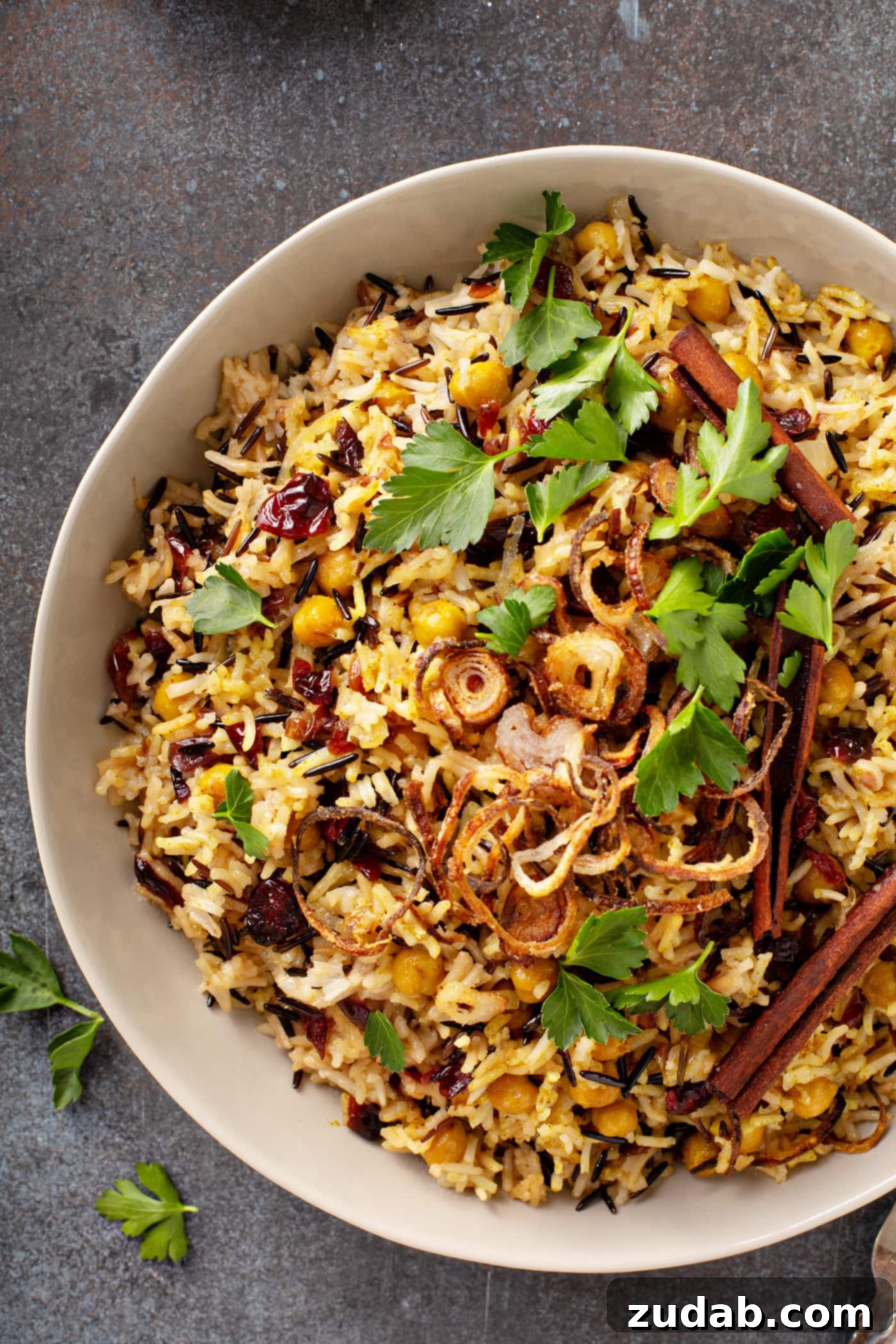
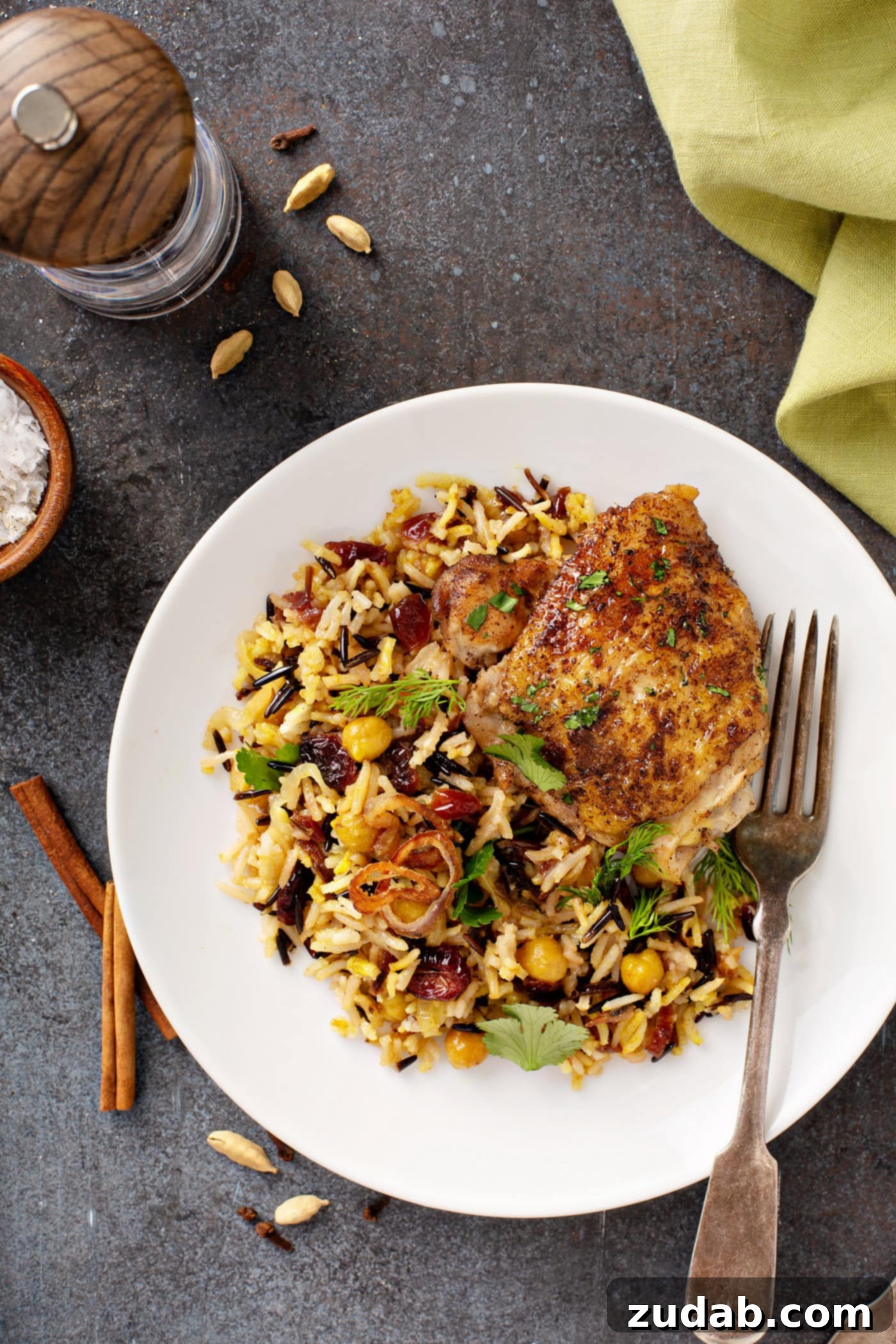
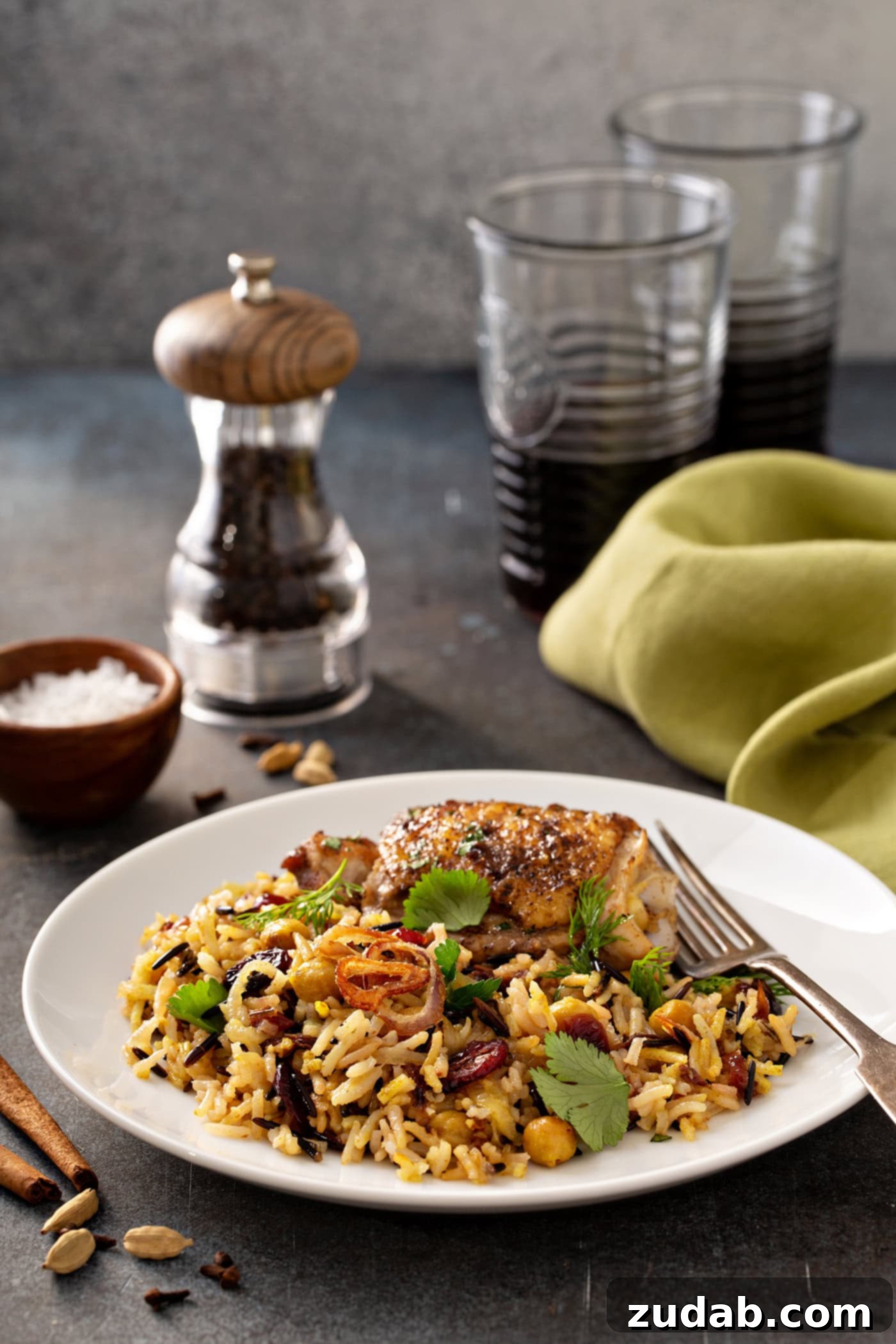
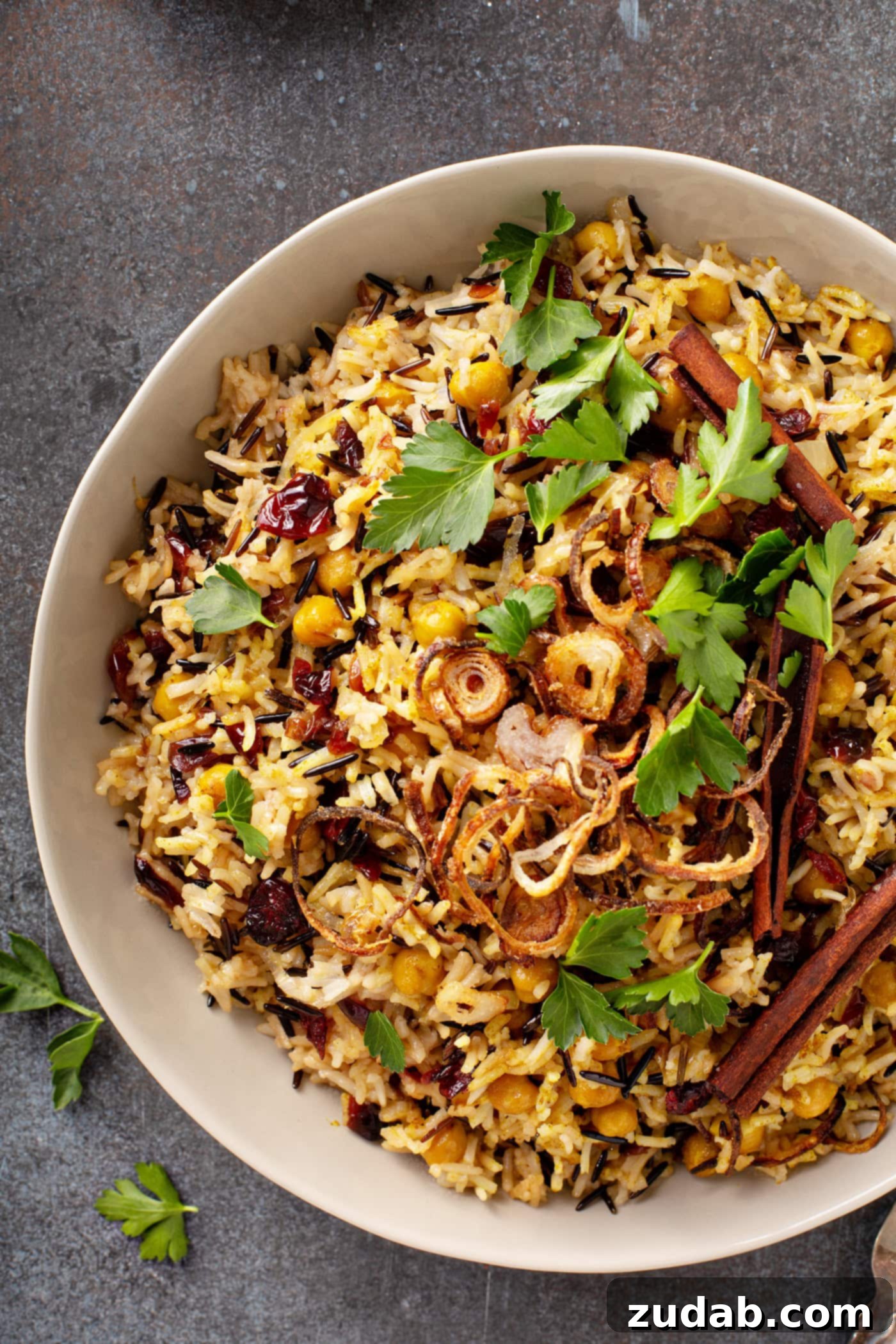
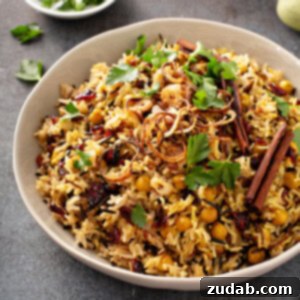
Welcome to a culinary journey that promises to transform your perception of side dishes forever. This isn’t just any rice recipe; it’s a vibrant, aromatic masterpiece known as Jerusalem Wild Rice, or Wild Rice and Chickpeas with Crispy Shallots. Each spoonful is an explosion of flavor, meticulously crafted from warmly spiced chickpeas, deeply caramelized onions, and sweet, juicy craisins, all crowned with an irresistible layer of crispy, golden shallots. It’s truly the best rice side dish I have ever had the pleasure of creating and sharing.
The inspiration for this unique dish struck me last Christmas when I planned a special Nativity dinner for my family. My goal was to immerse us in the authentic flavors of Jerusalem, drawing from traditional recipes of the region. As I delved into historical culinary texts and modern interpretations of Jerusalem’s cuisine, I was fascinated by the sheer abundance of rice recipes. I sought to capture the distinct flavors and varied textures characteristic of that area’s rich gastronomic heritage. This intensive research led to the development of this Jerusalem Wild Rice recipe, which quickly became the undisputed favorite at our festive dinner table. It embodies the spirit of a rich, ancient cuisine, updated with a touch of modern culinary flair to delight contemporary palates.
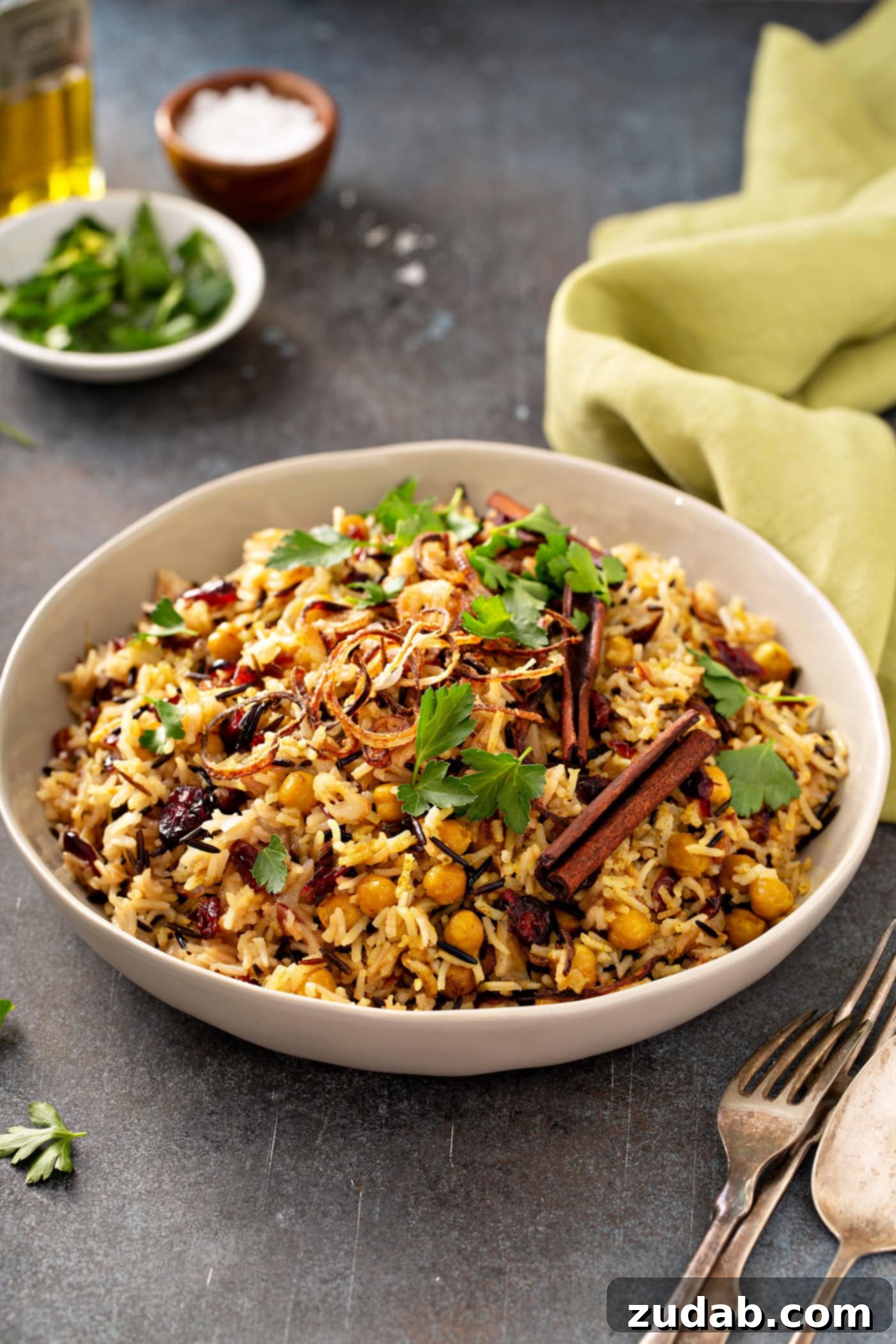
An Authentic Nativity Dinner Menu
For those looking to recreate a truly memorable Nativity dinner experience, this Jerusalem Wild Rice makes a perfect centerpiece alongside a selection of other traditional and complementary dishes. Here’s the complete menu that graced our table, offering a harmonious blend of flavors and textures:
- Jerusalem Herb Chicken Thighs
- Creamy Homemade Hummus
- Soft, Pillowy Naan Bread
- Traditional Unleavened Bread
- Refreshing Pear Salad
- Creamy Garlic Parmesan Brussel Sprouts
- Chewy Gingerbread Man Cookies
Essential Ingredients for Jerusalem Wild Rice and Chickpeas
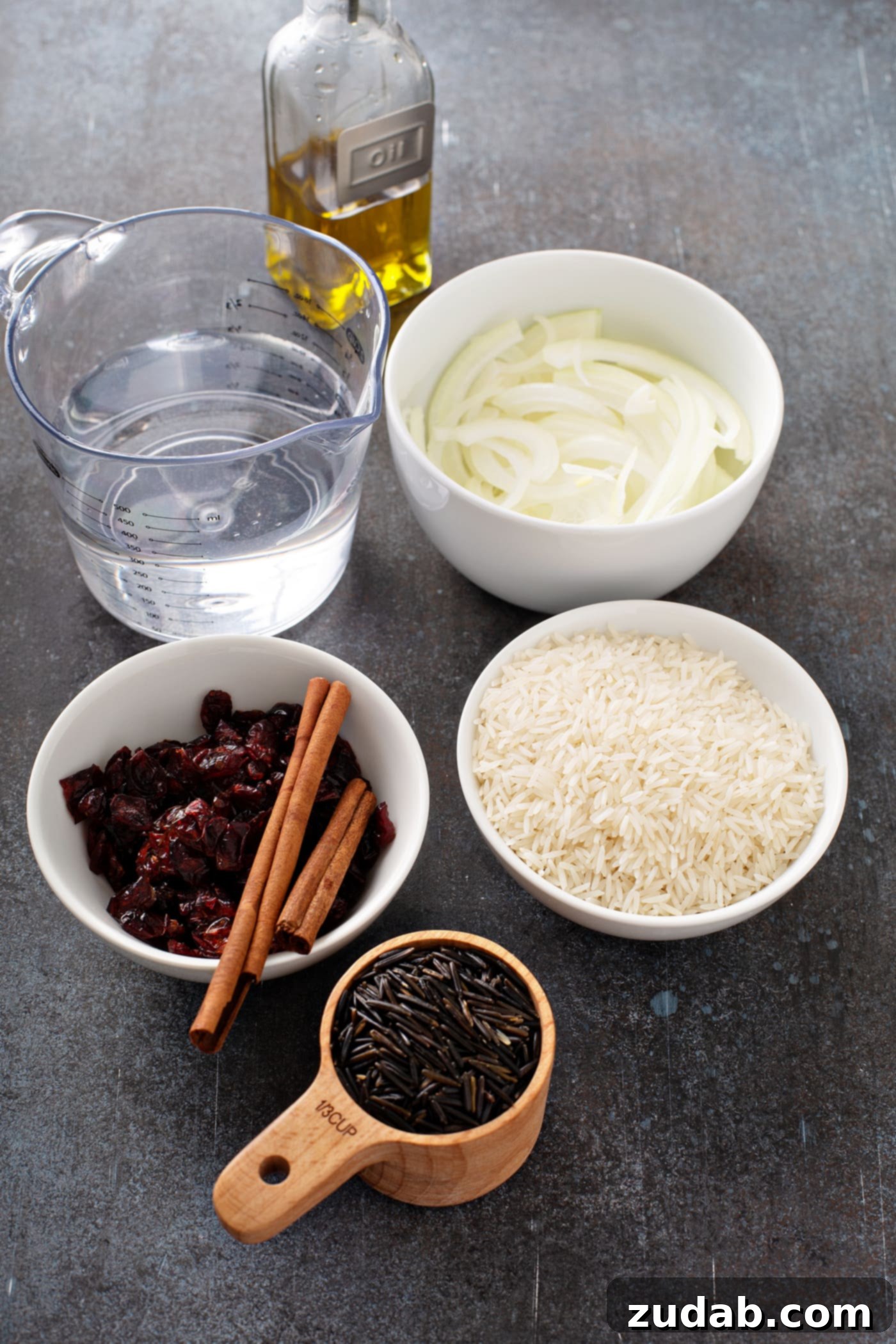
What gives this Jerusalem Wild Rice its utterly fabulous character? It’s a thoughtful combination of carefully selected rice varieties, a medley of fragrant spices, and a truly show-stopping topping. Each component plays a vital role in building the layered flavors and appealing textures that define this dish. Here’s a detailed look at the ingredients you’ll need to bring this recipe to life:
For the Flavorful Rice Base
- Olive Oil: The foundation of flavor, providing a rich, aromatic base for caramelizing the onions and toasting the rice. Opt for a good quality extra virgin olive oil.
- Onion: Sliced thin and slowly caramelized, these onions contribute a deep, sweet, and savory note that permeates the entire dish.
- Wild Rice: Despite its name, wild rice is technically a grass seed. Its dark color, firm, chewy texture, and distinctive nutty flavor add a wonderful contrast and depth.
- Basmati Rice: This long-grain aromatic rice from India contributes a delicate fragrance and light, fluffy texture, balancing the robustness of the wild rice.
- Salt: Essential for enhancing all the other flavors and seasoning the rice to perfection.
- Water: The cooking liquid for the rice, ensuring it becomes tender and perfectly hydrated.
- Cinnamon Sticks: A warm, sweet spice that infuses the rice as it cooks, lending an authentic Middle Eastern aroma and subtle sweetness. Breaking them in half helps release more flavor.
- Craisins (Dried Cranberries) or Currants and Golden Raisins: These dried fruits provide bursts of sweet and tart juiciness, adding a delightful counterpoint to the savory elements. If using currants and golden raisins, the combination offers a more nuanced sweetness.
For the Irresistible Topping
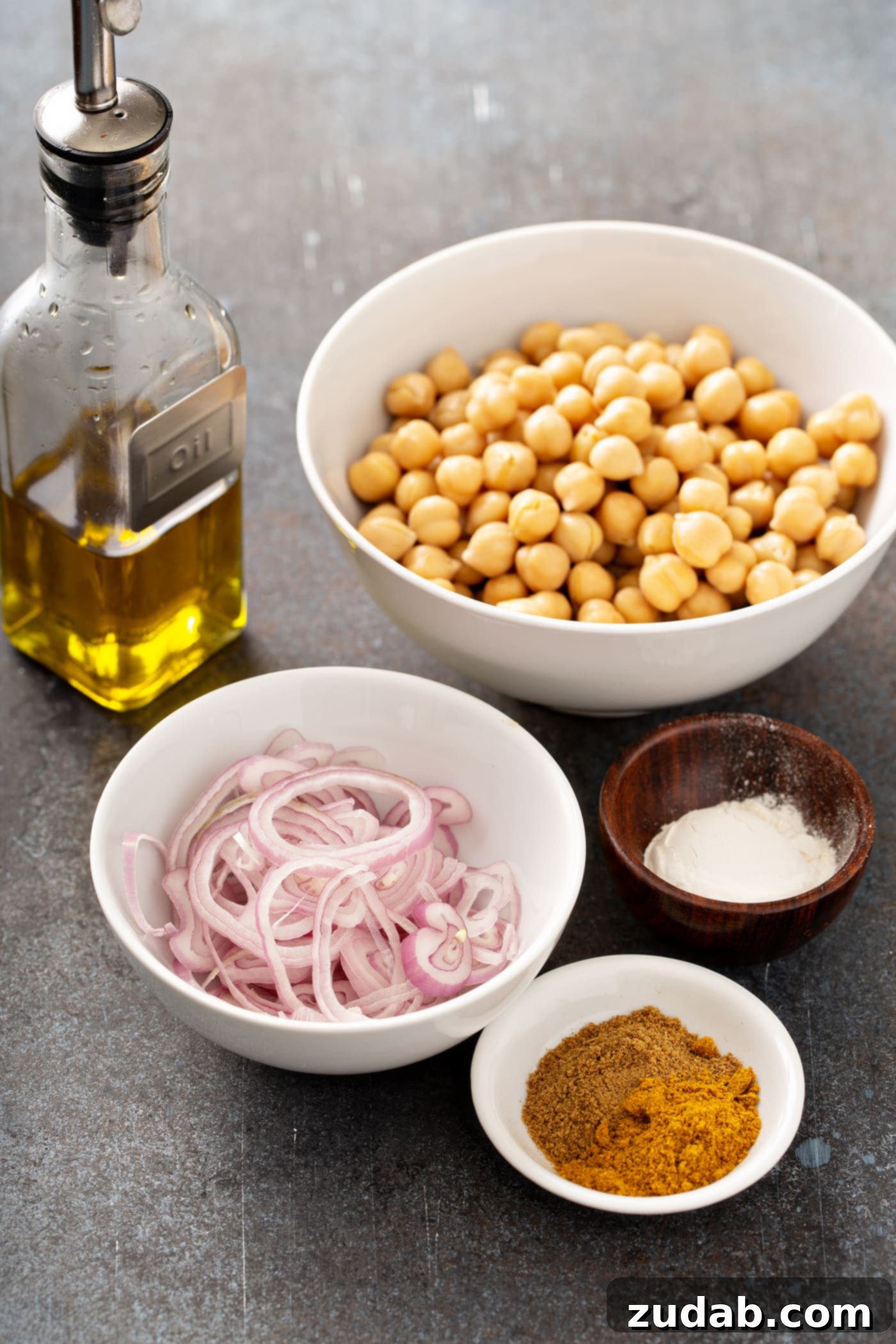
- Cumin: A quintessential spice in Mediterranean cuisine, cumin adds an earthy, warm, and slightly peppery flavor to the chickpeas.
- Curry Powder: A complex blend of spices, curry powder introduces a vibrant, aromatic, and subtly piquant kick to the chickpeas, enhancing their savory profile.
- Chickpeas: Roasted until slightly dried and perfectly spiced, chickpeas provide a delightful texture and a robust, earthy flavor that complements the rice.
- Shallot: Thinly sliced and fried to a golden crisp, crispy shallots are the crowning glory of this dish, offering a delicate onion flavor and an addictive crunchy texture.
- Flour: A light dusting of flour on the shallots ensures they achieve that perfect, even crispiness when fried.
- Parsley: Freshly chopped parsley adds a bright, herbaceous finish, cutting through the richness and adding a pop of color and freshness.
Just imagining this harmonious blend of ingredients, can’t you already taste those vibrant Mediterranean flavors? The combination is truly exceptional, promising a delightful sensory experience with every bite.
Step-by-Step Guide: Crafting Your Flavorful Jerusalem Wild Rice and Chickpeas with Crispy Shallots
This exquisite recipe, despite its sophisticated flavor profile, comes together surprisingly easily. I am so excited for you to experience the magic of this dish! We’ll tackle it in two main parts: preparing the aromatic rice base and then creating the spectacular crispy topping. Let’s get started with the rice, laying the foundation for this incredible side dish.
Preparing the Aromatic Rice Base
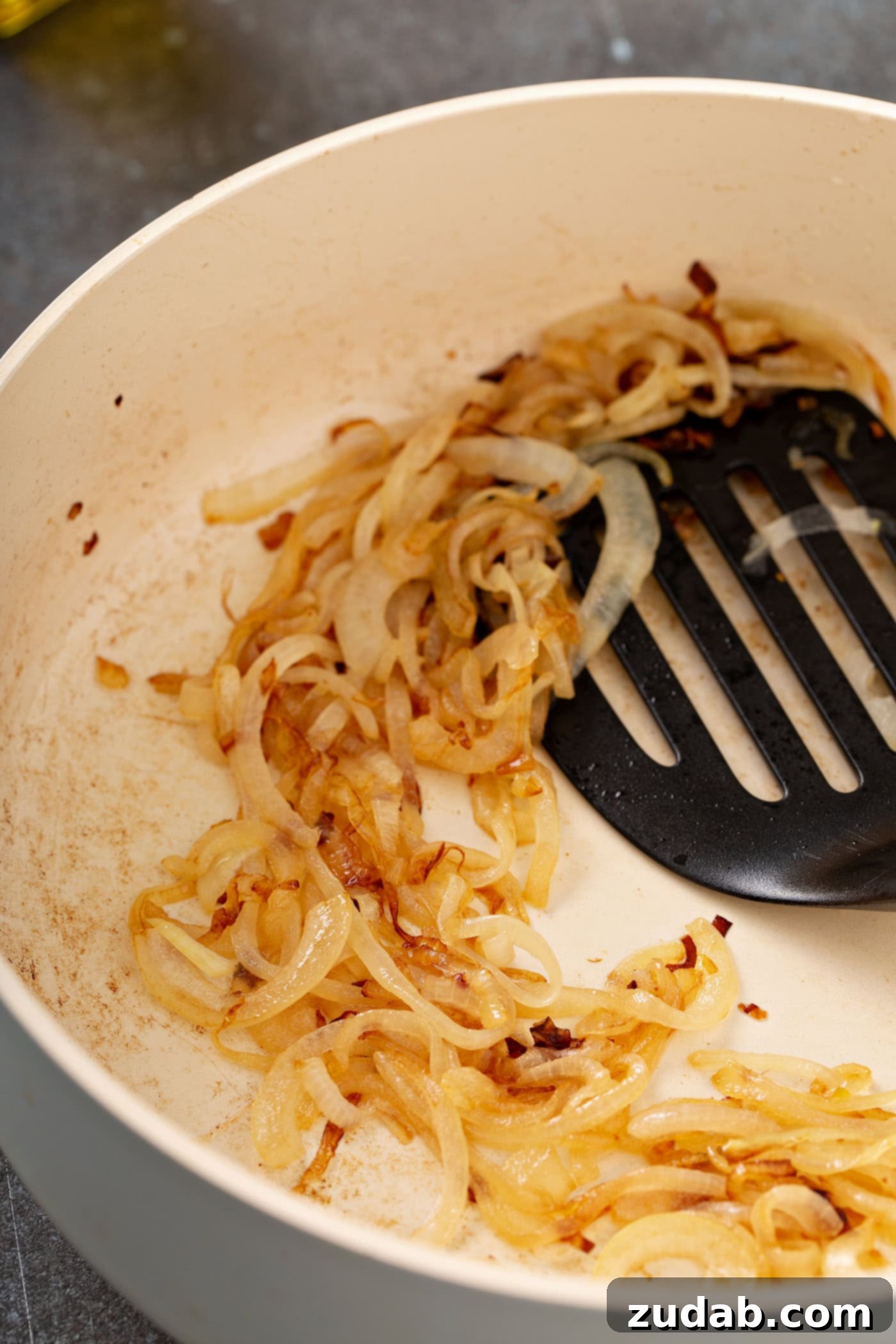
- Begin by adding a tablespoon of olive oil to a large pan and heating it over medium heat. Add the thinly sliced onion and cook, stirring only occasionally, for about 10-15 minutes. The key here is patience; allow the onions to slowly caramelize and turn a rich, golden brown. This process deepens their natural sweetness and creates an incredible depth of flavor for the rice. Once perfectly caramelized, transfer the onions to a separate bowl and set aside.
- Return the pan to the stove. If needed, add just a tiny bit more olive oil. Now, add both the wild rice and basmati rice to the pan, along with the reserved caramelized onions. Stir everything continuously for 2 minutes. This crucial step toasts the rice grains, enhancing their nutty flavor and helping them cook more evenly.
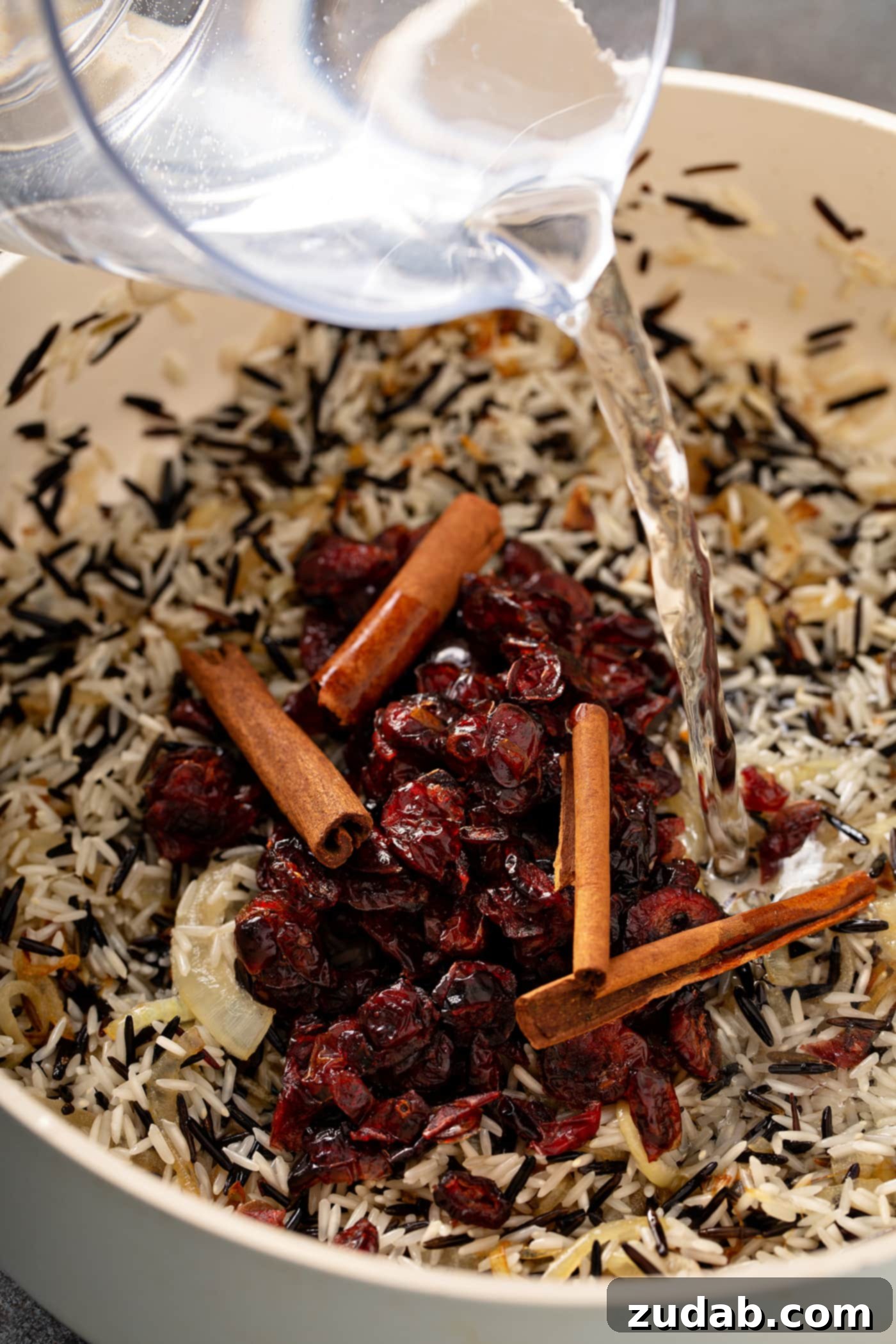
- Next, pour in the water, add the salt, cinnamon sticks (broken in half to release more aroma), and the craisins (or currants and golden raisins). Bring the mixture to a rolling boil. Once boiling, immediately reduce the heat to a low simmer, cover the pan tightly with a lid, and let it cook undisturbed for 30-40 minutes, or until all the water has been absorbed and the rice is tender and fluffy. Resist the urge to lift the lid during this time!
Crafting the Spectacular Topping
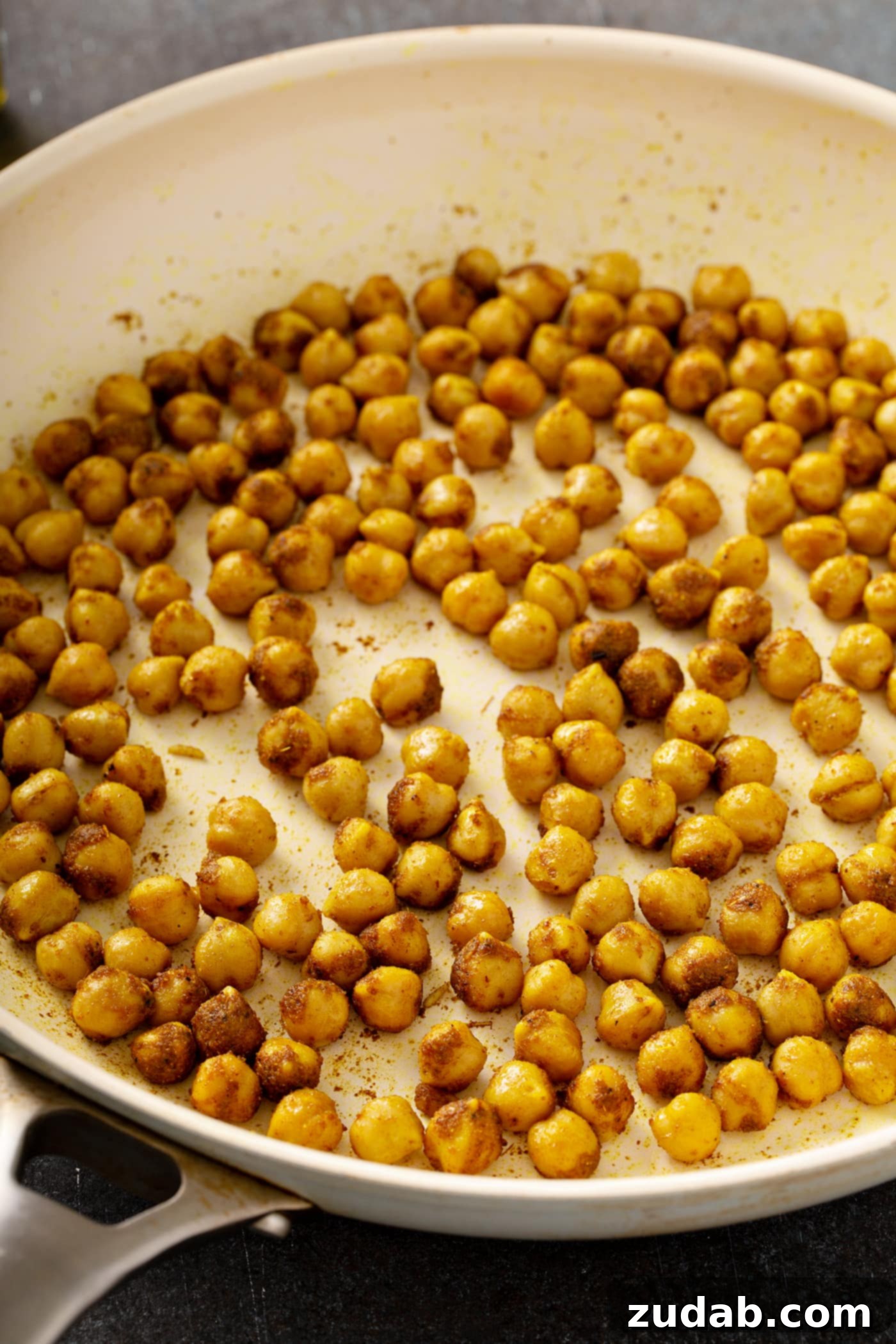
- While your rice is gently simmering, you can prepare the exquisite topping. In a medium bowl, combine the drained, rinsed, and thoroughly dried chickpeas with the cumin and curry powder. Toss well to ensure the chickpeas are evenly coated with the fragrant spices. Heat a little olive oil in a clean pan over medium heat. Add the seasoned chickpeas to the pan and stir them occasionally for about 5 minutes, allowing them to heat through and dry out slightly, developing a firmer texture. Remove them from the pan and set them aside in a dish.
- In a separate bowl, toss the thinly sliced shallots with the flour and a pinch of salt. This light dusting of flour will help them achieve maximum crispiness. Add a few more teaspoons of olive oil to the same pan (still over medium heat) and add the floured shallots. Fry them, stirring frequently, until they turn beautifully golden brown and become wonderfully crispy. Carefully remove the crispy shallots with a slotted spoon and place them on a plate lined with a paper towel to absorb any excess oil.
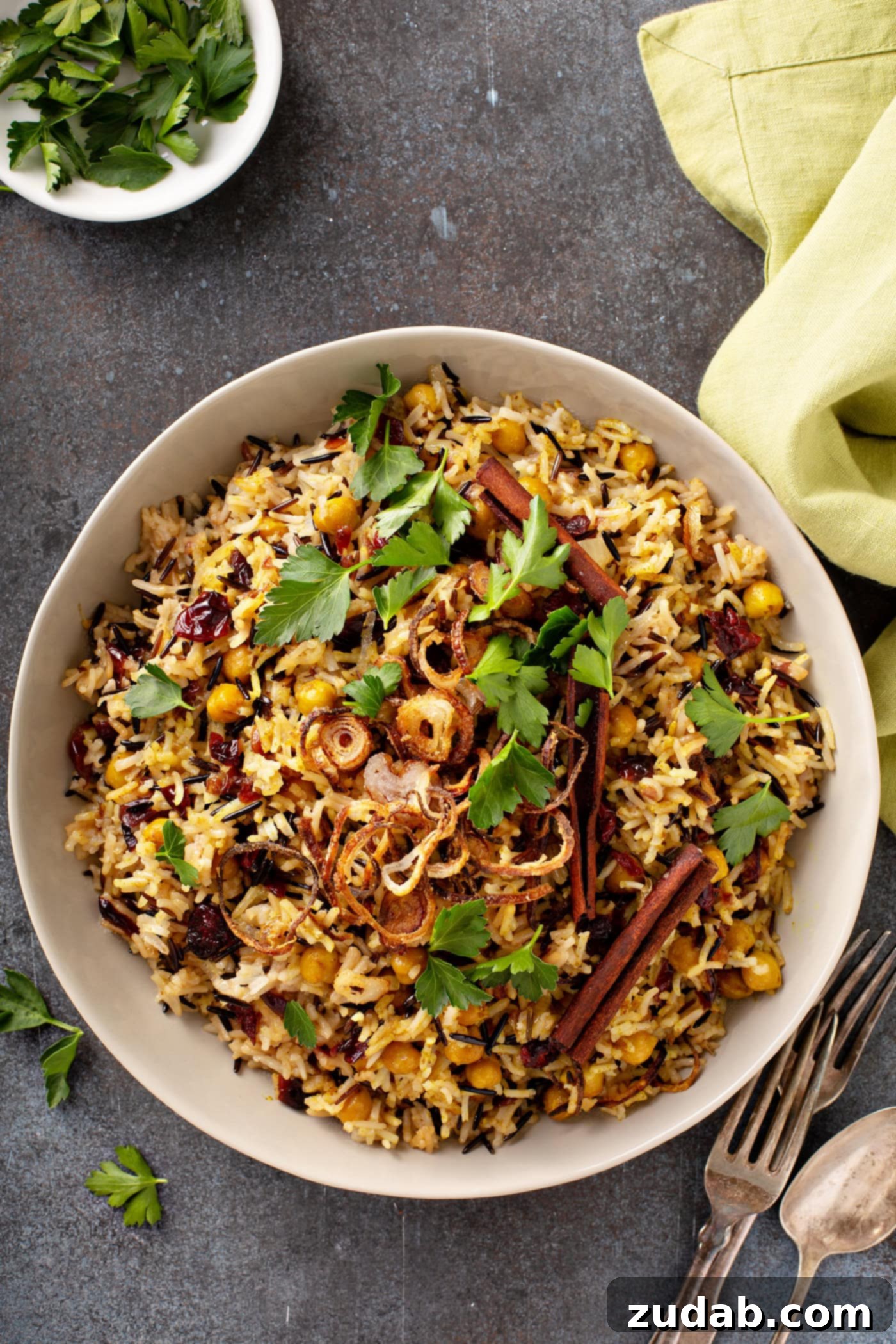
- Once the rice is fully cooked and tender, gently fluff it with a fork. Transfer the rice to a large serving bowl. Now, generously scatter the spiced chickpeas, crispy fried shallots, and freshly chopped parsley over the top. Serve this magnificent Jerusalem Wild Rice immediately and enjoy the symphony of flavors and textures!
Exploring Traditional Side Dishes of Jerusalem
My extensive research into the culinary traditions of Jerusalem, particularly focusing on the era of Jesus Christ, revealed a fascinating truth: the diet was built upon simple, healthy, and locally abundant ingredients. The region was (and still is) blessed with an array of fresh fruits, hearty vegetables, various wheat-based products like pita and unleavened bread, and, crucially, an abundance of high-quality olive oil. These staples formed the bedrock of daily meals, reflecting a diet deeply connected to the land.
Today, many popular side dishes in Jerusalem continue to draw directly from these ancient traditions and ingredients. You’ll find a rich tapestry of flavors in dishes such as:
- Falafel: Crispy, deep-fried balls or patties made from ground chickpeas or fava beans, seasoned with herbs and spices. A beloved street food, often served in pita with fresh vegetables and tahini sauce.
- Shawarma: While often served as a main, the tender, marinated meat (lamb, chicken, or beef) cooked on a vertical spit is frequently accompanied by a variety of side salads, pickles, and sauces.
- Hummus: A creamy dip or spread made from mashed chickpeas blended with tahini (sesame paste), lemon juice, and garlic. It’s a staple, served with almost every meal.
- Sabich: A popular Israeli sandwich, typically served in pita bread, filled with fried eggplant, hard-boiled eggs, fresh salad (often cucumber and tomato), tahini, amba (mango pickle), and often a touch of spicy sauce.
- Tabouleh: A refreshing salad made from finely chopped parsley, tomatoes, mint, onion, and bulgur, seasoned with olive oil, lemon juice, salt, and pepper.
- Mujadara: Another classic rice and lentil dish, often flavored with caramelized onions, showcasing the enduring importance of grains and legumes in the regional diet.
These dishes highlight the enduring culinary legacy of Jerusalem, where simple, wholesome ingredients are transformed into profoundly flavorful and satisfying meals.
Understanding Basmati Rice
Basmati rice is an exceptionally aromatic, long-grain rice variety that hails from the Indian subcontinent, specifically the Himalayan foothills of India and Pakistan. Known for its distinct fragrance, often described as similar to pandan leaf or popcorn, Basmati rice cooks up into separate, fluffy grains with a delightful, slightly nutty flavor. Its elegant, slender grains elongate considerably when cooked, creating an appealing presentation. It’s truly one of my favorite types of rice, and its delicate yet flavorful profile integrates seamlessly into this Jerusalem Wild Rice dish, adding a light, fragrant counterpoint to the more robust ingredients.
Understanding Wild Rice
Contrary to what its name might suggest, wild rice isn’t actually rice but rather the grain of an aquatic grass native to North America, predominantly found in the Great Lakes region. It stands apart from traditional rice varieties with its strikingly dark, almost black, color, a firm and chewy texture, and a distinctive earthy, nutty flavor. While neither basmati nor wild rice were common staples in Jerusalem during the time of Christ, both varieties contribute immensely to the modern appeal and unique deliciousness of this particular rice side dish. Their combined textures and flavors create a dynamic and memorable culinary experience, proving that sometimes, the best recipes emerge from unexpected fusions.
Is Rice Naturally Gluten-Free?
Yes, absolutely! All varieties of rice, in their natural, unprocessed form, are inherently gluten-free. This includes white rice, brown rice, wild rice, and specialty types like Basmati and Jasmine. This makes rice an excellent and versatile dietary staple for individuals with celiac disease, gluten sensitivity, or those simply choosing to avoid gluten in their diet. It’s a wonderful alternative to many grain-based products that contain gluten, offering a safe and delicious option for countless meals.
Is Rice a Healthier Option Than Pasta?
When comparing rice and pasta from a nutritional standpoint, they are quite similar, both serving as primary sources of carbohydrates. Both provide energy and can be part of a balanced diet. However, there are nuances. If you’re looking to boost your fiber intake and gain additional health benefits, opting for brown rice or whole grain pasta would be the healthier choice. These varieties retain more of their bran and germ, which are rich in fiber, vitamins, and minerals. Ultimately, the “healthier” choice often depends on portion size, preparation methods, and the accompanying ingredients.
Can Cooked Rice Be Reheated Safely?
Yes, cooked rice can certainly be reheated, but it’s important to do so correctly to maintain quality and ensure food safety. As rice cools and sits in the refrigerator, it naturally tends to lose moisture and clump together. To restore its tender texture and prevent it from drying out, simply add a small splash of water, a drizzle of olive oil, or a tiny knob of butter before reheating. This extra moisture works wonders! You can reheat rice effectively using various methods: in the microwave, on the stovetop over low heat, or even in the oven. Always ensure it’s piping hot all the way through before serving to minimize any food safety risks.
Storage Guidelines: How Long Will Rice Keep?
Proper storage is key to maximizing the shelf life of both uncooked and cooked rice. Uncooked rice boasts an impressive shelf life, capable of keeping in your pantry for a remarkable 4-5 years, and even longer if stored in a vacuum-sealed container. This incredible longevity is one of the many reasons why rice is such a fantastic pantry staple—you can always have it on hand for a quick and easy meal! Cooked rice, on the other hand, requires refrigeration. It will remain fresh and safe to eat for 4-6 days when stored in an airtight container in the refrigerator. For longer storage, cooked rice can be frozen for up to 6 months, making it convenient for meal prepping and busy weeknights.
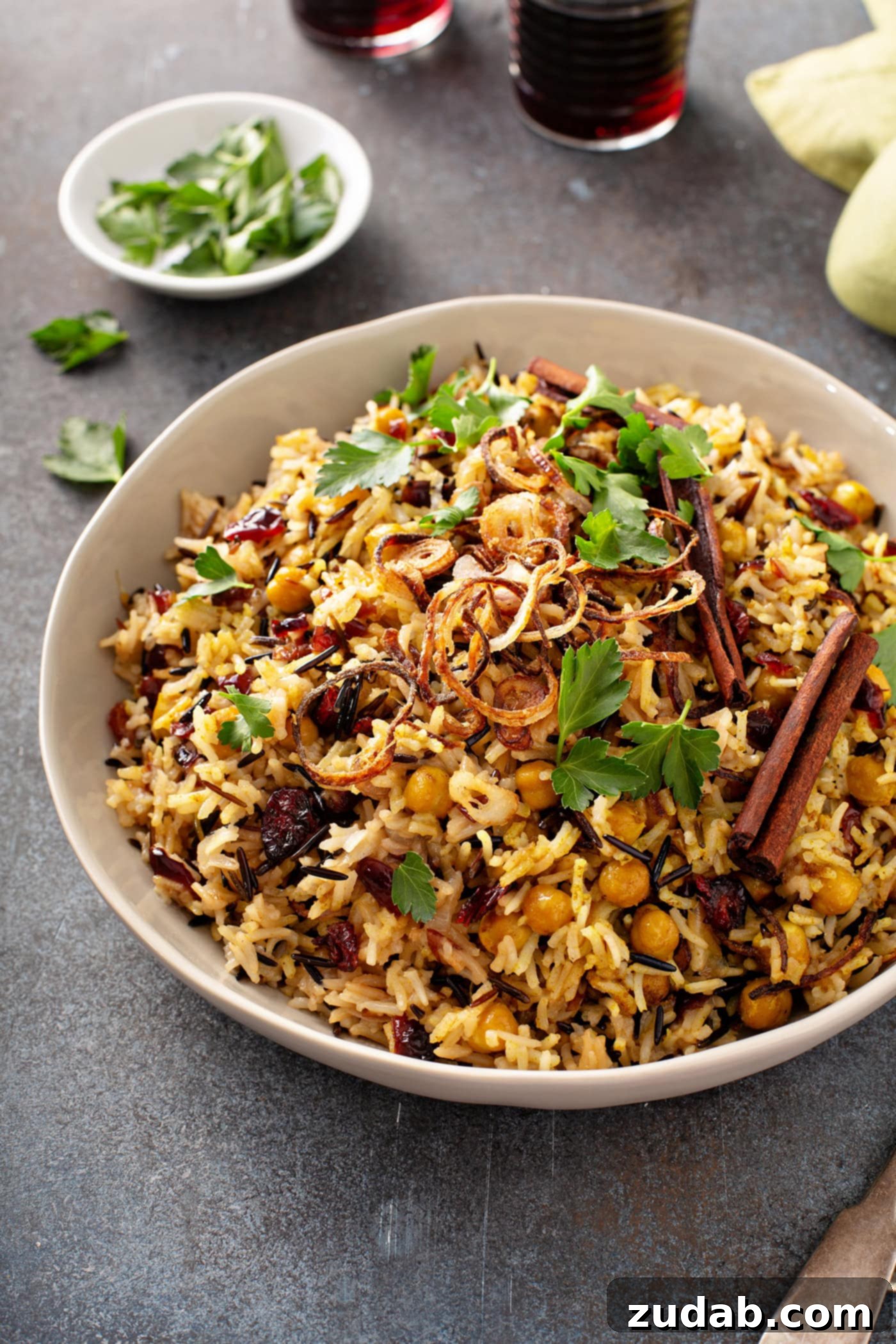
As I mentioned at the very beginning of this article, this Jerusalem Wild Rice with Chickpeas and Crispy Shallots is, without exaggeration, my most cherished rice side dish ever. Its bold, complex flavors and unique combination of textures truly set it apart from typical rice accompaniments. I am completely enamored with this Jerusalem Wild Rice, and I am confident it will become a beloved staple in your kitchen too. It’s a dish that brings a touch of exotic elegance and profound satisfaction to any meal.
More Delicious Side Dishes to Explore:
If you loved this recipe, you’ll surely enjoy exploring our other fantastic side dish creations:
- Brazilian Coconut Rice
- Classic Macaroni Salad
- Sweet & Fluffy Cornbread
- Instant Pot Refried Beans
- Easy Herbed Focaccia Bread
- Cilantro Lime Cauliflower Rice
- The Best Creamy Mashed Potatoes
- Crazy Easy 7-Up Biscuits
- Secret Best Grilled Corn
- Hearty Best Baked Beans
- Southern Macaroni and Cheese
- Soft Best Potato Rolls
- Discover All Our Amazing SIDE DISH Recipes!
Watch How This Wild Rice Recipe is Made:
Wild Rice and Chickpeas with Crispy Shallots
Ingredients
For The Rice
- 1 Tablespoon Olive oil
- 1 Onion, sliced thin
- 1/3 Cup Wild Rice
- 1 Cup Basmati Rice
- 1 3/4 Cups Water
- 1/4 teaspoon Salt
- 2 Sticks Cinnamon, broke in half
- 2/3 Cups Craisins, or 1/3 cup dried currants and 1/3 cup golden raisins * see note
For the Topping
- 1 Can Chickpeas, drained, rinsed and dried
- 2 teaspoons Cumin
- 1 1/2 teaspoons Curry Powder
- 1 Shallot, thinly sliced
- 2 teaspoons Flour
- 1 Pinch Salt
- 2 Tablespoons Parsley, chopped
Instructions
For the Rice
-
Place the olive oil in a pan over medium heat and add the onion. Cook, stirring occasionally for 10-15 minutes or until golden.
Transfer to a bowl.1 Tablespoon Olive oil, 1 Onion -
Add a little more oil and the rices, and the caramelized onions. Cook, stirring continuously for 2 minutes. Add the water, salt, cinnamon and craisins and bring to a boil. Once boiling, reduce the heat to a simmer, add the lid and cook until all of the water is gone and rice is tender, about 30-40 minutes.1/3 Cup Wild Rice, 1 Cup Basmati Rice, 1/4 teaspoon Salt, 1 3/4 Cups Water, 2 Sticks Cinnamon, 2/3 Cups Craisins
For the topping
-
Meanwhile, in a dish, toss together the chickpeas and the spices, cumin and curry. Heat a little oil in a pan over medium heat and toss the chickpeas into the pan, stirring occasionaly until the chickpeas are heated through and dried out, about 5 minutes. Set aside in a dish.2 teaspoons Cumin, 1 Can Chickpeas, 1 1/2 teaspoons Curry Powder
-
In a bowl, toss the shallots with the flour and salt. Add a few teaspoons of oil to the pan and fry the shallots then remove to a paper towel lined plate.1 Shallot, 2 teaspoons Flour, 1 Pinch Salt
-
Once the rice is done, add the shallots, chickpeas and chopped parsley and serve!2 Tablespoons Parsley
Recipe Notes
Nutrition
Nutrition information is automatically calculated, so should only be used as an approximation.
Don’t miss out on more delicious recipes! Subscribe to our FREE Oh Sweet Basil NEWSLETTER and receive easy, delightful recipes delivered directly to your inbox every day.
When you try this recipe, we’d love to see your creations! Please use the hashtag #ohsweetbasil on INSTAGRAM for a chance to be featured in our stories! Follow Oh, Sweet Basil on FACEBOOK | INSTAGRAM | PINTEREST | TWITTER for all our latest content, recipes, and stories. Your culinary adventures inspire us!