


Mastering Weight Management as a Food Blogger: The Power of a Pina Colada Protein Shake
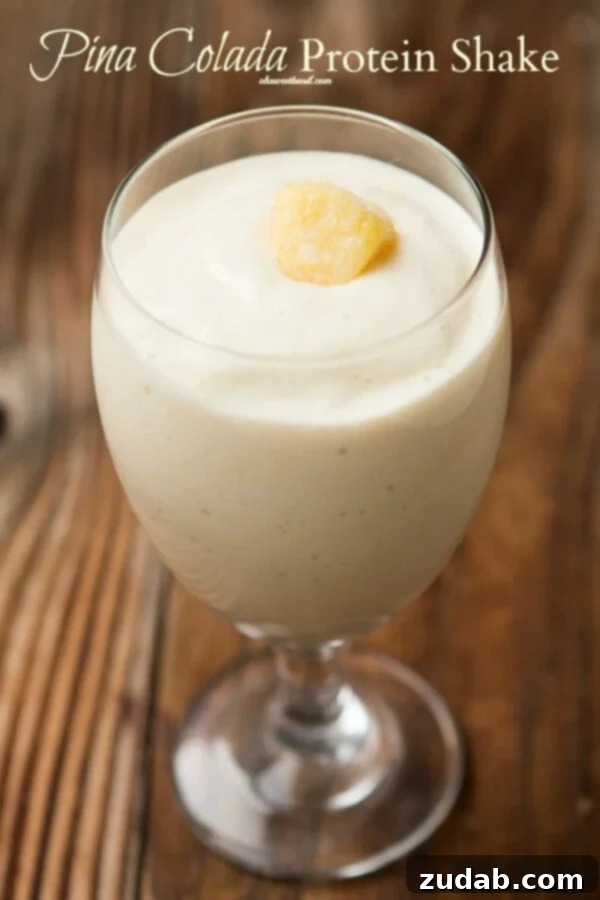
As a food blogger, one of the most frequently asked questions I receive isn’t about my latest decadent dessert, but rather, “How do you maintain your weight?” For years, I struggled with how to answer this query, wondering if the curiosity was genuine or simply playful teasing. However, after countless emails and comments, it became clear that many people genuinely seek insights into balancing a passion for delicious food with a commitment to health. So, I decided it’s time to get real and use this delightful Pina Colada Protein Shake as the perfect springboard to delve into my personal approach to weight management and overall well-being. If you’ve ever wondered about the secrets behind a food blogger’s balanced lifestyle, or simply want an incredible protein shake recipe, you’re in the right place.
For those eager to jump straight to the recipe, feel free to scroll down. But if you’ve been curious about the practical strategies I employ, here’s a transparent look at some of the most common questions that land in my inbox, along with my honest answers.
Addressing Common Misconceptions: My Personal Health Philosophy
Do you have an eating disorder or body image issues?
No, I have never experienced an eating disorder. This is a topic that genuinely saddens me when it’s brought up, as I’ve known individuals who struggle immensely with such issues. It’s disheartening to think that society’s pressures might lead to such assumptions. I often wonder, “Do I appear unwell or unhealthy?” The truth is, I am genuinely happy and comfortable in my own skin. While I may not possess a perfectly toned physique, and some areas could certainly benefit from a little more fat, I firmly believe this is the body I was given, and I prioritize its health. Ultimately, what more could one truly desire than to be healthy and content?

Image by Malae Talley
Why are you so thin if you’re a food blogger? Do you not really eat the food?!
Oh, believe me, I absolutely indulge in the food I create! In fact, I might even be snacking on sprinkle brownies as I type this. My physique is largely attributed to a naturally fast metabolism, a characteristic linked to my Hypothyroidism. While Hypothyroidism is typically associated with weight gain, my body paradoxically manifests it as weight loss. It’s a bit of a double-edged sword. A fast metabolism certainly has its perks, but when my thyroid hormone levels are off, it can be quite challenging. I often find myself constantly cold, feeling utterly exhausted as if I’ve run multiple marathons, and in severe cases, I can experience significant mood swings and feelings of depression – a dark place no one enjoys inhabiting.
Beyond genetics and metabolism, my dedication to self-care plays a crucial role. I am an unwavering advocate for fueling your body with nutritious ingredients. Feeling constantly fatigued? Improving your diet can make a world of difference. My philosophy centers around a high-protein intake, an abundance of fresh fruits and vegetables, and making smart food choices throughout the week. I consciously limit my sugar consumption on weekdays and commit to working out 4-5 mornings a week. For me, exercise has never been about shedding pounds; it’s about honoring and maintaining this incredible machine I’ve been entrusted with. While it might sound cliché, it’s a deeply personal commitment, especially coming from a family with a history of weight struggles (my sister, for instance, successfully lost nearly 100 pounds). My workouts are a testament to my appreciation for everything my body does daily, an investment in a healthy, active future.
Are you one of those annoying people that just eats desserts all the time and never gains weight?
That’s an excellent question! While you might see a flurry of dessert posts on my blog during a single week, it doesn’t mean I’m consuming them all at once. My process involves baking a treat, photographing it, and then scheduling its publication for a future date. This means several dessert recipes might appear in a short span. Additionally, when I bake larger batches, I often invite friends and family over to share and enjoy them with me. This way, I can develop and photograph multiple recipes in one day without overindulging myself.
My general rule of thumb is to eat healthily during the week, reserving a special treat for one day, typically over the weekend. A fascinating observation I’ve made is that the less sugar you consume, the less you crave it. It’s a promise that holds true!
Do you have any specific rules you set for yourself regarding food?
Absolutely, I do have personal guidelines, though I want to emphasize that I’m not a registered dietitian or a health expert. These are strategies that work for my unique body and lifestyle, and they might not be universally applicable. Please take them as personal insights rather than professional advice!
- **Prioritize Protein:** I aim for protein consumption at least twice a day. Protein is crucial for satiety, muscle repair, and maintaining a healthy metabolism, keeping me full and energized throughout the day.
- **Embrace Variety with Fruits and Veggies:** Every meal is an opportunity to incorporate a diverse range of fruits and vegetables. These provide essential vitamins, minerals, and fiber, contributing to overall health and digestive well-being.
- **Mindful Carb Intake (My Personal Rule):** I personally avoid consuming carbohydrates after lunch. I’ve found that my body processes carbs less efficiently in the evenings, impacting my energy and sleep. It’s vital to remember that this is a highly individualized approach and might not be suitable for everyone.
- **Hydration is Key:** My beverage choices are limited to water, milk, coconut milk, or almond milk. The vast majority of my daily fluid intake is pure water, consumed consistently throughout the day. Proper hydration is fundamental for all bodily functions, including metabolism and nutrient absorption.
- **Strategic Snacking:** I incorporate healthy snacks at least three times a day, especially given my early mornings (up at 5:45 AM) and late bedtimes (around 10:15 PM). My go-to options include raw almonds, carrots, protein bars, green protein shakes, string cheese, fresh fruits, frozen bananas, or even a spoonful of peanut butter (we all do it, right?!). These snacks keep my energy levels stable and prevent extreme hunger.
- **Never Skip a Meal or Snack:** This rule is non-negotiable for me. Consistently eating the right foods throughout the day keeps my metabolism active, regulates my hunger, and prevents overeating at subsequent meals. It’s about nourishing my body regularly.
- **Adequate Portions, Not Tiny Ones:** I’ve noticed a trend where some bloggers post minuscule portions and label them as full meals. This sends a misleading message. Your body requires sufficient sustenance to thrive, and tiny portions, even of healthy foods, can lead to nutrient deficiencies and persistent hunger. My focus is on eating enough to feel satisfied and energized, avoiding both under- and overeating.
Now, with these health insights shared, let’s turn our attention back to crafting that refreshing and nutritious Pina Colada Protein Shake.
Whey Protein vs. Soy Protein: Which is Right for You?
When selecting a protein powder, whey and soy are two of the most popular choices, each offering distinct advantages and catering to different dietary needs. Understanding their differences can help you make an informed decision for your health goals.
Soy protein powder is derived from ground soybeans, with the hulls and fats removed. This plant-based powder typically boasts a protein content of 90-95% and is naturally low in fats and carbohydrates, though some manufacturers may add carbs to enhance flavor or texture. Soy protein is a complete protein, meaning it contains all nine essential amino acids necessary for the body’s functions.
Whey protein, on the other hand, is a dairy-based protein, a byproduct of cow’s milk during cheese production. It undergoes processing to separate and remove carbohydrates, fats, and excess water, resulting in a highly concentrated protein-rich powder. Whey is also a complete protein and is particularly renowned for its rapid absorption rate and high content of branched-chain amino acids (BCAAs), which are crucial for muscle repair and growth.
The choice between whey and soy protein largely depends on your dietary preferences, restrictions, and specific health objectives. Here are some key considerations:
- **Taste and Texture:** Whey protein generally offers a smoother consistency and a milder, slightly nutty flavor, making it versatile for various shakes and recipes. Soy protein tends to have a stronger, more distinct nutty taste and can sometimes have a slightly grittier texture.
- **Dietary Suitability:** Whey is an animal product, making it unsuitable for vegan diets. Furthermore, since it’s derived from milk, it contains lactose, which can be an issue for individuals with lactose intolerance. Soy protein is an excellent plant-based option, making it suitable for vegans and those avoiding dairy.
- **Nutritional Impact:** While both are excellent protein sources, they have subtle differences in their micronutrient profiles and the types of bioactive compounds they contain. Whey protein has been extensively studied for its benefits in muscle synthesis and recovery, while soy protein is often chosen for its plant-based advantages and potential role in heart health.
Ultimately, when it comes to protein powder, there’s no single “best” option; it truly comes down to personal choice and what aligns with your individual dietary needs and preferences. Both whey and soy protein are effective supplements for increasing your protein intake.
Can a Protein Shake Effectively Replace a Meal?
The concept of using protein shakes as meal replacements is a popular one, particularly for those with busy schedules or specific dietary goals. **Yes, a well-formulated protein shake can indeed replace a meal**, provided it is designed to deliver a comprehensive spectrum of nutrients typically found in a balanced meal.
The most effective meal replacement shakes go beyond just protein. They should contain a robust combination of:
- **High-Quality Protein:** Essential for satiety, muscle maintenance, and metabolic function.
- **Dietary Fiber:** Crucial for digestive health, prolonging satiety, and stabilizing blood sugar levels. Sources include fruits, vegetables, oats, or specific fiber blends.
- **Essential Vitamins and Minerals:** A broad range of micronutrients to support overall bodily functions.
- **Healthy Fats:** For sustained energy, hormone production, and nutrient absorption. Examples include avocado, nut butters, or seeds.
- **Complex Carbohydrates (in moderation):** For sustained energy release, though these can often be naturally incorporated through fruits and certain vegetable additions.
Therefore, a homemade protein shake enriched with a variety of fruits, vegetables, and perhaps a healthy fat source (like coconut milk in our Pina Colada shake) can be an excellent, convenient, and nutritious substitute for a traditional meal. It’s important to ensure your shake provides a balanced macronutrient profile to prevent nutrient deficiencies and keep you feeling full and energized.
Will Protein Shakes Cause Weight Gain?
The notion that protein shakes inherently lead to weight gain is a common misconception. In reality, **weight gain occurs when your total caloric intake consistently exceeds the calories your body expends.** Protein shakes, by themselves, are not a magic bullet for gaining or losing weight; they are simply a concentrated source of protein and calories.
Most standard scoops of protein powder contain approximately 100-150 calories and are relatively low in carbohydrates and fats. If you’re incorporating protein shakes into your diet without monitoring your overall daily calorie consumption, and these shakes significantly increase your total calorie intake beyond your needs, then yes, they can contribute to weight gain. This is especially true if you create very high-calorie shakes by adding multiple scoops of protein, excessive amounts of fruit, full-fat dairy, nut butters, or other calorie-dense ingredients.
However, when used strategically, protein shakes can be a powerful tool for weight management:
- **For Weight Loss:** Protein promotes satiety, helping you feel fuller for longer and potentially reducing overall calorie intake. Replacing a higher-calorie meal or snack with a lean protein shake can support a calorie deficit.
- **For Muscle Gain:** Protein is essential for muscle repair and growth. If your goal is to build muscle, consuming adequate protein (often supplemented with shakes) alongside resistance training will help you gain lean mass, which can contribute to an increase in overall weight, but primarily in a beneficial way.
- **For Weight Gain:** If you’re trying to gain weight, especially muscle mass, protein shakes can be an easy and efficient way to boost your caloric and protein intake without feeling overly stuffed. You can customize them with calorie-dense additions to meet your specific needs.
The key is balance and awareness. Monitor your overall caloric and macronutrient intake, and customize your protein shakes to align with your personal weight goals. A protein shake is a versatile dietary tool, and its impact on your weight is determined by how it fits into your broader nutritional strategy.
Pina Colada Protein Shake: Your Tropical Boost
Pina Colada Protein Shake

Ingredients
- 8 Ounces Coconut Milk
- 1 Cup Frozen Pineapple Chunks
- 2 Scoops Vanilla Protein Powder
Instructions
-
Combine all ingredients in a blender and process until completely smooth. Serve immediately for the best taste and texture.8 Ounces Coconut Milk, 1 Cup Frozen Pineapple Chunks, 2 Scoops Vanilla Protein Powder
Recipe Notes
Nutrition Facts
Nutrition information is automatically calculated, so should only be used as an approximation.
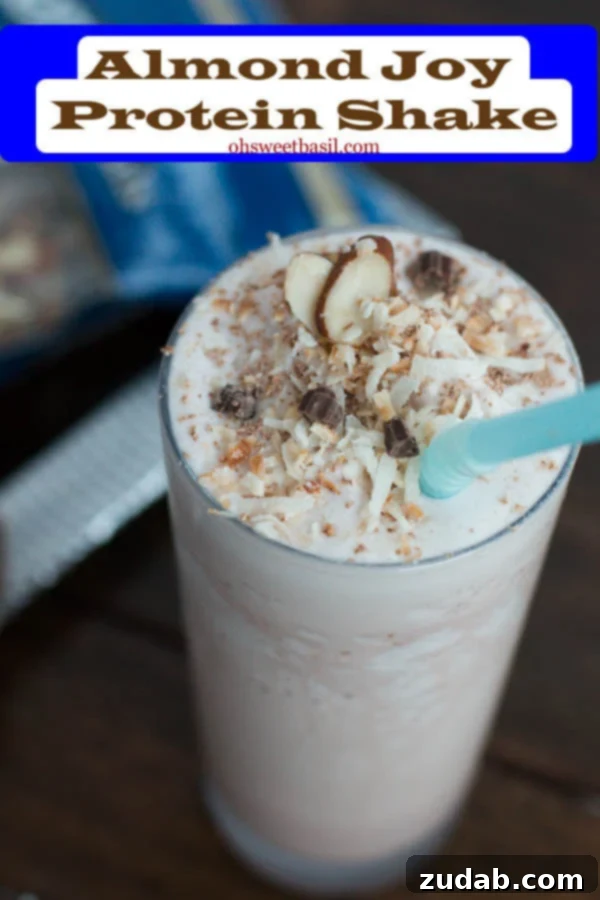
For more delicious and healthy options, check out our Almond Joy Protein Shake – a guilt-free indulgence!
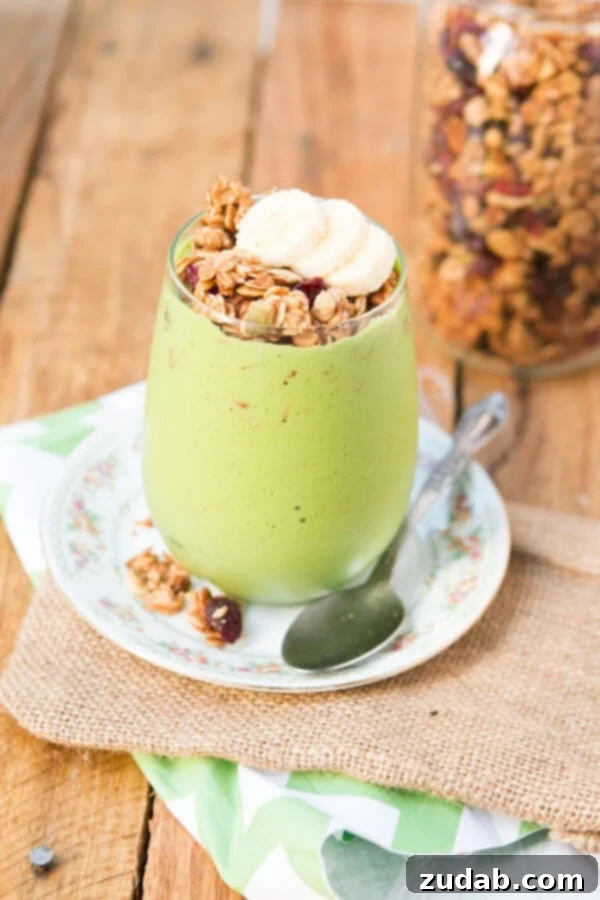
Kickstart your day with our vibrant Protein Green Smoothie, perfect for a nutritious breakfast or a revitalizing snack.