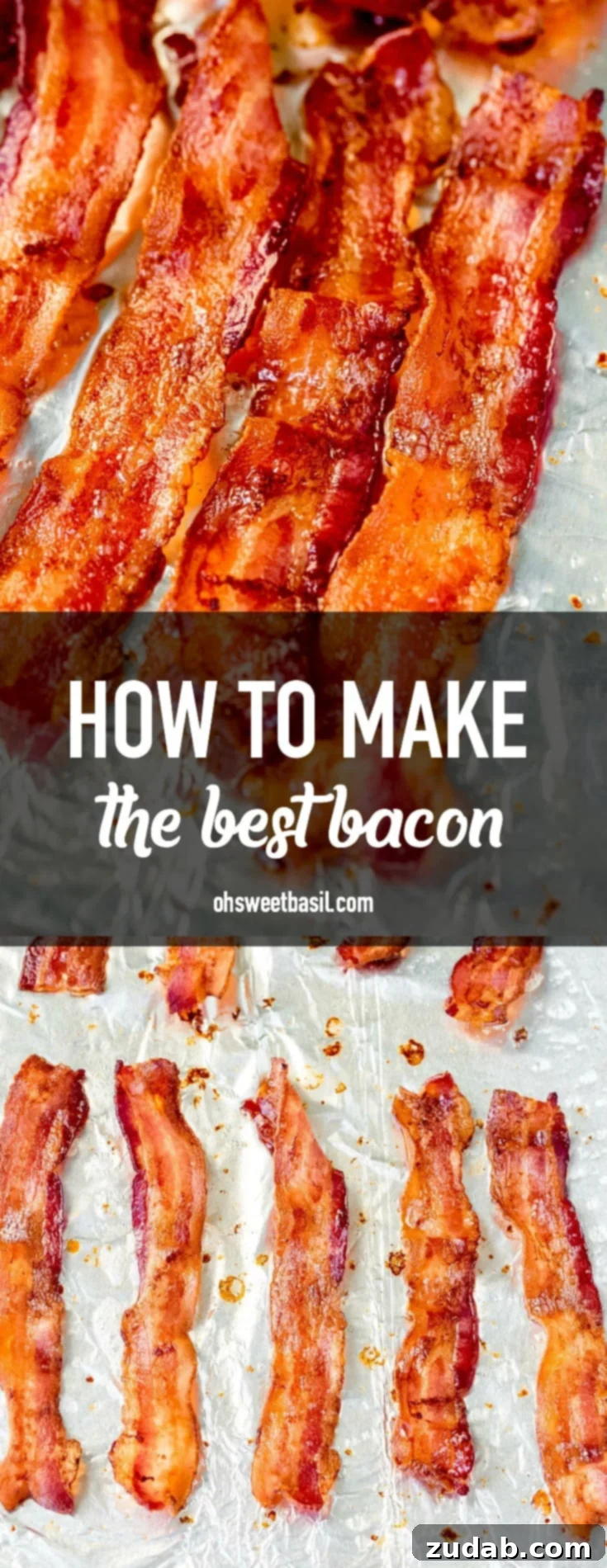
Mastering the Art of Bacon: Your Ultimate Guide to Perfectly Crispy Slices Every Time
Are you ready to unlock the secrets of cooking bacon the absolute right way? You might be surprised to discover that a simple trick can elevate your bacon from good to utterly spectacular. Prepare yourself for the best bacon you’ve ever tasted!
The Undeniable Allure of Bacon
Few foods evoke such a visceral response as bacon. It engages nearly all your senses in a symphony of delight: the irresistible aroma that fills your kitchen, the comforting sizzle and pop as it cooks, and finally, the glorious crunch of perfectly rendered bacon melting in your mouth. For many, bacon isn’t just a food; it’s an experience, a beloved staple that transforms any meal.
However, I must confess, this wasn’t always my sentiment. As a child, I harbored a deep dislike for bacon. It was often too greasy, inconsistently cooked—either rubbery or burnt—and frankly, just too fatty for my young palate. My response was always a firm “no, thanks, I’ll pass.”
My Personal Bacon Revelation
My journey from bacon skeptic to fervent admirer began one brisk morning. I woke up in a tent, the canvas damp with dew, signaling a chilly start to the day. My mom, ever the innovator, had taught me a brilliant camping trick: put your clothes at the bottom of your sleeping bag before bed, and they’ll be toasty warm in the morning. A true stroke of genius!
I carefully wriggled into my warm, peg-legged acid-wash jeans and an old sweatshirt, pulling my hair through a scrunchie. Despite my caution, I inevitably brushed against the damp tent, getting my sleeves wet. As I unzipped the tent flap, the cool morning air rushed in, bringing with it the most distinct and wonderful sounds of breakfast. Who needs Christmas morning carols when the symphony of breakfast awaits?
I hurried over to a huge fire pit where a shaggy-haired boy in a puffy coat was helping his dad prepare breakfast for everyone at the church campout. “Want any bacon?” he asked, surprisingly polite for a nine-year-old. But my childhood disdain was strong. “Nah, I don’t like bacon,” I declared confidently, digging in my heels like any self-respecting picky eater would. And that, I thought, was that.
It wasn’t until my college years that I truly understood the glory of bacon, and more importantly, realized that many people were cooking it entirely wrong. This crucial realization would change my perspective forever, and I’m excited to share that game-changing tip with you in a moment.
Understanding Bacon: Your Essential Buying Guide
Before we dive into cooking techniques, let’s talk about what to look for when buying bacon. The quality of your raw bacon directly impacts the final deliciousness of your cooked strips. Knowing a few key characteristics can help you select the perfect pack for your next meal.
Selecting the Best Bacon for Flavor and Texture
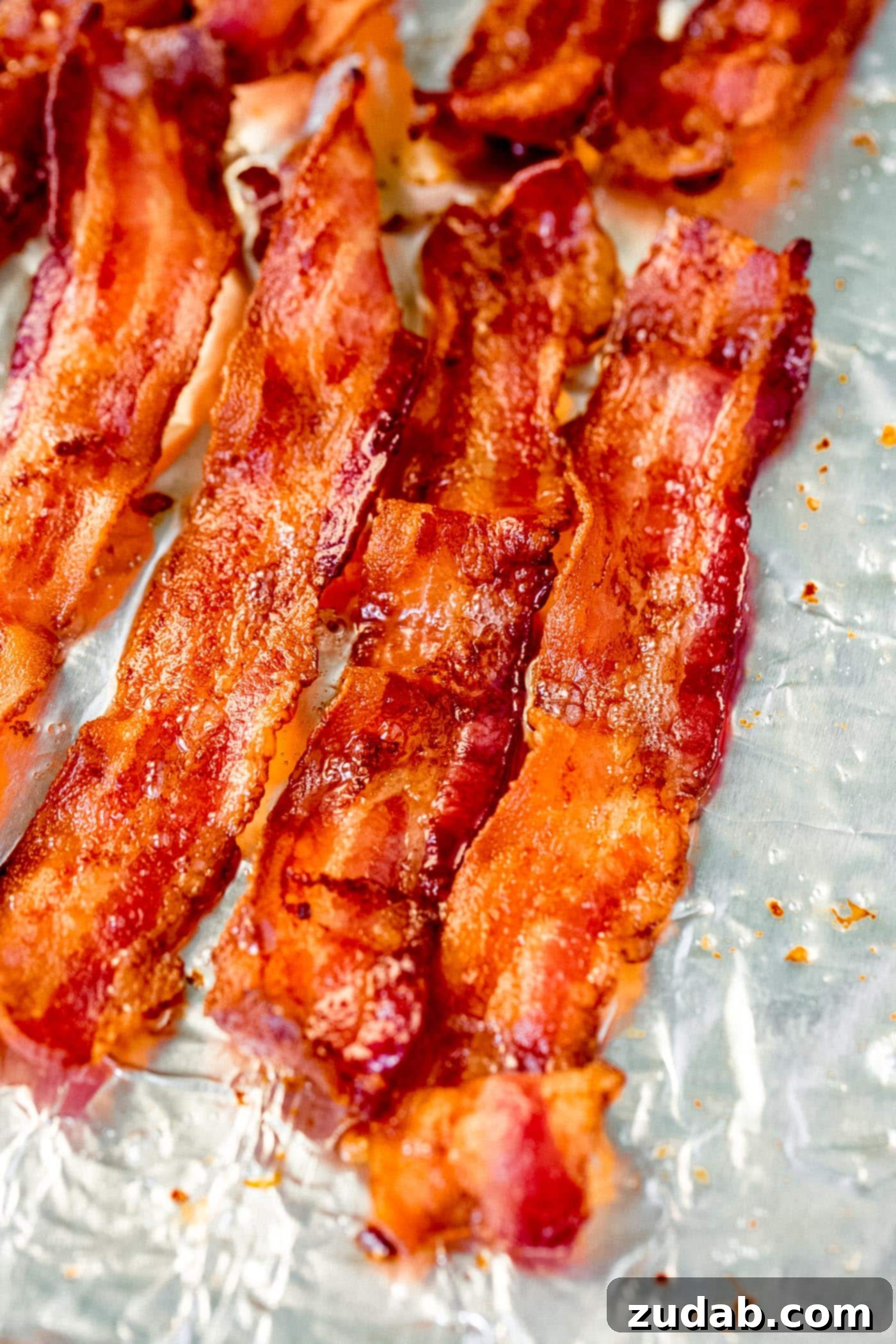
When you’re at the grocery store, consider a few factors. Look for bacon with a good balance of lean meat and fat, without being excessively fatty or too thin. The marbling of fat is crucial for flavor and tenderness once cooked. Here are some popular choices that often deliver excellent results:
- Sweet and Smoky Options – Many brands specialize in a rich, hickory-smoked flavor profile that balances sweetness with a deep, savory character. For example, brands like Wright Hickory Smoked Bacon are often praised for their premium taste.
- Simple, Wholesome Ingredients – If you prefer fewer additives, look for dry-rubbed bacon with minimal ingredients. Wellshire Classic Sliced Dry Rubbed Bacon is a great example of a product focused on pure bacon flavor.
- Reader Favorites – Tried and true brands often earn their popularity for a reason. Oscar Mayer Naturally Hardwood Smoked Bacon is a widely loved choice that consistently delivers good flavor.
Thick-Cut vs. Thin-Cut Bacon: A Culinary Conundrum
The debate between thick-cut and thin-cut bacon is a passionate one in my household! While my husband prefers the hearty chew of extra-thick slices, I often lean towards the delicate crispness of thin-cut bacon. The truth is, both have their place, and the “best” choice really depends on your intended culinary use.
Thick-cut bacon is robust and satisfying, perfect for a stand-alone side with breakfast or for creating a truly substantial BLT sandwich where its presence won’t be overshadowed. However, its heft can be a disadvantage when you need bacon to crumble finely over a potato soup; it tends to sink rather than float as a delightful topping. Thin-cut bacon, on the other hand, achieves maximum crispiness with ease and is ideal for crumbling, but it might not stand up as well as a primary component in a sandwich.
Ultimately, regardless of thickness, focus on quality. Choose bacon that looks fresh, has good color, and isn’t overly translucent. The foundation of great bacon starts with a great product.
Cured vs. “Uncured” Bacon: What You Need to Know
The terms “cured” and “uncured” bacon can be confusing, and there’s a lot of discussion surrounding them. Understanding the difference can help you make an informed choice based on your dietary preferences.
- Cured Bacon: Traditionally, bacon is cured using a mixture of salt, sugar, and artificial nitrates or nitrites. These compounds contribute to bacon’s characteristic pink color, flavor, and preservation, and help prevent bacterial growth.
- “Uncured” Bacon: This term is a bit misleading. “Uncured” bacon doesn’t mean it’s free of curing agents. Instead, it means that artificial nitrates and nitrites were not directly added. It’s typically cured using natural sources of nitrates, such as celery powder, beet juice, or other vegetable extracts, which are then converted to nitrites by naturally occurring bacteria. So, while it avoids synthetic additives, it still contains naturally occurring nitrites. If you’re looking to minimize synthetic additives, “uncured” bacon might be your preference, but it’s important to understand that nitrites are still present, albeit from natural sources.
Mastering the Art of Cooking Bacon: The Cold Pan Secret
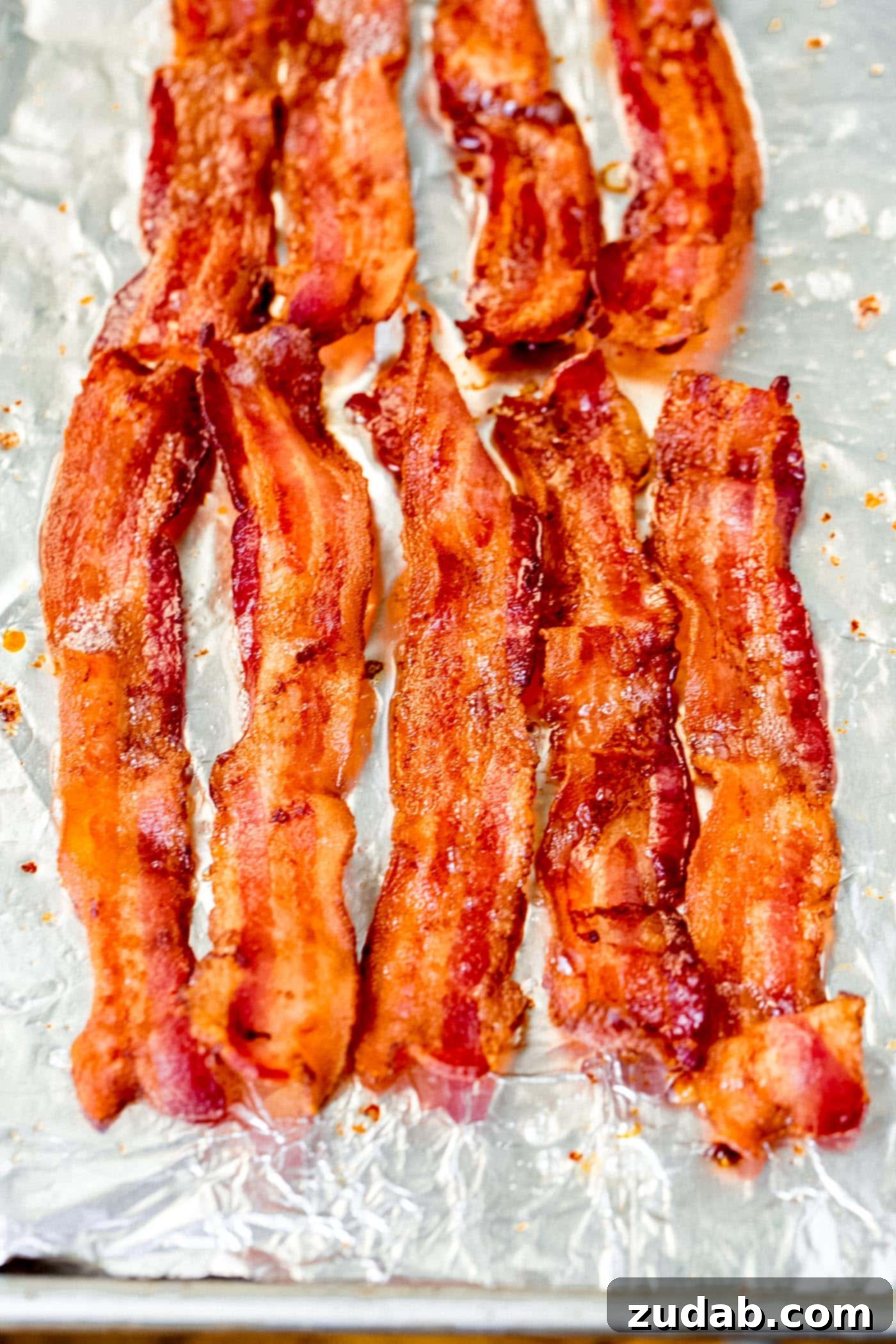
Here’s the game-changing trick I mentioned: start with a COLD pan. This seemingly simple step is the key to unlocking perfectly crispy, evenly cooked bacon every single time. When bacon is placed in a cold pan, the fat slowly renders as the pan heats up. This slow rendering process allows the fat to melt away gradually, crisping the meat evenly without burning it. If you start with a hot pan, the meat sears quickly before the fat has a chance to render, resulting in bacon that is often chewy, unevenly cooked, or even burnt on the edges while still soft in the middle.
The Best Way to Cook Bacon: Stovetop for Ultimate Crispiness
After years of baking bacon, I’ve come to a definitive conclusion: the stovetop method yields the crispest, most satisfying bacon. While oven baking has its place (especially for larger batches), the direct, consistent heat of a good pan truly brings out that perfect crisp snap. For this method, I highly recommend investing in a good quality cast iron pan. It doesn’t need to be expensive, but its ability to retain and distribute heat evenly is unparalleled.
- Prepare the Pan: Place a cast iron skillet (or any heavy-bottomed pan) on your stove. Ensure the pan is cold.
- Arrange the Bacon: Lay the bacon strips flat in the cold pan, making sure the pieces do not overlap or touch. Overlapping bacon will steam rather than crisp.
- Set the Heat: Turn the heat to low or medium-low. This slow and steady approach is crucial for rendering the fat properly.
- Cook Evenly: Cook the bacon, flipping often (every 1-2 minutes) to ensure even cooking on both sides. This usually takes about 8-10 minutes, depending on the thickness of your bacon and desired crispiness. If you attempt to cook it faster on higher heat, the fat won’t have enough time to render out, leading to chewy, less flavorful bacon.
- Drain: Once cooked to your preference, transfer the bacon to a plate lined with paper towels to absorb any excess grease.
How to Cook Bacon in the Oven: Ideal for Feeding a Crowd
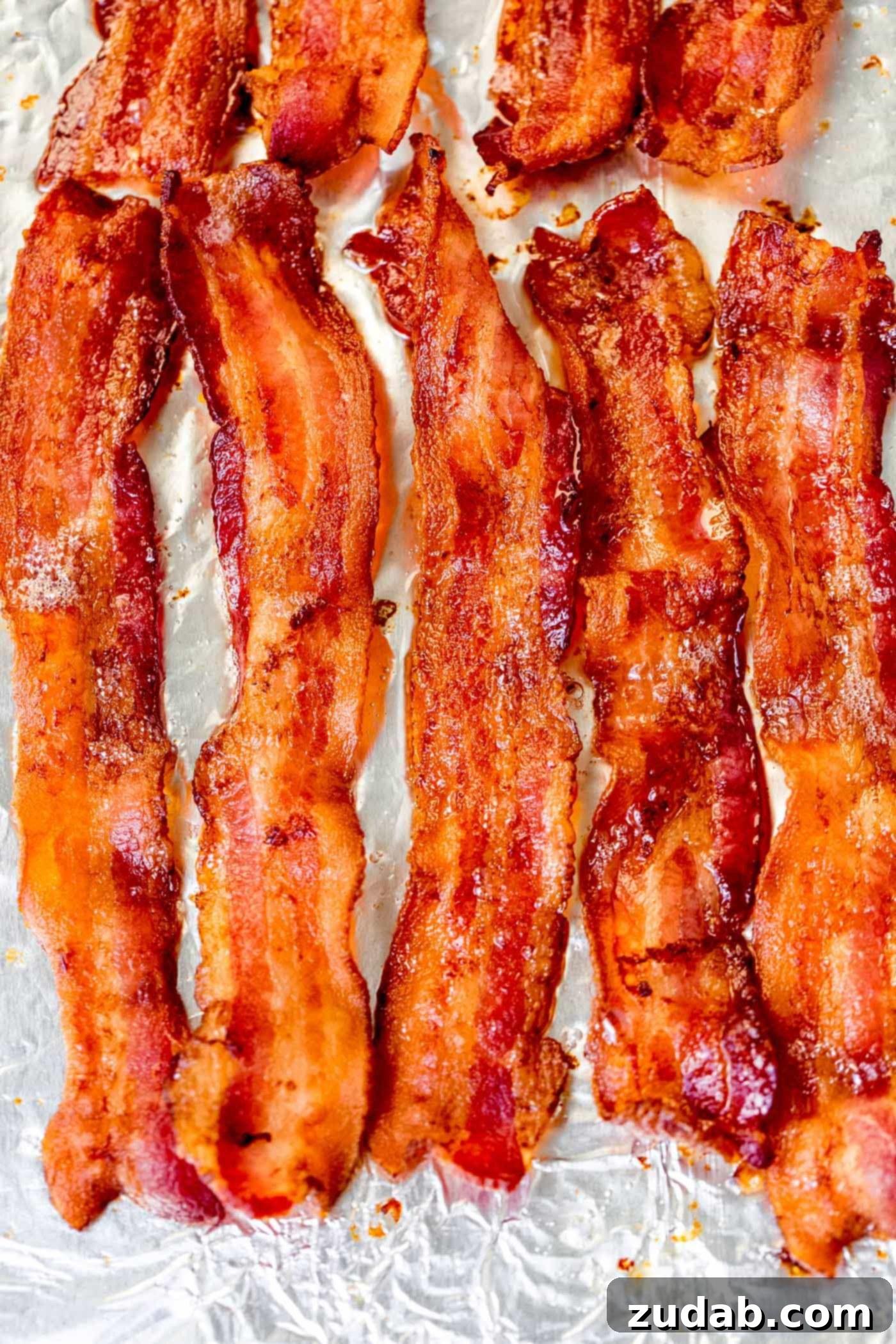
While I advocate for the stovetop for peak crispiness, cooking bacon in the oven is undeniably convenient when you’re feeding a large group or prefer a hands-off approach. It might not achieve the exact same “crisp snap” as stovetop bacon, but it still delivers delicious results. Oven-cooked bacon benefits from a higher heat that comes from all directions, slowing rendering the fat and allowing for consistent cooking.
Here are two popular methods for cooking bacon in the oven, with a tip for achieving extra crispiness:
Oven Bacon Methods: Achieving Extra Crispiness
Method #1: For Extra Crisp Bacon with a Wire Rack
If your goal is super crispy bacon with minimal grease pooling, use an oven-safe wire rack placed over a baking sheet. I like to line the baking sheet with aluminum foil first for incredibly easy cleanup. The rack allows hot air to circulate all around the bacon, preventing it from sitting in its own grease and promoting a superior crisp texture. However, a potential drawback is that bacon can sometimes stick to the rack, and washing the rack can be a bit more cumbersome.
Method #2: The Classic Baking Sheet Method
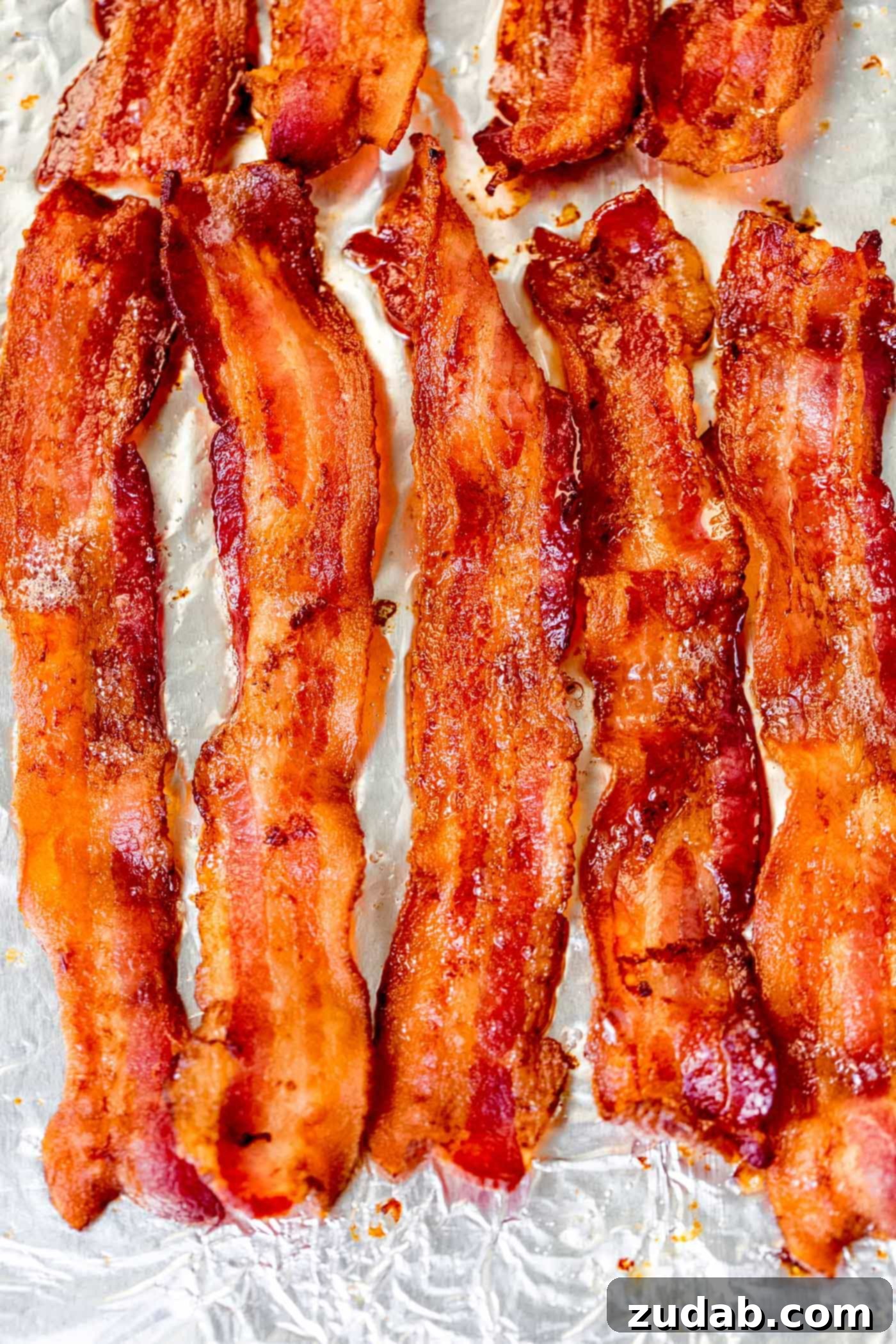
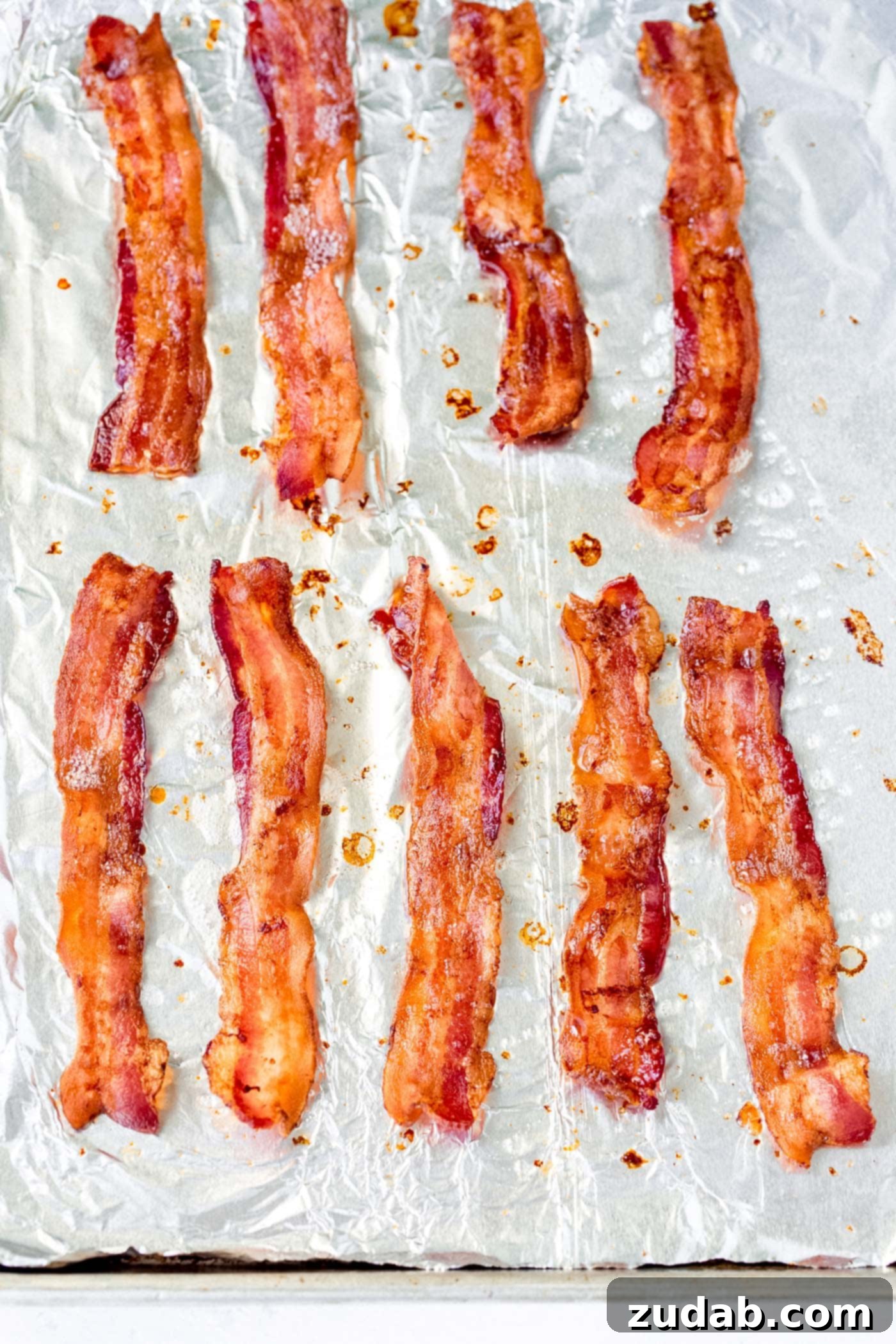
This is the method I generally use for its simplicity and ease of cleanup. Simply line a cookie sheet with an edge (a standard half-sheet pan works perfectly) with aluminum foil.
Detailed Instructions for Cooking Bacon in the Oven
Cooking bacon in the oven is incredibly straightforward and essential when you need a significant quantity. Here’s the exact oven temperature and cooking time for perfect oven-baked bacon:
- Line two baking sheets with aluminum foil for effortless cleanup.
- Preheat your oven to 400 degrees Fahrenheit (200°C).
- Arrange the bacon strips in a single layer on each baking sheet. It’s crucial that they do not overlap or touch, as this will prevent them from crisping evenly.
- Bake for 15-20 minutes. Cooking time can vary depending on bacon thickness and your oven. For an extra crisp result, I recommend flipping the bacon halfway through or for the last 5 minutes of cooking.
- Once cooked to your desired crispiness, carefully remove the baking sheets from the oven.
- Transfer the cooked bacon to a plate lined with paper towels to absorb any excess grease.
- Serve warm and enjoy!
How to Cook Bacon in the Air Fryer: A Modern Approach
The air fryer has become a popular appliance for quickly achieving crispy results, and bacon is no exception. There are a few variables that can affect air fryer bacon, including the size and model of your air fryer, the thickness of your bacon, and your desired level of crispiness. Here’s a general guide:
- Preheat (Optional, but not necessary): Set your air fryer to 350°F (175°C). While some recipes suggest preheating, it’s generally not required for bacon.
- Arrange Bacon: Place bacon strips in a single layer in the air fryer basket. Do not overcrowd; cook in batches if necessary to ensure proper airflow and crisping.
- Cooking Times:
- For regular-cut bacon, air fry for about 7 minutes for softer bacon, or 8-9 minutes for deliciously crispy bacon.
- For thick-cut bacon, air fry for approximately 9 minutes for softer results, or 10-12 minutes for extra crispy strips.
- Check and Flip: Check bacon periodically and flip halfway through cooking for the most even crisping.
- Drain: Transfer cooked bacon to a paper towel-lined plate to soak up excess grease before serving.
Should I Chop Bacon Before or After Cooking It?
This is a common question, and as with many culinary decisions, the answer is: “it depends!” The best approach for chopping bacon largely hinges on its intended use in your dish.
Chopping Bacon Before Cooking: If your goal is to infuse a dish with bacon flavor and create small, rendered pieces of bacon fat, then chopping the bacon before cooking is the way to go. This method is perfect for dishes like our award-winning Instant Pot chili, where the bacon bits become integral to the sauce and the rendered grease adds a layer of rich flavor to the base of the dish. The small pieces cook down beautifully and distribute their savory essence throughout.
Chopping Bacon After Cooking: Conversely, if you plan to use bacon as a crunchy topping for salads, soups, or dips, it’s best to cook the bacon first and then chop it. This allows you to achieve your desired level of crispiness for the full strips before dicing them into perfect crumbles. This method is ideal for recipes like our broccoli salad, loaded cowboy salad, cheesy bacon ranch corn dip, or potato broccoli corn chowder, where the bacon provides a distinct textural contrast.
While both methods have their merits, I almost always find myself chopping bacon after cooking it, as I frequently use it for garnishes or where its crisp integrity is paramount.
Bacon FAQs: Everything You Need to Know
What is the Difference Between Bacon and Pork Belly?
Pork belly is essentially uncured, unsmoked, and unsliced bacon. It’s the raw cut of meat from which bacon is made. Pork belly is often thicker and has a higher fat content, making it a popular ingredient in restaurants for creating dishes like flavorful tacos or exceptionally thick-cut BLT sandwiches.
Cured vs. “Uncured” Bacon Explained
As discussed earlier, the distinction lies in the type of curing agents used:
- Cured Bacon: Contains artificial nitrates and nitrites added as part of the salt and brine mixture for preservation, color, and flavor.
- “Uncured” Bacon: Uses natural sources of nitrates (like celery powder or sea salt) that convert to nitrites during the curing process. While marketed as “uncured,” it still contains nitrites, just from natural origins. The jury is still out on whether natural nitrites are inherently healthier than synthetic ones, so this choice often comes down to personal preference for ingredients.
How Long Will Uncooked Bacon Keep?
Unopened, uncooked bacon will generally stay fresh for about one week in the refrigerator. Always ensure it’s in a sealed package to maintain quality. For longer storage, bacon freezes exceptionally well and can last for several months in the freezer.
How Long Will Cooked Bacon Keep?
Leftover cooked bacon, when stored properly in an airtight container, will keep for 4-5 days in the refrigerator. This makes it a great candidate for meal prepping!
Can You Reheat Bacon?
Absolutely! Reheating bacon is simple and can bring it back to a delightful crispness. The best methods are:
- In the Oven or Toaster Oven: Place the bacon on a baking pan and cover lightly with foil. Heat at 350°F (175°C) for about 10 minutes, or until warmed through and crisp.
- In the Microwave: For a quick reheat, wrap bacon in paper towels and microwave for 30-45 seconds. This method is fast but may result in slightly less crisp bacon compared to oven reheating.
Beyond Breakfast: Delightful Bacon Recipes for Every Meal
Bacon’s magic extends far beyond the breakfast plate. Its irresistible salty, smoky flavor and delightful crispy texture can transform almost any dish, making it undeniably versatile. Let me share just a few of the incredible ways we incorporate bacon into our cooking to create truly fabulous meals:
- Bacon Wrapped Avocados: Imagine sweet brown sugar bacon wrapped around creamy avocado slices – an appetizer that’s truly out of this world.
- Baked Maple Mustard Bacon Salmon: Here, bacon wraps around a delicate salmon fillet, baking to perfection and infusing the fish with its savory goodness.
- Cheesy Bacon BBQ Chicken: Bacon adds a fantastic crispy, savory topping to juicy, BBQ-smothered chicken.
- Wedge Salad: Crumbled bacon is a classic topping for this fresh salad, and sometimes, a touch of the rendered bacon grease is even used to enhance the dressing.
- Green Beans and Bacon: Simple yet profound, bacon adds an incredible depth of flavor to an otherwise humble vegetable side dish.
And these are just a handful of examples! The flavor profile of bacon is unmatched, capable of elevating everything from appetizers to main courses and even desserts (think candied bacon!). Don’t forget, bacon doesn’t always need to be part of a complex recipe. Enjoying it simply as a side with fluffy buttermilk pancakes or a decadent Liege waffle remains one of my absolute favorite ways to savor its deliciousness.
So, to recap: bacon is truly life! If you need to cook a large quantity to feed a crowd, the oven method is your best friend for convenience. However, if you’re chasing that coveted perfectly crispy bacon, the stovetop method, always starting with a cold pan, is the undisputed champion.
More Delicious Recipes That Use Bacon:
- Jalapeno Bacon Elote Mexican Corn Salad
- Bacon Chicken Ranch Pasta Salad
- Honey Avocado Turkey Bacon Sandwiches
- Bacon Ranch Corn Dip
- Bacon Tomato and Avocado Crostini
- Jack Chicken
- Apple Bacon Waffles
- BBQ Chicken Bacon Pizza
How to Cook Bacon
By Sweet Basil
Crisp and chewy bacon always matters. I love bacon but it’s only recently that I learned an important mistake I was making in preparing PERFECT bacon.
Prep Time: 5 mins
Cook Time: 20 mins
Total Time: 25 mins
Servings: 8
Ingredients
- 1 Pound Bacon
Instructions
Stovetop Method
- Put a cast iron pan on the stove.
- Place bacon in the pan without touching the pieces together and turn the heat to low or medium-low.
- Cook the bacon, flipping often to promote even cooking on both sides until done, about 8-10 minutes. If you need to cook it faster, you can move it up to medium heat, but the fat will not have time to render out properly.
Oven Method
- Line 2 baking sheets with tinfoil.
- Heat the oven to 400 degrees Fahrenheit (200°C).
- Carefully lay out each sheet with half of the bacon, ensuring they do not overlap or touch.
- Bake for 15-20 minutes. For even crispiness, flip the bacon for the last 5 minutes.
- Place the cooked bacon on a paper towel-lined plate to absorb excess grease.
- Serve immediately and enjoy!
Recipe Notes
Leftover cooked bacon will keep for 4-5 days in the refrigerator when stored in an airtight container.
Nutrition Information (Approximate)
- Serving: 2 slices
- Calories: 236 kcal
- Carbohydrates: 1g
- Protein: 7g
- Fat: 23g
- Saturated Fat: 8g
- Cholesterol: 37mg
- Sodium: 375mg
- Potassium: 112mg
- Vitamin A: 21 IU
- Calcium: 3mg
- Iron: 1mg
Nutrition information is automatically calculated and should only be used as an approximation.
Enjoy your journey to perfectly cooked bacon!