
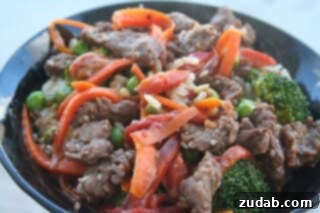
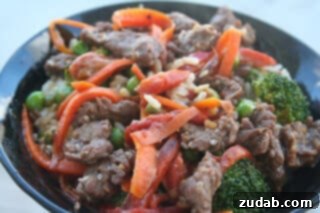
Mastering Authentic Korean BBQ Beef (Bulgogi) at Home
There’s an undeniable buzz around Korean BBQ Beef, and for good reason. Whether scrolling through social media, watching cooking shows, or chatting with friends, it seems everyone is raving about a fantastic Korean BBQ recipe. This culinary trend isn’t just hype; it’s a testament to the incredible flavors, tender textures, and satisfying experience that Korean barbecue offers. After hearing so much about it, I decided it was time to bring this delicious dish into my own kitchen, and I’m thrilled to report that it was an absolute success. In fact, this homemade Korean BBQ Beef has quickly earned a permanent spot in our meal rotation – a welcome addition for someone like me who’s always looking for excellent beef dishes to complement my usual chicken-centric meals.
Lately, our kitchen has been a hub for Asian-inspired dishes, so you might notice a delightful array of flavors popping up on the blog. I genuinely enjoy experimenting with different cuisines and breaking away from the monotony of preparing the same American or Mexican dishes every month. Do you find yourselves in a similar culinary rhythm, eager to explore new tastes and expand your repertoire? If so, this Korean BBQ Beef recipe is a must-try. It’s a perfect opportunity to skip the chicken tonight and dive into a truly unforgettable beef experience.
Making Korean BBQ Beef at home is not only incredibly rewarding but also surprisingly straightforward. The secret lies in a flavorful marinade that tenderizes the beef and infuses it with a balance of sweet, savory, and umami notes. This recipe captures the essence of traditional Bulgogi, offering a taste of Korea right on your plate. Let’s delve into what makes this dish so special, from the choice of ingredients to the techniques that ensure a perfect result every time.
What Exactly is Korean BBQ Beef (Bulgogi)?
Korean BBQ Beef, widely known as Bulgogi (불고기), is a classic Korean dish that translates to “fire meat.” Historically, it was grilled over an open flame, giving it a distinctive smoky flavor. Today, it remains one of Korea’s most popular and beloved dishes, both domestically and internationally. Bulgogi typically features thinly sliced beef that has been marinated in a sweet and savory sauce, then grilled or stir-fried to perfection. The marinade is the heart of Bulgogi, often including soy sauce, sugar, sesame oil, garlic, and an unexpected but crucial ingredient: fruit, usually pear or apple, which acts as a natural tenderizer and adds a subtle sweetness.
The beauty of Bulgogi lies in its harmonious blend of flavors. The sweetness from the sugar and fruit balances the salty soy sauce, while garlic and ginger provide aromatic depth. Sesame oil adds a nutty richness, and a touch of black pepper rounds out the profile. This complex yet inviting taste is what makes Korean BBQ Beef so universally appealing and a fantastic introduction to Korean cuisine for newcomers.
Are Pears Good For You? Exploring the Health Benefits of this Sweet Fruit
Beyond their role as a tenderizer and sweetener in Korean BBQ Beef, pears are indeed very good for you. These juicy fruits are packed with essential nutrients, making them a healthy addition to any diet. Here’s why pears are a nutritional powerhouse:
- Pears are notably high in Vitamin C, an antioxidant that boosts the immune system and plays a vital role in skin health.
- They are an excellent source of potassium, a mineral important for maintaining healthy blood pressure and proper nerve function.
- Pears also contain smaller but significant amounts of other beneficial nutrients, including calcium for bone health, iron for oxygen transport, magnesium for muscle and nerve function, riboflavin (Vitamin B2) for energy production, Vitamin B-6 for brain development, and folate, which is crucial for cell growth and function.
- Furthermore, pears are an outstanding source of dietary fiber, which aids in digestion, promotes feelings of fullness, and can help regulate blood sugar levels. Incorporating pears into your meals, whether in a savory dish like Bulgogi or as a sweet snack, is a smart way to enhance your nutritional intake.
What Kind of Beef Is Best Used For Korean BBQ Beef?
Choosing the right cut of beef is essential for achieving the melt-in-your-mouth tenderness characteristic of authentic Korean BBQ Beef. The key is to select beef that is flavorful and can be sliced thinly. Here are some of the best cuts for Bulgogi:
- Sirloin: A popular choice for its balance of tenderness and flavor. Top sirloin, in particular, works wonderfully when thinly sliced against the grain.
- Tenderloin: As its name suggests, this is one of the most tender cuts of beef. While it can be a bit pricier, it yields incredibly succulent Bulgogi.
- Skirt Steak: This cut is known for its rich beefy flavor. When sliced thinly against the grain, it becomes surprisingly tender after marinating and cooking.
- Ribeye: Another excellent option, ribeye offers good marbling which contributes to a juicy and flavorful result.
While these are often considered the best, other cuts like flank steak or even chuck steak can be used, especially if you ensure they are sliced very thinly and benefit from a longer marination time to maximize tenderness. Freezing the beef for about 30-60 minutes before slicing can make it much easier to achieve those perfectly thin slices, which are crucial for the marinade to fully penetrate and for quick, even cooking.
Can You Substitute Yellow Peppers For Red in Recipes?
When it comes to bell peppers, their vibrant colors often signify slight differences in taste and nutritional content, but they are generally interchangeable in most recipes. Specifically, orange and yellow bell peppers are excellent substitutes for red bell peppers. They share a similar sweet, fruity flavor profile, although yellow and orange varieties tend to be slightly less sweet than their fully ripened red counterparts. Red bell peppers are typically the sweetest because they have been on the vine the longest, allowing more sugars to develop.
Nutritionally, all bell peppers are fantastic sources of Vitamin C and Vitamin A. While red peppers might have a slightly higher concentration of certain antioxidants due to their ripeness, the difference is often negligible for everyday cooking. So, feel free to use yellow or orange bell peppers in this Korean BBQ Beef recipe or any other dish where red bell peppers are called for. Your dish will still be delicious and colorful, perhaps with a subtly different nuance of sweetness.
Korean BBQ Beef Recipe
Korean BBQ Beef
By Sweet Basil
Prep Time: 3 hrs 5 mins
Cook Time: 15 mins
Total Time: 3 hrs 20 mins
Servings: 4
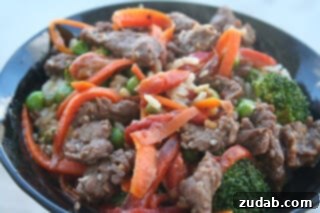
Pin this recipe for later! Print this recipe to keep handy.
Ingredients
For the Beef
- 1 Pound Beef Top Sirloin, thinly sliced
- 6 Cloves Garlic, minced
- 1/2 Pear, peeled, cored, and minced (Asian pear works best)
- 2 Green Onions, thinly sliced
- 4 Tablespoons Soy Sauce
- 2 Tablespoons White Sugar
- 1 Tablespoon Sesame Oil
- 1 Tablespoon Rice Wine (mirin or sake can be substituted)
- 1 Tablespoon Sesame Seeds
- 1 teaspoon Ginger, minced fresh
- Freshly Ground Black Pepper to Taste, optional
Veggies & Serving
- 2 Large Carrots, matchstick cut
- 2 Red Bell Peppers, roasted (or yellow/orange for variation)
- 3/4 Cup Peas (frozen or fresh)
- 1 Cup Broccoli, steamed and chopped into florets
- Brown Rice, cooked, for serving
Instructions
-
In a large resealable plastic bag or a spacious bowl, combine the thinly sliced beef with all the marinade ingredients: minced garlic, minced pear, thinly sliced green onions, soy sauce, white sugar, sesame oil, rice wine, sesame seeds, fresh minced ginger, and optional freshly ground black pepper. Ensure the beef is evenly coated.
-
Seal the bag (or cover the bowl) and refrigerate for a minimum of 2 to 3 hours. For optimal flavor and tenderness, marinating overnight (8-12 hours) is highly recommended.
-
When ready to cook, preheat a grill pan, cast-iron skillet, or outdoor grill over high heat. A very hot surface is key to getting a good sear on the beef without overcooking it.
-
Lightly brush the cooking surface with a small amount of oil (such as vegetable or sesame oil). Add the marinated beef in a single layer, being careful not to overcrowd the pan or grill. Cook in batches if necessary.
-
Cook, turning once or twice to ensure even browning, for approximately 3 to 6 minutes, or until the beef reaches your desired level of doneness. Thin slices cook very quickly. Remove cooked beef and set aside.
-
In a separate pan or the same pan after removing the beef, add a little oil and sauté the matchstick-cut carrots over medium heat until they begin to soften, about 3-5 minutes.
-
Add the roasted bell peppers to the pan with the carrots and continue to sauté for an additional 2 minutes to warm them through.
-
Finally, add the peas and steamed broccoli florets to the pan with the other vegetables. Cook for another 1-2 minutes until all vegetables are heated and crisp-tender.
-
Return the cooked beef to the pan with the vegetables. Toss everything together gently to combine. Serve immediately over a bed of fluffy brown rice. Garnish with extra sesame seeds or green onions, if desired.
Recipe Notes
Sauce Lovers Rejoice: I highly recommend doubling the sauce ingredients if you prefer your Korean BBQ Beef extra saucy to coat your rice and veggies generously. It’s truly a matter of personal preference!
Marination is Key: Don’t skip the refrigeration step for marinating. This is crucial for both tenderizing the beef and infusing it with deep, rich flavors.
Customizable Veggies: Feel free to customize your vegetable selection. Spinach, mushrooms, or onions would also be delicious additions.
Nutrition
Serving: 1g, Calories: 308kcal, Carbohydrates: 25g, Protein: 31g, Fat: 9g, Saturated Fat: 2g, Cholesterol: 67mg, Sodium: 1104mg, Potassium: 874mg, Fiber: 5g, Sugar: 15g, Vitamin A: 7368IU, Vitamin C: 112mg, Calcium: 92mg, Iron: 4mg
Nutrition information is automatically calculated and should be used as an approximation.
Tips for Perfect Homemade Korean BBQ Beef Every Time
Achieving restaurant-quality Korean BBQ Beef in your own kitchen is entirely possible with a few key tips and tricks:
- Slice Against the Grain: This is critical for tender beef. Always slice perpendicular to the muscle fibers. If you can’t get pre-sliced beef, partially freezing a block of beef for about 30-60 minutes will make it much easier to slice super thin.
- Don’t Overcrowd the Pan: When cooking the beef, make sure to cook it in batches. Overcrowding the pan lowers the temperature, steaming the meat instead of searing it, which can result in tough, grey beef rather than beautifully caramelized pieces.
- High Heat is Your Friend: Korean BBQ beef cooks quickly over high heat. This creates that desirable charred flavor and keeps the meat tender and juicy.
- Marinate Adequately: While 2-3 hours is the minimum, an overnight marination (8-12 hours) will yield significantly more flavorful and tender results, thanks to the pear and other acidic ingredients working their magic.
- Balance the Sweetness: The amount of sugar can be adjusted to your preference. If your pear is very sweet, you might need slightly less sugar, or vice-versa. Taste your marinade before adding the beef and adjust if necessary.
- Garnish for Freshness: Freshly sliced green onions and a sprinkle of toasted sesame seeds not only add visual appeal but also enhance the flavor and texture of the final dish.
Serving Suggestions: What to Pair with Your Korean BBQ Beef
Korean BBQ Beef is a feast in itself, but it truly shines when served as part of a traditional Korean meal with a variety of complementary side dishes. Here are some popular serving suggestions:
- Steamed Rice: A must-have! Brown rice, as suggested in the recipe, provides a nutty contrast, but white sticky rice is also a classic pairing. The rice perfectly absorbs the delicious juices from the beef and vegetables.
- Kimchi: This fermented spicy cabbage is the quintessential Korean side dish. Its sour and spicy kick provides a fantastic counterpoint to the sweet and savory Bulgogi.
- Lettuce Wraps: Serve the beef with fresh lettuce leaves (like red leaf, green leaf, or perilla leaves). Diners can wrap a piece of beef, a spoonful of rice, and a dab of ssamjang (spicy dipping sauce) for a fun, interactive, and refreshing bite.
- Banchan (Small Side Dishes): Beyond kimchi, a variety of small side dishes can elevate your meal. Think pickled radishes, seasoned spinach, bean sprout salad, or spicy cucumber salad. These add different textures and flavors that make the meal more exciting.
- Quick Cucumber Salad: A simple, refreshing cucumber salad with a light vinegar dressing can cleanse the palate between bites of rich beef.
- Soft Tofu Soup (Sundubu Jjigae): For a more elaborate meal, a comforting bowl of spicy soft tofu soup can be a wonderful accompaniment.
Creating a spread of these elements allows each diner to customize their experience, mixing and matching flavors and textures to their liking. This interactive style of eating is a hallmark of Korean dining and makes any meal with Korean BBQ Beef a memorable occasion.
Why Homemade Korean BBQ Beef is Always Best
While dining out at a Korean BBQ restaurant is a fantastic experience, making Korean BBQ Beef at home offers several distinct advantages that truly set it apart. Here are compelling reasons why homemade often tastes better and is more satisfying:
- Control Over Ingredients: When you cook at home, you have complete control over the quality of your ingredients. You can choose premium cuts of beef, organic vegetables, and high-quality soy sauce, ensuring freshness and avoiding unwanted additives or preservatives.
- Customization to Your Palate: The beauty of homemade food lies in its adaptability. You can adjust the sweetness, spiciness (by adding gochujang or chili flakes), or savoriness of the marinade to perfectly match your family’s preferences. Love extra garlic? Go for it! Prefer a milder flavor? You can reduce certain ingredients.
- Dietary Considerations: For those with allergies or specific dietary needs, cooking at home allows you to manage ingredients carefully. You can use gluten-free soy sauce or reduce sugar content for a healthier version without compromising on flavor.
- Cost-Effectiveness: Eating out at Korean BBQ restaurants can be quite expensive, especially for a family. Preparing this dish at home is significantly more budget-friendly, allowing you to enjoy a gourmet meal without breaking the bank.
- The Joy of Cooking: There’s immense satisfaction in preparing a delicious meal from scratch and seeing your loved ones enjoy it. The aroma filling your kitchen as the beef sizzles on the grill is an experience in itself.
- Healthier Choices: By preparing the meal yourself, you can control the amount of oil used, ensuring a lighter and healthier option compared to some restaurant preparations. You can also load up on your favorite vegetables, as seen in our recipe, to create a well-balanced meal.
From the moment you slice the beef to the final toss with vibrant vegetables, every step in making homemade Korean BBQ Beef is a labor of love that results in a dish far more rewarding than any takeout. It’s an adventure in flavor that you can confidently master in your own kitchen.
So, what are you waiting for? Give this incredible Korean BBQ Beef recipe a try and transform your dinner routine with the rich, savory, and irresistible flavors of Korea. It’s a dish that promises to impress and satisfy, making every bite a celebration of good food and good company. Enjoy the process, and most importantly, savor the delicious results!
Like this recipe? We’d love to hear from you! Please leave a comment below to share your thoughts, tips, or any variations you tried. Your feedback helps us create even more amazing recipes for our community!