
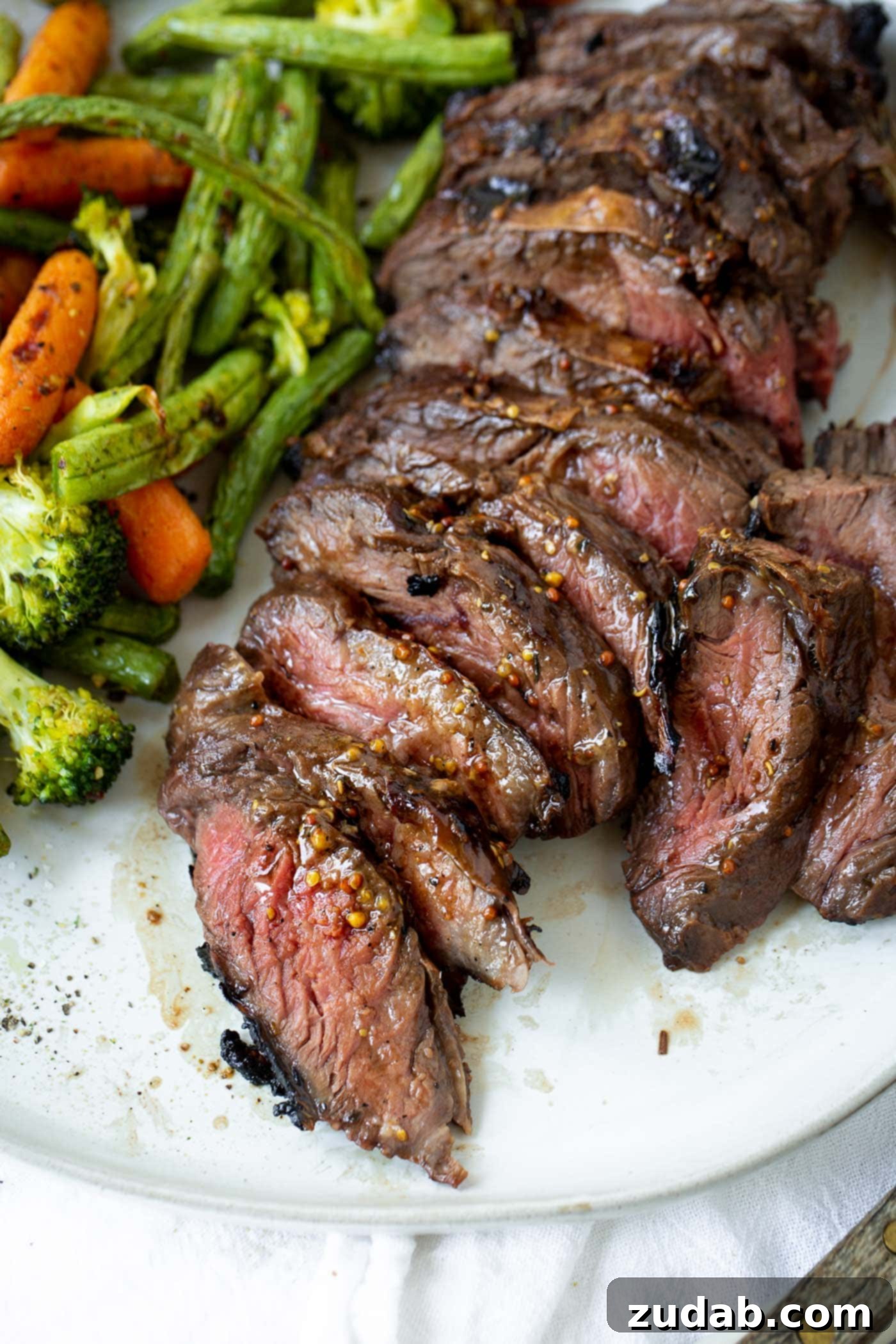
The Ultimate Steak Marinade: Unlock Flavor, Tenderness, and Juiciness for Restaurant-Quality Steak at Home
Are you ready to transform your home-cooked steak into a truly unforgettable culinary experience? Look no further! This isn’t just *a* steak marinade; it’s the ultimate steak marinade designed to infuse every bite with incredible flavor, ensure perfect juiciness, and achieve that coveted melt-in-your-mouth tenderness usually reserved for upscale restaurants. Imagine a steak so succulent and rich, you’ll wonder how you ever cooked without it. The secret lies in a perfectly balanced blend of ingredients that work harmoniously to break down tough fibers, lock in moisture, and deliver a depth of taste that will have everyone asking for your recipe. Get ready to impress yourself and your guests with this remarkably easy-to-make, dream-come-true steak right in your own kitchen!
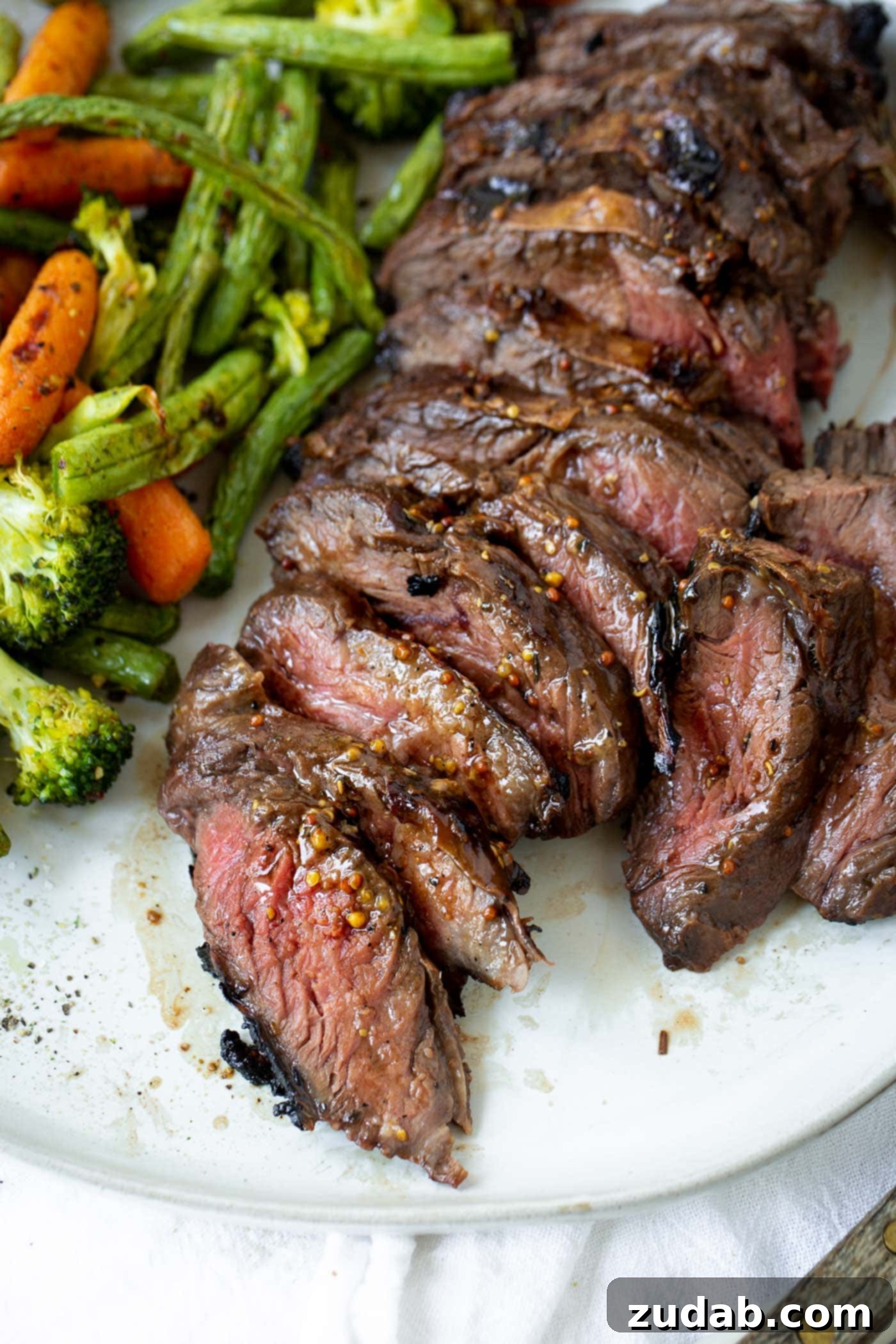
What Ingredients Make the Best Steak Marinade?
A truly exceptional steak marinade, like this one, relies on four fundamental components: fat, acid, salt, and a harmonious blend of seasonings. Each plays a crucial role in elevating your steak from good to gourmet. This carefully crafted recipe calls for a selection of readily available ingredients that, when combined, create a powerful flavor enhancer. Here’s a detailed look at what you’ll need to prepare this game-changing marinade:
- Hanger Steak: While the star of our show, the marinade is versatile for many cuts.
- Extra Virgin Olive Oil: Provides a rich base, helps distribute flavors, and prevents sticking.
- Worcestershire Sauce: Adds a deep, savory, umami note, essential for beef.
- Fresh Lemon Juice: A bright acid that tenderizes and adds a zesty freshness.
- Balsamic Vinegar: Another acid that contributes a complex, slightly sweet tang and helps tenderize.
- Soy Sauce: Boosts umami and adds a salty, savory depth that perfectly complements red meat.
- Stone Ground Dijon Mustard: Offers a sharp, pungent kick and helps emulsify the marinade.
- Dark Brown Sugar: Balances the acidity and salt, promoting caramelization and a beautiful crust on the grill.
- Italian Seasoning: A classic herb blend for aromatic complexity and robust flavor.
- Fresh Garlic (minced): Indispensable for its pungent, aromatic foundation.
- Freshly Ground Black Pepper: Adds a gentle heat and aromatic spice.
- Kosher Salt: Crucial for seasoning, moisture retention, and breaking down protein fibers.
You’ll find the precise measurements for each of these ingredients in the comprehensive recipe card located at the conclusion of this article. Ensure you have fresh, high-quality ingredients for the best possible results!
Choosing the Perfect Steak for Marinating
While this marinade works wonders on virtually any cut of beef, selecting the right steak can truly elevate your dish. We’ve specifically highlighted Hanger Steak, a butcher’s favorite known for its rich flavor and tender texture, often described as a “butcher’s cut” because butchers would traditionally keep it for themselves. It has a robust beefy flavor, making it ideal for absorbing the complexities of our marinade. While it can be a bit challenging to find in conventional grocery stores, a visit to a local butcher shop will almost certainly yield this gem.
However, if hanger steak proves elusive, don’t despair! This marinade is incredibly forgiving and pairs beautifully with several other popular cuts. Consider these excellent alternatives, each offering its own unique characteristics:
- Skirt Steak: Known for its exceptional ability to soak up marinades, skirt steak is incredibly flavorful and cooks quickly. It’s best sliced against the grain for maximum tenderness.
- Flank Steak: Similar to skirt steak, flank steak is lean and benefits immensely from marinating. It also requires slicing against the grain.
- NY Strip (New York Strip): A classic choice, offering a great balance of tenderness and flavor with a good amount of marbling.
- Ribeye Steak: Celebrated for its rich marbling, which translates to incredible juiciness and flavor. This cut is naturally tender and will become even more luxurious with our marinade.
For a truly indulgent experience, you can even use this marinade on premium cuts like Filet Mignon. The beauty of this recipe is its versatility; it’s practically impossible to go wrong. No matter your choice, this powerful marinade will ensure a delicious, tender, and flavorful steak every time.
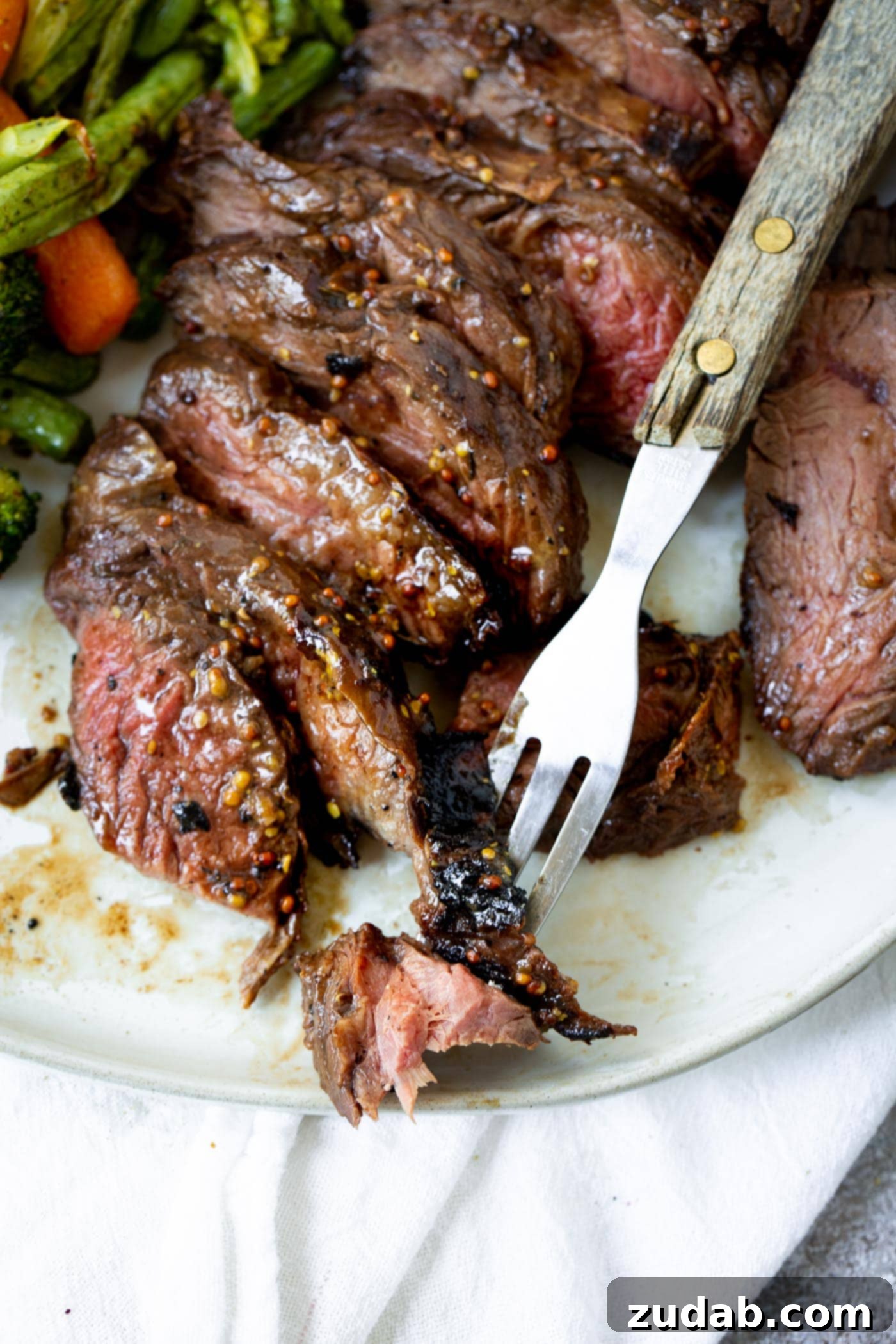
How to Prepare and Marinate Your Steak to Perfection
Marinating steak is a simple process, but a few key techniques can make all the difference, ensuring maximum flavor and tenderness. Follow these straightforward steps to prepare your steak for an unforgettable grilling experience:
- Combine Marinade Ingredients: Begin by adding all the liquid and dry marinade ingredients into a large, heavy-duty Ziploc bag or a non-reactive bowl. A Ziploc bag is often preferred for its ease of mixing and ensuring the steak is fully submerged. Seal the bag (if using) and gently massage or “squish” the ingredients together until thoroughly combined. This ensures an even distribution of flavors.
- Add the Steak: Carefully place your chosen steak cut into the bag or bowl with the marinade. Ensure the steak is fully coated on all sides. If using a bag, press out any excess air before sealing to create a vacuum effect, which helps the marinade penetrate more effectively.
- Marinate in the Refrigerator: Transfer the marinating steak to the refrigerator. Allow it to marinate for a minimum of 1 hour, and no longer than 12 hours. This timeframe is crucial for achieving optimal flavor infusion and tenderization without compromising the texture of the meat.
- Prepare the Grill: When you’re ready to cook, preheat your grill to high heat. It’s important to start with a hot grill for a proper sear. Once hot, thoroughly brush the grates with a high-smoke-point oil (like canola or grapeseed oil) to prevent the steak from sticking.
- Grill the Steaks: Carefully place the marinated steaks on the hot grill grates. Immediately reduce the heat to medium-high. This initial high heat creates a beautiful crust, while the reduced temperature allows for even cooking to your desired doneness.
- Cook to Desired Doneness: Cook the steaks for approximately 4-8 minutes per side. The exact timing will depend on the thickness of your steak and your preferred level of doneness. For precise results, we highly recommend using a meat thermometer.
- Rest the Steaks: Once cooked, remove the steaks from the grill and place them on a clean plate or cutting board. This step is absolutely critical! Allow the steaks to rest for 5-10 minutes before slicing. Resting allows the juices to redistribute throughout the meat, resulting in a much juicier and more flavorful steak. Skipping this step will cause the juices to run out immediately upon slicing, leading to a dry steak.
Following these steps will ensure your marinated steak is not just cooked, but perfected, delivering maximum flavor and tenderness in every bite.
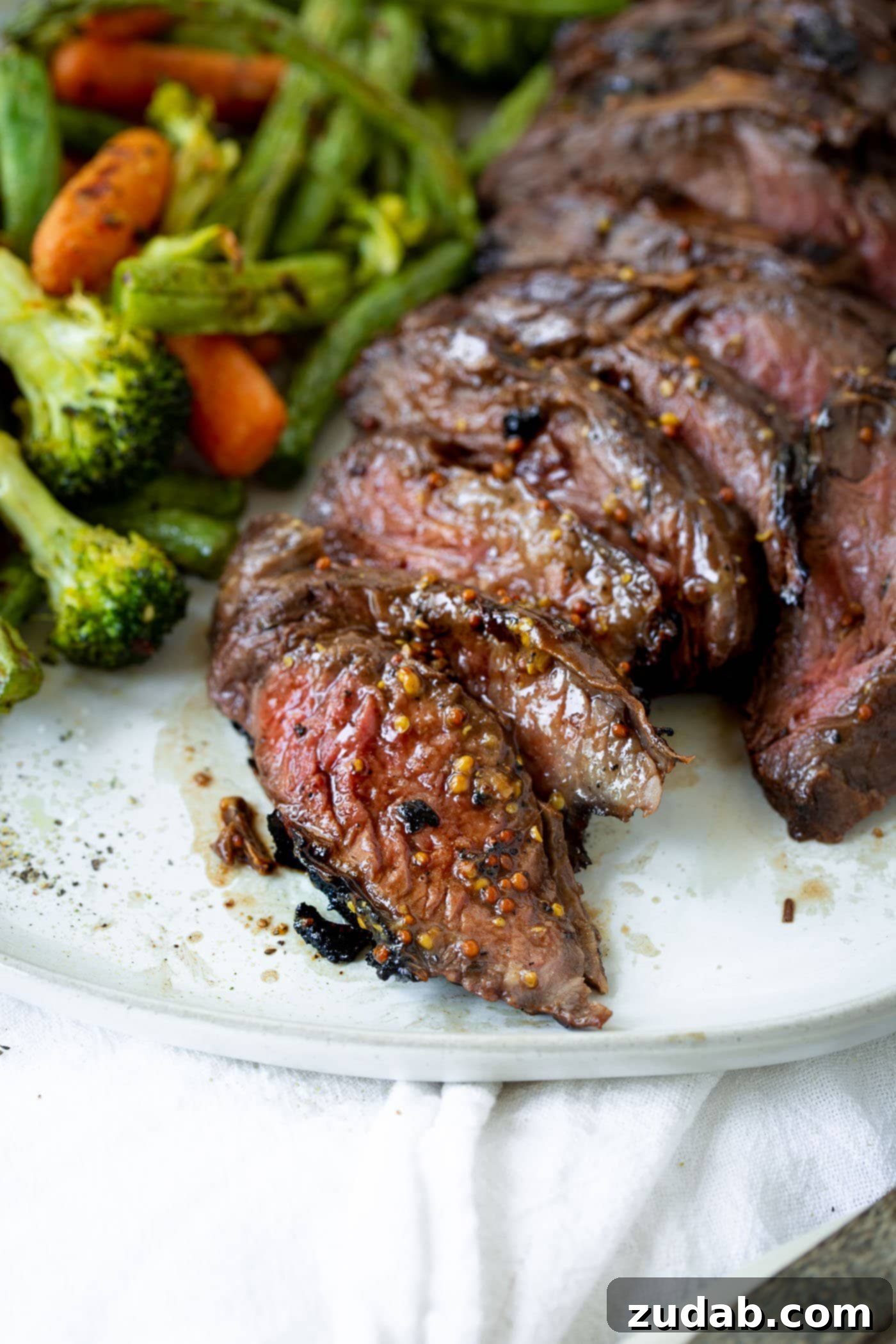
Optimizing Marination Time: How Long is Just Right?
The duration of marination is a delicate balance. While it’s tempting to think that “more is better,” that’s not always the case with steak marinades. We strongly recommend marinating your steak for a period ranging from 1 hour to a maximum of 12 hours. This window is ideal for allowing the flavors to penetrate the meat and for the acidic components to tenderize the fibers without adverse effects.
Marinating for less than an hour will still impart some flavor, but the full tenderizing benefits might not be achieved. Conversely, marinating for more than 12 hours can actually be detrimental to the steak. Prolonged exposure, especially to acidic ingredients, can begin to “cook” the meat (a process known as denaturation) and lead to a mushy, undesirable texture. It can also cause the flavors to become overwhelming or unpleasantly acidic.
For convenience, many home cooks find it beneficial to prepare the marinade and add the steak first thing in the morning, allowing it to rest in the refrigerator throughout the day. This way, it’s perfectly primed and ready for grilling by dinner time, making weeknight meals a breeze. Plan ahead to hit that sweet spot of marination for the best possible results!
Why Marinate Meat? The Science Behind the Flavor and Tenderness
Marinating meat is an ancient culinary technique with profound benefits, far beyond just adding surface flavor. It’s a process that fundamentally improves both the taste and texture of your steak. Here’s why marinades are essential:
- Tenderization: The acidic components in a marinade (like lemon juice and balsamic vinegar) work to break down and loosen the muscle fibers in leaner or tougher cuts of meat. This process, often referred to as “denaturation,” results in a noticeably more tender steak that is easier to chew and more pleasant to eat.
- Flavor Infusion: Marinades are packed with aromatic ingredients, herbs, and spices. Over time, these flavors seep into the outer layers of the meat, creating a deeper, more complex taste profile that goes beyond mere surface seasoning. The savory notes from Worcestershire sauce and soy sauce, combined with garlic and Italian seasoning, permeate the steak, ensuring every bite is rich with flavor.
- Moisture Retention: Salt, a key ingredient in any good marinade, plays a vital role in moisture retention. It helps the meat absorb and hold onto liquids, resulting in a juicier final product, especially important when grilling, where moisture loss can be a concern.
- Enhances Browning: Sugars in the marinade (like brown sugar) caramelize on the hot grill, creating a beautiful, flavorful crust through the Maillard reaction. This adds another layer of deliciousness and visual appeal to your steak.
In essence, marinating is an investment of time that pays off immensely in the quality of your finished steak, turning even a basic cut into something extraordinary.
Potential Pitfalls: What Happens If You Marinate Meat Too Long?
As mentioned, extending the marination time beyond the recommended 12 hours can be counterproductive. The primary risk is that the acidic components will start to “overcook” the meat, leading to a texture that is unpleasantly mushy or mealy, rather than tender. This is a form of chemical cooking, where the proteins unravel too much. Additionally, prolonged exposure can cause the flavors of the marinade to become overpowering, masking the natural taste of the beef itself.
Can Steak Be Marinated Overnight?
Yes, absolutely! Marinating steak overnight, up to the 12-hour limit, is perfectly acceptable and often recommended for busy schedules. It provides ample time for the flavors to develop and the meat to tenderize effectively. The caveat, as always, is to ensure your marinade contains a balanced ratio of acids and salts, and to not exceed that 12-hour maximum to avoid the negative effects of over-marination.
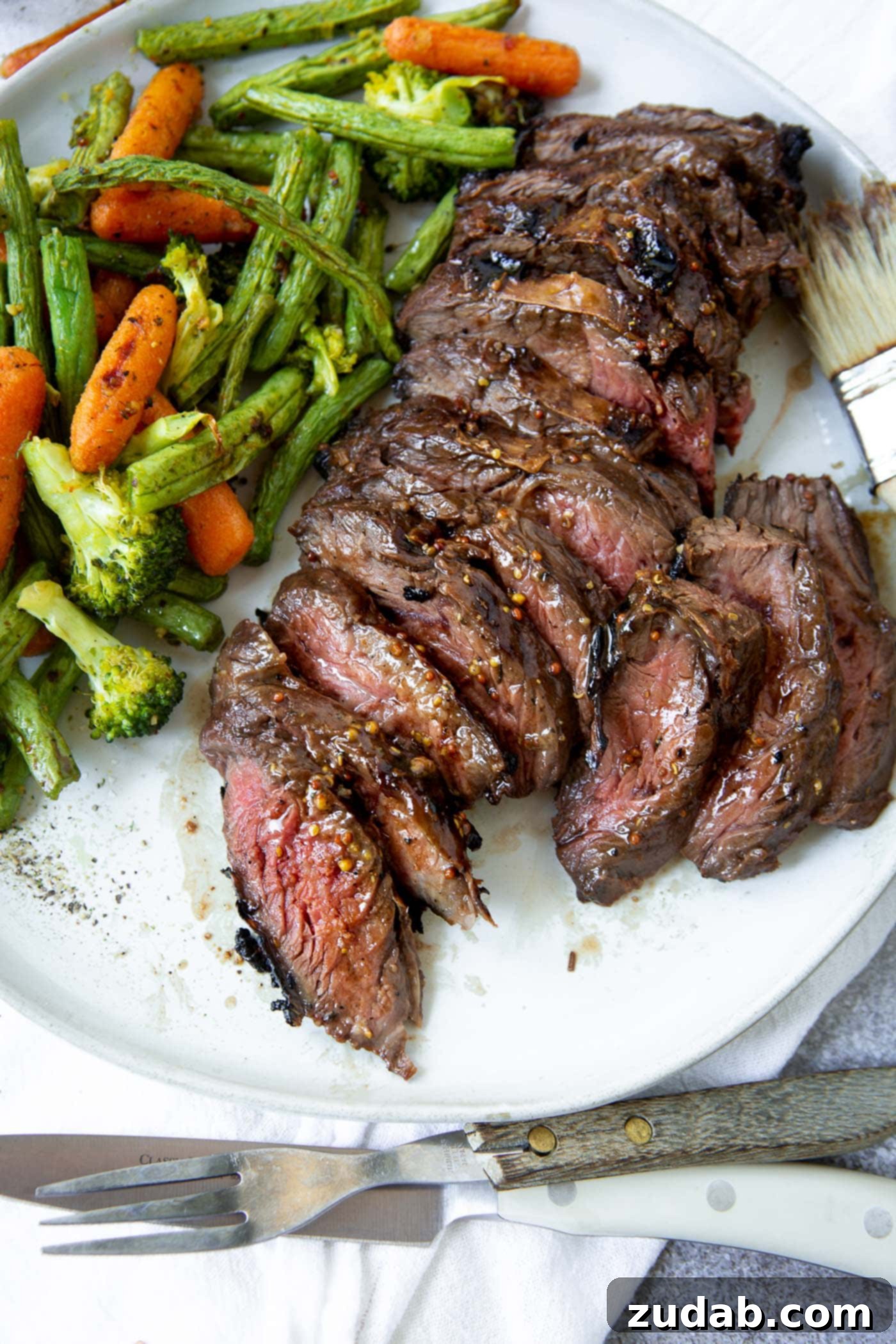
Achieving Perfect Steak Doneness: A Temperature Guide
Debating steak doneness can be quite the lively discussion among enthusiasts, with everyone having their strong preferences! While hopefully it doesn’t cause any major disagreements in your home, understanding the various levels of doneness and their corresponding internal temperatures is key to consistently cooking steak exactly how you like it. The best way to achieve precision is by using a reliable meat thermometer, inserted into the thickest part of the steak, avoiding bone.
Here’s a breakdown of steak temperatures and what to expect:
- Rare: 130 degrees F (54 degrees C) – Cool red center. Very tender and juicy.
- Medium Rare: 135 degrees F (57 degrees C) – Warm red center. Our personal favorite for its balance of juiciness and tenderness.
- Medium: 145 degrees F (63 degrees C) – Warm pink center. Still juicy, but firmer than medium-rare.
- Medium Well: 150 degrees F (66 degrees C) – Slightly pink center. Noticeably firmer, less juicy.
- Well Done: 160 degrees F (71 degrees C) – No pink, cooked all the way through. Very firm texture, minimal juiciness.
Remember that the steak’s internal temperature will continue to rise by a few degrees (known as “carryover cooking”) after it’s removed from the heat, especially during the crucial resting period. So, it’s often best to pull your steak off the grill just a few degrees *below* your target temperature. For us, medium-rare strikes the perfect balance, ensuring maximum flavor and a wonderfully tender texture.
Understanding the Essential Components of a Perfect Steak Marinade
As highlighted earlier, the magic of this steak marinade lies in its foundational four components. Each ingredient isn’t just for flavor; it serves a specific, scientific purpose that contributes to the overall success of the dish. Let’s delve deeper into the function of each element:
- Fat (Extra Virgin Olive Oil): The oil in the marinade serves multiple critical roles. Firstly, it acts as a carrier for fat-soluble flavors, helping them penetrate the meat. Secondly, it helps prevent the steak from sticking to the grill grates, ensuring a clean release and beautiful sear. Lastly, the richness of extra virgin olive oil itself contributes a nuanced, delicate flavor to the beef, while also aiding in moisture retention during cooking.
- Acid (Balsamic Vinegar & Lemon Juice): These acidic components are the primary tenderizers in the marinade. They work by denaturing (unraveling) the proteins on the surface of the meat, softening its texture. Beyond tenderization, acids also contribute bright, tangy flavors that cut through the richness of the beef. The sugars in balsamic vinegar, in particular, promote beautiful caramelization and contribute to those desirable grill marks, adding both flavor and visual appeal.
- Salt (Kosher Salt, Soy Sauce, Worcestershire Sauce): Salt is arguably the most vital ingredient in any seasoning or marinade. It not only enhances the overall flavor of the steak but also plays a crucial role in tenderization and moisture retention. Salt helps to break down muscle fibers and, through a process called osmosis, draws moisture into the meat, ensuring a juicy result. Our recipe uses Kosher salt, soy sauce, and Worcestershire sauce, which all contribute to this essential salty, savory profile.
- Seasonings (Dijon Mustard, Italian Seasoning, Garlic, Black Pepper, Brown Sugar): This category is where the marinade develops its unique and irresistible character. Mustard adds a pungent kick and helps emulsify the marinade, creating a more cohesive coating. Italian seasoning brings a fragrant, herbaceous aroma and taste. Fresh garlic provides an indispensable, robust aromatic base. Black pepper contributes a subtle warmth and spice. Finally, dark brown sugar is key for balancing the tangy acids and savory salts, adding a touch of sweetness that promotes gorgeous caramelization and a rich, crusty exterior on the grilled steak.
Together, these components create a comprehensive flavor and tenderizing solution that guarantees a perfectly cooked, incredibly delicious steak every single time.
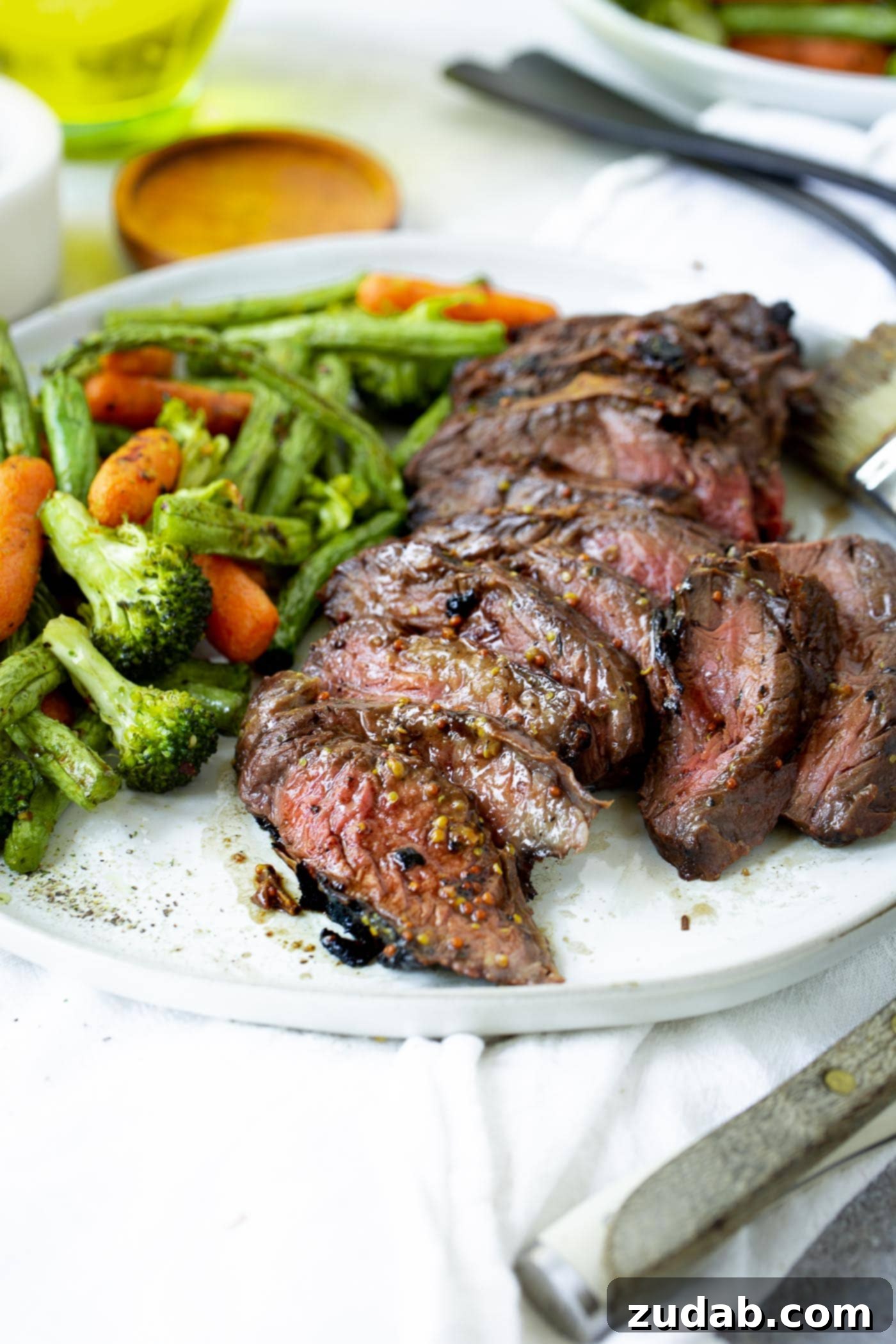
Storing and Reheating Your Delicious Steak
How Long Will Grilled Steak Last?
Proper storage is key to enjoying your delicious grilled steak for days to come. Once cooked, any leftover steak should be promptly refrigerated. Grilled steak can be safely stored in an airtight container in the refrigerator for up to 4 days. Beyond this, quality and safety may diminish.
The Best Way to Reheat Steak Without Overcooking It
Reheating steak can be a culinary challenge. Too often, perfectly cooked leftovers turn into dry, rubbery disappointments. The goal is to gently warm the steak through without further cooking it. Forget the microwave for this task, as it tends to overcook the edges while barely warming the center.
The absolute best method for reheating steak is to use your oven, applying a low and slow heat:
- Prepare the Steak: Place your leftover steak on a wire rack set inside a baking sheet. This allows air to circulate around the steak, promoting even heating.
- Preheat Oven: Set your oven to a low temperature, ideally 250 degrees F (120 degrees C).
- Gentle Reheating: Warm the steak for about 20-30 minutes, or until its internal temperature reaches 110-120 degrees F (43-49 degrees C) for medium-rare, or your preferred doneness. The exact time will vary depending on the thickness of your steak.
- Optional Finish: For a crisper exterior, you can quickly sear the reheated steak in a hot skillet with a touch of butter or oil for 30-60 seconds per side.
This low-temperature oven method ensures your steak warms gently and evenly, remaining tender and juicy, almost as good as it was fresh off the grill. Now, your delicious marinated steaks are ready for their encore performance!
Watch How to Make the Best Steak Marinade Video
For a visual guide on mastering this incredible steak marinade, watch our detailed video demonstration. Learn expert tips and see the simple steps come to life, ensuring you create the most flavorful, juicy, and tender steaks every time. (Video content here)
More Delicious Steak Recipes to Explore
If you’ve loved this ultimate steak marinade, you’re in for a treat! We have a wide array of other fantastic steak recipes designed to delight your palate. From sizzling fajitas to comforting cheesesteaks, explore these beloved dishes and expand your culinary repertoire:
- Steak Fajita Marinade:Perfect for vibrant, crowd-pleasing fajitas.
- Easy Garlic Butter Steak at Home:A simple yet incredibly flavorful classic.
- Easy Philly Cheesesteak Bread:A fun and delicious twist on a sandwich favorite.
- Healthy Thai Peanut Steak Salad:A refreshing and exotic take on steak.
- Grilled Steak Burrito Bowls:Customizable and bursting with fresh flavors.
- Grilled Flank Steak Summer Salad:Light, zesty, and perfect for warm weather.
- Porterhouse Steak with Mushrooms:A hearty and elegant meal.
- Spicy Steak and Shrimp Kabobs:A delightful combination with a tropical twist.
- Steak Burrito with Grilled Zucchini:A fresh and satisfying handheld meal.
- Steak and Brussels Sprouts:A robust and nutritious pairing.
- Philly Cheesesteak Egg Rolls:A creative and popular appetizer.
- All Our Beef Recipes Here:Discover more incredible beef dishes.
Marinated Beef Steak
Ingredients
- 1 Hanger Steak, see note
For The Marinade
- 1/4 Cup Extra Virgin Olive Oil
- 1/4 Cup Worcestershire Sauce
- 1 Lemon, Juiced
- 1/4 Cup Balsamic Vinegar
- 1/4 Cup Soy Sauce
- 1 Tablespoon Stone Ground Dijon Mustard
- 1 Tablespoon Dark Brown Sugar
- 1 Teaspoon Italian Seasoning
- 2 Large Cloves of Garlic, minced
- 1 teaspoon Fresh Black Pepper
- 1 teaspoon Kosher Salt
Instructions
-
In a large ziplock bag or non-reactive bowl, add all the marinade ingredients. Seal the bag and gently squish to combine the ingredients thoroughly.
-
Open the bag and carefully drop in the steak, ensuring it is fully coated.
-
Allow the steak to marinate in the fridge for 1-12 hours.
-
When ready to cook, heat a grill to high heat, and brush grates with oil to prevent sticking.
-
Add the steaks to the hot grill, then immediately turn down the heat to medium-high for even cooking.
-
Cook steaks for 4-8 minutes per side, depending on desired doneness. Use a meat thermometer for accuracy. Remove to a plate to rest for 5-10 minutes before slicing.
Recipe Notes
For a sweeter marinade profile, you can increase the dark brown sugar to 1/3 cup.
Cooked grilled steak can be stored in the refrigerator for up to 4 days in an airtight container.
Nutrition
Calories: 444kcal,
Carbohydrates: 80g,
Protein: 2g,
Fat: 14g,
Saturated Fat: 2g,
Sodium: 4934mg,
Potassium: 2973mg,
Fiber: 1g,
Sugar: 42g,
Vitamin A: 285IU,
Vitamin C: 61mg,
Calcium: 408mg,
Iron: 20mg
Nutrition information is automatically calculated, so should only be used as an approximation.
Like this? Leave a comment below!
REMEMBER TO SUBSCRIBE TO our FREE Oh Sweet Basil NEWSLETTER AND RECEIVE EASY RECIPES DELIVERED INTO YOUR INBOX EVERY DAY!
When you try a recipe, please use the hashtag #ohsweetbasil on INSTAGRAM for a chance to be featured in our stories! FOLLOW OH, SWEET BASIL ON FACEBOOK | INSTAGRAM | PINTEREST | TWITTER FOR ALL OF OUR LATEST CONTENT, RECIPES AND STORIES.