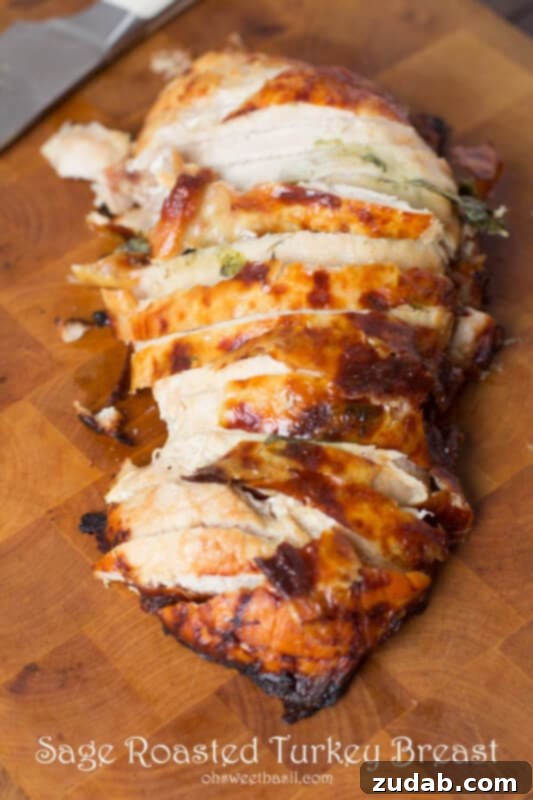
Mastering the Herb Roasted Turkey Breast for a Stress-Free Thanksgiving
Are you feeling the familiar pre-holiday jitters about roasting a whole turkey for Thanksgiving? You’re not alone! Many home cooks find the prospect daunting, leading to stress, dry meat, and often, more leftovers than desired. This year, ditch the worry and embrace simplicity without sacrificing flavor. We’re here to guide you through creating an absolutely delicious and incredibly easy herb roasted turkey breast, ensuring a succulent, flavorful centerpiece for your holiday table or any special occasion. It’s the perfect solution for smaller gatherings, those who prefer white meat, or anyone seeking a stress-free turkey recipe that delivers exceptional results.
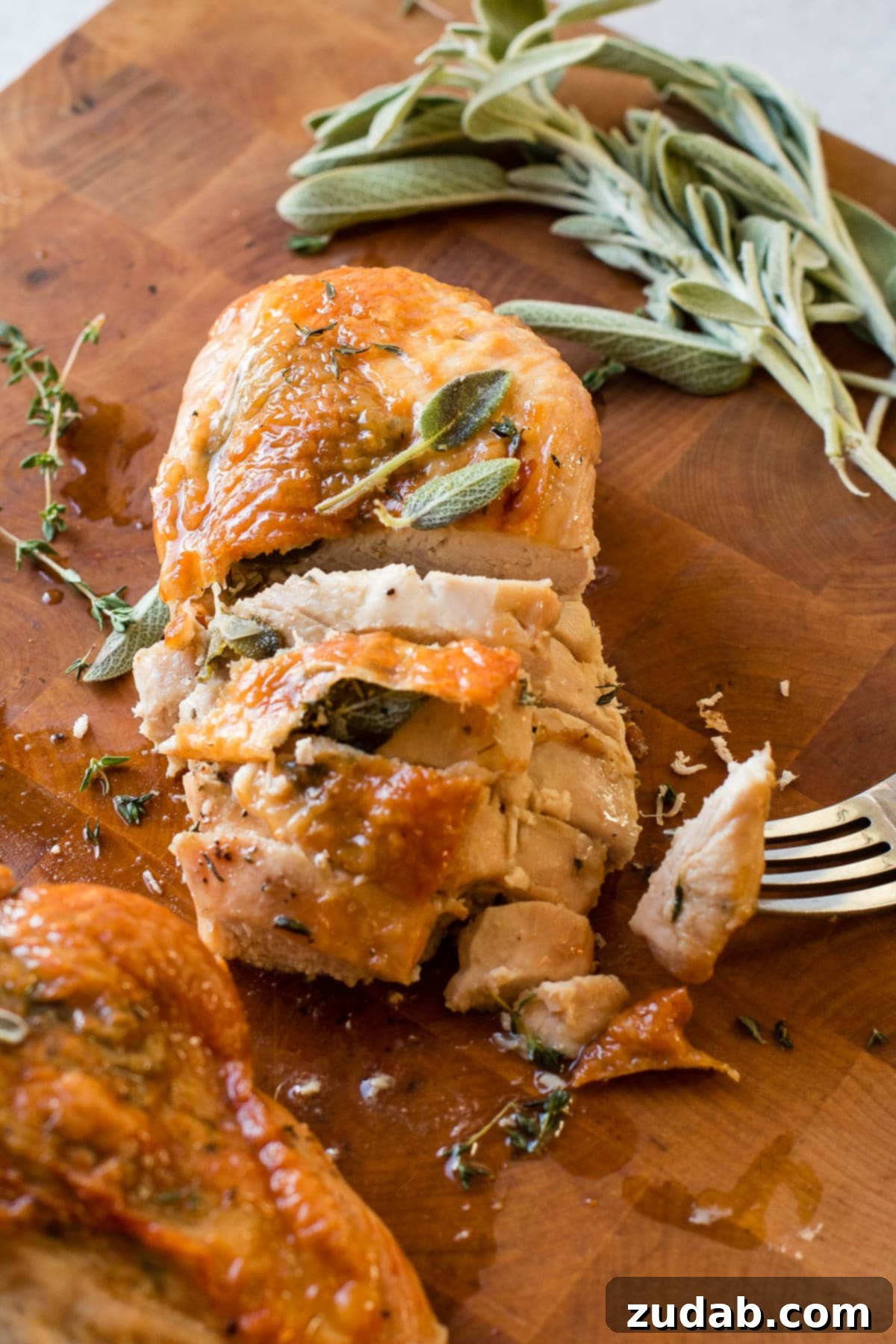
Why Choose Turkey Breast Over a Whole Turkey?
The decision to opt for a turkey breast over a whole bird offers numerous advantages, particularly during the bustling holiday season. Many Americans find roasting a full turkey nerve-wracking, and for good reason—it requires significant thawing time, precise cooking to avoid dry white meat, and often monopolizes valuable oven space. While we’ve enjoyed alternatives like our fried turkey and the surprisingly easy smoked turkey in the past, sometimes you crave that traditional roasted flavor without the associated complications.
Here’s why the turkey breast stands out:
- Effortless Portions: Whether you’re cooking for an intimate dinner for two or a larger family gathering, a turkey breast scales beautifully. You can roast one small breast or several larger ones in separate pans, eliminating the need to fit a massive bird (or multiple birds) into one oven.
- Faster Cooking Time: A turkey breast cooks significantly quicker than a whole turkey, cutting down on hours spent in the kitchen. This means less planning, less oven time, and more time enjoying your guests.
- Consistently Juicy White Meat: The biggest challenge with a whole turkey is often achieving perfectly cooked white meat without drying it out, especially while waiting for the dark meat to finish. With a turkey breast, you focus solely on cooking the white meat to perfection, resulting in a consistently tender and juicy result every time.
- Reduced Waste: Let’s be honest, many people gravitate towards the white meat anyway. Roasting only the breast minimizes food waste, ensuring that most of what you cook will be enjoyed.
- Less Stress: From thawing to carving, a turkey breast simply demands less effort and attention. You won’t be battling with a giant bird or worrying about undercooked spots. It truly makes for a stress-free holiday meal.
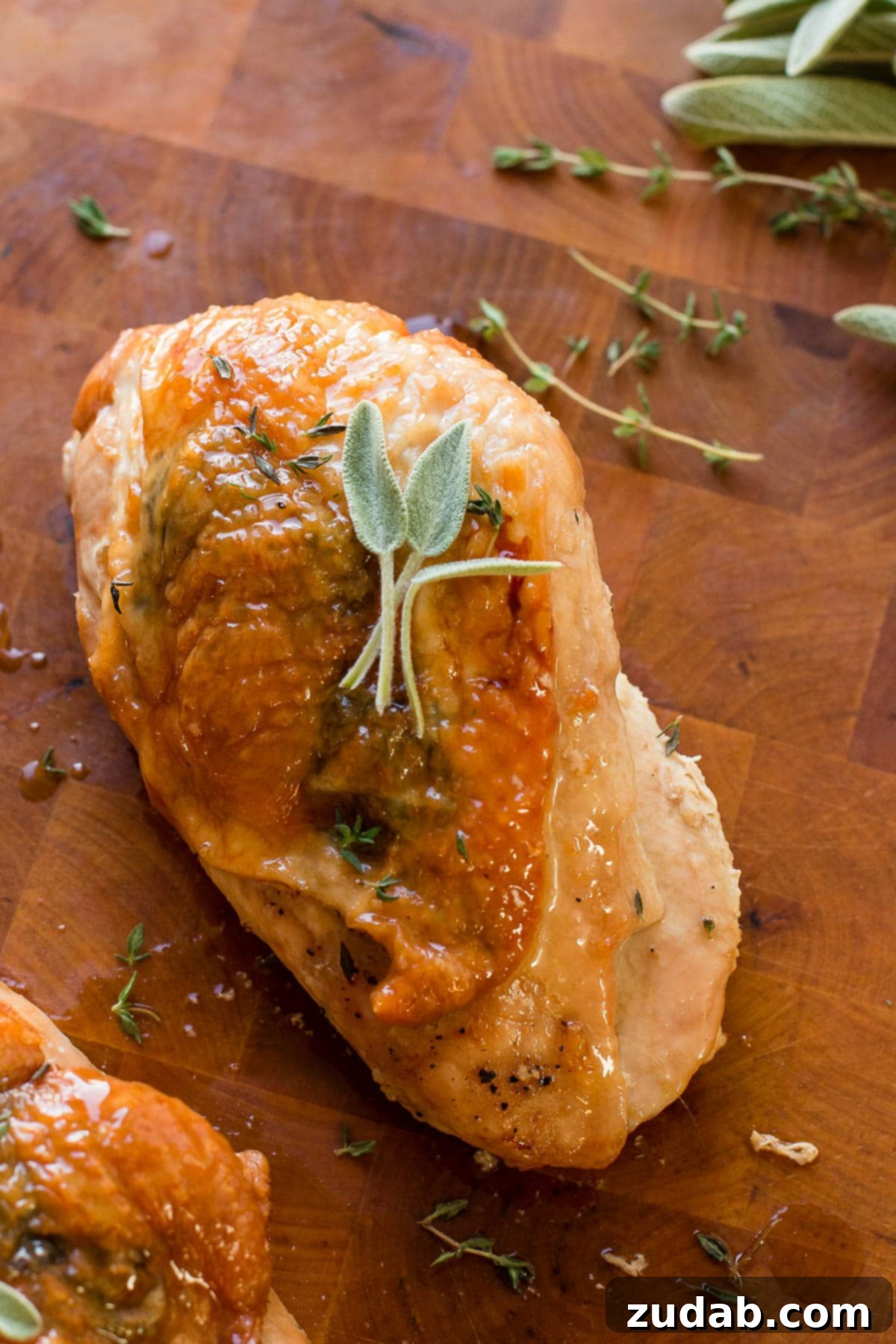
What Herbs are Best With Turkey?
The right blend of herbs can transform a simple turkey breast into an aromatic masterpiece. For a classic, comforting flavor profile that truly enhances turkey, I consistently reach for a few favorites:
- Rosemary: Known for its potent, pine-like aroma and slightly peppery taste, rosemary adds a robust, earthy note that pairs exceptionally well with poultry. It’s fantastic for creating a rustic, savory crust on the turkey.
- Lemon Thyme: This delicate herb offers all the earthy warmth of regular thyme, but with a bright, citrusy undertone. It provides a subtle lift to the turkey’s flavor, making it feel fresh and vibrant without being overpowering.
- Sage: Ah, sage – the undisputed champion of turkey herbs! I can’t emphasize sage enough. Its distinct, slightly peppery, and earthy flavor is truly transformative. Sage has a remarkable ability to cut through the inherent “sour” or gamey taste that turkey can sometimes have on its own, allowing the bird’s natural deliciousness to shine through. It imparts a deep, traditional flavor that instantly evokes the spirit of Thanksgiving.
- Oregano: While I use it occasionally, oregano is a wonderful addition due to its strong, aromatic, and slightly bitter notes. Beyond its flavor, oregano is packed with antioxidants and offers great health benefits, making it a mindful choice for your holiday feast.
You can also consider other complementary herbs like marjoram (sweet, piney, and citrusy), parsley (fresh and clean), or a hint of bay leaf for added depth. The key is to use fresh, high-quality herbs whenever possible, as they release more potent flavors and aromas during roasting. For dried herbs, remember that their flavor is more concentrated, so use about one-third of the amount specified for fresh herbs.
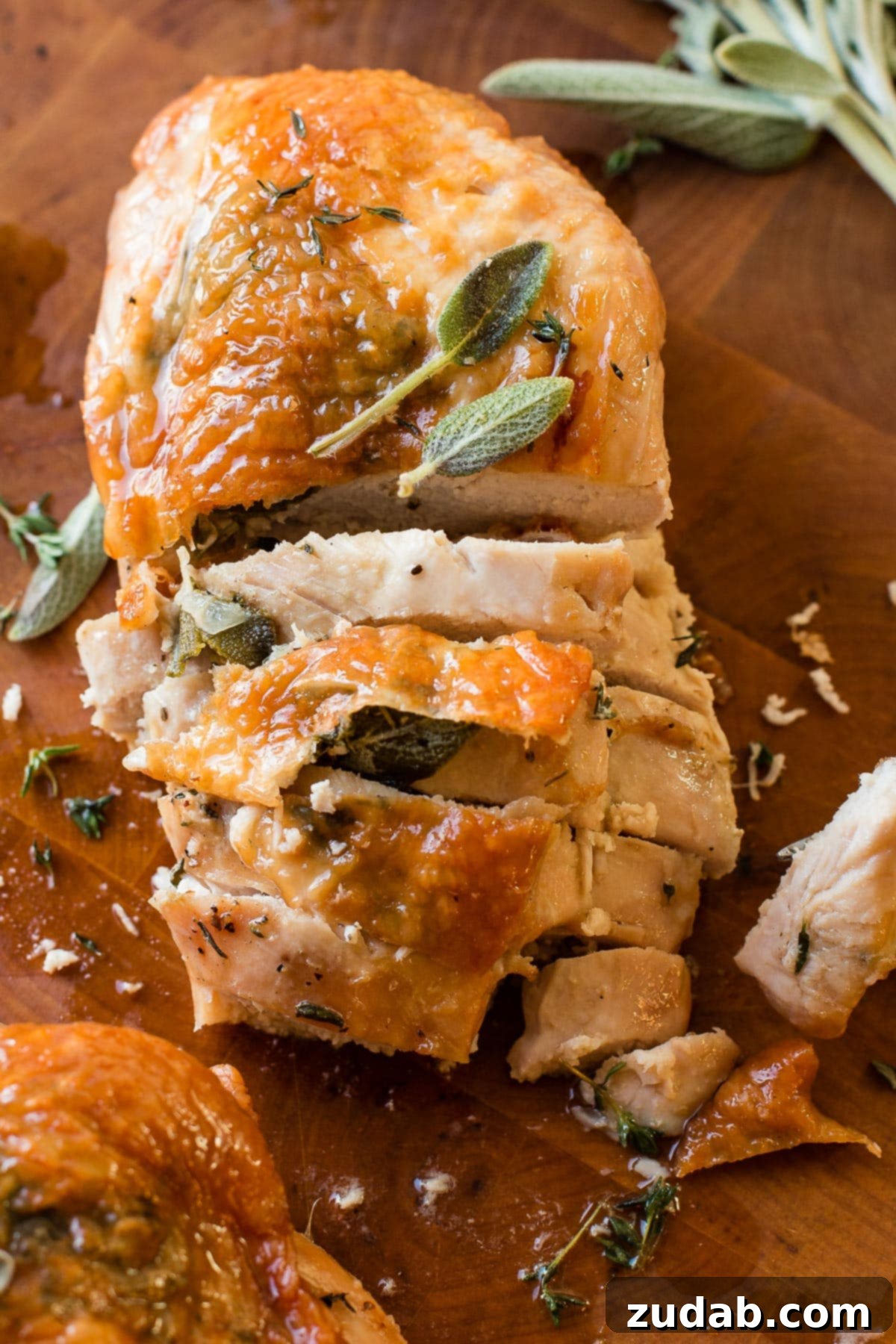
Is Herb Roasted Turkey Breast Gluten Free?
Absolutely, a naturally prepared herb roasted turkey breast is typically gluten-free, making it an excellent choice for those with gluten sensitivities or celiac disease. Here’s what to keep in mind:
- Turkey: Unprocessed turkey meat is naturally gluten-free.
- Fresh Herbs: Fresh leaves such as basil, dill, parsley, rosemary, sage, and thyme are inherently gluten-free.
- Spices: Individual dried spices (like salt and pepper) do not usually contain gluten. However, it’s crucial to check the labels of any pre-mixed spice blends or seasoned rubs. Some manufacturers may add non-gluten anti-caking agents (such as calcium silicate, silicon dioxide, or sodium aluminum silica) that are generally safe, but always verify to be sure. In rare cases, some blends might contain hidden gluten-containing ingredients or be processed on shared equipment.
- Cross-Contamination: If preparing for someone with severe gluten sensitivity, be mindful of cross-contamination in your kitchen. Use clean cutting boards, utensils, and pans that haven’t come into contact with gluten-containing foods.
By using fresh herbs, simple salt and pepper, and pure olive oil, you can confidently prepare a delicious and naturally gluten-free turkey breast for everyone to enjoy.
Turkey Basics: Ensuring a Perfect Roast
Before we dive into the simple steps for making this incredibly flavorful roasted turkey breast, let’s cover a few fundamental principles that guarantee success. Adhering to these basics will ensure your turkey is safe, juicy, and perfectly cooked:
- Thawing is Key: If you’re starting with a frozen turkey breast, proper thawing is critical for even cooking and food safety. The safest method is to thaw it in the refrigerator. Plan for approximately 24 hours of thawing time for every 5 pounds of turkey. For instance, a 3-pound turkey breast will need about one full day to thaw completely. Avoid thawing at room temperature, as this can encourage bacterial growth.
- Achieving the Safe Internal Temperature: Food safety is paramount. The safe internal temperature for turkey (including the breast) is 165 degrees Fahrenheit (74 degrees Celsius). Always use a reliable meat thermometer inserted into the thickest part of the breast, avoiding bones. This ensures that any harmful bacteria are destroyed, and your turkey is safe to eat.
- The Importance of Resting: Once your turkey breast reaches the target internal temperature, resist the urge to carve it immediately. Resting the meat is a crucial step that allows the juices to redistribute throughout the turkey, resulting in a significantly juicier and more tender slice. Cover the turkey breast loosely with foil and let it rest for at least 15 minutes (or up to 30 minutes for larger cuts) before carving. This simple step makes a world of difference.
Let’s assume you are going to roast a 3-pound boneless turkey breast that is frozen and you want to have your meal ready for Thursday afternoon. Here is a brief timeline to help you plan:
- Wednesday Morning: Remove the turkey breast from the freezer and place it in the refrigerator to thaw.
- Thursday Morning/Afternoon (Cooking Day):
- Prep Time: Approximately 5 minutes.
- Turkey Roasts in the Oven: 2 to 2.5 hours (at 325°F/160°C, or according to package instructions).
- Turkey Rests: 15 minutes before carving.
Can You Freeze Leftover Herb Roasted Turkey Breast?
Absolutely! As long as the herb roasted turkey breast was completely cooked through and handled safely, you can freeze it for another time. This is one of the many benefits of cooking a turkey breast—it’s easy to store and enjoy later.
To prevent freezer burn and maintain quality:
- Allow the cooked turkey breast to cool completely before freezing.
- Slice or dice the turkey to your preference.
- Place it in airtight freezer bags or containers. Remove as much air as possible from bags to minimize ice crystal formation.
- Properly frozen turkey breast can be stored for 2-3 months.
Frozen turkey leftovers are perfect for quick future meals, from sandwiches and salads to comforting soups and casseroles.
How Do You Re-Heat Roasted Turkey Breast?
Reheating roasted turkey breast without drying it out is a common concern. The key is to add moisture and use a gentle heat. Here’s the best way to do it:
- Prepare the Pan: Place the turkey breast (sliced or whole) in a shallow oven-safe pan.
- Add Moisture: Pour a small amount of liquid into the bottom of the pan. This could be water, chicken broth, or reserved turkey drippings if you have them. About 1/4 to 1/2 cup should suffice for a typical breast.
- Cover with Foil: Tightly cover the pan with aluminum foil. This traps the moisture, essentially steaming the turkey and preventing it from drying out.
- Gentle Heat: Reheat in a preheated oven at a low temperature, around 275-300°F (135-150°C). High heat will dry it out.
- Heat Until Warm: Heat for approximately 15 minutes per pound, or until the internal temperature of the turkey reaches 160°F (71°C). Check with a meat thermometer. If the turkey is sliced, it will heat faster, so keep a close eye on it.
This method ensures your reheated turkey breast is just as moist and flavorful as it was on the first day.
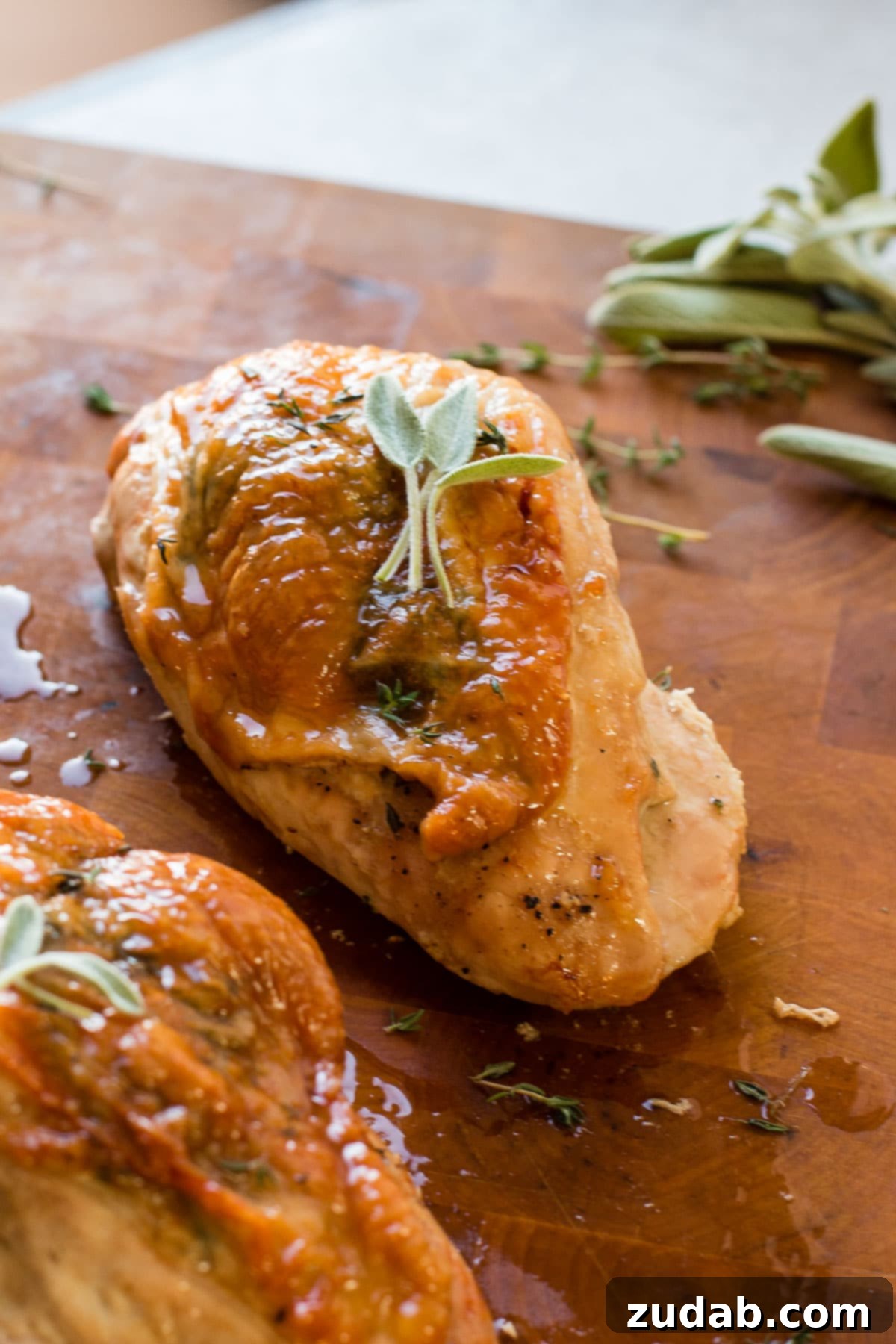
Herb Roasted Turkey Breast Recipe
Ingredients
- 3 Pounds Boneless Turkey Breast, thawed
- 1 teaspoon Kosher Salt
- 1/4 teaspoon Black Pepper
- 1 Tablespoon Thyme, chopped, fresh
- 4 Sage Leaves, fresh (or 1 teaspoon dried sage)
- Olive Oil
Instructions
Turkey Preparation Basics
- If starting with a frozen turkey breast, ensure it is completely thawed in the refrigerator (allow 24 hours per 5 pounds).
- Ensure you have a meat thermometer ready to check for the safe internal temperature of 165 degrees F in the thickest part of the breast.
Turkey Timeline for a 3-pound Breast
Assuming a Thursday meal:
- Wednesday Morning: Remove turkey from freezer to thaw in the fridge.
- Thursday (Cooking Day): Turkey roasts in the oven for 2 to 2.5 hours.
- After Roasting: Allow the turkey to rest for 15 minutes before slicing.
Herb Roasted Turkey Breast Steps
- Preheat your oven to 325°F (160°C).
- Place the thawed turkey breast on a clean, flat surface. Gently lift the skin to expose the breast meat.
- Evenly sprinkle the exposed meat with Kosher salt, black pepper, chopped fresh thyme, and fresh sage leaves (or dried sage).
- Carefully place the skin back down over the seasoned meat.
- Drizzle the top of the turkey breast generously with olive oil. This helps achieve a beautiful golden crust.
- Place the turkey breast in a roasting pan.
- Bake in the preheated oven according to package instructions. For a 3-pound boneless turkey breast, ours typically takes about 2 to 2.5 hours at 325°F (160°C). Cook until a meat thermometer inserted into the thickest part reads 165°F (74°C).
- Once cooked, remove the turkey from the oven. Allow it to rest, loosely covered with foil, for 15 minutes before carving. This crucial step ensures a wonderfully juicy turkey.
Recipe Notes
Leftovers can be refrigerated for 3-4 days in an airtight container, or frozen for 2-3 months for longer storage.
Nutrition Information (Approximate per serving)
- Serving: 1g
- Calories: 230kcal
- Carbohydrates: 1g
- Protein: 49g
- Fat: 4g
- Saturated Fat: 1g
- Cholesterol: 122mg
- Sodium: 855mg
- Potassium: 556mg
- Fiber: 1g
- Sugar: 1g
- Vitamin A: 101IU
- Vitamin C: 2mg
- Calcium: 36mg
- Iron: 1mg
Nutrition information is automatically calculated and should only be used as an approximation.
More Decadent MAIN DISHES You Must Try:
- Best Prime Rib
- Oven Braised Short Ribs
- Instant Pot Turkey Breast
- Smoked Prime Rib
- Carolina Pulled Pork
- Korean Oven Braised Short Ribs
- Oven Braised Beef Roast
- Creamy Herb Chicken with Sun-Dried Tomatoes
- Smoked Tri Tip
- Easy Garlic Butter Steak
- Authentic Italian Bolognese Sauce
- Beef Ribs with Charred Pepper Cream Gnocchi
- All our MAIN DISH recipes!
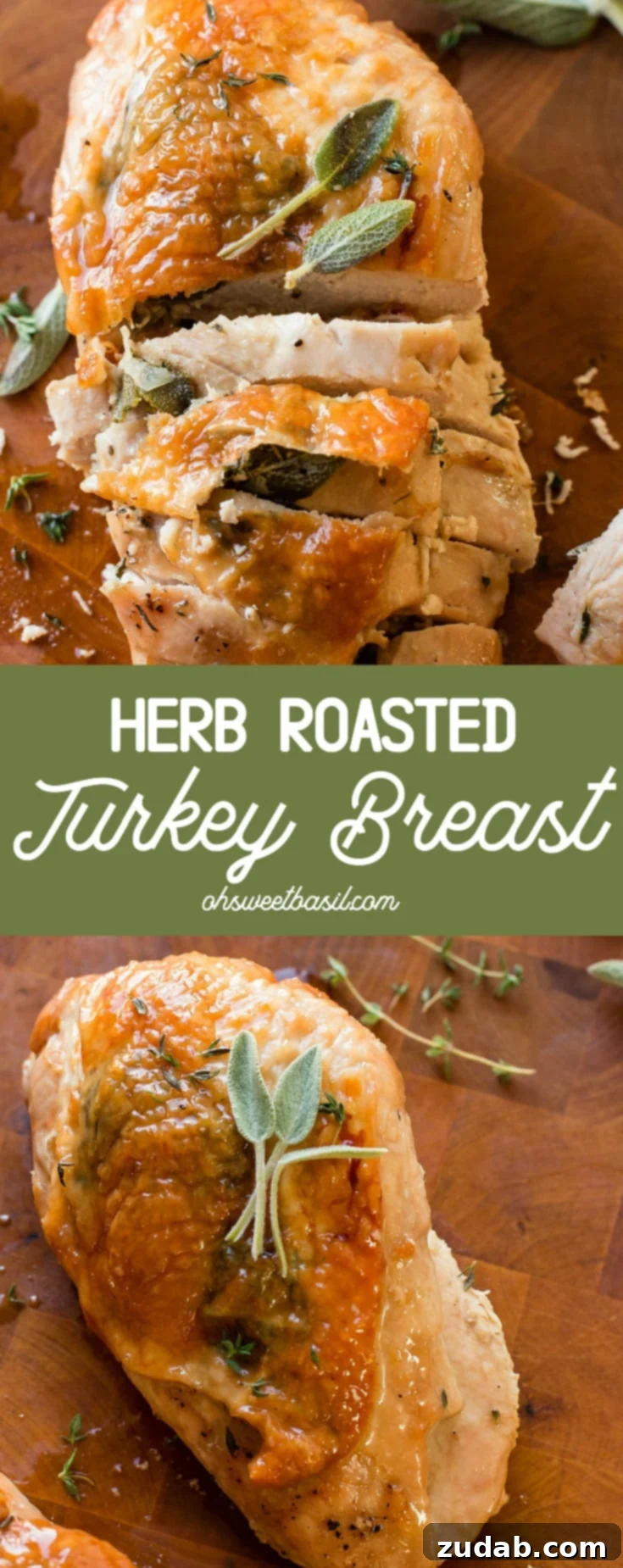
Tips for Serving Your Herb Roasted Turkey Breast
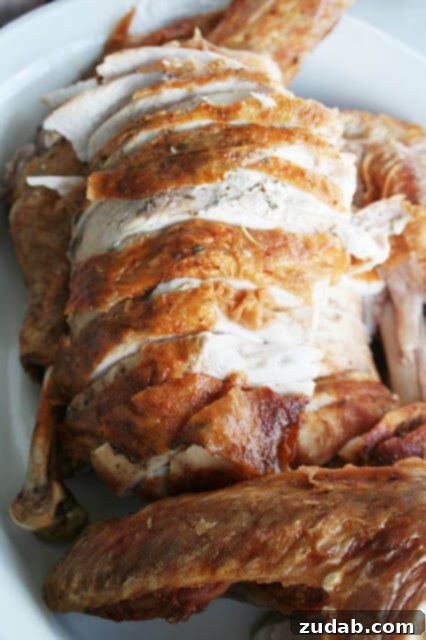
Once your beautifully roasted turkey breast has rested, it’s ready to be carved and served. Here are some tips to make your meal even more enjoyable:
- Carving: Use a sharp carving knife to slice the turkey breast against the grain into even pieces. This ensures maximum tenderness.
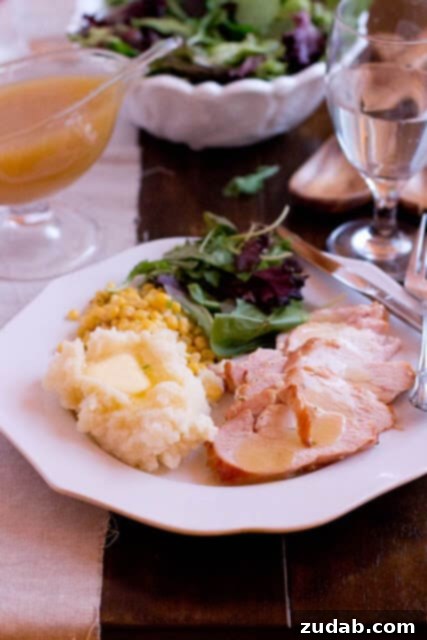
- Gravy: While this recipe is simple, you can elevate your meal with a quick gravy made from pan drippings or a pre-made gluten-free option.
- Complementary Side Dishes: Herb roasted turkey breast pairs wonderfully with classic Thanksgiving sides. Consider serving it with mashed potatoes, cranberry sauce, roasted vegetables (like Brussels sprouts or green beans), or a fresh salad.
- Presentation: Garnish your platter with additional fresh herbs (rosemary, thyme, sage) and perhaps some lemon wedges or cranberries for a festive touch.
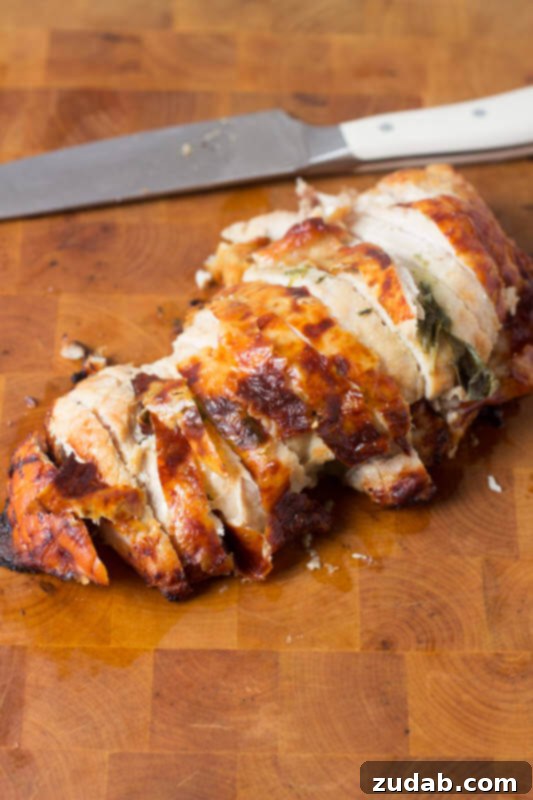
Cooking an herb roasted turkey breast is genuinely a game-changer for anyone looking to simplify their holiday cooking or simply enjoy a delicious turkey meal without the fuss of a whole bird. It’s an accessible, flavorful, and incredibly satisfying option that delivers juicy, tender white meat every time. Say goodbye to cooking stress and hello to a truly enjoyable feast!
Explore Other Delicious Turkey Recipes:
Deep Fried Turkey
Smoked Turkey
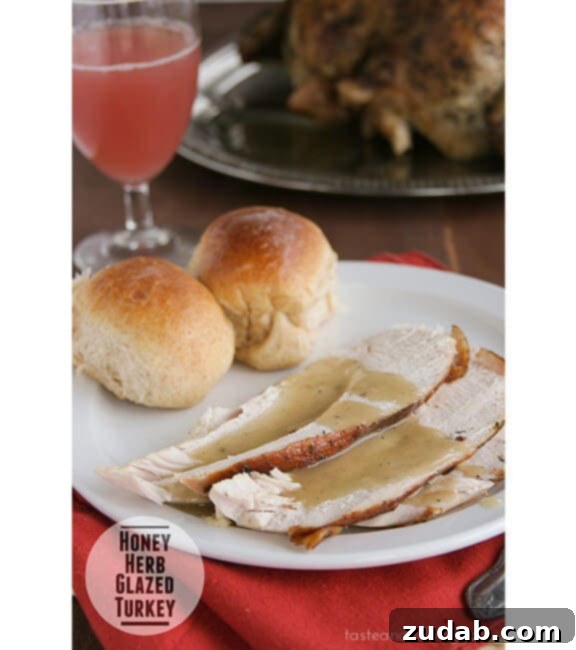
Honey Herbed Glazed Turkey- Taste and Tell