
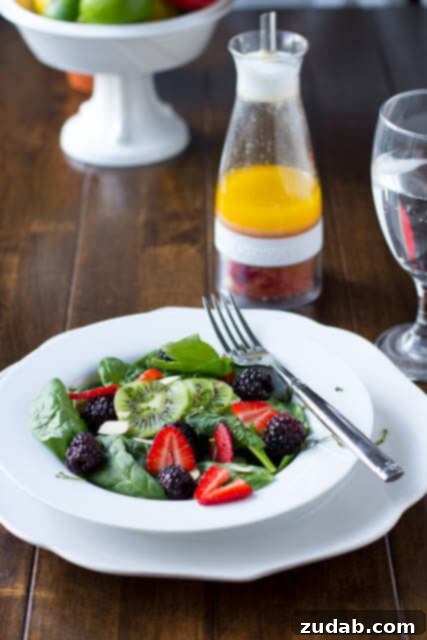
The quest for a perfect side dish often leads us down familiar paths, but sometimes, the most delightful culinary discoveries are found in simplicity and freshness. Our White Balsamic Berry Salad recipe stands out as a vibrant, light, and undeniably healthy option that also boasts an exquisite presentation. It’s more than just a side; it’s a testament to how effortlessly delicious and visually stunning healthy eating can be. Ideal as a wholesome accompaniment or a refreshing main course, this salad promises a burst of flavor and a feast for the eyes.
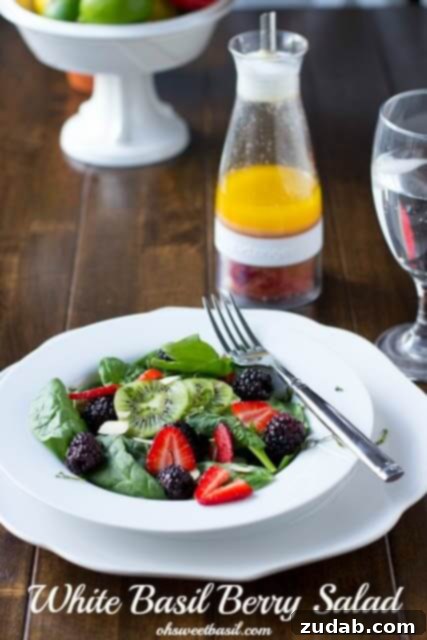
There’s nothing quite like a refreshing salad, especially as warmer months beckon and fresh produce overflows in markets, offering a bounty of nature’s best. Yet, my personal journey to genuine salad appreciation took a rather predictable route. Like many children, my early salad preferences were heavily influenced by indulgent toppings: generous heaps of cheese, crispy bacon, hard-boiled eggs, creamy ranch dressing, and crunchy croutons. I loved a salad piled high with all the fixings, reminiscent of a hearty loaded BBQ Ranch salad or a robust Garlic Green Salad, where richness often overshadowed freshness. These were comforting and satisfying in their own right, but as I’ve grown older and my palate has matured, I’ve discovered a profound appreciation for lighter, more vibrant options. The revelation that a berry salad featuring tender baby spinach, rather than the more common romaine lettuce, could be equally—if not more—delicious and certainly far superior for my well-being, was a game-changer.
A pivotal moment in my evolving culinary education came with marriage. My husband, hailing from Brazil, introduced me to a fundamentally different philosophy of salad dressing. In his culture, salads were often dressed with a simple, yet elegant blend of high-quality olive oil and vinegar. He lauded the inherent lightness this approach imparted and spoke passionately about the endless possibilities offered by different varieties of oils and vinegars. This fresh perspective opened my eyes to a world beyond heavy, sugar-laden, store-bought dressings, inspiring me to explore healthier, homemade alternatives. Around that time, a fantastic opportunity arose to collaborate with Zing Anything, a company known for its innovative kitchen tools, allowing me to explore new dressing creations with their Salad Zinger. I eagerly accepted, excited by the prospect of experimenting with fresh, infused flavors that promised to elevate my salads to unprecedented heights of taste and health.
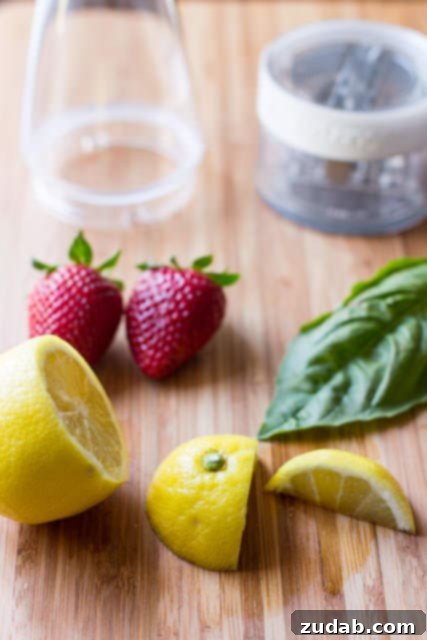
At our core, we are always seeking innovative and healthier ways to enjoy food without sacrificing flavor or enjoyment. I can enthusiastically say that crafting homemade dressings with an infuser bottle like the Salad Zinger is both fun and incredibly easy. The device simplifies the entire infusion process, allowing you to create custom dressings bursting with natural flavors right in your own kitchen. The mechanism is straightforward: you simply untwist the bottom, remove the central component, and load your favorite fresh ingredients—be it aromatic herbs like basil or mint, vibrant fruits such as berries or citrus, or savory spices—into the lower chamber. Once the center piece is reinserted and securely twisted back into place, you then fill the main container with your chosen oils and vinegars. This clever design allows the volatile flavors from your fresh ingredients to slowly infuse into the liquid, creating a vibrant, personalized dressing that perfectly complements any salad. It’s an effortless way to ensure your salads are always dressed with the freshest, most exciting flavors, entirely free from artificial additives, excessive sugars, and unhealthy fats often found in commercial options. This method truly puts you in control of your healthy eating journey, turning an ordinary salad into an extraordinary culinary delight.
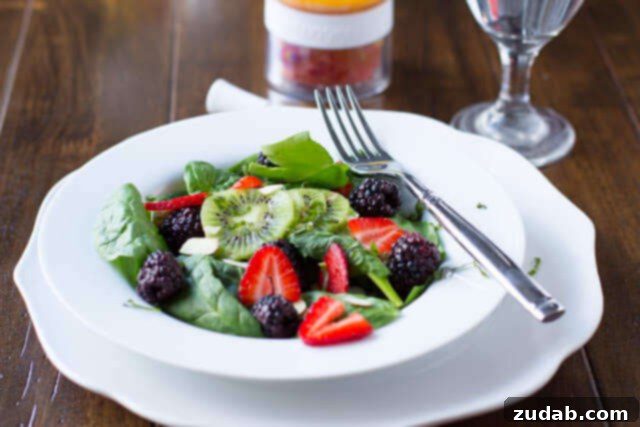
For this particular recipe, Cade and I opted for an ingredient that, in our opinion, is vastly underappreciated in many kitchens: white balsamic vinegar. While many are devoted to the darker, more traditional balsamic vinegar for its rich, robust flavor, we passionately urge you to give its lighter counterpart a try, especially for fruit-based salads. White balsamic is remarkably delicate, offering a crisp, subtly sweet, and tangy flavor profile that truly makes your taste buds sing with delight. Unlike its dark cousin, its lighter hue ensures it won’t discolor your vibrant berry salad, allowing the natural beauty and brilliant colors of the fresh ingredients to shine through unadulterated. This visual appeal is just as important as the taste. These bright, nuanced flavors harmonize beautifully with the sweetness of the berries and the fresh hint of basil, creating the quintessential salad dressing for any spring or summer gathering. We’re confident that once you experience the refreshing difference, you’ll find yourself reaching for white balsamic vinegar time and again, and you’ll undoubtedly fall in love with this dressing!
Beyond its incredible taste, crafting homemade dressings offers a wealth of tangible benefits. It empowers you with complete control over every single ingredient, ensuring you avoid unwanted sugars, unhealthy oils, and artificial preservatives that are regrettably common in many store-bought alternatives. This precise control allows for endless customization, enabling you to tailor dressings to specific dietary needs, personal flavor preferences, or the freshest seasonal ingredients available. Imagine the satisfaction of whipping up a zesty citrus-infused vinaigrette for a warming winter salad, or a herbaceous garlic and rosemary dressing to accompany perfectly roasted vegetables. The culinary possibilities are truly limitless, transforming healthy eating from a chore into an exciting, creative, and deeply satisfying endeavor. Each batch can be a new adventure, encouraging exploration and fostering a deeper connection to the food you consume.
What is Balsamic Vinegar? Exploring a Timeless Condiment
Balsamic vinegar is a distinctively dark, rich, and intensely flavored vinegar that originates from Italy, particularly the Emilia-Romagna region. Its production primarily involves grape must, which is essentially freshly crushed grape juice complete with its skins, seeds, and stems. This grape must is then meticulously cooked down to a thick concentrate, a process that intensifies its natural sugars and flavors. Following this, the concentrate is aged, traditionally in a series of wooden barrels crafted from different woods like oak, cherry, and chestnut, for varying periods. The aging process is absolutely crucial, as it allows the vinegar to develop its complex, sweet, and tangy notes, transforming it into the sophisticated, highly prized condiment we cherish today. True traditional balsamic vinegar, known as “Aceto Balsamico Tradizionale,” undergoes a rigorous aging process that can last anywhere from 12 to over 25 years, resulting in an exceptionally nuanced product with unparalleled depth of flavor. Commercial balsamic vinegars, while often still delicious and versatile, typically have a shorter aging period and may contain additional ingredients, such as wine vinegar or caramel coloring, to achieve their desired taste profile and consistent appearance. Understanding this heritage highlights the care and tradition behind every drop.
Is Balsamic Vinegar Healthy? Unveiling Its Nutritional Advantages
Beyond its remarkable culinary appeal and versatile uses in the kitchen, balsamic vinegar is also celebrated for its potential health benefits, making it a popular and smart choice in health-conscious diets worldwide. Research and anecdotal evidence suggest that incorporating balsamic vinegar into your regular meals can contribute to various aspects of overall well-being. For instance, it has been suggested that it plays a role in promoting weight management by serving as a flavorful, low-fat alternative to heavier, calorie-dense dressings and sauces, thus reducing overall calorie intake. Furthermore, it’s believed to possess properties that may help in lowering cholesterol levels, thereby supporting robust cardiovascular health and reducing the risk of heart disease. Its rich antioxidant content is also thought to contribute to a glowing complexion by combating oxidative stress and free radical damage within the body. As a low-fat additive, balsamic vinegar is an excellent and flavorful component of a heart-healthy diet. Moreover, its natural acidity can stimulate digestive enzymes, potentially aiding digestion, and some studies indicate it may help in stabilizing blood sugar levels, particularly beneficial for those monitoring their glucose intake. Opting for homemade dressings that feature balsamic vinegar alongside high-quality extra virgin olive oil allows you to fully harness these impressive health advantages without the hidden sugars, artificial ingredients, or unhealthy fats often found in their commercial counterparts.
How Are Greek and Regular Yogurt Different? A Key Ingredient’s Impact
Greek yogurt differs significantly from regular yogurt primarily due to its distinct and more extensive straining process. To produce Greek yogurt, traditional plain yogurt undergoes multiple straining cycles, typically three, specifically to remove most of the whey. Whey is the liquid byproduct that separates from milk solids during the fermentation process. This intensive straining process results in a product that is considerably thicker, remarkably creamier, and noticeably smoother in texture compared to conventional, unstrained yogurt. Consequently, Greek yogurt boasts a more concentrated and tangier flavor, offering a distinct richness that sets it apart. Nutritionally, this concentration translates into a more potent profile: Greek yogurt typically contains a significantly higher protein content per serving compared to regular yogurt. This makes it a highly favored ingredient among individuals prioritizing satiety, supporting muscle growth and repair, and seeking a substantial protein boost in their daily diet. For our White Balsamic Berry Salad dressing, plain Greek yogurt is not just an option but an indispensable component. Its inherent thick consistency contributes to a beautifully emulsified, velvety, and creamy dressing, providing a luxurious mouthfeel. Simultaneously, its characteristic tangy notes perfectly complement the natural sweetness of the berries and the honey in the dressing, adding a delightful depth of flavor and complexity without the need for excessive added fats. This balance creates a dressing that is both indulgent and incredibly healthy.
White Balsamic Berry Salad: The Perfect Summer Side
This White Balsamic Berry Salad is far more than just a recipe; it’s an experience—a delightful celebration of fresh, seasonal produce. Imagine a generous bed of fresh, crisp baby spinach, providing a verdant foundation for an explosion of juicy, ripe berries. This vibrant medley is further complemented by the tropical sweetness and unique texture of sliced kiwi, all brought together with the satisfying crunch of perfectly toasted almonds. Each component plays a vital role, carefully selected to create a harmonious symphony of textures, flavors, and colors. The star of the show, of course, is the homemade white balsamic dressing, meticulously infused with fresh strawberries, aromatic basil, and zesty lemon. This bespoke dressing ties everything together with a light, bright, and utterly refreshing tang that will awaken and tantalize your taste buds. It’s a wonderfully versatile dish that can be effortlessly served as a delightful side salad at any barbecue or family meal, a light yet satisfying lunch on a warm day, or even an impressive and elegant starter for more formal spring and summer gatherings. The undeniable key to its resounding success lies in the quality of the ingredients; always prioritize the freshest, ripest produce you can possibly find to truly unlock this salad’s full, vibrant potential and enjoy its exquisite flavors.
White Balsamic Berry Salad
Sweet Basil
2 hours
1 minute
2 hours
1 minute
4

Ingredients
White Balsamic Berry Dressing
- 3 Strawberries
- 3 Large Basil Leaves
- 1/8 Cup Chopped Lemon (rind on)
- 2 Tablespoons White Balsamic Vinegar
- 1/2 Cup Extra Virgin Olive Oil
- 1 Tablespoon Plain Greek Yogurt
- 1 teaspoon Honey
- Pinch of Salt
Salad Components
- 1 Bunch Baby Spinach
- 1 Pint Blackberries
- 1 Cup Sliced Strawberries
- 2 Kiwi, peeled and sliced
- 1/3 Cup Toasted Almonds
- 1 Tablespoon Chopped Fresh Basil
Instructions
-
Cut the strawberries into quarters. Place the quartered strawberries, basil leaves, and chopped lemon (with rind on) into the bottom chamber of your Salad Zinger or an infuser bottle.
-
Securely attach the infuser bottom to the main body of the Salad Zinger.
-
Pour the white balsamic vinegar, extra virgin olive oil, plain Greek yogurt, honey, and a pinch of salt into the main body of the Salad Zinger. Place the top back on securely.
-
Give the bottle a few good shakes to thoroughly combine the yogurt and other ingredients. Refrigerate the dressing for 2-8 hours to allow the flavors to fully infuse.
-
In a large salad bowl, gently toss together the baby spinach, blackberries, sliced strawberries, peeled and sliced kiwi, and toasted almonds.
-
Just before serving, drizzle the infused white balsamic berry dressing over the salad. Garnish with a light sprinkling of chopped fresh basil.
-
Serve immediately and enjoy this refreshing and healthy culinary creation!
Recipe Notes and Variations
Feel free to get creative with your infused dressing! You can easily substitute the strawberries, basil, and lemon with other fruits, herbs, or citrus. Think raspberries with mint, or lime with ginger for different flavor profiles. For the salad itself, almost any combination of fresh berries and leafy greens will work beautifully. Consider adding blueberries, raspberries, or even pomegranate seeds for an extra burst of flavor and color.
For an added layer of texture and protein, crumbled goat cheese or feta cheese can be a wonderful addition, though for a truly light and healthy option, it’s delicious without. Candied pecans or walnuts can also provide a sweet crunch if you prefer something other than toasted almonds.
Ensure your salad is covered tightly when stored in the refrigerator. The dressing can be prepared a day in advance for maximum infusion. Leftover salad components should be stored separately from the dressing to maintain freshness and prevent sogginess, typically lasting 1-2 days. The infused dressing, when refrigerated, will stay fresh for about a week, allowing you to enjoy fresh salads throughout the week.
Nutrition
Serving: 1g,
Calories: 412kcal,
Carbohydrates: 26g,
Protein: 6g,
Fat: 34g,
Saturated Fat: 4g,
Cholesterol: 1mg,
Sodium: 7mg,
Potassium: 505mg,
Fiber: 10g,
Sugar: 14g,
Vitamin A: 319IU,
Vitamin C: 97mg,
Calcium: 91mg,
Iron: 2mg.
Nutrition information is automatically calculated, so should only be used as an approximation.
Enjoyed this recipe? Share your thoughts below!