
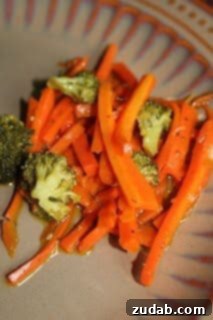
Transforming your daily meals starts with the perfect accompaniment. Forget complicated recipes and lengthy prep times – sometimes, the most delightful dishes are also the simplest. This article delves into creating a truly effortless yet incredibly flavorful Simple Vegetable Side Dish that promises to elevate any meal. Whether you’re a seasoned cook or just starting, this adaptable recipe is designed for ease, allowing you to whip up a nutritious and delicious side in minutes, using whatever fresh vegetables you have on hand. It’s an ideal solution for those busy weeknights when you crave healthy sides without the hassle.
We first discovered the magic of this method a couple of months ago, and it has since become a staple in our kitchen. Its beauty lies in its unparalleled versatility: from crisp onions and sweet carrots to bell peppers, green beans, tender beets, vibrant broccoli, and earthy mushrooms – truly any vegetable can be given a delicious treatment. Don’t worry about precise measurements; this recipe encourages a playful, intuitive approach. Trust your instincts, and you’ll be amazed at the results. This isn’t just a recipe; it’s a foundation for a healthier, more flavorful plate, making vegetable consumption both enjoyable and straightforward.
The Nutritional Powerhouses: Exploring Your Favorite Veggies
Before diving into the recipe, let’s appreciate the incredible nutritional benefits of some commonly used vegetables. Understanding what makes them good for you can inspire more creative and healthful culinary choices.
What Vitamins Are In Broccoli?
Broccoli, often hailed as a “superfood,” is an exceptionally nutrient-dense vegetable. Its vibrant green florets are packed with an impressive array of vitamins, minerals, and antioxidants essential for overall health. It stands out as an excellent source of several key nutrients:
- Vitamin C: A powerful antioxidant vital for immune system function, collagen production (for healthy skin, bones, and blood vessels), and iron absorption. Just one cup of chopped broccoli can provide more than a day’s worth of Vitamin C.
- Vitamin K: Crucial for blood clotting and plays a significant role in bone health, helping to regulate calcium levels in the body.
- Vitamin A (as beta-carotene): Important for vision, immune function, and skin health. Beta-carotene is a precursor that the body converts into Vitamin A.
- Vitamin E: Another potent antioxidant that protects cells from damage caused by free radicals, supporting skin health and immune function.
- Vitamin B6 (Pyridoxine): Essential for brain development and function, and helps the body make antibodies, maintain normal nerve function, and produce hemoglobin.
Beyond these vitamins, broccoli is also high in several critical minerals:
- Calcium: Fundamental for strong bones and teeth, nerve transmission, and muscle function.
- Iron: Necessary for the production of hemoglobin, which carries oxygen in the blood, preventing fatigue and anemia.
- Magnesium: Involved in over 300 biochemical reactions in the body, including muscle and nerve function, blood glucose control, and blood pressure regulation.
- Phosphorus: Essential for healthy bones and teeth, and plays a role in how the body uses and stores energy.
- Selenium: A trace mineral that acts as an antioxidant and supports thyroid function and the immune system.
Furthermore, broccoli is a very good source of dietary fiber, aiding in digestion, promoting satiety, and helping regulate blood sugar levels. It also provides ample folate (important for cell growth and function), potassium (crucial for blood pressure regulation), and manganese (involved in bone formation and metabolism). Incorporating broccoli into your diet regularly can contribute significantly to a well-rounded and healthy lifestyle.
Do Carrots Help You See? The Truth About Carrots and Eye Health
The saying “carrots help you see in the dark” holds a kernel of truth rooted in scientific fact. Carrots are indeed celebrated for their positive impact on eye health, primarily due to their rich content of certain compounds:
- Vitamin A (Retinol): Carrots are exceptionally rich in beta-carotene, a carotenoid pigment that the body converts into vitamin A. Retinol is a vital component of rhodopsin, a light-sensitive pigment found in the retina of the eye. Rhodopsin is crucial for enabling your eyes to detect light and adapt to low-light conditions, thus improving night vision.
- Beta-Carotene: This powerful antioxidant protects the eyes from damage caused by free radicals and oxidative stress, which can contribute to age-related macular degeneration (AMD) and cataracts.
- Lutein and Zeaxanthin: While not as abundant as beta-carotene, carrots also contain smaller amounts of lutein and zeaxanthin. These carotenoids accumulate in the macula of the eye, forming a protective pigment that filters harmful blue light and acts as an antioxidant, further safeguarding the retina from damage.
The nutrients and vitamins found in carrots are incredibly helpful for boosting overall eye health and maintaining good eyesight throughout life. Regular consumption can help protect against various eye conditions and support optimal visual function. Beyond eye health, carrots offer other benefits such as promoting healthy skin, supporting the immune system, and providing dietary fiber for digestive wellness.
Can You Roast Beets? Unlocking the Sweetness of Beets
Absolutely! Roasting is one of the best ways to bring out the natural sweetness and tender texture of beets. It transforms their earthy flavor into something truly sublime. You can roast beets with their skin on for a rustic touch, or after peeling them for a smoother finish – the choice is yours, though many prefer to peel them after roasting for easier handling.
To roast beets:
- Preheat your oven to a moderate temperature, typically around 400°F (200°C).
- Wash the beets thoroughly. If keeping the skin on, scrub them well. If peeling, use a vegetable peeler. You can roast them whole, quartered, or cut into wedges, depending on their size and your desired cooking time.
- Toss the prepared beets with a generous drizzle of olive oil. You can also add a pinch of salt, pepper, and perhaps a touch of fresh or dried herbs like rosemary or thyme for extra flavor.
- Spread the beets in a single layer on a baking sheet. Avoid overcrowding the pan, as this can steam the vegetables instead of roasting them, leading to a less desirable texture. If necessary, use multiple baking sheets.
- Roast for approximately 35-40 minutes, or until they are fork-tender and slightly caramelized. Larger beets or bigger pieces will require a longer roasting time.
Beets are remarkably versatile and can be enjoyed in many forms. While roasting enhances their flavor profile, they can also be eaten raw, thinly sliced or grated into salads for a vibrant crunch. Steaming or boiling are other popular methods, yielding tender results perfect for side dishes, salads, or purees. Nutritionally, beets are rich in folate, manganese, potassium, and Vitamin C, and are notable for their nitrates, which can help improve blood flow and lower blood pressure.
Simple Vegetable Side Dish: Your Go-To Recipe for Healthy Eating
This recipe is designed for maximum flavor with minimal effort. It’s perfect for those evenings when you want a nutritious accompaniment without a lengthy commitment to the kitchen. The key is its adaptability – use whatever vegetables call to you from your fridge or local market!
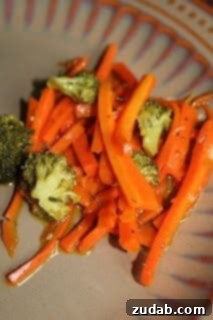
Simple Veggie Side Dish
Pin
Ingredients
- Veggies of choice, chopped into uniform pieces
- Olive Oil (extra virgin preferred)
- Italian Seasoning (or your preferred herb blend)
- Garlic, minced (fresh or pre-minced)
- Salt (to taste, sea salt recommended)
- Pepper (freshly ground black pepper for best flavor)
- Sugar (optional, a pinch enhances natural sweetness)
Instructions
-
Prepare your chosen vegetables: Wash them thoroughly and chop them into uniform, bite-sized pieces. This ensures even cooking. For example, slice carrots into rounds, chop broccoli into florets, and dice bell peppers. Place the chopped veggies in a large pan (cast iron or a heavy-bottomed skillet works best) over medium heat.Veggies of choice
-
Drizzle the vegetables generously with olive oil. The oil will help them cook evenly and develop a lovely caramelized exterior. Then, sprinkle the Italian seasoning, minced garlic, salt, pepper, and a pinch of sugar (if using) over the veggies. Toss everything together well, ensuring all the vegetable pieces are lightly coated with oil and seasonings.Olive Oil, Italian Seasoning, Garlic, Salt, Pepper, Sugar
-
Sauté the vegetables, stirring occasionally, until everything is tender and slightly browned. This typically takes 15-20 minutes, depending on the types of vegetables and how small they are chopped. Test for doneness by piercing a piece with a fork – it should go through easily. Serve immediately and enjoy your quick, delicious, and healthy side dish!
Recipe Notes
Why Choose Simple Vegetable Sides?
In our fast-paced lives, prioritizing healthy eating can often feel like a challenge. That’s where the beauty of a Simple Vegetable Side Dish truly shines. Opting for quick and easy vegetable preparations offers numerous benefits:
- Time-Saving: With minimal chopping and a short cooking time, you can have a fresh, hot side dish on the table in under 20 minutes. This is invaluable for busy weeknights when elaborate cooking isn’t feasible.
- Boosts Nutritional Intake: Simple preparation methods, like sautéing or roasting, help retain the essential vitamins and minerals in vegetables. By making veggies approachable, you’re more likely to incorporate them into every meal, contributing to a balanced diet.
- Incredibly Versatile: This cooking method works for almost any vegetable. It encourages you to use what’s seasonal, what’s on sale, or what needs to be used up in your fridge, minimizing food waste and maximizing flavor.
- Flavor Enhancement: A few simple seasonings and a touch of oil can transform plain vegetables into a savory, aromatic treat. The natural sweetness and textures of the vegetables are highlighted, not masked.
- Supports Health Goals: Easy veggie sides make it effortless to meet recommended daily vegetable intake, supporting weight management, improved digestion, boosted immunity, and reduced risk of chronic diseases.
Tips for Perfect Sautéed or Roasted Vegetables
Achieving perfectly tender and flavorful vegetables is easy with a few key techniques:
- Uniform Chopping: Ensure all your vegetable pieces are roughly the same size. This is critical for even cooking. If you have different types of vegetables, consider their density. Harder vegetables like carrots or potatoes might need to be cut smaller or started earlier than softer ones like bell peppers or zucchini.
- Don’t Overcrowd the Pan: This is a golden rule for both sautéing and roasting. If your pan is too full, the vegetables will steam instead of caramelize, resulting in soggy rather than tender-crisp textures. Cook in batches if necessary, or use a larger pan.
- Medium-High Heat for Sautéing: When sautéing, medium-high heat is usually ideal. It’s hot enough to encourage browning and cook vegetables quickly without burning them. For roasting, typically 400°F (200°C) is a good starting point for a crispy exterior and tender interior.
- Quality Oil Matters: Use a good quality olive oil that can withstand the heat. Extra virgin olive oil is excellent for flavor. Avocado oil is another great option due to its high smoke point.
- Season Liberally and Thoughtfully: Don’t be shy with seasonings! Salt and pepper are foundational. Italian seasoning is a great all-rounder, but feel free to experiment with other herbs and spices. A pinch of sugar can balance flavors and enhance caramelization.
- Test for Doneness: Vegetables are ready when they are fork-tender and have achieved a slightly browned or caramelized exterior. The exact time will vary based on the vegetables chosen and their size.
Customizing Your Simple Veggie Side Dish
The true magic of this recipe lies in its infinite customization possibilities. Once you master the basic technique, you can truly make it your own:
- Experiment with Vegetable Combinations:
- Root Vegetables: Carrots, parsnips, sweet potatoes, turnips.
- Cruciferous: Broccoli, cauliflower, Brussels sprouts.
- Leafy Greens (add at the end): Spinach, kale, Swiss chard.
- Alliums: Onions (red, yellow, sweet), leeks, shallots.
- Gourds & Peppers: Zucchini, yellow squash, bell peppers (any color), eggplant.
- Mushrooms: Cremini, button, shiitake for an umami boost.
- Vary Your Seasoning Blends:
- Mediterranean: Add oregano, basil, a squeeze of lemon juice, and a sprinkle of feta cheese after cooking.
- Spicy: Incorporate red pepper flakes, a dash of cayenne, or a drizzle of hot sauce.
- Asian-Inspired: Use a touch of sesame oil, ginger, soy sauce (or tamari), and garnish with sesame seeds.
- Herb Garden: Fresh herbs like rosemary, thyme, parsley, or dill can completely change the profile. Add fresh herbs towards the end of cooking to preserve their flavor.
- Smoky: A pinch of smoked paprika can add a wonderful depth.
- Add Aromatics and Acids:
- Beyond garlic, consider adding minced ginger, finely chopped chili, or a squeeze of lemon or lime juice at the end for brightness.
- A splash of balsamic vinegar or apple cider vinegar can also add a pleasant tang.
- Finishing Touches:
- Cheese: A sprinkle of grated Parmesan, crumbled goat cheese, or feta.
- Nuts/Seeds: Toasted pine nuts, almonds, sunflower, or pumpkin seeds for crunch.
- Fresh Herbs: A final garnish of chopped fresh parsley, cilantro, or chives brightens the dish.
Beyond the Side Dish: Incorporating Cooked Veggies into Other Meals
These simply cooked vegetables are not just limited to being a side dish. Their delicious flavor and tender texture make them an excellent addition to a variety of meals, enhancing both taste and nutritional value:
- Salads: Add cooled, roasted vegetables to your green salads for extra texture, flavor, and substance.
- Grain Bowls: Combine with quinoa, brown rice, or farro, along with a protein source and a flavorful dressing for a complete meal.
- Wraps and Sandwiches: Use them as a flavorful filling alongside hummus or other spreads.
- Omelets and Scrambles: Quickly fold them into eggs for a nutritious breakfast or brunch.
- Pasta Dishes: Toss with your favorite pasta, a light sauce, and some Parmesan cheese for a quick vegetarian meal.
- Soups and Stews: Incorporate any leftovers into a broth-based soup or a hearty stew for added depth.
The Enduring Appeal of a Varied Vegetable Diet
As we’ve explored the specific benefits of broccoli, carrots, and beets, it becomes clear that integrating a wide variety of vegetables into your diet is paramount. Each vegetable brings its unique blend of vitamins, minerals, antioxidants, and fiber, contributing to a holistic approach to health. Eating a “rainbow” of vegetables ensures you’re getting a broad spectrum of nutrients necessary for:
- Enhanced Immune Function: Vitamins like C and A, abundant in many vegetables, are critical for a robust immune system.
- Improved Digestion: High fiber content supports gut health, aids regularity, and can prevent digestive issues.
- Heart Health: Potassium in vegetables helps manage blood pressure, while fiber can help lower cholesterol.
- Antioxidant Protection: The array of antioxidants combats oxidative stress, reducing cellular damage and lowering the risk of chronic diseases, including certain cancers.
- Weight Management: Vegetables are typically low in calories and high in fiber, promoting satiety and aiding in healthy weight maintenance.
This simple vegetable side dish recipe is more than just a quick meal; it’s an accessible gateway to a more vibrant and healthier eating routine. It proves that healthy food doesn’t have to be bland or time-consuming, making it easy to nourish your body with delicious, wholesome ingredients every day.