
Does your laundry still feel less than fresh, even after a thorough wash cycle? Do your whites appear dingy, your towels stiff, or your activewear retain lingering odors? If so, it’s time to discover the transformative power of laundry stripping. This deep-cleaning method, utilizing household staples like Tide, Borax, Arm & Hammer Washing Soda, and Calgon, is designed to meticulously remove accumulated grime, dirt, mineral deposits, and detergent residue from your textiles, leaving everything noticeably cleaner, brighter, and truly refreshed. It’s a simple, yet incredibly effective, approach to revitalize your entire wardrobe and household linens.
For years, I’ve seen the incredible benefits of this process. While my early experiences were limited to brightening whites and towels, the results were always astounding. However, with the demands of battling Hyperemesis Gravidarum, a high-risk pregnancy, and subsequently caring for a preemie, my energy for such deep cleaning waned. It wasn’t until a dear friend, Heather from Fueling a Southern Soul, reintroduced me to the comprehensive concept of “Laundry Stripping” that I realized its full potential. I had no idea you could apply this process to virtually all your laundry, and what I once simply called “brightening whites” had a much more powerful and encompassing name. Once you try it, you’ll understand why it’s quickly becoming a household staple for many seeking a truly deep clean.
What is Laundry Stripping? The Science Behind a Deep Clean
Laundry stripping is a highly effective deep-cleaning process designed to remove the unseen and often stubborn residues that accumulate on your clothing and linens over time. This buildup typically consists of several culprits: detergent residue (especially from homemade laundry soaps which can leave a film), fabric softener and dryer sheet coatings, minerals from hard water (even if you have a water softener, some mineral deposits can persist), and body oils, sweat, and dirt that become embedded within fabric fibers.
Think about your most frequently used items: your crisp white shirts that have taken on a yellowish or grayish hue, your once fluffy towels that now feel stiff and less absorbent, or your workout clothes that seem to retain a faint, unpleasant odor no matter how many times you wash them. These are prime candidates for laundry stripping. While “active wear” is the industry term, we all know them as our trusty gym clothes, and they are notorious for trapping sweat and oils. The primary goal of laundry stripping is to liberate your garments from these unseen layers, leaving you with the freshest, cleanest, brightest, and most absorbent textiles you’ve experienced in a long time. It’s a reset button for your laundry, restoring them closer to their original state.
Does Laundry Stripping Really Work? Unveiling the Truth
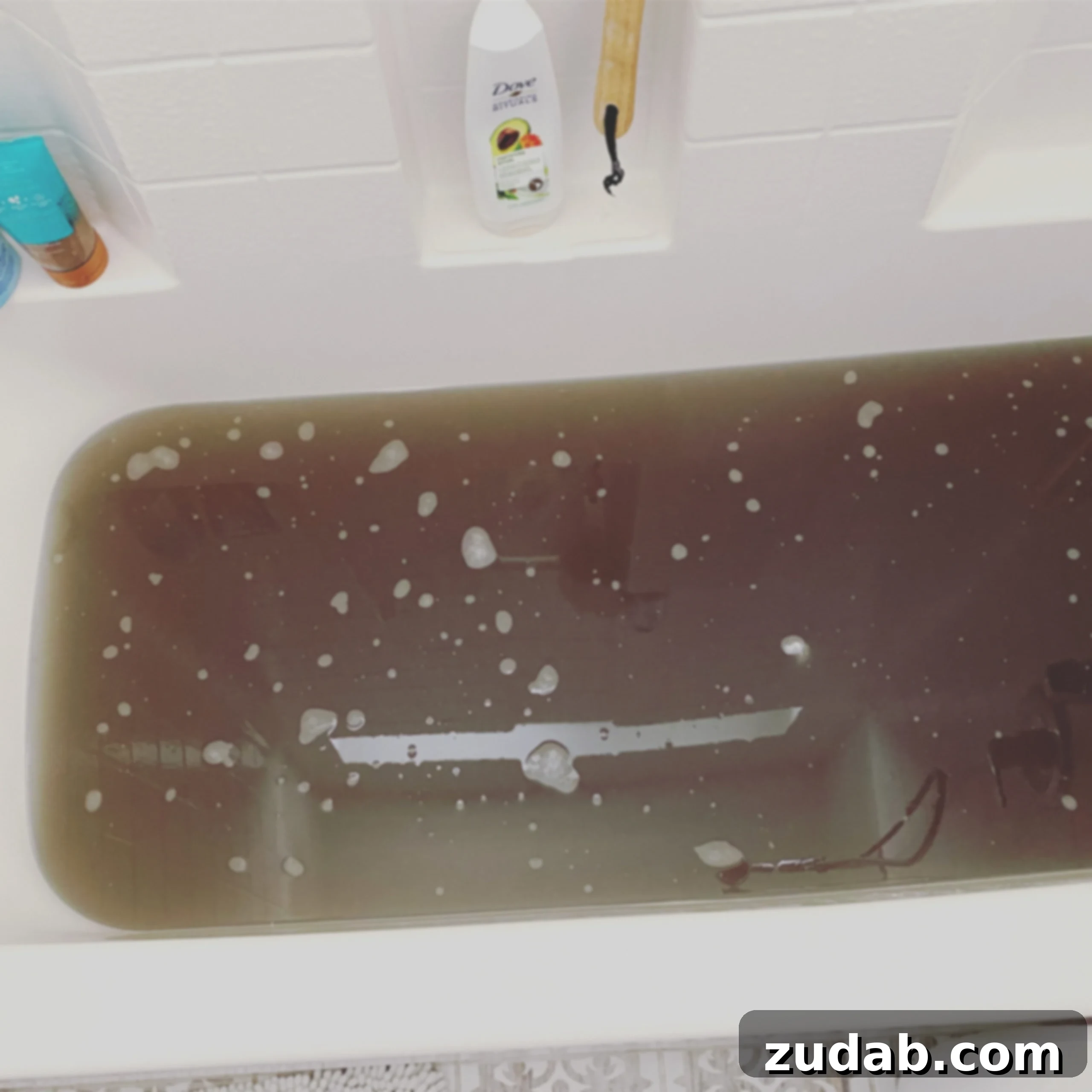
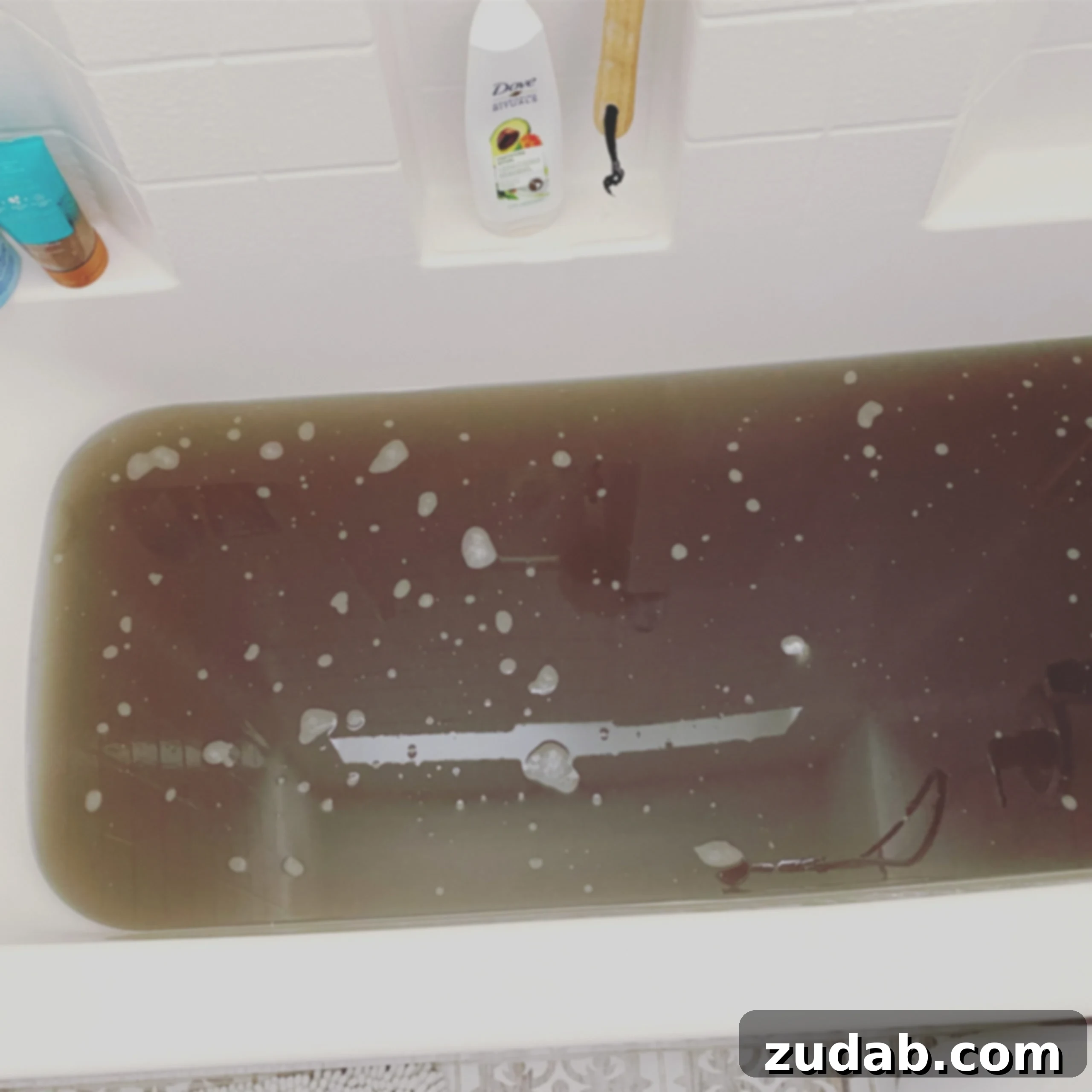
Absolutely, without a doubt, YES IT DOES! The visual evidence, often a tub of murky, discolored water, is a powerful testament to its effectiveness. While laundry stripping won’t perform miracles on severely stained or damaged items, it delivers remarkable improvements that can significantly extend the life and freshness of your clothes.
If your whites have succumbed to that nasty, dingy, brownish-gray dullness, you might not see them revert to a brand-new, blinding white. However, they will be significantly brighter and undeniably cleaner. This method is the ultimate secret to truly whitening and brightening whites again!
Did I emphasize that enough? If your whites suffer from persistent dinginess, particularly around high-contact areas like armpits and necklines, this process will be life-changing. For those who wear white garments regularly, you know the struggle – consider this your ultimate solution. It’s truly life-changing, friend, bringing a new level of clean to items you might have otherwise given up on.
Before AND After Pictures of Stripping Laundry: Seeing is Believing
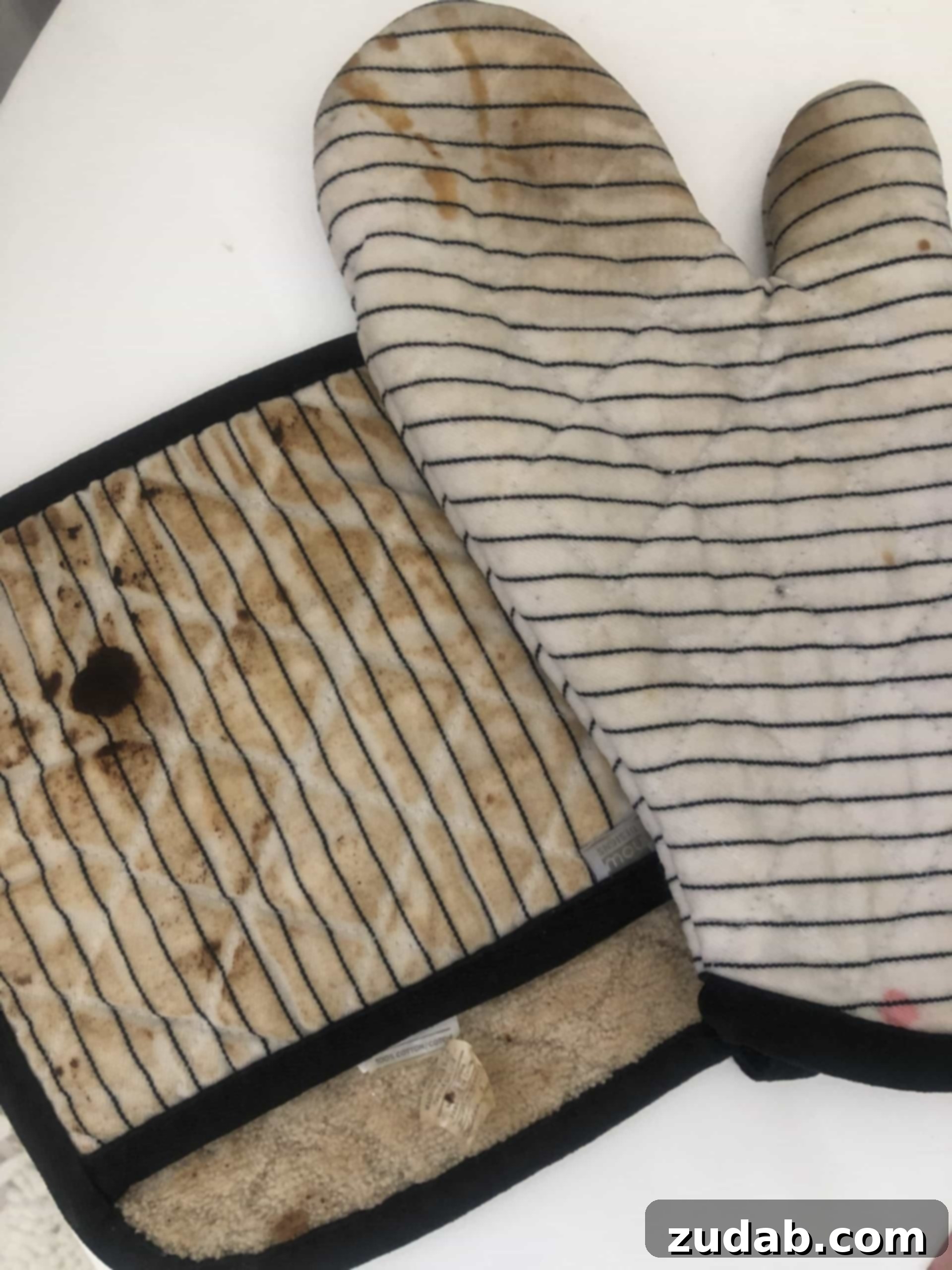
A common request I receive is for striking “before and after” pictures of laundry stripping. The honest truth is, when I embark on this deep-cleaning task, I’m usually focused on powering through the extra work involved and rarely remember to pause for photographic documentation. It’s often an “all hands on deck” day, and snapping photos slips my mind.
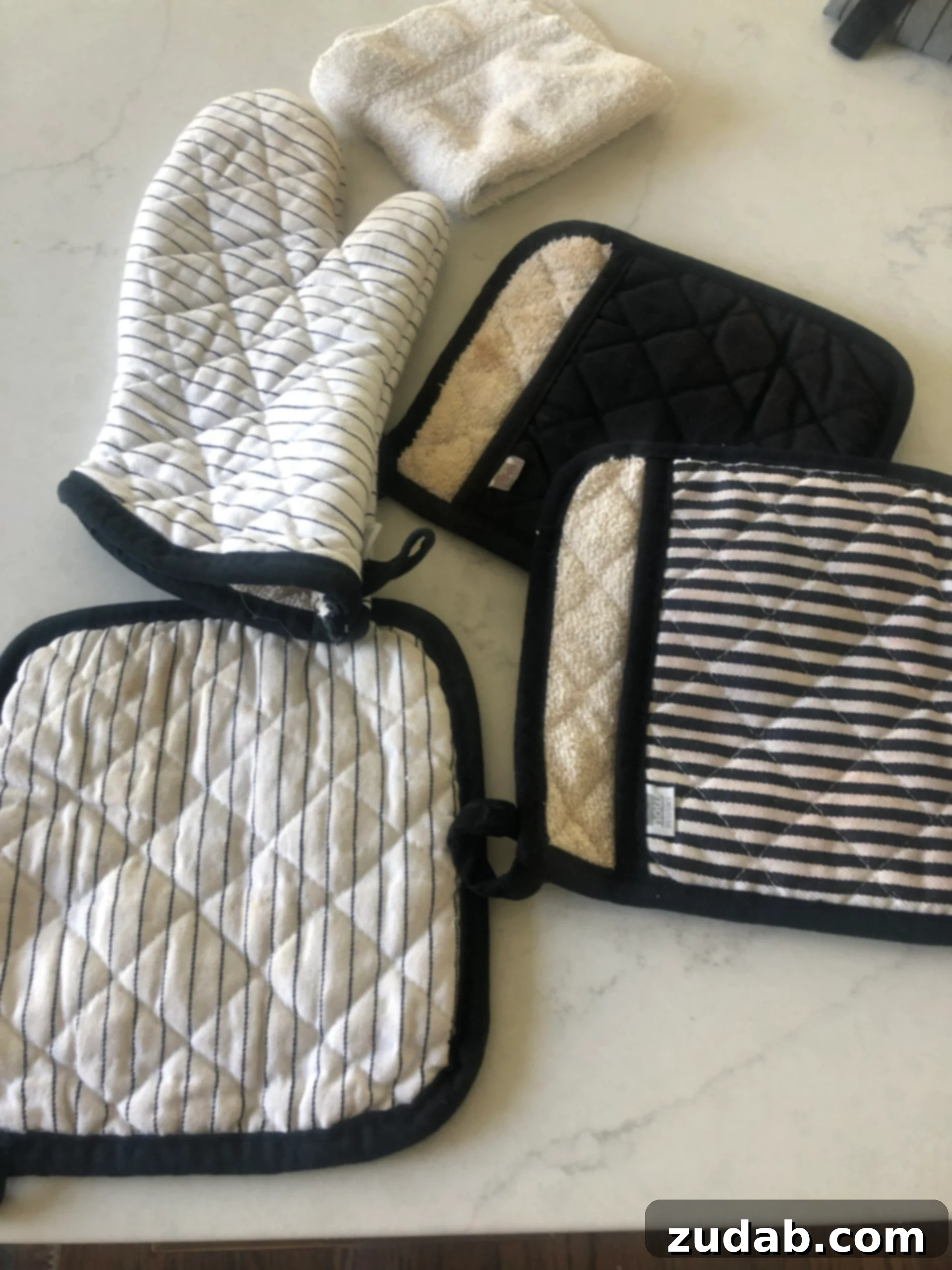
BUT! The other day, I made a conscious effort to capture the transformation of my kitchen hot pads. And yes, I wash them constantly, and yes, I know I put them through their paces and often “destroy” them. As a food blogger, it’s an occupational hazard! These humble hot pads perfectly illustrate the dramatic difference laundry stripping can make, even on items that undergo regular, heavy use. The murky water that results from the stripping process visually confirms just how much hidden grime and residue is extracted from seemingly clean laundry.
Essential Ingredients for Stripping Laundry: Your Deep-Cleaning Toolkit
To effectively strip your laundry, you’ll need a combination of specific cleaning agents, each playing a crucial role in breaking down and removing accumulated residue. Here’s what you’ll need to buy:
- Borax: This natural mineral salt acts as a powerful pH buffer and an alkaline cleaner. It enhances the cleaning power of other ingredients by softening water and breaking down stubborn soils and stains.
- Arm & Hammer Laundry Booster Super Washing Soda (Sodium Carbonate): A highly effective cleaning booster, washing soda significantly softens water, allowing detergents to work more efficiently. It’s also excellent at cutting through grease, grime, and tough stains. (While baking soda is an option if you absolutely cannot find washing soda, the latter is far more potent for stripping.)
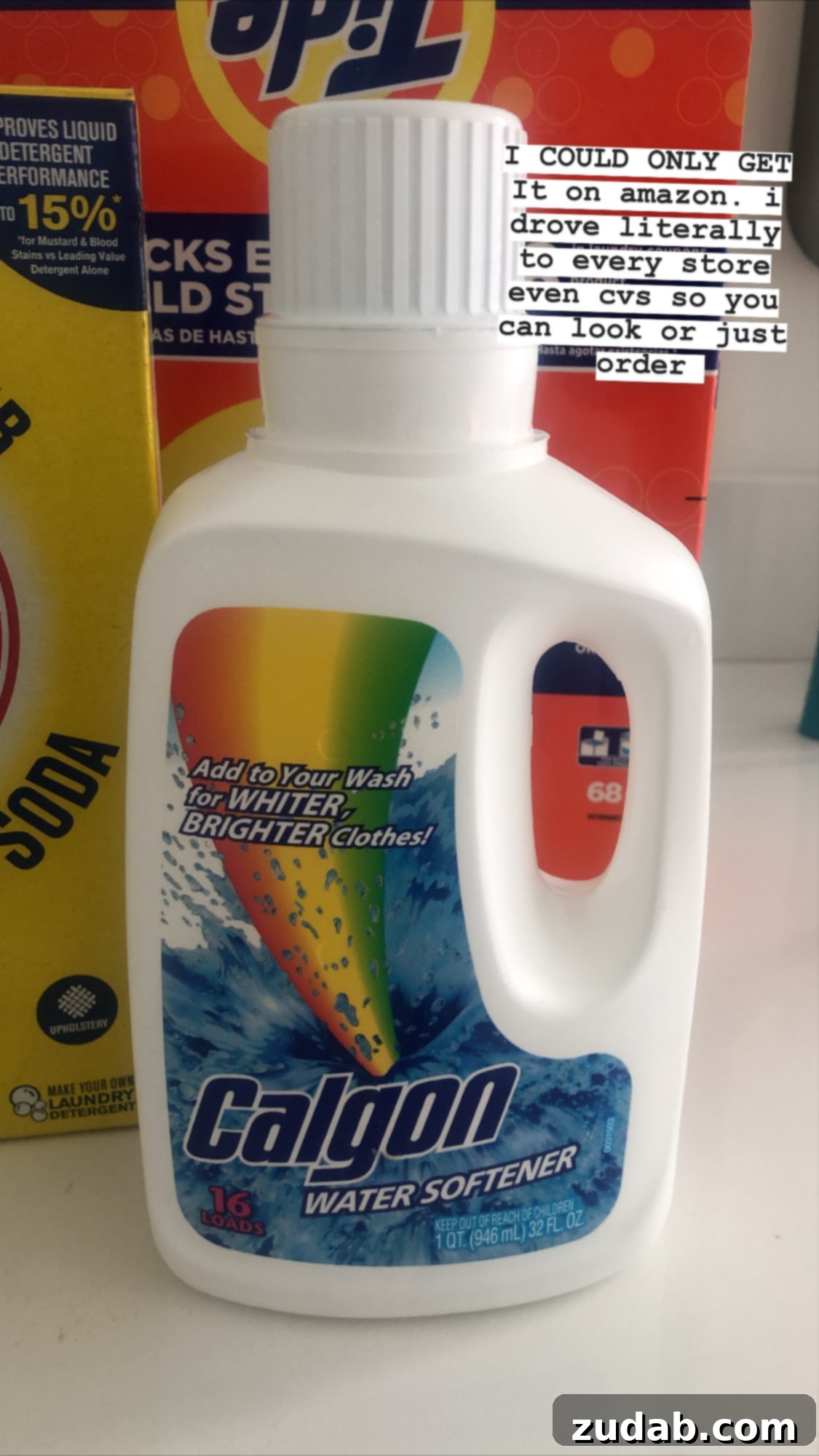
- Calgon Water Softener: Crucial for homes with hard water, Calgon helps to neutralize minerals like calcium and magnesium that contribute to residue buildup. By softening the water, it prevents these minerals from redepositing on clothes and allows the other cleaning agents to penetrate fibers more effectively. If you cannot find it locally, ordering on Amazon is a convenient option; otherwise, you can skip it, though its inclusion enhances results, especially in hard water areas.
- Powdered Tide: This is the preferred detergent for laundry stripping due to its potent cleaning agents and enzymes. Unlike many liquid detergents, powdered Tide is often formulated with robust builders and surfactants that are highly effective at breaking down and lifting away dirt, oils, and stubborn detergent residue. Avoid the gel or liquid versions for this specific process.
Recipe for Stripping Laundry: Your Step-by-Step Guide
Here’s how to put these powerful ingredients to work and give your laundry a true deep clean. The measurements provided are for a full bathtub of hot water and a standard load of laundry:
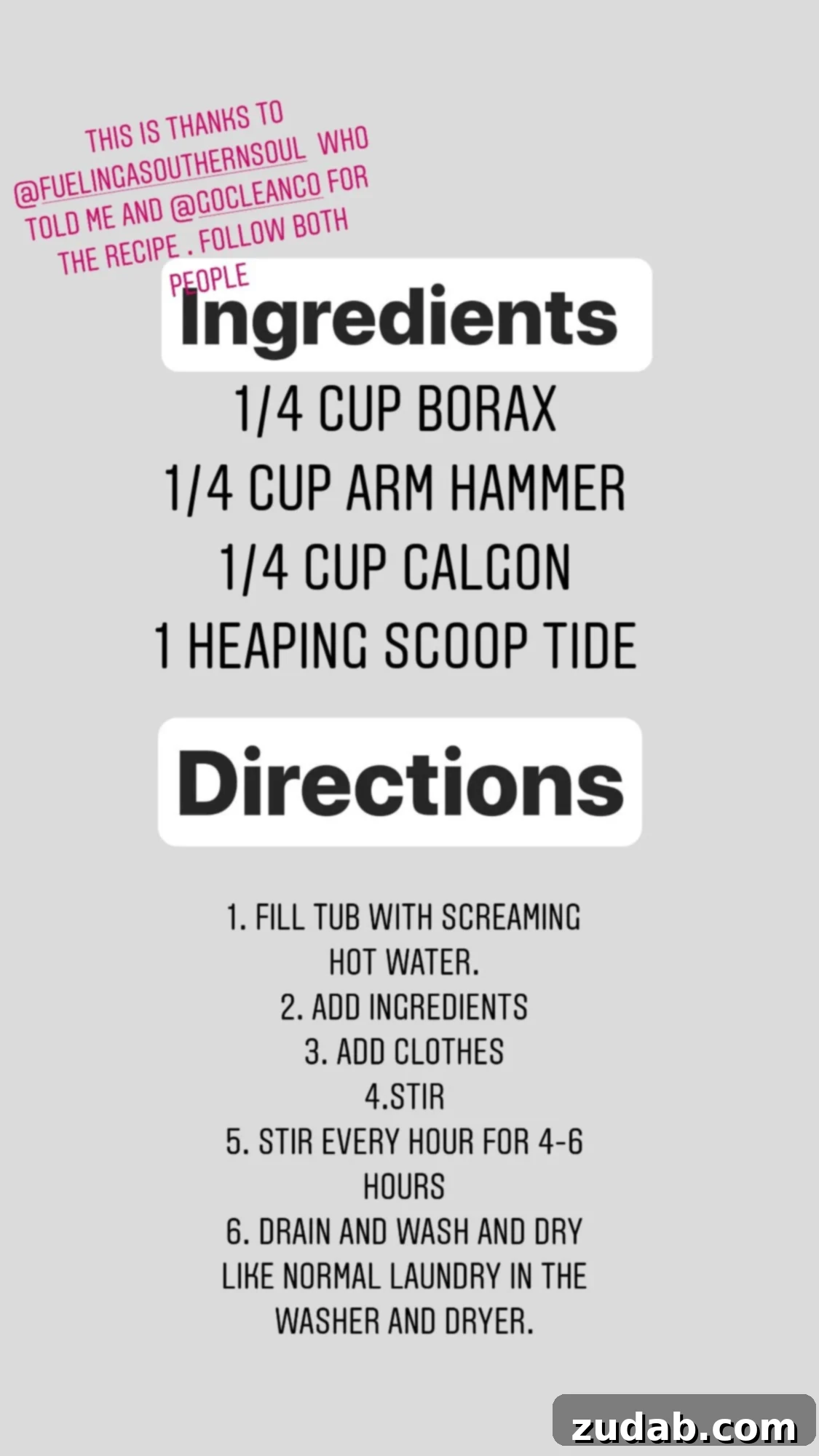
- 1/4 Cup Borax
- 1/4 Cup Arm & Hammer Laundry Booster Super Washing Soda
- 1/4 Cup Calgon Water Softener
- 1 Heaping Scoop of Powdered Tide
Detailed Instructions:
- Sort Your Laundry: Begin by separating your laundry carefully. Create distinct piles for whites, light colors, darks, workout clothing, towels, and bedsheets. This prevents any potential dye transfer during the hot water soak.
- Prepare the Tub: Fill a clean bathtub with very hot water. Ensure the water is as hot as your tap allows, as heat is crucial for dissolving residues and activating the cleaning agents.
- Add Ingredients: Add the Borax, Arm & Hammer Super Washing Soda, Calgon, and powdered Tide to the hot water. Stir the water thoroughly with a long-handled utensil (like a broom handle or sturdy stick) until all ingredients are completely dissolved. This ensures even distribution and optimal performance.
- Submerge Laundry: Select one sorted pile of laundry (e.g., your whites or towels) and add it to the bathtub. Make sure the items are fully submerged in the solution. Use your stirring utensil to gently agitate the clothes, ensuring they are saturated and the solution penetrates all fibers.
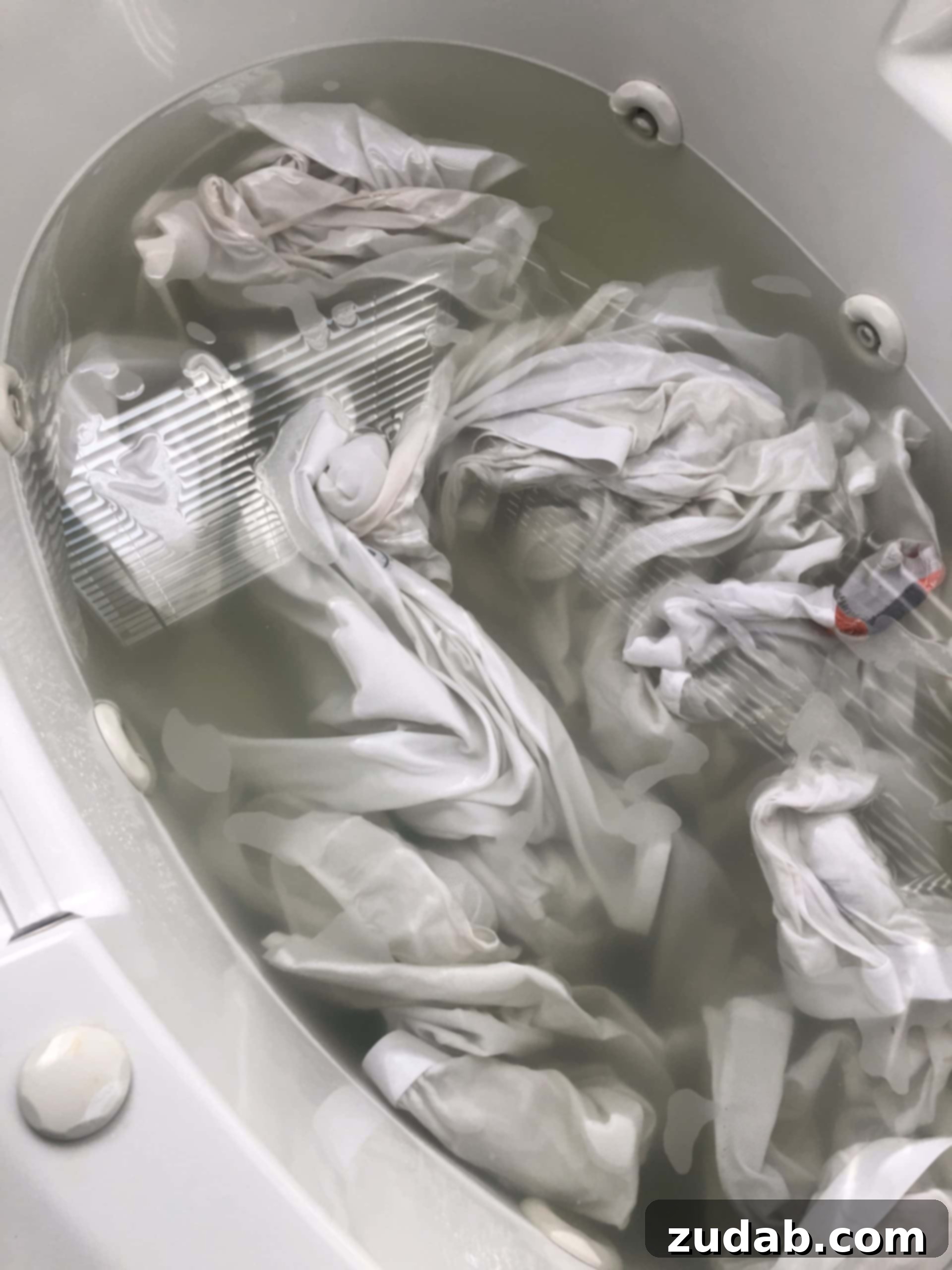
- Soak and Stir: Allow the laundry to soak for a minimum of 4-6 hours. During this period, stir the laundry every hour or so. This intermittent agitation helps to release trapped dirt and residue more effectively and ensures all surfaces are exposed to the cleaning solution. You will likely notice the water becoming increasingly murky and discolored – this is proof that the stripping process is working!
- Drain and Wring: After the soaking period, carefully drain the murky water from the tub. Once the water is gone, wring out each item of clothing thoroughly to remove as much excess dirty water as possible.
- Machine Wash: Transfer the stripped and wrung-out laundry directly into a washing machine. Wash everything on a normal cycle, using your preferred water temperature (though a warm wash is often recommended after stripping). While you don’t strictly *need* to add more detergent as the clothes are technically clean, many prefer to add a small amount for a fresh scent and to ensure any remaining loose residue is fully rinsed away.
- Dry: Dry your laundry as you normally would, according to the care labels. Once dry, you’ll be amazed by the renewed freshness, brightness, and softness of your items!
Frequently Asked Questions About Laundry Stripping
Understanding the Ingredients
Can You Skip the Calgon?
Yes, if you absolutely cannot find Calgon, it’s perfectly acceptable to proceed without it. However, if you live in an area with hard water, Calgon significantly enhances the stripping process by neutralizing minerals, allowing the other cleaning agents to work more effectively. For optimal results in hard water conditions, it is highly recommended.
Why Use Calgon After You Say NOT to Use Fabric Softener?
This is a crucial distinction. Calgon is a water softener or conditioner, not a fabric softener. It works by binding to hard water minerals (like calcium and magnesium) that contribute to residue buildup on your clothes and in your washing machine. It doesn’t coat fabric fibers with chemicals, which is what traditional fabric softeners do. Fabric softeners deposit a waxy residue that makes clothes less absorbent, traps odors, and weakens fibers over time. Calgon, conversely, facilitates a deeper clean by mitigating the effects of hard water. It cleanses the water itself, rather than coating the fabric. I don’t use it often, only for stripping, so the exposure is minimal and beneficial.
What Can You Use Instead of Tide?
If you have an allergy to Tide, or simply prefer another brand, you can use another heavy-duty powdered laundry detergent. However, powdered Tide is generally the preferred option due to its powerful blend of cleaning agents and enzymes that are highly effective at breaking down and lifting away grime and residue. Avoid liquid or gel detergents, as their formulations may contain ingredients that can leave additional residue.
Why Not Just Use Arm and Hammer Baking Soda?
While both baking soda (sodium bicarbonate) and washing soda (sodium carbonate) are valuable household cleaning agents, their chemical compositions and strengths are different. Washing soda is a much stronger alkali than baking soda, making it significantly more effective at cutting through grease, grime, and softening water. While baking soda can be used as a milder booster if washing soda is absolutely unavailable, for the potent deep cleaning of laundry stripping, Arm & Hammer Super Washing Soda is the superior choice due to its enhanced alkalinity and cleaning power.
Is the Soap Mixture Safe?
Yes, the combination of ingredients used in laundry stripping is completely safe when used as directed. These are common household cleaning products. We have been using this method for many years without issue. Always ensure good ventilation in your workspace (e.g., open a window) and avoid direct contact with the undiluted chemicals.
Why Strip with More Chemicals?
This is a common misconception. The purpose of laundry stripping isn’t to add more chemicals to your clothes, but rather to use a specific chemical combination to *remove* the existing buildup of chemicals, minerals, and grime that have accumulated on your fabrics over time. Much of this buildup often comes from the residues left behind by common detergents, fabric softeners, and hard water. The selected ingredients work synergistically to break down these stubborn layers and carry them away, essentially resetting your laundry. If you prefer, there are more organic, though often less potent, options for general laundry care, but for deep residue removal, this method is highly effective.
Preparing for the Process
Do You Wash the Clothes First?
Generally, it is recommended to wash the clothing first to remove surface-level dirt and loose debris, which can allow the stripping solution to more effectively target embedded grime. However, I’ll be honest, sometimes as a busy mom simply surviving, I occasionally skip this step. The stripping process itself is a powerful deep clean, so even unwashed clothes will see significant improvement.
Can You Do This on a Deep Soak Cycle in Your Washing Machine?
While some modern washing machines offer a “deep soak” or “sanitize” cycle, I strongly recommend using a bathtub for laundry stripping. Our washing machine, for instance, drains automatically after a certain period of sitting, which wouldn’t allow for the necessary extended soak. More importantly, washing machines, particularly older models, are known to accumulate dirt, grime, and odors within their internal mechanisms. Performing a deep strip in your machine could potentially re-deposit some of that accumulated nastiness onto your clothes. A bathtub provides full visibility of the stripping process (seeing that murky water is incredibly satisfying!) and can be easily scrubbed and sanitized thoroughly after use, ensuring no residue is left behind.
The Stripping Process Itself
Do the Darks Just Release Some Dye?
Anytime you wash colored clothing, especially in hot water, there’s a possibility of some dye release. However, with laundry stripping, while there might be a minimal amount of dye released (which is normal for any hot water wash), it’s typically not significant enough to visibly alter the appearance of your clothing or cause noticeable fading. This is why sorting your laundry is crucial.
Do the Colors Fade?
All clothing naturally fades a little over time as it is washed repeatedly, regardless of the method. You will not find that laundry stripping causes colors to fade any more significantly than a regular hot water wash. The key is to sort properly and to perform stripping only occasionally.
Do the Clothes Shrink?
We have never experienced a single item shrinking from laundry stripping. This is largely because the process involves a static soak in hot water, rather than continuous agitation and rapid temperature changes typically associated with shrinkage. The extended sitting time in the solution without mechanical action poses very little threat to fabric integrity in terms of shrinking.
Does this Get out Lasting Odors?
Yes, absolutely! Laundry stripping is exceptionally effective at eliminating deep-seated, lasting odors that regular washing can’t seem to tackle. While we don’t typically have clothing with strong odors, some of our wash rags occasionally do, and stripping leaves them perfectly fresh. I’ve also heard countless testimonials from readers who confirm it completely removed stubborn odors from “stinky boy” and “husband” clothes, activewear, and even mildewed towels. It truly neutralizes the source of the smell.
Do You Combine Loads and Colors?
No, I strongly advise against combining loads and colors during laundry stripping. Just as with regular laundry, it is best practice to keep your loads separated: whites, colors, and darks. This prevents any potential dye transfer and ensures the most effective cleaning for each category of garment, especially with the use of hot water.
Do the Measurements Change Depending on How Many Clothes?
The provided measurements (1/4 cup of each ingredient) are designed for a standard bathtub full of hot water and a full load of laundry. If you are using a smaller tub or container to strip only a very small amount of clothes (just a few items), you could halve the amounts. However, for anything close to a standard load, the full measurements are recommended for optimal results, as they ensure sufficient concentration to break down residue.
When You Drain It, Doesn’t It All Sit Back into the Clothes?
When you drain the tub, a significant portion of the dirty, murky water and dissolved residue goes down the drain. While some residue might momentarily cling to the clothes, the crucial next step is to transfer them directly to a washing machine. The subsequent wash cycle (with or without detergent) thoroughly rinses away any lingering dirt or loosened particles, ensuring that anything left after draining is completely washed away before drying.
After Stripping do you Wash with Detergent?
It’s entirely optional. Chemically, you don’t *need* to add more detergent after stripping, as the clothes have just undergone an intense deep clean to remove all residues. However, most of the time, I do add a small amount of detergent for the final machine wash. This is primarily for the fresh scent and because, frankly, seeing all that nastiness come out of the clothes can be a bit gross, so a fresh-smelling rinse provides peace of mind.
How Often Do You Do It?
Laundry stripping is a powerful deep-cleaning method, and it’s not meant for every wash. I typically strip laundry only 1-3 times a year, or as needed, for specific items that show signs of significant buildup, dinginess, or persistent odors. I’m cautious about doing it too frequently, especially since it involves hot water, which can be harsh on fabrics with excessive repetition. Regular washing with appropriate detergent and avoiding fabric softener is usually sufficient for day-to-day cleanliness.
Types of Clothes for Stripping
Can you do This with Garments and Whites?
Yes, absolutely! Laundry stripping is perfectly safe and highly effective for sturdy garments made of durable fabrics like cotton, linen, and robust synthetics. This includes items such as everyday clothing, towels, and whites. You will undoubtedly love the reinvigorated results! While hot water is used for this specific deep-cleaning treatment, it’s important to remember that generally, you should wash your everyday garments in cold water to help prevent graying, reduce energy consumption, and extend fabric life. This one-time hot water soak for stripping is an exception for deep residue removal.
What about Sweaters?
I would not recommend washing delicate sweaters or other knitwear using the laundry stripping method. Sweaters, particularly those made of wool, cashmere, or other delicate fibers, are best cared for with a more delicate cycle in cold water and laid flat to dry to prevent shrinking, stretching, or damage. Laundry stripping is too aggressive for these types of garments.
What About Dry Clean Only Clothes?
Absolutely not. Under no circumstances should you attempt to laundry strip “dry clean only” clothing. These items are specifically designed to be cleaned using chemical solvents and methods that do not involve water. Applying a water-based stripping solution to them will almost certainly result in irreversible damage, including shrinking, distortion, or staining.
More Laundry FAQs: Beyond Stripping
Why Don’t you use Fabric Softener or Dryer Sheets?
My stance against fabric softener and dryer sheets is based on extensive personal research and valuable insights from a smart sister with a master’s degree in textiles. Fabric softeners and dryer sheets function by coating your clothing in a waxy layer of often harsh chemicals. While they might make clothes feel soft temporarily, this coating accumulates over time, causing several detrimental effects:
- Reduced Absorbency: For items like towels, this coating significantly reduces their ability to absorb moisture.
- Trapped Odors: Instead of eliminating odors, the coating can trap them within the fibers, making clothes smell less fresh over time.
- Fabric Degradation: Think of it this way: to soften something, you often break down its structure. This is what fabric softeners do to your clothes; they break up the fibers, causing them to wear out faster, become prone to pilling, and take on more dirt and oils.
- Washing Machine Buildup: The residue can also accumulate in your washing machine, becoming a breeding ground for mold and odors.
In essence, these products provide an artificial softness at the cost of your clothing’s longevity and true cleanliness.
What do you Use Instead of Fabric Softener or Dryer Sheets?
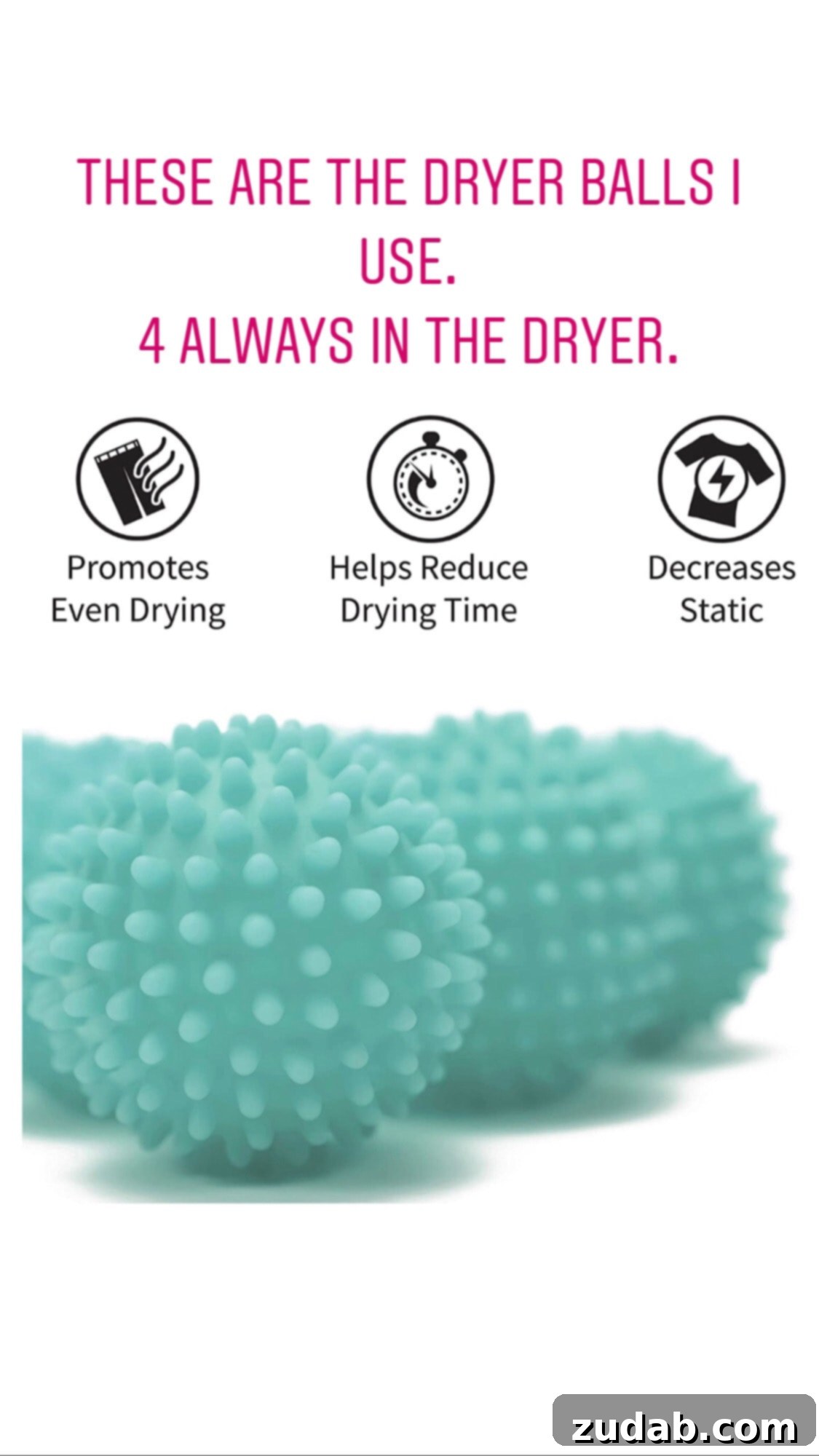
I am not a fan of wool dryer balls; in my experience, they tend to add more static and can accumulate lint and other “yucky” stuff. Instead, I use 4 of these dryer balls (usually spiked plastic ones) in my dryer. They work by creating space between your clothes, allowing hot air to circulate more efficiently, which reduces drying time and naturally softens fabrics through physical agitation. The most crucial factor in avoiding static, however, is to NEVER over-dry your clothes. Over-drying is the primary culprit behind static cling and can also damage fabrics.
Do Dryer Balls Help with Static?
Yes, by placing 2-4 dryer balls in the dryer, they bounce around, separating your clothes and preventing static cling from developing. This physical separation and improved air circulation are more effective than chemical coatings. However, as mentioned, it’s even more important to avoid over-drying your clothes. If you consistently use settings like “normal” or “cotton” without adjusting for load size or fabric type, there’s a good chance you’re over-drying, and static will inevitably form.
What Do You Use Dryer Sheets For?
While I don’t use dryer sheets for laundry, they do have a fantastic alternative use! If you have any lying around that need to be used up, wipe them along your baseboards. This creates a light, dust-repellent barrier that helps keep dust away, making your cleaning routine a bit easier!
Do you Use Bleach?
I pretty much never use bleach. I dislike its harsh chemical nature and its tendency to break down clothing fibers over time, leading to weakening and even yellowing, especially with repeated use on whites. For brightening and sanitizing, laundry stripping offers a more comprehensive and less damaging approach.
Do You Use a Front or Top Loader?
I personally prefer a top-load washing machine. I find them easier to load and unload, and generally, they offer a deeper fill for water, which I appreciate for certain types of loads. This preference also ties into why I recommend a bathtub for laundry stripping – it allows for complete submersion and easy access for stirring.