
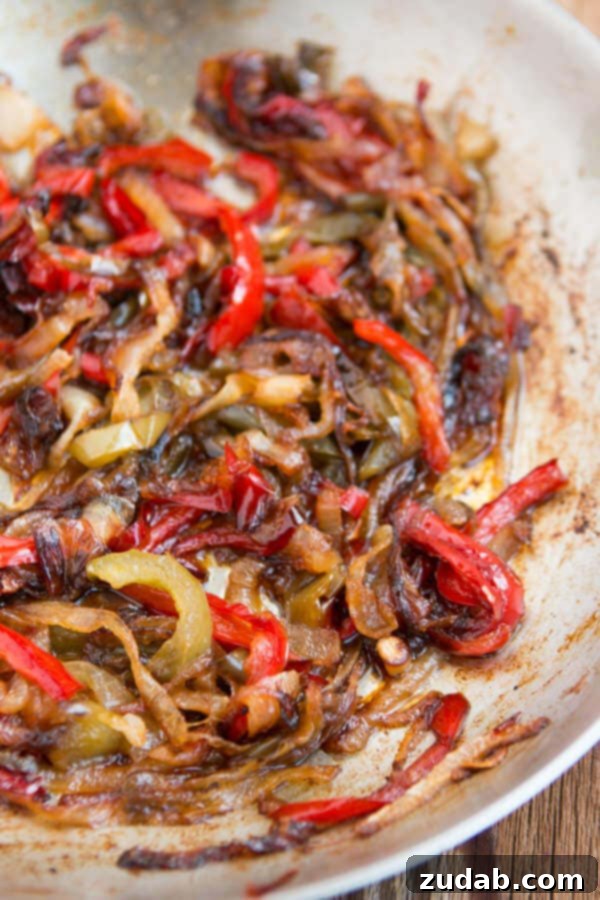
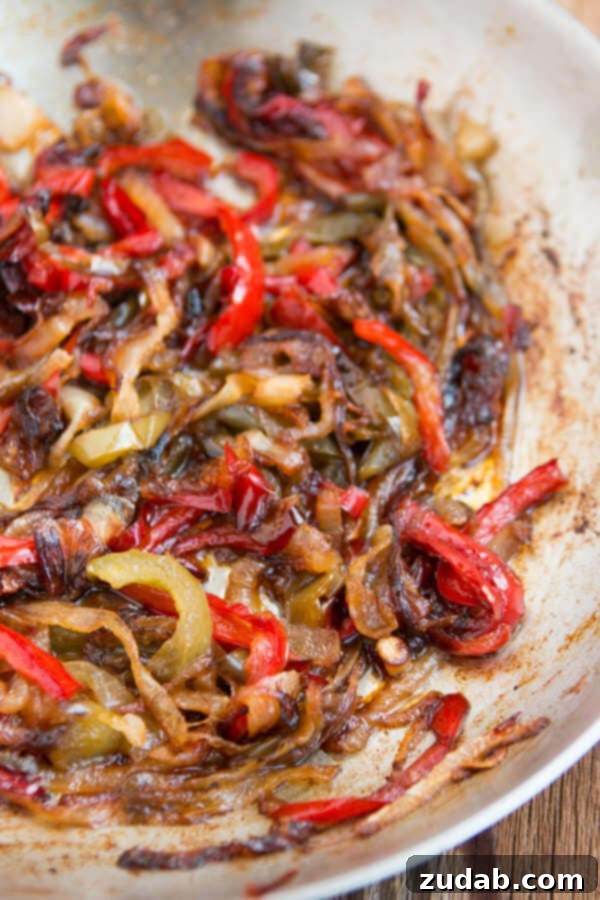
Unlock Rich Flavors: The Art of Caramelizing Peppers
For home cooks seeking to elevate their dishes with profound, natural flavors, caramelizing vegetables is a game-changing technique. While caramelized onions often steal the spotlight, their vibrant cousins, bell peppers, offer an equally transformative culinary experience. This simple yet powerful method concentrates the peppers’ inherent sweetness and introduces a depth of flavor that can enhance countless meals, often eliminating the need for complex sauces or an arsenal of spices. Our goal is to demystify the process and demonstrate how perfectly caramelized peppers can become your secret weapon in the kitchen.
Why Caramelize Peppers? Beyond Basic Flavor
The magic of caramelization lies in a chemical reaction known as the Maillard reaction, which browns food and creates a complex array of new flavors. When peppers are cooked slowly over low heat, their natural sugars break down and caramelize, transforming their crisp, sometimes pungent texture into a soft, tender, and intensely sweet delight. This process doesn’t just sweeten; it develops a rich, savory umami profile that enhances their natural essence, adding a luxurious depth to any dish. It’s a clean way to introduce robust flavor without relying on heavy seasonings, allowing the pure, unadulterated taste of the vegetables to shine through.
Choosing the Right Peppers for Caramelization
While almost any pepper can be caramelized, some varieties yield superior results. Sweet bell peppers, particularly red, yellow, and orange ones, are ideal due to their higher sugar content. As they caramelize, their vibrant colors deepen, and their sweetness intensifies, creating a beautiful and flavorful addition to your plate. Green bell peppers can also be used, offering a slightly more bitter, less sweet result. For those who enjoy a hint of warmth, mild chili peppers like poblanos or even thinly sliced jalapeños can be caramelized to add a smoky, subtle kick without overwhelming heat. Always select fresh, firm peppers that are free from blemishes for the best outcome.
Step-by-Step Guide to Perfectly Caramelized Peppers
Achieving perfectly caramelized peppers is a straightforward process that requires patience and the right technique. Follow these steps to unlock their maximum flavor potential.
1. Select Your Cookware Wisely: The Stainless Steel Advantage
The choice of pan is more critical than you might think. A heavy-bottomed stainless steel pan is highly recommended for caramelizing peppers (and onions). Unlike non-stick pans, stainless steel allows the precious “fond”—those browned, flavorful bits—to develop on the bottom of the pan. This fond is packed with concentrated flavor, and as you stir, it gets scraped up and reincorporated into the peppers, significantly enhancing their taste. While a non-stick pan can be used in a pinch, it won’t produce the same depth of flavor, as it prevents the fond from forming effectively. Opt for a pan with ample surface area to avoid overcrowding, which can lead to steaming rather than caramelizing.
2. The Foundation: Fat for Flavor and Sauté
Begin by adding a small amount of fat to your pan. A combination of butter and olive oil offers the best of both worlds: butter provides a rich, nutty flavor that complements the sweetness of the peppers, while olive oil helps prevent the butter from burning at higher temperatures and offers its own fruity notes. Alternatively, you can use just olive oil for a lighter, more Mediterranean profile. Heat the fat over medium-low heat until it shimmers gently, but don’t let it smoke. This ensures an even cooking temperature from the start.
3. Prepare and Load Your Peppers
Wash your peppers thoroughly, remove the stems and seeds, and then slice them uniformly. Consistency in slicing is crucial for even cooking, ensuring all pieces caramelize at roughly the same rate. Aim for thin strips or small dice, depending on your desired final texture and use. Once sliced, add the entire pile of peppers to the heated pan. Don’t be alarmed by the initial volume; peppers contain a lot of water, and they will shrink significantly as they cook down, becoming a fraction of their original size. This reduction is a key part of concentrating their flavor.
4. The Patience Game: Low and Slow Caramelization
This is where patience becomes your most valuable ingredient. Turn the heat down to medium-low—the lowest setting that still produces gentle sizzling. Allow the peppers to cook slowly, stirring them thoroughly every 10 to 15 minutes. This infrequent stirring allows the peppers to develop a nice brown crust (the fond) on the bottom of the pan before being turned, ensuring maximum flavor development. Resist the urge to crank up the heat; high heat will scorch the peppers and leave them tasting bitter, rather than sweet and caramelized. The process typically takes about 40 to 50 minutes, or even longer for larger batches. You’ll know they’re done when they’ve transformed from bright and crisp to a deep, rich, mahogany brown, becoming incredibly soft and sweet. The liquid released from the peppers will evaporate, leaving behind concentrated flavor.
Expert Tip: Embracing the Fond
As mentioned, those browned bits stuck to the bottom of your stainless steel pan are pure flavor gold. Our preference is to keep that caramelized, buttery taste concentrated, so we generally don’t deglaze the pan with liquid. Instead, we simply scrape up the bits as we stir the peppers, incorporating that delicious fond directly into the vegetables. If you prefer a pan sauce or find your peppers are sticking excessively, you may add a small amount of water, vegetable broth, or even a splash of wine to deglaze the pan. This will lift the fond from the bottom, creating a flavorful liquid that can be reduced and added back to the peppers or used as a base for other sauces. However, for the purest, most intense caramelized pepper flavor, dry scraping is often preferred.
Creative Ways to Enjoy Your Caramelized Peppers
Once you’ve mastered the art of caramelizing peppers, a world of culinary possibilities opens up. Their sweet and savory profile makes them incredibly versatile. Here are just a few ideas to inspire you:
- **Sandwiches and Wraps:** Elevate a simple grilled cheese, turkey sandwich, or vegetarian wrap with a layer of warm, sweet caramelized peppers.
- **Breakfast Boost:** Stir them into scrambled eggs, omelets, or frittatas for a flavorful start to your day. They pair wonderfully with savory breakfast items.
- **Pizza Topping:** A gourmet addition to homemade pizzas or flatbreads, offering a sweet counterpoint to salty cheeses and meats.
- **Pasta and Grain Bowls:** Fold them into your favorite pasta dishes, rice bowls, or quinoa salads for added texture, sweetness, and complexity. They are a natural fit for Mediterranean-inspired meals.
- **Side Dish or Garnish:** Serve them alongside grilled chicken, steak, fish, or roasted vegetables as an elegant and delicious accompaniment.
- **Dips and Spreads:** Blend them into hummus, add them to bruschetta toppings, or mix them with cream cheese for a delectable spread.
Experiment and discover your favorite ways to incorporate these flavor bombs into your weekly menu. Their rich taste will surprise and delight you.
Lemon Asparagus Pasta
Print Recipe
Ingredients
- 1/2 Bundle Asparagus, tips for preparing asparagus
- 1/2 Package Pasta
- 1/3 Cup Olive Oil
- 1 Lemon, zested in one bowl and juiced in another
- 2 Hardboiled Eggs, chopped (How to Hardboil the Perfect Egg)
- 6 Slices Speck, thin cut, pan fried and drained
- 1/4 Cup Basil, Fresh, chopped
- 1/4-1/3 Cup Parmesan, Fresh, Grated
Instructions
- If you haven’t already, snap the ends of the asparagus (see tips above) and place them on the pan.
- Drizzle with olive oil and toss to evenly coat.
- Place in the oven and roast for 8-12 minutes.
- Remove from the oven, and chop into 1 1/2″-2″ pieces.
- Heat a large pot of water over high heat.
- Add a few pinches of salt and once it begins to boil add the pasta.
- Turn the heat down to medium-high and cook until aldente.
- Drain.
- Meanwhile, whisk together the olive oil and lemon juice.
- Add salt and pepper to taste.
- Toss with the warm pasta, asparagus and egg.
- Top with crumbled speck, parmesan, lemon zest and basil.
- Enjoy!
Recipe Notes
Nutrition
Nutrition information is automatically calculated, so should only be used as an approximation.
We Value Your Feedback!
We love hearing from our readers! If you tried caramelizing peppers using our guide, or if you whipped up this delicious Lemon Asparagus Pasta, please share your thoughts and experiences in the comments section below. Your feedback helps us create even better content for you!
Explore More Culinary Delights
If you enjoyed these culinary tips and recipes, discover more ways to enhance your cooking:
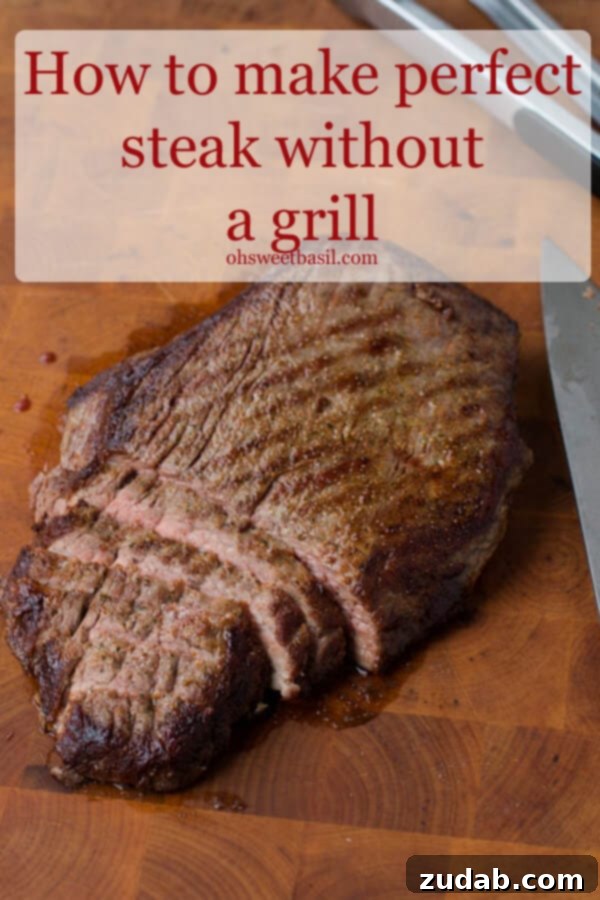
How to make steak without a grill

How to Carve a Spiral Ham
How to make and freeze the secret to perfectly flavorful rice