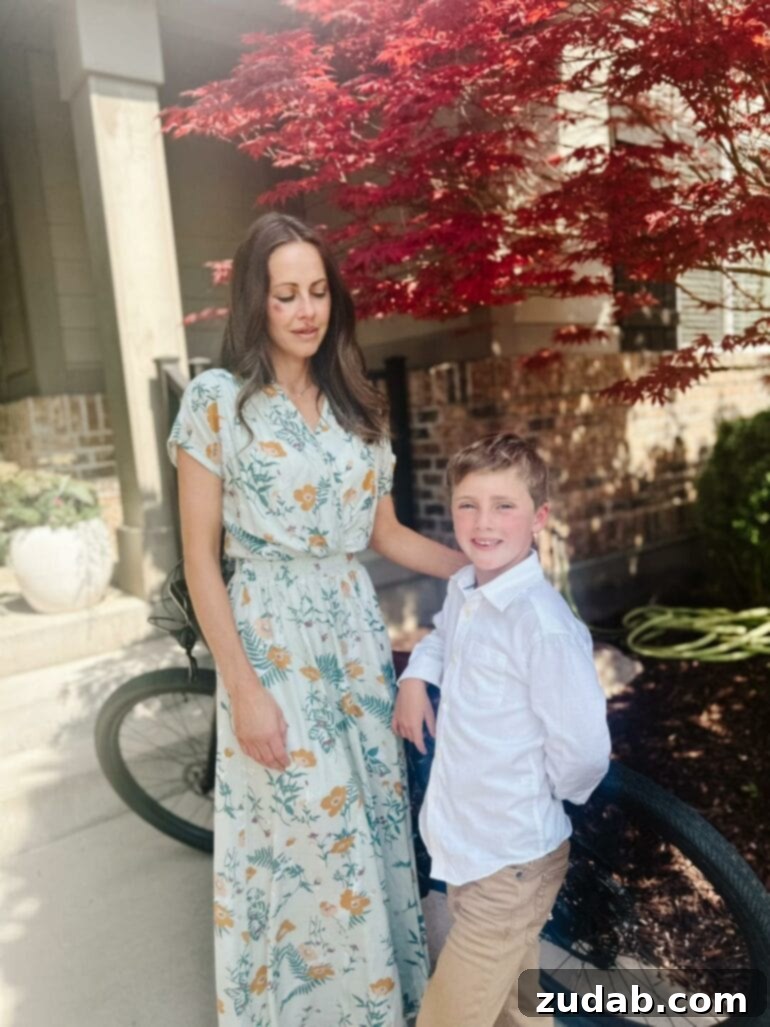
An inexplicable, powerful urge pulsed within me: I *had* to take Grayson on a bike ride. It wasn’t just a fleeting thought; it felt profoundly significant, a calling I couldn’t ignore. After tidying up the church, we headed home, and I enthusiastically told Grayson to grab his bike. His face lit up with pure joy – a sight that filled my heart with warmth and contentment. A deep sense of love and peace enveloped me, so profound that it made me ponder the very nature of these overwhelming emotions. It felt so right, so perfectly aligned with what I should be doing at that moment, that I couldn’t help but reflect on the source of such a powerful feeling.
My bicycle, thankfully, had been retrieved from the storage unit by Cade before he left town. However, in the rush, my helmet was forgotten. A distinct thought surfaced, a quiet whisper of caution urging me to wear one. I brushed it aside, rationalizing that it was “just a quick loop around the block.” How often do we dismiss those crucial instincts, believing a short distance or familiar surroundings negate the need for safety precautions? Grayson, ever diligent, grabbed his helmet and secured it, a poignant contrast to my own oversight. With a quick glance and a shared smile, we set off, ready for what I envisioned as a simple, joyful spin.
The Unheeded Warning: A Split-Second Decision with Lasting Consequences
As we navigated the gentle curve of our cul-de-sac, another intuitive thought surfaced, even stronger this time: “No, I should spend *more* time with him.” This prompted an immediate decision to extend our ride. I gestured for Grayson to cross the street with me, aiming for the walking trail, a safer, more scenic route. Approaching the transition from the road to the trail, I noticed what appeared to be a slight slope. An inner voice, clear and insistent, advised me to dismount and walk my bike down this seemingly innocuous incline. Yet, almost instinctively, I rolled my eyes at my own caution, internally scolding myself for being “wimpy.” It looked so minor, so insignificant. I pushed forward, choosing momentum over prudence, a decision that would unravel in mere seconds.
The moment I reached the edge, my perspective shifted drastically. What I had perceived as a gentle slope was, in fact, an abrupt ledge of cracked asphalt. To exacerbate the danger, the section below, instead of being firm grass, was a treacherous expanse of loose gravel. My heart lurched with a sickening certainty. I knew, with absolute clarity, what was about to happen even before the full impact registered. It was a premonition, a flash of inevitable disaster, and the horrifying realization that I had ignored every warning sign.
The front tire snagged on the jagged, broken asphalt, instantly losing traction. Then, with a terrifying speed, it skidded uncontrollably through the loose gravel, finding no purchase, no grip on the unstable surface. Despite my frantic efforts to correct the trajectory, to lean into the turn and save the fall, the bike spun out violently from beneath me, launching my body forward with brutal force. Time seemed to slow to an agonizing crawl as I witnessed the concrete rushing towards me, replaying the scene in a horrifying, slow-motion loop, like an old VHS tape on rewind. There was a horrifying clarity as I realized my face was about to slam straight into the unforgiving pavement.
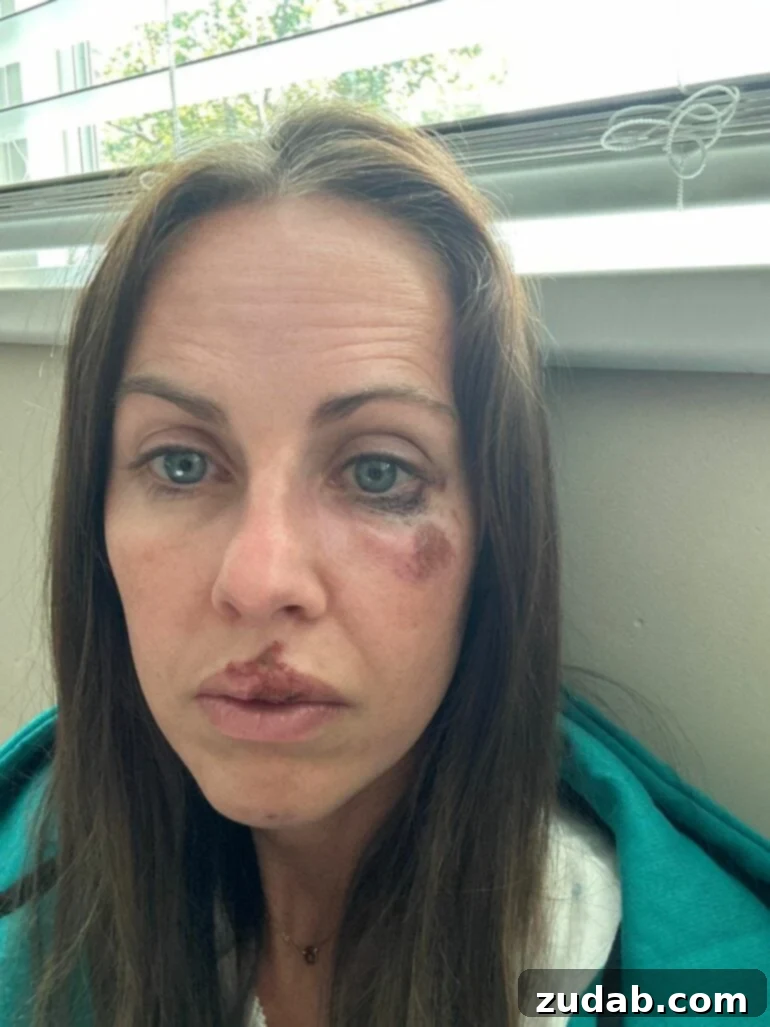
The impact was instantaneous and utterly devastating. The first sensation was an unbearable, jarring pain, immediately followed by the sickening realization that my teeth were no longer where they should be. A wave of profound shock and disbelief washed over me, mingling with the searing pain. The once joyful bike ride had transformed into a nightmare, an abrupt and brutal confrontation with the consequences of a momentary lapse in judgment. This was far more than a simple tumble; it was a severe facial injury that would require extensive medical and dental intervention, marking the beginning of a long and challenging recovery journey.
A Child’s Voice: The Immediate Aftermath and a Call for Help
As I struggled to lift my head, dazed and disoriented, my brain raced, conjuring the worst possible scenarios. The metallic taste of blood filled my mouth, mixing with the gritty sensation of dirt clinging to my skin. The hard concrete beneath me, once a symbol of the everyday, now felt like a pulsing enemy, both grounding me in its brutal reality and confirming the crushing force of the impact. I was convinced that the bones in my face had shattered and my lips had been torn. The terror was overwhelming, a primal fear for my own well-being and the unknown extent of the damage.
Then, cutting through the chaos and my rising panic, I heard it: the soft, yet urgent, sound of a familiar voice from behind me. “Mom!!! Are you okay?!” It was Grayson, his young voice laced with fear and concern, instantly anchoring me back to the present moment. His question was a lifeline, pulling me from the abyss of pain and shock.
I managed to roll over, slowly pushing myself into a sitting position. Every movement sent fresh waves of agony through my body, particularly my right hand, which I was absolutely convinced had sustained multiple fractures. My face felt swollen, throbbing, and profoundly violated. The image of Grayson’s innocent, worried face spurred me on, reminding me that I wasn’t alone and that I needed to be strong for him.
Serendipity and Unexpected Aid: When Coincidence Becomes Providence
The day before my accident, a little girl from down the road had visited Grayson for the very first time. I had exchanged numbers with her father, Jordan, just in case, and we’d chatted briefly before carrying on with our busy lives. What were the chances that a casual introduction, just hours prior, would prove to be so incredibly significant? As I slowly pushed myself up from the pavement, surveying the damage, I glanced up. A man was walking calmly, yet with a purposeful stride, across the street towards me. It was Jordan. He approached with a reassuring smile, concern etched in his eyes. He squatted down, meeting my gaze, and asked, “Hey, you okay?”
It wasn’t just Jordan’s presence, but his demeanor. What were the chances that this specific dad, whom we’d only truly “met” the day before, would have a background that made him utterly unfazed by the sight of my bloodied face? His calm composure, his lack of panic, offered an immediate sense of reassurance. He had clearly seen worse, and his steady presence was exactly what I needed in that moment of raw vulnerability and shock. This wasn’t just a friendly neighbor; it was someone uniquely equipped to handle the situation.
Gently, he helped me to my feet and guided me across the road, back towards the familiar safety of our neighborhood. “How are you feeling?” he asked, just as a sudden, intense wave of nausea swept over me. I managed to tell him I felt like I was going to be sick. Without hesitation, he calmly sat me down, instructing me to put my head between my knees. He then began to breathe with me, guiding my panicked breaths into a more controlled rhythm, a simple act that brought immense comfort and helped stave off fainting. In that moment, he was more than a neighbor; he was a pillar of strength and practical assistance.
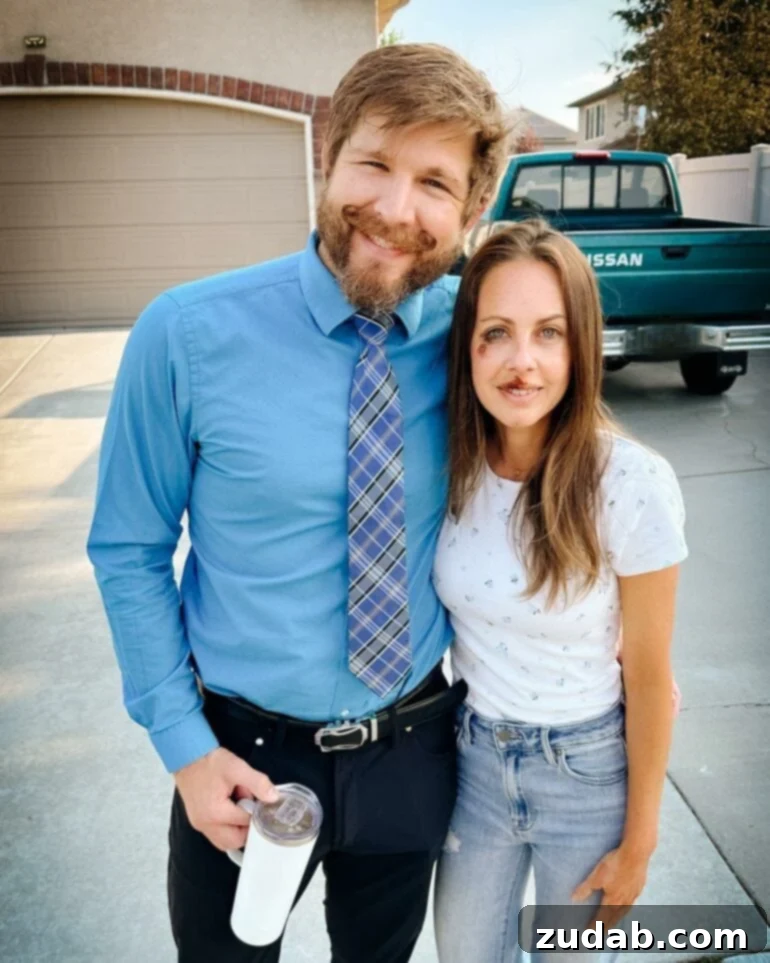
More Than Coincidence: A Network of Support Emerges
A familiar face, even one only recently acquainted, offered a profound sense of peace and assurance that no stranger could have provided. It wasn’t about deep friendship at that moment, but the recognition of someone known, someone who represented connection and community. This wasn’t mere coincidence; it felt like a purposeful arrangement, a testament to being cared for by a benevolent force. In my hour of desperate need, my heart found solace in being looked after by someone I had just welcomed into my periphery. It underscored a belief that in moments of crisis, we are often surrounded by an unseen network of support.
Jordan, with a quiet competence, began to assess the damage. He carefully and gently checked my nose and hands, asking if I could move my fingers and if anything else hurt. The pain was undeniable, an excruciating throbbing that confirmed my earlier fears about my right hand. “I couldn’t,” I mumbled, referring to moving my fingers, “and it did. Oh, it did!” Some might dismiss Jordan’s timely appearance as pure chance, a simple coincidence, but I, and those who know the full story, recognize it as something far more meaningful – a moment of divine timing.
Just as Jordan was finishing his assessment, a car door flew open with a frantic sound, followed by a piercing shout. “Oh my gosh, Mom!!!!!” The sound was instantly recognizable, a new wave of emotion washing over me.
My Daughter’s Embrace: Family in Crisis
Peyton, my daughter, was supposed to be at a baseball game. In fact, I had just moments ago texted her, unaware she was still in the basement, to let her know I’d gone on a bike ride with Grayson. The game was in the opposite direction from where we had headed, so her voice was a complete shock. My head snapped up in bewilderment, the question echoing in my mind: “What was she doing here?!”
I will never forget the look on her face – sheer terror mixed with desperate concern. Her eyes were wide, and she was running towards me as if she could cross the street in a single, desperate leap. It was a raw display of love and fear. Jordan, ever the calm presence, asked who this girl was, and I managed to tell him, “It’s my daughter.” Just uttering those words ignited a flicker of hope and strength within my heart. My daughter was here; my family was with me. In the midst of the pain and confusion, her presence was a powerful reminder that I was not alone in this ordeal, and that love would carry me through.
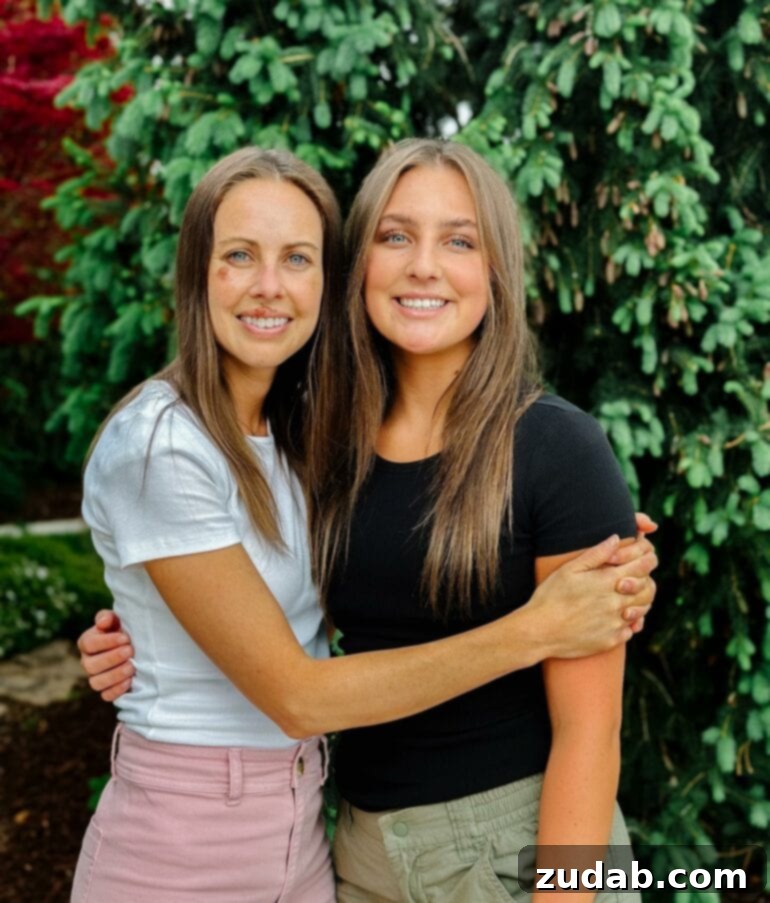
The Road to Recovery: ER vs. Dentist and the Lingering Pain
With blood dripping into my mouth, the taste metallic and unsettling, I mumbled, “I’m okay.” It was a futile attempt to reassure myself and my children, an instinctive denial of the severity of my injuries. But Peyton, with the stubborn practicality that often characterizes a loving teen, wasn’t having it. “Oh my gosh, Mom. No, you’re not!” she exclaimed, her voice firm despite her obvious distress. Her directness pierced through my fading shock, forcing me to confront the reality. I looked back down, noticing the torn flesh on my left hand, the vivid smear of blood across my palm as she crouched down beside me. Okay, maybe she was right. My feeble attempts at self-reassurance were clearly inadequate.
“I’m calling Dad in Idaho, come on,” she declared, taking charge. Supported by Jordan and Peyton, I slowly stood up, my knees trembling uncontrollably. Whatever initial shock had numbed the pain was rapidly dissipating, and the full extent of my injuries began to assert itself. My hands, especially the right, burst into excruciating pain. But the most alarming sensation was in my mouth: my front teeth, dislodged and hanging backward, felt like a child on a swing set about to propel forward into the clouds. The image was grotesque and terrifying.
My primary concern, overriding all others, was my teeth. “You need to take me to the dentist,” I insisted, my voice breaking through the fog of fear. Peyton and Jordan were already discussing the emergency room. While both were undeniably important, I knew there was a critical, short window for moving teeth back into place, a fact that weighed heavily on my mind. However, the ER won the immediate debate, and rightly so. Brain bleeds, concussions, and other unseen injuries also require immediate attention, and the emergency room was the first necessary stop for a comprehensive assessment. It was a stark reminder of the complexities of trauma care.
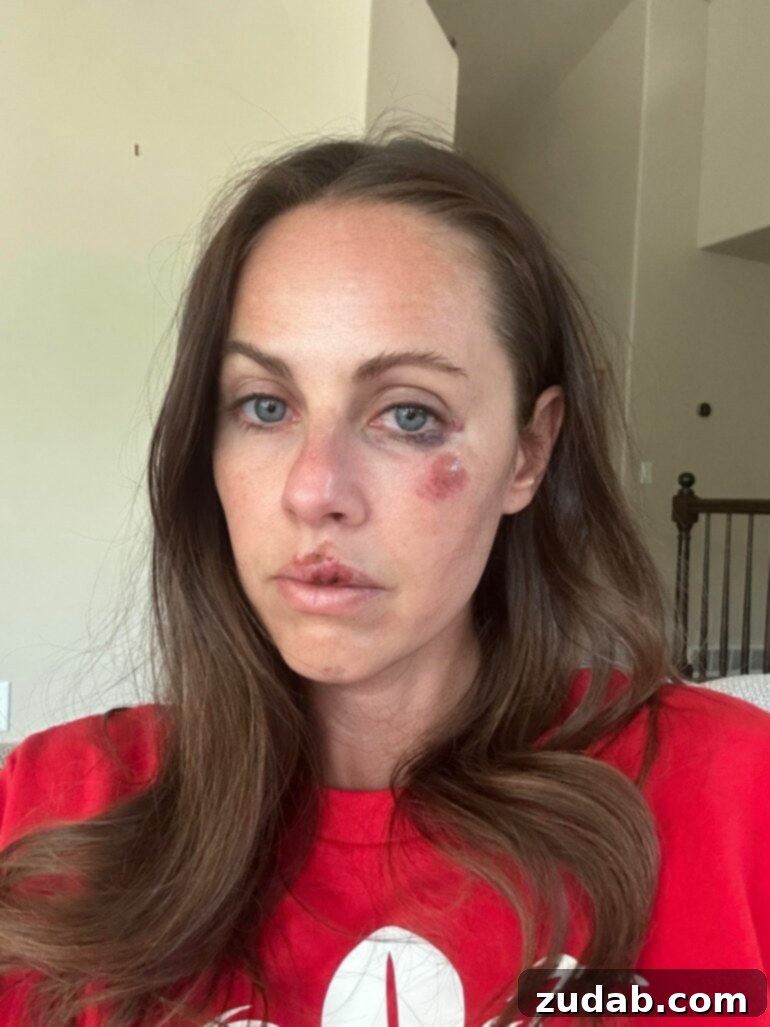
The Critical Question: Emphasizing Bicycle Helmet Safety
Even now, as I sit at soccer tryouts, observing two girls ride into the park without helmets, my heart clutches with a familiar panic. It’s a chilling reminder of my own mistake. That fleeting sense of “false freedom” from safety rules is simply not worth the devastating consequences. The sight serves as a constant, visceral alarm, urging me to advocate for greater awareness around helmet use. The first question the ER doctor asked me, after I recounted the details of my fall, resonated deeply: “Were you wearing a helmet?”
His question wasn’t accusatory, but rather a direct and crucial inquiry into the extent of potential head injuries. It immediately highlighted the importance of a piece of safety equipment I had negligently forgone. The absence of a helmet significantly increased the risk of severe facial and cranial trauma. This simple question from a medical professional underscored the universal message: **wearing a bike helmet is not optional; it is a vital safety measure that can prevent life-altering injuries.** My experience became a painful, personal testament to this truth, one I now feel compelled to share widely.
Superman at a Distance: The Unseen Support System
Lying in the sterile hospital chair, tears streamed silently into my ears. I felt completely overwhelmed, yet a strange sense of resignation settled over me. I was prepared to simply breathe deep and accept whatever the outcome. This particular injury, the breaking of my teeth, had been my one lifelong fear, the one thing I desperately hoped to avoid. And now, here I was, living out that very nightmare. My friends and family, understanding this profound dread, immediately rallied, showering me with prayers and messages of support, knowing this was “my one thing.” Their collective concern, though remote, was a palpable comfort.
While I was enduring the initial assessments at the hospital, Cade, who was hundreds of miles away in Boise, was already operating in full “Superman” mode. From the moment he received the call, he sprang into action, coordinating everything with an almost superhuman efficiency. He called ahead to the hospital, completing all necessary paperwork remotely, ensuring a smoother admission process. He contacted my darling sister-in-law, arranging for her to pick up the kids, as Grayson was understandably very shaken by the sight of his injured mother. He juggled these and a million other logistical tasks, all while navigating the emotional stress of the situation from afar. His unwavering support and proactive problem-solving were a monumental relief, allowing me to focus solely on my immediate physical and emotional recovery.
The Dentist’s Office: A Traumatic Race Against Time
As soon as I was discharged from the ER, we dashed straight to the dentist’s office. There, without delay, the dentist began numbing my upper mouth. It was a race against time. We have since learned crucial information: **for severe dental trauma involving dislodged or avulsed teeth, timing is KEY.** And, if at all possible, the first stop should ideally be an oral surgeon, not a general dentist, as they are specialized in such complex emergencies. This vital piece of advice, gained through painful experience, is something I urge everyone to remember.
I am not trying to be dramatic, but the experience in that dentist’s chair was genuinely traumatic. Lying there, every part of my body aching, feeling utterly alone, my head pressed into the stomach of an unfamiliar dentist as he grappled with my teeth, using all his strength to try and shove them back into their proper places. The sheer force, the intense pain, and the feeling of vulnerability were overwhelming. It was during that harrowing procedure, with tears silently streaming, that the full weight of the situation truly hit me. The initial hope of immediate repair was quickly dashed; the teeth, it turned out, were beyond simple re-positioning.
I will spare you the excruciating details of those first few days and instead fast forward a bit – to the day I dreaded but knew had to come. I returned to the dentist, who delivered the devastating news: my front teeth had “died.” The nerves and blood supply were severed beyond repair. This forced me to confront the grim reality of a long and complex journey ahead, one I had desperately hoped to avoid: fixing this profound and painful mess.
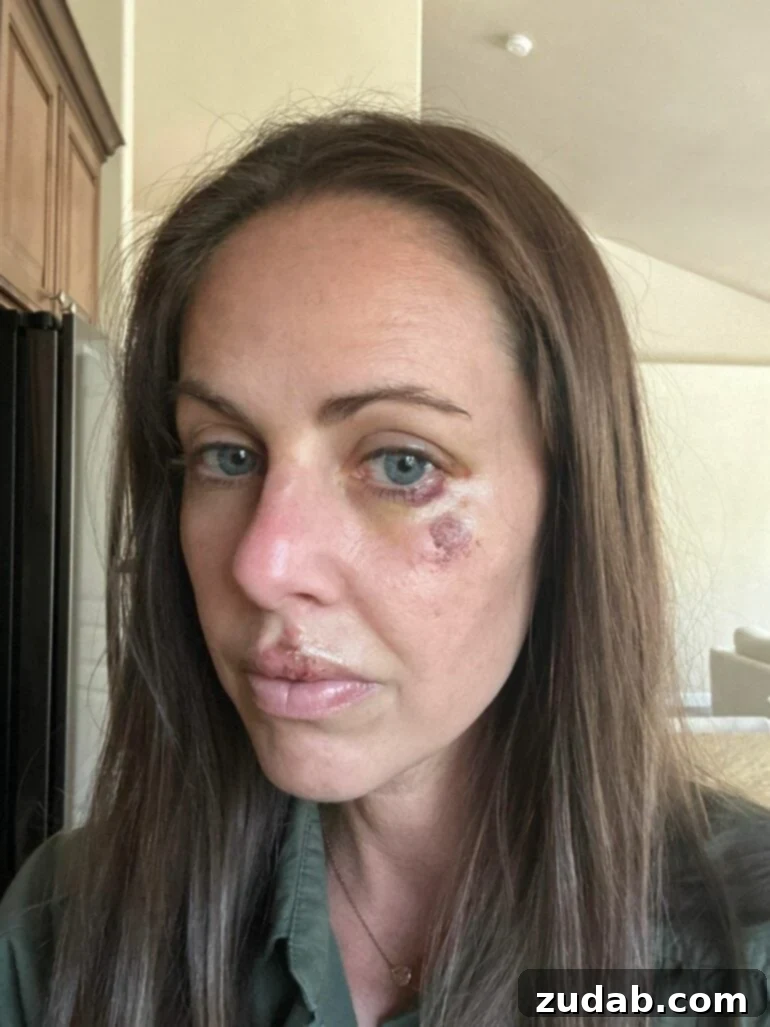
Navigating Specialized Care: Oral Surgeon and Endodontist
The very next day, the arduous journey into specialized dental care began. My first appointment was with an oral surgeon, followed by a visit to an endodontist. While addressing the placement of my teeth will be a long-term project, my immediate concern shifted to ensuring that no underlying issues were overlooked, especially as my jaw and bite felt subtly, yet disturbingly, off, and the injured teeth were beginning to grey with alarming speed. These specialists would be crucial in diagnosing and treating the full scope of the trauma, from potential bone damage to nerve issues, setting the foundation for future restorative work.
Through this challenging experience, I am learning a tremendous amount, not just about dental trauma and emergency protocols, but also about the body’s incredible resilience and the often-hidden nature of injuries. For instance, my right hand, despite not looking outwardly severe, continues to exhibit persistent pain and a significant lack of mobility, a clear sign of internal damage. This has become a powerful, symbolic lesson for me: people, like injuries, can appear fine on the surface, yet be suffering immensely underneath. Approaching others with gentleness, empathy, and genuine care is the only truly effective way to facilitate healing, both physical and emotional. It’s a profound reminder that true recovery extends far beyond superficial mending.
Community in Healing: The Power of Support and Innovation
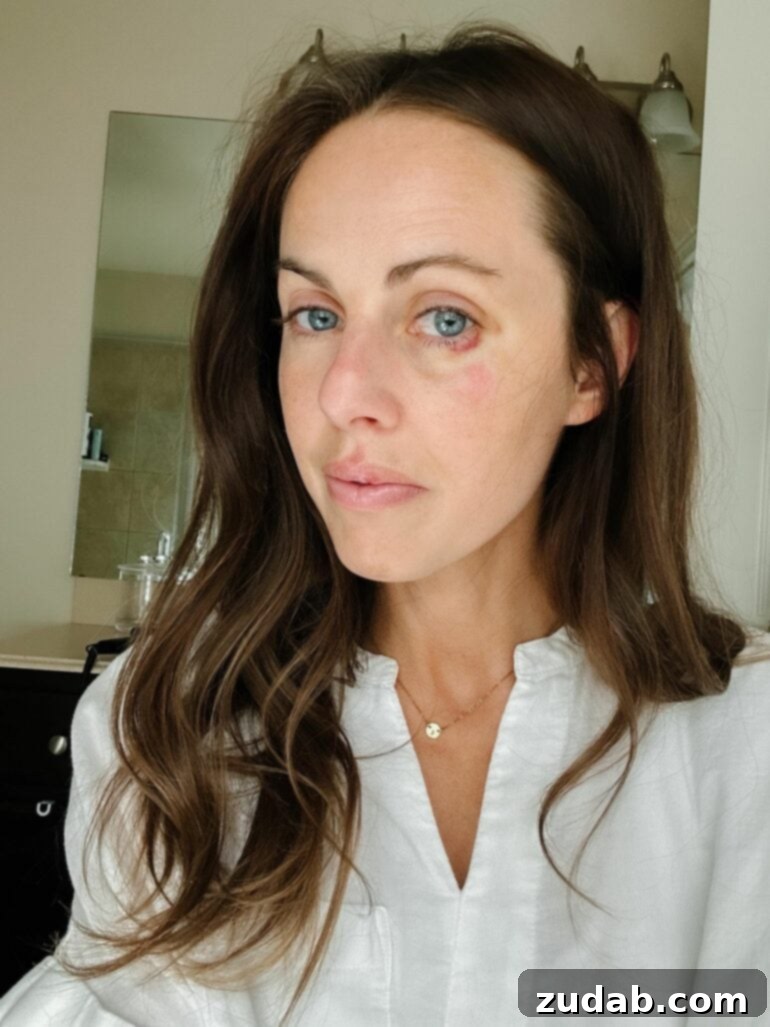
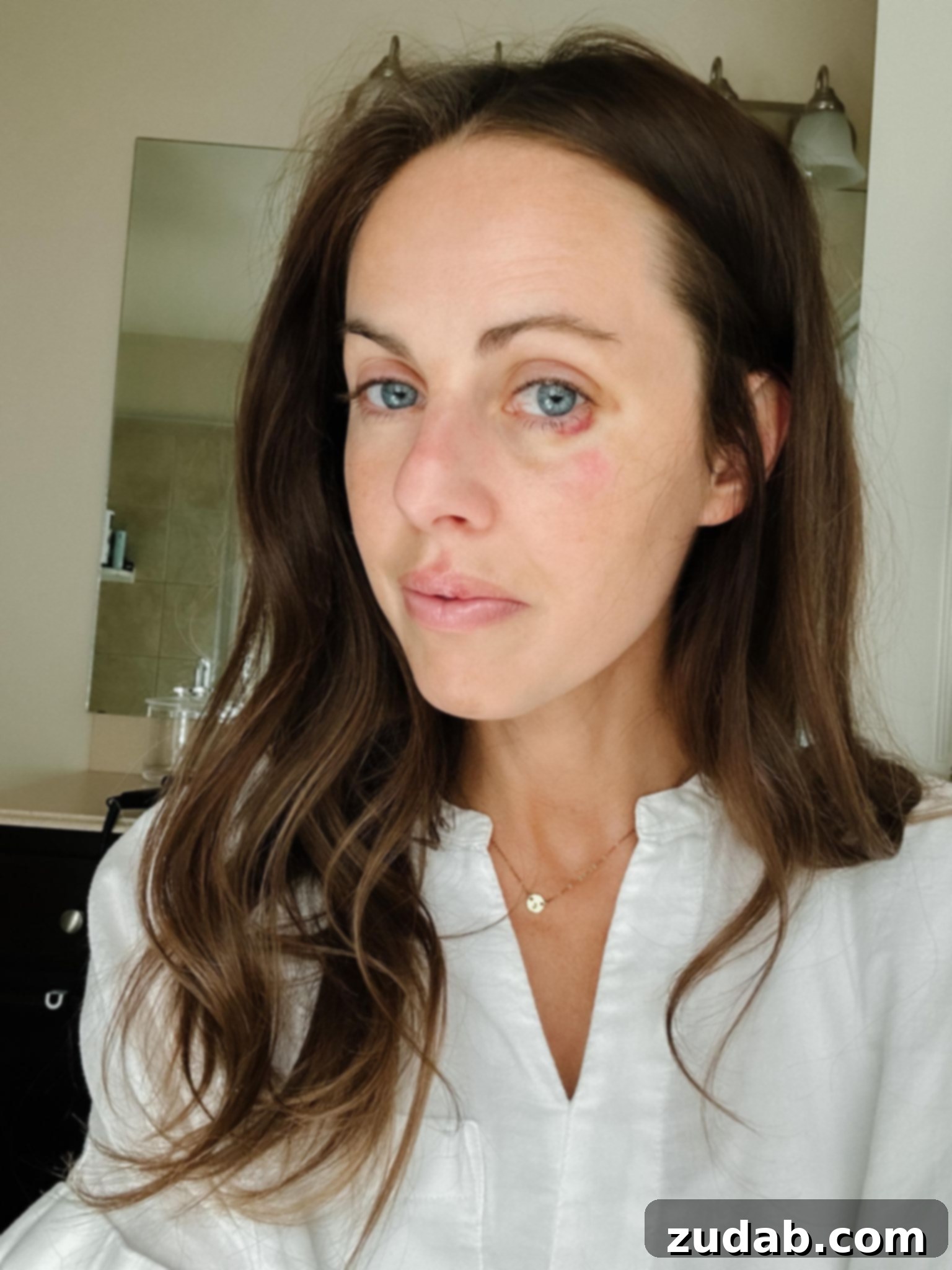
Now, perhaps I’ve been living under a rock, and everyone else is already familiar with @silverceuticals, but I simply must share this. My dear friend, Shay (@icecream.foodie), demonstrating incredible thoughtfulness, sent me some of this “nano silver magic.” I don’t feel the need to elaborate further than to urge you to look at the remarkable progress in the pictures for yourselves. I am genuinely shocked and profoundly grateful that she was inspired to send me something that has so visibly aided my healing process. Her kindness and foresight were an unexpected blessing.
This experience has deeply reinforced the truth that we all have a vital part to play in healing wounds, both our own and those of others. Sometimes, that contribution is literally physical, a tangible act of care, and Shay’s thoughtful gesture did just that for me. Her support, combined with the ongoing medical care, is a testament to the diverse ways healing manifests. As I continue on this journey, I fervently pray that the rest of my doctors will be able to provide the necessary treatment and guidance to fully mend what was broken, both externally and internally. The path to full recovery is long, but it is made bearable by the kindness of strangers, the love of family, and the unexpected support of friends.