
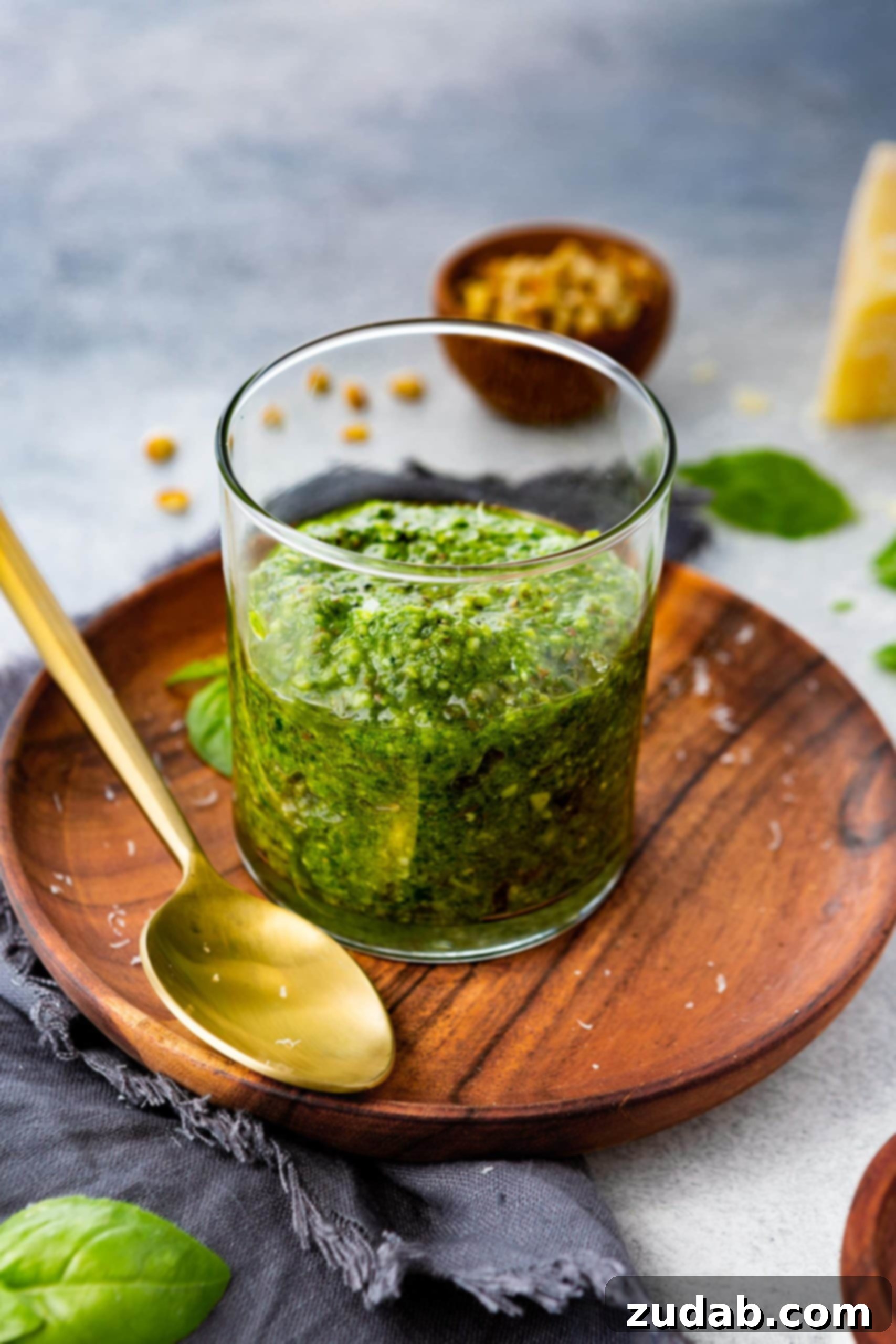
Welcome to the ultimate guide for crafting the most incredible homemade pesto sauce you’ve ever tasted! If you’re tired of store-bought versions and yearning for the vibrant, fresh flavors that only a truly classic pesto recipe can deliver, you’ve come to the right place. This comprehensive post will walk you through every step of how to make pesto sauce from scratch, reveal the secrets to preserving its brilliant green hue, and share expert tips on how to store pesto so you can enjoy this culinary masterpiece long after basil season ends. Get ready to transform your kitchen into an Italian trattoria!
There’s nothing quite like the arrival of summer, bringing with it an abundance of fresh herbs. And when it comes to basil, it seems to multiply overnight! While a prolific basil plant is a blessing, it can also lead to an overwhelming harvest. Fear not, because making your own fresh basil pesto is not just a delicious solution but a delightful culinary adventure. It’s a perfect summer recipe that captures the essence of the season in a jar, ready to elevate countless dishes. Once you experience the unparalleled taste of freshly made pesto, you’ll wonder how you ever lived without it.
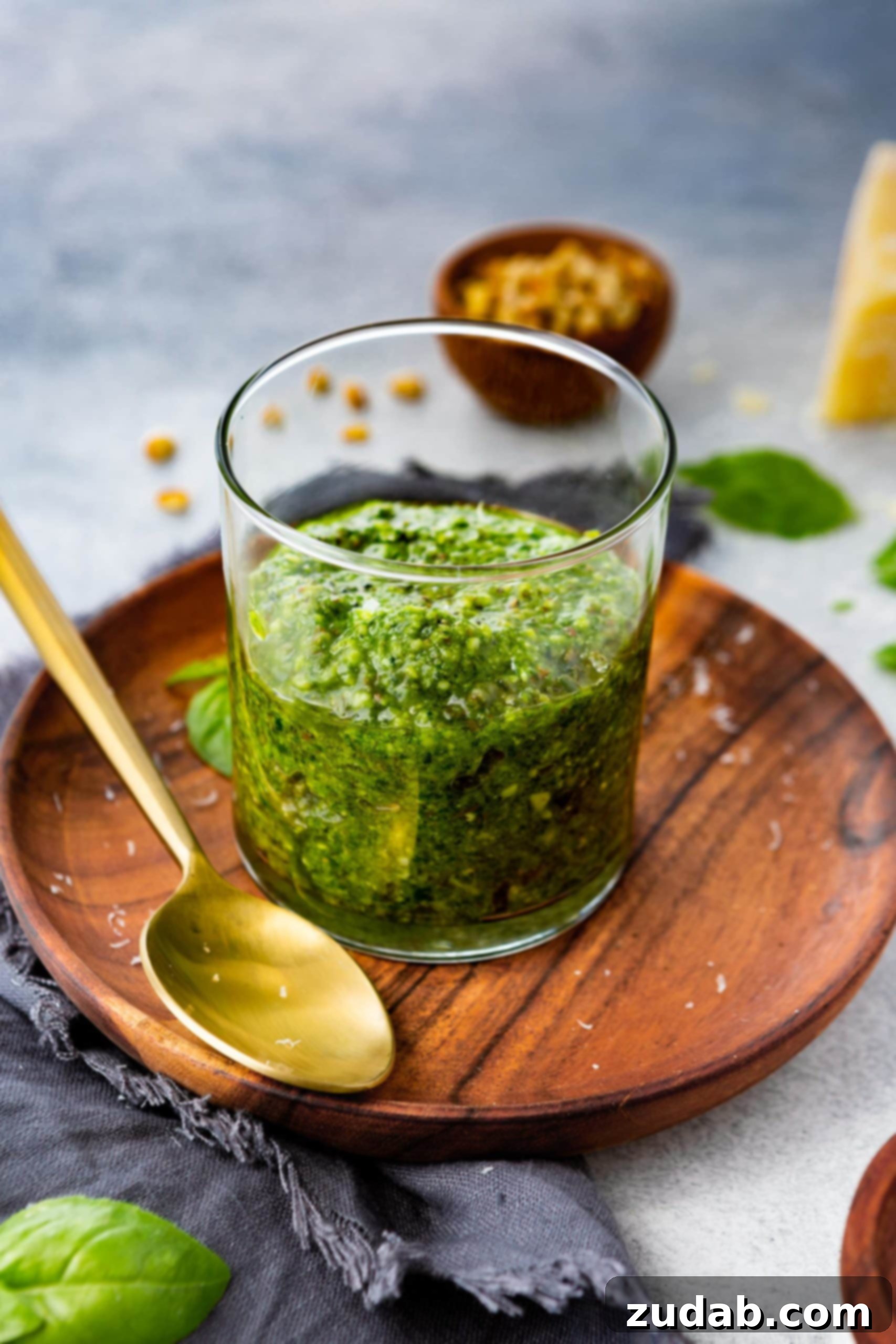
The Art of Crafting Homemade Basil Pesto Sauce
My first encounter with pesto was a revelation, surprisingly late in life during my college years. I can vividly recall that moment: a simple pesto pasta dish, yet it was extraordinarily flavorful – nutty, intensely cheesy, and bursting with an incredible freshness. It was an instant love affair, and I’ll admit, I ate far more than my share! Since then, pesto has become a staple in my kitchen. While we love exploring various pesto-inspired creations, such as our 15-Minute Pesto Pasta, pesto butter grilled cheese, or a creamy pesto chicken pizza, there’s something truly special about the classic basil pesto recipe. It’s the ultimate foundational recipe that captures the traditional flavors of Genoa.
While the process of making traditional pesto is surprisingly straightforward and quick, mastering its storage can be a bit more nuanced. The goal is to keep that vibrant green color and fresh, aromatic flavor intact. Below, we’ll delve into the precise techniques for creating this exquisite sauce, followed by comprehensive strategies for storing homemade pesto, ensuring its freshness for weeks or even months. With our detailed instructions and helpful tips, you’ll soon be whipping up batches of this glorious green sauce like a seasoned Italian nonna!
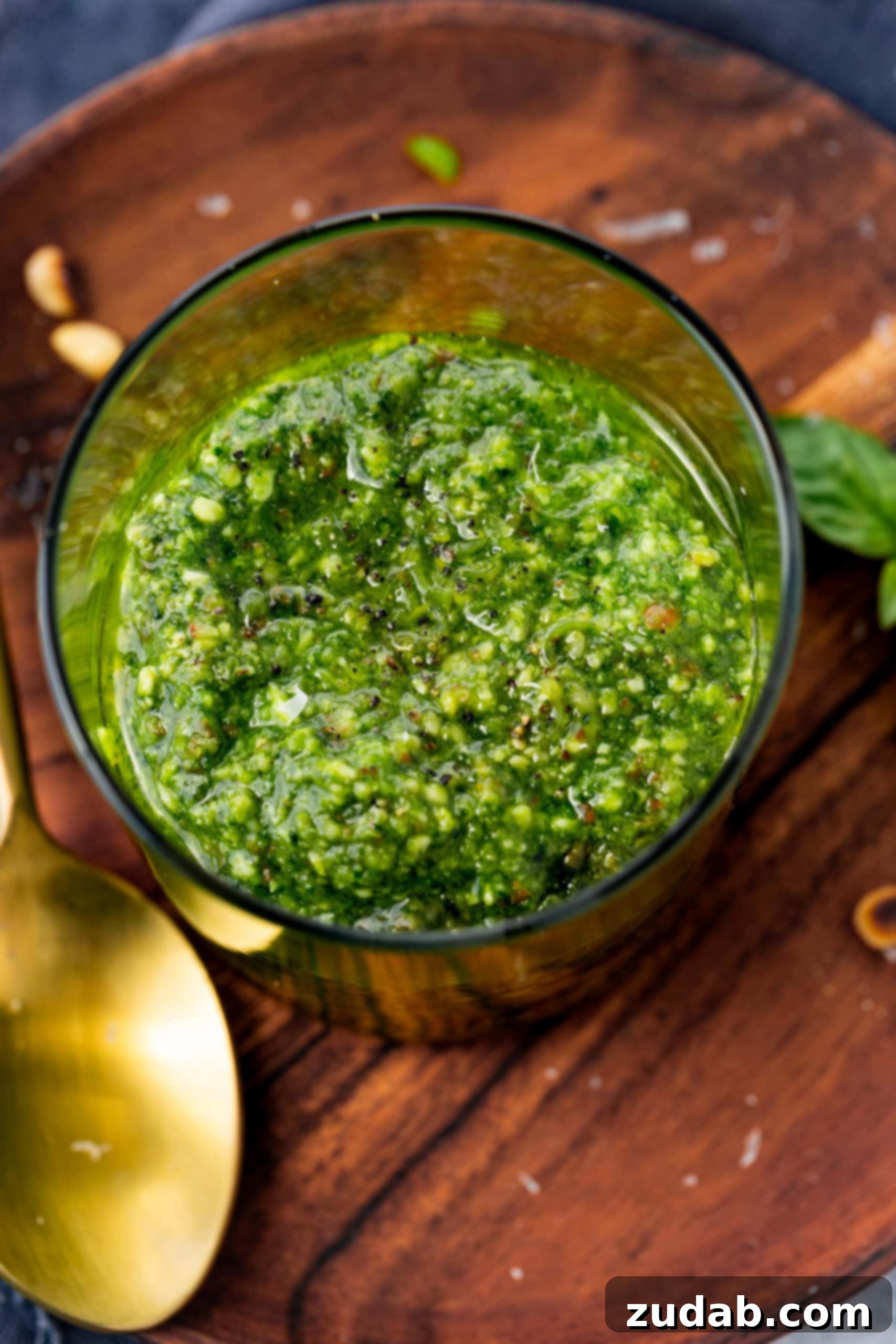
Essential Ingredients for the Perfect Basil Pesto Recipe
One of the beauties of this easy pesto recipe lies in its minimal ingredient list. However, because there are so few components, the quality of each ingredient truly shines through and makes a significant difference in the final flavor. Here’s what you’ll need to create this incredibly fresh and flavorful homemade pesto sauce:
- Fresh Basil Leaves: This is the star of the show. Aim for bright green, unblemished leaves for the best aroma and flavor. Avoid any wilted or darkened basil.
- Garlic Cloves: Fresh garlic provides a pungent, aromatic kick. We’ll be toasting it slightly for a mellower, more complex flavor.
- Pine Nuts: Traditional pesto relies on pine nuts for their delicate, buttery texture and subtle nuttiness.
- NOTE: If pine nuts are unavailable or too pricey, excellent substitutes include walnuts (which add a slightly more robust flavor), almonds, or cashews. Toasting any of these nuts will enhance their flavor even further.
- Extra Virgin Olive Oil: Choose a high-quality, cold-pressed extra virgin olive oil. Its fruity notes are essential to the pesto’s overall profile. This isn’t the place to skimp on oil quality!
- Grated Parmesan Cheese: Freshly grated Parmesan (Parmigiano-Reggiano) is a must. Its salty, umami-rich flavor is irreplaceable.
- NOTE: For an even more authentic and sharper flavor, Pecorino Romano cheese is an excellent alternative or can be used in combination with Parmesan.
- Salt: To taste, enhancing all the other flavors.
You’ll find the precise measurements for each of these ingredients in the detailed recipe card at the end of this post, ensuring you have everything you need for a flawless batch of classic basil pesto.
Step-by-Step Guide: How to Make Pesto Sauce from Scratch
Making homemade pesto sauce is a surprisingly quick and rewarding process, taking just minutes to prepare. Follow these simple steps for a truly exceptional classic pesto:
- Toast the Aromatics (Pine Nuts & Garlic): Begin by heating a dry skillet over medium heat. Add both the pine nuts and the unpeeled garlic cloves to the warm pan. Toast them gently, shaking the pan occasionally, until the pine nuts are lightly golden and fragrant, and the garlic skins start to darken slightly. This step is crucial as it deepens their flavor, adds a lovely complexity, and makes the garlic incredibly easy to peel.
- Peel the Garlic: Once the pine nuts are golden, remove them from the pan and set aside to cool. Continue toasting the garlic cloves for another minute or two until they are beautifully golden brown. The skins should practically slide right off, revealing tender, slightly sweet garlic within. Allow both the toasted pine nuts and garlic to cool completely before proceeding. This prevents the basil from cooking when blended.
- Blend to Perfection: In the bowl of a food processor or a high-speed blender, combine the fresh basil leaves, cooled toasted pine nuts, peeled garlic, and about half of the olive oil. Pulse the mixture, scraping down the sides as needed, until it forms a coarse paste. Gradually add the remaining olive oil in a steady stream while the processor is running, until the pesto reaches your desired consistency – smooth but still with a slight grainy texture from the nuts and cheese.
- Incorporate Cheese and Season: Transfer the pesto to a mixing bowl. Stir in the freshly grated Parmesan cheese (or Pecorino Romano). Taste and season with salt as needed. Remember, Parmesan is salty, so add salt gradually until the flavors are perfectly balanced.
- Authentic Method (Optional): For a truly traditional experience, you can prepare the pesto using a mortar and pestle. This labor-intensive method yields an incredibly aromatic pesto with a unique texture, as the ingredients are bruised and ground rather than chopped. However, for everyday convenience, a food processor is an excellent and efficient tool.
That’s it! Your luscious classic pesto recipe is now complete, ready to be enjoyed immediately or stored for future culinary delights.
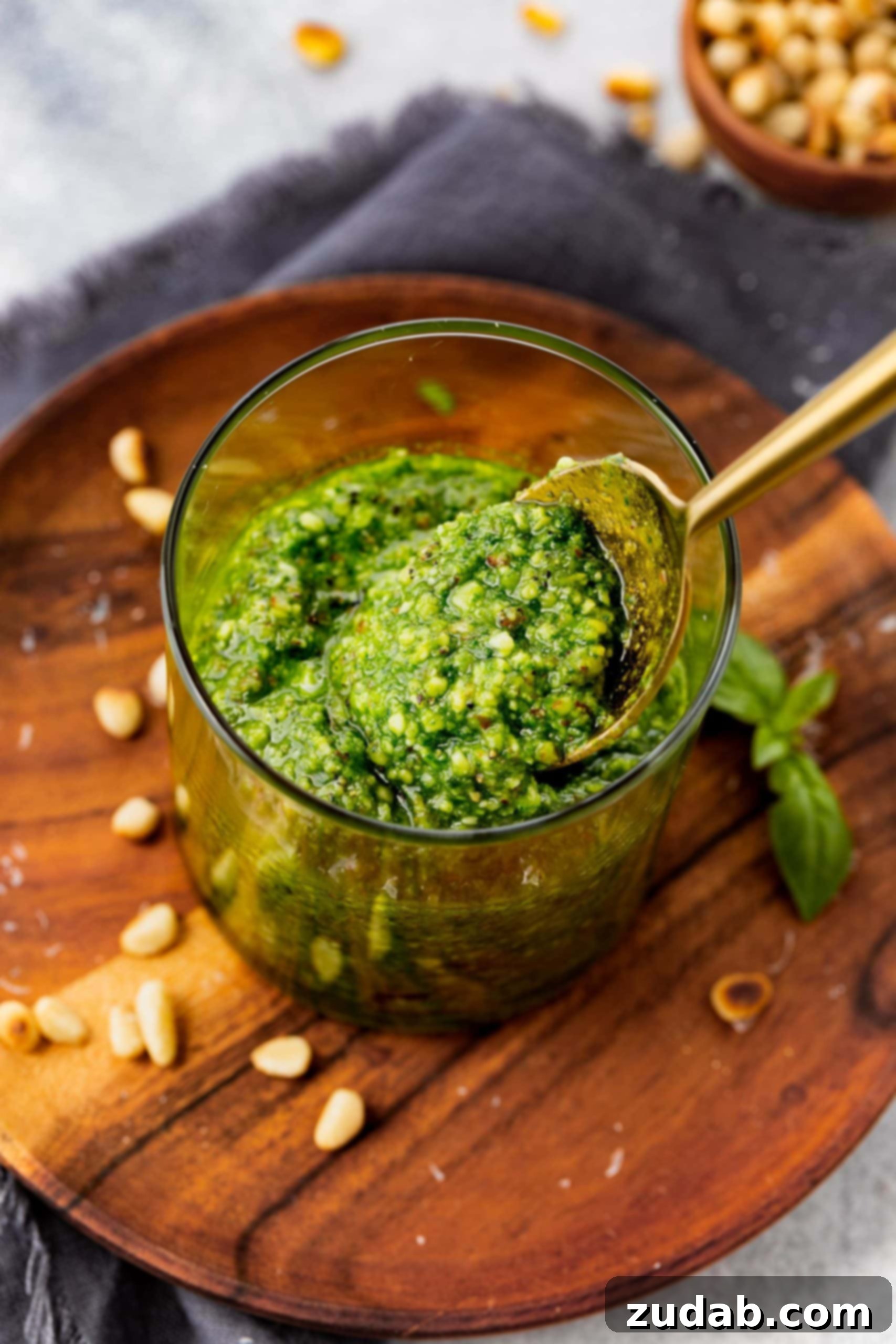
Comprehensive Guide: How to Store Pesto for Lasting Freshness
Preserving your homemade pesto ensures you can enjoy its vibrant flavor long after you’ve made it. The key to keeping pesto fresh and green lies in minimizing its exposure to air, which causes oxidation and browning. Here are our top methods for storing pesto, whether for the short term in the fridge or for extended periods in the freezer.
Storing Pesto in a Jar (Refrigerator Method)
This is the most common and effective method for short-term storage. After making your classic pesto, transfer it into a clean, airtight jar, filling it almost to the very top. Gently tap the jar on the counter to remove any air pockets. Then, pour a thin, protective layer of extra virgin olive oil over the surface of the pesto. This oil layer acts as a barrier, sealing out air and preventing the basil from oxidizing and turning brown. Seal the jar tightly with a lid. Stored this way, your fresh basil pesto can last for up to two to three weeks in the refrigerator. Just remember to add a fresh layer of olive oil each time you scoop some out to maintain that protective seal.
Storing Pesto in a Vacuum Bag (Freezer Method)
For longer-term preservation, vacuum sealing is an excellent choice. If you own a food saver (a small investment that pays off in food preservation), this method is incredibly efficient. Simply spoon your prepared pesto into a vacuum-sealable bag, ensuring you leave enough space at the top to seal properly. Remove as much air as possible using your vacuum sealer, then seal the bag. Label and date the bag, then place it in the freezer. Frozen pesto stored in a vacuum bag can maintain its optimal freshness for up to 9 months! When you’re ready to use it, simply transfer the bag to the refrigerator to defrost, then use as desired.
Freezing Pesto in Ice Cube Trays (Portioned Freshness)
Another fantastic method for freezing pesto, especially for single servings, is using ice cube trays. Spoon the freshly made pesto into the compartments of an ice cube tray. Freeze until the pesto cubes are completely solid. Once frozen, pop the cubes out and transfer them to an airtight freezer bag or container. This method is incredibly convenient as it allows you to easily grab just the amount of pesto you need for a single meal, minimizing waste and ensuring portion control. Pesto stored in ice cube trays will also last for several months in the freezer, although the vacuum-sealed method generally offers the longest shelf life while best preserving flavor and color.
How Long Does Pesto Last?
As detailed in our storage methods above, the shelf life of your homemade basil pesto sauce depends significantly on how it’s stored:
- In the Refrigerator: When stored in an airtight container without an olive oil seal, pesto typically lasts up to 5 days. However, if you diligently use the olive oil layer method mentioned above, you can extend its freshness to 2-3 weeks.
- In the Freezer: Whether in vacuum-sealed bags or ice cube trays, pesto freezes exceptionally well. It can last for 6-9 months while maintaining good quality. For best flavor and texture, we recommend consuming frozen pesto within 6 months.
Endless Culinary Possibilities: Our Favorite Pesto Uses
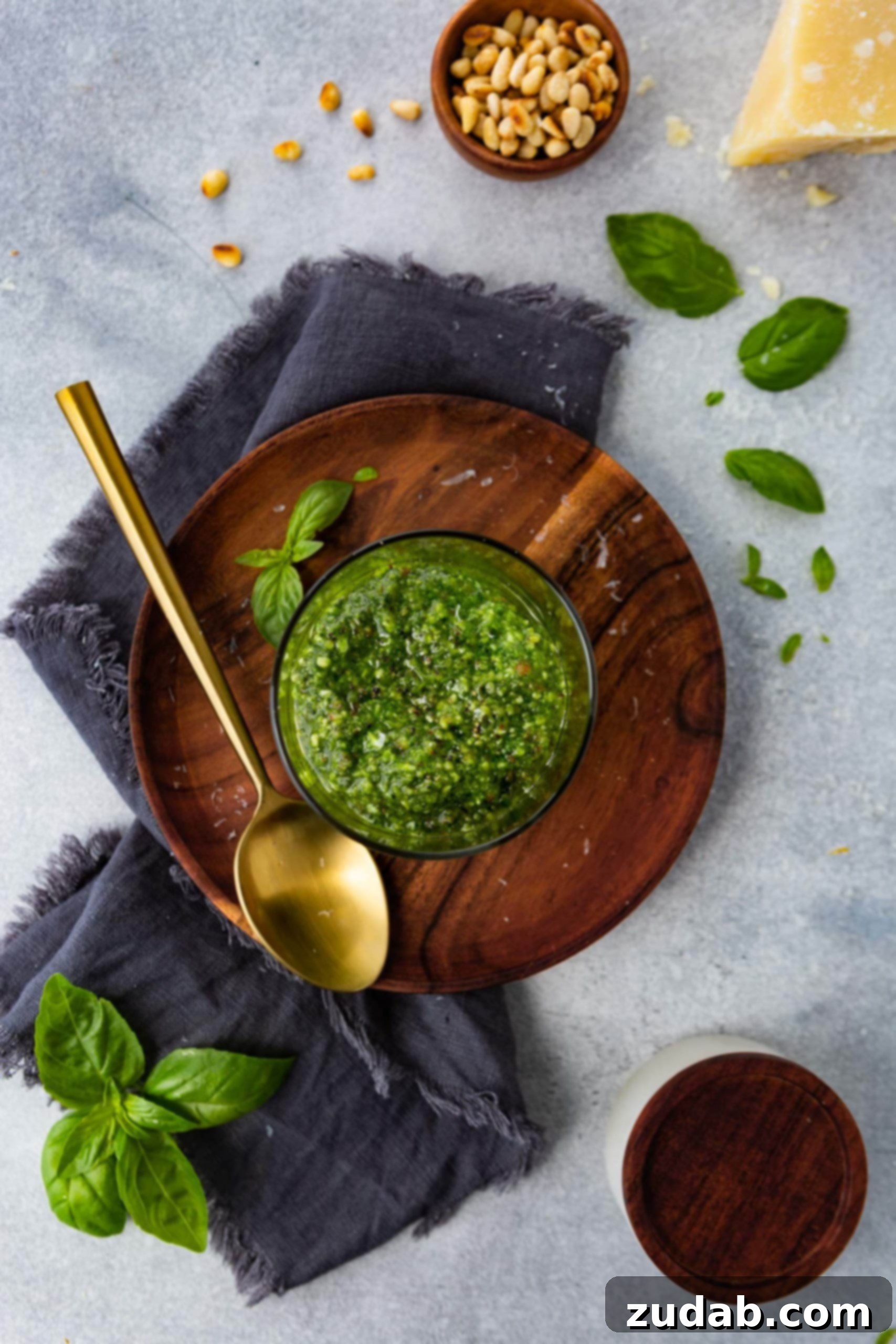
Once you have a batch of this vibrant homemade pesto sauce on hand, the culinary possibilities are truly endless. It’s a versatile condiment that can elevate everything from simple snacks to gourmet meals. We love having a jar readily available in the fridge or freezer! Here are just a few of our favorite ways to incorporate pesto into our daily cooking:
- Pasta Dishes: The classic pairing! Toss it with your favorite pasta for a quick, flavorful meal.
- 20-Minute Cheesy Pesto Pasta
- 15-Minute Pesto Pasta
- Pizzas: Use it as a base instead of traditional tomato sauce, or dollop it on top of a finished pizza for an extra burst of flavor.
- Pesto Pepperoni and Sausage Grilled Pizza
- Creamy Pesto Chicken Pizza
- Sandwiches & Grilled Cheese: Spread it on bread, or mix it with butter for an incredible grilled cheese experience.
- Pesto Butter Grilled Cheese
- Sun Dried Tomato, Bacon, & Pesto Grilled Cheese
- Grilled Vegetables: A dollop of pesto can brighten up any grilled or roasted vegetable.
- 15-Minute Grilled Veggies with Pesto
- Pesto Veggie Foil Packs
- Proteins: Swirl it into scrambled eggs, spread it on chicken or fish before baking, or use it as a flavorful marinade.
- Salads: Thin it with a little extra olive oil or lemon juice for a quick and flavorful salad dressing.
- Breads: Mix it with softened butter for an amazing pesto garlic bread, or serve it simply with crusty bread for dipping.
- Appetizers: Use it in tarts, bruschetta, or mixed with cream cheese for a delicious dip.
- Cheesy Pesto Tarts
Don’t be afraid to get creative! Pesto’s rich, herbaceous profile can enhance almost any savory dish, making it a true kitchen hero.
Expert Tips for the Best Pesto Sauce Every Time
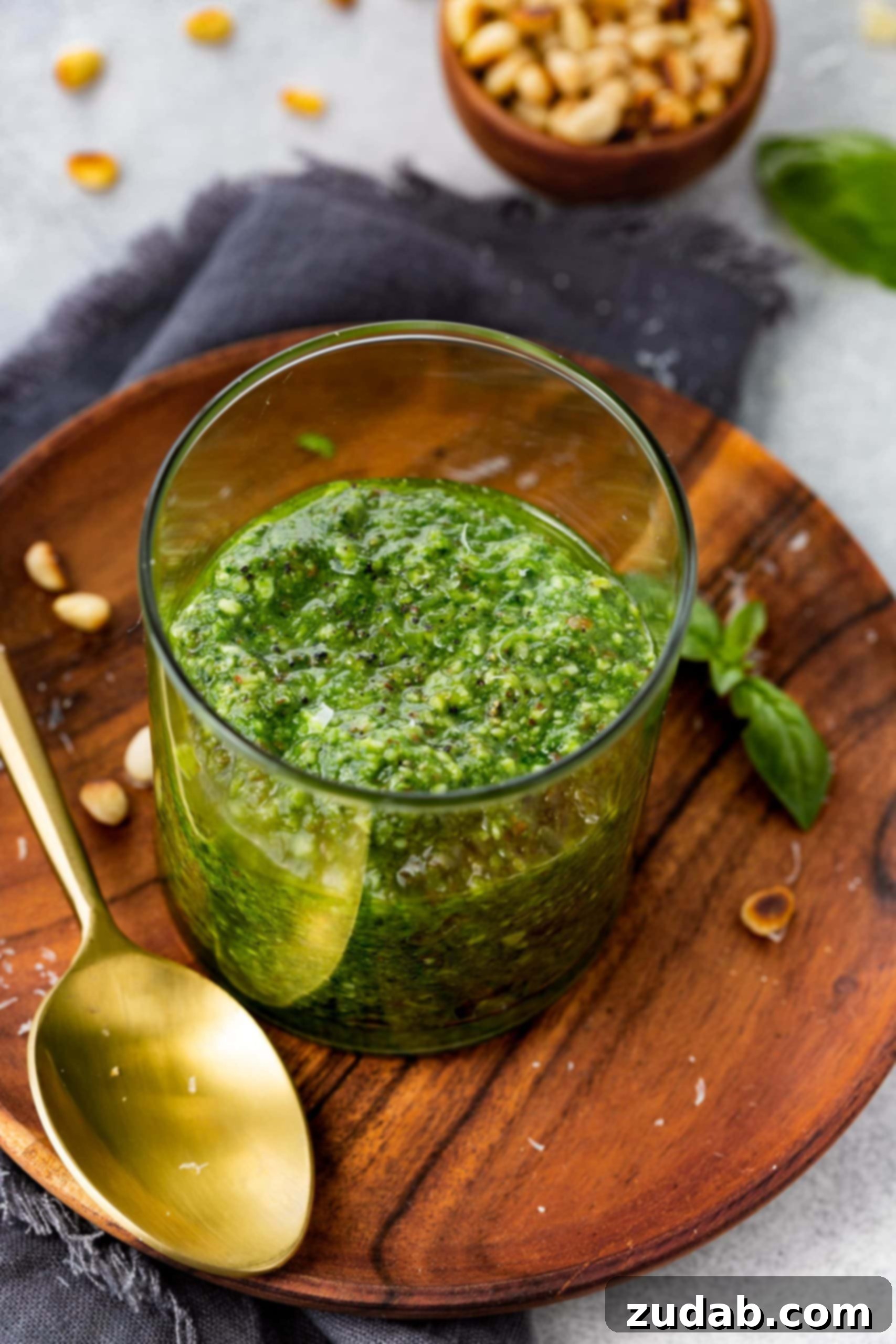
While making pesto is generally straightforward, a few key tips can elevate your homemade pesto sauce from good to truly exceptional. These simple tricks help ensure maximum flavor, vibrant color, and perfect texture:
- Chill Your Food Processor: Before you start blending, place a few ice cubes in your food processor bowl and pulse for about 30 seconds, then discard the ice and wipe the bowl dry. This cools the machine, which helps prevent the basil from “cooking” or oxidizing during blending, thus maintaining its beautiful, bright green color.
- Prioritize Quality Ingredients: As we mentioned, with so few ingredients in this easy pesto recipe, each one plays a starring role. Invest in the freshest basil, high-quality extra virgin olive oil, and authentic Parmesan cheese (Parmigiano-Reggiano) for the most impactful flavor. The difference is truly noticeable!
- Freshly Grated Parmesan is King: Skip the pre-grated cheese. Freshly grated Parmesan not only melts better and has a superior texture, but its flavor is infinitely richer and more complex. It’s a small effort that yields significant flavor rewards.
- Don’t Over-Process: While you want a smooth pesto, over-processing can heat the ingredients and dull the basil’s freshness. Pulse until your desired consistency is reached, but try to avoid running the food processor continuously for too long. A slightly rustic, grainy texture is often preferred in traditional pesto.
- Taste and Adjust: Always taste your pesto before serving or storing. Adjust the salt content as needed. Some prefer more garlic, others less. This recipe is a fantastic base, but don’t hesitate to personalize it to your palate!
Explore More Italian Sauce Recipes
If you’ve fallen in love with the depth of flavor a homemade sauce brings, you’re in for a treat! Italian sauces are the heart of so many incredible dishes. Be sure to try these other fantastic recipes the next time you’re craving an authentic Italian meal:
- Traditional Bolognese Recipe
- Homemade Spaghetti Sauce
- Easy Pizza Sauce
- Garden Veggie Marinara Sauce
- Easy Beef Ragu
- Cilantro Pesto
- Creamy Sausage Alfredo Sauce
- Healthier Avocado Pesto
- Spicy Sausage Pasta Sauce
- ALL OF OUR PASTA RECIPES!
Classic Pesto Recipe
Ingredients
- 1/4 Cup Pine Nuts, plus 1 1/2 Tablespoons
- 3 Cloves Garlic, unpeeled
- 3 Cups Fresh Basil, packed
- 1/4 Cup Olive Oil, plus 1-2 Tablespoons
- 1/4 Cup Parmesan Cheese, plus 2 Tablespoons, grated
- Salt, to taste
Instructions
-
Heat a skillet over medium heat and add the pine nuts and garlic.1/4 Cup Pine Nuts, 3 Cloves Garlic
-
Toast for a few minutes or until golden brown, shaking the pan occasionally to toss the pine nuts and promote even color.
-
Once the pine nuts are done, remove them from the pan and continue to toast the garlic.
-
Remove garlic from the pan and remove the skin.
-
Wait until both garlic and pine nuts are cooled.
-
Place the basil, pine nuts, garlic, and olive oil in a blender and pulse until smooth, but still a tad grainy in texture.3 Cups Fresh Basil, 1/4 Cup Olive Oil
-
Place everything in a bowl and stir in the cheese.1/4 Cup Parmesan Cheese
-
Salt to taste and store according to post directions.Salt
Recipe Notes
- You can adjust the garlic to your own taste. It you don’t love it, just use 2 cloves!
- See the post for details on storing pesto in a mason jar with a little olive oil in the fridge.
Nutrition
Nutrition information is automatically calculated, so should only be used as an approximation.
Don’t miss out on more delicious and easy recipes! SUBSCRIBE TO OUR FREE OH SWEET BASIL NEWSLETTER and receive mouth-watering recipes delivered straight to your inbox every day.
When you whip up this incredible recipe, we’d love to see your creations! Please use the hashtag #ohsweetbasil on INSTAGRAM for a chance to be featured in our stories! Be sure to FOLLOW OH, SWEET BASIL on FACEBOOK | INSTAGRAM | PINTEREST | TWITTER for all our latest content, recipes, and stories. Your culinary journey starts here!