
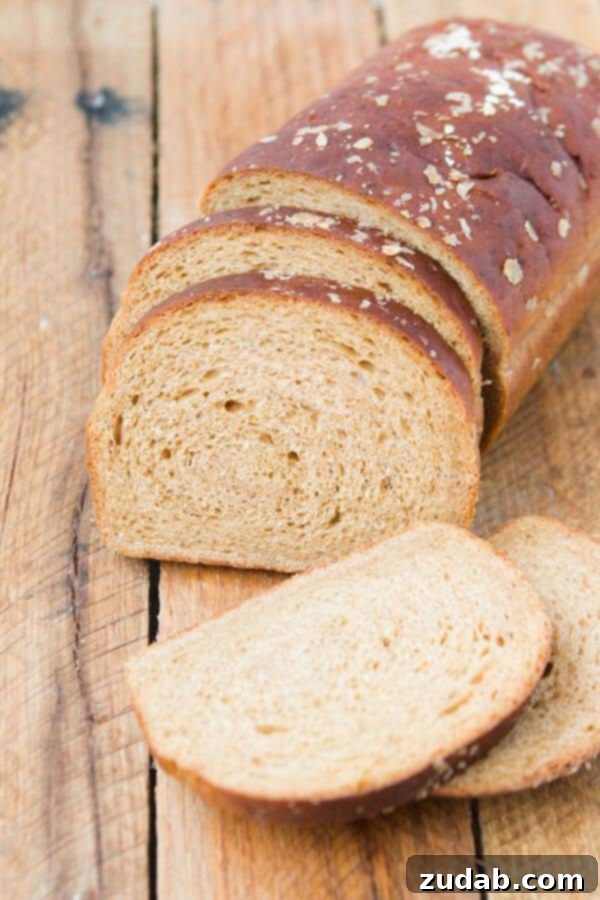
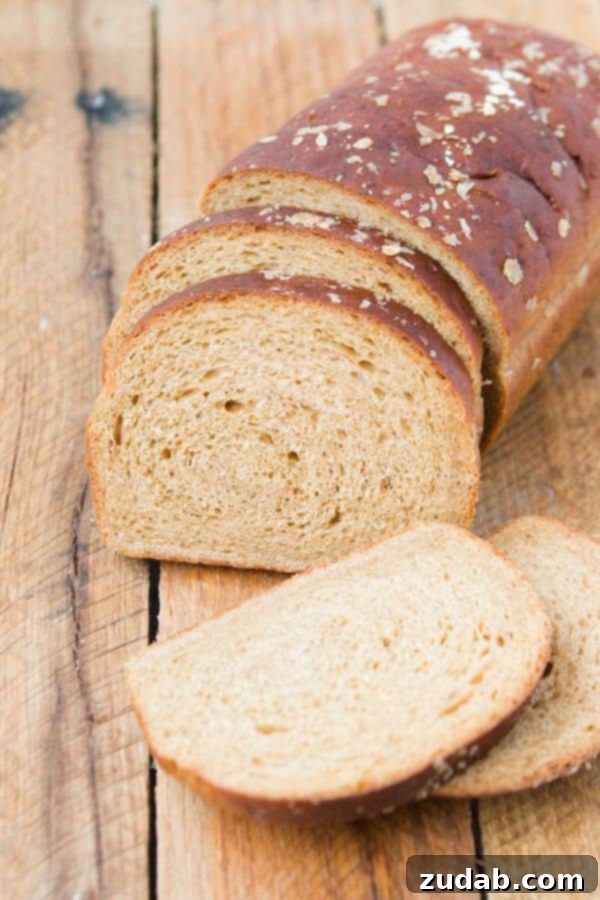
Homemade Molasses Oatmeal Bread: A Heartwarming and Easy Recipe
There’s something truly special about the aroma of freshly baked bread filling your home. For me, it instantly brings back cherished childhood memories. My mom, a truly wonderful cook, always had a way of creating perfectly comforting and easy recipes, and she was always eager to share her culinary wisdom. This particular molasses oatmeal bread recipe is one of her timeless treasures, and it’s absolutely delicious. I can still vividly recall those days when I was younger, the sweet, earthy scent of the oatmeal bread baking would waft through the house, drawing me to hover impatiently around the kitchen until that glorious loaf emerged from the oven. The moment it was ready, we’d slice off a thick, warm piece, spread a generous pat of butter, drizzle a touch of honey, and savor every single bite. It was a simple pleasure, yet profoundly satisfying, a taste of home that has stayed with me ever since.
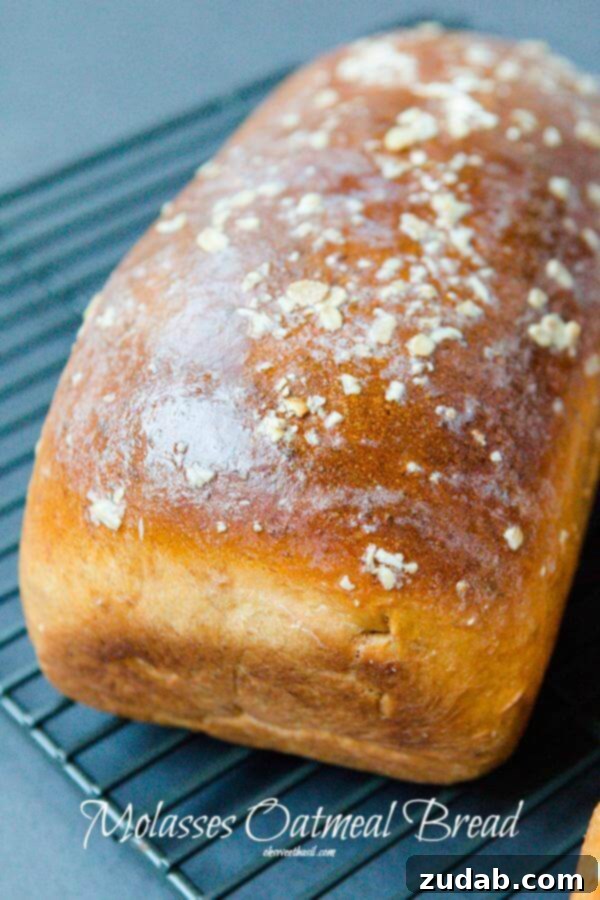
The Irresistible Charm of Baking Your Own Bread
Truly, there may be nothing better than fresh, warm bread right out of the oven. Its tender crumb and rich flavor are simply unparalleled. Yet, many people shy away from baking bread, feeling intimidated by the process and convinced it’s an overly complicated culinary feat. They might never experience the profound joy and immense satisfaction that comes from creating a beautiful loaf with their own hands.
But that’s just unnecessary apprehension! Bread making, especially with this particular recipe, is surprisingly straightforward and incredibly rewarding. There’s no need to make it such a daunting task. In fact, this recipe is designed for ease. If you have a stand mixer, you can simply toss most of the ingredients into the KitchenAid and let it do the heavy lifting, whirling the dough into perfection. The only real “work” you’ll need to do is a little kneading by hand, and honestly, who doesn’t occasionally need a bit of dough therapy, punching and shaping to release some stress? It’s a truly meditative experience that culminates in a truly delicious reward.
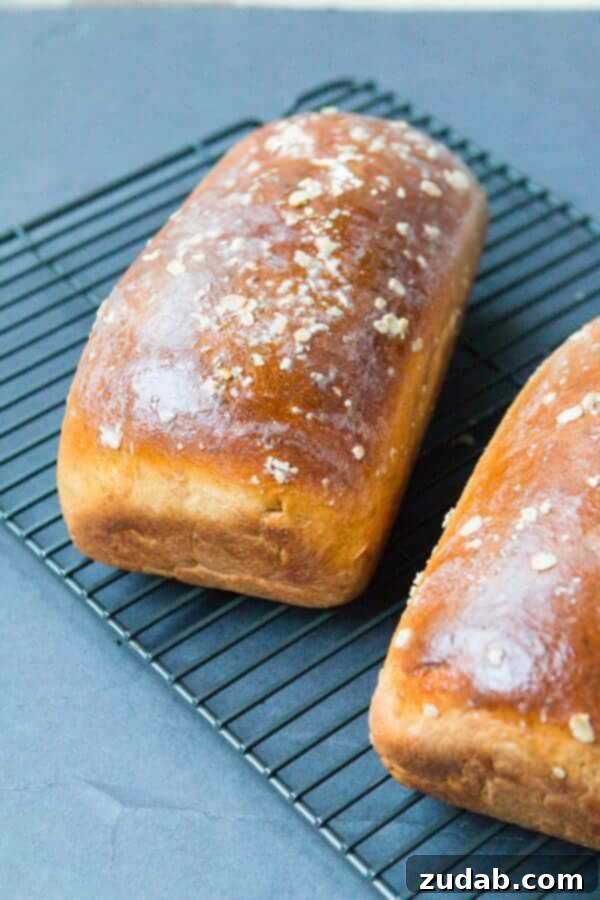
Unlocking the Flavor: What Makes Molasses Oatmeal Bread Special
This bread isn’t just about nostalgia; it’s about a unique combination of ingredients that creates an incredibly rich and satisfying flavor profile and a wonderfully soft texture. The star ingredients, molasses and oatmeal, work in harmony to elevate this loaf from ordinary to extraordinary.
The Richness and Depth of Molasses
Molasses is more than just a sweetener; it’s a game-changer in baking. This thick, brown syrup, a byproduct of the sugar refining process, infuses the bread with a complex, deep, and slightly smoky sweetness that granulated sugar simply cannot replicate. It contributes a beautiful dark hue to the crust and interior, making the bread visually appealing. Beyond flavor and color, molasses is a humectant, meaning it helps to retain moisture, ensuring your bread stays incredibly soft and fresh for longer. This is particularly beneficial for a bread like this, as it prevents it from drying out quickly. There are different types of molasses – light, dark, and blackstrap. For this recipe, a dark unsulphured molasses is typically preferred as it offers a robust flavor without being overly bitter, providing that perfect balance of sweetness and depth that defines this bread.
The Hearty Goodness of Oatmeal
Oatmeal doesn’t just add a comforting, wholesome texture to this bread; it also brings a host of nutritional benefits. Oats are packed with dietary fiber, particularly beta-glucan, which is known for its heart-healthy properties. This water-soluble fiber plays a crucial role in lowering LDL (bad) cholesterol levels, thus supporting cardiovascular health. Incorporating oatmeal into your bread also makes it more filling and provides sustained energy release, making it an excellent choice for a hearty breakfast or a wholesome snack. The oats also contribute to the bread’s delightful chewiness and a slightly rustic character that perfectly complements the rich molasses flavor.
Baking Perfection: Tips for Your Best Loaf Yet
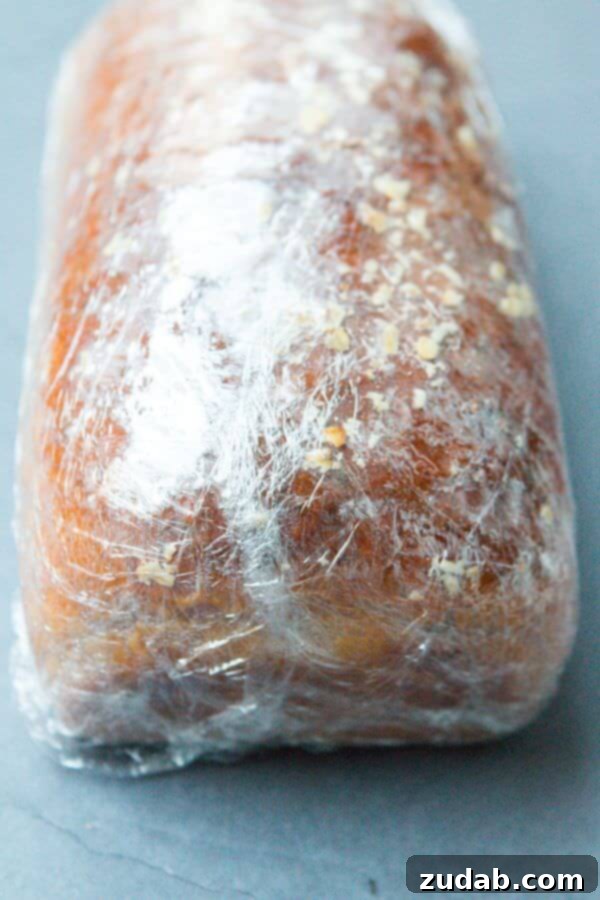
Cade and I can never resist this bread when it comes out of the oven. We simply must slice off a piece and eat it warm – it’s utterly irresistible! But right after indulging, we make sure to wrap any remaining bread tightly in plastic wrap, which helps keep it wonderfully soft all week long. It’s the best way to preserve that fresh-baked goodness.
Understanding Your Ingredients and Process
Achieving the perfect loaf of molasses oatmeal bread is simple, especially when you understand a few key principles. The quality of your ingredients and careful attention to the steps will make all the difference. Always ensure your yeast is fresh; active dry yeast is commonly used and needs warm (not hot!) water to activate. The temperature of the water for activating yeast is crucial – too cold, and the yeast won’t activate; too hot, and it will kill the yeast. Aim for lukewarm water, around 105-115°F (40-46°C). The flour you use also impacts the final texture; all-purpose flour works well, but bread flour will give you a chewier, more structured loaf. The butter or oil contributes to the bread’s tenderness and flavor, so don’t skip it.
The Art of Kneading and Proofing
Kneading is essential for developing the gluten in the flour, which gives the bread its structure and elasticity. If using a stand mixer, let it knead until the dough pulls away from the sides of the bowl and looks smooth and elastic. If kneading by hand, you’ll know it’s ready when it feels smooth, springy, and passes the “windowpane test” (you can stretch a small piece thin enough to see light through it without tearing). Proofing, or rising, is equally important. Yeast thrives in warm, draft-free environments. A slightly warmed oven (turned off!) or a sunny spot on your counter works wonders. The dough should double in size, indicating the yeast is active and creating air pockets for a light texture. Punching down the dough after the first rise deflates these large air bubbles, redistributing the yeast and allowing for a finer, more even crumb in the final loaf. The second rise in the loaf pans gives the bread its final shape and contributes to its overall volume and texture.
FAQs About Molasses Oatmeal Bread
Here are some common questions about molasses oatmeal bread and its ingredients:
What Is Molasses?
Molasses is a thick, viscous syrup created as a byproduct during the refining of sugar cane or sugar beets into sugar. It’s known for its distinctive dark color, rich, robust flavor, and syrupy consistency. It’s often used in baking and cooking to add depth of flavor, moisture, and a unique sweetness that differs from granulated sugar. The specific flavor and color of molasses vary depending on the type of sugar it’s made from and the extent to which it has been boiled down and sugar extracted, with light molasses being the sweetest and blackstrap molasses being the darkest and most nutrient-dense.
What Can You Substitute For Molasses?
While molasses offers a unique flavor, if you find yourself without it, you can use a few common substitutes. To replace 1 cup of molasses, you can typically use 1 cup of dark corn syrup, honey, or maple syrup. Be aware that each substitute will slightly alter the final flavor and color of the bread. Dark corn syrup will provide a similar consistency and sweetness but lacks the distinctive deep, complex notes of molasses. Honey will add its own floral sweetness and aroma. Maple syrup, especially dark maple syrup, can offer a closer flavor profile to molasses with its rich, caramel-like undertones, but it might be slightly thinner in consistency. For the best result and authentic flavor, using actual molasses is highly recommended.
Is Oatmeal Good For The Heart?
Absolutely! Studies consistently show that oatmeal offers significant heart-healthy benefits, making it an excellent addition to your diet. The primary reason for this is its high content of soluble fiber, specifically beta-glucan. This type of fiber helps to reduce the amount of “bad” (LDL) cholesterol circulating in the blood by binding with cholesterol-rich bile acids in the digestive system and removing them from the body. Regular consumption of oats can contribute to maintaining healthy cholesterol levels, which is a key factor in reducing the risk of heart disease. Furthermore, oats are a good source of antioxidants and can help regulate blood sugar levels, providing a steady release of energy and preventing sharp spikes that can stress the cardiovascular system.
Molasses Oatmeal Bread Recipe
Molasses Oatmeal Bread
Ingredients
- 1 Cup Oatmeal
- 2 Cups Water, Boiling
- 1 pkg Yeast, 2 1/4 teaspoons
- 1 teaspoon Sugar
- 1/4 Cup Water, Warm
- 1/2 Cup Molasses, 1/3 cup honey if you can’t get molasses
- 2 Teaspoon Salt
- 1 Tablespoon Butter or Oil
- 4-5 Cups Flour
Instructions
-
Place the oatmeal in a large bowl and pour boiling water over the top.1 Cup Oatmeal, 2 Cups Water
-
Let stand for 15 minutes or until lukewarm.
-
In a separate small bowl, dissolve yeast and sugar in 1/4 Cup warm water. Let sit for 5-10 minutes until foamy.1 pkg Yeast, 1 teaspoon Sugar, 1/4 Cup Warm Water
-
Add molasses, salt, and butter (or vegetable oil) to the oatmeal mixture.1/2 Cup Molasses, 2 Teaspoon Salt, 1 Tablespoon Butter or Oil
-
Stir to combine thoroughly, then stir in the activated yeast mixture.
-
Gradually work in the flour, about 4 cups initially, until the dough just comes together and is manageable. Add more flour as needed, up to 5 cups, until the dough is not sticky but still soft.4-5 Cups Flour
-
Place the dough on a lightly floured surface and knead for about 8-10 minutes, or until it becomes smooth and elastic.
-
Place the kneaded dough in a lightly oiled bowl, turn to coat, then cover with a clean kitchen towel. Let it rise in a warm, draft-free place until doubled in size (this usually takes about an hour).
-
Gently punch down the risen dough to release the air. Divide it into two equal portions and form each into a loaf. Place the loaves into two greased 9×5 inch bread pans.
-
Cover the bread pans gently with a towel and let the loaves rise again in a warm place until they have doubled in size and crowned above the rim of the pans.
-
Preheat your oven to 375°F (190°C). Bake the bread for 40-45 minutes, or until the crust is golden brown and the loaves sound hollow when lightly tapped on the top.
-
Remove from pans immediately and cool on a wire rack before slicing.
Recipe Notes
Nutrition
Nutrition information is automatically calculated, so should only be used as an approximation.