
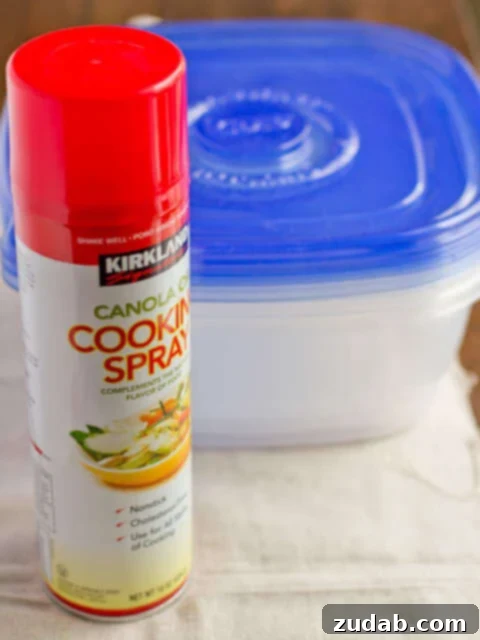
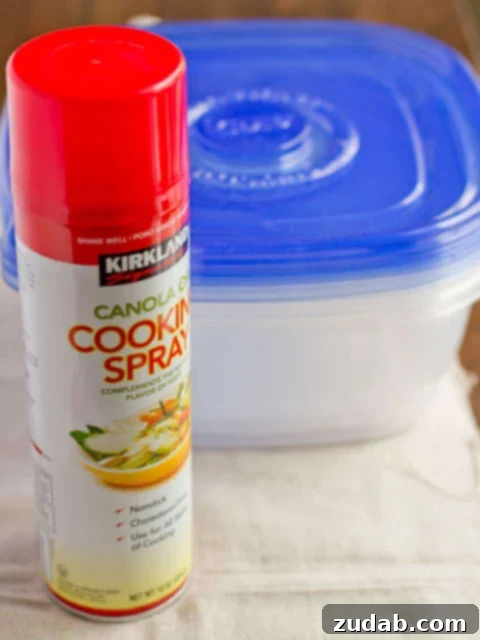
Few things are as frustrating in the kitchen as reaching for a once-pristine food storage container, only to find it permanently marred by an unsightly orange or red stain. We all know the culprit: tomato sauce, curry, or that delicious chili that tasted so good but left its indelible mark. These stubborn plastic container stains can make even the cleanest kitchen look a little less sparkling, often leading to a pile of perfectly functional yet visually unappealing Tupperware relegated to the back of the cupboard. But what if there was a ridiculously simple, almost magical solution to keep your food storage containers looking brand new, even after holding the sauciest spaghetti or the most vibrant turmeric-infused dish? Prepare to have your mind blown, because the secret lies in a common kitchen staple: nonstick cooking spray.
The Universal Problem: Why Do Plastic Containers Stain So Easily?
Plastic food containers are incredibly convenient. They’re lightweight, durable, and perfect for meal prepping, packing lunches, and storing leftovers. However, their porous nature is also their Achilles’ heel when it comes to certain foods. The reason plastic stains so readily, especially with brightly colored ingredients, boils down to chemistry and physics. Food items like tomato sauce, turmeric, curry, and various oil-based condiments contain powerful pigments and oils. When these come into contact with the plastic, the pigments get absorbed deep into the microscopic pores of the material. Heat, which often accompanies leftover food, can exacerbate this process by causing the plastic to expand, making it even more receptive to staining. Once these pigments penetrate the surface, they bond with the plastic, creating those notorious, almost impossible-to-remove stains.
Imagine a vibrant red spaghetti sauce, rich with lycopene, or a golden-yellow curry, infused with curcumin. These natural dyes are incredibly potent. When they sit in a plastic container, especially overnight or for extended periods, they essentially dye the plastic from the inside out. This isn’t just about aesthetics; while a stained container is perfectly safe to use after proper washing, it gives the impression of being dirty or poorly maintained. This can be particularly awkward if you’re sending food to a friend or bringing a dish to a potluck. The unspoken apology for the “weird orange container” is a burden many of us have carried. Thankfully, you no longer have to live with the perpetual embarrassment of stained plasticware. It’s time to learn how to prevent Tupperware stains effectively.
Your Secret Weapon: Nonstick Cooking Spray for Stain Prevention
This is where your trusty can of nonstick cooking spray enters the scene, ready to become the unsung hero of your kitchen. The concept is brilliantly simple yet incredibly effective: by creating a thin, invisible barrier between your food and the plastic, the cooking spray prevents those stubborn pigments and oils from ever reaching the container’s surface. It’s like putting a protective force field around your Tupperware, ensuring that no tomato-based sauce or oil-rich curry can penetrate its defenses. This easy kitchen hack for preventing plastic container stains is a game-changer.
How to Easily Prevent Tupperware Stains with Cooking Spray: A Step-by-Step Guide
- Gather Your Supplies: You’ll need your clean, empty plastic food storage container and a can of any nonstick cooking spray (canola, olive oil, vegetable oil, etc. – they all work equally well).
- Prepare the Container: Before adding any food that’s likely to stain (think spaghetti sauce, lasagna, chili, curry, beet dishes, or anything with significant oil content), ensure your container is dry.
- Apply the Spray: Hold the cooking spray about 6-8 inches away from the inside surface of your plastic container. Lightly and evenly spray the entire interior surface, paying special attention to the bottom and sides where food will make the most contact. You don’t need a thick layer; a fine mist is perfectly sufficient to create an effective barrier.
- Add Your Food: Now, you can confidently add your stain-prone leftovers or meal-prepped dishes without worry.
- Store and Enjoy: Use your container as usual, storing your food in the refrigerator or freezer.
- Effortless Cleanup: When it’s time to wash, you’ll be amazed. The cooking spray ensures that once the food is removed, the pigments and oils simply rinse away with warm soapy water, leaving your container looking as good as new. No scrubbing, no soaking, no lingering stains! This method is truly effective for how to never stain your Tupperware.
This hack is not only effective but also incredibly cost-efficient and safe. Cooking sprays are designed to be food-safe, so you don’t have to worry about any adverse effects on your food or health. It’s a small pre-emptive step that saves you a world of scrubbing and frustration in the long run, ensuring your plastic containers remain pristine for years to come. This is one of the best food storage tips you’ll ever learn.
Beyond the Spray: Comprehensive Tips for Stain-Free Food Storage
While the cooking spray method is a game-changer for preventing Tupperware stains, it’s always good to have a few more tricks up your sleeve for maintaining your plastic food containers. A multi-pronged approach ensures maximum stain protection and prolongs the life of your valuable kitchen essentials.
Alternative Prevention Methods for Plastic Container Stains:
- Opt for Glass Containers: For highly pigmented or oily foods, glass containers are the ultimate stain-proof solution. Glass is non-porous, meaning it won’t absorb any colors or odors, making it ideal for tomato sauces, curries, and chili. They might be heavier and more fragile, but they eliminate stain worries entirely and are perfect for long-term food storage.
- Line with Parchment Paper or Foil: If you’re storing something particularly oily or intensely colored, consider lining the bottom and sides of your plastic container with parchment paper or aluminum foil before adding the food. This creates a physical barrier, similar to the cooking spray, preventing direct contact with the plastic and acting as an excellent barrier against tough stains.
- Choose Darker Plastic Containers: For those items you *know* will stain, consider purchasing plastic containers in darker colors like red, blue, or black. While they can still stain, the discoloration will be far less noticeable against a darker background, making them a practical choice for notoriously messy foods.
- Cool Food Before Storing: Hot food can make plastic more permeable, increasing its susceptibility to staining. Allow your food to cool down to room temperature before transferring it to plastic containers. This also helps prevent condensation and bacterial growth, contributing to better food safety and less staining.
- Quick Rinse After Use: Don’t let stained food sit in your container for long periods. As soon as you’ve emptied the container, give it a quick rinse with cold water. This can wash away some of the pigments before they have a chance to deeply set into the plastic, making cleanup much easier.
Tackling Existing Stains: Salvaging Your Already Marked Tupperware
What if your containers are already sporting those unfortunate red and orange badges of honor? Don’t despair! While prevention is key, there are several effective methods to reduce or even eliminate existing stains, giving your old containers a new lease on life. Remember to always wash the containers thoroughly with soap and water after trying these methods to ensure they are clean and food-safe. Learning how to remove Tupperware stains can be incredibly satisfying.
Effective Stain Removal Techniques for Plastic Food Containers:
- The Power of Sunlight: This is surprisingly effective and entirely natural. Wash your stained container and leave it outside in direct sunlight for several hours, or even a full day. The UV rays from the sun act as a natural bleach, breaking down the pigments in the plastic. This method works best on stubborn tomato-based stains and is an eco-friendly solution.
- Baking Soda Paste: Mix baking soda with a little water to form a thick paste. Apply the paste to the stained areas and let it sit for a few hours, or even overnight. The abrasive nature of the baking soda, combined with its deodorizing properties, helps lift the stains. Scrub gently with a sponge before rinsing thoroughly. This is a common and effective kitchen hack.
- Lemon Juice and Salt: For a natural acidic approach, sprinkle salt generously on the stain, then squeeze fresh lemon juice over it. The salt acts as an abrasive, and the citric acid in the lemon juice helps break down the pigments. Let it sit for a while before scrubbing and rinsing. This combination is great for tackling tomato sauce stains.
- White Vinegar Soak: Fill the container with undiluted white vinegar and let it sit for several hours or overnight. Vinegar is a mild acid that can help dissolve certain stains and odors, leaving your container fresher.
- Denture Tablets: Drop one or two denture tablets into the stained container, fill with warm water, and let them fizz. The active ingredients in denture tablets are designed to clean and whiten, and they can work wonders on plastic stains. Let it soak for a few hours before rinsing thoroughly.
- Diluted Bleach (Use with Extreme Caution): As a last resort, for very stubborn stains, a heavily diluted bleach solution (1 part bleach to 10 parts water) can be used. Soak the container for no more than 30 minutes, then rinse *extremely* thoroughly with hot, soapy water multiple times to remove all traces of bleach. This method should be used sparingly and with caution, as bleach can degrade plastic over time and isn’t food-safe without rigorous rinsing.
General Care Tips for Long-Lasting Plastic Containers
Beyond stain management, proper general care can significantly extend the life and appearance of your plastic food storage containers, ensuring they remain hygienic and functional for years.
- Hand Wash When Possible: While many plastic containers are dishwasher-safe, hand washing with warm soapy water is often gentler and can prevent hazing or warping over time, especially with higher heat settings in dishwashers. This helps maintain the integrity of the plastic.
- Avoid Abrasive Scrubbers: Harsh scouring pads can scratch the plastic surface, making it even more prone to staining and harboring bacteria in the future. Stick to soft sponges or cloths for cleaning.
- Dry Thoroughly: Ensure containers are completely dry before storing them, especially if stacking with lids on, to prevent mildew, odors, and bacterial growth.
- Store Properly: Keep lids and bases together to avoid misplacing them and to maintain an organized and efficient kitchen space.
- Know When to Let Go: If a container is severely warped, cracked, has deep scratches, or has persistent odors that won’t go away even after cleaning, it’s probably time to replace it. Damaged plastic can harbor bacteria and compromise food safety.
Say Goodbye to Stains, Hello to Pristine Plasticware!
The days of apologizing for your “weird orange” Tupperware are officially over. With the simple yet revolutionary trick of using nonstick cooking spray, coupled with these comprehensive prevention and removal tips, you can enjoy perfectly clean and fresh-looking plastic food storage containers for years to come. Embrace these easy kitchen hacks and transform your food storage experience from frustrating to fantastic. By taking these small, proactive steps, you’ll not only save time and effort but also maintain the aesthetic and functional appeal of your valuable kitchen items. Your Tupperware, and your peace of mind, will thank you!