

When serving a hearty soup or a comforting stew, the perfect accompaniment makes all the difference. While many breads require hours of waiting, this Garlic Cheddar Herb Irish Soda Bread breaks the mold. It’s an ideal choice for sopping up rich broths in the winter or for adding a festive touch to your St. Patrick’s Day celebrations.

Garlic Cheddar Herb Irish Soda Bread: Your Go-To No-Yeast Recipe
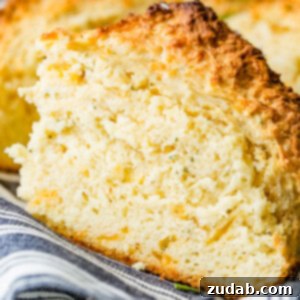
Are you someone who finds working with yeast intimidating? Fear not! This is the bread recipe you’ve been searching for. Our Garlic Cheddar Herb Irish Soda Bread requires **no yeast, no rising time, and absolutely no waiting**, yet it yields a wonderfully fluffy, incredibly flavorful loaf. The process is remarkably simple, akin to baking a cake: just combine the wet ingredients with the dry, and into the oven it goes! In less than an hour, you can have a fresh, beautifully baked loaf of artisanal bread ready to grace your table.
The marriage of sharp cheddar cheese and aromatic garlic creates a truly impeccable flavor foundation, a pairing that never disappoints. Fresh herbs, such as rosemary and thyme, are then folded in, releasing bursts of vibrant taste with every single bite. This combination elevates a classic soda bread into a gourmet experience, making it much more than just a simple side dish.
The Enduring Appeal of Irish Soda Bread: More Than Just a Holiday Treat
While often associated with St. Patrick’s Day, Irish Soda Bread is a staple in many kitchens year-round. Its humble origins and straightforward preparation make it a beloved recipe across cultures. This particular recipe takes the traditional Irish Soda Bread and infuses it with bold, savory notes, transforming it into a versatile bread that pairs well with an array of dishes, not just Irish stew. Imagine it alongside a hearty chili, a creamy tomato soup, or even as a flavorful component of a cheese board. The ease of preparation means you can whip up a batch whenever the craving strikes, without the commitment of traditional yeast breads.
Why is it Called Irish Soda Bread? Unraveling Its History and Science
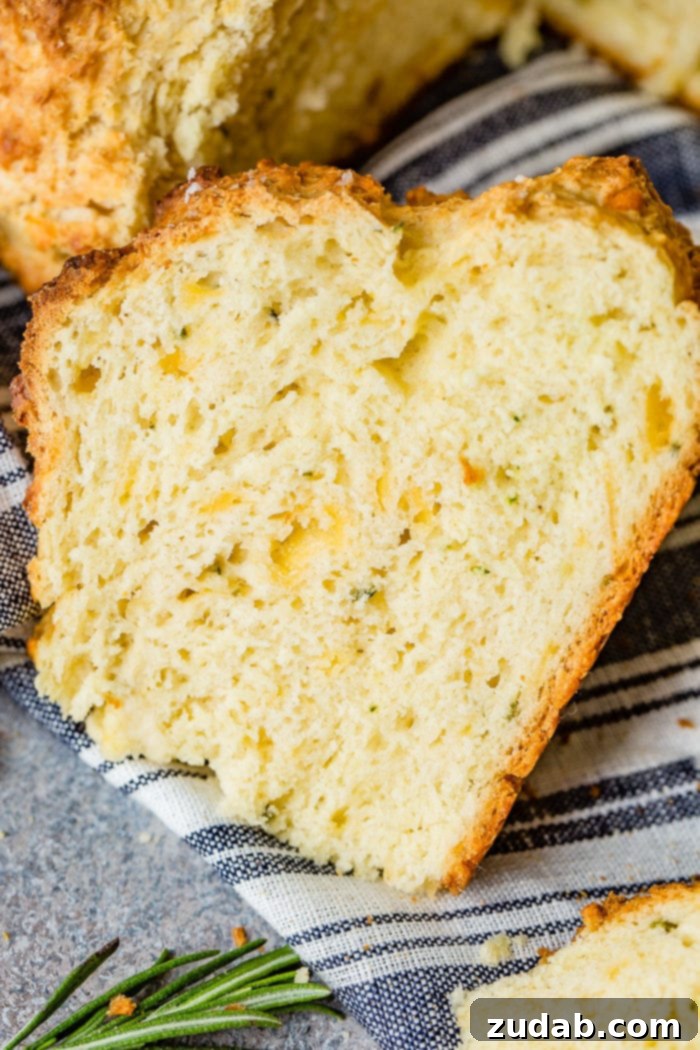
Soda bread is classified as a type of quick bread, distinguished by its use of sodium bicarbonate, more commonly known as baking soda, as the primary leavening agent. Unlike traditional yeast-risen breads that rely on fermentation, soda bread achieves its characteristic rise through a chemical reaction. The magic happens when baking soda comes into contact with an acidic ingredient. In traditional soda bread, this acidic component is buttermilk, which contains lactic acid. The interaction between the lactic acid in buttermilk and the baking soda produces tiny bubbles of carbon dioxide. These gas bubbles become trapped within the dough, expanding during baking to give the finished loaf its wonderfully light and fluffy texture.
While the name “Irish Soda Bread” is widely popular and deeply ingrained in culinary culture, the exact origins of its “Irish” designation are somewhat debated. The use of baking soda as a leavening agent for bread actually predates its widespread adoption in Ireland. In fact, Native Americans were utilizing similar quick-bread leavening techniques for centuries before they became common in Europe. However, soda bread became particularly prevalent in Ireland during the mid-19th century, especially during the Great Famine. Wheat flour and yeast were expensive or scarce, while cheaper, softer wheat flour (more suitable for soda bread) and baking soda were more accessible. The simplicity, speed, and affordability of soda bread made it a household staple, becoming deeply intertwined with Irish culinary tradition and daily life. Various regions developed their own unique versions, often passed down through generations, solidifying its identity as an iconic Irish food.
The Science of Quick Breads: No Yeast, No Problem!
For home bakers, the appeal of quick breads like Irish Soda Bread is undeniable. The absence of yeast means there’s no need for precise temperature control, no long kneading sessions to develop gluten, and most importantly, no lengthy proofing periods. This dramatically reduces the overall preparation time, making it an ideal recipe for busy weeknights or spontaneous baking urges. The chemical leavening agents work rapidly, allowing you to go from mixing bowl to baked loaf in under an hour. This efficiency, combined with delicious results, makes quick breads a beloved category in the baking world.
So Versatile: Endless Possibilities for Your Soda Bread
The beauty of soda bread lies in its remarkable versatility. While it begins with just four core ingredients – flour, baking soda, salt, and buttermilk – this basic canvas is ripe for customization. From there, your culinary imagination is the only limit! You can easily transform the base recipe by incorporating a wide array of additions, tailoring it to suit any craving or occasion. Whether you prefer sweet or savory, simple or loaded with goodness, soda bread can adapt.
For this specific recipe, we’ve opted for the delightful combination of sharp cheddar cheese and a blend of fresh garlic and herbs. The savory notes make it an excellent accompaniment to a variety of meals. However, don’t hesitate to experiment! Imagine adding sun-dried tomatoes, robust Asiago cheese, and fresh basil for a Mediterranean-inspired loaf that tastes like an Italian dream. For a sweeter version, you might fold in raisins or cranberries, a sprinkle of orange zest, and a touch more sugar, serving it with butter and jam for breakfast. Other fantastic savory additions include chopped chives, caramelized onions, crispy bacon bits, or even a hint of smoked paprika for a smoky depth of flavor. For a truly decadent treat, chocolate chips or nuts can be incorporated, turning it into a delicious dessert bread.
The Significance of the Cross on Top: Tradition Meets Practicality
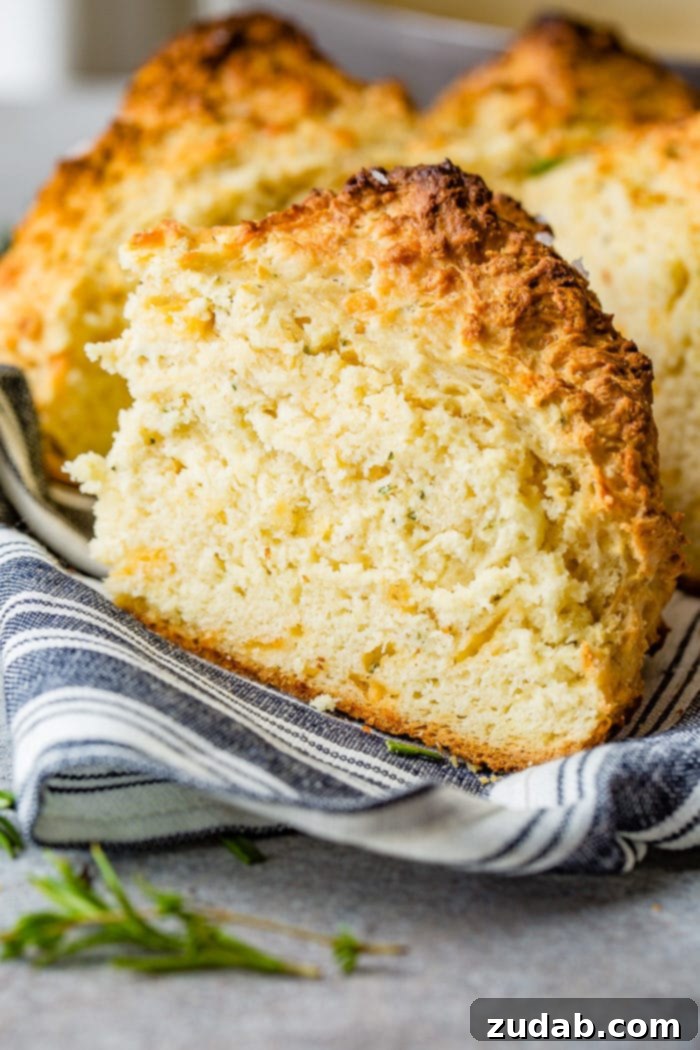
Before baking, it’s a longstanding tradition to cut a cross into the top of the soda bread dough with a knife. This practice carries rich cultural and historical significance, often rooted in folklore and spirituality. Many believed that slashing a cross on the bread would ward off evil spirits or the devil, protecting the household from harm. Additionally, the cross served as a symbol of blessing the bread or offering thanks, particularly important in times when food was a precious commodity. Some traditions even suggested that the cross allowed fairies to escape from the bread, ensuring a light and airy loaf.
Beyond these captivating legends and symbolic meanings, there is a very practical, scientific reason for making that distinctive cross. The slashes allow heat to penetrate more deeply and evenly into the thickest part of the bread, ensuring it cooks thoroughly. More importantly, these cuts enable the bread to stretch and expand properly as it rises in the oven. Without the cross, the dense dough might crack unpredictably or not achieve its full volume, resulting in a less airy texture. So, whether for tradition, blessing, or simply for a perfectly baked loaf, the cross on top is an essential step in crafting authentic Irish Soda Bread.
Less Than an Hour: Mastering Your Savory Soda Bread
The beauty of this Garlic Cheddar Herb Irish Soda Bread is its straightforward preparation and incredibly quick baking time. Let’s walk through the simple steps to create this delicious loaf in under an hour. It all begins by combining your dry ingredients: flour, salt, baking soda, and a touch of sugar. Whisk these together thoroughly to ensure even distribution of the leavening agent and seasoning.
Next, it’s time to introduce the stars of the show: the sharp cheddar cheese, minced garlic, and fresh herbs like rosemary and thyme. Toss them into the dry mixture until everything is well coated. For this recipe, shredded cheese works wonderfully, creating a uniform cheesy flavor throughout. However, if you’re feeling adventurous, try cubing the cheese into half-inch pieces. This will create delightful pockets of melted cheese that burst with flavor in every slice – a truly enjoyable textural surprise!
Now for the butter. Ensure your butter is cold, as this helps create a flakier texture. Break it into small pieces and use your fingertips to rub it into the flour mixture until it resembles coarse crumbs or a grainy texture. This process, often called “cutting in the butter,” prevents the butter from fully melting too soon, contributing to the bread’s tender crumb.
Create a well in the center of your dry ingredients, then pour in the whisked egg and buttermilk. Using a wooden spoon, gently stir the ingredients until they just come together. Avoid overmixing, as this can develop the gluten too much and result in a tough bread. Once a shaggy dough forms, switch to using your hands. Knead the dough gently, just enough until it forms a cohesive ball. Minimal handling is key to keeping soda bread tender.
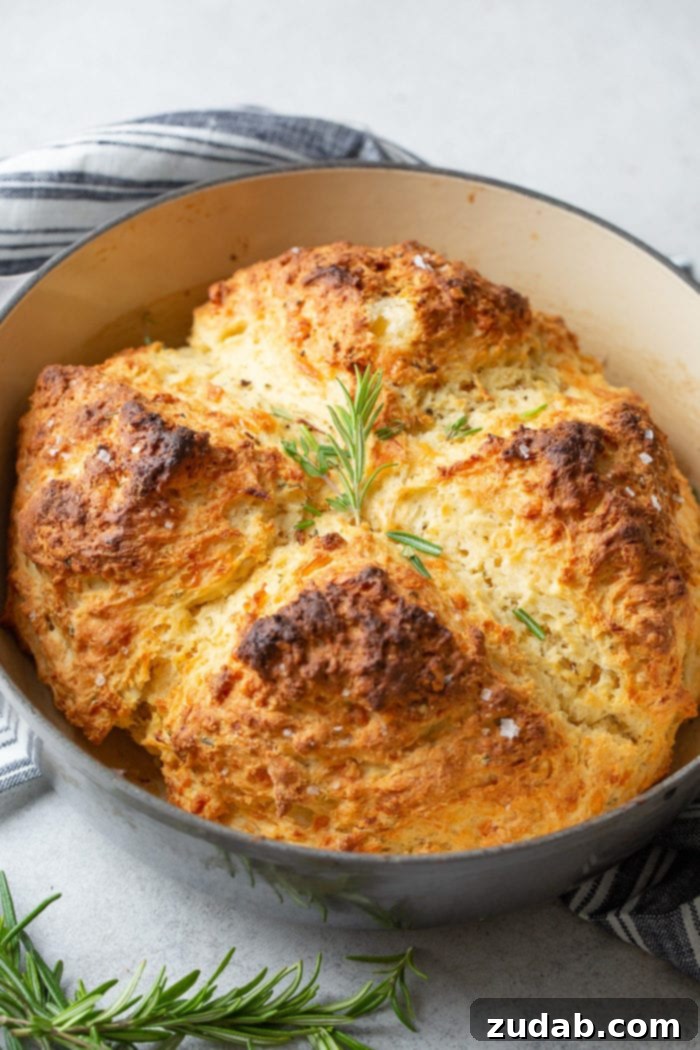
Finally, prepare your baking vessel. Whether it’s a cast-iron skillet, a Dutch oven, or a simple baking sheet, ensure it’s buttered to prevent sticking and aid in browning. Place your dough ball on top, then take a sharp knife and cut a cross about half an inch deep into the top surface. This isn’t just for looks; it allows the bread to expand properly during baking. Transfer your bread to the preheated oven and bake for approximately 35-40 minutes, or until it’s golden brown and sounds hollow when tapped. Once out of the oven, I love to sprinkle it with a pinch of kosher salt for an extra touch of flavor and texture. Slice and serve warm, ideally with a generous dollop of butter!
Expert Tips for Perfect Irish Soda Bread
How Do I Know When Soda Bread is Done?
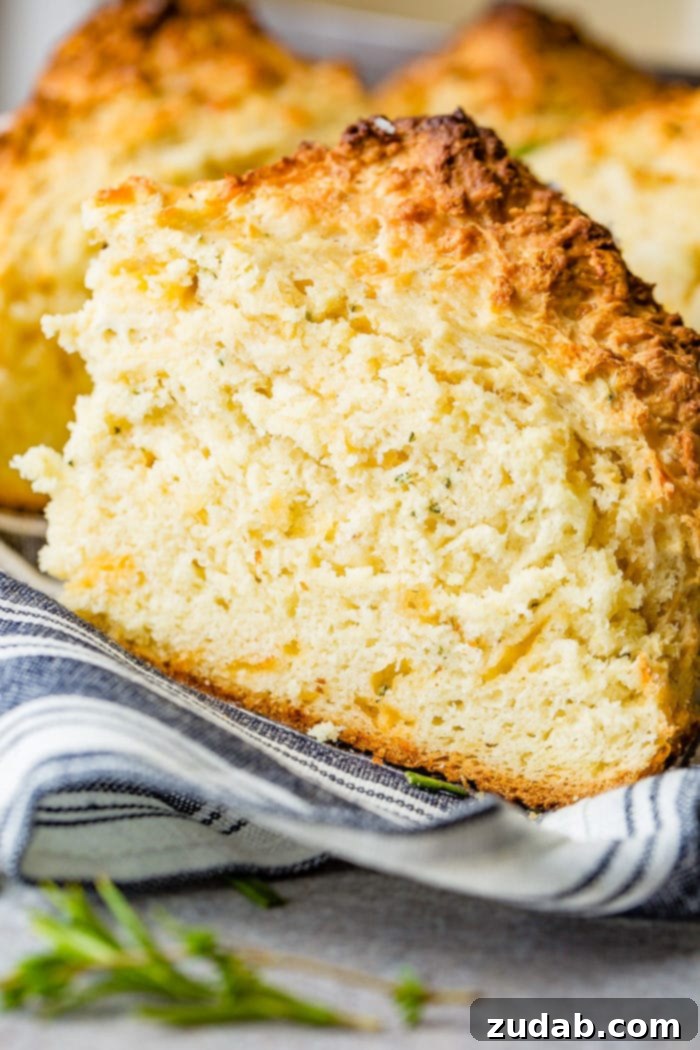
Ensuring your soda bread is perfectly baked is crucial for that ideal fluffy interior. Look for a beautiful golden-brown crust on top, indicating that the exterior has caramelized nicely. The most reliable test, however, is the “hollow sound” method: gently tap the bottom of the loaf. If it produces a hollow sound, it means the interior is fully cooked and the moisture has evaporated, leaving behind that desired airy texture. If it sounds dense or thud-like, it might need a few more minutes in the oven.
Can Irish Soda Bread be Frozen?
Absolutely! Irish soda bread freezes remarkably well, making it a great candidate for meal prep or enjoying fresh bread even longer. To freeze, first ensure the baked loaf cools completely to room temperature. This prevents condensation from forming and causing freezer burn. Once cooled, wrap the entire loaf tightly in plastic wrap, then an additional layer of aluminum foil, or place it in an airtight freezer bag. This double-layer protection helps guard against moisture loss and freezer odors. It can be stored in the freezer for up to one week without significant loss of quality. When you’re ready to enjoy it, simply thaw it at room temperature, then warm it gently in the oven for a “freshly baked” experience.
Troubleshooting Common Soda Bread Issues
- Dry or Crumbly Bread: This often happens from overmixing the dough. Remember, soda bread thrives on minimal handling. Mix just until combined.
- Dense Bread: Could be too much flour, not enough buttermilk, or expired baking soda. Ensure your baking soda is fresh and measure ingredients accurately.
- Burnt Crust, Undercooked Center: Your oven might be too hot or your loaf is too large. If the crust browns too quickly, loosely tent the bread with foil for the remaining baking time.
- Uneven Rise: Make sure your cross cut is deep enough (about 1/2 inch) to allow for proper expansion.
More Delicious Bread Sides You’ll Love:
- Homemade Baguette
- Skillet Cornbread
- Homemade Naan
- Best Potato Rolls
- Easy No Knead Artisan Bread
- Feta Muffins
- One Hour Rolls
- 7-Up Biscuits
- Whole Wheat Potato Rolls
- Sweet Potato Rolls
- Herbed Focaccia Bread
- Cheesy Ranch Rolls
- All our BREAD RECIPES here!
Garlic Cheddar Herb Irish Soda Bread Recipe
Garlic Cheddar Herb Irish Soda Bread
Sweet Basil
5
35
40
12
Ingredients
- 4 Cups Flour, plus 2 Tablespoons, for dusting
- 1 1/4 teaspoon Salt
- 1 teaspoon Baking Soda
- 1 teaspoon Sugar
- 2/3 Cup Sharp Cheddar Cheese, shredded or cubed
- 2 Cloves Garlic, minced
- 1 teaspoon Fresh Rosemary, chopped (or 1/2 teaspoon dried)
- 1 teaspoon Fresh Thyme, chopped (or 1/2 teaspoon dried)
- 4 Tablespoons Unsalted Butter, cold and cubed
- 1 Large Egg, whisked
- 1 3/4 Cup Buttermilk
- Kosher salt, for sprinkling (optional)
Instructions
-
Preheat your oven to 425°F (220°C). Prepare your chosen baking vessel (cast iron skillet, Dutch oven, or baking sheet) by lightly buttering it.
-
In a large mixing bowl, whisk together the flour, salt, baking soda, and sugar until well combined.
-
Add the shredded or cubed cheddar cheese, minced garlic, chopped fresh rosemary, and fresh thyme to the dry ingredients. Toss to ensure everything is evenly coated.
-
Add the cold, cubed butter to the flour mixture. Using your fingertips, pinch and rub the butter into the flour until the mixture resembles a grainy, coarse meal.
-
Make a well (a small indentation) in the center of your dry ingredients. Pour in the whisked large egg and the buttermilk.
-
Using a wooden spoon, gently stir the ingredients together until a shaggy dough begins to form. Then, switch to using your hands and knead the dough very gently, just until it forms a cohesive ball. Be careful not to overmix.
-
Transfer the dough ball to your prepared baking vessel.
-
Using a sharp knife, carefully cut a cross into the top of the dough. This cut should be about 1/2 inch deep.
-
Bake for 35-40 minutes, or until the top is beautifully golden brown and the bread sounds hollow when gently tapped on the bottom.
-
Remove from the oven. For an extra touch, sprinkle with a little kosher salt while still warm (optional). Slice and serve hot and fresh with your favorite soup, stew, or a knob of butter.
Recipe Notes
This savory Irish soda bread is best enjoyed fresh, but it will keep for up to 2 days at room temperature, stored in an airtight container. For longer storage, it can be frozen for up to one week (see freezing instructions above).