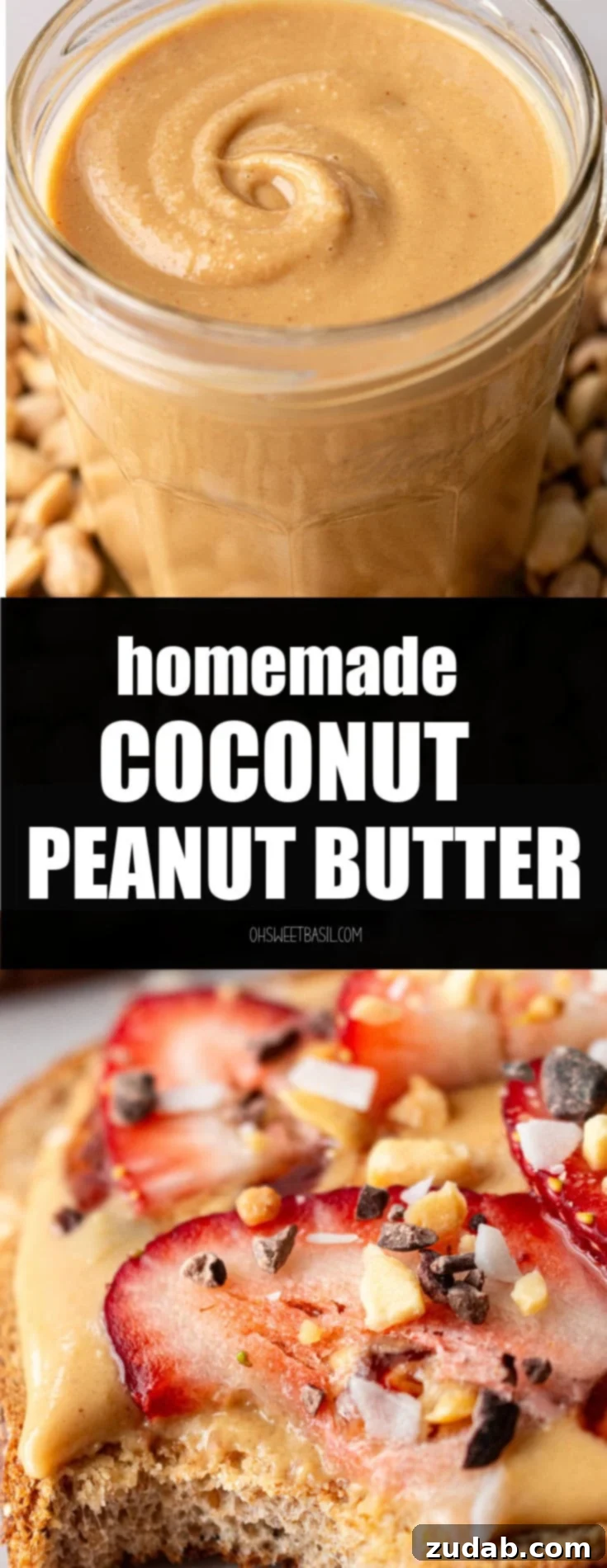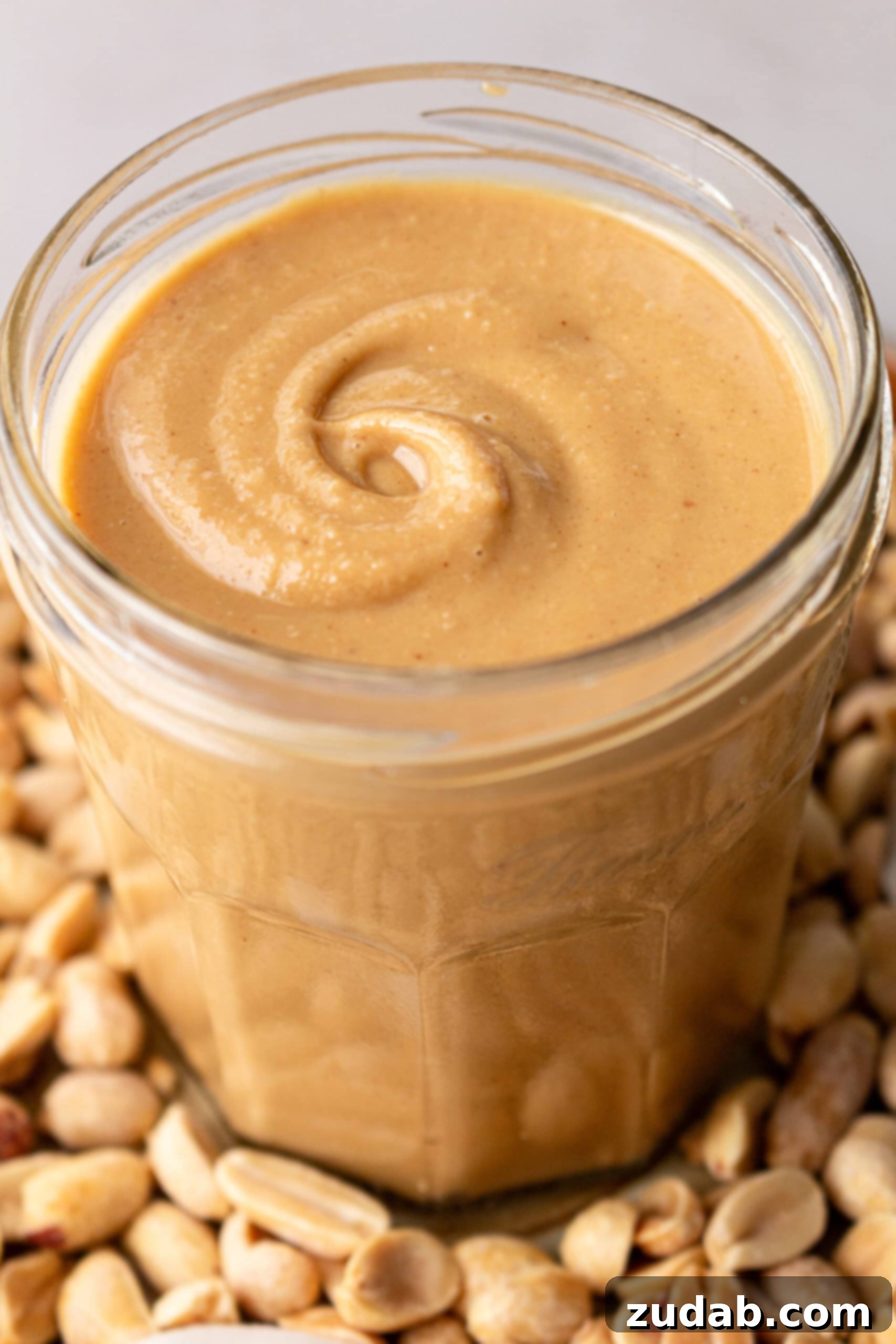
Unlock a world of creamy, tropical delight with this incredible homemade coconut peanut butter recipe. It’s a flavor combination you never knew you were missing, a little bit of heaven on earth that comes together in just 5 minutes or less! Forget store-bought spreads filled with unnecessary additives; this simple recipe puts you in control, delivering a fresh, wholesome, and utterly delicious spread that will become a staple in your pantry.
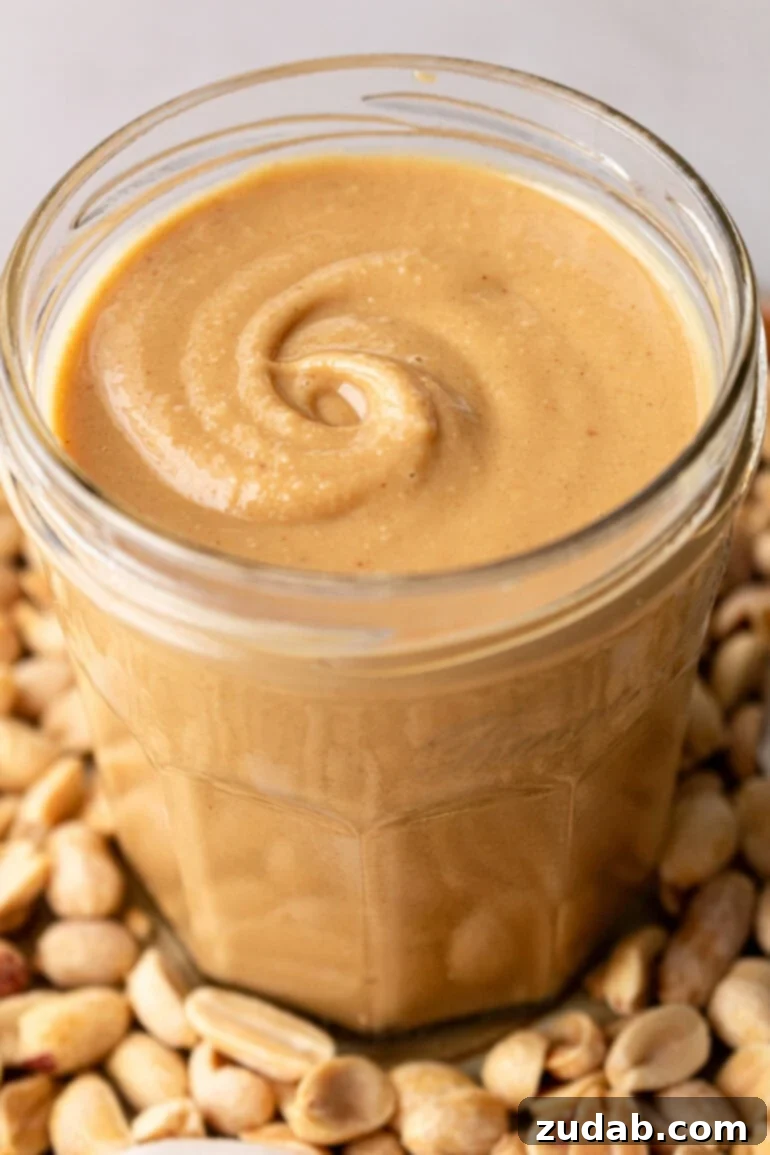
The inspiration for this exquisite spread struck during a memorable family trip to Hawaii last year, a perfect celebration for our daughter’s high school graduation. The islands, with their vibrant culture and breathtaking scenery, left us with more than just cherished memories – they sparked a culinary adventure. We returned home, eager to recreate the incredible flavors we experienced, and the first item on our list was a unique coconut peanut butter.
During our visit to Waialua Bakery in the charming town of Haleiwa, I had my first taste of a coconut peanut butter that instantly captivated my palate. Its rich, nutty base perfectly complemented by the sweet, aromatic essence of coconut was unlike anything I had ever tried. I’ve been craving that distinctive flavor ever since! This culinary revelation led me straight to my kitchen, determined to replicate that Hawaiian magic. Through extensive testing, I discovered two crucial secrets: first, the absolute necessity of using dried coconut for the right texture and intense flavor – never fresh; and second, the irresistible urge to slather this amazing concoction on virtually everything!
Why Choose Homemade Coconut Peanut Butter?
Making your own homemade coconut peanut butter offers numerous advantages over store-bought varieties. Firstly, you have complete control over the ingredients, ensuring no artificial preservatives, hydrogenated oils, or excessive sugars make their way into your spread. This allows you to tailor it to your dietary needs and preferences, making it a healthier option for your family. Secondly, the freshness is simply unmatched. You’ll taste the difference in the vibrant flavors of freshly ground peanuts and aromatic coconut. Lastly, it’s surprisingly economical. Buying individual ingredients often costs less than premium nut butters, and the process is incredibly satisfying.
Essential Ingredients for Your Tropical Peanut Butter Creation
This effortless homemade peanut butter recipe calls for just a handful of ingredients, allowing the natural flavors to shine. Knowing exactly what goes into your food is a wonderful feeling. Here’s what you’ll need to gather:
- Bare Toasted Coconut Chips: These are a game-changer for flavor and texture. Unlike shredded coconut, the chips provide a richer, more pronounced coconut essence and break down beautifully into the spread. You can typically find Bare Toasted Coconut Chips in the snack aisle or health food section of most major grocery stores, including Walmart, Kroger, Harmon’s, Target, and, of course, they are readily available online through Amazon. If you can’t find this specific brand, any high-quality, unsweetened, dry-roasted coconut chips or flakes will work, just ensure they are dried, not fresh.
- Unsalted Dry Roasted Peanuts: The choice of peanuts is vital for achieving the perfect consistency and deep nutty flavor. Always opt for dry roasted peanuts over raw ones, as roasting brings out their intense, complex taste. Furthermore, unsalted peanuts are crucial because they give you complete control over the final seasoning of your peanut butter, allowing you to adjust the salt level to your liking.
- Vanilla Extract: A touch of vanilla extract works wonders to enhance and round out the flavors, adding a subtle warmth and depth that complements both the peanuts and coconut beautifully. Use a good quality pure vanilla extract for the best results.
- Salt: Just a pinch of salt is essential. It acts as a flavor enhancer, balancing the sweetness and intensifying the natural taste of the peanuts and coconut. Even if you’re aiming for a sweet spread, a little salt is key to preventing it from tasting flat.
- Brown Sugar: This ingredient provides a delicate sweetness and a hint of caramel-like richness. Brown sugar contributes to the creamy texture and melds wonderfully with the other flavors. For those looking for alternative sweeteners, maple sugar can be used as a direct substitute for a different but equally delicious flavor profile. You could also experiment with a small amount of honey, agave nectar, or even a sugar-free alternative like erythritol or stevia, adjusting to taste.
The precise measurements for each ingredient, along with detailed instructions, can be found in the recipe section further down this article. This list provides a comprehensive overview of the components you’ll need to begin your culinary journey.
Crafting Your Homemade Coconut Peanut Butter: A Simple Guide
You’ll be hard-pressed to find an easier recipe to prepare! The entire process takes mere minutes, mostly hands-off, thanks to the power of your blender or food processor. Gather a sturdy blender or food processor, a rubber spatula, and your measuring cups and spoons, and let’s get started:
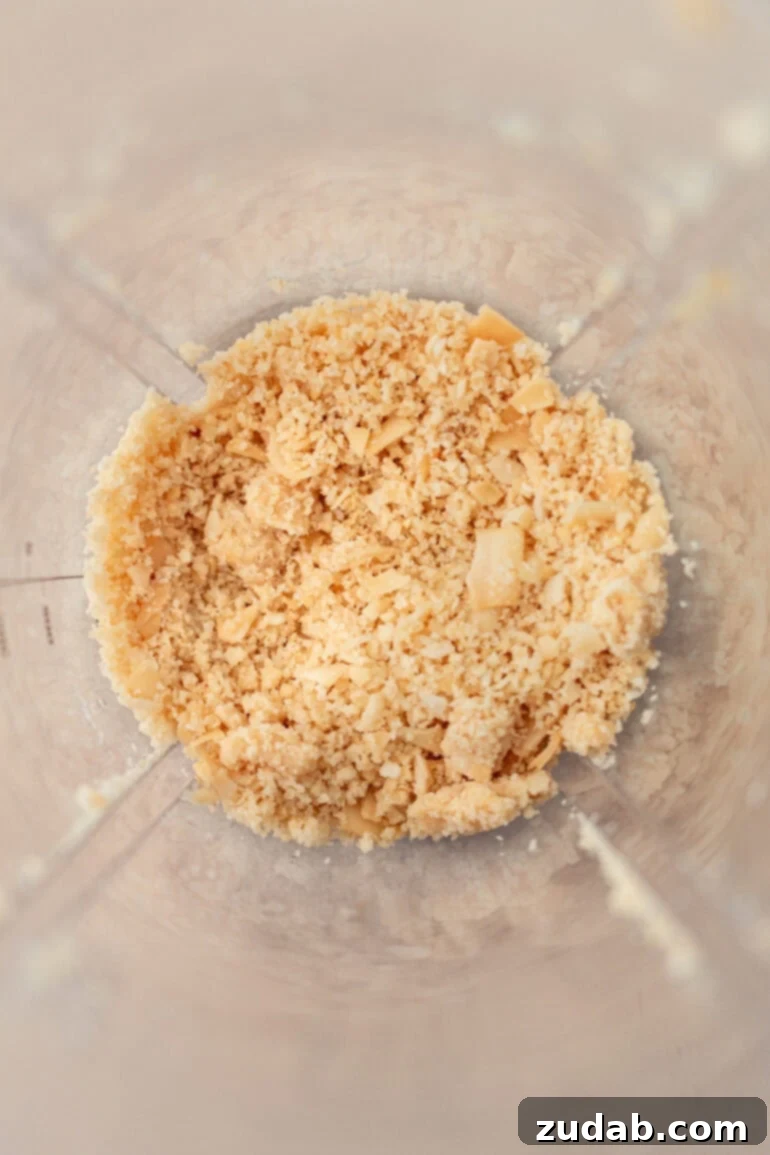
- Initial Blend – Coconut First: Begin by adding your toasted coconut chips to your high-speed blender or food processor. Process the coconut chips alone until they break down into a grainy, almost sandy texture. This initial step is crucial for ensuring the coconut is finely incorporated and releases its natural oils, which will contribute to the creamy consistency. Be patient, it might take a minute or two to achieve the desired graininess.
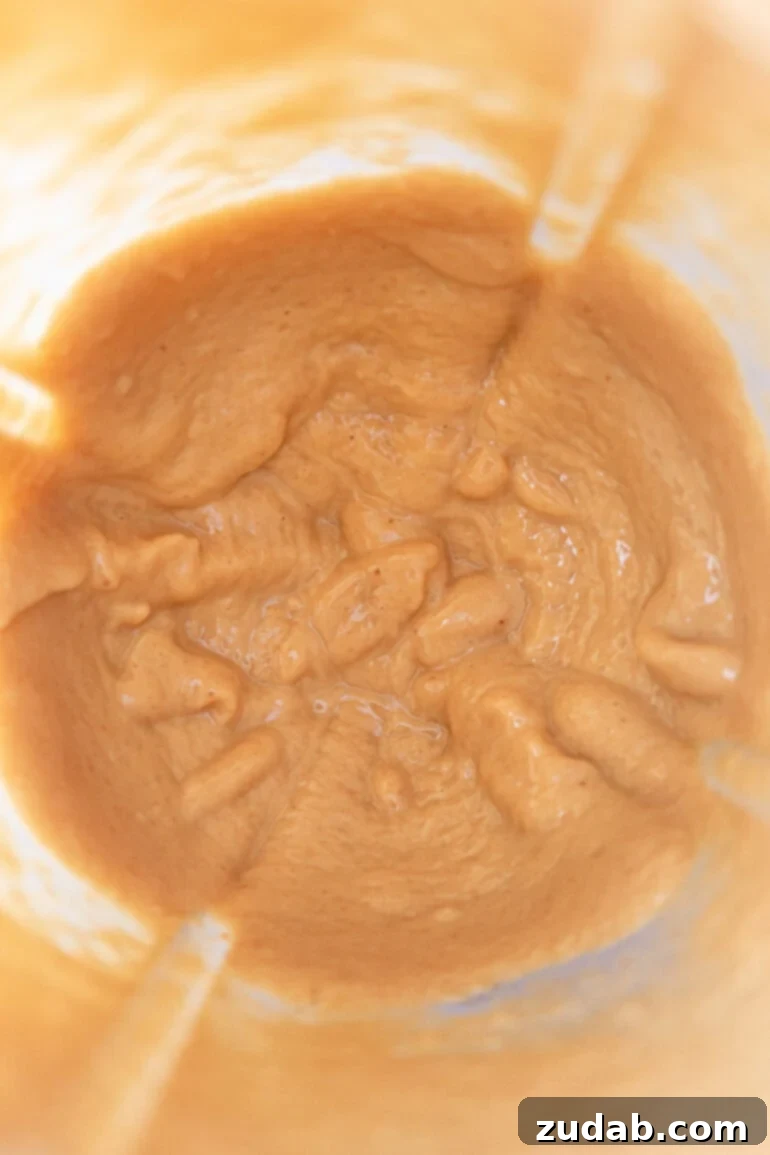
- Creamy Transformation – Add Peanuts: Next, introduce the unsalted dry roasted peanuts to the blender with the grainy coconut. Continue to blend. At first, the mixture will appear crumbly, like coarse flour. As you keep blending, the natural oils from the peanuts will start to release, and the mixture will gradually transform. It will go from crumbly to a thick paste, and then, magically, to a wonderfully smooth and creamy butter. This can take anywhere from 3 to 5 minutes, depending on the power of your appliance. Remember to stop occasionally and use your rubber spatula to scrape down the sides of the blender jar, ensuring all those peanuts are thoroughly incorporated and blended evenly. This prevents any dry pockets and helps achieve a uniform consistency.
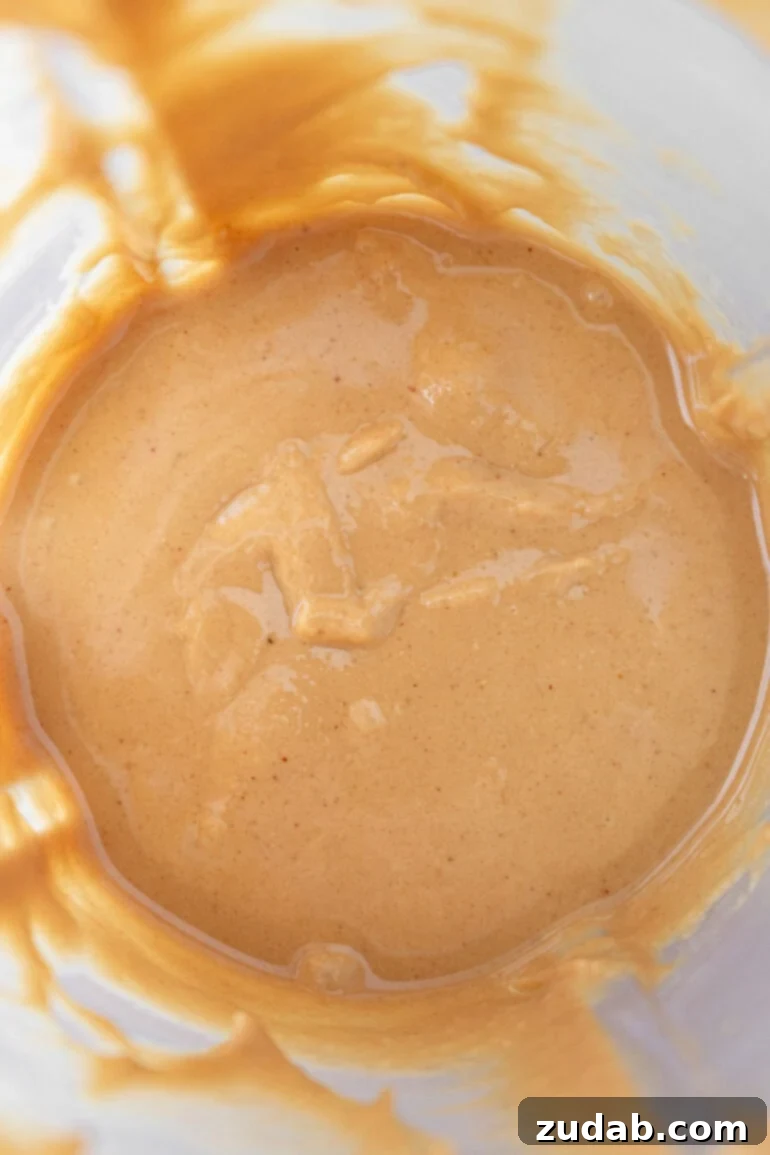
- Flavor Enhancement – Finish with Remaining Ingredients: Once your peanut and coconut base is smooth and creamy, add the vanilla extract, salt, and brown sugar (or maple sugar). Blend for another minute or two until all the ingredients are fully combined and the mixture is silky smooth. Taste and adjust the sweetness or saltiness if desired. If you prefer a slightly thinner consistency, you can add a tiny drizzle of neutral oil (like coconut oil or a high-quality vegetable oil) or a tablespoon of warm water, blending until smooth.
The complete recipe card below provides all the exact ingredient quantities and step-by-step instructions. You can also easily print or save the recipe from there for future reference.
Unleash the Versatility: How to Enjoy Coconut Peanut Butter
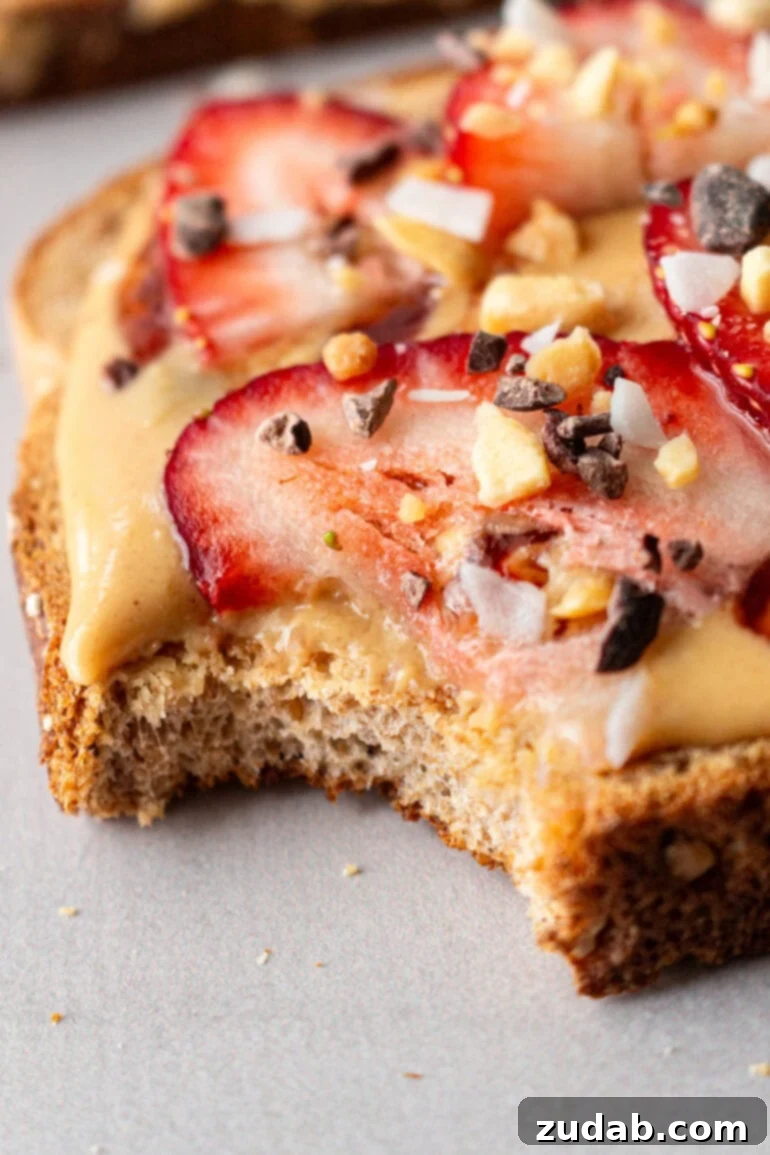
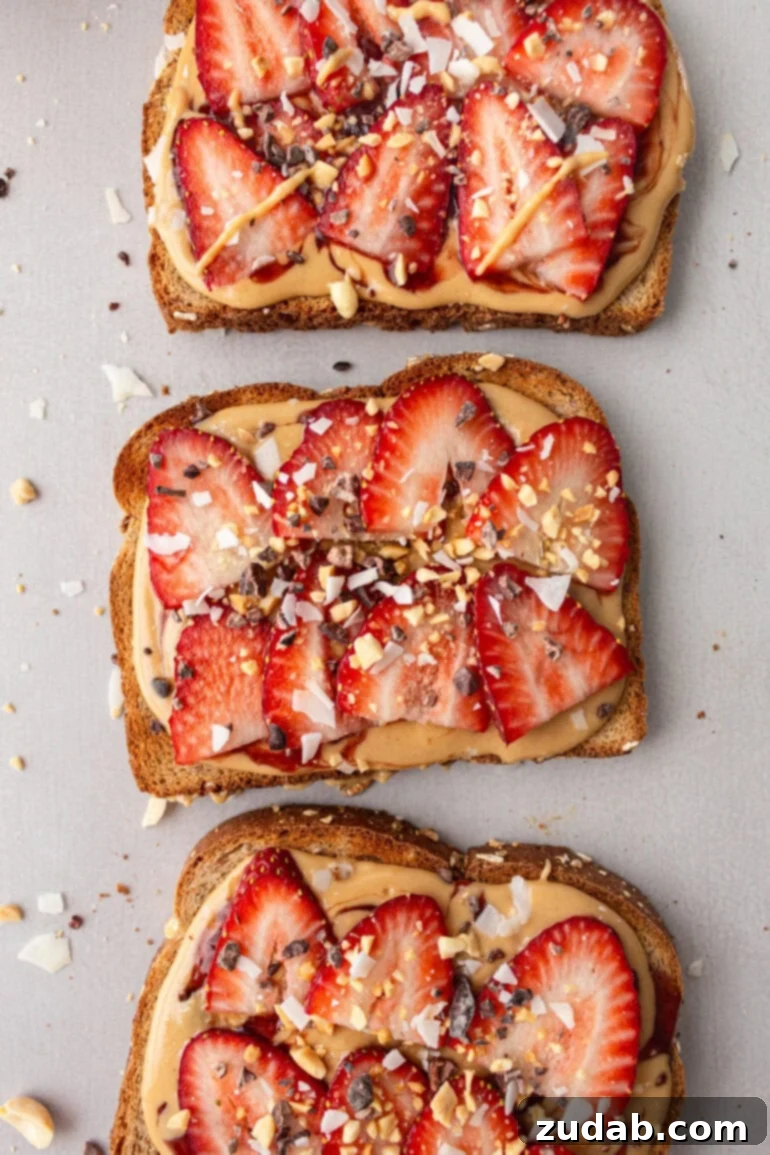
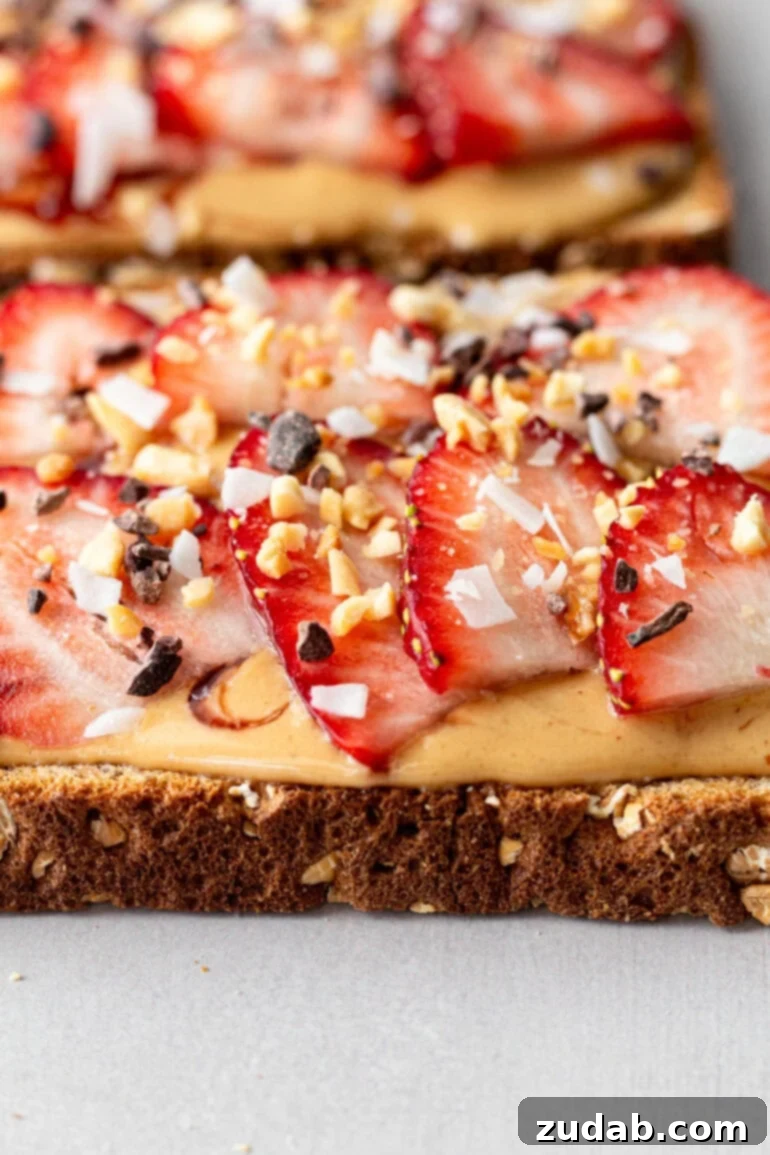
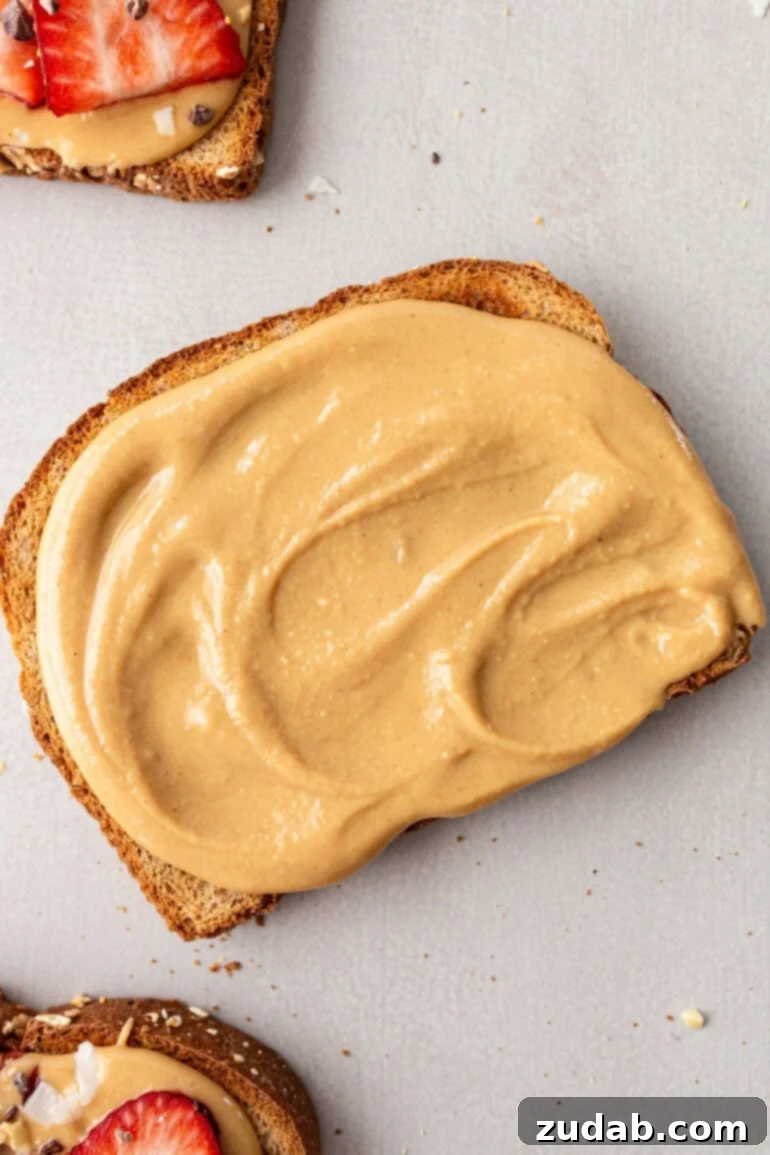
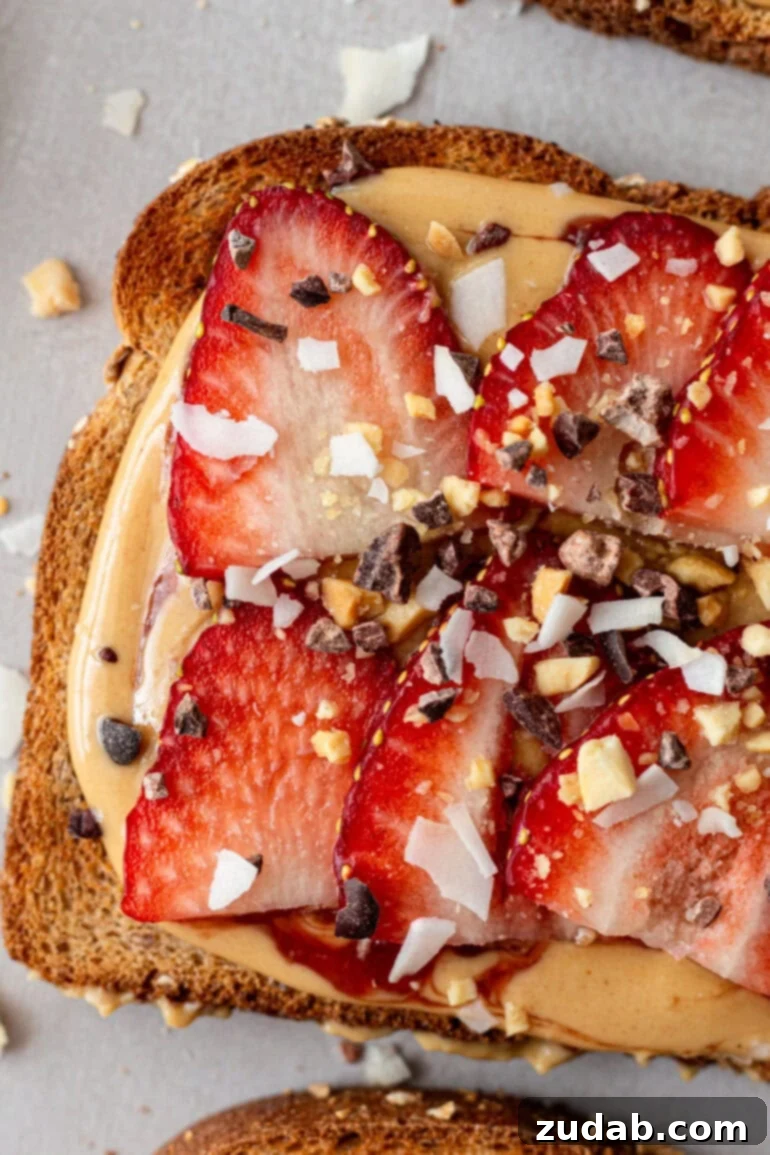
This irresistible peanut butter with coconut is so incredibly delicious, you’ll find yourself reaching for it constantly! It’s far more versatile than just a simple spread. My absolute favorite way to enjoy it is spread generously over a lightly toasted slice of multi-grain bread. Sometimes I keep it simple with just the coconut peanut butter, savoring its pure, rich flavor. Other times, I load it up with an array of toppings to create a more substantial and colorful meal. Here are some fantastic ideas to incorporate this tropical delight into your daily routine:
- On Toast or Bagels: This is a classic for a reason! Pair it with sliced fresh fruit like bananas, strawberries, blueberries, or even mango for a truly tropical breakfast. A sprinkle of chia seeds, granola, or a drizzle of honey can elevate it further.
- Boost Your Smoothies: Substitute your regular peanut butter or other nut butter with this coconut-infused version in any smoothie recipe. It adds an incredible depth of flavor and creaminess. Imagine it in a chocolate banana smoothie bowl for an extra decadent twist.
- Breakfast Topping Extravaganza: Drizzle it warm over a stack of fluffy buttermilk pancakes or crispy waffles. The subtle coconut flavor pairs beautifully with maple syrup or fruit compotes.
- Elevate Your Grains and Yogurt: Stir a spoonful into your morning oatmeal, overnight oats, or homemade yogurt for an instant flavor upgrade. It adds richness and a delightful texture.
- A Simple, Healthy Dip: Enjoy it on its own as a delightful dip for fresh apple slices, banana coins, carrot sticks, or celery. For an extra creamy experience, mix it with a bit of Greek yogurt to create a delicious peanut butter yogurt dip!
- Energy Bites and Bars: This spread is an excellent binder and flavor enhancer for homemade energy balls and bars. It would be absolutely amazing in our peanut butter monster energy balls, adding a unique tropical note.
- Midday Snack Perfection: Spread it on rice cakes or crackers for a quick, satisfying, and protein-packed snack. Top with a sprinkle of cinnamon or a few chocolate chips for an extra treat.
- Baking Adventures: Experiment with incorporating it into your favorite cookie, brownie, or cake recipes. It can replace traditional peanut butter for a new flavor dimension in classic desserts.
Can I Substitute Store-Bought Peanut Butter for Peanuts?
Yes, you can certainly use store-bought creamy peanut butter as a base if you’re looking to save a step or don’t have whole roasted peanuts on hand. However, there are a few considerations. Store-bought peanut butter, especially conventional brands, often contains a significant amount of added sugar, which will make your final coconut peanut butter sweeter than intended by this recipe. If you opt for this method, consider reducing or omitting the brown sugar called for in the recipe, and taste as you go. Natural peanut butter, which typically contains only peanuts and salt, would be a less sweet and generally healthier option, allowing for better control over the added sweetness.
Pro Tips and Tricks for Perfect Coconut Peanut Butter
Achieving the ideal consistency and flavor is easy with these helpful tips:
- Choose Dry Roasted Peanuts: For the absolute best results, always use dry roasted peanuts. When blended, they produce a much smoother, creamier peanut butter compared to raw peanuts. Roasted peanuts also boast a deeper, more pronounced peanut flavor that elevates the entire spread.
- Dried Coconut is Key: As mentioned, always use dried coconut chips or flakes, not fresh. Fresh coconut contains too much moisture, which can lead to a less stable and potentially chunky or gritty texture. Dehydrated coconut chips break down beautifully and impart a concentrated coconut flavor. If Bare Toasted Coconut Chips aren’t available, any good quality dehydrated, unsweetened coconut chip or flake will work.
- Scrape Down the Sides: This is a crucial step when making any nut butter. Stop your blender or food processor occasionally, every 30-60 seconds, and use a rubber spatula to scrape down the sides of the jar. This ensures all ingredients are consistently incorporated into the blending process, preventing lumps and achieving a uniformly smooth texture.
- Patience During Blending: The transformation from whole nuts to smooth butter takes time. Be patient and let your machine work. It might look crumbly or stuck at first, but with continued blending and scraping, it will eventually turn into a creamy consistency.
- Stir Before Each Use: Homemade nut butters do not contain emulsifiers, so the natural oils will separate over time and rise to the top. This is perfectly normal! Simply give your coconut peanut butter a good stir with a knife or spoon before each use to reincorporate the oils and restore its creamy texture.
- Adjust Sweetness and Salt to Taste: Feel free to customize the brown sugar and salt amounts. Taste the butter after the initial blend of all ingredients and adjust to your personal preference. Some may prefer it less sweet, while others might enjoy a touch more salt.
- Ensure Your Blender/Food Processor is Up to the Task: A high-speed blender or a powerful food processor is essential for achieving a super smooth and creamy texture. Less powerful machines might struggle and produce a grittier result.
Storage and Shelf Life
Proper storage is essential to keep your homemade coconut peanut butter fresh and flavorful. Store it in an airtight container to prevent oxidation and maintain its quality. You have a couple of options:
- Room Temperature: Your coconut peanut butter can be stored at room temperature in a cool, dark pantry for approximately one month. This method is convenient for everyday use, but be mindful of the ambient temperature, as very warm conditions can accelerate oil separation and potential spoilage.
- Refrigerator: For extended freshness, store the airtight container in the refrigerator. When refrigerated, your homemade coconut peanut butter will maintain its quality for up to three months. The cooler temperature helps to slow down oil separation and inhibits bacterial growth, preserving its taste and texture for longer. Keep in mind that it will firm up considerably in the fridge, so you might need to let it sit out for a few minutes or give it a vigorous stir to achieve a more spreadable consistency.
I do not recommend freezing homemade coconut peanut butter, as the texture can become grainy and unpleasant upon thawing due to the separation of fats and solids.
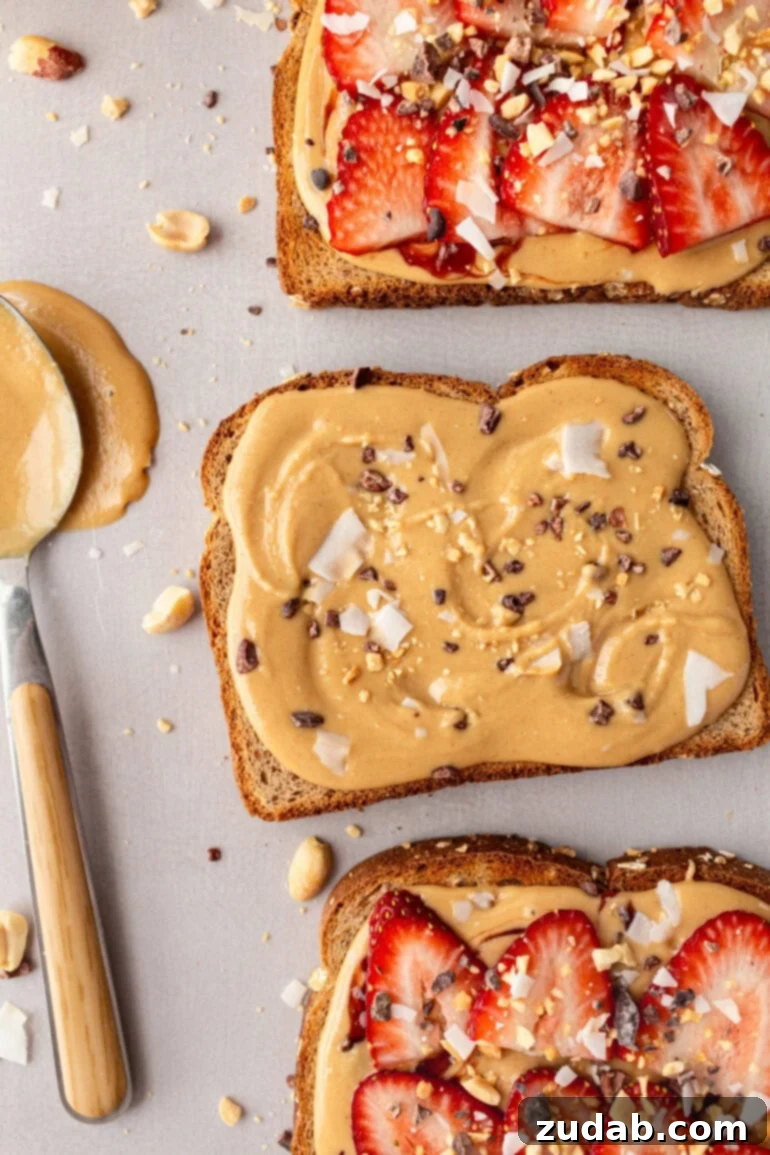
Imagine spreading the velvety richness of freshly made coconut peanut butter onto a warm slice of toast. With every bite, you savor the perfect balance of smooth, creamy peanuts and the tropical sweetness of coconut. It’s a luscious, nutty treat that you never knew you were missing! This delightful spread instantly transports me back to the sun-drenched beaches and gentle breezes of Hawaii—pure paradise in a jar.
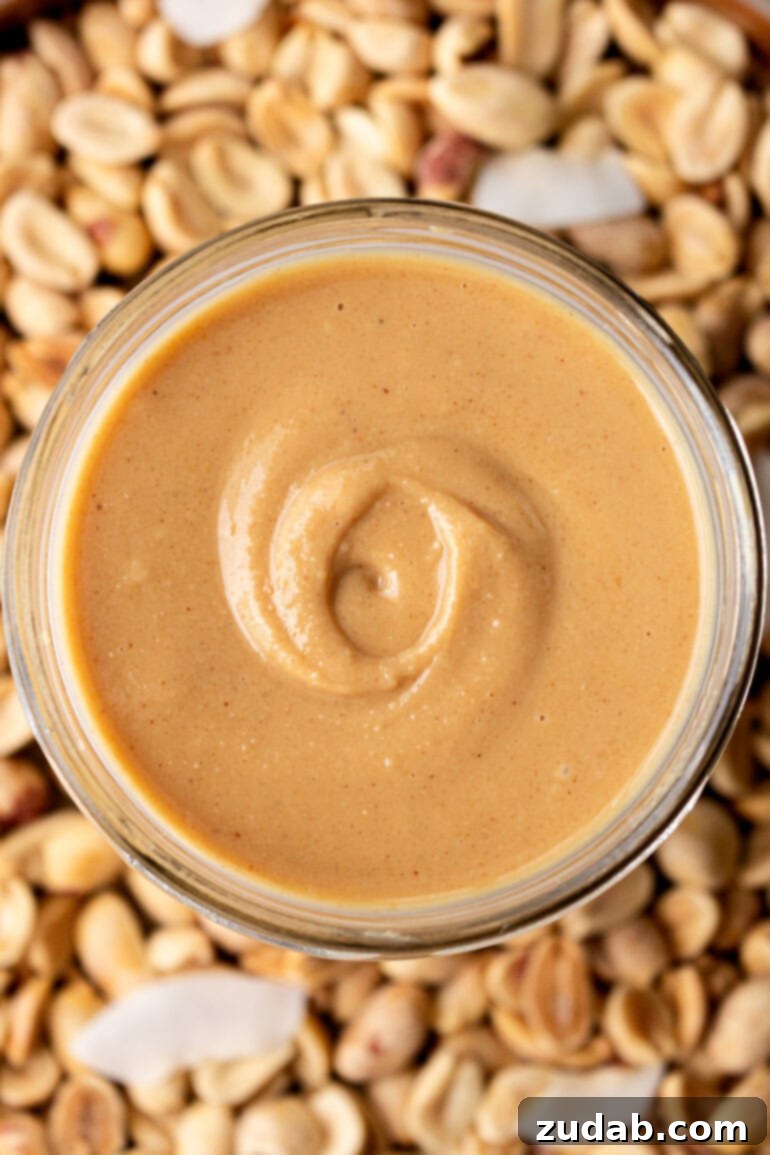
Recipe: Homemade Coconut Peanut Butter
By Carrian Cheney
Prep Time: 5 minutes
Total Time: 5 minutes
Yields: Approximately 24 servings (1 Tablespoon per serving)
Ingredients
- 1 Cup Bare Toasted Coconut Chips
- 2 Cups Unsalted Roasted Peanuts
- 1 teaspoon Vanilla Extract
- 1/4 teaspoon Salt
- 1 Tablespoon Brown Sugar (or maple sugar)
Instructions
- Add the coconut chips to a blender or food processor and blend until grainy. Scrape down sides as needed.
- Add the peanuts and continue to blend until smooth and creamy, scraping down the sides occasionally to ensure even blending.
- Add the vanilla extract, salt, and brown sugar (or maple sugar). Blend for another minute until all ingredients are fully incorporated and the mixture is silky smooth.
Nutrition (Approximate per 1 Tablespoon serving)
Serving: 1 Tablespoon, Calories: 96kcal, Carbohydrates: 3g, Protein: 4g, Fat: 8g, Saturated Fat: 3g, Polyunsaturated Fat: 2g, Monounsaturated Fat: 3g, Sodium: 78mg, Potassium: 115mg, Fiber: 2g, Sugar: 1g, Vitamin C: 0.1mg, Calcium: 14mg, Iron: 0.4mg
Nutrition information is automatically calculated and should only be used as an approximation.
More Tasty Homemade Toppings to Explore
If you loved making your own coconut peanut butter, you’ll surely enjoy experimenting with these other homemade topping recipes that add a special touch to any dish:
- Apple Butter
- Homemade Dulce de Leche
- Vanilla Bean Whipped Cream
- Strawberry Jam
- Blender Lemon Curd
- Oreo Biscoff Spread