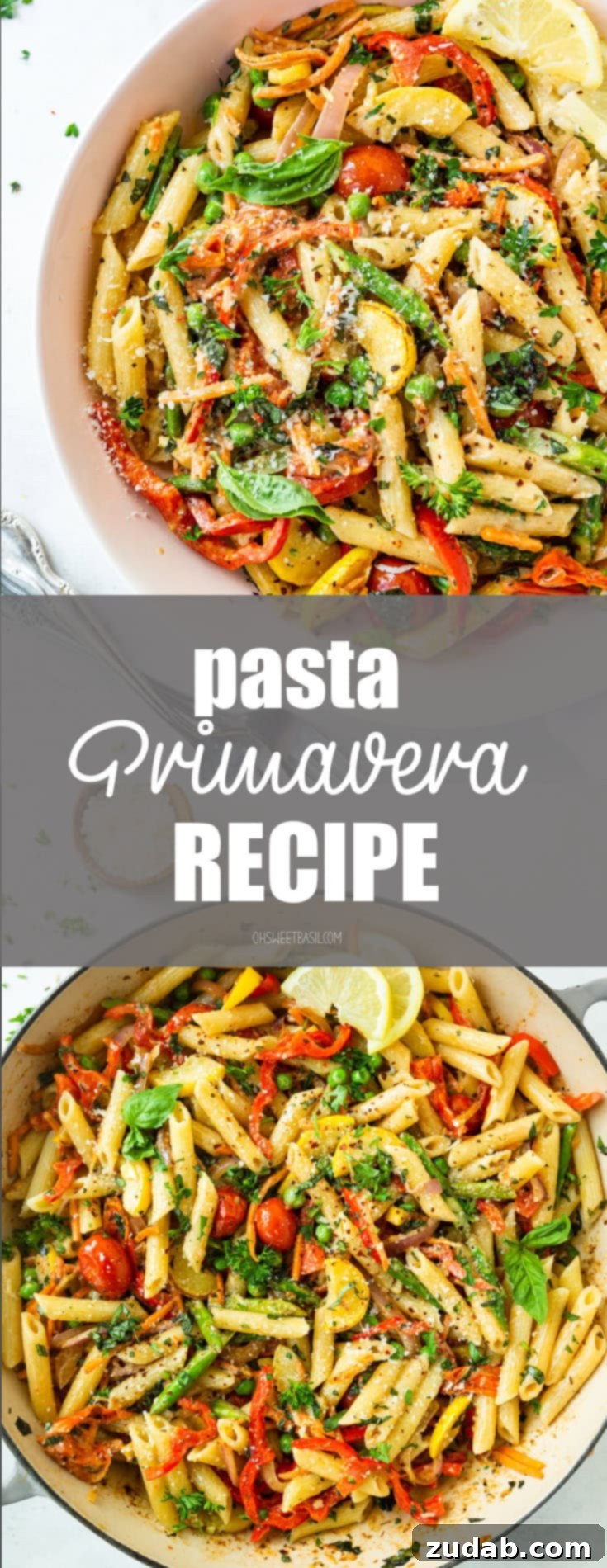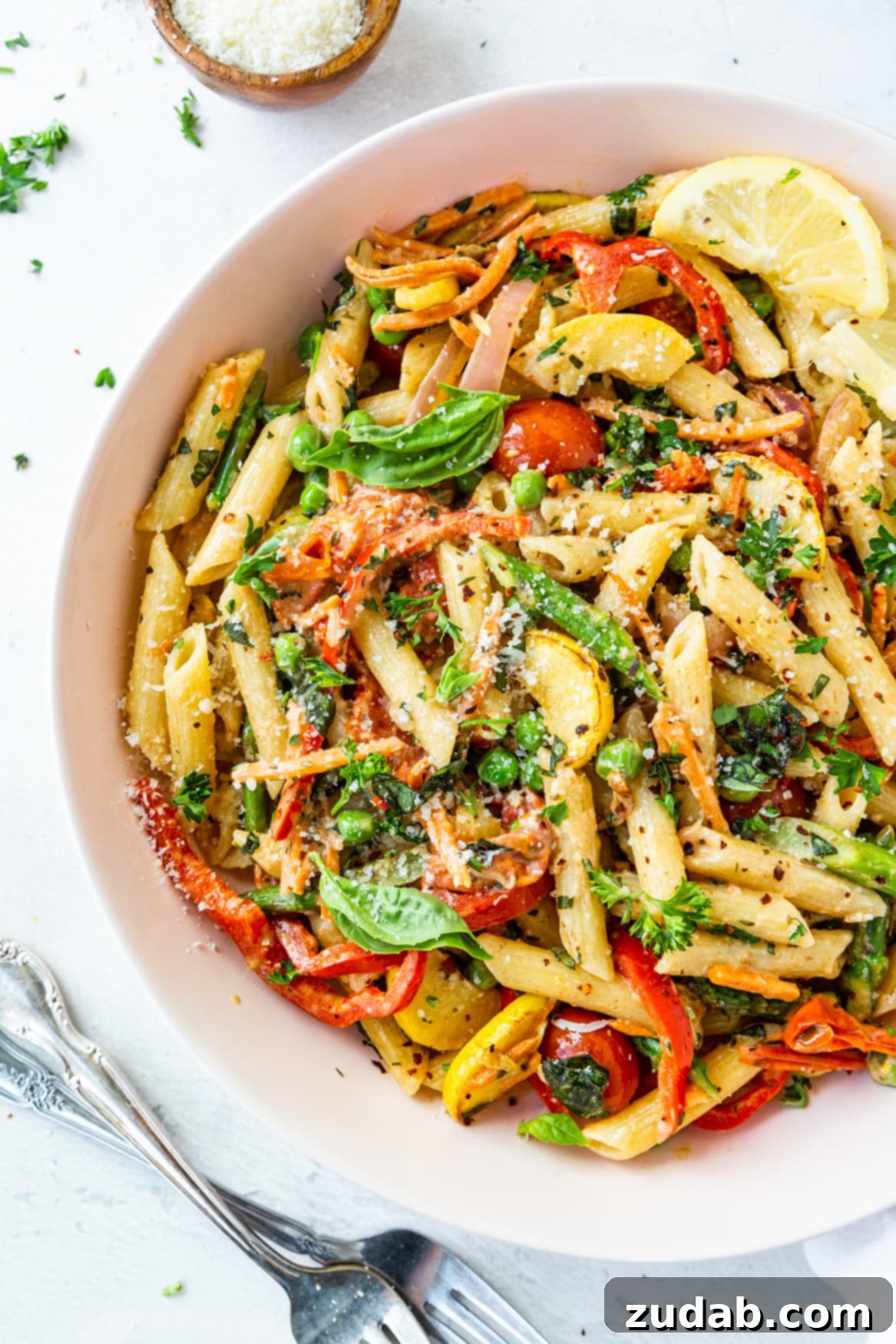
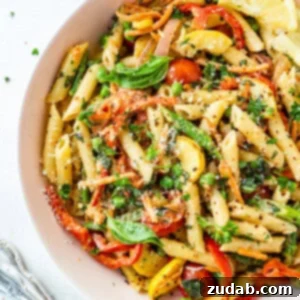
Welcome to the ultimate guide for creating the most exquisite and easy **Pasta Primavera recipe**, a dish that beautifully celebrates the vibrant flavors of spring and summer. This beloved Italian-inspired meal is not just a crowd-pleaser; it’s a testament to the simplicity and elegance of fresh, seasonal ingredients. Imagine perfectly cooked pasta, generously tossed with a medley of crisp vegetables and aromatic herbs, all coated in a luxuriously creamy, yet light, sauce. It’s a healthy, satisfying, and utterly delicious dish that promises to delight every member of your family, making it an ideal choice for any weeknight or special occasion.
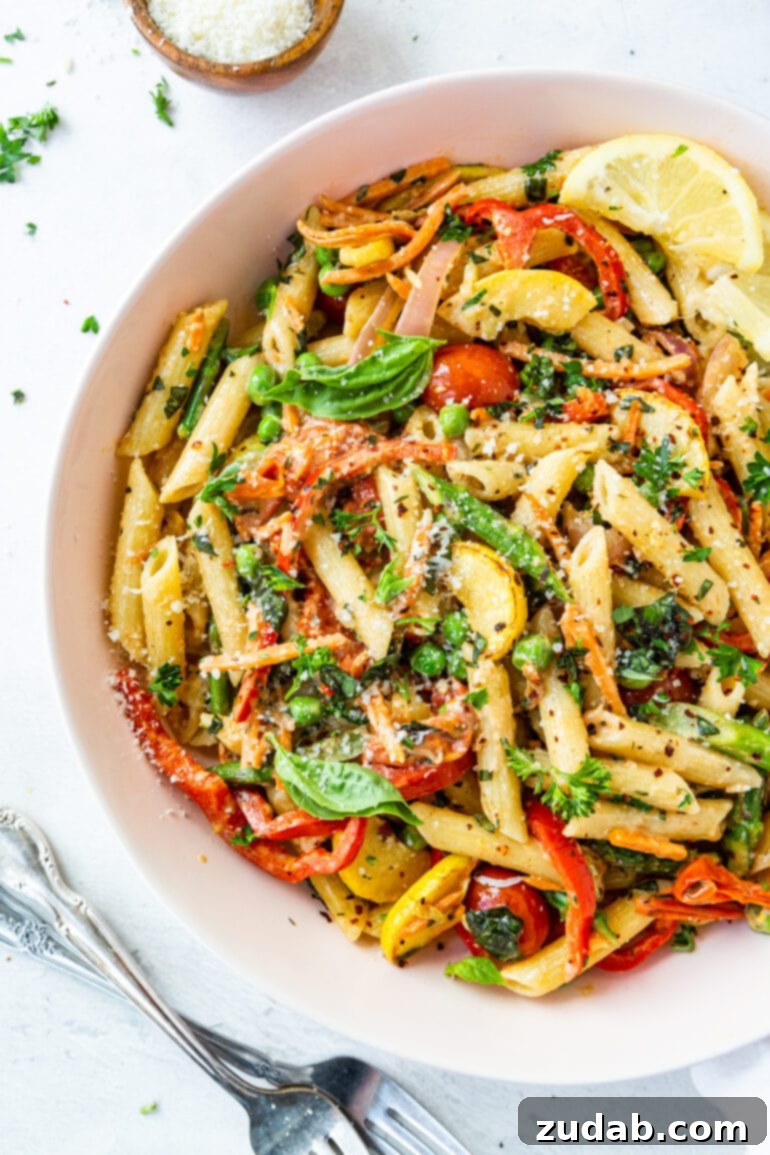
Just recently, I found myself craving something refreshingly light yet incredibly flavorful, and this **Pasta Primavera recipe** delivered beyond expectation. As avid enthusiasts of asparagus, any dish featuring this wonderful spring vegetable instantly captures our hearts. What makes this particular recipe stand out is its ability to be completely meatless without sacrificing an ounce of flavor or satisfaction. In fact, my husband and I often enjoy incorporating vegetarian meals into our routine, especially when they burst with as much taste as this Primavera. For those who prefer a protein boost, this dish is incredibly versatile; you could easily add some perfectly grilled chicken, succulent lemon-garlic shrimp, or even tender pan-seared scallops for an elevated touch, making it an even more comprehensive and delectable meal.
Beyond its incredible taste, Pasta Primavera offers significant health benefits. It’s an excellent way to incorporate a substantial amount of fresh vegetables into your diet, providing essential vitamins, minerals, and fiber. The combination of colorful veggies makes it visually appealing, while the creamy sauce (which can be made lighter with a few adjustments, as we’ll discuss) adds a comforting richness. This dish is truly a celebration of fresh produce, making it a fantastic choice for those looking for a wholesome and flavorful meal.
Understanding the Essence of Primavera
The term “Primavera” is derived from Italian, meaning “spring,” and in the culinary world, it perfectly encapsulates the spirit of the season. A Primavera dish is characterized by its generous use of fresh, seasonal vegetables, typically served with pasta and often enrobed in a light, creamy, or sometimes olive-oil-based sauce. The concept originated in the 1970s, famously linked to New York City restaurants, becoming a sensation for its fresh approach to pasta. It’s more of a culinary philosophy than a strict recipe, emphasizing the bounty of spring’s harvest – crisp, tender, and vibrant produce.
This approach allows for immense flexibility, encouraging cooks to use whatever vegetables are freshest and most abundant at the moment. Whether it’s the early spring shoots of asparagus and peas, or the late spring abundance of bell peppers and tomatoes, Primavera adapts beautifully to the changing seasons, ensuring a delicious and dynamic meal every time. It’s a dish that encourages creativity and highlights the natural sweetness and texture of vegetables, making them the star of the plate.
Essential Ingredients for a Perfect Pasta Primavera
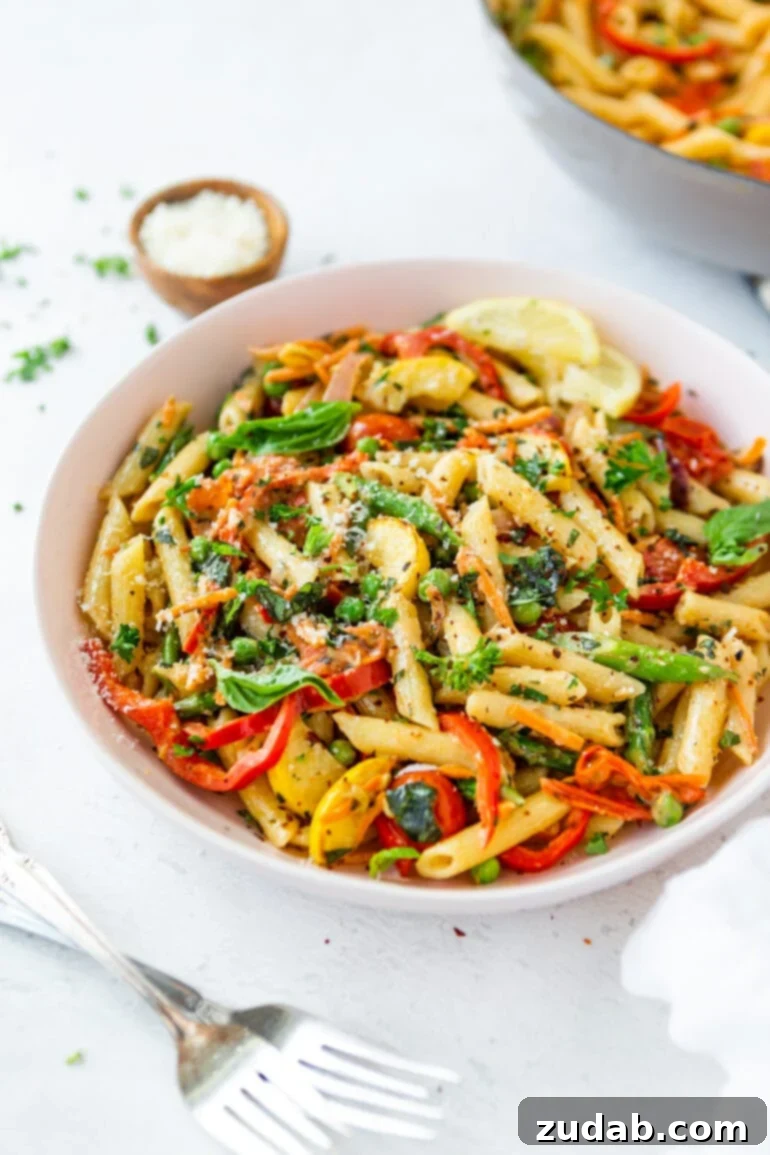
One of the beauties of Pasta Primavera is its adaptability. While I’ll share our family’s favorite combination of fresh vegetables and seasonings, feel free to personalize this **pasta recipe** with your own preferred seasonal produce. The key is to select ingredients at their peak freshness to ensure maximum flavor. Here’s a detailed look at what you’ll need to create this delightful dish:
- Pasta: We love using penne for its ability to hold the creamy sauce and bits of vegetables, but any bite-sized pasta will work beautifully. Excellent alternatives include orecchiette, rigatoni, farfalle (bow-tie pasta), or fusilli. The nooks and crannies of these shapes are perfect for capturing the vibrant sauce and tender veggies.
- Fresh Vegetables: Asparagus spears (with tough ends snapped and cut into diagonal pieces), crisp yellow squash (diced), bright matchstick carrots, vibrant red bell pepper (thinly sliced), thinly sliced red onion, sweet grape or cherry tomatoes, and tender peas (fresh or frozen for convenience). These vegetables not only contribute incredible flavor but also a beautiful array of colors, making the dish visually stunning.
- Optional Vegetable Additions: Don’t hesitate to experiment with other vegetables based on availability and personal preference. Consider adding tender broccoli florets, snappy green beans, earthy spinach, slightly bitter Brussels sprouts, or delicate zucchini for an even richer medley of flavors and textures. The more variety, the more exciting your Primavera will be!
- The Creamy Sauce Base: The heart of our Primavera lies in its simple yet incredibly flavorful sauce. You’ll need unsalted butter, minced fresh garlic (lots of it for aromatic depth), the bright zest and juice of a fresh lemon, reserved pasta water (a secret weapon for luscious texture), rich heavy cream, and freshly grated Parmesan cheese.
- Seasoning & Herbs: A blend of dried Italian seasoning, a pinch of red pepper flakes for a subtle kick (optional, but highly recommended), and a generous amount of fresh basil leaves and curly parsley, chopped just before serving, to infuse the dish with unparalleled freshness and fragrance.
The exact measurements and detailed instructions for each ingredient are provided in the comprehensive recipe card located further down this page, ensuring you have all the information you need at your fingertips.
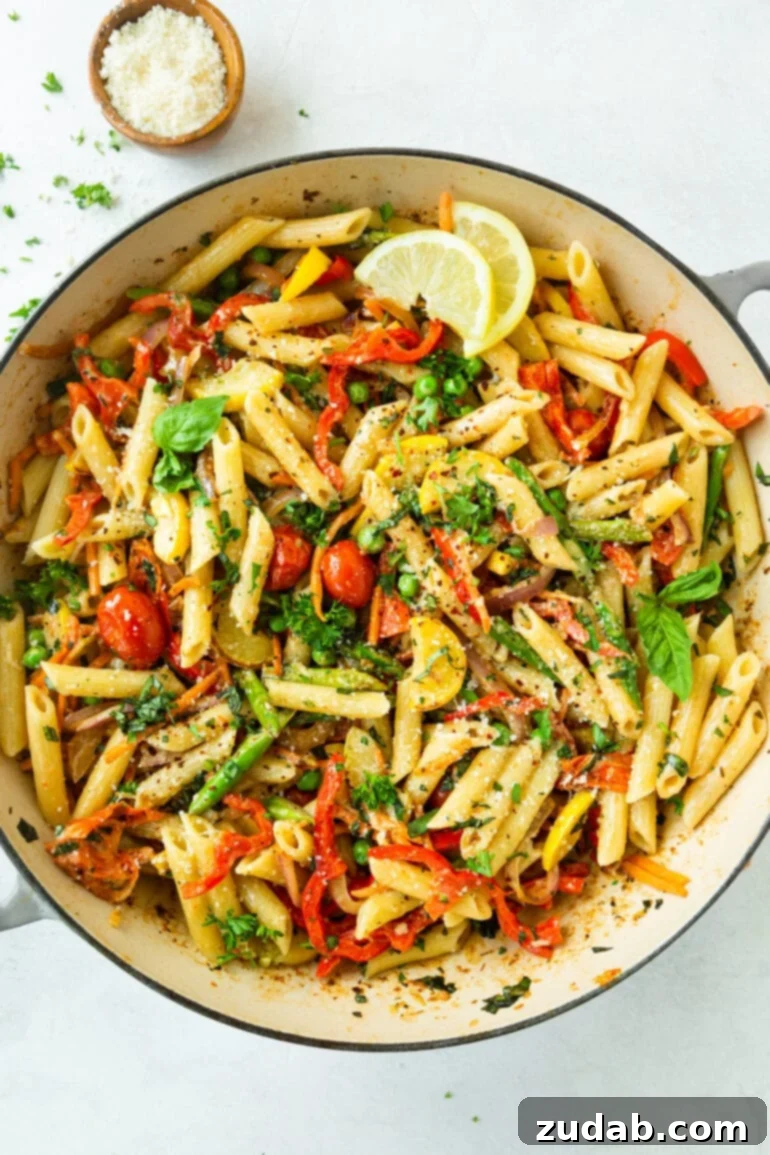
Step-by-Step Guide: Crafting Your Pasta Primavera
Making Pasta Primavera is a joyous culinary journey that’s surprisingly straightforward. Follow these steps to achieve a perfectly balanced and incredibly flavorful dish:
- Boil the Water: Begin by bringing a large pot, holding at least 4 quarts of water, to a rolling boil. This ensures your pasta cooks evenly and quickly. Once boiling, add a generous handful of salt to season the water, which in turn seasons the pasta from within.
- Cook the Pasta to Perfection: Add your chosen pasta shape to the salted boiling water and cook until it reaches the al dente stage. This means it should be firm to the bite, not mushy. It’s crucial not to drain the pasta water completely! Instead, carefully remove the pasta with a spider strainer or slotted spoon into a colander. This invaluable starchy pasta water will be used later to create the velvety sauce.
- Sauté the Initial Vegetables: In a large skillet, heat a tablespoon of olive oil over medium-high heat. Add the asparagus, sliced red onions, and red bell peppers. Sauté for just 2 to 3 minutes, stirring occasionally, until they are slightly tender-crisp. You want them to retain a bit of their bite. Transfer these sautéed vegetables to a plate and set aside.
- Continue Sautéing the Remaining Vegetables: To the same skillet, add the diced yellow squash and matchstick carrots. Season lightly with salt and freshly ground black pepper. Cook for another 1 to 2 minutes, or until these vegetables are tender yet still have a pleasant crispness. Combine them on the plate with the previously sautéed asparagus, onions, and peppers.
- Bloom the Aromatics and Tomatoes: Return the now-empty skillet to medium-high heat. Add 3 tablespoons of unsalted butter and let it melt until foamy. Introduce the minced garlic and cook for about 30 seconds until fragrant, being careful not to burn it. Stir in the lemon zest, dried Italian seasoning, and a little more salt (to taste). Add the grape or cherry tomatoes and cook, stirring occasionally, until they begin to brown slightly and soften.
- Simmer to Bursting Perfection: Pour in ½ cup of the reserved starchy pasta water. Bring the mixture to a boil, then reduce the heat to a gentle simmer. Continue simmering for about five minutes, allowing the tomatoes to start bursting. If some haven’t burst, gently press on them with the back of a wooden spoon. You only want about half of them to burst to release their juices and sweet flavor.
- Incorporate the Peas and Creamy Elements: Add the fresh or frozen peas to the skillet and stir gently. Pour in the heavy cream and 2 tablespoons of fresh lemon juice. Stir well to combine all the flavors. Add half of the freshly grated Parmesan cheese, stirring until it melts into the sauce, creating a smooth, rich consistency. Reduce the heat to medium-low and let the sauce simmer for approximately 4 minutes, or until it has slightly thickened to your desired consistency.
- Combine and Toss: Finally, add all the sautéed vegetables, the cooked pasta, and the chopped fresh basil into the large skillet with the simmering sauce. Toss everything together until the pasta and vegetables are thoroughly coated in the creamy, aromatic sauce.
- Garnish and Serve: Transfer the Pasta Primavera to a large serving bowl. Sprinkle generously with the remaining freshly grated Parmesan cheese, additional fresh herbs like curly parsley, and a pinch of red pepper flakes for an extra touch of warmth and color. Serve immediately and enjoy the burst of fresh, harmonious flavors!
For a precise list of ingredients and step-by-step instructions, please refer to the complete recipe card at the very end of this article.
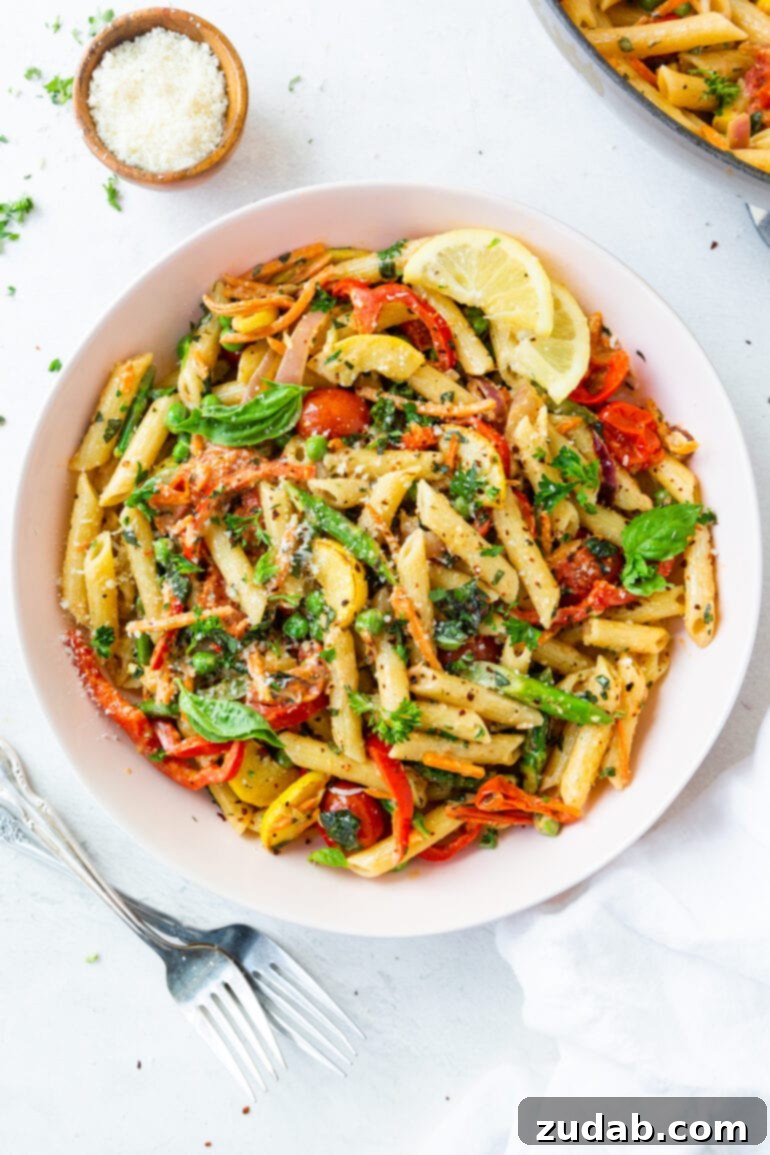
Unveiling the Secret to the Perfect Pasta Primavera Sauce
The Primavera sauce is deceptively simple, yet it’s what truly brings the entire dish together with its bright, creamy, and savory notes. The foundation of this exquisite sauce is actually the starchy water leftover from cooking the pasta. This “liquid gold” is crucial because the starch in the water helps to emulsify the sauce, creating a smooth, glossy, and thick consistency that beautifully coats every strand of pasta and every piece of vegetable. Without it, your sauce might be thin and watery, failing to cling to the ingredients as it should.
To this starchy base, we introduce fresh lemon juice, which provides a bright, zesty punch that cuts through the richness of the cream and elevates all the fresh vegetable flavors. The heavy cream adds an indulgent, velvety texture, while freshly grated Parmesan cheese melts into the sauce, contributing a salty, umami depth. This combination of pasta water, lemon, cream, and Parmesan creates a harmonious blend of flavors and textures, transforming simple ingredients into an extraordinary culinary experience. It’s a sauce that’s both comforting and invigorating, perfectly complementing the freshness of the Primavera vegetables.
Selecting the Best Vegetables for Your Pasta Primavera
Since vegetables are the undisputed stars of Pasta Primavera, let’s delve into choosing the best ones to use. The wonderful thing about Primavera is its flexibility; you can truly incorporate almost any vegetable you desire, making it a fantastic way to utilize whatever is freshest and in season. As a big vegetable enthusiast, I believe the more, the merrier! We particularly love using vegetables that offer big, bold flavors and vibrant colors, such as onions, bell peppers, tomatoes, and carrots.
When selecting your vegetables, consider a balance of textures and flavors. For crunch and freshness, think about adding snow peas, snap peas, or thinly sliced radishes. For sweetness, carrots, corn kernels, or roasted sweet potatoes (added at the end) work wonderfully. Earthy notes can come from mushrooms, while a touch of bitterness from broccoli rabe or kale can provide complexity. Seasonal variety is key: in spring, focus on asparagus, peas, and tender greens; in summer, bell peppers, zucchini, cherry tomatoes, and corn are excellent. Always aim for a colorful assortment, as this not only makes the dish more appealing but also ensures a wider range of nutrients.
To maximize flavor, gently sauté or blanch harder vegetables like carrots and broccoli until tender-crisp, while softer vegetables like spinach or grape tomatoes only need a quick wilt or heating at the end. This staggered cooking ensures each vegetable retains its best texture and taste in the final dish.
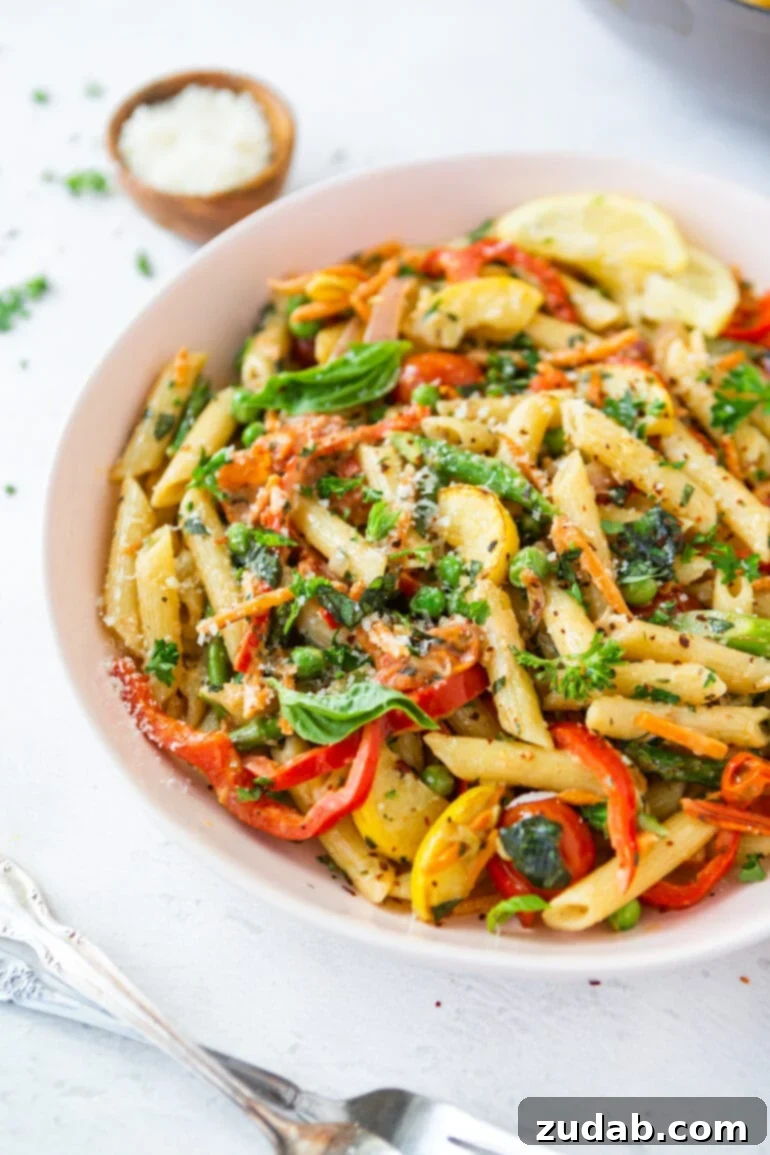
Achieving Al Dente Perfection: How to Tell if Pasta is Done
Knowing when your pasta is perfectly cooked is fundamental to any pasta dish, especially Primavera. The ideal texture for pasta is “al dente,” an Italian phrase meaning “to the tooth.” This refers to pasta that is firm yet tender, offering a slight resistance when you bite into it, rather than being soft and mushy. Al dente pasta also absorbs sauce better and holds its shape, contributing to a more enjoyable eating experience.
The best and most reliable way to determine if your pasta is al dente is to taste it. Start tasting a minute or two before the cooking time suggested on the package. The pasta should be cooked through but still have a firm center. A common misconception is that pasta is done if it sticks to the wall when thrown. This is actually false; if pasta sticks to the wall, it’s typically overcooked and past its prime. Trust your taste buds for the perfect al dente pasta every time, ensuring your Primavera has the ideal foundation.
Reheating Pasta Primavera: Maintaining Flavor and Texture
One of the best things about Pasta Primavera is that it often tastes just as good, if not better, the next day. Reheating pasta with sauce requires a bit of care to ensure it retains its delicious flavor and pleasant texture. There are a few effective methods:
- Oven Baking: For a hands-off approach, transfer your leftover Pasta Primavera to a baking dish. Cover it tightly with foil to prevent drying out and bake at 350°F (175°C) for about 20-30 minutes, or until thoroughly heated through. A splash of extra broth or cream can help maintain moisture.
- Stovetop Method: If you’re reheating a single serving or prefer more control, a saucepan works beautifully. Place the pasta in a saucepan over medium-low heat, stirring occasionally. You might need to add a tablespoon or two of water, broth, or cream to rehydrate the sauce and prevent sticking. This method is great for restoring the sauce’s creaminess.
- Microwave: For a quick reheat, place a portion of Primavera in a microwave-safe dish. Cover it with a microwave-safe lid or damp paper towel to trap moisture, and heat in 1-minute intervals, stirring in between, until hot. Be careful not to overheat, as this can make the pasta rubbery and the sauce oily.
For plain, unsauced pasta, the stovetop method is generally best. Bring a large pot of water to a boil, then quickly dip a strainer filled with the pasta into the boiling water for 30-60 seconds until hot. This rapidly reheats the pasta without overcooking it.
Storage Solutions: How Long Will Pasta Primavera Keep?
Proper storage is crucial for enjoying your delicious Pasta Primavera leftovers safely and deliciously. Once cooked and tossed with sauce, Pasta Primavera can be safely stored in the refrigerator for 4-5 days. To ensure freshness and prevent spoilage, always transfer the cooled pasta to an airtight container before placing it in the refrigerator. This minimizes exposure to air, which can lead to drying out and bacterial growth.
If you’ve made a large batch and wish to keep it for longer, Pasta Primavera can also be frozen. For best results, allow the dish to cool completely before portioning it into freezer-safe containers or heavy-duty freezer bags. It can typically be stored in the freezer for up to 2-3 months. When ready to enjoy, thaw overnight in the refrigerator and then reheat using one of the methods described above, adding a splash of liquid if needed to revive the sauce. This makes Pasta Primavera an excellent option for meal prepping healthy and flavorful lunches or dinners throughout the week.
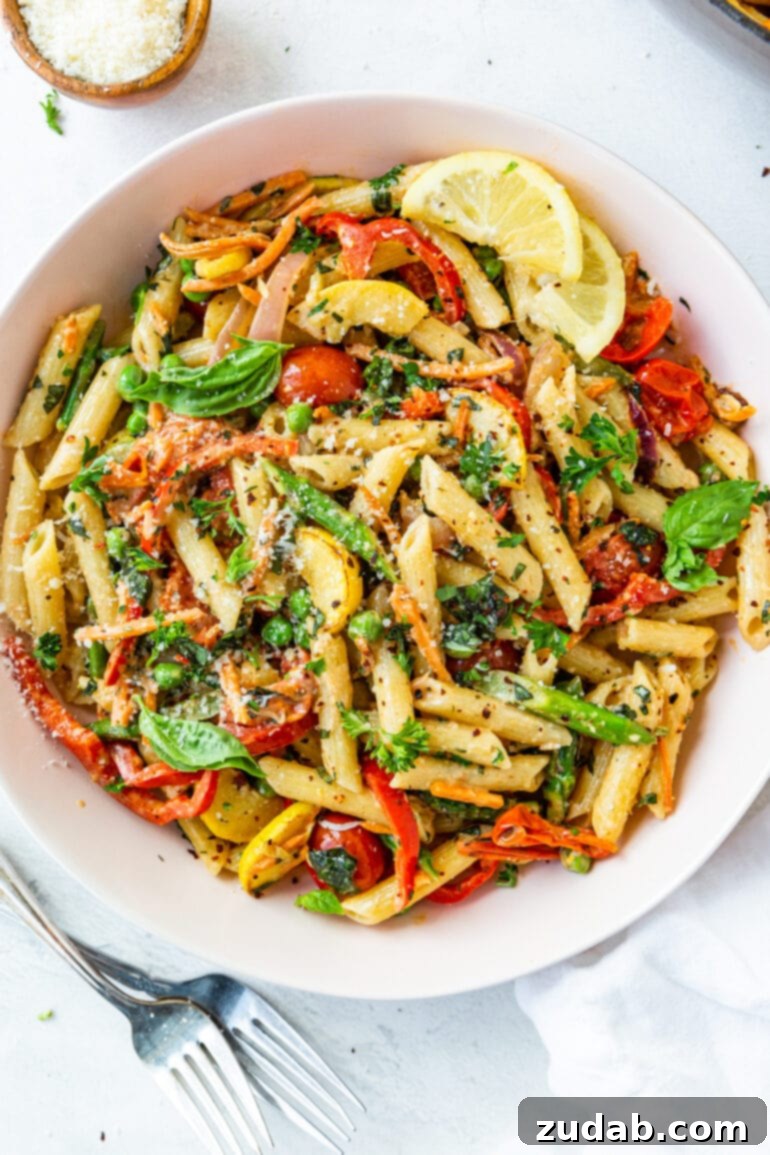
This delightful recipe for **easy Pasta Primavera** offers a fantastic and flavorful way to bring the best of seasonal vegetables into your daily meals. With its rich yet light creamy sauce and an explosion of fresh, vibrant flavors, this pasta dish is destined to become a firm family favorite, perfect for any occasion.
More Irresistible Pasta Recipes to Explore:
- 20 Minute Tomato Basil Angel Hair Pasta – A quick and refreshing pasta dish bursting with garden-fresh flavors.
- Beef Ragu and Pasta – A rich, slow-simmered beef ragu paired with your favorite pasta for a hearty meal.
- Roasted Garlic Tomato Basil Orzo – Tiny orzo pasta tossed with sweet roasted tomatoes, aromatic garlic, and fresh basil.
- 15 Minute Pesto Pasta – A lightning-fast and flavorful pesto pasta, perfect for busy evenings.
- Ham and Asparagus Lemon Cream Pasta – A comforting and bright pasta dish featuring savory ham, fresh asparagus, and a zesty lemon cream sauce.
- Creamy Mushroom Pasta – Indulgent pasta coated in a rich, earthy mushroom cream sauce.
- Italian Sausage and Penne Pasta – A robust skillet meal combining spicy Italian sausage, colorful bell peppers, and penne pasta.
Pasta Primavera Recipe
This delicious and easy Pasta Primavera recipe is perfect for a weeknight meal. Loaded with fresh veggies, flavorful herbs and tossed in a creamy sauce, it’s a crowd-pleasing and healthy dish that the whole family will love.
Prep Time: 10 mins
Cook Time: 45 mins
Total Time: 55 mins
Servings: 6
Ingredients
- 10 Ounces Penne, reserved pasta water
- 2 Tablespoons Salt
- 1 Tablespoon Olive Oil
- 10 Asparagus Spears, tough ends snapped, halved lengthwise and cut on the diagonal into 3/4″ pieces
- 1/3 Red Onion, sliced
- 1 Red Bell Pepper, sliced thin
- 1 Yellow Squash, medium, cut into 1/2″ dice
- 1 Cup Matchstick Carrots
- 3 Tablespoons Butter, unsalted
- 3 Cloves Garlic, medium, pressed through a garlic press or minced
- 1 Lemon, zested
- 2 teaspoons Dried Italian Seasoning
- 1 Cup Grape Tomatoes
- 1/2 Cup Pasta Water
- 2 Tablespoons Lemon Juice, fresh
- 1 Cup Peas, fresh preferred or frozen
- 1/2 Cup Heavy Cream
- 1/2 Cup Parmesan, freshly grated
- 1/4 Cup Fresh Basil, chopped
- 1 Tablespoon Fresh Curly Parsley, chopped
- 1/4 teaspoon Red Pepper Flakes, optional
Instructions
- Bring 4 quarts of water to a rolling boil in a large pot for the pasta.
- Add in a good handful of salt. Add pasta. Cook al dente or until pasta is slightly undercooked. Do not drain! Using a spider (I cannot live without mine!) remove pasta from water into a colander. Reserve cooking liquid!
- While pasta is cooking, heat a large skillet to medium heat. Add the olive oil and the add the asparagus, onions and peppers. Sauté for 2 to 3 minutes, stirring occasionally to avoid sticking. Transfer to a dish.
- Add in the yellow squash and carrots and season everything with salt and pepper, and cook for 1 to 2 minutes or until vegetables are tender, yet crisp. Transfer the vegetables to the dish with the asparagus.
- Meanwhile, heat 3 tablespoons of the butter in the now-empty skillet over medium high heat until foamy. Add the garlic and cook for 30 seconds.
- Stir in the lemon zest, Italian Seasoning, salt again and tomatoes, cooking until the tomatoes begin to brown.
- Add 1/2 cup of starchy cooking liquid leftover from pasta. Bring the mixture to a boil and reduce to a simmer for five minutes — the tomatoes should be starting to burst. If they haven’t gently push on them using the back of a wooden spoon. You only want about half to burst.
- Add the peas.
- Stir in the heavy cream and 2 tablespoons of lemon juice along with half of the cheese.
- Reduce heat to medium and simmer until slightly thickened, about 4 min.
- Add the veggies, basil, along with the pasta into the large skillet.
- Add remaining fresh Parmesan cheese and herbs. Top with red pepper flakes and serve!
Recipe Notes
Leftovers will keep in the refrigerator for 2-3 days.
Nutrition
Serving: 1g, Calories: 404kcal, Carbohydrates: 48g, Protein: 13g, Fat: 19g, Saturated Fat: 10g, Polyunsaturated Fat: 1g, Monounsaturated Fat: 6g, Trans Fat: 0.2g, Cholesterol: 43mg, Sodium: 2537mg, Potassium: 539mg, Fiber: 6g, Sugar: 8g, Vitamin A: 5521IU, Vitamin C: 52mg, Calcium: 173mg, Iron: 2mg
Nutrition information is automatically calculated, so should only be used as an approximation.