
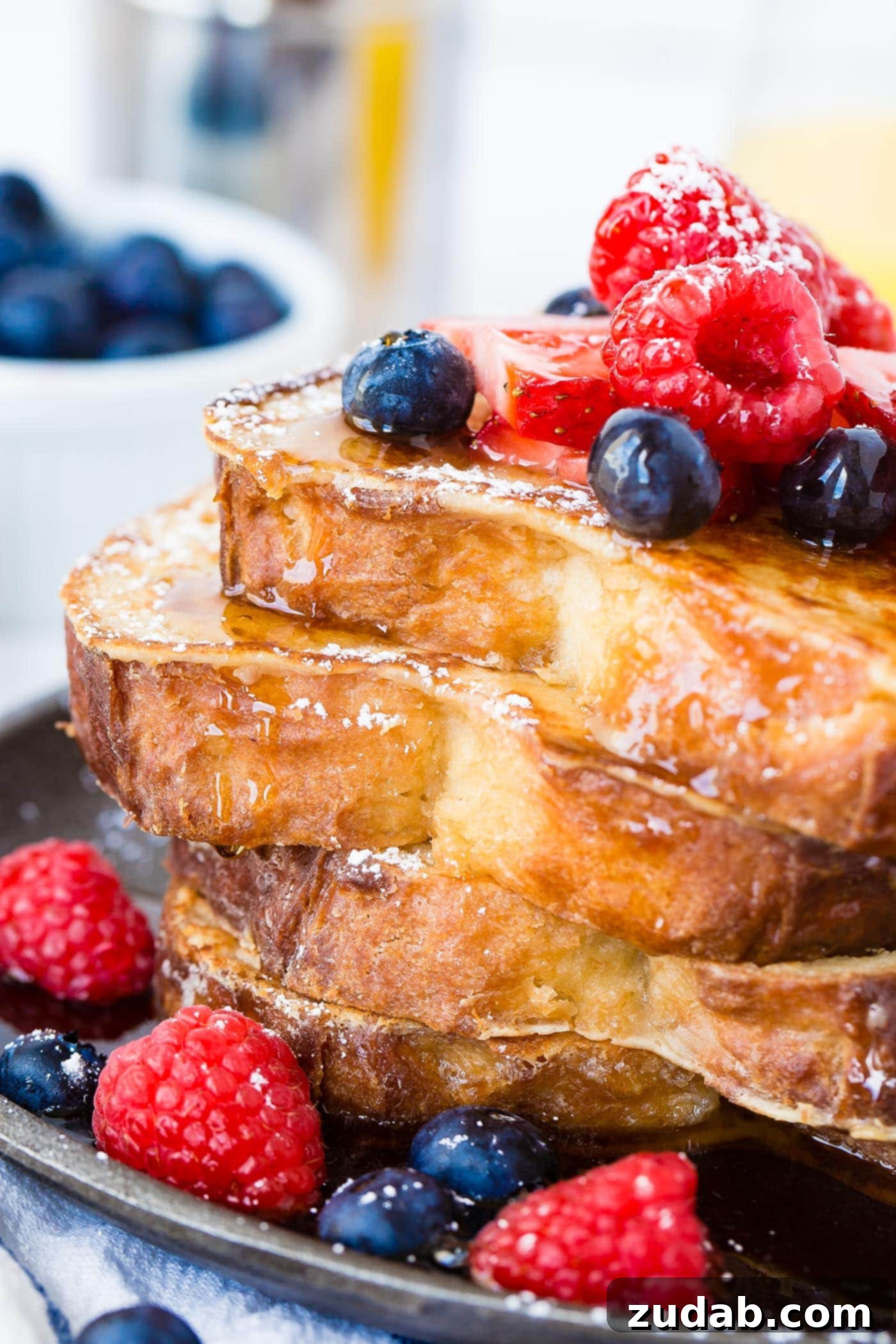
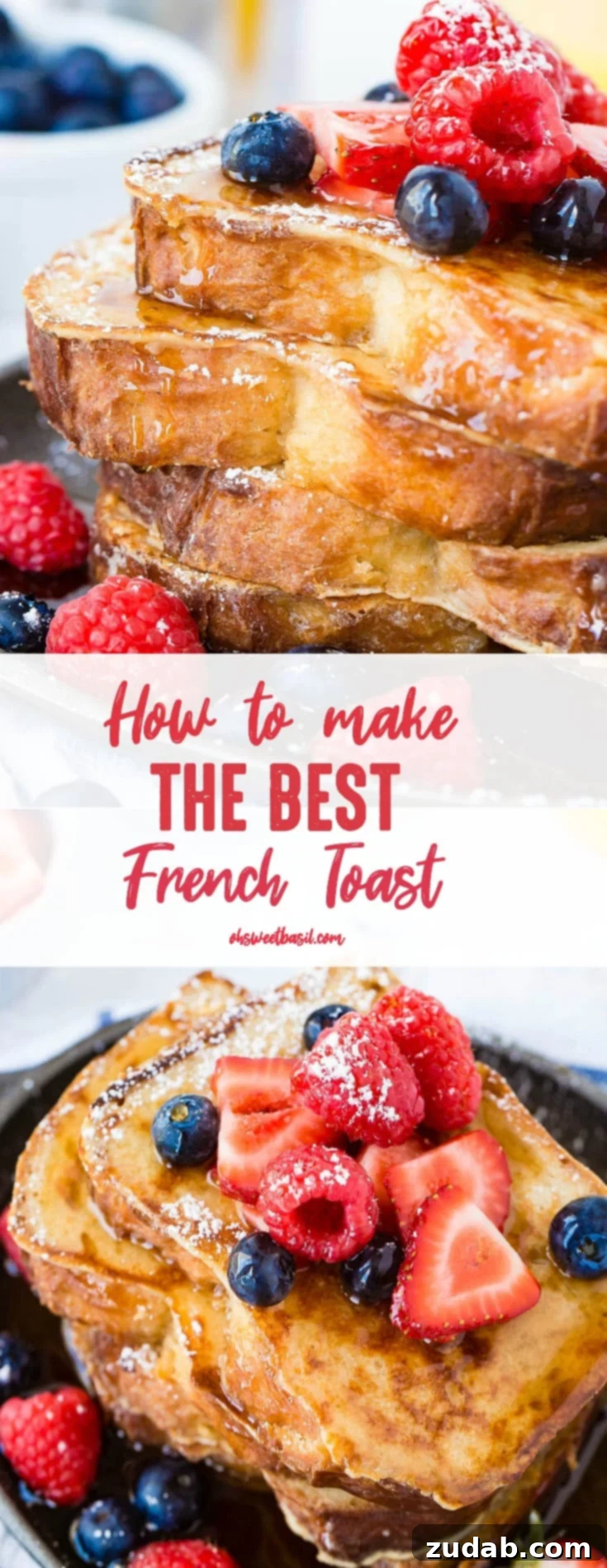
This recipe transforms your **Classic French Toast** with a surprising, yet simple, ingredient in the batter. Once you experience this elevated version, you’ll never prepare French toast any other way!
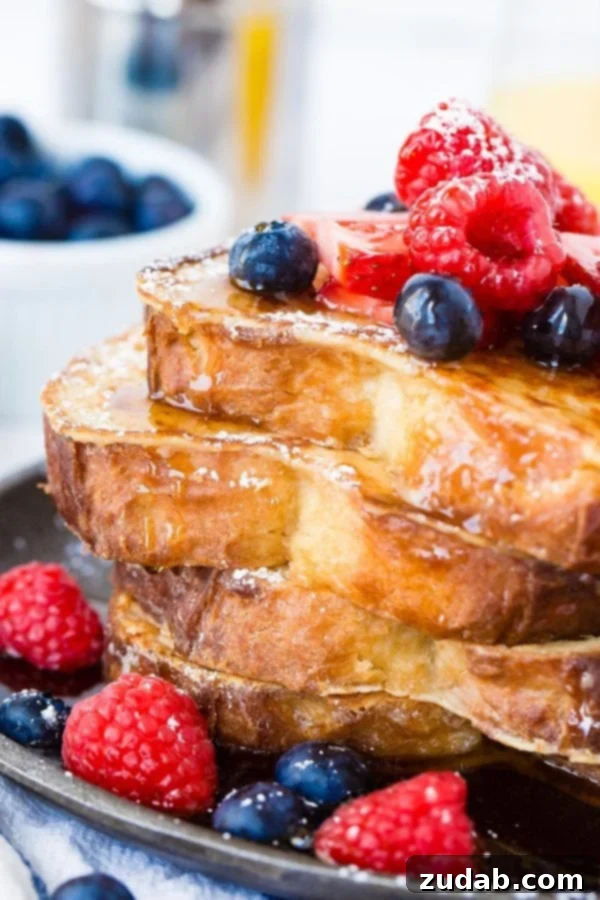
Discover the Best French Toast Recipe
French toast holds a special place in the hearts of breakfast enthusiasts worldwide. For many, it’s a nostalgic dish, conjuring memories of weekend mornings and family gatherings. For me, the journey to discovering the **best French toast recipe** has been filled with memorable moments, from childhood delights to unexpected culinary revelations.
I still vividly recall a breakfast from my childhood, perhaps around the age of seven or eight, when my cool Uncle Richard visited. My dad’s brother, with his convertible that we loved to ride in with the top down, brought an air of excitement to our home. One morning, my mom served her homemade French toast, and I watched, captivated, as Uncle Richard reached for the maple syrup, then, with a mischievous grin, swapped it for homemade raspberry syrup, drizzling it generously before showering his plate with powdered sugar. My young mind was astounded—so much sugar, and my mom didn’t say a word!
Inspired by his daring, I cautiously snagged the powdered sugar, halfway through my own French toast, and sprinkled it liberally. It was an explosion of sweetness that forever altered my breakfast experience. While I’ve since moderated my powdered sugar habits, that moment taught me about the delightful influence others can have on our eating preferences.
Years later, as a twenty-year-old, I encountered another unexpected French toast tradition at a friend’s house. His mom offered me French toast, but with a surprising addition: cheese. My stomach initially recoiled at the thought. Cheese belonged in scrambled eggs or a breakfast sandwich, not on a sweet breakfast dish! However, my adventurous spirit prevailed. When someone shares a family tradition, you simply must try it. That first bite of cheesy French toast, despite all my preconceptions, completely won me over. It was the moment I truly embraced the magic of sweet and salty combinations in my cooking. Though I haven’t quite mastered the cheese integration for photography purposes, that experience solidified my love for bold flavor pairings.
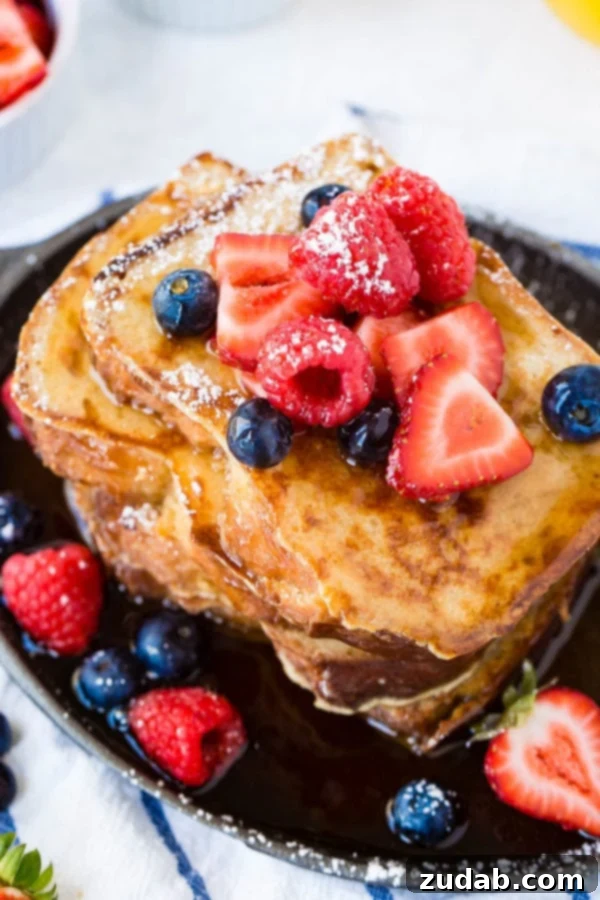
Essential French Toast Ingredients for a Perfect Breakfast
Crafting the **perfect French toast** doesn’t require an exotic shopping list. Chances are, you already have most of these classic ingredients, including our special secret, waiting in your refrigerator and pantry. This recipe highlights simplicity without sacrificing flavor or texture. Here’s what you’ll need to create this amazing homemade French toast:
- **Large Egg:** The foundation of our custard, binding everything together.
- **Whole Milk:** Provides richness and a creamy consistency to the batter.
- **Vanilla Extract:** A touch of vanilla elevates the flavor, adding warmth and sweetness.
- **Cinnamon (optional):** Highly recommended for that quintessential cozy French toast aroma and taste.
- **Nutmeg (optional):** A pinch of nutmeg complements the cinnamon, adding depth to the spice profile.
- **Granulated Sugar:** Just enough to sweeten the batter without making it overly rich, allowing toppings to shine.
- **All-Purpose Flour:** Our “surprise ingredient” that takes French toast from good to exceptional.
- **Salt:** A small amount of salt balances the sweetness and enhances all the other flavors.
It’s wonderfully simple, isn’t it? I adore recipes that can be whipped up at a moment’s notice, without needing a special trip to the grocery store. For an unbeatable savory accompaniment, consider making a side of delicious crispy bacon – the combination of sweet French toast and salty bacon is pure breakfast heaven. You’ll find the precise measurements for all these ingredients in the detailed recipe card at the end of this post, ensuring your **easy French toast** turns out perfectly every time.
Selecting Your Canvas: The Best Bread for French Toast
While a good quality white sandwich bread will certainly yield tasty results, to truly elevate your **homemade French toast** experience, the choice of bread is paramount. The right bread acts as the perfect canvas, absorbing the custard without becoming soggy and developing a delightful texture when cooked.
For an authentic and decadent experience, we highly recommend using **brioche** or **challah**. These rich, eggy breads have a tender crumb and a slightly sweet flavor that perfectly complements the custard batter, resulting in an incredibly soft interior and a beautiful golden crust. Their sturdy structure also prevents them from falling apart during the soaking and cooking process.
Another fantastic option is **Texas toast**. Its thick slices are ideal for soaking up plenty of the flavorful batter, ensuring a substantial and satisfying French toast with a crispy exterior.
If you’re a fan of a little tang and complexity, **sourdough bread** offers a wonderfully unique twist. The slight sourness of sourdough creates an intriguing flavor contrast with the sweet batter and toppings, making for a sophisticated and memorable breakfast.
Whichever bread you choose, ensure it’s slightly stale, or at least a day old. This helps prevent it from becoming overly saturated and mushy. Fresher bread can be lightly toasted or dried in the oven for a few minutes to achieve a similar effect. Experiment with different varieties to discover your personal favorite for the **best French toast recipe**.
The Secret to Perfection: Why Flour Makes All the Difference in French Toast Batter
You might have noticed our “surprising ingredient” on the list: a small amount of all-purpose flour. This addition might seem unconventional for a **classic French toast batter**, but it’s the game-changer that elevates this recipe from ordinary to extraordinary. Its role is subtle yet profound, transforming the texture and cooking performance of your French toast.
Adding flour to the batter works by slightly thickening the mixture. This thickening prevents the bread from simply tasting like “fried egg on bread.” Instead, it creates a very delicate, almost imperceptible coating on the bread slices. As the French toast cooks on the griddle, this thin layer of flour in the batter helps form a perfectly crispy, golden-brown crust. It acts as a protective barrier, keeping the interior wonderfully custardy and moist, while providing that satisfying crunch on the outside that defines truly **perfect French toast**.
Without the flour, the batter can be too thin, leading to a less stable coating that might cook unevenly or result in a less appealing texture. The flour ensures that each slice of bread achieves that ideal balance of a crisp exterior and a tender, flavorful interior, making every bite a delightful experience.
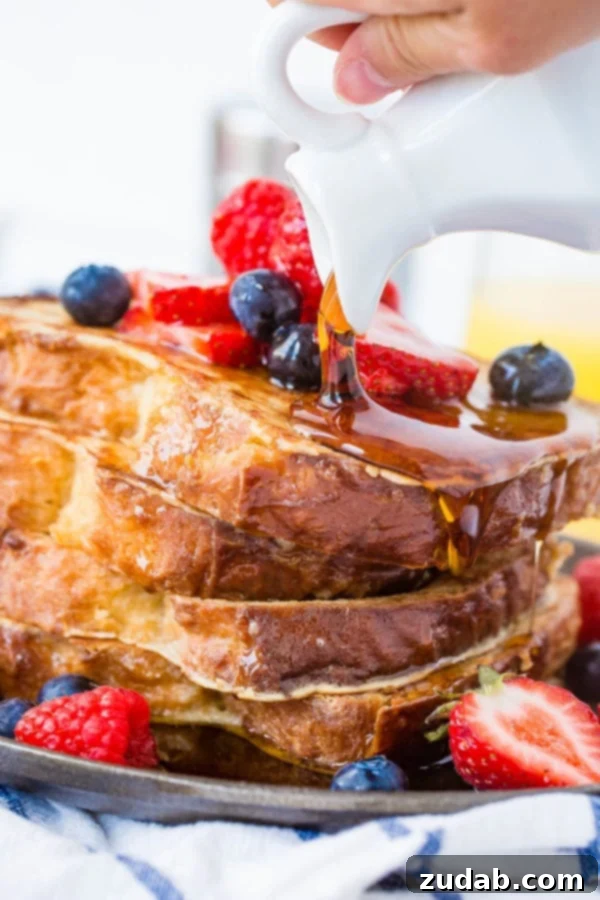
Crafting Culinary Bliss: Step-by-Step Guide to the BEST French Toast
Making **delicious French toast** might seem daunting to some, but it’s an incredibly straightforward process that yields impressive results. Follow these essential steps for how to make French toast, and you’ll be enjoying a perfect breakfast in no time:
- **Prepare the Batter Thoroughly:** In a shallow dish (like a casserole dish or pie plate, which makes dipping easier), begin by whisking the egg until well combined. Then, gradually add the melted butter, whole milk, vanilla extract, granulated sugar, all-purpose flour, and salt. If using, incorporate the cinnamon and nutmeg. Whisk everything together thoroughly until the mixture is completely smooth, with no lumps of flour and no visible separation of ingredients. A well-mixed batter is key to an even coating and consistent flavor.
- **Preheat Your Griddle or Skillet:** Before you start cooking, ensure your griddle or large skillet is properly preheated to medium heat. A quick test involves flicking a few droplets of water onto the surface; if they immediately sizzle and evaporate, your cooking surface is ready. If not, wait a few more minutes. Proper preheating ensures a golden-brown crust and prevents the French toast from becoming greasy or cooking unevenly.
- **Butter the Griddle:** Lightly butter the preheated griddle or skillet before cooking your first batch of bread. You can simply rub a stick of butter across the hot surface. This not only prevents sticking but also contributes to that irresistible buttery flavor and beautiful browning.
- **Dip Each Slice of Bread:** Working one slice at a time, gently immerse each piece of bread into the prepared batter. Allow each side to soak for about 15-20 seconds. This duration is crucial: it allows the bread to absorb enough custard to develop a rich, custardy interior when cooked, but not so long that it becomes overly soggy and falls apart.
- **Cook to Golden Perfection:** Carefully place the batter-coated bread slices onto the buttered griddle. Cook for approximately 1 minute per side, or until each side is beautifully golden brown and cooked through. The cooking time may vary slightly depending on your griddle’s temperature and the thickness of your bread. Ensure both sides have that appealing caramelized crust.
- **Serve Immediately:** Once cooked, transfer your **perfect French toast** to a plate. Serve immediately with your favorite toppings for the best experience!
Dietary Considerations: Making French Toast Dairy-Free
This **homemade French toast recipe** is incredibly adaptable and can easily be made dairy-free without compromising on flavor or texture. For those avoiding dairy, simple substitutions ensure everyone can enjoy this classic breakfast treat.
To make the batter dairy-free, simply swap the whole milk for a non-dairy alternative. Excellent choices include **coconut milk** or **almond milk**. While these may result in a slightly different batter consistency, the end product will still be wonderfully rich and super tasty. Coconut milk adds a subtle tropical note, while almond milk offers a neutral flavor profile.
Additionally, when it comes to greasing your griddle or skillet, opt for a dairy-free alternative to butter. **Coconut oil** works beautifully, imparting a light sweetness and helping achieve a crisp crust. A good quality **cooking spray** is another excellent and convenient option for a non-stick surface.
With these straightforward adjustments, you can confidently prepare a delicious dairy-free French toast that caters to various dietary needs without sacrificing any of the enjoyment of this beloved dish.
Keeping It Warm and Fresh: Storage and Reheating Tips for Your French Toast
Whether you’re making a big batch for a crowd or preparing breakfast ahead of time, knowing how to keep your French toast warm, store it, and reheat it perfectly is essential for maximum enjoyment. This section covers all the practical tips to ensure your **easy French toast** is always at its best.
How to Keep French Toast Warm
If you’re cooking multiple batches and want to serve them all warm at once, simply preheat your oven to 200 degrees Fahrenheit (approximately 95 degrees Celsius). As each batch of French toast finishes cooking, transfer the slices to a baking sheet and place it in the warm oven. This will keep them nice and toasty without overcooking until you are ready to serve everyone.
Can French Toast Be Frozen? Yes, for a Quick Breakfast!
French toast makes an excellent freezer breakfast, perfect for busy mornings because it reheats quickly and beautifully. To freeze French toast, first cook it according to the recipe instructions. Then, allow the cooked slices to cool completely on a wire cooling rack. This prevents ice crystals from forming and maintains their texture.
Once cooled, arrange the French toast slices on a baking sheet lined with parchment paper. If you need to stack layers, ensure you place a piece of parchment paper between each layer to prevent them from sticking together. Place the baking sheet into the freezer until the French toast is solid, typically a few hours. Once frozen, transfer the solid slices to freezer bags or airtight containers. Properly stored, frozen French toast can maintain its quality for up to 1-2 months.
How Do I Reheat French Toast? Three Easy Methods
There are several great ways to reheat French toast, depending on how much time you have and your preferred texture:
- **Toaster:** For convenience and a crispy exterior, simply pop individual slices into a toaster, just like you would a piece of toast. This method quickly warms them through and restores a delightful toastiness.
- **Oven:** For multiple slices or a slightly softer interior, arrange the frozen or refrigerated French toast in a single layer on a baking sheet. Warm them in a preheated oven at 300 degrees Fahrenheit (150 degrees Celsius) for 5-7 minutes, or until heated through.
- **Microwave:** If speed is your top priority, you can zap French toast in the microwave for about a minute per slice. While this method is fast, be aware that the outside won’t be crispy.
Can French Toast Be Made Ahead?
Absolutely! As mentioned, cooked French toast can be stored in the refrigerator for a few days and reheated, or frozen for longer storage. If you prefer to cook your French toast fresh but want to save time, you can prepare the batter up to 2 days ahead of time. Store the batter in an airtight container in the refrigerator, then simply dip and cook your French toast hot and fresh when ready to serve.
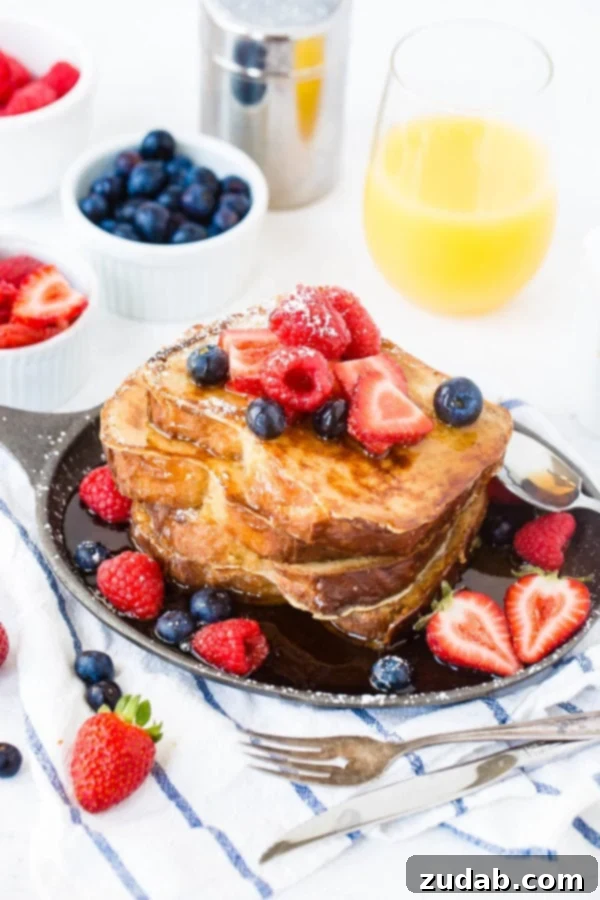
Elevate Your Breakfast: Irresistible French Toast Toppings
Once you’ve mastered the art of making **the best French toast**, the fun truly begins with an array of delectable toppings. While classic maple syrup and a pat of butter are always a winner, there are countless ways to dress up your stack and explore new flavor profiles. Here are some of our absolute favorite French toast toppings to inspire your next breakfast creation:
- **Buttermilk Syrup:** A rich, tangy, and sweet syrup that adds an incredible depth of flavor.
- **Coconut Buttermilk Syrup:** A tropical twist on buttermilk syrup, perfect for a sunny morning.
- **Meyer Lemon Syrup:** Bright and zesty, offering a refreshing contrast to the sweet toast.
- **Buttermilk Maple Syrup:** Combining the best of both worlds for a truly luxurious experience.
- **Peanut Butter Maple Syrup:** A nutty, sweet, and comforting option that’s incredibly satisfying.
- **Creamy Marionberry Syrup:** A vibrant, fruity syrup with a delightful creaminess.
- **Peanut Butter:** Spread generously for a protein-packed and satisfying topping.
- **Mini Chocolate Chips:** Melted onto warm French toast, they create a delightful dessert-like treat.
- **Coconut Flakes:** Toasted or fresh, they add texture and a subtle tropical sweetness.
- **Chopped Nuts:** Pecans, walnuts, or almonds provide a wonderful crunch and rich flavor.
- **Fresh Fruit:** Sliced strawberries, raspberries, blueberries, or bananas add natural sweetness, color, and essential vitamins.
- **Cinnamon Sugar:** A simple dusting offers extra spice and a sweet, sparkling finish.
Don’t be afraid to mix and match! A dollop of whipped cream with fresh berries, a drizzle of chocolate sauce, or even a sprinkle of bacon bits for that sweet and savory kick can take your **homemade French toast** to the next level. The possibilities are endless when it comes to personalizing your perfect breakfast stack.
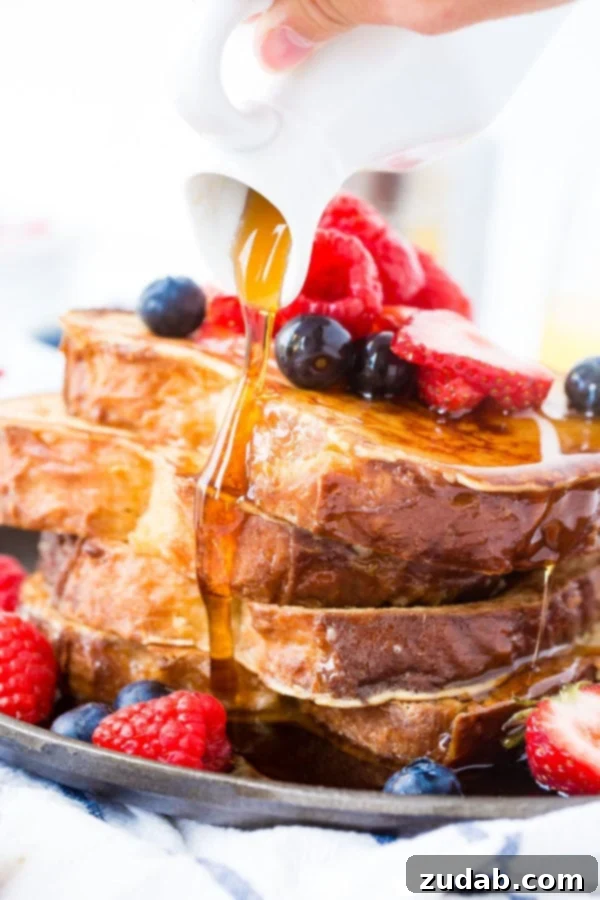
Pro Tips for Flawless French Toast
Achieving truly **perfect French toast** goes beyond just the ingredients; it’s also about technique. These expert tips will help ensure your breakfast comes out flawlessly golden, crispy, and custardy every time:
- **Don’t Rush the Soak:** When dredging your bread slices in the French toast batter, allow them to sit for a good 15-20 seconds on each side. This extended soaking time is crucial for the bread to really absorb the egg mixture, which is what creates that desirable custardy texture in the middle once cooked. However, be mindful not to let them soak *too* long, especially if using a very soft bread, as this can lead to soggy French toast that easily falls apart. The goal is a perfect balance of absorption.
- **Embrace the Spices:** While cinnamon and nutmeg in the French toast batter are listed as optional, they are highly recommended for a reason! These warm spices infuse the **homemade French toast** with a wonderful, inviting flavor that enhances the overall experience without overwhelming the dish. They add a layer of comforting complexity that truly makes this recipe stand out.
- **Master the Griddle Temperature:** The temperature of your griddle or pan is perhaps the most critical factor for achieving that beautiful golden-brown crust. Before placing your **classic French toast** on the heat, flick a few droplets of water onto the surface. If the water immediately sizzles and steams off, your griddle is perfectly heated to medium. If the water simply sits there or slowly evaporates, you need to wait a few more minutes. Cooking on a griddle that isn’t hot enough will prevent your French toast from caramelizing properly, resulting in a pale, unevenly cooked product. Conversely, too hot, and it will burn before the inside is cooked.
By paying attention to these small but significant details, you’ll consistently create French toast that rivals your favorite diner and impresses everyone at your breakfast table.
Watch the Video Below to See All the Steps…
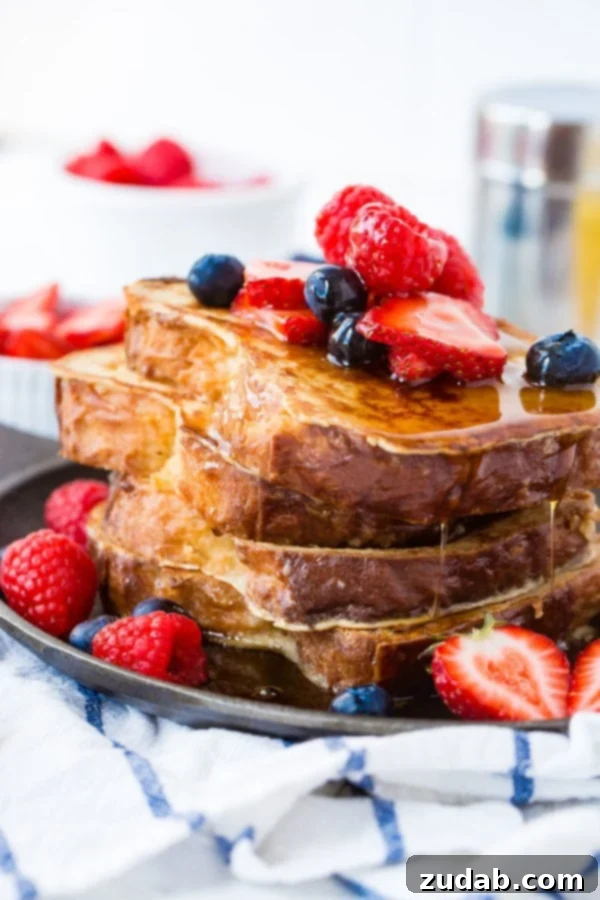
Your quest for **how to make French toast** ends right here! This comprehensive guide provides you with the ultimate batter, expert tips for bread selection, and all the cooking techniques to achieve breakfast perfection. Imagine these delightful slices smothered in our sensational **buttermilk syrup**, and you’ll undoubtedly find yourself in breakfast heaven. Who’s joining me for this incredible breakfast experience?
More Sweet BREAKFAST RECIPES You’re Sure to Love:
- **Buttermilk Pancakes From Scratch**
- Liege Waffles
- **Bananas Foster French Toast**
- Dutch Baby Pancakes
- Orange Sweet Rolls
- **Puffy French Toast**
- **Cinnamon Roll French Toast Casserole**
- **Peach Cobbler French Toast Casserole**
- **Ultimate Waffles**
- Protein French Toast
- **All Sweet Breakfast Recipes!**
How to Make Perfect French Toast

Ingredients
- 1 Egg, large
- 2 Tablespoons Butter, unsalted, melted
- 3/4 Cup Milk, whole
- 2 teaspoons Vanilla Extract
- 2 Tablespoons Sugar
- 1/4 teaspoon Salt
- 1/3 Cup Flour
- 1 Dash Cinnamon, (optional)
- 1 Dash Nutmeg, (optional)
- 1 Loaf Brioche, or Challah Bread, (Texas Toast can be used too)
Instructions
-
Beat the egg in a baking dish or pie plate.1 Egg
-
Whisk in the melted butter, then slowly add the milk and vanilla, whisking to combine.2 Tablespoons Butter, 3/4 Cup Milk, 2 teaspoons Vanilla Extract
-
Add the sugar, salt, flour and spices (optional) while continuing to whisk until totally smooth.2 Tablespoons Sugar, 1/4 teaspoon Salt, 1 Dash Cinnamon, 1/3 Cup Flour, 1 Dash Nutmeg
-
Soak each side of the bread in the batter for about 15-20 seconds.1 Loaf Brioche
-
Heat a skillet or griddle over medium heat and spread butter all over the bottom. I just hold a stick and rub it everywhere.
-
Cook the bread for about 1 minute, or until golden and flip the bread, cooking on the other side for equal time or until golden.
-
Serve with buttermilk syrup or any favorite syrup!
Recipe Notes
- Toaster: pop them in a toaster just like a piece of toast, the outside gets nice and toasty again.
- Oven: place the French toast in a single layer on a baking sheet and warm them up in the oven at 300 degrees for 5-7 minutes.
- Microwave: zap them in the microwave for about a minute, the outside won’t be crispy.
Nutrition
Nutrition information is automatically calculated, so should only be used as an approximation.
REMEMBER TO SUBSCRIBE TO our FREE Oh Sweet Basil NEWSLETTER AND RECEIVE EASY RECIPES DELIVERED INTO YOUR INBOX EVERY DAY!
When you try a recipe, please use the hashtag #ohsweetbasil on INSTAGRAM for a chance to be featured in our stories! FOLLOW OH, SWEET BASIL ON FACEBOOK | INSTAGRAM | PINTEREST | TWITTER FOR ALL OF OUR LATEST CONTENT, RECIPES AND STORIES.