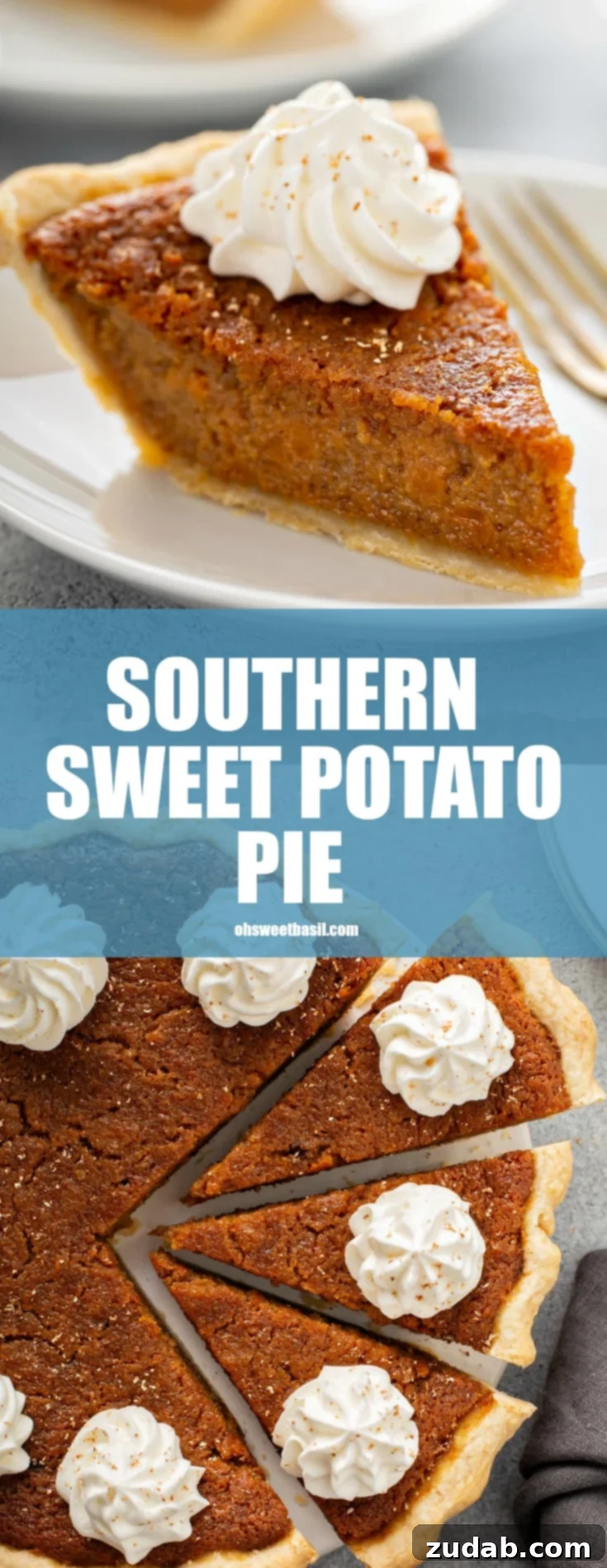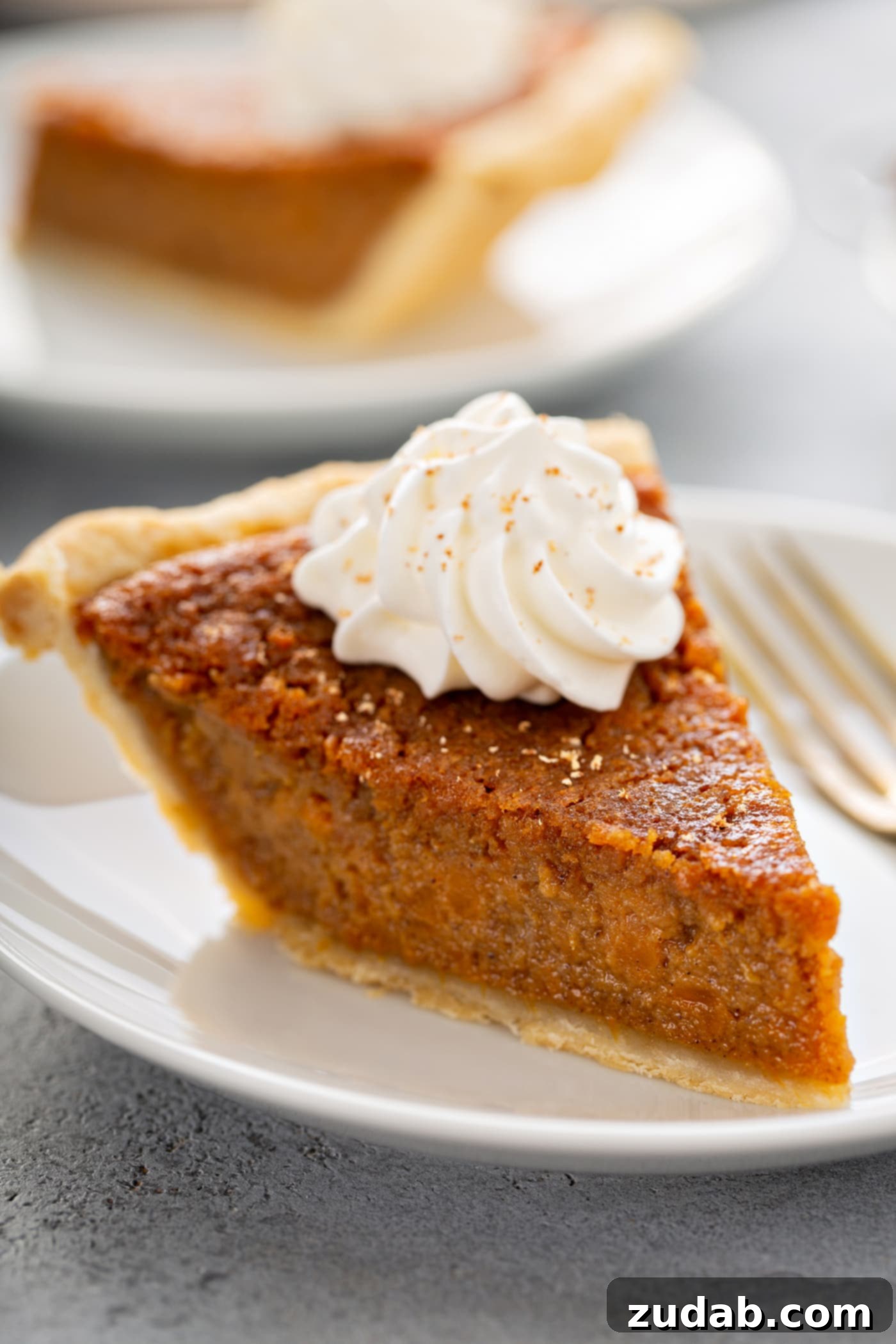
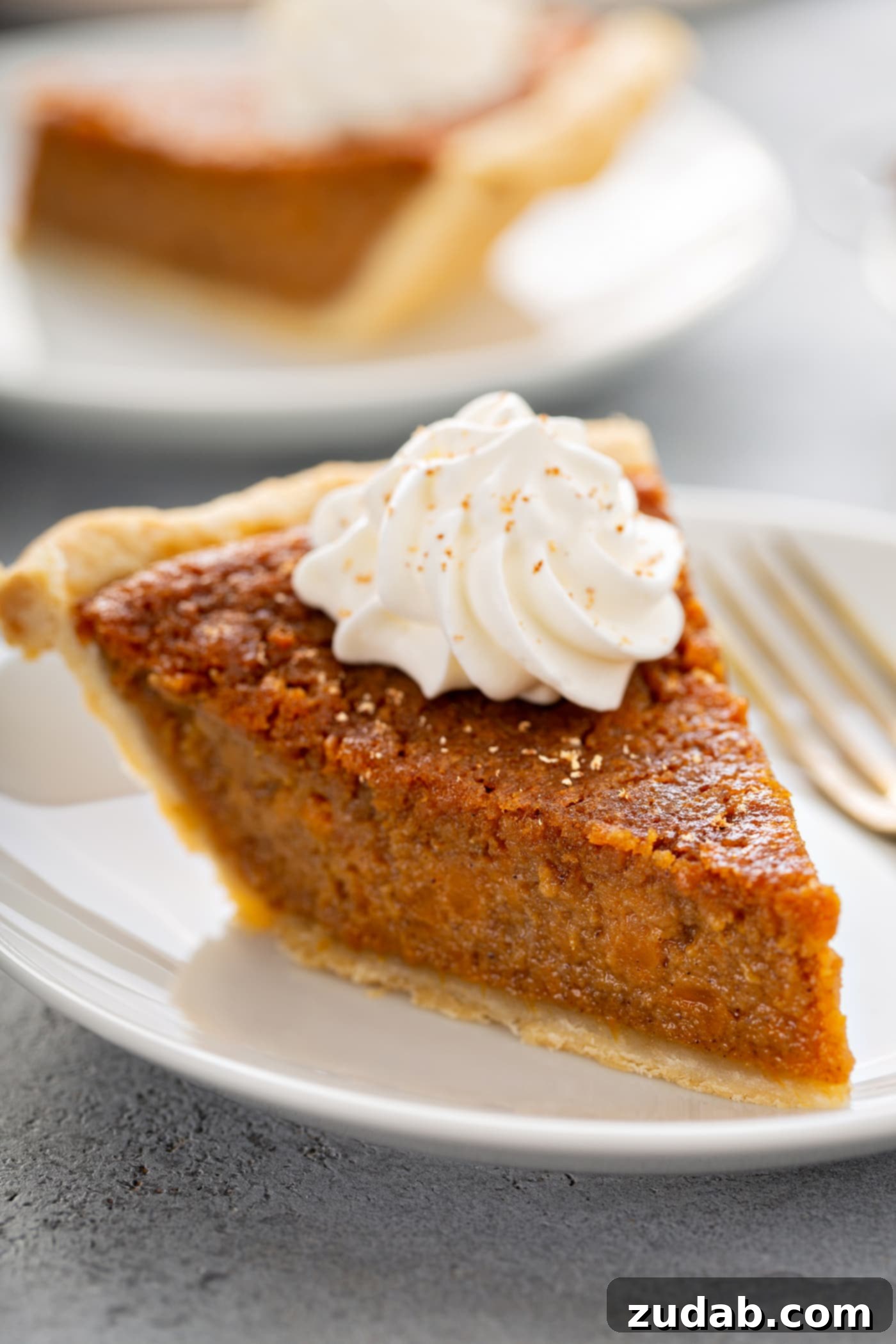
Sweet potato pie is the epitome of Southern comfort, offering a creamy, rich filling nestled within the most perfectly flaky, fail-proof crust. This beloved dessert is more than just a sweet treat; it’s a taste of history, tradition, and heartwarming flavors that evoke cherished memories and gatherings.
For those of us unfamiliar with deep Southern traditions, the recipes often come with a profound history and stories passed down through generations. Sweet potato pie, in particular, embodies a rich cultural heritage. Its origins trace back to African-American slaves who, with traditional African culinary influences, adapted this dish using sweet potatoes as an alternative to the African yam, which was unavailable. This resourceful adaptation cemented sweet potato pie as a fundamental component of soul food cuisine, evolving over time from a hearty staple to the indulgent dessert we savor today. It’s a testament to resilience, creativity, and the enduring power of food to connect us to our past.
When you take a bite of this luscious pie, you’re not just enjoying a dessert; you’re experiencing a piece of history, a blend of lives and traditions that have shaped Southern cooking. Its irresistible charm makes it a staple at holiday tables and a comforting treat any time of year.
Essential Ingredients for the Perfect Sweet Potato Pie
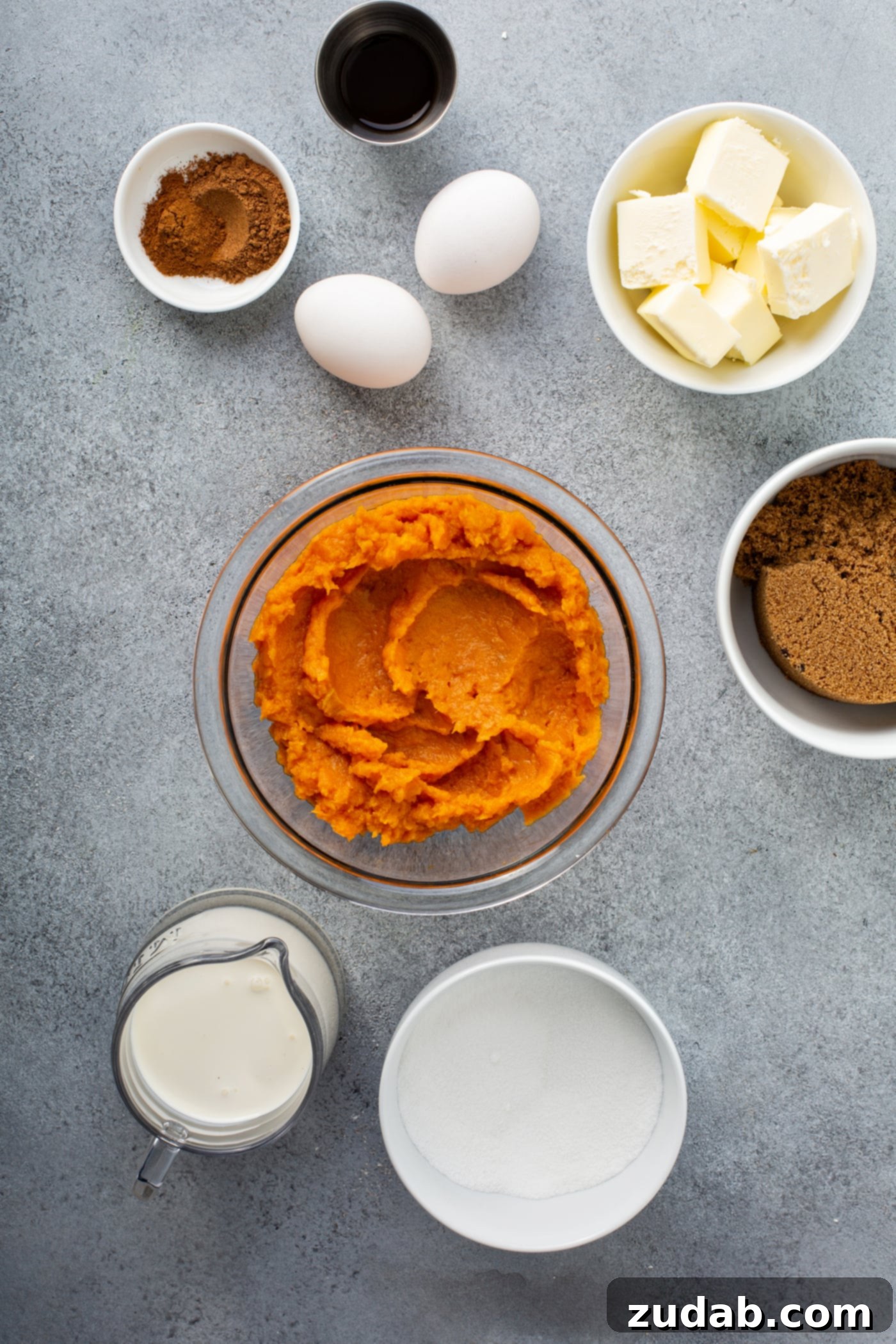
Crafting the perfect sweet potato pie is surprisingly similar to making a classic pumpkin pie, which many bakers are already familiar with. The key lies in selecting quality ingredients and understanding how each contributes to the pie’s signature flavor and creamy texture. Here’s a breakdown of what you’ll need to create this Southern delight:
- Sweet Potatoes: The star of the show. We highly recommend using orange-fleshed sweet potatoes for their vibrant color, robust flavor, and ideal texture when mashed.
- Dark Brown Sugar: This provides a deeper, more complex sweetness with notes of molasses, which is crucial for the pie’s characteristic rich flavor. It also helps achieve a beautifully caramelized hue.
- Granulated Sugar: Balances the sweetness and contributes to the smooth, tender consistency of the filling.
- Unsalted Butter: Softened butter adds richness and a velvety mouthfeel to the filling, ensuring every bite is utterly luxurious.
- Large Eggs: Eggs act as the primary binder for the filling, giving it structure and helping it set properly while baking. Whisking them well ensures a smooth custard.
- Pure Vanilla Extract: A splash of vanilla enhances all the other flavors, adding a warm, aromatic depth that completes the pie’s profile.
- Pumpkin Pie Spice: A pre-mixed blend of warm spices, essential for that cozy, autumnal taste. We’ll delve more into its components shortly.
- Ground Cinnamon: A touch of extra cinnamon amplifies the warming spice notes and complements the natural sweetness of the sweet potatoes beautifully.
- Fine Sea Salt: A pinch of salt is vital for balancing the sweetness and bringing out the full spectrum of flavors in the pie. Never underestimate its power!
- Heavy Cream (or Evaporated Milk): This is paramount for achieving a truly creamy, decadent filling. Do not use regular milk, as it lacks the fat content needed for the desired richness and can result in a thinner, less luxurious texture. Evaporated milk is a fantastic alternative if heavy cream isn’t available, providing similar richness and helping the pie set well.
Notice how similar these ingredients are to pumpkin pie? The magic truly happens when these simple components combine with the unique characteristics of sweet potatoes. This year, embrace a delicious change and make this sweet potato pie. You will absolutely adore it!
Step-by-Step Guide: How to Make Sweet Potato Pie
Creating this perfectly Southern sweet potato pie is a rewarding process. Follow these detailed steps to achieve a truly memorable dessert.
1. Prepare Your Flaky Pie Crust
Every exceptional pie begins with an outstanding crust. We highly recommend starting with a batch of our magic fail-proof pie crust. Once prepared, divide the dough into two equal balls, wrap each tightly in plastic wrap, and refrigerate while you prepare the filling. Chilling the dough is crucial as it allows the gluten to relax, preventing shrinkage during baking and resulting in a tender, flaky crust. Preheat your oven to 350°F (175°C).
2. Roast the Sweet Potatoes to Perfection
The secret to a rich, deeply flavored sweet potato pie lies in how you prepare the sweet potatoes. Place four medium sweet potatoes on a baking sheet and bake them for approximately 1 hour, or until they are tender when pierced with a fork. It is imperative that you do not boil or steam the sweet potatoes for this pie. Boiling or steaming introduces too much moisture, which changes the consistency and texture of the sweet potato pulp, preventing the pie filling from setting up properly and resulting in a watery, less flavorful pie.
Once baked, remove the sweet potatoes from the oven and allow them to cool sufficiently so you can comfortably handle them. Carefully scrape the soft, cooked pulp out of their skins and transfer it to a large mixing bowl. Mash the sweet potatoes thoroughly until smooth, or use a food processor for an even silkier texture. Set the mashed sweet potatoes aside.
3. Craft the Creamy Filling
In the bowl of a stand mixer fitted with the paddle attachment (or using a large bowl and a hand mixer), combine the softened butter, granulated sugar, and dark brown sugar. Beat these ingredients together on medium speed until the mixture is light, fluffy, and beautifully creamy. This aeration is important for a smooth pie texture.
Next, add the whisked eggs, vanilla extract, pumpkin pie spice, ground cinnamon, and salt to the sugar and butter mixture. Continue beating until all the ingredients are well combined and the mixture is homogeneous. Finally, pour in the heavy cream (or evaporated milk) and mix until just incorporated. Be careful not to overmix at this stage.
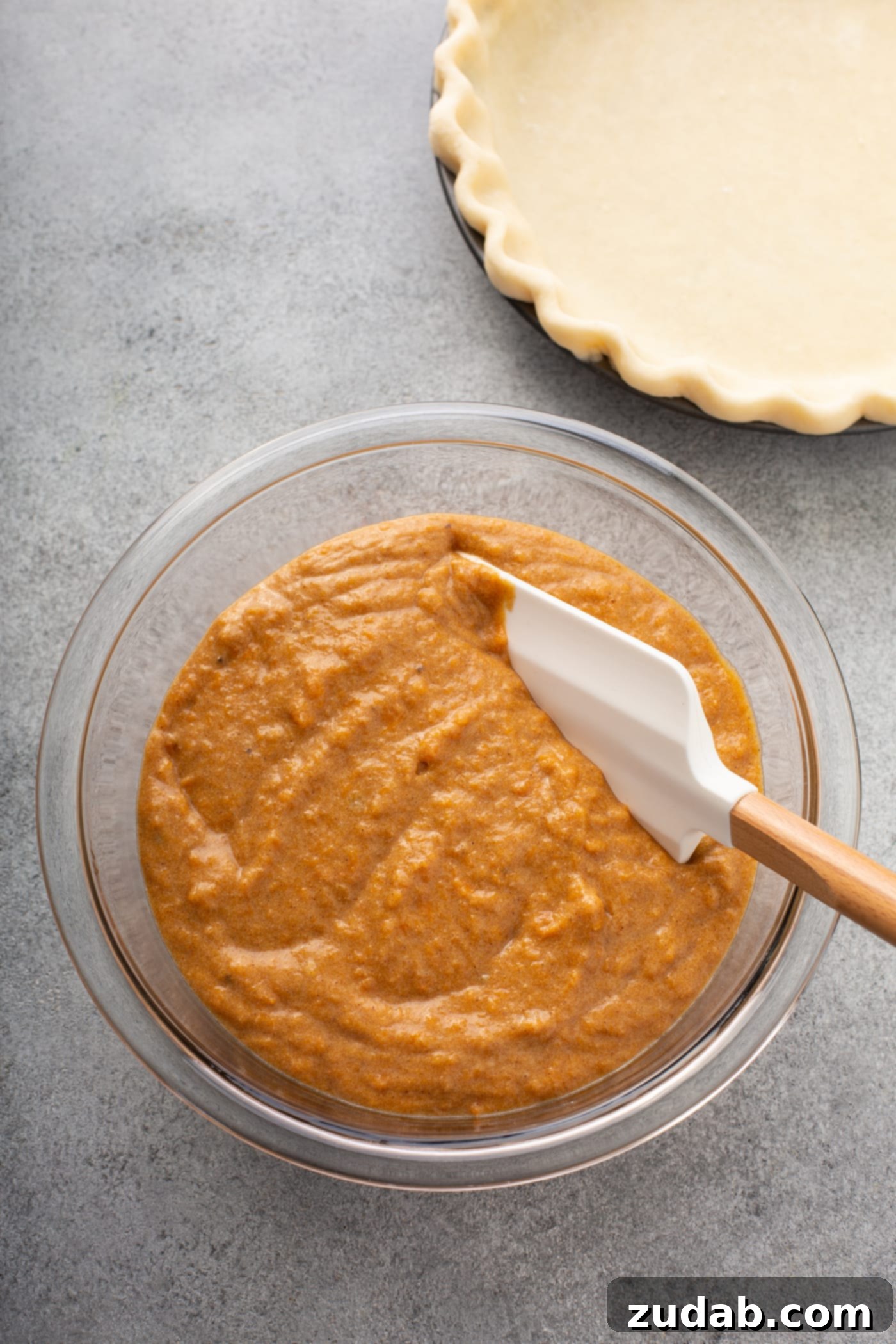
Now, gently fold this rich custard mixture into the bowl containing the mashed sweet potatoes. Using a hand mixer on low speed, beat everything together until the filling is completely smooth and lump-free. The goal is a uniform, velvety consistency that will bake into a perfectly tender pie.
4. Bake to Golden Perfection
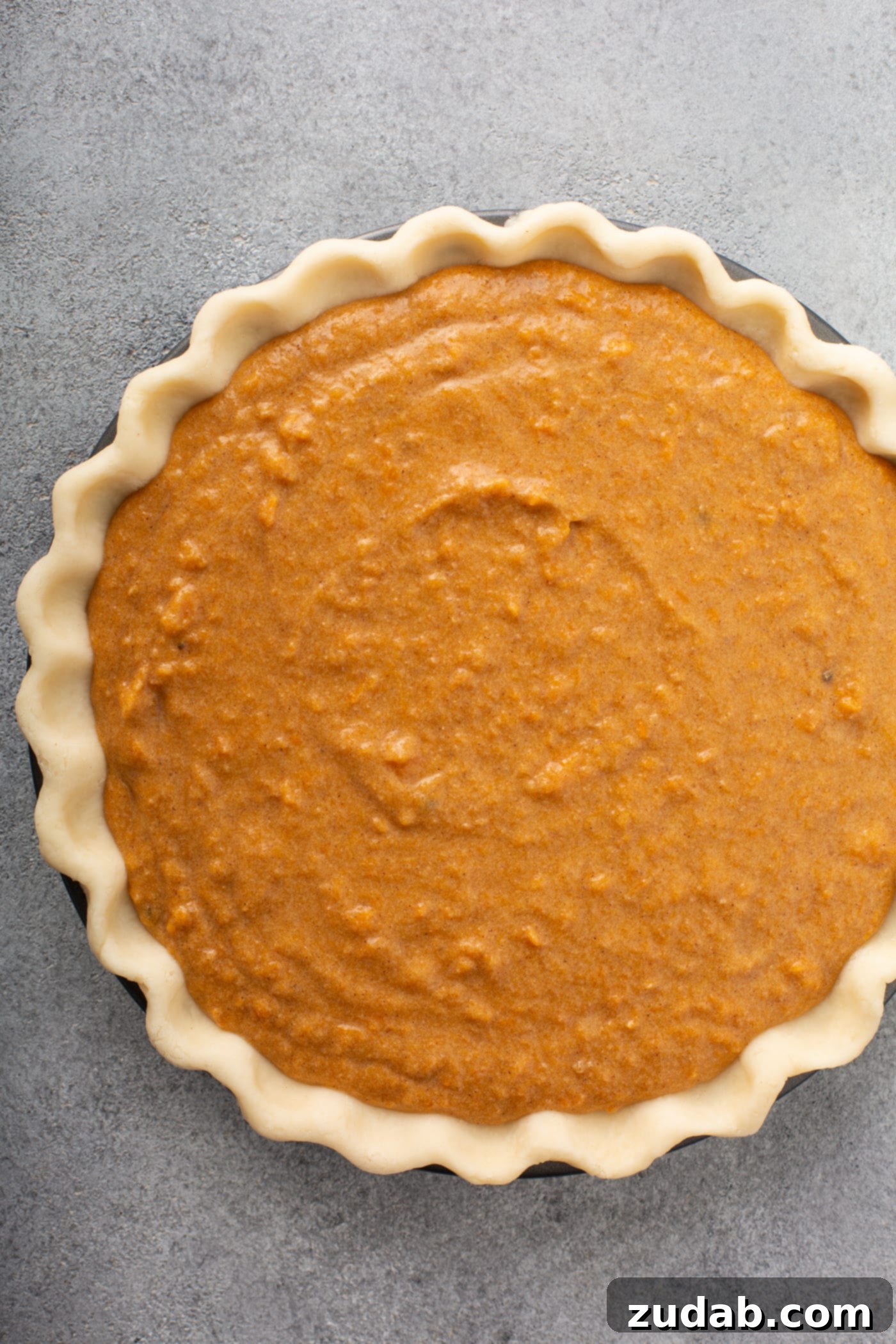
Retrieve your chilled, unbaked pie shell from the refrigerator. Pour the prepared sweet potato filling into the pie shell, spreading it evenly with a spatula. Place the pie on the bottom rack of your preheated oven at 350°F (175°C).
Bake for approximately 1 hour. After an hour, gently jiggle the pie. The center should appear mostly firm with only a slight wobble, indicating it’s nearly set. If it is still very loose and liquid, continue baking for a few more minutes, checking frequently, until the center is firm. Avoid overbaking, as this can lead to cracks in the filling. The edges of the crust should be golden brown, and the filling should be set.
5. Cool, Slice, and Serve
Once baked, carefully remove the sweet potato pie from the oven and place it on a wire rack to cool completely. This cooling period is vital for the filling to fully set and achieve its perfect creamy texture. While tempting, resist the urge to slice it too soon!
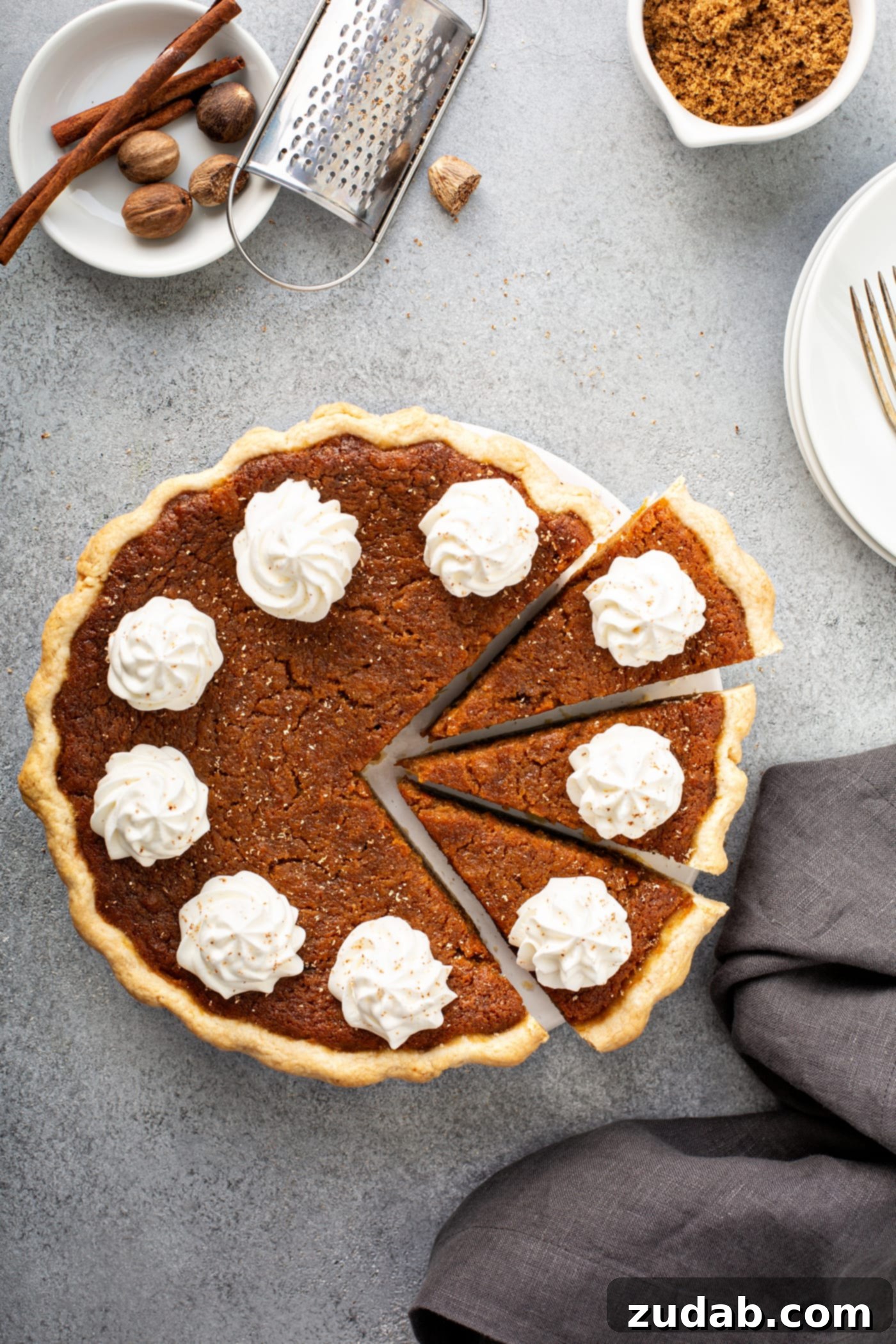
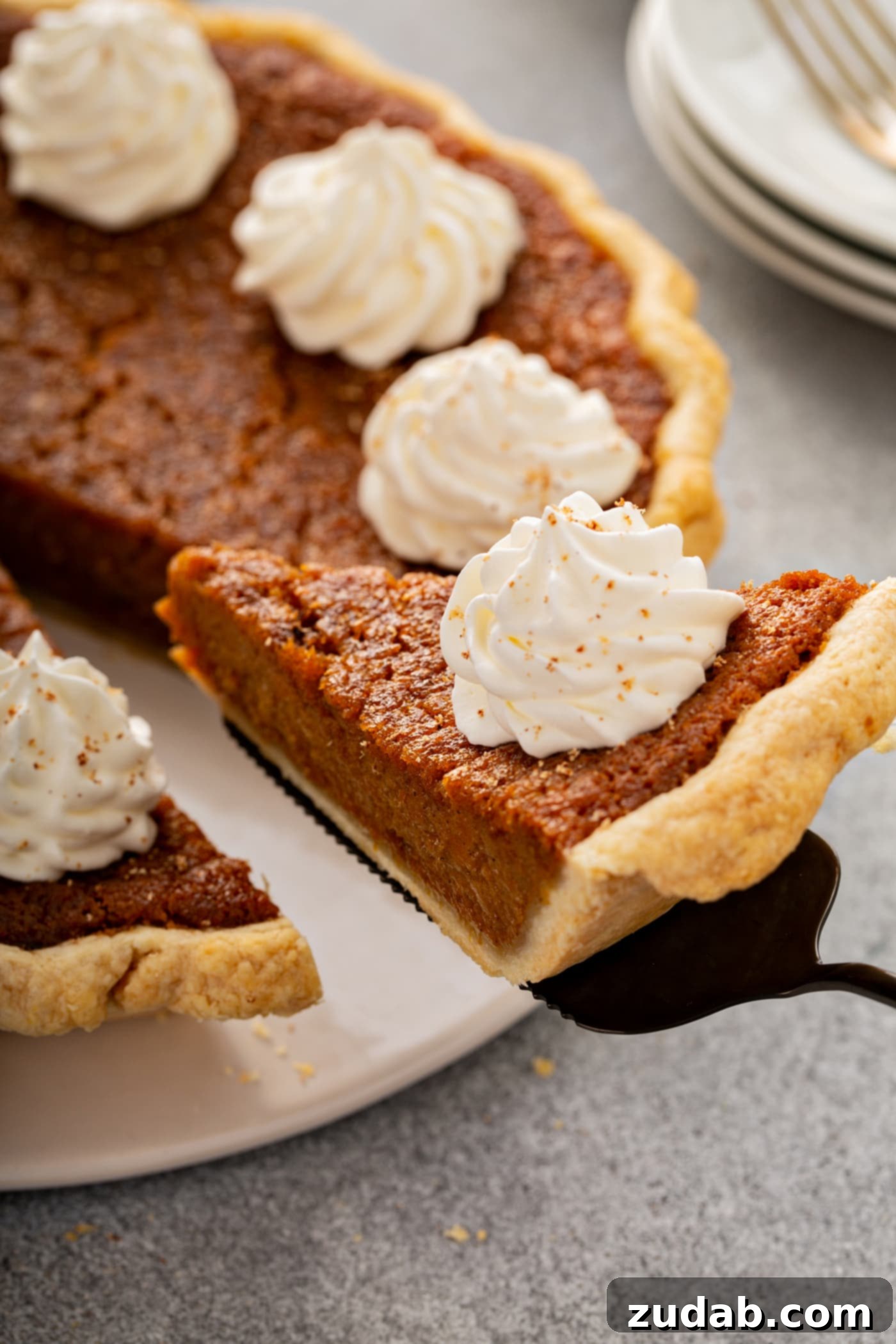
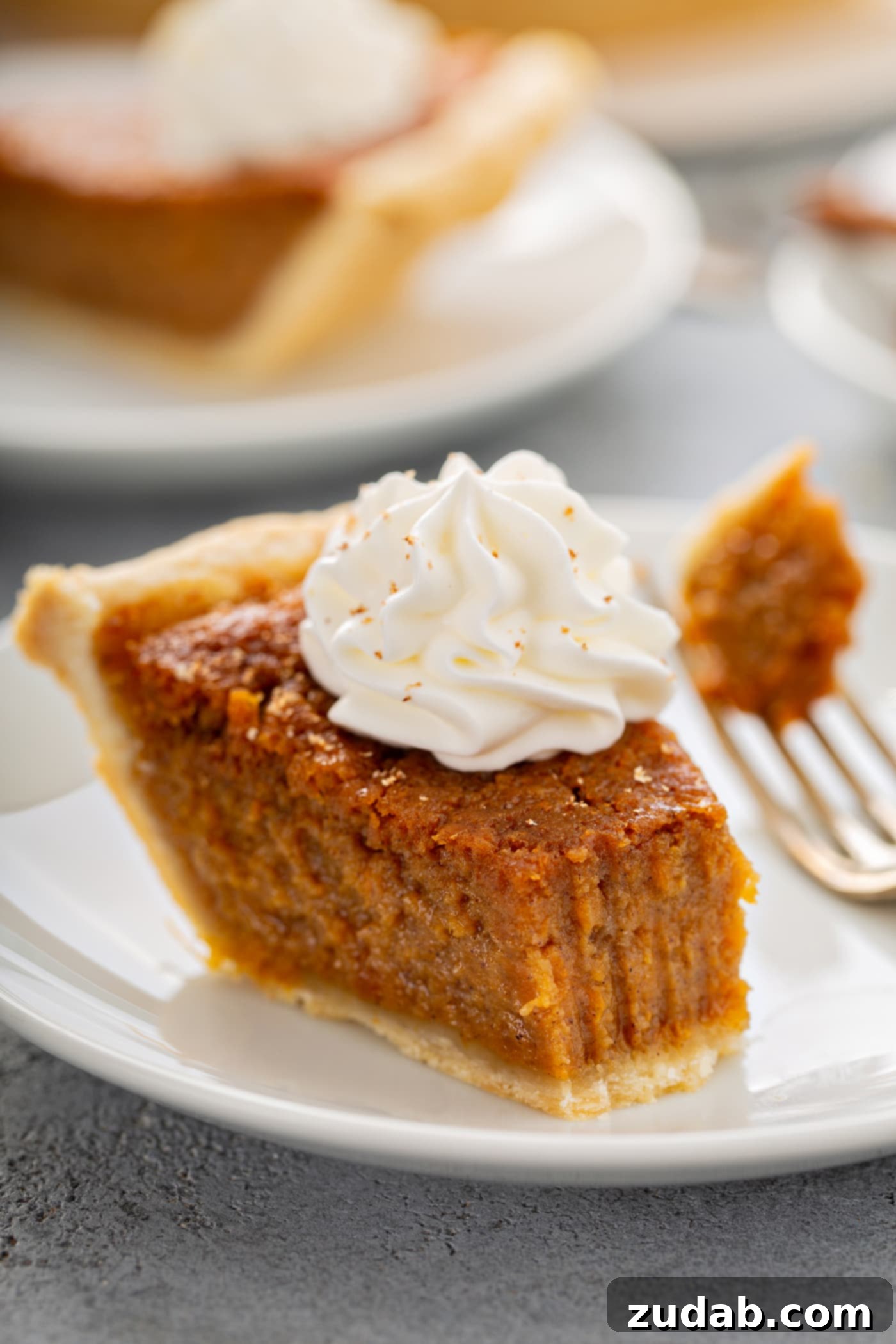
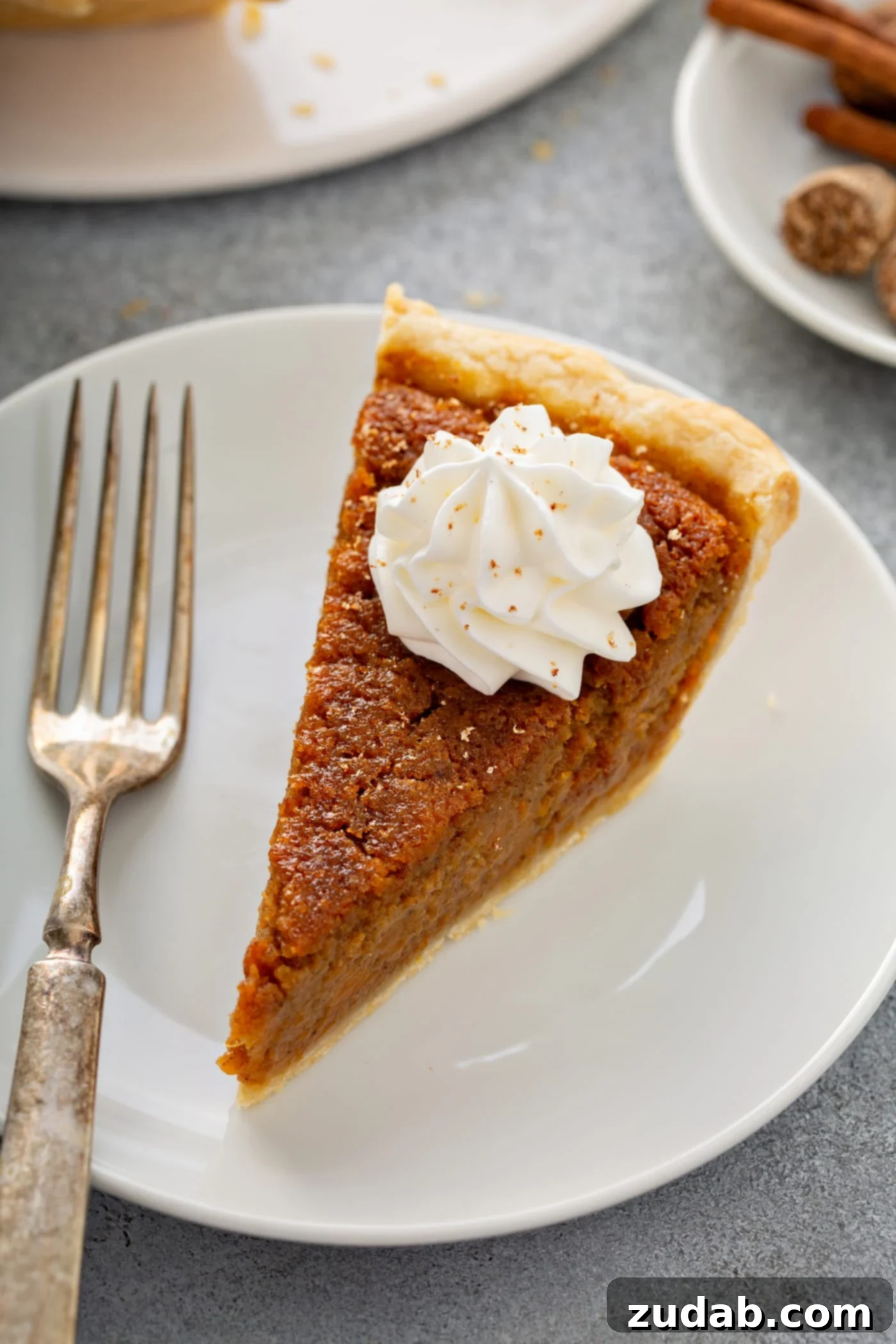
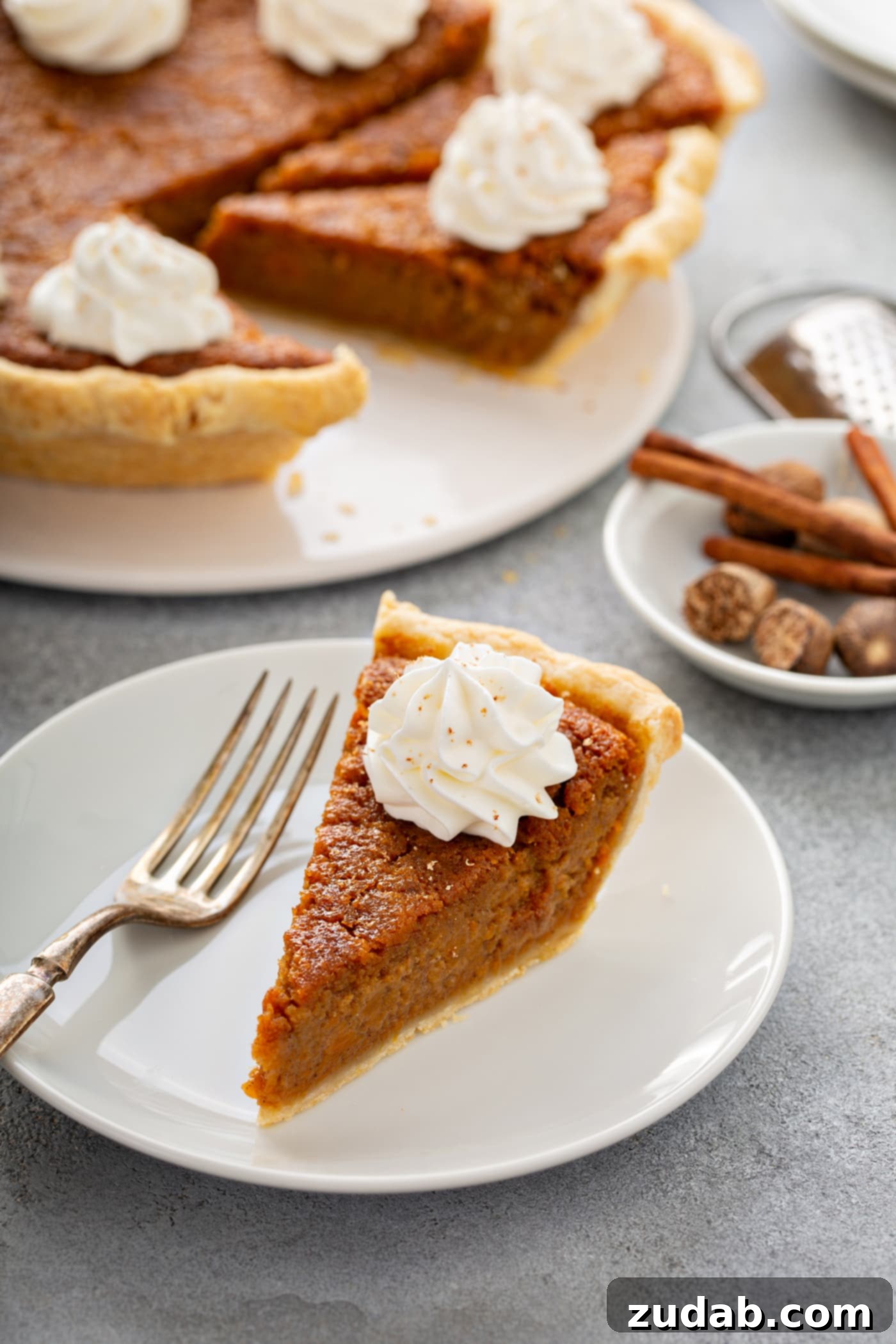
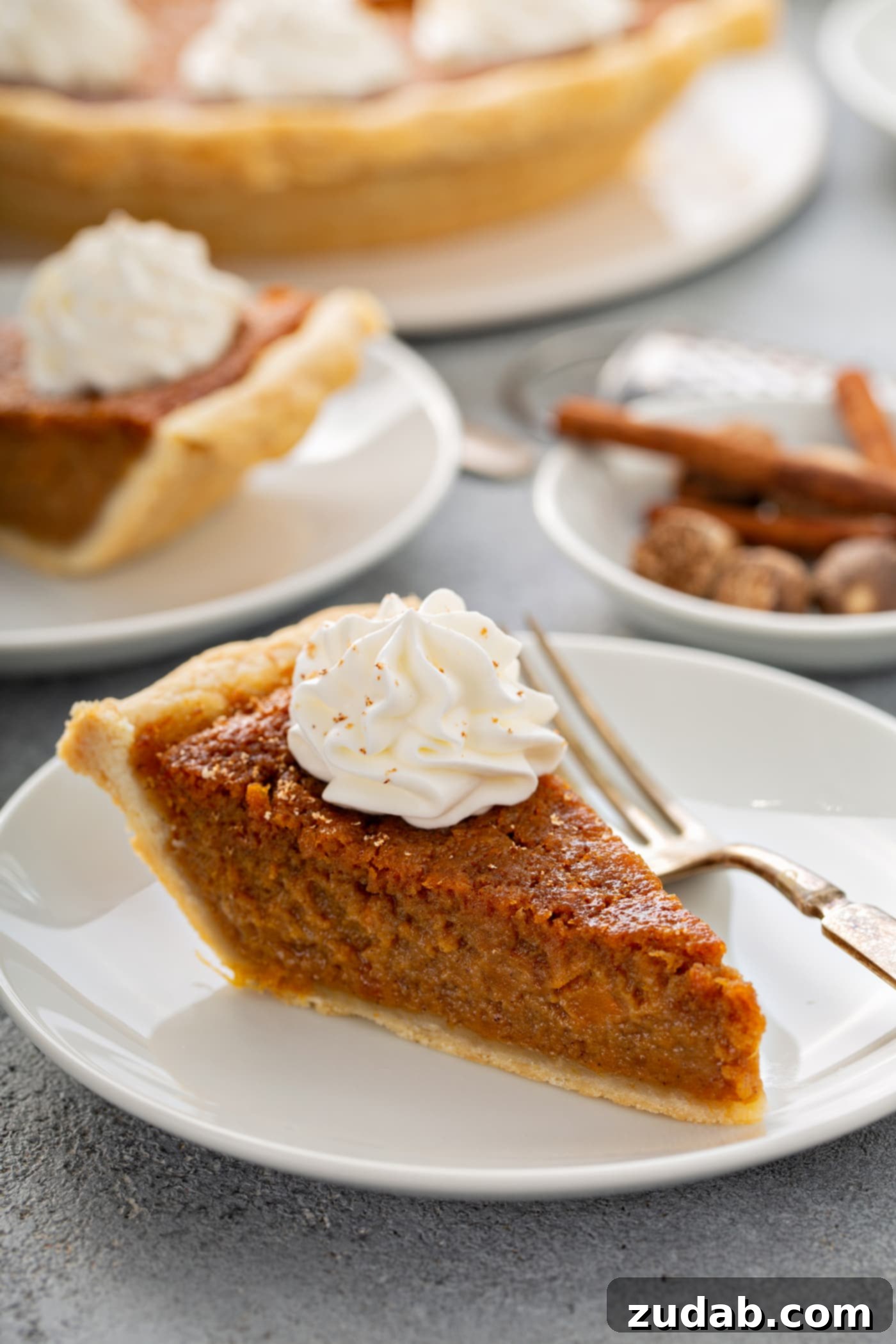
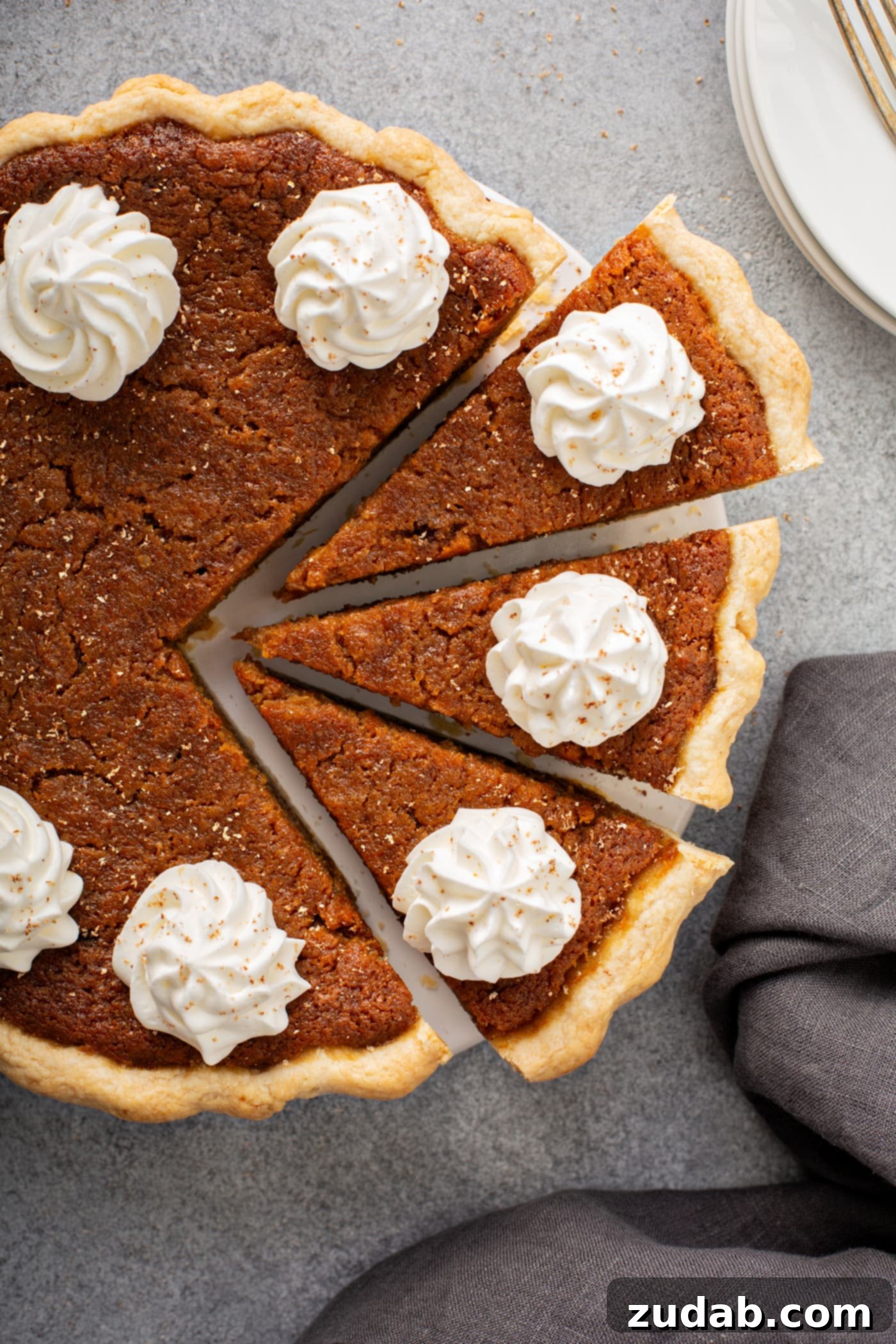
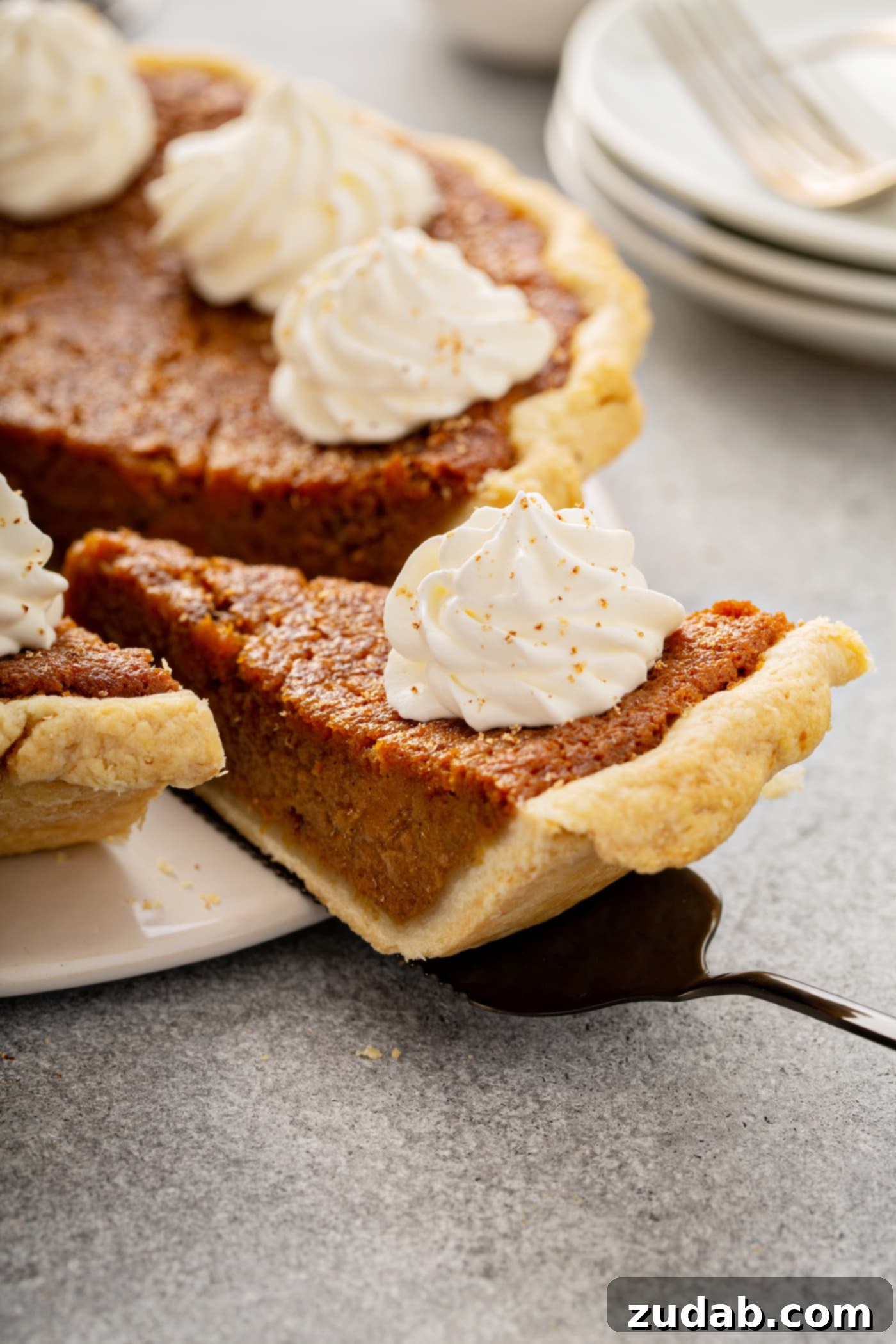
After allowing it to cool for at least a few hours (or preferably overnight for optimal setting), slice and serve your magnificent sweet potato pie. We particularly love it served warm, adorned with a generous dollop of freshly whipped cream or a scoop of vanilla bean ice cream. The combination of warm, spiced sweet potato and cool, creamy topping is simply divine.
Ingredient Spotlight: Dark Brown Sugar Substitutions
Dark brown sugar is a crucial ingredient in sweet potato pie, offering a deep, molasses-rich flavor that granulated sugar simply cannot replicate. Its higher moisture content also contributes to the pie’s moist and tender texture. However, if you find yourself without dark brown sugar, here are a few handy substitutions:
- Make Your Own: The easiest and best substitute is to create your own dark brown sugar. For every 1 cup of light brown sugar you have, simply add 1 tablespoon of molasses and mix them together until thoroughly combined. The molasses provides that distinctive flavor and moisture.
- Light Brown Sugar with Maple Syrup: If molasses isn’t on hand, you can use real maple syrup. Substitute 1 tablespoon of maple syrup for the molasses when using light brown sugar (per cup of light brown sugar). This will still impart a lovely depth of flavor, though slightly different from molasses.
- Plain Light Brown Sugar: You can certainly use light brown sugar on its own, but be aware that your pie might lack some of the rich, deep flavor that dark brown sugar brings. The taste will still be delicious, but a bit less complex.
- Honey (in a pinch): In a true emergency, honey can be used, but it requires an adjustment for acidity. Use about 2/3 cup of honey for every 1 cup of dark brown sugar called for in the recipe. Additionally, add 1/4 teaspoon of baking soda to the mixture to neutralize the honey’s acidity, which can otherwise affect the pie’s texture and flavor balance. Keep in mind that honey will impart its own distinct flavor profile to the pie.
Understanding Pumpkin Pie Spice
Pumpkin pie spice is a delightful blend of warm, aromatic spices specifically curated for autumnal baking, particularly with pumpkin and, of course, sweet potato. This harmonious mix usually includes:
- Cinnamon: The dominant flavor, offering a sweet and woody warmth.
- Ginger: Adds a zesty, pungent kick that brightens the blend.
- Nutmeg: Provides a sweet, slightly peppery, and earthy note.
- Allspice: Contributes a complex flavor reminiscent of a combination of cinnamon, nutmeg, and cloves.
- (Sometimes also includes cloves and mace).
This blend is perfect because its components naturally complement the earthy sweetness of both pumpkin and sweet potato. If you don’t have a pre-made blend or can’t find it in your local store, creating your own is incredibly easy and often more flavorful. Simply combine:
- 3 tablespoons ground cinnamon
- 2 teaspoons ground ginger
- 2 teaspoons ground nutmeg
- 1 teaspoon ground allspice
- 1 teaspoon ground cloves (optional)
Store your homemade pumpkin pie spice in an airtight container, and it will be ready whenever your baking calls for that comforting, spiced warmth. This blend not only adds flavor but also contributes to the rich, inviting aroma of your sweet potato pie.
Orange vs. White Sweet Potatoes: Which to Choose?
Sweet potatoes come in various types, but for a classic sweet potato pie, the choice between orange and white varieties makes a significant difference in both flavor and texture. Here’s how they compare:
- White Sweet Potatoes (e.g., Japanese, Hannah): These varieties typically have a lighter, often tan or white, skin and a paler flesh. Their flavor is generally milder and less sweet than orange sweet potatoes, with a somewhat drier, starchier texture. While delicious in other applications, they tend to yield a pie that is less vibrantly colored and has a more subtle sweet potato flavor.
- Orange Sweet Potatoes (e.g., Beauregard, Jewel, Garnet): These are the classic sweet potatoes most people envision. They boast a darker, often reddish-orange skin and a bright orange, moist flesh. Orange sweet potatoes are known for their naturally sweeter, bolder flavor and a creamy, softer texture when cooked.
For this sweet potato pie recipe, orange sweet potatoes are precisely what you want. Their robust, naturally sweet flavor shines through the spices and sugars, creating that iconic Southern taste. Furthermore, their moist, sturdier texture once cooked and mashed provides the perfect base for a smooth, creamy, and well-set pie filling, ensuring your pie has both the desired consistency and the full, authentic sweet potato character.
Health Benefits of Sweet Potatoes (Even in Pie!)
While sweet potato pie is undeniably a dessert, and therefore best enjoyed in moderation, it’s worth acknowledging the inherent nutritional value of its star ingredient: the sweet potato! Sweet potatoes are nutritional powerhouses, packed with a wealth of beneficial compounds. They are an excellent source of:
- Fiber: Essential for digestive health and promoting a feeling of fullness.
- Vitamins and Minerals: Rich in Vitamin A (beta-carotene), crucial for vision and immune function; Vitamin C, an antioxidant; and important minerals like potassium and manganese.
- Antioxidants: These compounds help protect your cells from damage caused by free radicals, contributing to overall health and potentially reducing the risk of chronic diseases.
Beyond these, sweet potatoes are also recognized for their potential anti-cancer, anti-diabetic, and anti-inflammatory properties. So, while a slice of pie isn’t a health food, you can take a tiny bit of comfort knowing that the main ingredient itself is doing your body some good! Enjoying a wholesome, naturally sweet vegetable in a delicious form is a win-win.
Troubleshooting Pie Crust: Why Does it Shrink?
A common frustration for home bakers is a pie crust that shrinks away from the edges of the pie plate during baking. This unwelcome phenomenon is primarily due to one major culprit: **insufficient resting time for the dough.**
Here’s a deeper look into why it happens and how to prevent it:
- Gluten Development: When you mix flour and water, gluten proteins form. Kneading or overworking the dough develops these gluten strands, making them elastic. If the dough isn’t allowed to rest, these elastic strands are taut when you roll them out and will naturally contract back to their original size (or smaller) when exposed to the heat of the oven, causing the crust to shrink.
- Chilling is Key: This is precisely why our recipe instructs you to make the pie crust first and then let it sit in the refrigerator. Chilling the dough serves multiple purposes: it solidifies the butter (which contributes to flakiness), and more importantly, it allows the gluten network to relax. When the gluten is relaxed, the dough maintains its shape much better during baking, preventing shrinkage.
- Minimize Handling: Another contributing factor to shrinkage is excessive handling. Both during mixing and rolling out, try to work the dough as little as possible. Overworking the dough develops more gluten, leading to a tougher, more elastic crust that is prone to shrinking. Handle it just enough to bring the ingredients together and to roll it into the desired shape.
By following these simple steps—adequate chilling and gentle handling—you can achieve a perfectly shaped, flaky, and tender pie crust every time.
Preventing Tough Pie Crust: Essential Tips
A tough pie crust can be disappointing after all your baking efforts. The good news is that avoiding a tough crust is straightforward once you understand the common pitfalls. The two main culprits are:
- Too Much Water: Adding too much water to your pie dough is a common mistake. Excess water makes the dough sticky and difficult to handle, tempting you to add more flour or work it more. This extra liquid also contributes to greater gluten development, leading to a chewy, tough crust instead of a tender, flaky one. The dough should come together just enough to be cohesive, not wet.
- Over-mixing the Dough: Similar to adding too much water, over-mixing or overworking the pie dough is a surefire way to develop excessive gluten. Remember, gluten is what gives bread its chewiness, but for pie crusts, we want minimal gluten development to ensure tenderness.
Here’s how to ensure a tender, melt-in-your-mouth pie crust:
- Use Just Enough Water: Add cold water gradually, a tablespoon at a time, until the dough barely comes together. The ideal consistency is when the dough looks shaggy but holds together when squeezed.
- Mix Minimally: Whether you’re mixing by hand or with a food processor, stop as soon as the ingredients are combined and the dough begins to form clumps. There might still be visible bits of butter, which is desirable for flakiness.
- Never Knead Pie Dough: Unlike bread dough, pie dough should absolutely never be kneaded. Kneading develops gluten and will result in a tough, unappetizing crust. After mixing, simply gather the dough into a disc and chill.
- Keep Ingredients Cold: Cold butter and cold water are essential. This prevents the butter from melting into the flour too quickly, ensuring pockets of butter that create steam and flakiness during baking.
By being mindful of the water content and handling the dough gently and minimally, you’ll achieve a light, flaky, and tender pie crust that perfectly complements your sweet potato filling.
Storage and Shelf Life: How Long Will Sweet Potato Pie Keep?
Proper storage is essential to maintain the deliciousness and freshness of your homemade sweet potato pie. Here’s how to keep your pie at its best:
- In the Refrigerator: A baked sweet potato pie will keep beautifully for up to 4 days in the refrigerator. It’s crucial to cover the pie tightly with plastic wrap or aluminum foil to prevent it from drying out or absorbing odors from other foods. You can also place individual slices in airtight containers.
- In the Freezer: For longer storage, sweet potato pie freezes exceptionally well. It can be stored in the freezer for up to 1 month. To freeze, ensure the pie is completely cooled. You can freeze the whole pie or individual slices. Wrap the pie tightly in several layers of plastic wrap, then an additional layer of aluminum foil to protect it from freezer burn.
To thaw a frozen pie: Transfer it to the refrigerator overnight. You can gently rewarm slices in the oven at a low temperature (around 250-300°F / 120-150°C) until heated through, or enjoy them chilled. Reheating will help restore some of that fresh-baked aroma and texture.
Always ensure the pie is thoroughly cooled before storing it, especially when freezing, to prevent condensation which can lead to sogginess or ice crystals.
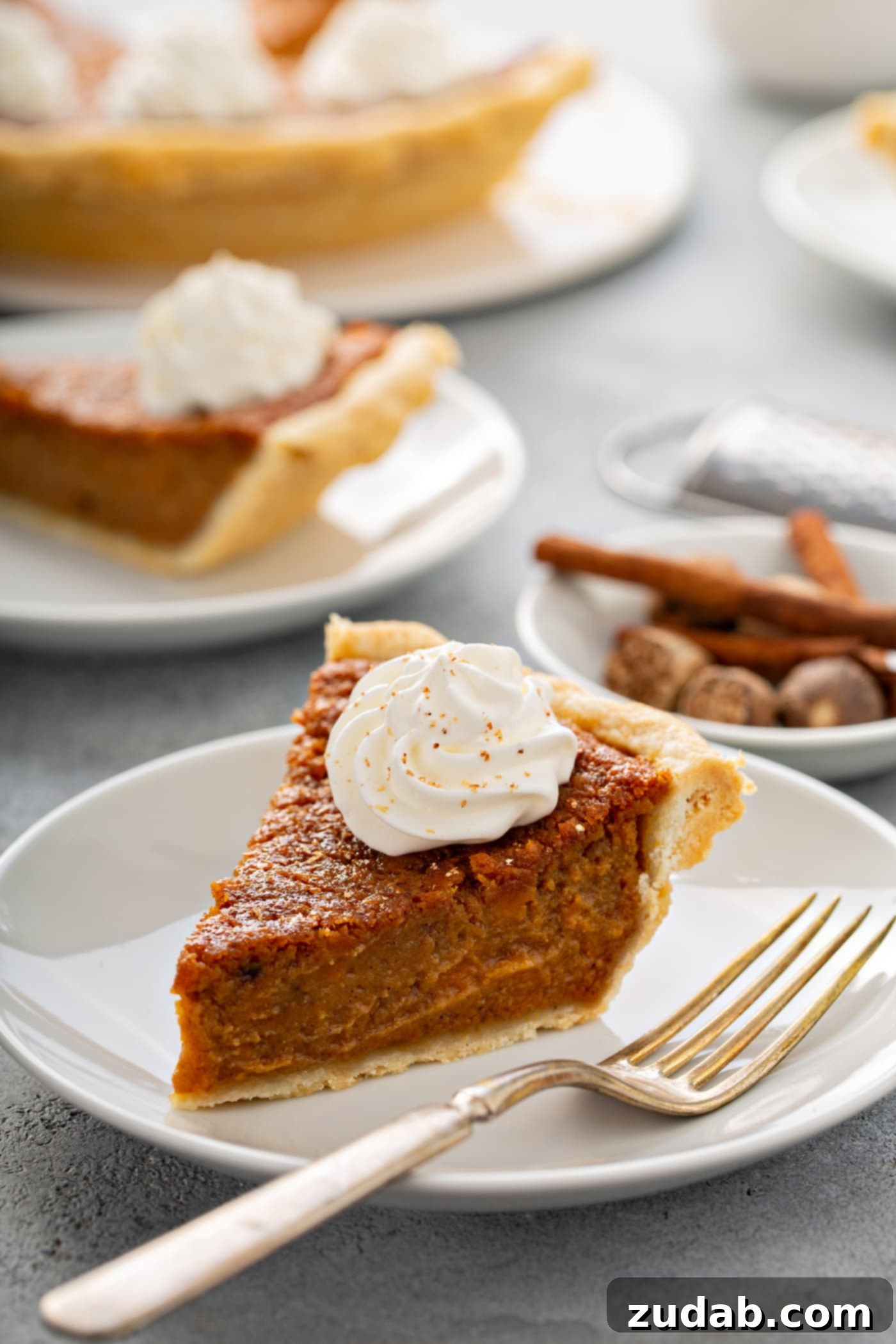
Embark on a culinary journey to the heart of the South with this truly perfect sweet potato pie. From its storied history to its irresistible flavor, this recipe delivers on every promise of Southern comfort. The buttery, impossibly flaky crust provides the ideal contrast to the velvety, warmly spiced sweet potato filling. Each forkful is a symphony of textures and flavors that will undoubtedly leave you craving more. Prepare to devour every last crumb and share this timeless classic with your loved ones!
More Pie Recipes You’re Sure to Love:
- Pecan Pie
- Razzleberry Pie
- Blueberry Pie
- French Silk Pie
- Apple Pie
- Marionberry Pie
- Pumpkin Pie
- Strawberry Pie
- No Bake Chocolate Pie
- Lemon Meringue Pie
- All our PIE RECIPES!!
Perfectly Southern Sweet Potato Pie
20 mins
55 mins
1 hr 15 mins
10
Ingredients
- 1 Pie Crust, unbaked
- 4 medium Sweet Potatoes
- 1/2 Cup Butter, softened
- 3/4 Cup Granulated Sugar
- 1 Cup Dark Brown Sugar
- 2 Large Eggs, whisked
- 1 teaspoon Vanilla Extract
- 1 1/2 teaspoons Pumpkin Pie Spice
- 1/2 teaspoon Ground Cinnamon
- 1/2 teaspoon Fine Sea Salt
- 3/4 Cup Heavy Cream, or Evaporated milk (not regular milk)
Instructions
- Prepare the pie crust as directed in its recipe. Divide into two balls, wrap, and refrigerate while preparing the filling.
- Preheat oven to 350°F (175°C).
- Bake sweet potatoes for 1 hour on a baking sheet. When done, let them cool. Scrape the pulp out of the skins, transfer to a large bowl, and mash until smooth. Set aside.
- In a standing mixer, beat together softened butter, granulated sugar, and dark brown sugar until creamy. Add whisked eggs, vanilla extract, pumpkin pie spice, ground cinnamon, and salt; mix until combined. Stir in heavy cream or evaporated milk. Pour this mixture into the bowl with the mashed sweet potatoes and beat with a hand mixer until completely smooth. Pour the filling into an unbaked pie shell.
- Bake on the bottom rack of the oven for 1 hour or until the center of the pie is firm with a slight jiggle. Serve warm with whipped cream.
Recipe Notes
Never boil or steam the sweet potatoes, as this will introduce too much moisture and cause the pie mixture to be runny and not set properly.
Sweet Potato Pie will keep for 4 days in the refrigerator, or can be frozen for one month when tightly wrapped.
REMEMBER TO SUBSCRIBE TO our FREE Oh Sweet Basil NEWSLETTER AND RECEIVE EASY RECIPES DELIVERED INTO YOUR INBOX EVERY DAY!
When you try a recipe, please use the hashtag #ohsweetbasil on INSTAGRAM for a chance to be featured in our stories! FOLLOW OH, SWEET BASIL ON FACEBOOK | INSTAGRAM | PINTEREST | TWITTER FOR ALL OF OUR LATEST CONTENT, RECIPES AND STORIES.