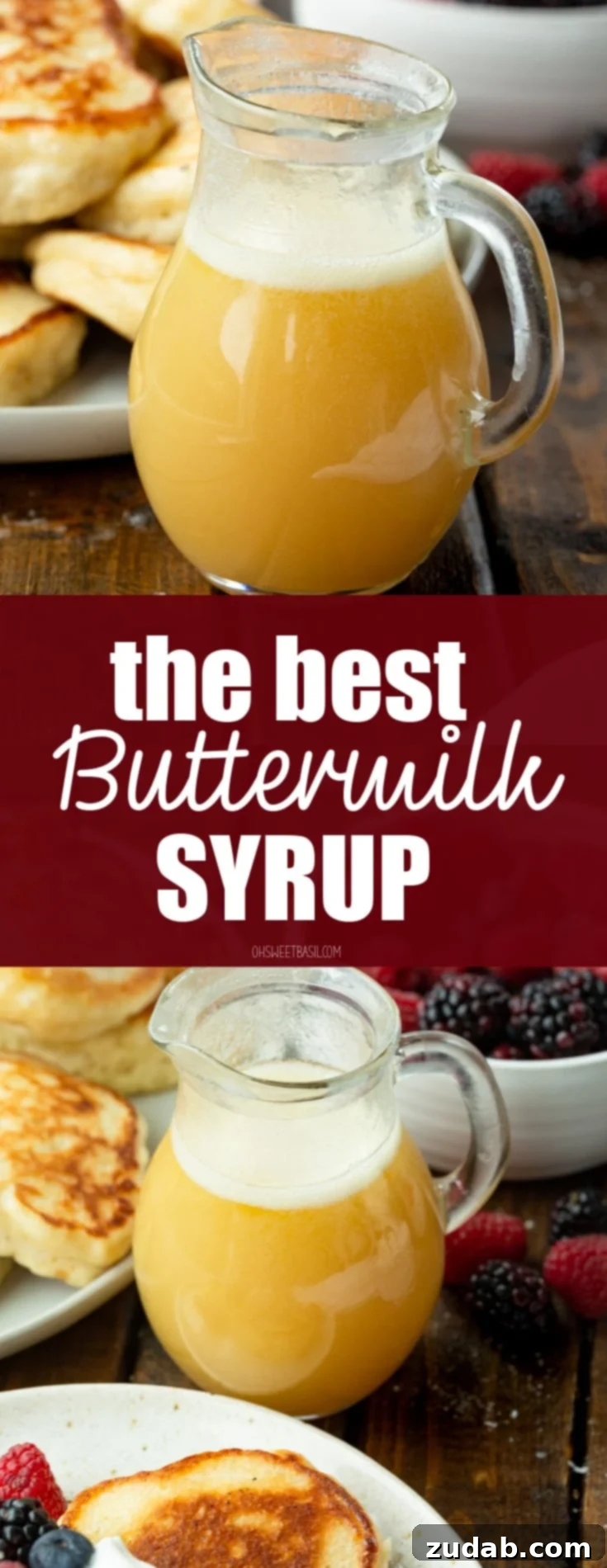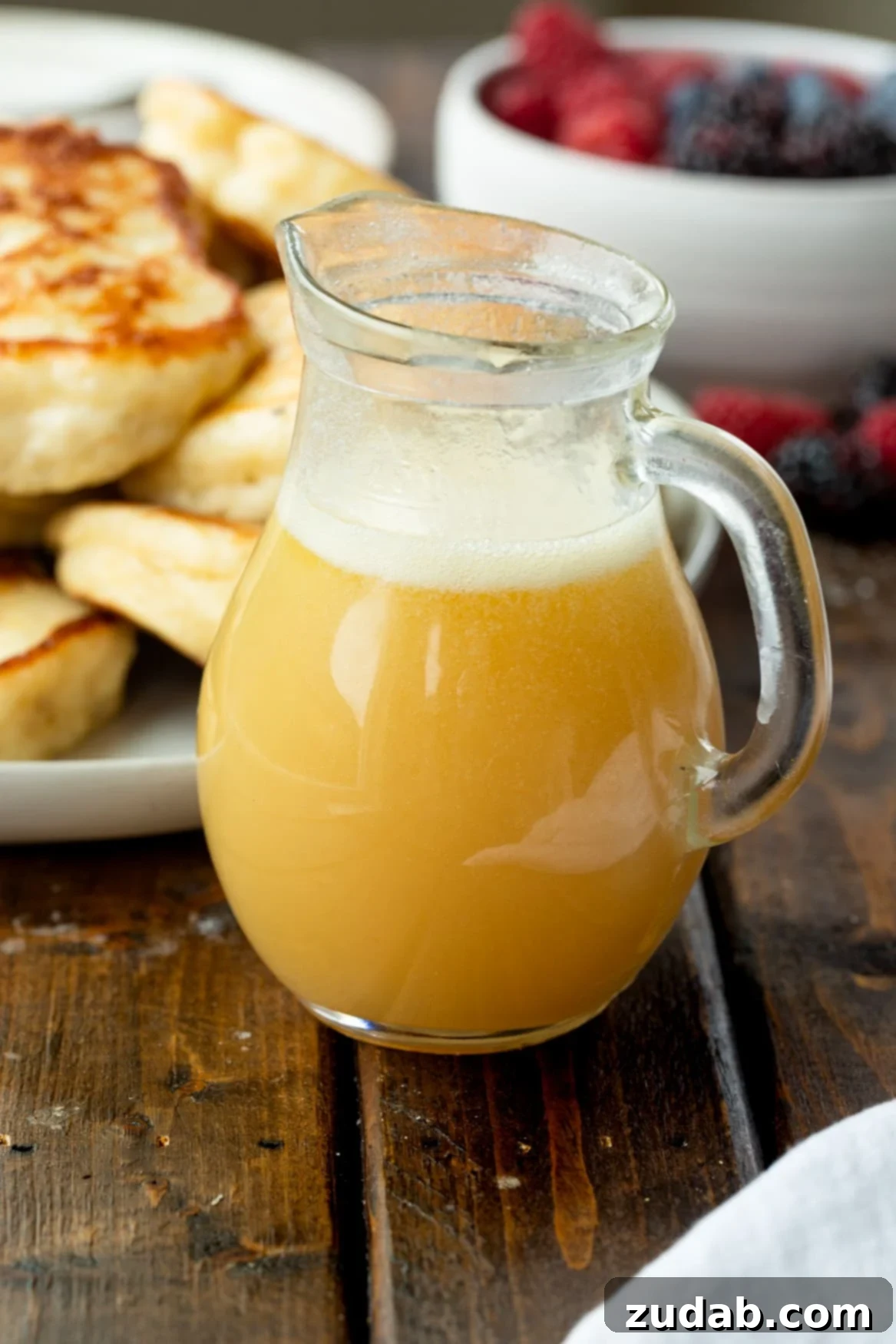
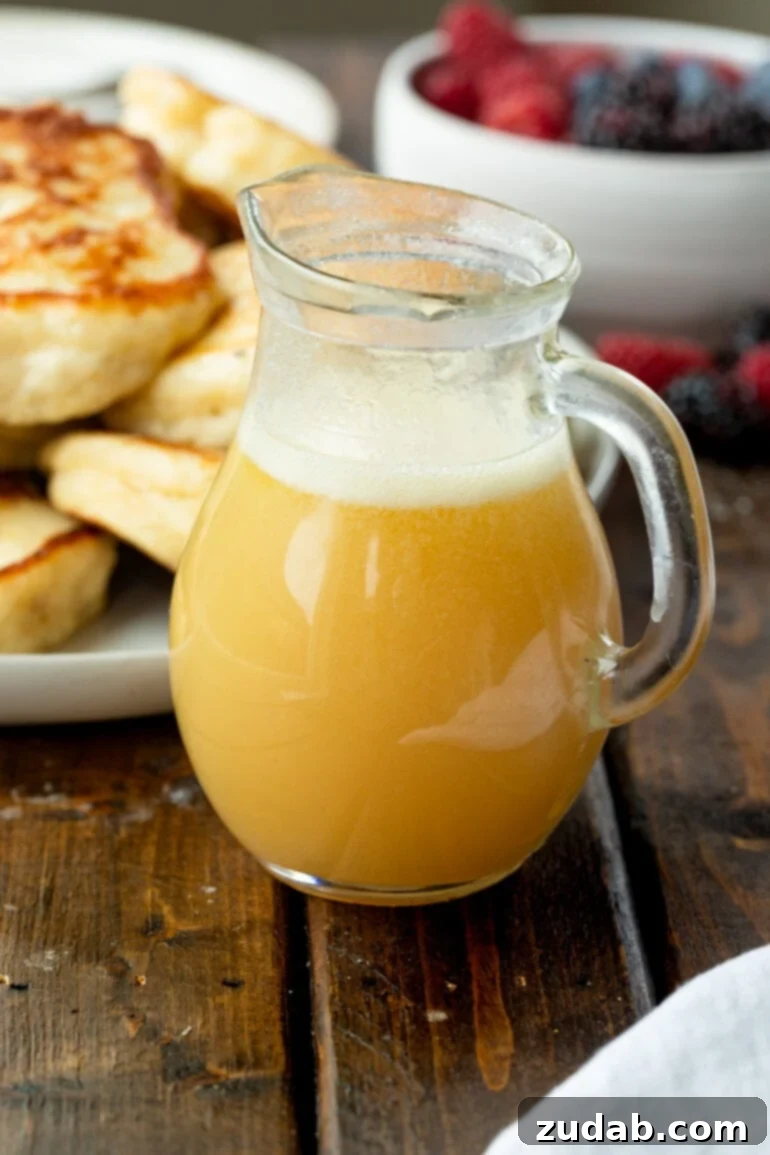
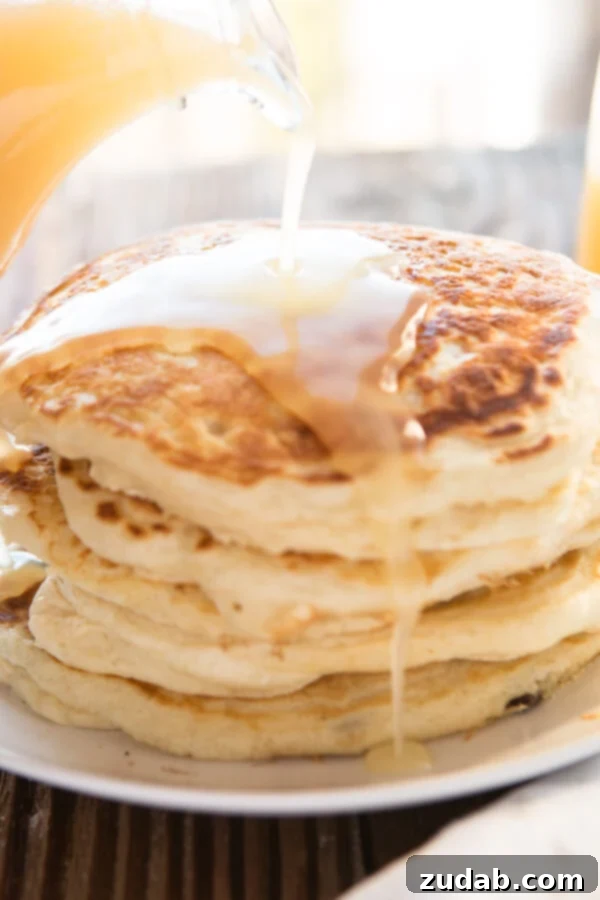
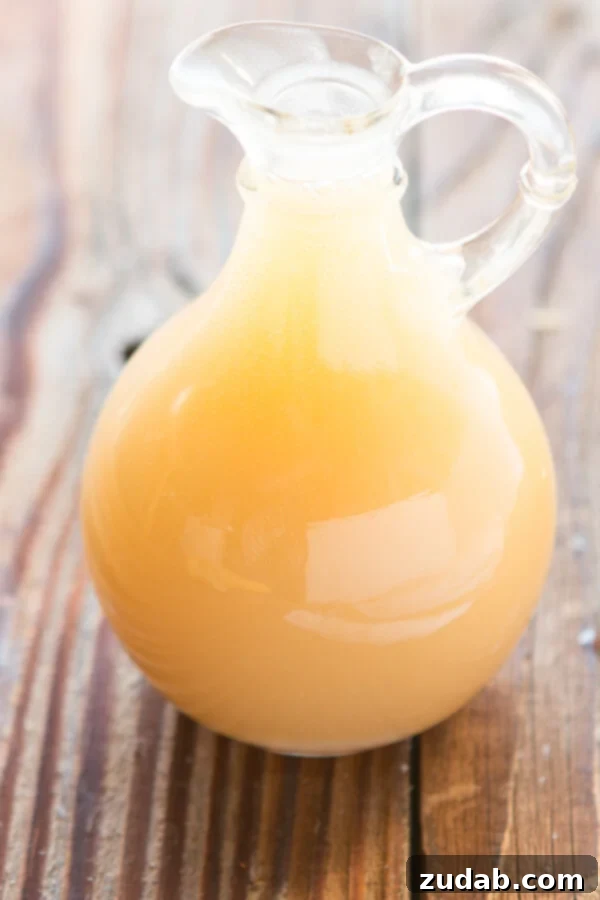
Prepare to elevate your breakfast experience with a drizzle of pure magic: homemade buttermilk syrup. Forget plain maple syrup; this “liquid gold” is a game-changer, renowned for its rich, buttery, and lusciously creamy texture that transforms ordinary pancakes, waffles, and French toast into extraordinary culinary delights. Imagine a warm, sweet, caramel-like sauce that blankets your favorite morning treats, delivering a taste reminiscent of the finest syrups found at beloved breakfast spots. This isn’t just a syrup; it’s an indulgence that will have everyone at your table reaching for more.
For those familiar with the legendary syrups from Kneaders or Magleby’s, this homemade buttermilk syrup offers a similar, if not superior, experience. Its unique profile is surprisingly free of any strong “buttermilk-y” tang, instead offering a smooth, light sweetness that perfectly balances richness with a delicate, melt-in-your-mouth quality. This is a cherished family recipe, one that brings back comforting childhood memories of weekend breakfasts. It’s a taste so irresistibly good that you might find yourself (unashamedly!) licking your plate clean to savor every last drop. It’s truly an unparalleled topping that promises to become a staple in your home.
Unlocking the Secret: Ingredients for the Best Buttermilk Syrup
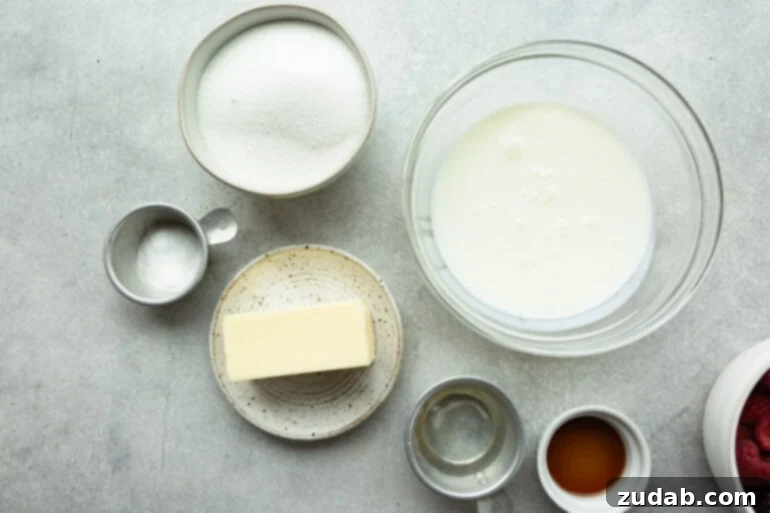
Creating this irresistible homemade buttermilk syrup requires just six simple ingredients, most of which are likely already in your pantry. The beauty of this recipe lies in its straightforwardness and the incredible flavor it produces from such common staples. Here’s a closer look at what you’ll need to craft your own batch of liquid gold:
- Unsalted Butter: The foundation of our syrup’s rich and velvety texture. Unsalted butter is preferred as it allows you to control the overall saltiness of the syrup, ensuring a pure, sweet flavor. It contributes significantly to the syrup’s luxurious mouthfeel and buttery notes.
- Granulated White Sugar: This provides the essential sweetness and caramelizes beautifully during the cooking process, lending depth to the syrup. Using standard white sugar ensures a classic sweet profile that pairs perfectly with breakfast items.
- Buttermilk: While its name might suggest a sour flavor, buttermilk is the secret to this syrup’s incredible creaminess and light, delicate consistency. It reacts with the baking soda to create a wonderfully airy texture, despite its absence of a strong “buttermilk-y” taste in the final product.
- Pure Vanilla Extract: A touch of vanilla is crucial for enhancing the overall aroma and flavor, adding a warm, inviting essence that complements the sweetness and buttery notes perfectly. Always opt for pure vanilla extract for the best results.
- Light Corn Syrup: This ingredient plays a dual role: it helps prevent sugar crystallization, ensuring a smooth, pourable syrup, and it subtly enhances the deep, buttery caramel flavor, contributing to the syrup’s signature taste.
- Baking Soda: This might seem like an unusual addition, but it is the true “secret ingredient” that cannot be skipped! When combined with the buttermilk and heat, baking soda reacts to create the syrup’s characteristic foam and contributes to its unique, lighter texture and rich, non-buttery flavor. Trust the process; it’s essential for the magic to happen.
Precise measurements for each ingredient can be found in the comprehensive recipe card located at the conclusion of this article.
Crafting Perfection: How to Make Buttermilk Syrup at Home
Preparing this extraordinary buttermilk syrup is remarkably quick and simple, taking less than 10 minutes from start to finish. This makes it an ideal companion to simultaneously cook alongside your favorite pancakes, waffles, or French toast, ensuring everything is warm and fresh for breakfast. Follow these straightforward steps to create a luscious, buttery syrup that will impress everyone:
- Combine and Melt: Begin by placing a large saucepan on your stovetop over medium heat. Add the unsalted butter and allow it to melt completely. Once the butter is melted, carefully add the granulated white sugar, buttermilk, pure vanilla extract, and light corn syrup to the saucepan. Stir all the ingredients together thoroughly until they are well combined and the sugar begins to dissolve.
- Bring to a Rolling Boil: Continue heating the mixture, stirring occasionally, until it reaches a vigorous, rolling boil. A rolling boil means that the bubbles are constant and cannot be stirred down. At this critical point, immediately remove the pan from the heat.
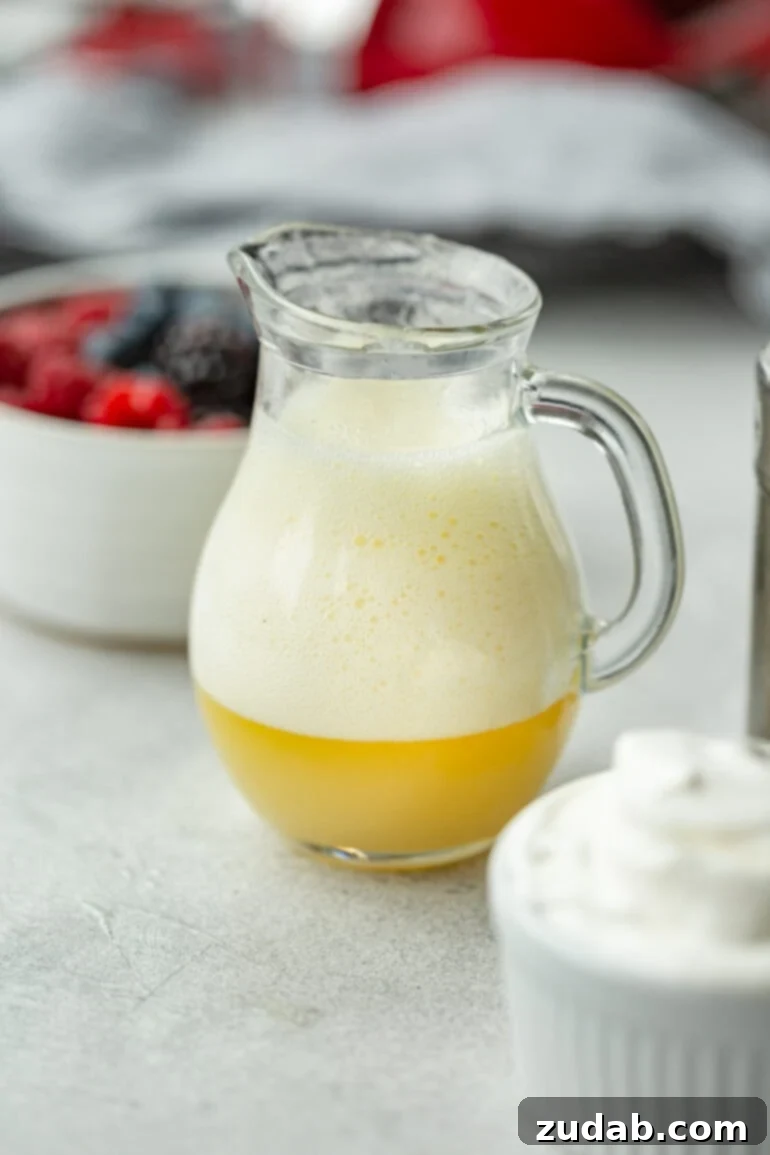
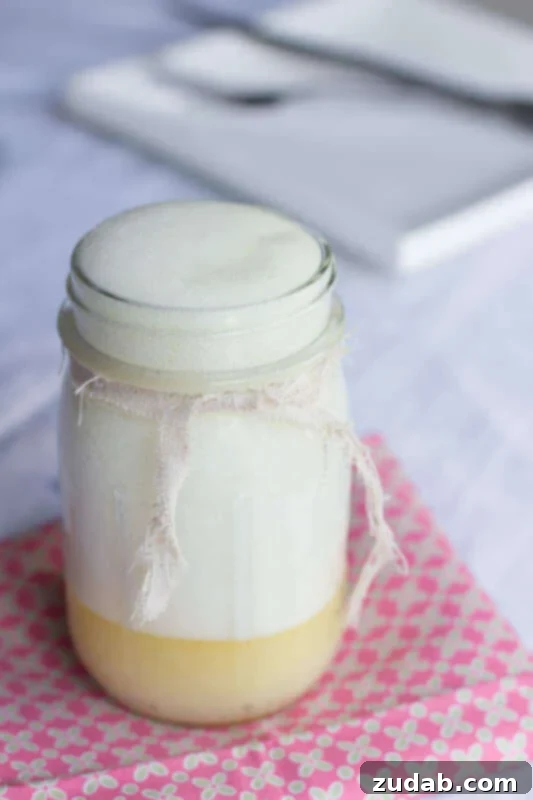
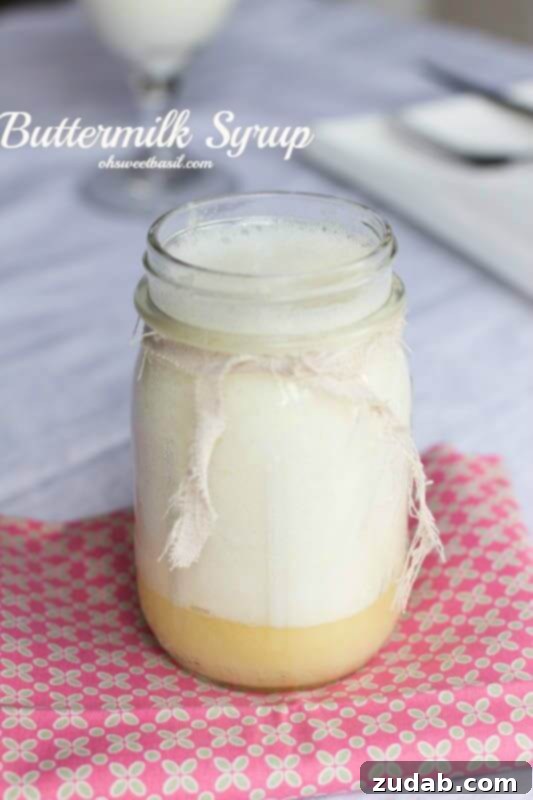
- The Magical Foam with Baking Soda: This is where the unique texture of buttermilk syrup truly develops! Once the pan is off the heat, add the baking soda to the hot mixture. Stir it in quickly and thoroughly. You will notice the syrup mixture will dramatically foam up and increase in volume quite significantly.
- Important Note: The foaming action is completely normal and expected, but it also highlights why using a large saucepan with plenty of room is absolutely essential to prevent overflow. For added caution and to avoid a sugary mess on your stovetop, many home cooks find it helpful to briefly hold the pan over the sink when adding the baking soda. If the foam gets too close to the rim, simply remove it from the heat for a few seconds while continuing to stir until it subsides slightly, then return it.
- Simmer and Serve: After the initial foam has settled slightly, place the pan back over the heat. Whisk the syrup for approximately 30 seconds to ensure all ingredients are fully incorporated and the texture is uniform. Be careful not to overcook it after adding the baking soda, as this can alter the texture. The syrup is now ready to be poured generously over your breakfast. Serve it immediately while warm for the best experience!
For a detailed breakdown of quantities and step-by-step guidance, please refer to the complete recipe card found towards the end of this post.
Creative Enhancements: Tips and Variations for Your Buttermilk Syrup
While the classic buttermilk syrup recipe is divine on its own, it also serves as an excellent canvas for culinary creativity. This flexible recipe can be effortlessly customized to suit your family’s taste preferences, and its versatility extends far beyond just breakfast toppings. Don’t hesitate to experiment and discover new favorites!
Flavor Infusions with Different Extracts
One of the easiest ways to transform your syrup is by swapping or combining different extracts. Instead of traditional vanilla, consider these enticing options:
- Coconut Extract: For a truly tropical twist, try adding coconut extract. This variation creates a “syrup of the gods” experience, as demonstrated in our dedicated Coconut Buttermilk Syrup Recipe. You can also do a half-vanilla, half-coconut blend for a subtle yet exotic flavor.
- Almond Extract: Offers a nutty, slightly sweet aroma that pairs wonderfully with many breakfast items and desserts.
- Orange Extract: Adds a bright, citrusy note that can cut through the richness and provide a refreshing contrast.
- Maple Extract: For an intensified “maple” flavor without using actual maple syrup, a dash of maple extract can work wonders.
Spice It Up!
Warm spices can add another delightful dimension to your buttermilk syrup:
- Cinnamon: Incorporate about 1/4 teaspoon of ground cinnamon during the initial cooking phase for an extra layer of warmth and spice. This is particularly delicious with apple-based dishes.
- Cloves or Nutmeg: A tiny pinch of ground cloves or nutmeg can introduce a festive, aromatic quality, especially perfect for fall and winter breakfasts. Remember, these are potent spices, so use sparingly.
- Pumpkin Pie Spice: For seasonal flair, a blend of pumpkin pie spice can make your syrup an autumn favorite.
Change the Sugar, Change the Flavor
For a deeper, more robust caramel flavor, consider substituting white granulated sugar with brown sugar. Brown sugar introduces molasses notes, resulting in a richer, more complex syrup that’s wonderfully indulgent.
Beyond Breakfast: Versatile Serving Ideas
Don’t limit this incredible syrup to just pancakes and waffles! Its buttery, caramel-like taste makes it a fantastic topping for a wide array of dishes:
- Dessert Topping: Drizzle it warm over vanilla ice cream, apple pie, or a warm fruit crisp (like our best apple crisp) for an instant upgrade.
- Oatmeal and Yogurt: Stir it into your morning oatmeal or swirl it into plain yogurt for a naturally sweetened, flavorful boost.
- Crepes and Cinnamon Rolls: It’s an exquisite complement to delicate crepes and a truly decadent alternative frosting for warm cinnamon rolls.
- Savory Pairings: For a delightful sweet and savory contrast, use it as a dipping sauce for sausage dunkers or French toast sticks.
Understanding Buttermilk: Is it Sour Milk?
It’s a common misconception that buttermilk is simply “sour milk,” but they are distinctly different products with unique compositions. Understanding the difference is helpful for both cooking and choosing the right ingredients for your recipes.
Traditional Buttermilk: Historically, buttermilk was the liquid left over after churning butter from cultured cream. Modern buttermilk, often referred to as cultured buttermilk, is produced by adding lactic acid bacteria to regular pasteurized milk. These beneficial bacteria ferment the milk sugars, producing lactic acid, which gives buttermilk its characteristic tangy flavor and slightly thicker consistency. This process also makes it slightly acidic, which is key for its reaction with baking soda in recipes like this syrup.
Sour Milk: In contrast, “sour milk” typically refers to regular milk that has soured naturally due to spoilage, or milk that has been intentionally soured by adding an acid like lemon juice or vinegar to it. While it can be used in some recipes as a substitute for buttermilk (especially those relying on the acid-baking soda reaction), its flavor profile and consistency are not quite the same as cultured buttermilk. Spoiled milk should generally be avoided for consumption due to potential pathogens, but homemade sour milk (milk + acid) is a safe and effective substitute in many baking applications.
For this buttermilk syrup recipe, either genuine cultured buttermilk or a homemade sour milk substitute will work, though real buttermilk will yield the most authentic and creamy result.
Buttermilk Substitute: What to Do If You Don’t Have Any?
Don’t let a lack of buttermilk stop you from making this incredible syrup! You can easily create a workable substitute at home using ingredients you likely already have. While the texture might not be identical to using real cultured buttermilk, it will still activate the baking soda and provide a similar tangy base for the syrup’s unique flavor development.
To make homemade sour milk as a buttermilk substitute, simply follow these steps:
- Measure Milk: Pour 1 cup of regular milk (dairy or non-dairy can often work, though dairy is preferred for this recipe) into a liquid measuring cup.
- Add Acid: Stir in 1 to 2 tablespoons of either fresh lemon juice or white vinegar. The acid will begin to curdle the milk.
- Let It Sit: Allow the mixture to sit undisturbed for about 5 to 10 minutes. During this time, the milk will visibly thicken and small curds will form, indicating it has soured. It’s now ready to be used in your recipe as a buttermilk substitute.
Remember, this substitute works well in recipes that rely on buttermilk’s acidity for leavening, like pancakes or this syrup. However, for drinking or recipes where buttermilk is a primary flavor component, real cultured buttermilk is always best.
Storing Your Liquid Gold: How Long Will Buttermilk Syrup Last?
Proper storage is key to enjoying your homemade buttermilk syrup for an extended period. Once your delicious syrup has cooled completely, transfer it to an airtight container or a clean glass jar with a tight-fitting lid. This prevents air exposure and helps maintain its freshness.
- Refrigeration: Buttermilk syrup should always be stored in the refrigerator. When properly stored in the fridge, it will remain fresh and delicious for approximately 1 to 2 weeks.
- Reheating: If the syrup thickens in the refrigerator (which is common due to the butter content), it can be easily reheated to its original pourable consistency. You can gently warm it in the microwave in short intervals, stirring well between each, or reheat it on the stovetop over low heat, stirring constantly until it’s smooth and warm again. Avoid overheating, as this can cause it to become too thick.
Having a batch of this fantastic syrup on hand means you’re always just moments away from elevating any breakfast or dessert into something truly special.
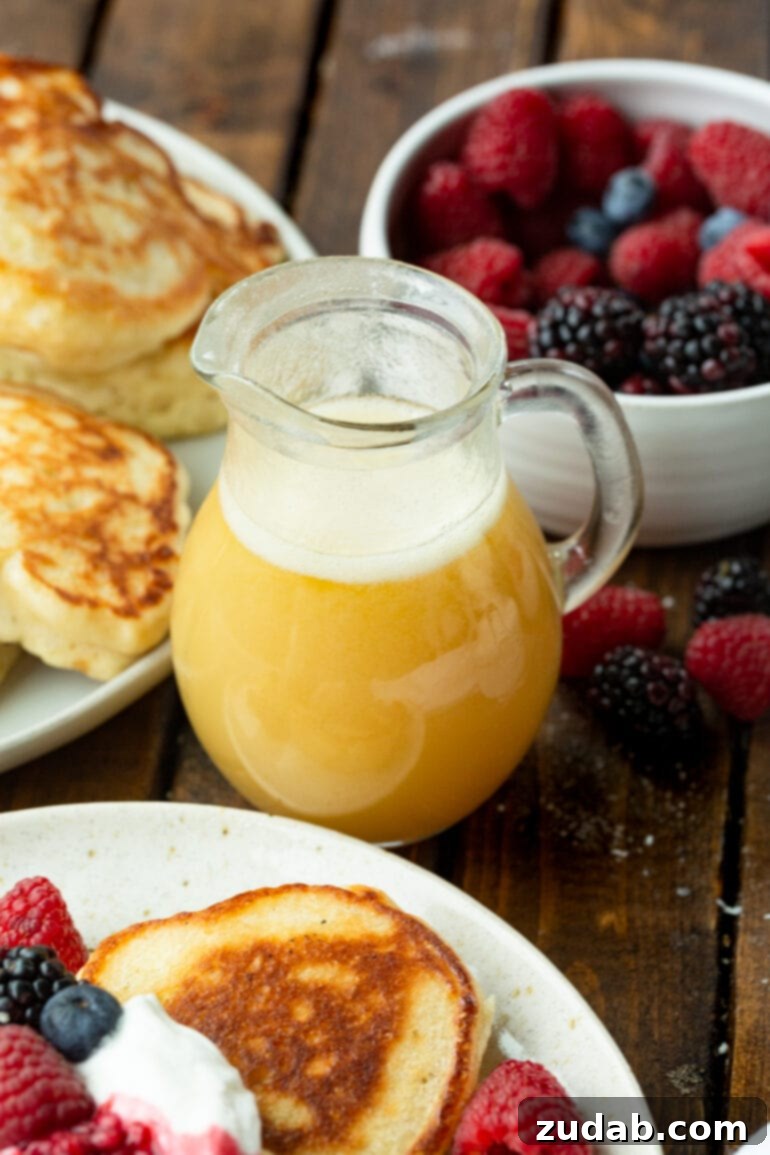
When it comes to crafting unforgettable breakfast experiences, this easy homemade buttermilk syrup consistently earns its spot at the top of my list. Its rich, buttery, and utterly divine caramel-like flavor is pure heaven on virtually anything. In the Cheney household, homemade buttermilk syrup isn’t just a recipe; it’s a cherished breakfast tradition that brings joy and deliciousness to every morning meal. Give it a try, and discover why it’s hailed as the ultimate sweet topping!
Explore More Irresistible Syrup Creations from Our Kitchen:
If you’ve fallen in love with our buttermilk syrup, you’ll be delighted to explore our other fantastic syrup recipes, each designed to add a unique flavor twist to your breakfast or dessert:
- Coconut Buttermilk Syrup: A tropical twist on our classic, bursting with coconut flavor.
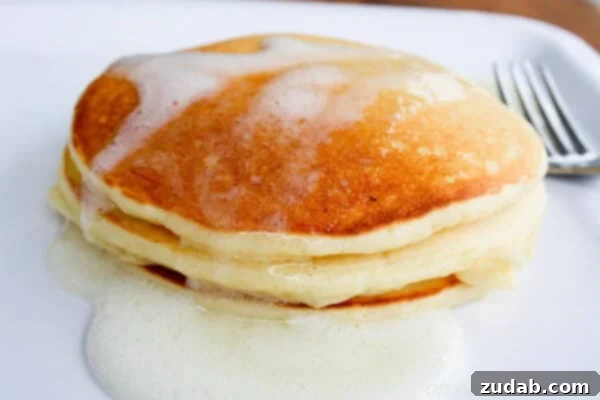
- Meyer Lemon Syrup: Bright, zesty, and perfectly tart for a refreshing splash of citrus.
- Buttermilk Maple Syrup: The rich creaminess of buttermilk combined with the classic taste of maple.
- Peanut Butter Maple Syrup: A fun, nutty, and indulgent syrup that’s great for kids and adults alike.
- Milky Way Syrup: Experience the flavors of a beloved chocolate bar in syrup form.
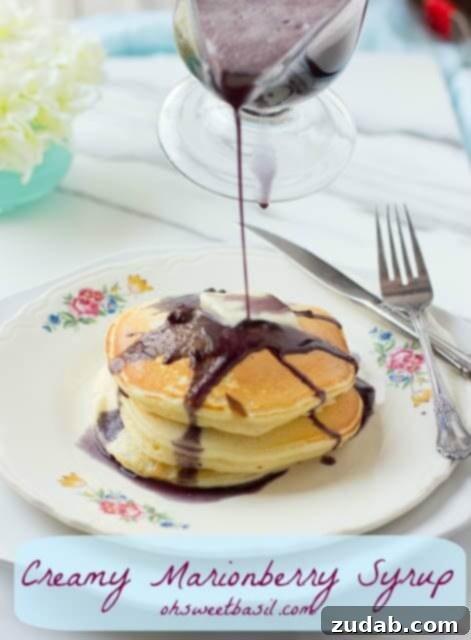
- Creamy Marionberry Syrup: A sweet and tangy berry syrup, perfect for summer mornings.
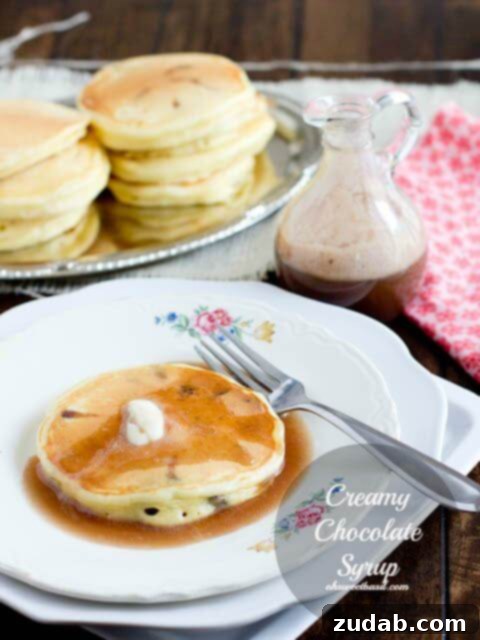
- Creamy Chocolate Syrup: A smooth, rich chocolate syrup that’s far superior to store-bought.
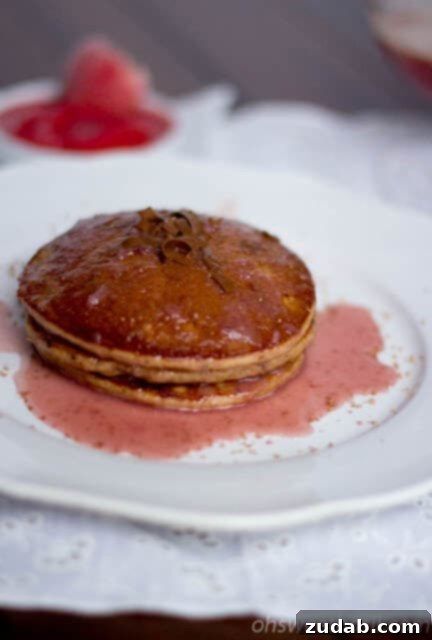
- Strawberry Syrup: Fresh, fruity, and vibrant, ideal for a splash of natural sweetness.
- Reese’s Syrup: Indulge in the iconic peanut butter and chocolate combo in syrup form.
Buttermilk Syrup
Sweet Basil
2 mins
6 mins
8 mins
10
Print Recipe
Ingredients
- 1/2 Cup Butter, unsalted
- 1 Cup Sugar
- 1 Cup Buttermilk
- 2 teaspoons Vanilla
- 1 Tablespoon Corn Syrup, light
- 1 teaspoon Baking Soda
Instructions
-
In a large pot or saucepan over medium heat, add the butter, sugar, buttermilk, vanilla, and corn syrup. Stir to combine.
-
Heat the mixture until everything is well combined and bring it to a rolling boil.
-
Quickly remove the pot from the heat and add the baking soda, stirring constantly. The syrup will foam up considerably, which is why a large pot is crucial. If it threatens to boil over, lift the pot off the burner briefly while continuing to stir until the foam subsides.
-
Return the pan to the heat and stir for about 30 seconds to incorporate everything fully. Serve immediately while warm.
Recipe Notes
Nutrition
Calories: 182kcal,
Carbohydrates: 23g,
Protein: 1g,
Fat: 10g,
Saturated Fat: 6g,
Polyunsaturated Fat: 0.4g,
Monounsaturated Fat: 3g,
Trans Fat: 0.4g,
Cholesterol: 27mg,
Sodium: 209mg,
Potassium: 37mg,
Sugar: 23g,
Vitamin A: 323IU,
Calcium: 31mg,
Iron: 0.02mg
Nutrition information is automatically calculated, so should only be used as an approximation.
Like this recipe? We’d love to hear from you! Leave a comment below.
Creamy Marionberry Syrup
Chocolate Syrup
Meyer Lemon Syrup
Strawberry Syrup