
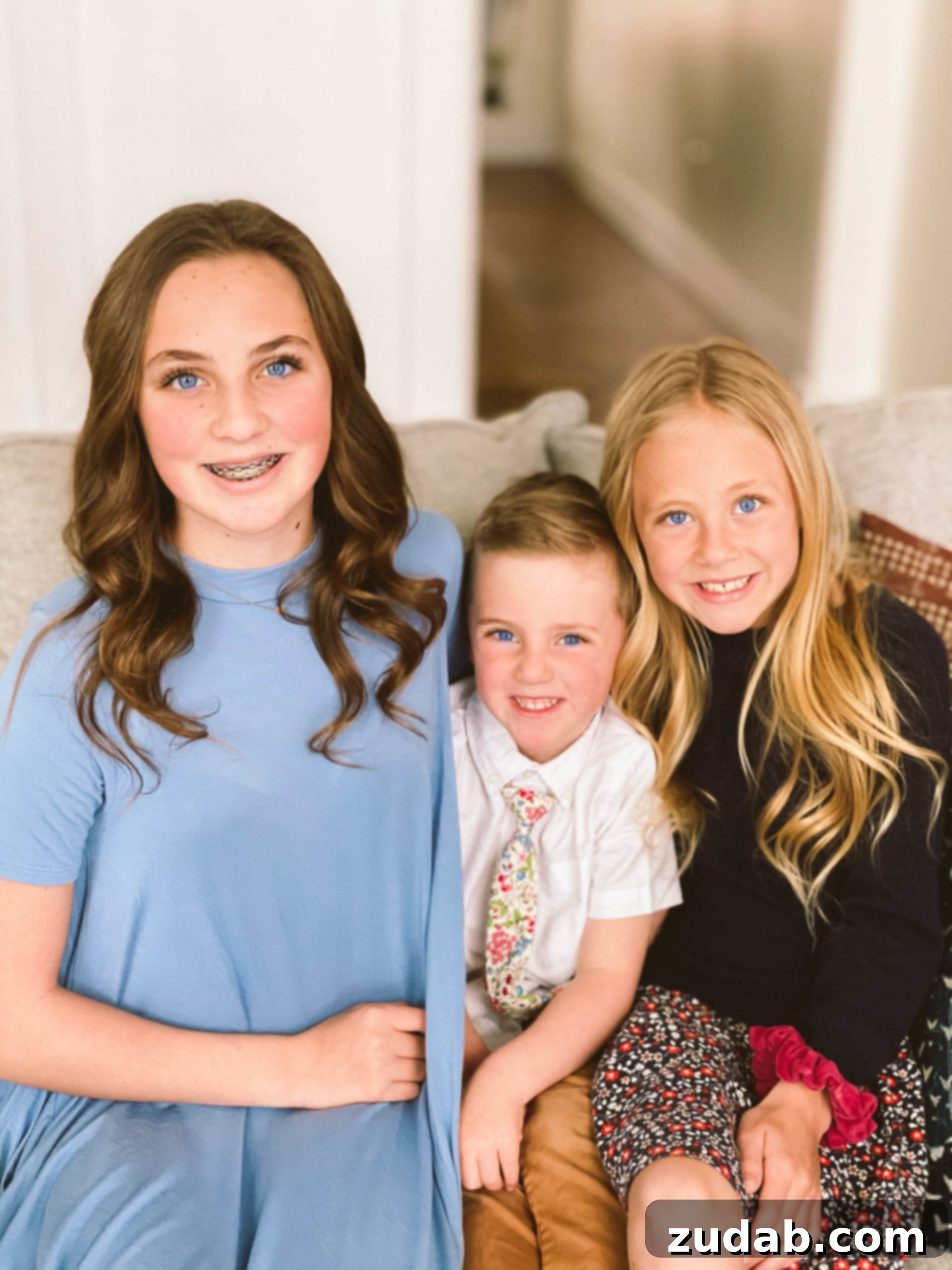
Looking into those innocent blue eyes, a profound realization often settles within me. It’s a truth that has always underscored the journey of motherhood, yet one that resonates with an even deeper significance as we navigate a world forever changed by recent global challenges. The act of raising a child, of nurturing a human being from infancy into adulthood, is perhaps the most significant contribution one can make to the future – a responsibility that feels heavier, yet more sacred, than ever before.
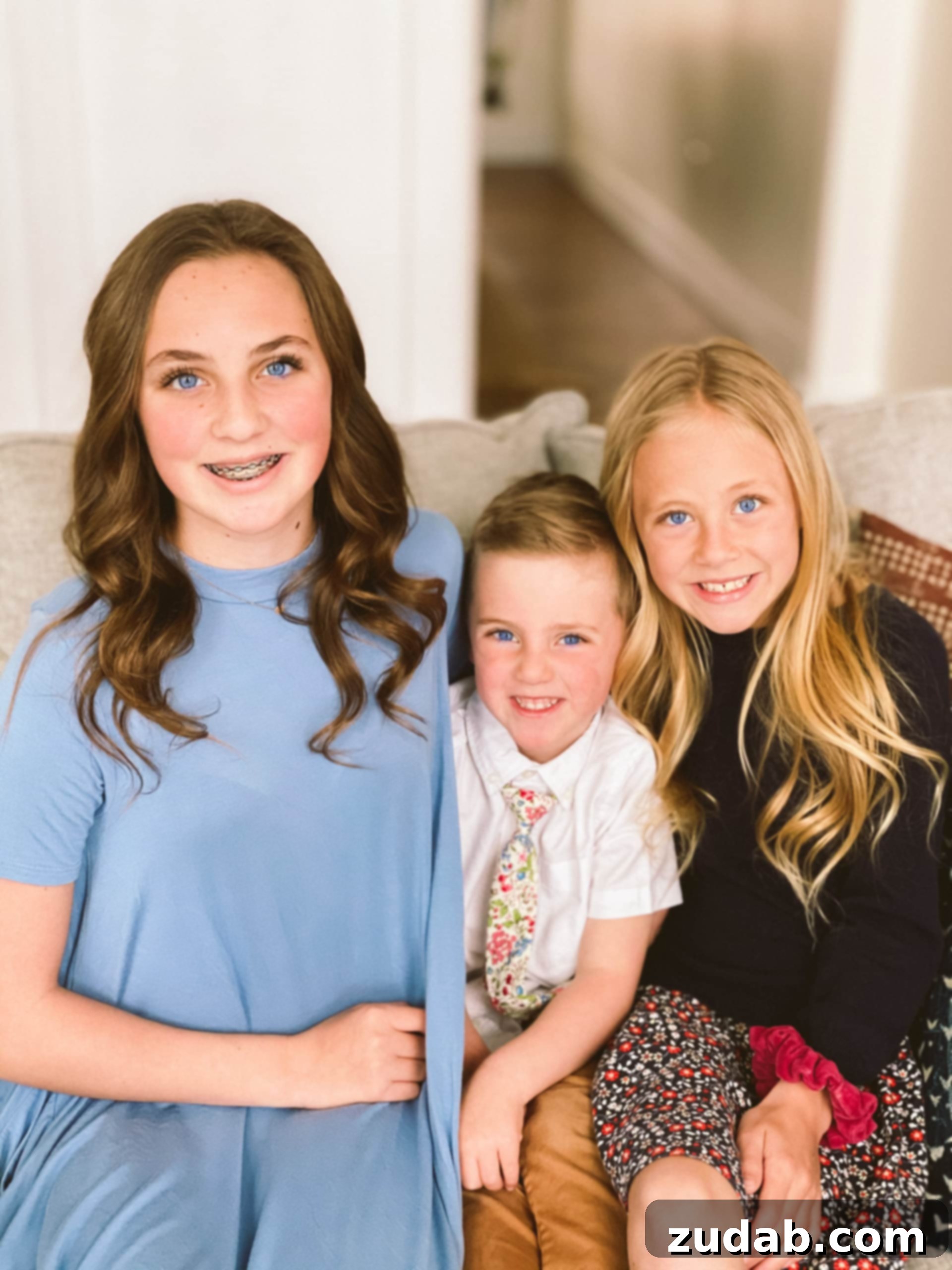
The Irreplaceable Foundation: Why Childhood Shapes Everything
From the moment of birth, and arguably even before, childhood unfolds as the most profoundly formative period in any individual’s existence. It is not merely a phase to be gotten through; rather, it is the crucible in which personalities are forged, values are instilled, and the very blueprint for future interactions with the world is laid down. During these incredibly precious years, a child’s brain is a sponge, absorbing every nuance, every lesson, every unspoken message from their environment. This period of rapid neurodevelopment dictates everything from their capacity for learning and problem-solving to their emotional regulation and ability to form meaningful relationships.
The experiences, both positive and negative, that a child encounters during these foundational years become deeply embedded. They influence not only what we know intellectually but also how we feel, how we react to stress, and how we perceive our own worth. A secure attachment formed in early childhood, for instance, can foster a sense of safety and confidence that empowers a person throughout their life. Conversely, unmet needs or traumatic events can create deep-seated patterns that, if not addressed, can manifest as challenges in adulthood. Understanding this fundamental truth underscores the immense importance of creating a nurturing, stimulating, and safe environment for every child, paving the way for healthy development and lifelong well-being.
Shaping Future Selves: The Enduring Echoes of Early Life
It is during childhood that the intricate tapestry of our future selves begins to weave itself together. Every interaction, every lesson learned, every boundary set (or not set) contributes to the person we are destined to become. Our early experiences dictate not just the knowledge we acquire, but also the fundamental principles that guide our decisions, the passions that ignite our spirits, and the types of connections we seek and cherish throughout our lives. The foundational sense of self-worth, empathy, and resilience are not traits we magically acquire later; they are meticulously cultivated during these critical years through consistent care and intentional guidance.
The profound truth, often acknowledged with a touch of melancholy, is that for many, adulthood becomes an ongoing process of ‘fixing’ or re-calibrating the perceived weaknesses or coping mechanisms developed in childhood. Whether it’s overcoming insecurities, learning healthier communication patterns, or unlearning limiting beliefs, these efforts often trace back to unresolved aspects of our formative years. This isn’t a judgment on past parenting or a condemnation of individual journeys; rather, it’s a powerful testament to the lasting impact of early experiences. It serves as a compelling motivator for parents today to be incredibly intentional, to lay the strongest possible groundwork, minimizing the need for extensive “repairs” down the line and instead fostering a robust, adaptable, and emotionally intelligent adult capable of navigating life’s complexities with grace and strength.
The Dedicated Art of Modern Parenting: A Mother’s Unwavering Commitment
In an era teeming with information, societal pressures, and ever-evolving challenges, the journey of raising children feels more complex and demanding than perhaps ever before. The statement, “I’m working harder than ever at raising children,” resonates deeply with countless parents, particularly mothers, who often shoulder the primary emotional and logistical labor. This isn’t merely about providing food and shelter; it’s about a relentless, 24/7 commitment to nurturing every facet of a child’s being. It involves being an unwavering emotional anchor, a patient educator, a consistent disciplinarian, a vigilant protector, and an empathetic guide through the intricate maze of childhood and adolescence, all while navigating the demands of personal and professional life.
The dedication required extends far beyond visible tasks. It’s in the countless sleepless nights, the endless questions patiently answered, the tears dried, the triumphs celebrated, and the mistakes gently corrected. It’s about modeling resilience in the face of adversity, demonstrating kindness, and teaching the nuanced art of navigating social dynamics. It’s about recognizing their unique potential and providing the support system they need to flourish. The ultimate, overarching goal, beautifully simple yet profoundly impactful, is “just being a good mom so that they can be good people.” This aspiration encapsulates a desire not for perfection, but for integrity, compassion, and a strong moral compass that will serve them well in the world, enabling them to lead purpose-driven lives and contribute positively to their communities.
Defining “Good People”: Cultivating Essential Values for Life
When we articulate the desire to raise “good people,” what exactly do we envision? It extends far beyond superficial politeness or academic achievement. At its heart, it’s about instilling a robust set of core values and character traits that enable individuals to thrive, contribute positively to society, and lead fulfilling lives. A good person, in essence, is someone who possesses a strong sense of empathy – the ability to understand and share the feelings of others. They are kind, not just when it’s easy, but even when it requires effort or sacrifice. They demonstrate integrity, choosing honesty and ethical conduct even when no one is watching, building a foundation of trust and respect in all their interactions.
Furthermore, raising good people involves fostering a sense of responsibility – for their actions, their communities, and the world around them. It means nurturing resilience, equipping them with the mental and emotional fortitude to navigate setbacks and learn from challenges rather than being defeated by them. Critical thinking skills are paramount, enabling them to question, analyze, and form independent judgments rather than blindly accepting narratives. Respect for diversity, a willingness to listen actively to differing perspectives, and the courage to stand up for what is right are also integral components. These aren’t just abstract ideals; they are practical, everyday virtues that shape how our children will interact with their peers, their future colleagues, and their own families, ultimately influencing the very fabric of society and fostering a more harmonious world.
Strategies for Nurturing Flourishing Futures: Intentional Parenting Approaches
The journey of raising “good people” isn’t a passive one; it demands intentionality and a conscious application of supportive strategies. One of the most vital tools in a parent’s arsenal is genuine presence. In a world brimming with distractions, simply being *there* – truly listening when a child speaks, engaging in their interests, and offering undivided attention – builds an invaluable foundation of trust and emotional security. Active listening, rather than just hearing, validates their feelings and teaches them the importance of being heard and understood, a crucial skill for healthy relationships.
Creating a safe and consistent environment, both physically and emotionally, is paramount. This means establishing clear, consistent boundaries that provide structure and teach self-regulation, while also ensuring that home is a haven where mistakes are seen as opportunities for growth, not grounds for shame. Fostering curiosity and a love for learning, encouraging independent thought, and allowing space for age-appropriate exploration equips children with the tools to navigate a complex world. Teaching problem-solving skills, rather than always providing solutions, empowers them with agency and confidence in their own abilities. Ultimately, it’s about nurturing an emotional connection that transcends daily tasks, reminding them that they are seen, valued, and unconditionally loved, thereby building the confidence and self-esteem necessary to become empathetic, responsible, and capable adults ready to face any challenge.
The Ripple Effect: Beyond Our Own Homes, Shaping a Better World
The profound effort parents invest in raising their children extends far beyond the confines of their own homes. Every child nurtured with love, guided with wisdom, and equipped with a strong moral compass grows into an adult who contributes to the larger societal tapestry. The empathy fostered in a child becomes the compassion shown to a neighbor in need. The resilience taught transforms into the perseverance required to tackle global challenges. The respect for others instilled leads to more inclusive and understanding communities, fostering dialogue and collaboration over division.
In essence, purposeful parenting is an act of profound optimism for the future. It’s an investment not just in an individual life, but in the collective well-being of humanity. When we prioritize raising individuals who are kind, responsible, critically thinking, and emotionally intelligent, we are actively shaping a world with fewer conflicts, stronger social bonds, and a greater capacity for collaborative progress. The legacy of being a “good mom” or a “good parent” transcends personal satisfaction; it becomes a powerful, positive ripple effect, echoing through generations and contributing to the sustained health and vibrancy of our shared global community. The hard work, the dedication, and the countless sacrifices truly make a difference – a difference that resonates deeply within the soul of each child and then radiates outwards, enriching the entire world with their unique contributions.
Embracing the Sacred Trust of Parenthood
In conclusion, the journey of parenthood, particularly motherhood, is a sacred trust. It is an acknowledgment that the years of childhood are not merely fleeting moments but the very bedrock upon which an entire life is constructed. From the innocent gaze of those blue eyes, to the complex adult they will become, every stage is infused with the potential for profound influence. The commitment to working harder than ever, to simply being a good mom or a good parent, is a testament to the understanding that we are not just raising children; we are cultivating future citizens, innovators, caregivers, and leaders who will shape the world to come.
This profound responsibility, while daunting at times, is also an unparalleled privilege. It calls for unwavering dedication, boundless love, and a conscious effort to instill values that will guide them through life’s inevitable challenges and triumphs. By focusing on fostering emotional intelligence, character, and a deep sense of self-worth during these critical early years, we empower our children to build robust, fulfilling lives and, in turn, contribute meaningfully to the world. It is the most challenging, yet ultimately the most rewarding, endeavor of all, promising a legacy of goodness that extends far beyond our immediate reach.