

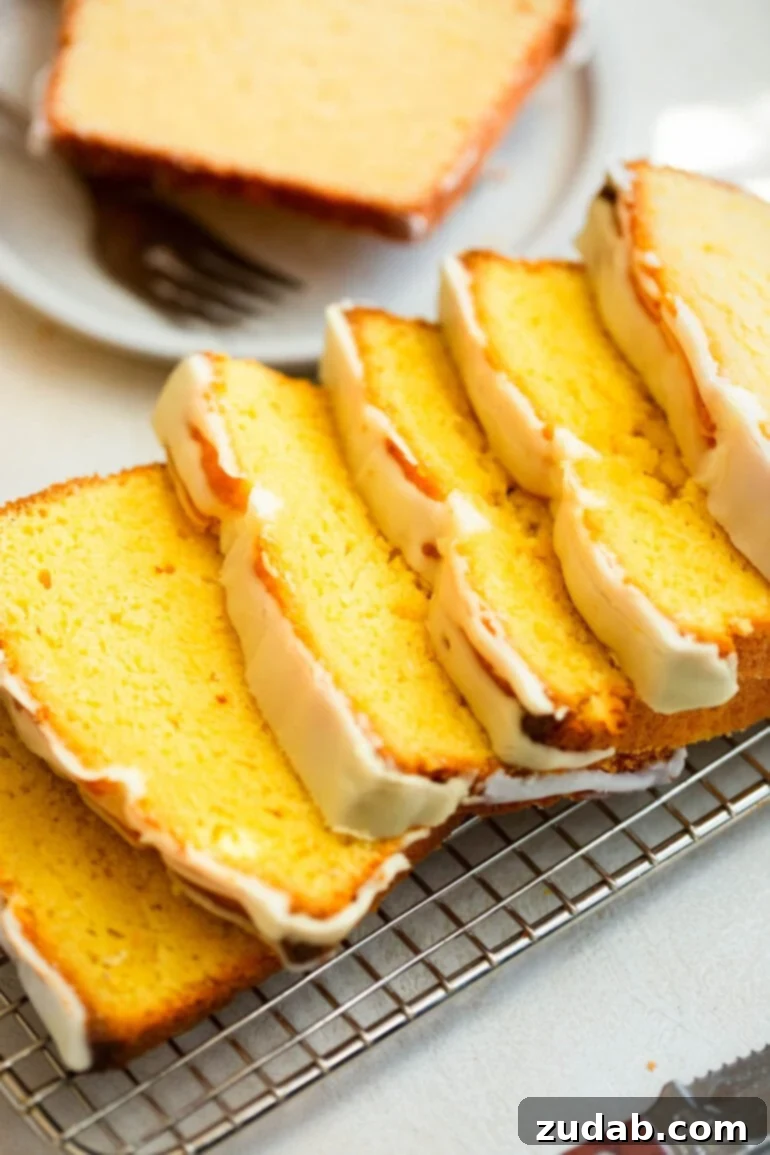
Welcome, fellow lemon enthusiasts! Prepare to discover what we confidently declare to be the ultimate lemon dessert you’ll ever bake. This exquisite lemon pound cake strikes the perfect balance: a wonderfully dense yet incredibly moist texture, generously soaked in a delicate lemon simple syrup, and crowned with a vibrant, tangy lemon glaze. It’s a symphony of citrus that promises to elevate any occasion, from a casual afternoon tea to a festive holiday gathering. Get ready to experience lemon in its most delectable form, a treat that will undoubtedly become a treasured addition to your recipe collection.

In this exceptional lemon pound cake recipe, the bright, invigorating flavor of lemon takes center stage at every step. From the fragrant zest infused into the batter to the zesty kick of fresh juice in the syrup and glaze, this is a lemon dessert recipe designed for true citrus aficionados. We believe that when it comes to lemon, more is always better, and this recipe truly embodies that philosophy. Each bite delivers an explosion of sunny, tart sweetness that will awaken your senses and leave you craving another slice of this irresistible treat.
My journey to perfecting the ideal pound cake has spanned over a decade, often ending in frustration. I struggled to achieve that elusive balance of rich density and melt-in-your-mouth tenderness. Many attempts resulted in cakes that were either too dry, too crumbly, or simply lacking that luxurious texture I envisioned. I was on the verge of giving up on the quest for the perfect pound cake, until a serendipitous experiment. I decided to introduce sour cream into the batter, and the results were nothing short of miraculous. I still can’t fully articulate the scientific magic behind it, but sour cream undeniably nailed the texture, transforming a good cake into an extraordinary one. The high fat content and acidity of the sour cream work wonders, creating a pound cake that is consistently moist, incredibly tender, and truly unforgettable. It adds an unparalleled richness that makes this recipe stand out.
Prepare to delight your palate with every forkful of this buttery, tart, and wonderfully moist lemon cake. Its exquisite flavor and perfect texture make it a delightful indulgence for any moment. Whether you’re celebrating a special occasion, hosting a brunch, or simply enjoying a quiet moment with a cup of coffee, this lemon pound cake is the quintessential treat. It brings a touch of sunshine to even the dullest days and is guaranteed to impress anyone who tastes it.
Essential Ingredients for Crafting Your Perfect Lemon Pound Cake
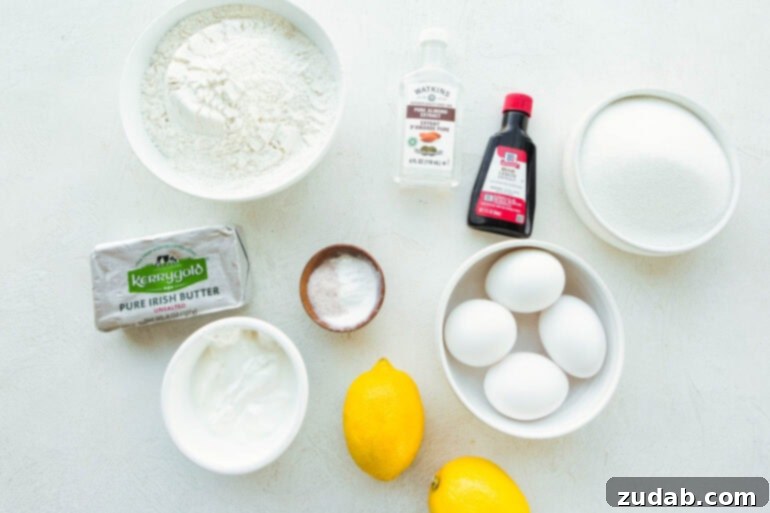
Crafting a truly exceptional lemon pound cake relies on a careful selection of fresh, high-quality ingredients, each playing a vital role in achieving that signature dense, moist crumb and vibrant citrus flavor. We’ve meticulously chosen components that contribute to the layered lemon experience, from the cake itself to the enriching syrup and the bright, zesty glaze. Here’s a detailed look at everything you’ll need to bring this incredible lemon loaf recipe to life:
For the Decadent Pound Cake
- Unsalted Butter: Crucial for richness and tenderness, ensure your butter is softened to room temperature. This allows it to cream properly with sugar, incorporating air for a lighter crumb while still maintaining the pound cake’s characteristic density. Unsalted butter gives you control over the final salt content.
- Granulated Sugar: Beyond sweetness, sugar plays a vital role in moisture retention and contributing to the beautiful golden crust of the cake. It also helps tenderize the crumb.
- Large Eggs: Providing essential structure and richness, eggs contribute to the emulsification of the batter, creating a smooth, cohesive mixture. Separating the yolks and whites allows for the creation of a stable batter with the yolks and a light, airy lift with the whipped whites.
- Full-Fat Sour Cream: This is our secret weapon for an unbelievably moist and tender pound cake. The high fat content and slight acidity of sour cream break down gluten strands, preventing a tough cake and infusing it with unparalleled richness. While low-fat or fat-free options can work, full-fat yields the absolute best texture. Always bring it to room temperature for seamless incorporation.
- Lemon Extract: To amplify that bright citrus punch, a good quality lemon extract deepens the lemon flavor without adding excess liquid, ensuring a robust taste in every bite.
- Almond Extract: A touch of almond extract adds a subtle, sophisticated depth that beautifully complements the lemon, creating a more complex and nuanced flavor profile.
- All-Purpose Flour: The foundation of our cake, all-purpose flour provides the necessary structure. Proper measurement is key to avoid a dry or overly dense cake.
- Baking Powder: This leavening agent gives the cake its perfect rise and contributes to a fluffy yet dense texture.
- Salt: A pinch of salt is essential for balancing and enhancing all the other flavors, making the lemon taste even brighter and the sweetness more profound.
- Fresh Lemon Zest and Lemon Juice: For the most authentic and bold lemon flavor, fresh zest and juice are irreplaceable. The zest contains essential oils that provide intense aroma, while the juice offers a tangy, natural acidity.
For the Luscious Simple Syrup
- Water: The base of our syrup, combining with sugar to create a liquid that soaks into the warm cake, adding moisture and flavor.
- Granulated Sugar: Provides the sweetness necessary to create a rich, hydrating syrup that penetrates the cake without making it soggy.
- Fresh Lemon Juice: Infusing the syrup with bright, natural lemon flavor ensures every layer of the cake is permeated with citrus goodness, intensifying the overall lemon experience.
For the Tangy Lemon Glaze
- Powdered Sugar: Forms the sweet and smooth body of the glaze, dissolving easily for a perfectly creamy consistency that beautifully drapes over the cake.
- Fresh Lemon Juice: This is what gives the glaze its characteristic bright, tangy, and invigorating lemon flavor, cutting through the sweetness of the powdered sugar.
- Milk: A small amount of milk helps achieve the ideal consistency for the glaze, making it creamy and pourable without being too thin.
Mastering the Art of Moist Lemon Pound Cake: A Step-by-Step Guide
Creating this delectable lemon pound cake is a rewarding experience, surprisingly straightforward for such a sophisticated dessert. The process involves baking a perfectly textured loaf, enriching it with a homemade lemon syrup, and then finishing it with a vibrant, tangy glaze. Follow this detailed, step-by-step guide to achieve pound cake perfection:
- Initial Preparation: Begin by preheating your oven to 350 degrees Fahrenheit (175 degrees Celsius). This ensures the oven is at the correct temperature when the cake enters, allowing for even baking. Generously grease and flour a standard loaf pan (approximately 9×5 inches). You can also line it with parchment paper, leaving an overhang on the longer sides to easily lift the finished cake. Placing the prepared pan on a baking sheet provides stability and catches any potential drips, making cleanup easier.
- Crafting the Wet Ingredients Base: In the bowl of your stand mixer, fitted with the paddle attachment, cream together the softened unsalted butter and granulated sugar until the mixture is light, fluffy, and pale in color. This process incorporates air, which is crucial for the cake’s tender crumb. Next, add the egg yolks one at a time, beating well after each addition to ensure full incorporation. This creates a rich, emulsified base. Scrape down the sides of the bowl to ensure everything is thoroughly combined. Then, add the room-temperature sour cream and both the lemon and almond extracts. Mix on low speed until just combined; avoid overmixing at this stage.
- First Flour Addition: With the mixer still on low, gradually add 1 cup of the all-purpose flour to the wet ingredients. Mix only until the flour is mostly incorporated, and no dry streaks remain. This helps to build the cake’s structure in stages.
- Whipping and Folding Egg Whites: In a separate, very clean bowl (preferably a metal or glass bowl), add the reserved egg whites. Using a hand mixer or the whisk attachment of your stand mixer, beat the egg whites on medium-high speed until they form stiff, glossy peaks. This means they should hold their shape when the whisk is lifted. Gently fold these whipped egg whites into the cake batter in two additions. The key here is to be very gentle, using a spatula to lighten the batter without deflating the air you’ve just incorporated. This step contributes to the cake’s delicate texture.
- Incorporating Remaining Dry Ingredients: To the batter, add the remaining all-purpose flour, baking powder, salt, fresh lemon zest, and fresh lemon juice. Mix on the lowest speed only until everything is just combined. It’s perfectly acceptable if a few small streaks of flour remain; overmixing at this stage can develop the gluten too much, resulting in a tough, dry cake.
- Baking Perfection: Carefully pour the prepared batter into your greased and floured loaf pan. Spread it evenly. Bake for 65-70 minutes, or until a wooden skewer or toothpick inserted into the center comes out clean or with just a few moist crumbs attached. Avoid overbaking, as this is the primary cause of dry pound cake. Once baked, remove the cake from the oven and let it cool in the pan for about 10-15 minutes. This allows it to set before transferring. Then, carefully invert the cake onto a wire cooling rack to cool completely. It’s crucial for the cake to be almost entirely cool before applying the syrup.
Crafting the Zesty Simple Syrup
- Syrup Preparation: While the cake is cooling, prepare the simple syrup. In a small saucepan, combine the water and granulated sugar. Bring the mixture to a gentle boil over medium heat, stirring occasionally, until the sugar has completely dissolved. Remove the saucepan from the heat immediately. Stir in the fresh lemon juice, ensuring it’s well incorporated.
- Syrup Application: Once the pound cake has cooled for approximately an hour and is still slightly warm but not hot, generously brush the warm lemon syrup all over the entire surface of the cake, including the sides. Use a pastry brush and work slowly, allowing the syrup to soak into the cake as you go. This step is vital for ensuring an incredibly moist and flavorful cake. Continue until all the syrup has been absorbed.
Preparing the Tangy Glaze
- Glaze Perfection: Once the loaf cake is completely cooled to room temperature (this is critical to prevent the glaze from melting), add the powdered sugar, fresh lemon juice, and milk to a small bowl. Whisk vigorously until the mixture is smooth and has a pourable, yet thick, consistency. If it’s too thick, add a tiny bit more milk (half a teaspoon at a time); if too thin, add a little more powdered sugar. Spoon the tangy glaze generously over the top of the completely cooled lemon pound cake, allowing it to drip attractively down the sides. Let the glaze set for at least 15-20 minutes before slicing and serving.
For all ingredient measurements and a concise summary of these instructions, please refer to the recipe card towards the end of this article. Keep scrolling for all the delicious details!
Lemon Quantity Guide: How Many Lemons Do You Truly Need?
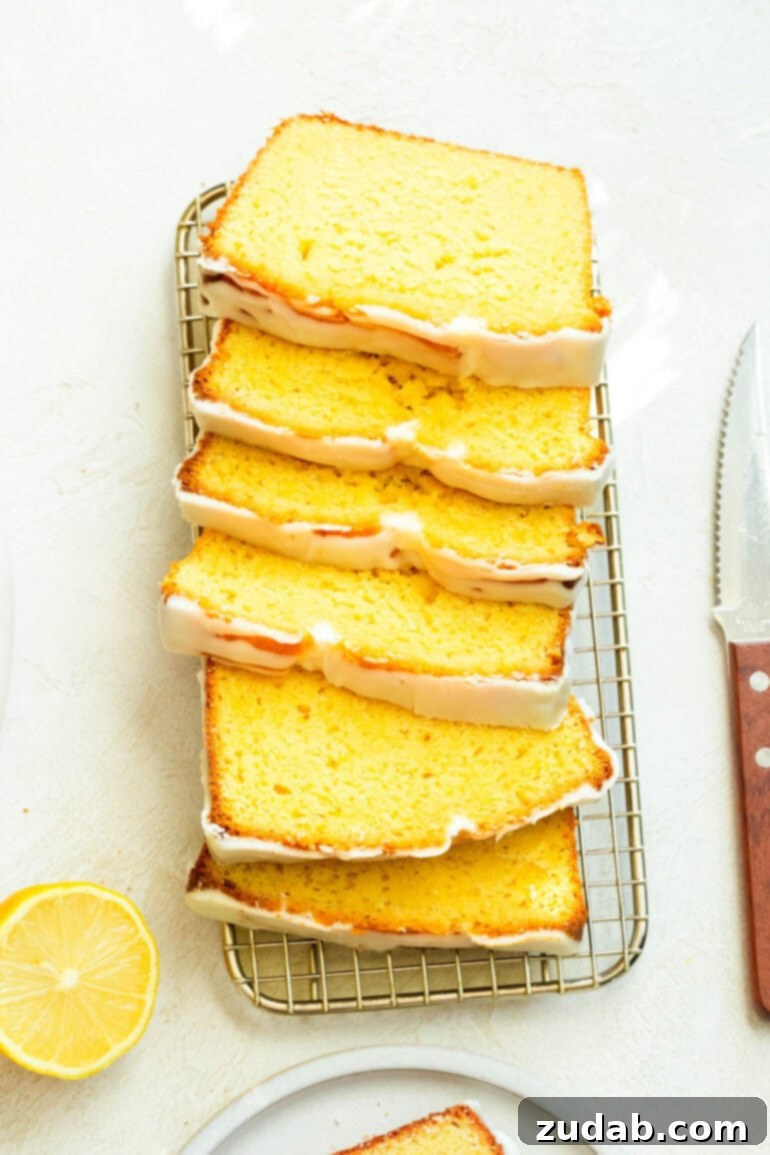
For this wonderfully lemony recipe, you’ll need a total of approximately 4 tablespoons of fresh lemon juice and 2 tablespoons of fragrant lemon zest. The exact yield from a single lemon can vary based on its size and ripeness, but on average, one medium-sized lemon typically provides about 2-3 teaspoons of zest and roughly 3 tablespoons of juice. Based on these estimates, you’ll need just 2 fresh lemons for this pound cake recipe, ensuring you get enough zest and juice for the cake, syrup, and glaze. When selecting your lemons, look for ones that are firm, heavy for their size, and have smooth, bright yellow skin. These characteristics usually indicate a juicy interior and ample zest.
If you find yourself with an abundance of extra lemons, don’t let them go to waste! Their versatility shines in both sweet and savory dishes. Consider transforming them into our irresistible Panko Crusted Chicken with Lemon Sauce for a delightful weeknight dinner, or try our comforting Garlic Butter Chicken with Lemon Rice. It’s truly amazing how a single ingredient like lemon can enhance such a diverse range of culinary creations!

Pro Tips for Baking the Best Lemon Pound Cake Ever
Achieving a truly exceptional lemon pound cake isn’t just about following the steps; it’s also about understanding the nuances that elevate a good cake to a great one. These expert tips will help ensure your cake is consistently moist, flavorful, and perfectly textured:
- Zest Before Juicing: This is a golden rule for any recipe requiring both lemon zest and juice. It is significantly easier and more efficient to zest a whole, firm lemon before you cut it and attempt to juice it. The firm surface provides better leverage for your zester, allowing you to extract all the aromatic oils without struggle.
- Room Temperature Ingredients are Non-Negotiable: For the best results, always ensure that all refrigerated ingredients – butter, eggs, and especially sour cream – are brought to room temperature before you begin mixing. Room temperature butter creams more smoothly with sugar, creating a light, airy base that traps air. Eggs emulsify better with the butter and sugar, forming a stable batter. Similarly, room temperature sour cream incorporates seamlessly, contributing to a consistently smooth batter and an exceptionally tender crumb. Cold ingredients can cause the batter to curdle and result in a dense, uneven cake.
- Avoid Overmixing the Batter: Once you combine the wet and dry ingredients, mix only until they are just incorporated. Overmixing develops the gluten in the flour, which can lead to a tough, chewy, and dry pound cake. It’s perfectly fine if you see a few small streaks of flour remaining; these will disappear during baking, and the slight undermixing actually helps guarantee a moist and tender final product.
- Measure Flour Accurately: Incorrect flour measurement is a common culprit for dry cakes. Flour should always be measured by the “spoon and level” method: gently spoon flour into your measuring cup until it overflows, then level off the excess with a straight edge (like the back of a knife). Do not scoop flour directly from the bag with your measuring cup, as this compacts it, resulting in too much flour and a dry, dense cake.
- Do Not Overbake: Overbaking is the quickest way to turn a moist cake into a dry one. Start checking your pound cake for doneness around 10 minutes before the minimum baking time specified in the recipe. Insert a wooden skewer or toothpick into the center of the loaf. It should come out clean, perhaps with a few moist crumbs clinging to it, but absolutely no wet batter. If it comes out completely clean and dry, it might already be slightly overbaked. Remember, the cake continues to cook slightly from residual heat after it’s removed from the oven.

Storage Solutions for Your Lemon Pound Cake
Proper storage is essential to maintain the freshness, moisture, and delightful flavor of your homemade lemon pound cake. With the right techniques, you can enjoy this delicious treat for days or even months:
- Room Temperature Storage (Short-Term): For optimal flavor and texture during the first few days, store leftover lemon pound cake in an airtight container at room temperature. The glaze will typically set and provide a protective layer. Stored this way, the cake will remain wonderfully moist and delicious for up to 4 days. Avoid refrigerating immediately after baking, as the cold can sometimes dry out pound cakes, especially before the flavors have fully melded.
- Freezing for Extended Freshness (Long-Term): This lemon loaf cake freezes exceptionally well, making it perfect for meal prepping desserts or saving for future indulgence. You can freeze it as a whole loaf or as individual slices, which is convenient for portion control.
- For a Whole Loaf: Once the cake is completely cooled (and the glaze has fully set, if applied), wrap the entire loaf tightly in plastic wrap, ensuring no air gaps. Then, wrap it again in a layer of heavy-duty aluminum foil. For an extra layer of protection against freezer burn, you can place the double-wrapped loaf into a large freezer-safe ziploc bag.
- For Individual Slices: If you prefer to freeze slices, cut the cooled cake into individual portions. Wrap each slice tightly in plastic wrap, then place them in a freezer-safe container or ziploc bag. This method allows you to thaw only what you need.
- Thawing Instructions: When you’re ready to enjoy your frozen pound cake, simply transfer it from the freezer to the refrigerator overnight, or let it thaw at room temperature for a few hours. Once thawed, it will be just as moist and flavorful as when it was freshly baked. It will keep beautifully in the freezer for up to 3 months.

Indulge in the exquisite deliciousness of a freshly baked lemon pound cake. With its perfectly moist texture, rich buttery undertones, and vibrant tangy lemon flavor, this recipe is an absolute delight that is guaranteed to satisfy even the most discerning sweet tooth. It’s more than just a cake; it’s an experience that brings joy and a burst of sunshine to every moment. Enjoy the process of baking this masterpiece and the sheer pleasure of sharing it!
Explore More Irresistible Lemon Desserts:
- Lemon Poppy Seed Muffins
- Classic Lemon Bars
- Lemon Drop Cookies
- Lemon Jello Cake
- Blender Lemon Curd
- Lemon Raspberry Bars
- Lemon Cremesicle Cookies
- Glazed Lemon Cookies
Iced Lemon Pound Cake

Ingredients
Pound Cake
- 1 Cup Butter, softened, 2 sticks
- 1 ½ Cups Sugar
- 4 Eggs, large, separated, room temperature
- 1/2 Cup Sour Cream, room temperature
- 1 teaspoon Lemon Extract
- 1/4 teaspoon Almond Extract
- 2 ½ Cups Flour
- 2 ¼ teaspoons Baking Powder
- 3/4 teaspoon Salt
- 2 Tablespoons Lemon Zest, fresh
- 2 Tablespoons Lemon Juice, fresh
Simple Syrup
- 2 Tablespoons Water
- 2 Tablespoons Sugar
- 2 teaspoons Lemon Juice, fresh
Glaze
- 1 Cup Powdered Sugar
- 1 Tablespoon Lemon Juice, fresh
- 2 teaspoons Milk
Instructions
Pound Cake
-
Preheat oven to 350 degrees F. Generously grease a loaf pan and place it on a baking sheet.
-
Add the butter and sugar to the bowl of stand mixer and cream together until light and fluffy. Add the egg yolks one at a time, incorporating thoroughly between each yolk.
-
Add sour cream, mix well. Add lemon and almond flavorings and mix to combine thoroughly.
-
Mix in 1 cup of the all-purpose flour until just combined.
-
In a separate bowl, beat the egg whites until stiff peaks form. Gently fold the egg whites into the cake batter in two additions.
-
Add the remaining flour, baking powder, salt, lemon zest, and lemon juice to the batter. Mix until just combined, being careful not to overmix. Pour into the prepared loaf pan.
-
Bake for 65-70 minutes, or until a toothpick inserted into the center comes out clean. Let the cake cool in the pan for about 10-15 minutes, then turn it out onto a wire cooling rack. Let it cool for about an hour then prepare the syrup.
Syrup
-
Combine water and sugar in a saucepan and bring to a boil, stirring until sugar dissolves. Remove from heat and stir in the lemon juice.
-
When the cake is almost cool but still slightly warm, brush the warm syrup all over the top and sides, allowing it to soak in completely.
Glaze
-
In a small bowl, whisk together the powdered sugar, lemon juice, and milk until smooth. Spoon the glaze over the top of the totally cooled cake, letting it drip down the sides. Allow glaze to set before serving.
Nutrition
Serving: 1 piece, Calories: 416kcal, Carbohydrates: 58g, Protein: 5g, Fat: 19g, Saturated Fat: 11g, Polyunsaturated Fat: 1g, Monounsaturated Fat: 5g, Trans Fat: 1g, Cholesterol: 101mg, Sodium: 292mg, Potassium: 149mg, Fiber: 1g, Sugar: 37g, Vitamin A: 612IU, Vitamin C: 3mg, Calcium: 62mg, Iron: 2mg
Nutrition information is automatically calculated, so should only be used as an approximation.