
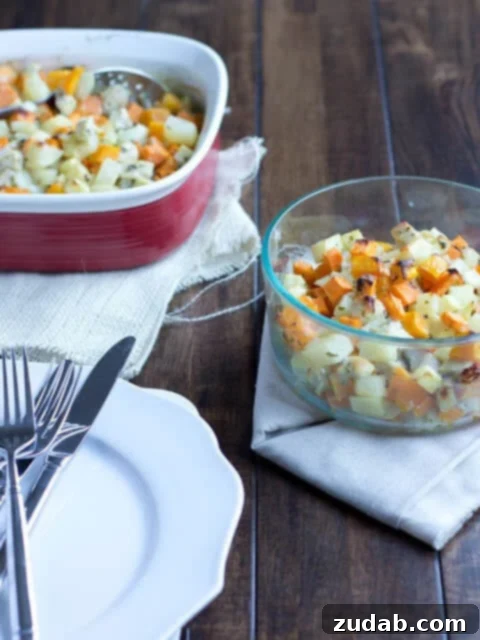
Embrace the comforting flavors of autumn with this incredibly easy and versatile root vegetable bake. More than just a simple recipe, this dish represents a philosophy of nourishment that extends beyond the plate – nourishing both body and soul. Its adaptability means you can effortlessly use whatever seasonal ingredients you have on hand, making it a perfect solution for busy weeknights or spontaneous acts of kindness.
Food, in my belief, serves as a powerful catalyst for building connections, fostering relationships, and showing genuine care for others. It’s not merely about providing physical sustenance; it’s about offering something much deeper – a heartfelt gesture that nurtures the spirit. A shared meal can bridge gaps, create lasting memories, and communicate unspoken affection in a way few other things can.
I grew up observing my parents, particularly my mother, embody this philosophy. My mom is a naturally quiet and reserved person; she’s shy until you truly get to know her, but her sincerity is undeniable. Both she and my dad quietly served those around them, often without the recipients ever knowing. This understated approach to generosity deeply resonated with me. Their acts of service were never about public display or seeking recognition; they were simply about fulfilling their part in caring for those in need. I vividly recall my mom laboring in the kitchen, meticulously preparing a meal, and then driving half an hour just to deliver it to someone, turning right around to come straight home. Her keen observation of her surroundings, coupled with her immediate, heartfelt action, taught me an invaluable lesson. No one ever had to ask; she simply did. From a young age, I learned that we always have a moment to give, to uplift, and to care. This selfless service brought immense joy and peace into our home and helped our family maintain a healthy perspective. When you are constantly mindful of others, it becomes significantly harder to fall into selfishness and become consumed by your own life.
Today, I want to discuss two crucial ways we can make a tangible difference in our communities and beyond. The first addresses the pervasive issue of bullying, and the second involves a simple yet profound act of service facilitated by everyday kitchen tools like Pyrex.

Addressing Bullying: A Call for Empathy and Action
Let’s dive into a topic that has weighed heavily on my heart lately. My youngest child has been experiencing bullying at school, an issue that seems particularly prevalent this year. This situation not only evokes anger but also breaks my heart. It fuels an intense desire within me to advocate for change. I was bullied extensively throughout my own childhood, particularly due to my religious beliefs. The hurtful words and actions of other children left an indelible mark, but I chose to transform that experience into a commitment to be better and to ensure my child never inflicts such pain on others. While a specific video mentioned in the original text is not provided, the sentiment it conveyed – of standing up against injustice – is incredibly powerful and necessary.
It’s an unfortunate truth that parents sometimes fall short in addressing bullying. Bullies, sadly, aren’t confined to schoolyards; they come in all shapes, sizes, and ages. I’ve even witnessed adult bullying, and while it’s frustrating, it often stems from deep-seated insecurities, which is truly heartbreaking. However, it took me a long time to cultivate empathy for adult bullies; the focus must always remain on protecting those who are targeted.
Children are acutely observant. They mirror what they see and hear from adults, how we speak, and how we treat others. As parents and adults, we cannot afford to be blind to the issue of bullying until it directly impacts our own children. We have a collective responsibility to teach everyone, including other adults in our lives, that every individual deserves respect, regardless of their differences. This principle is non-negotiable: EVERYONE DESERVES RESPECT. Period.
Join Me In Standing Up Against Bullies
I urge all of us to make a firm resolve to openly discuss bullying with our children. Help them understand their inherent worth and remind them that treating others with disrespect is never acceptable. While many of us strive to raise kind and compassionate children, we live in a world where these conversations must start early and be ongoing. Furthermore, if you ever witness bullying, please, speak up. I recently heard a disheartening story from a fellow parent who witnessed bullying last week, with other adults standing by and doing absolutely nothing. This is not okay. Inaction perpetuates the problem; we must actively intervene and do something.

Observe and Then Act: Cultivating a Culture of Service
My second topic for today revolves around the profound impact of serving others. It’s incredibly easy to become oblivious to the struggles happening right within our own neighborhoods, but I can assure you that there’s far more happening than you might realize. The more we genuinely connect with those around us, the more we begin to understand that everyone, in one way or another, is navigating their own challenges. While it’s natural to focus on our personal struggles, my parents instilled in me a powerful lesson: if I find myself struggling, I should look for opportunities to help others. This perspective shifts the focus outward, offering a pathway to finding purpose and alleviating personal burdens through acts of compassion.

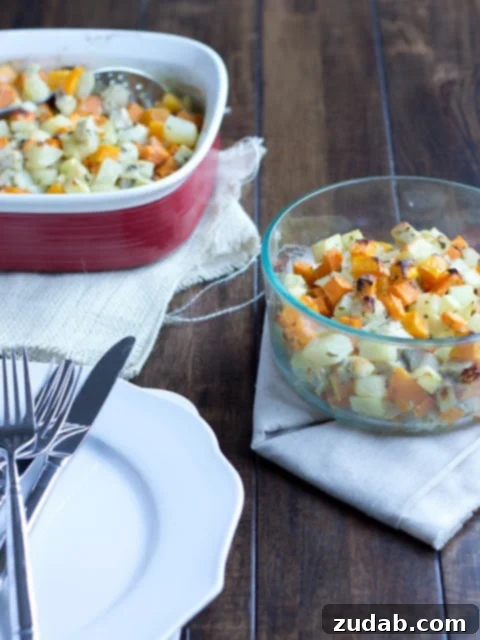
This is where practical tools, like Pyrex bowls, come into play beautifully. These versatile bowls are fantastic because you can bake your delicious root vegetable dish directly in them, and then their accompanying lids provide a perfect, secure seal for transport. Take a moment to observe your neighborhood. Is there someone who has had a particularly long day, someone who could use a little extra love, or perhaps a small act of service? Consider preparing a warm, nourishing meal for them. This root vegetable bake is an ideal choice for such an occasion because it’s economical to prepare and simply requires tossing all ingredients together for baking. As you can see in the accompanying picture, we often make one for ourselves and a second one to share with our neighbors. I know, life is busy – trust me, I understand! But please, don’t wait for someone to explicitly ask for help. Take the initiative; just go and do. I promise you’ll experience a profound sense of satisfaction and well-being from your efforts, and you never know – your thoughtful gesture could be the answer to someone’s silent prayers.
What Are Root Vegetables?
Root vegetables are a diverse group of plants characterized by their edible underground parts, which function as storage organs for energy. They are fundamental staples in cuisines worldwide and offer a robust, earthy flavor profile that shines in hearty dishes. Common examples include onions, sweet potatoes, classic potatoes, carrots, turnips, beets, garlic, and fennel. This category also encompasses other delicious options like parsnips, radishes, and ginger, each bringing unique textures and tastes to your cooking.
Are Root Vegetables Good for You?
Absolutely! Many root vegetables are nutritional powerhouses, packed with essential vitamins and health-promoting compounds. They are often excellent sources of vitamin C, which is crucial for immune function and skin health, and various B vitamins, important for energy metabolism. Many also boast high levels of vitamin A, particularly in the form of beta-carotene, vital for vision and immune support. Beyond vitamins, root vegetables are rich in dietary fiber, which aids digestion and promotes satiety, and a wide array of powerful antioxidants. These antioxidants play a significant role in combating oxidative stress, reducing inflammation, and may contribute to lowering the risk of chronic diseases such as heart disease and certain cancers. Incorporating a variety of root vegetables into your diet is a simple yet effective way to boost your overall health and well-being.
What Is The Difference Between Kosher Salt and Table Salt?
The primary distinction between kosher salt and table salt lies in their crystal structure and grain size. Table salt is finely ground, often with small, uniform crystals, and typically contains anti-caking agents and iodine. Kosher salt, on the other hand, features larger, coarser, and often irregularly shaped crystals. This larger grain size makes it easier to pick up and sprinkle, offering more control during seasoning. While the flavor is virtually the same (both are sodium chloride), many chefs prefer kosher salt for its texture and how it adheres to food, making it an excellent choice for seasoning meats and vegetables. It also dissolves differently, often more slowly, which can be desirable in certain cooking applications.
Root Vegetable Bake: A Simple & Nourishing Recipe
Hearty Autumn Root Vegetable Bake
Ingredients
- 1 Sweet Potato, peeled and chopped into 1″ squares (a real sweet potato is the shape of a yam, but has white flesh)
- 1 Yam, peeled and chopped into 1″ squares
- 1 Large Russet Potato, peeled and chopped into 1″ squares
- 2 Chicken Breasts, chopped into 1″ squares (for a vegetarian option, omit chicken or replace with firm tofu or chickpeas)
- 1 Onion, peeled and chopped into 1″ squares
- 1/2 Butternut Squash, peeled and chopped into 1″ squares
- 1 Tablespoon Fresh Oregano, chopped (or 2 Teaspoons dried)
- 1 Tablespoon Fresh Basil, chopped (or 2 Teaspoons dried)
- 1 Tablespoon Kosher Salt, plus more to taste at the end
- 2 teaspoons Pepper, plus more to taste at the end
- 1 Tablespoon Fresh Parsley, chopped
- 1 Tablespoon Garlic, minced
- 1/2 Cup Olive Oil
Instructions
-
Preheat your oven to 400 degrees Fahrenheit (200 degrees Celsius).
-
In a large mixing bowl, combine all the chopped ingredients: sweet potato, yam, Russet potato, chicken breast (if using), onion, butternut squash, fresh oregano, fresh basil, kosher salt, pepper, fresh parsley, minced garlic, and olive oil. Toss everything gently until all the vegetables and chicken are evenly coated.
-
Transfer the mixture to a large baking dish, spreading it out into an even layer.
-
Bake for 40-50 minutes, or until all the vegetables are tender and slightly caramelized, and the chicken (if using) is cooked through. You can gently stir halfway through cooking for even browning.
-
Serve hot and enjoy this comforting, flavorful bake!
Recipe Notes
*To reheat: Spread leftover vegetables on a baking sheet, drizzle lightly with a little olive oil, and reheat in a 450-degree Fahrenheit (230 degrees Celsius) oven for 4-5 minutes, or until warmed through.
*For added richness, consider topping with a sprinkle of Parmesan cheese during the last 10 minutes of baking.
*This dish pairs wonderfully with a simple green salad or a crusty loaf of bread.
Nutrition Information (Approximate)
Nutrition information is automatically calculated, so should only be used as an approximation.
This Root Vegetable Bake is more than just a meal; it’s an opportunity to connect, to care, and to nourish. Whether you’re enjoying it with your family or sharing it with a neighbor, may it bring warmth and a sense of community to your table. Let’s continue to spread kindness, one delicious dish at a time, and remember the profound impact our simple acts of service can have.

Sweet Potato Avocado Tostadas

Grilled Avocado Tacos

Easy Garden Skillet